




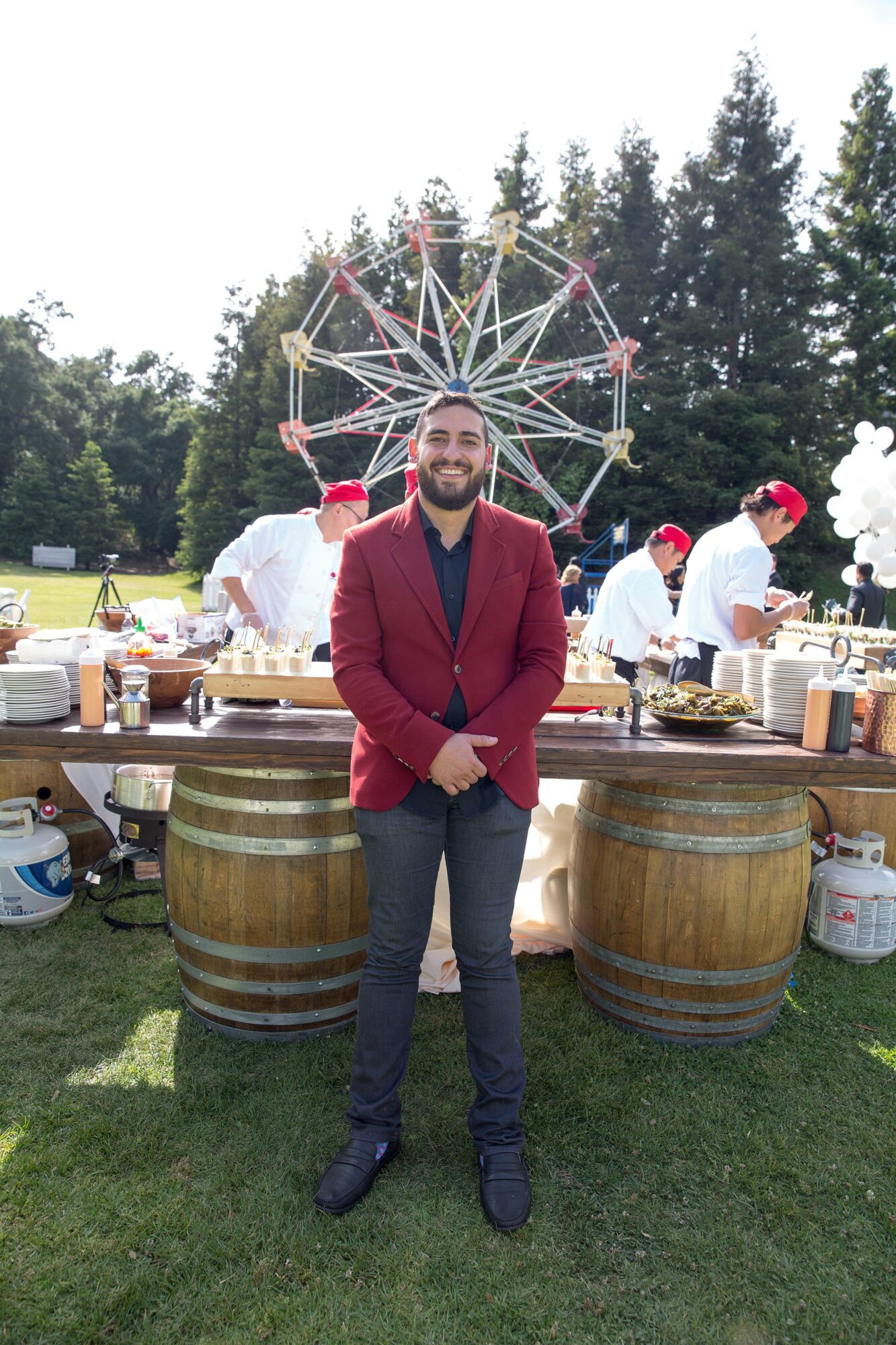
We’re looking forward to introducing you to FARZAD YOUSHEI. Check out our conversation below.
Hi FARZAD, thank you for taking the time to reflect back on your journey with us. I think our readers are in for a real treat. There is so much we can all learn from each other and so thank you again for opening up with us. Let’s get into it: Are you walking a path—or wandering?
I’m definitely walking a path — but I allow room to wander within it.
The path is clear: build experiences that feel intentional, elevated, and memorable. That’s been consistent from day one. The wandering happens in how I get there — experimenting with creativity, pushing formats, collaborating with unexpected partners, and letting curiosity guide refinement.
I don’t believe in drifting without direction, but I also don’t believe the path should be rigid. The magic usually lives in the space between discipline and exploration.
Can you briefly introduce yourself and share what makes you or your brand unique?
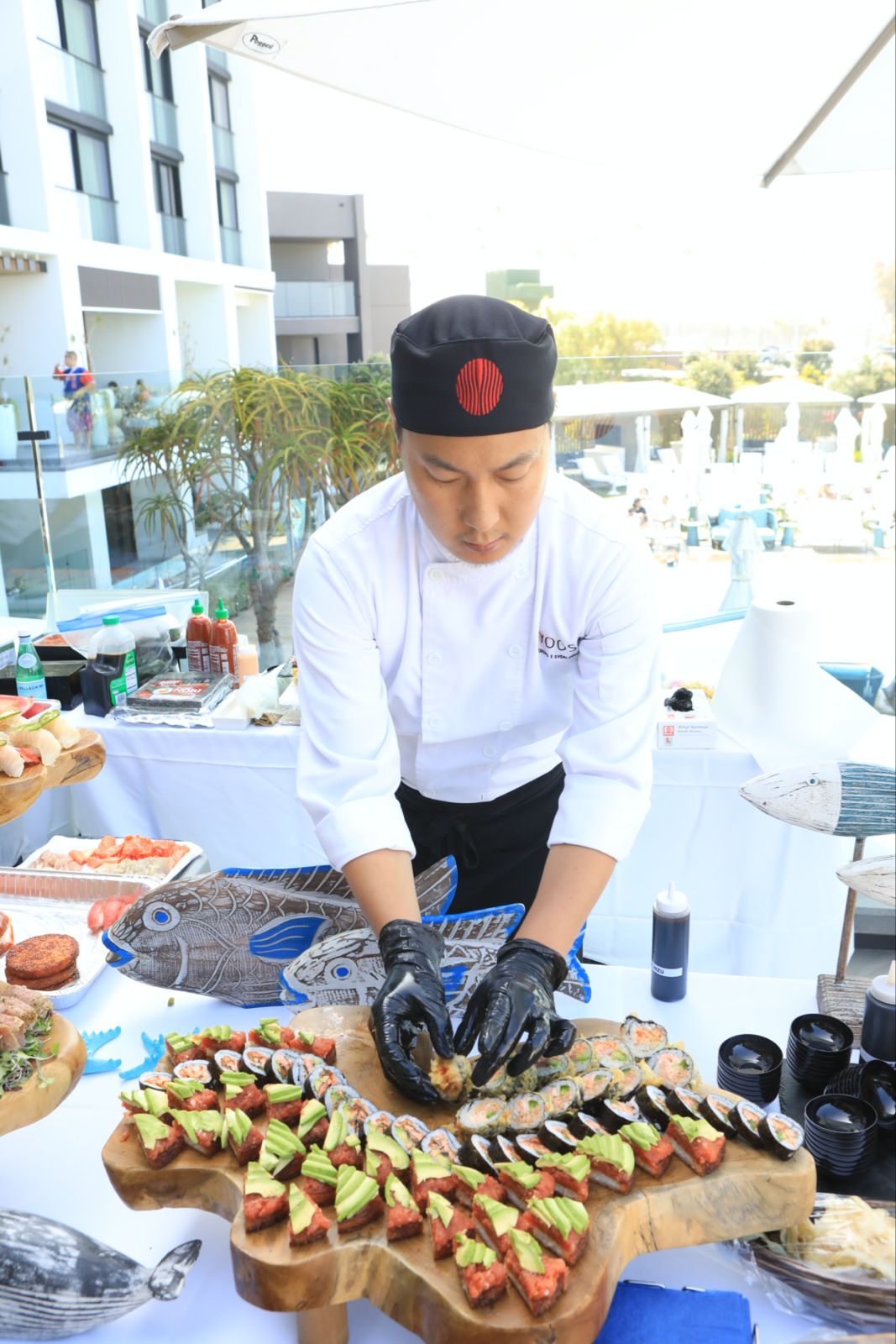
I’m Farzad Youshei, founder of Yooshi Sushi Catering & Event Production. At its core, Yooshi is about creating elevated, chef-driven sushi experiences that feel immersive, intentional, and memorable — not just feeding guests, but engaging them.
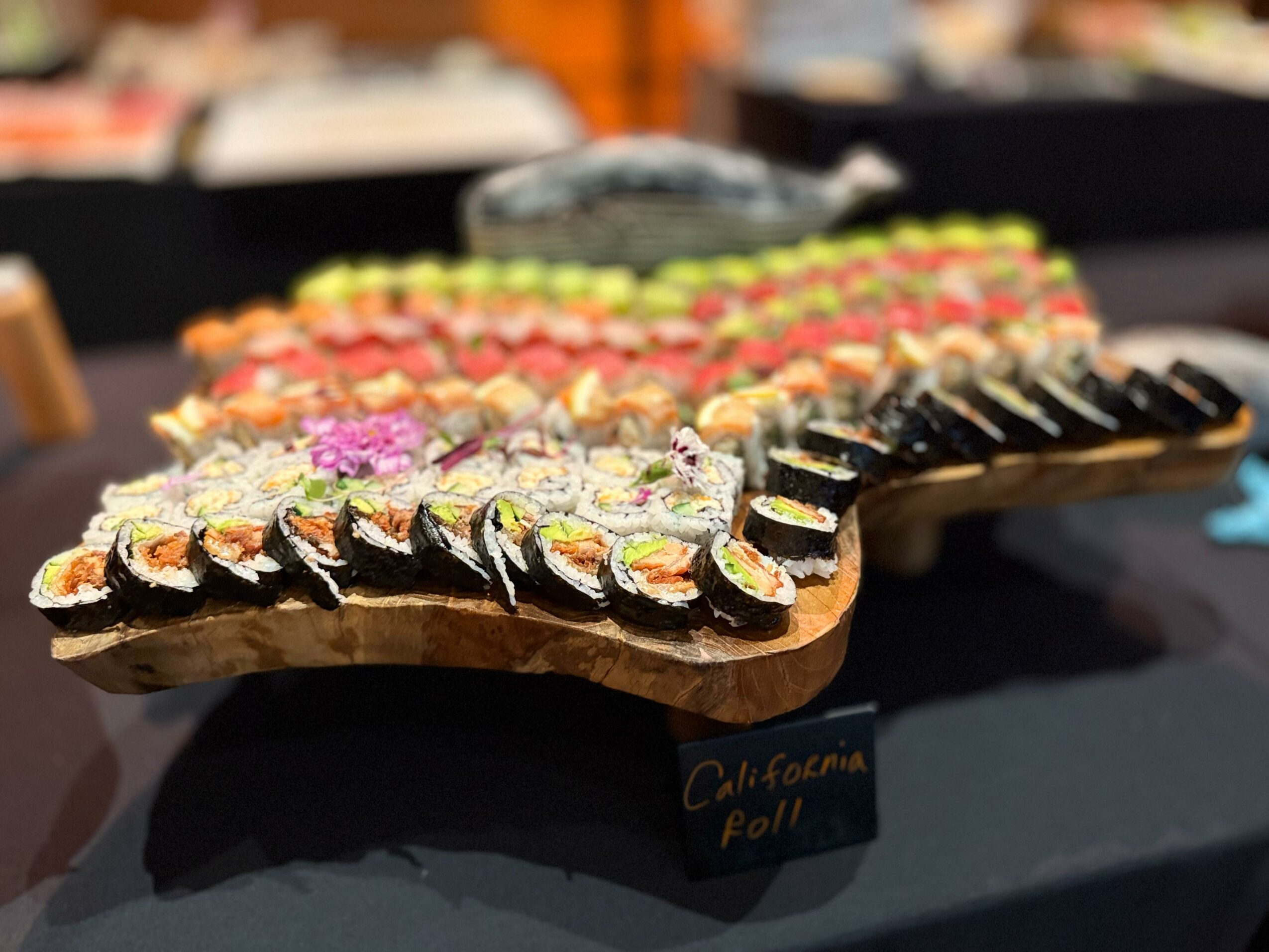
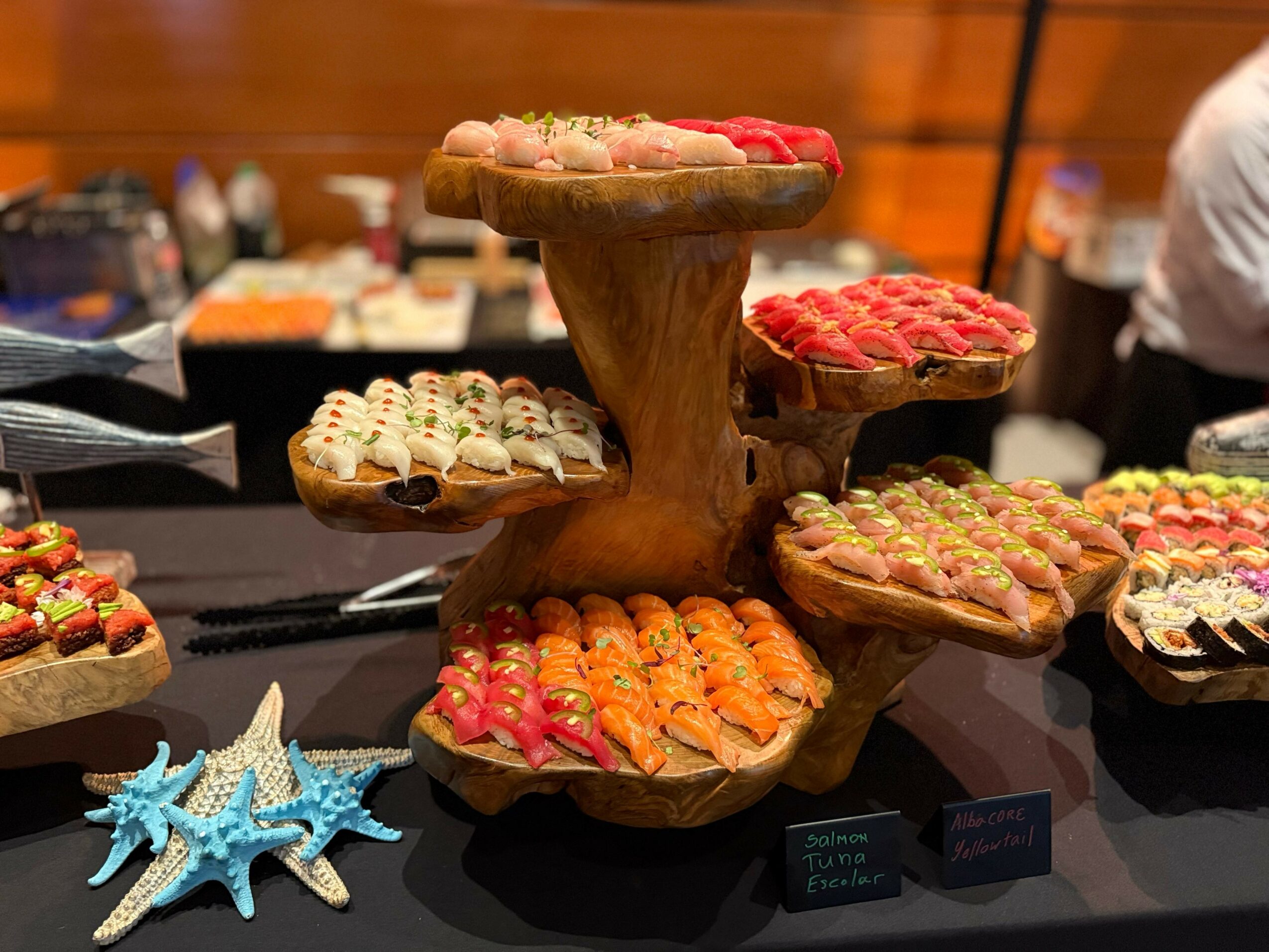
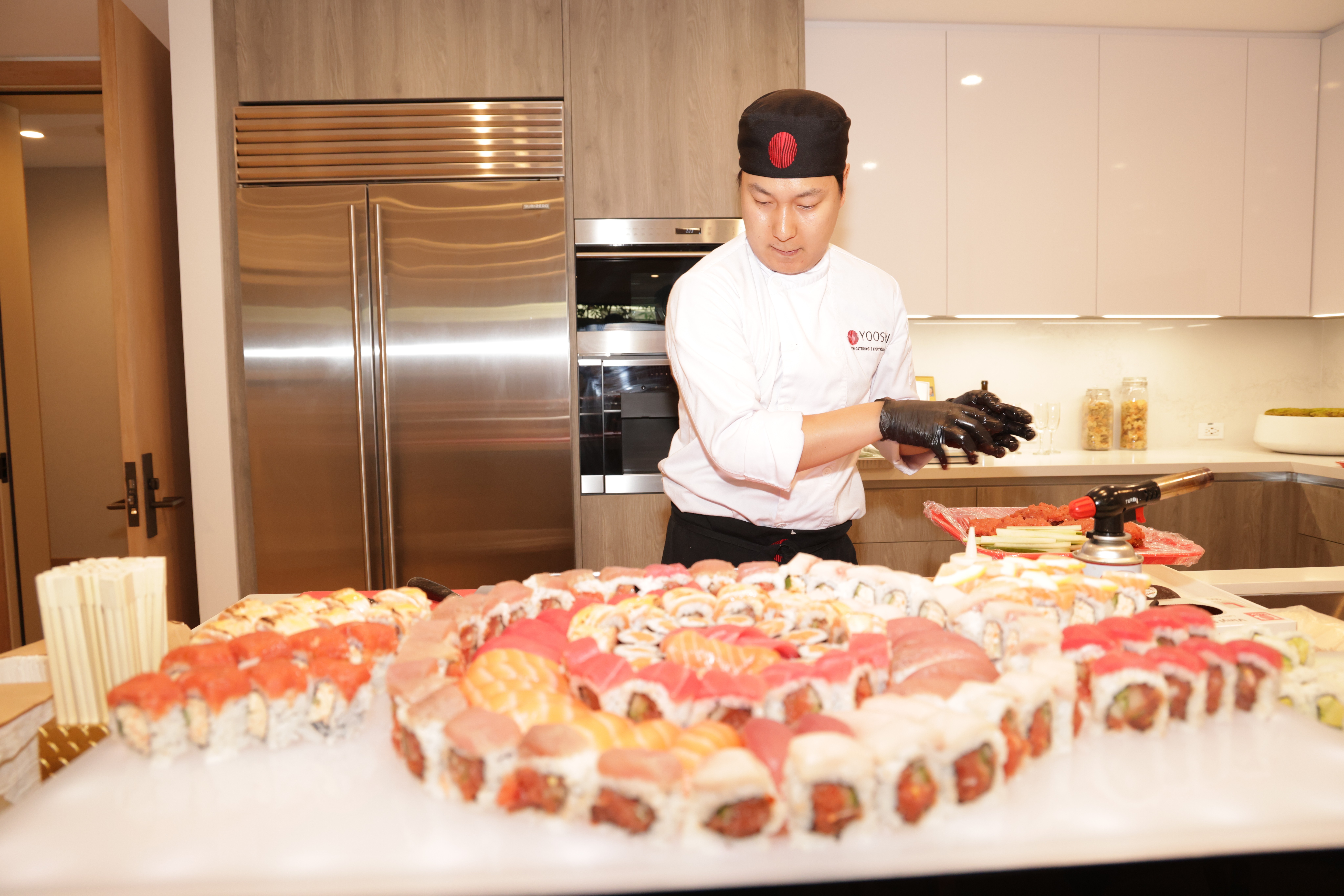
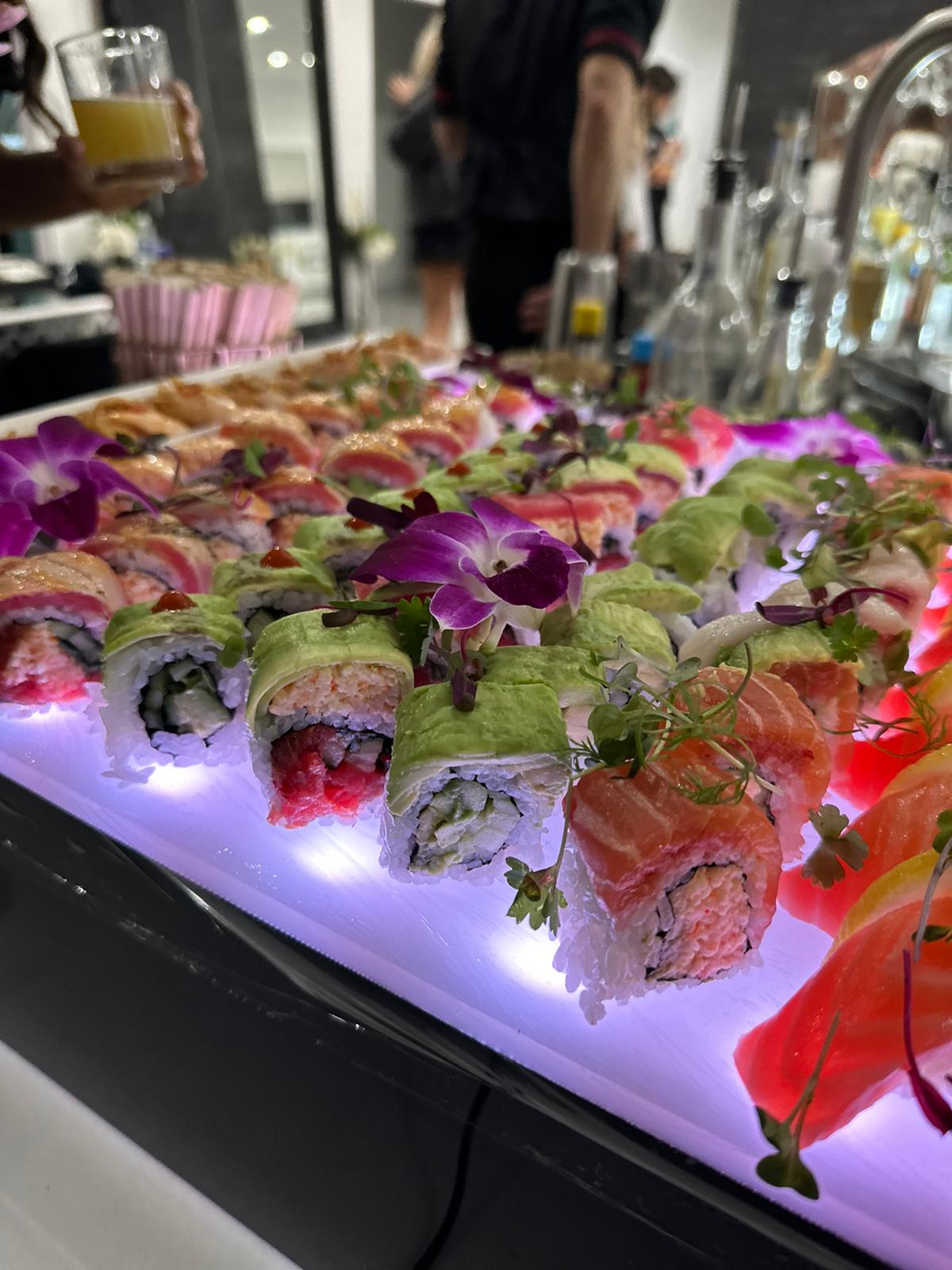
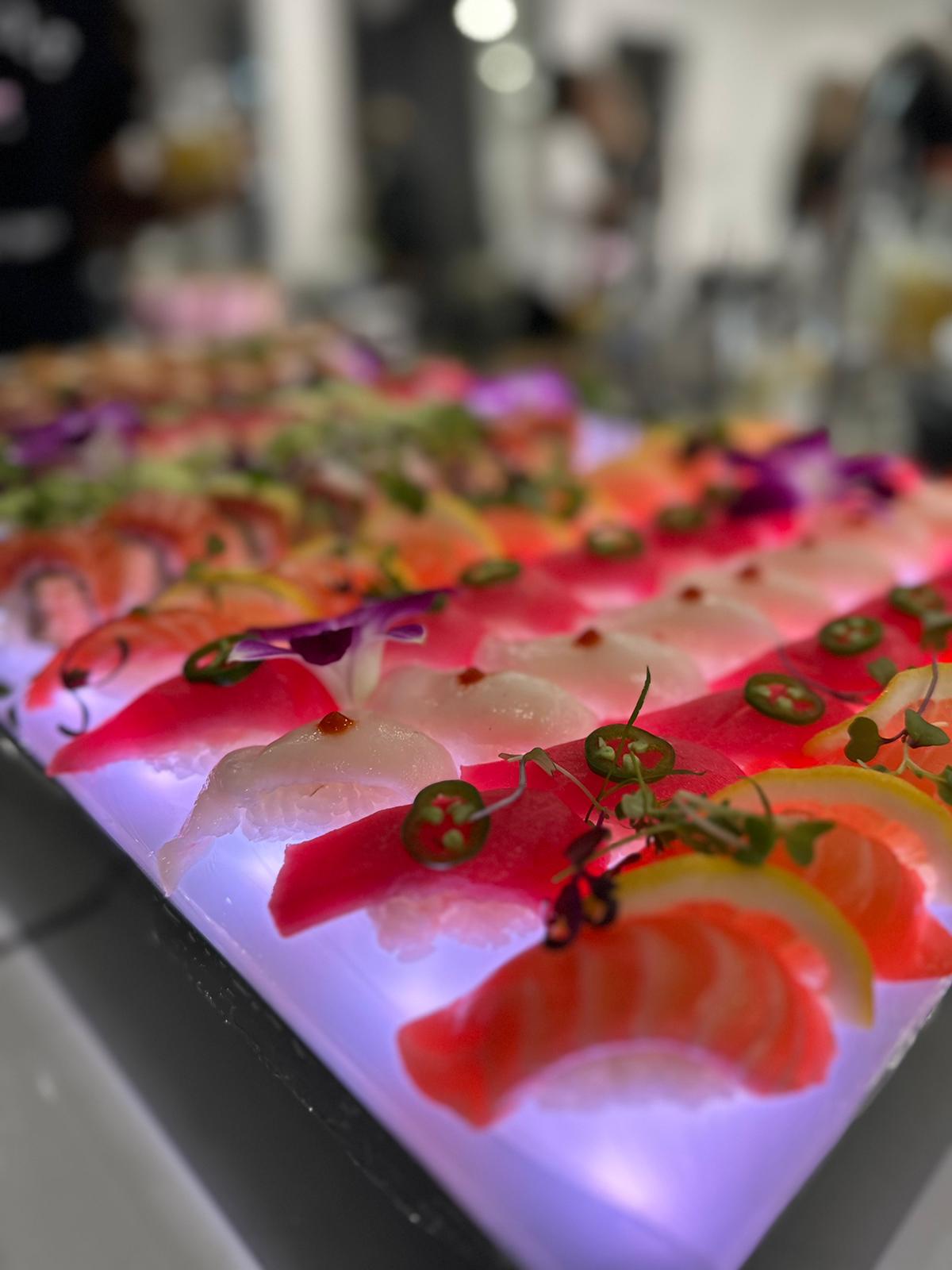
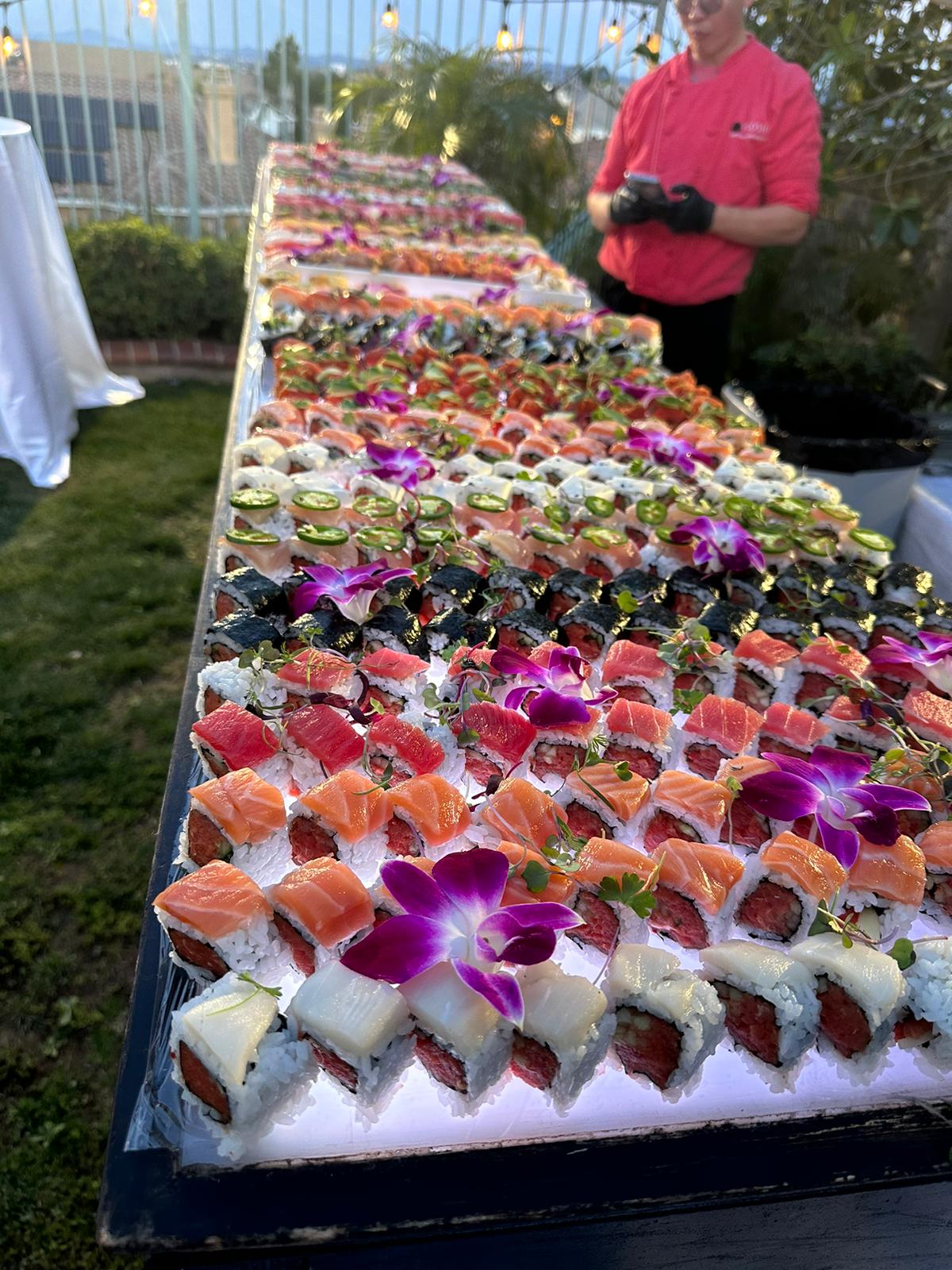
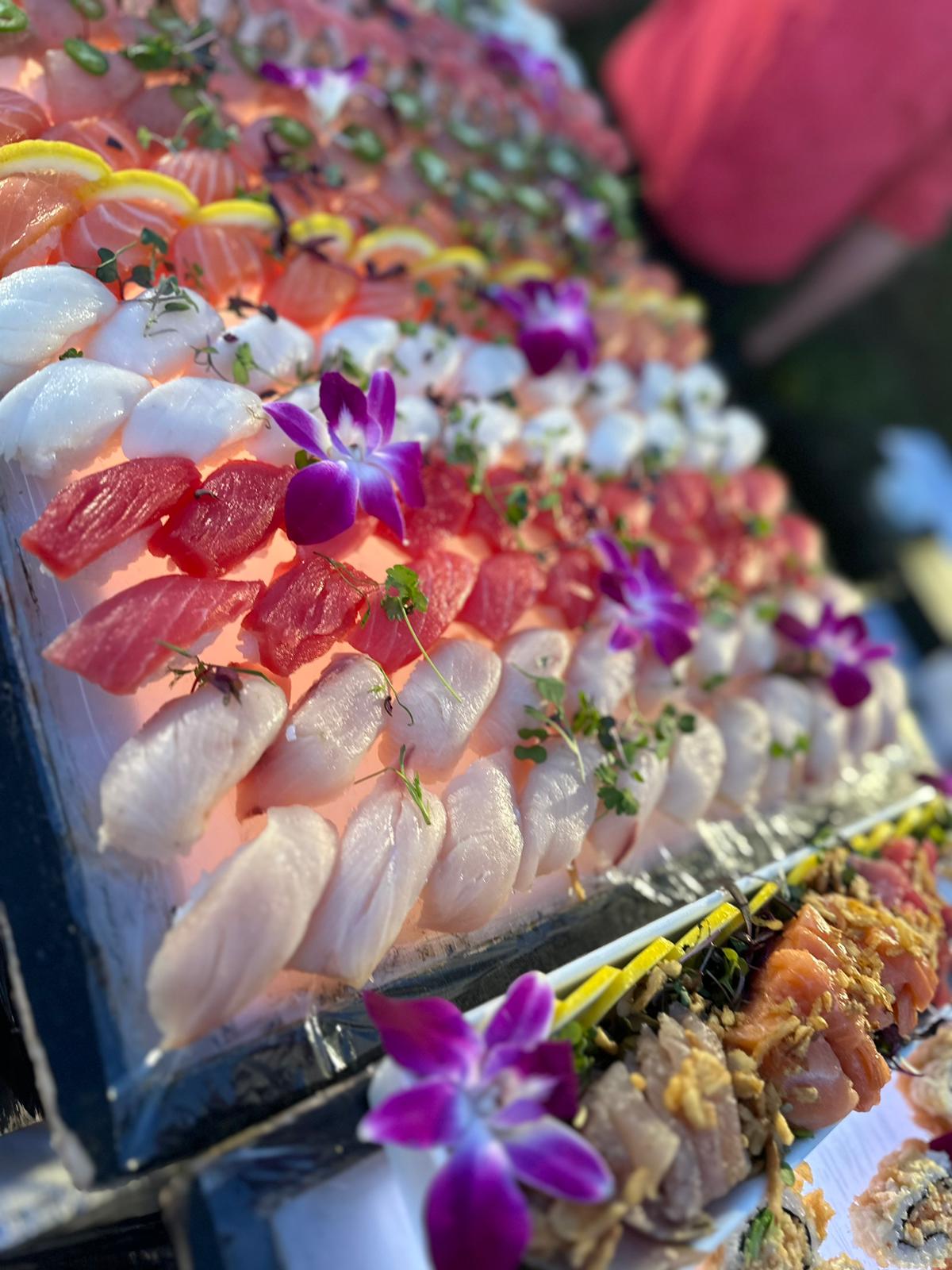
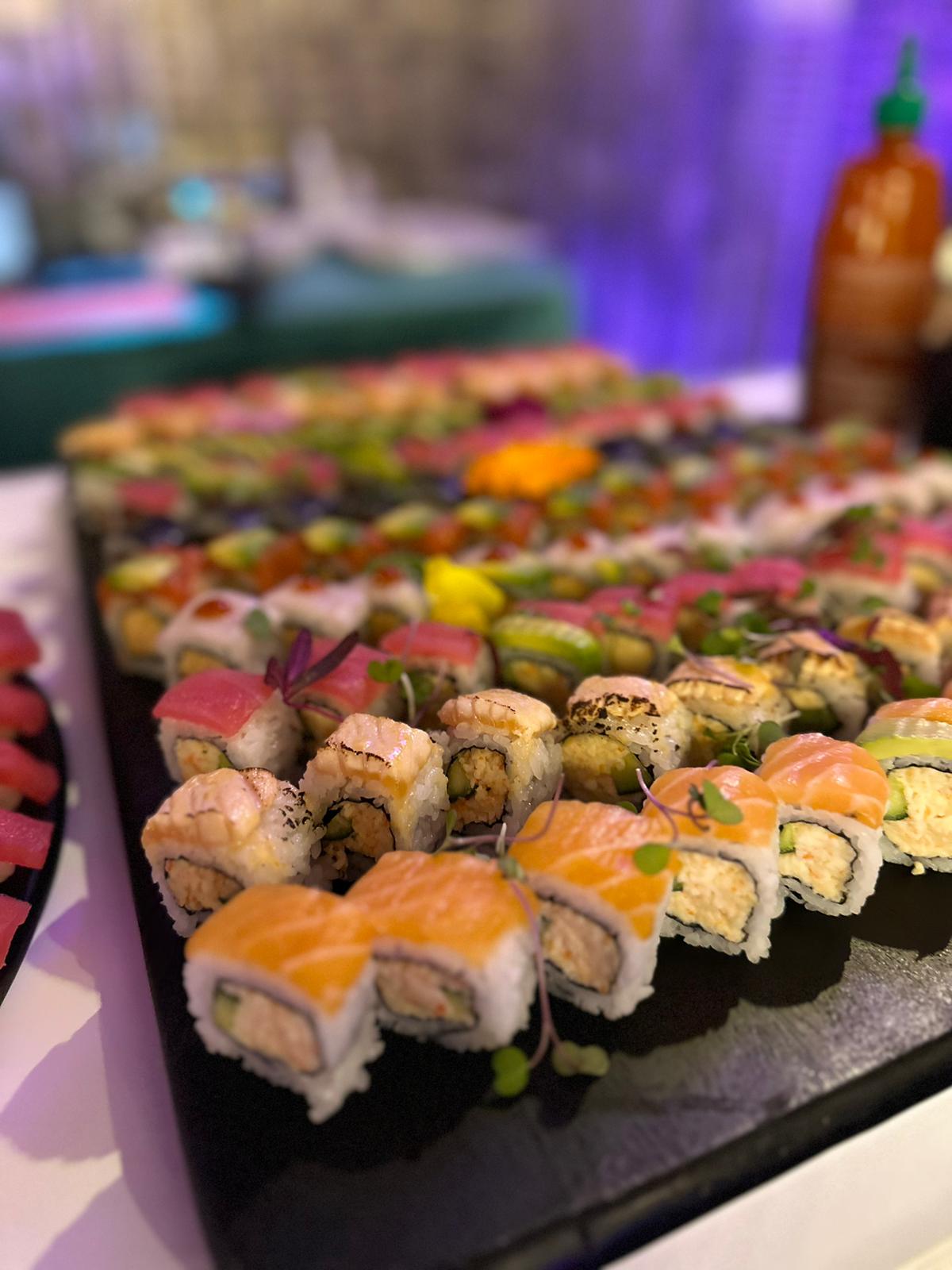
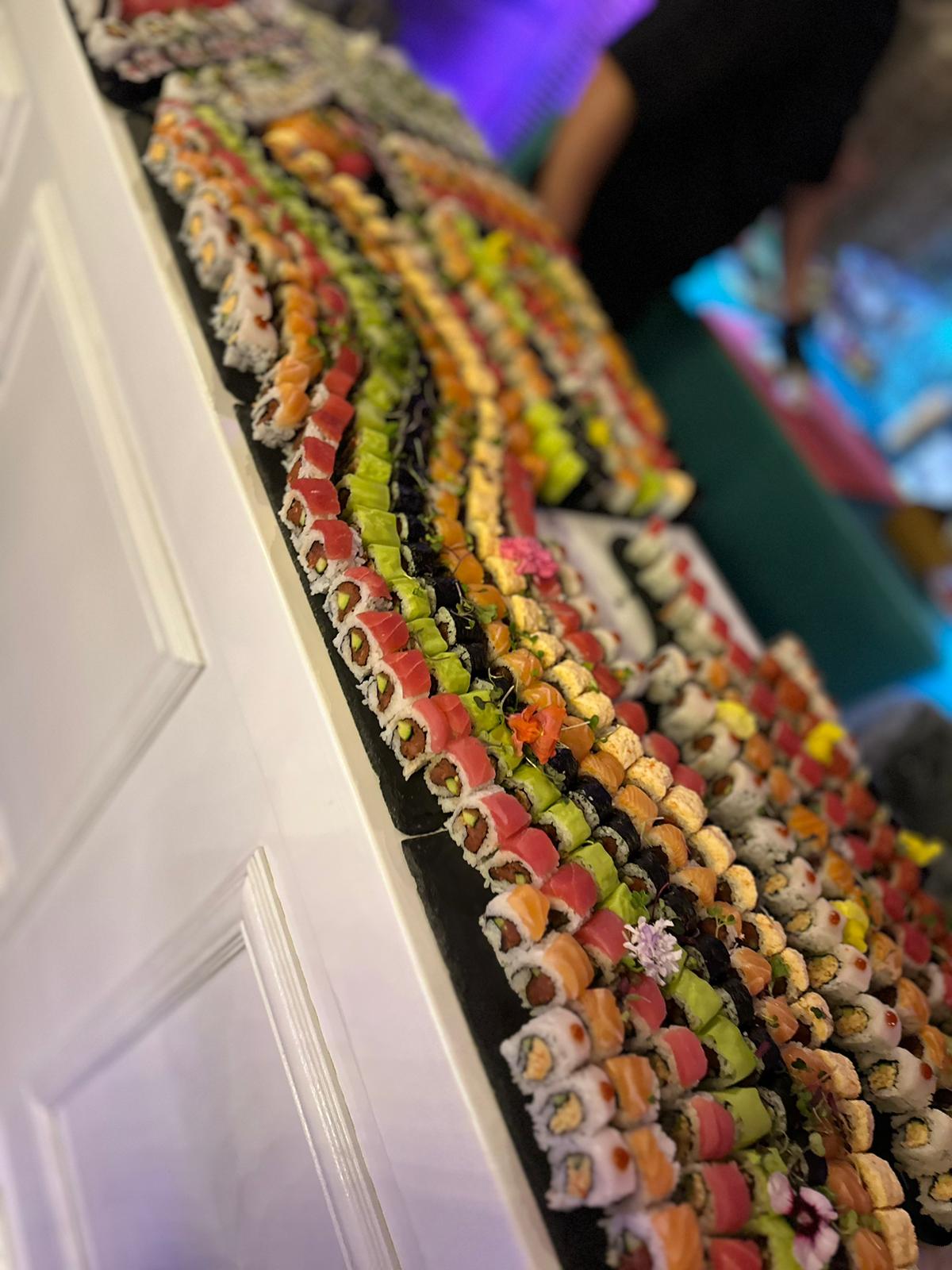
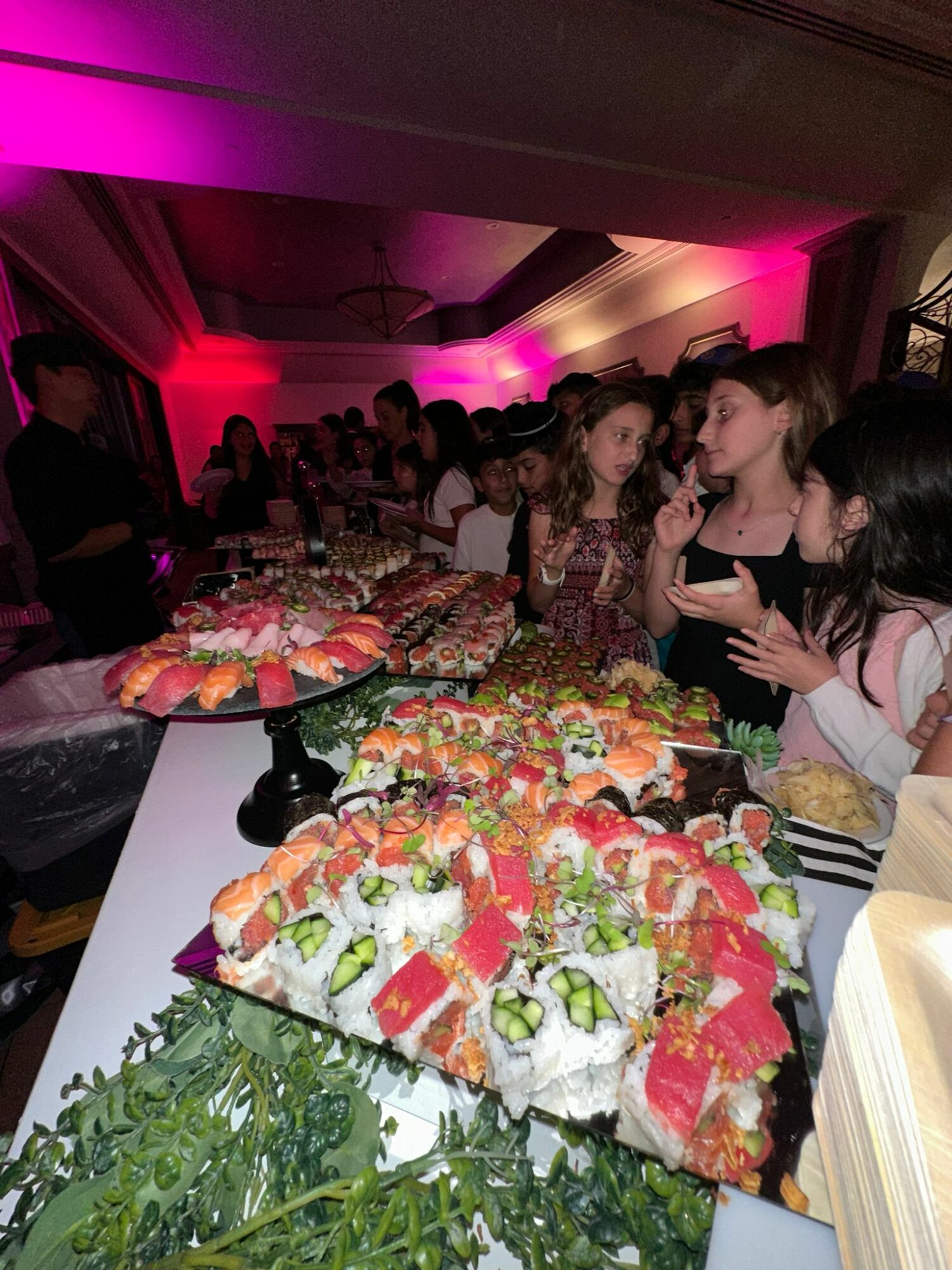
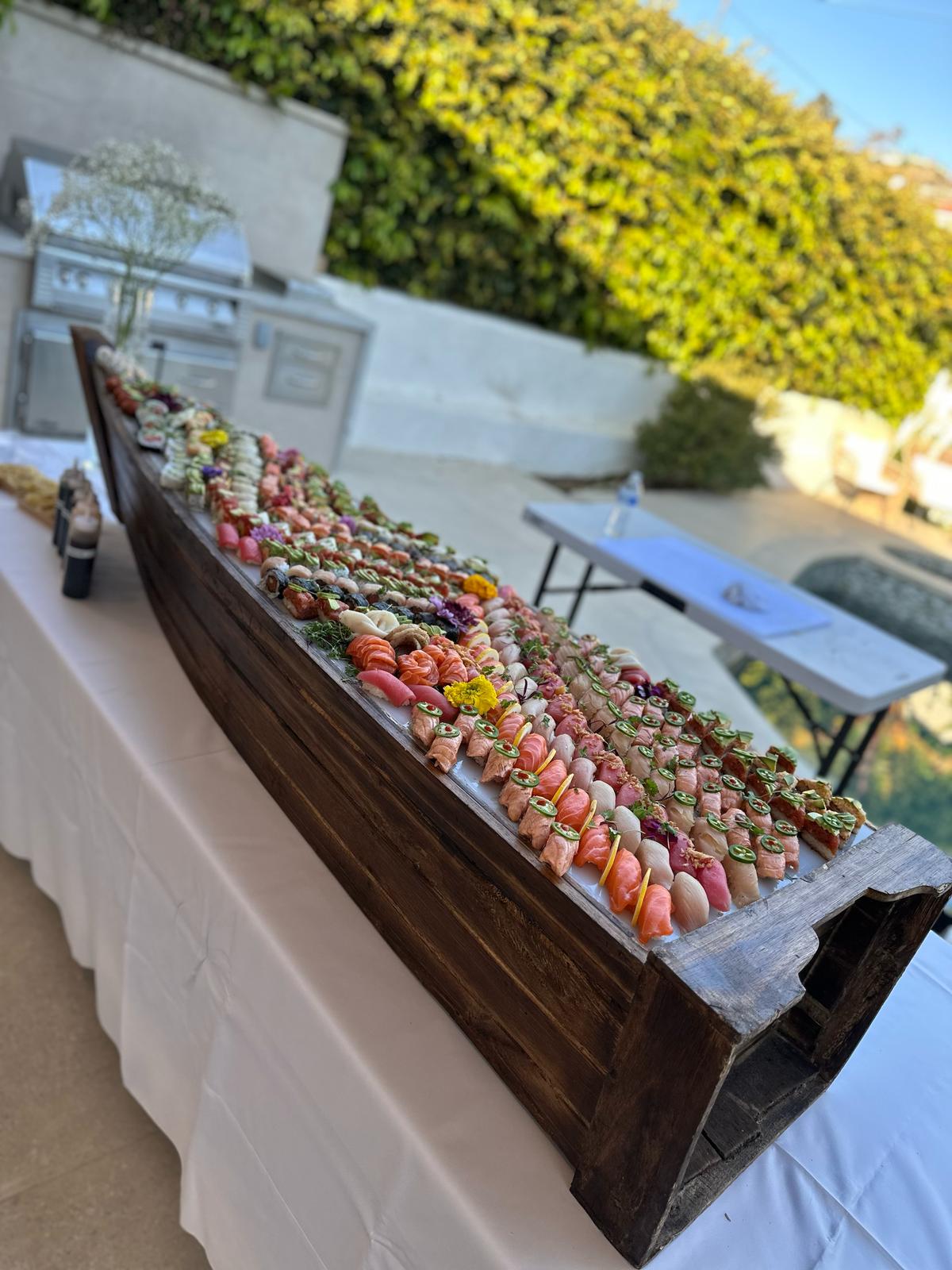
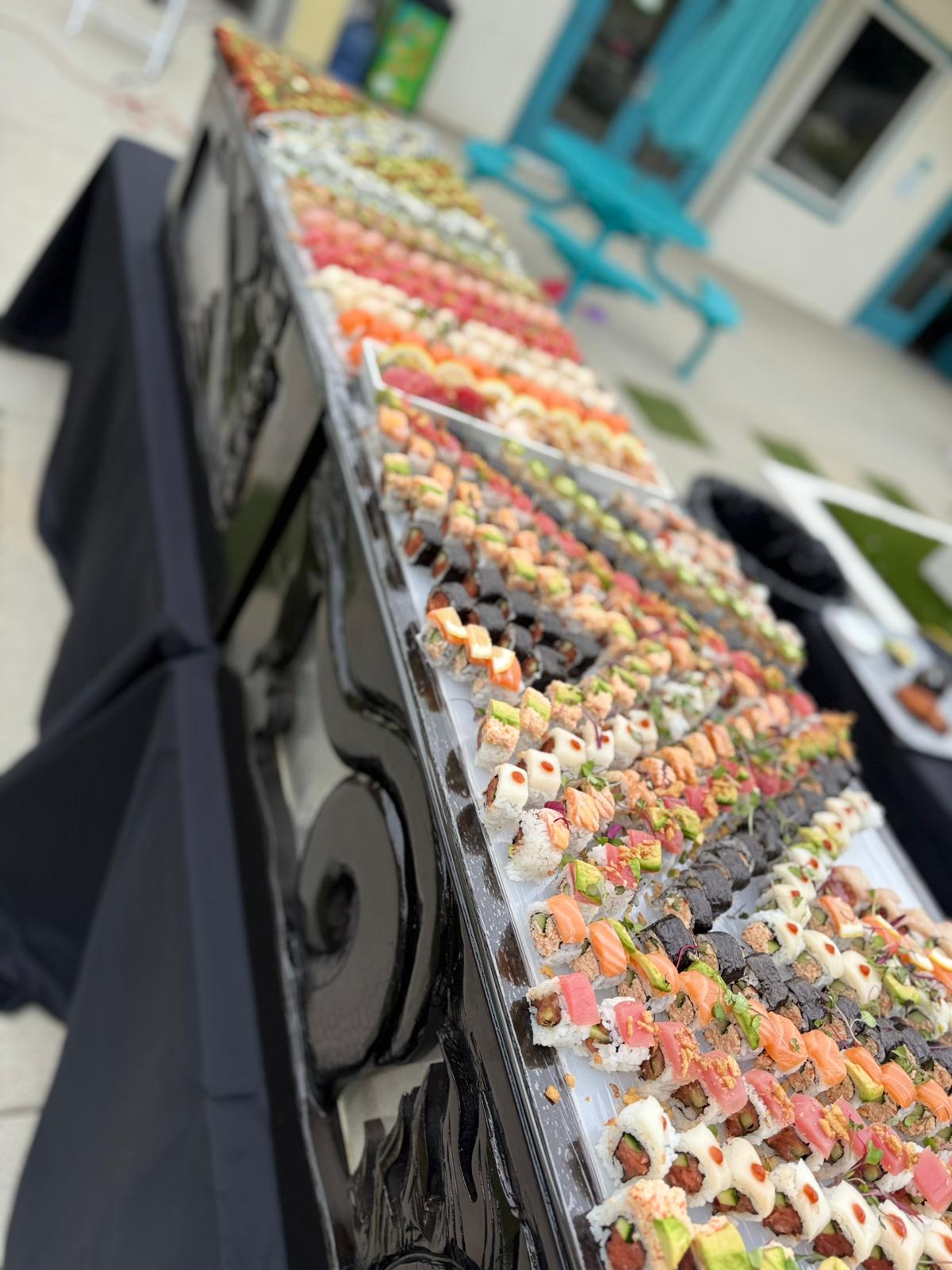
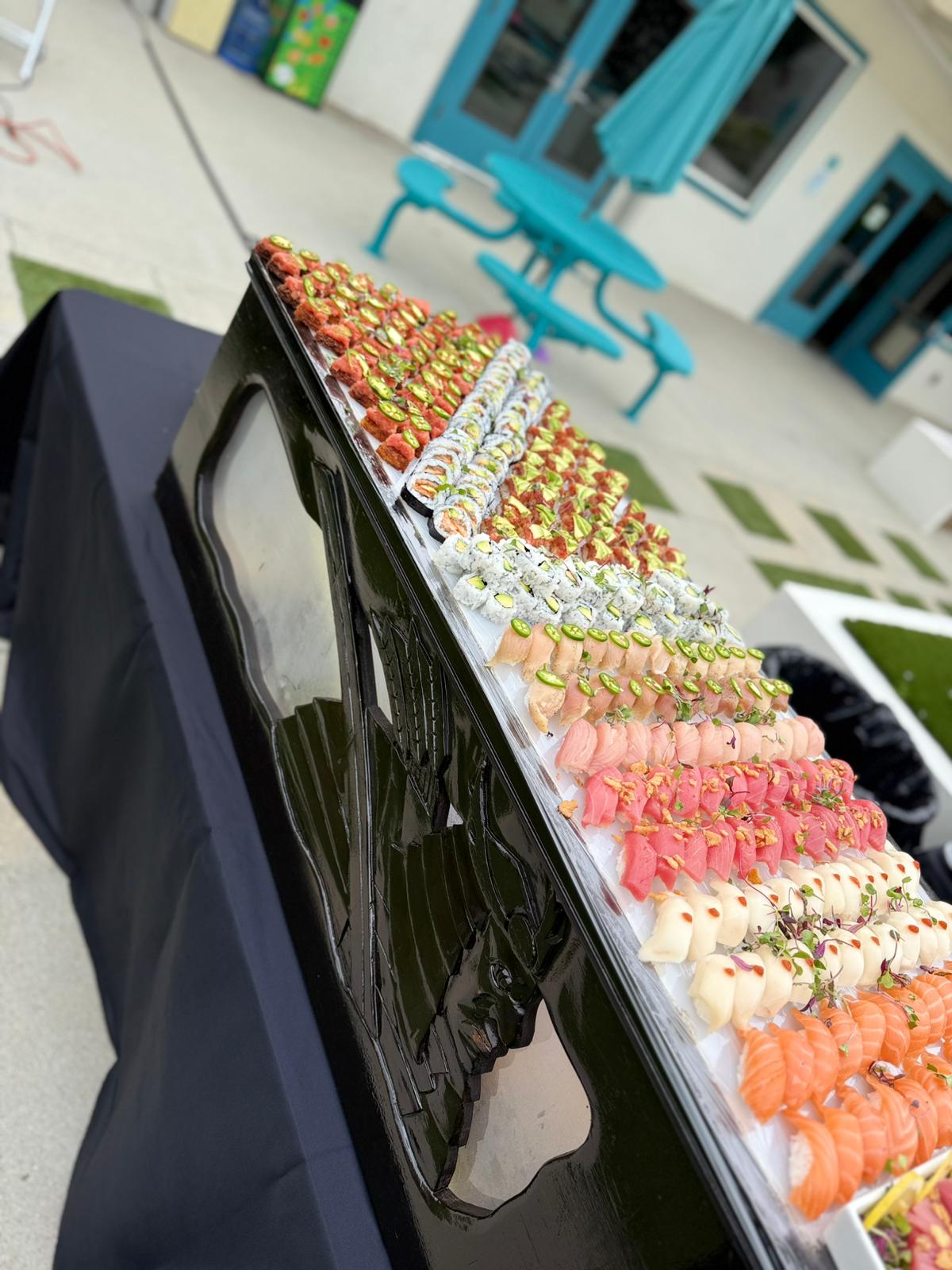
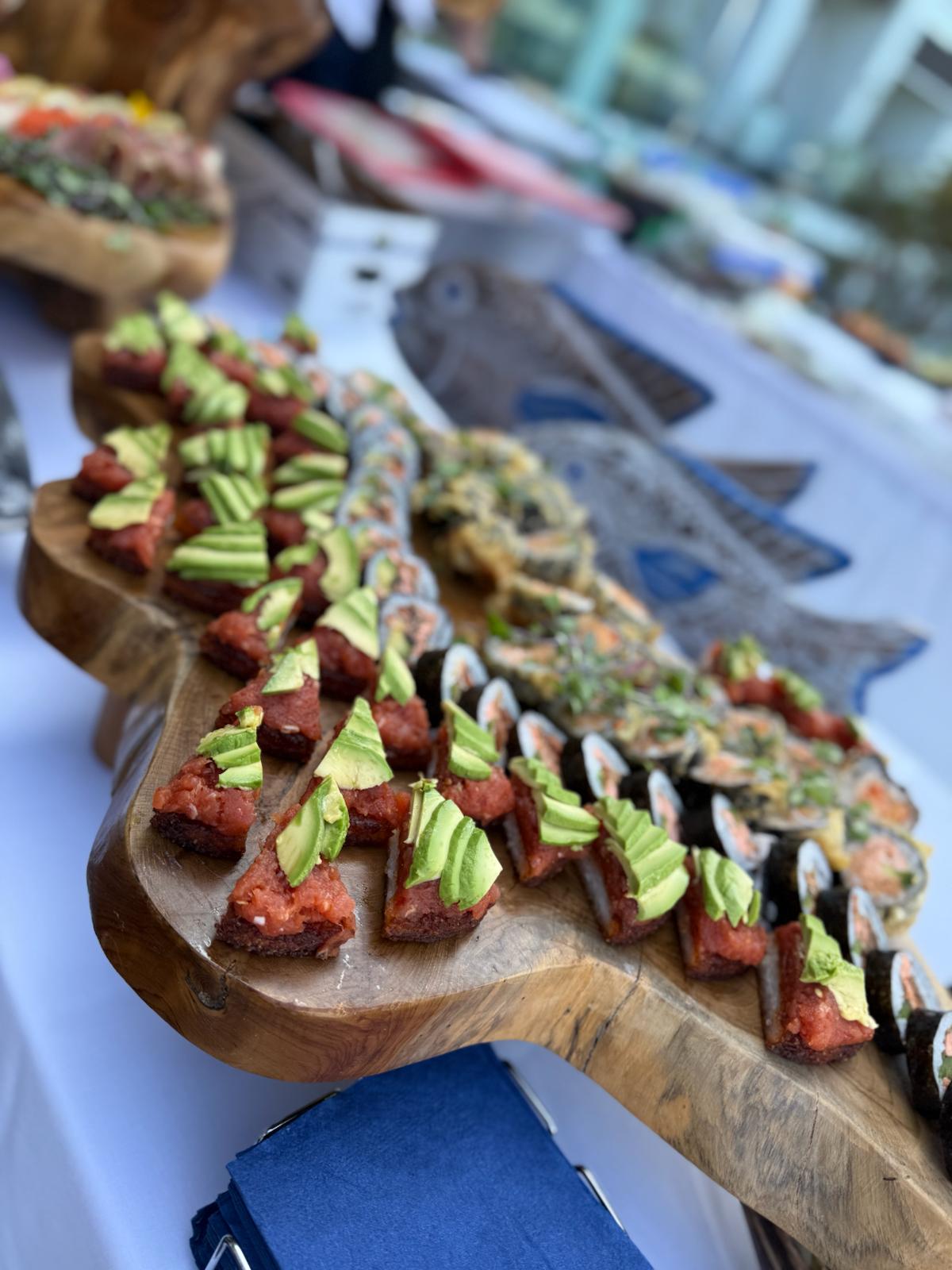
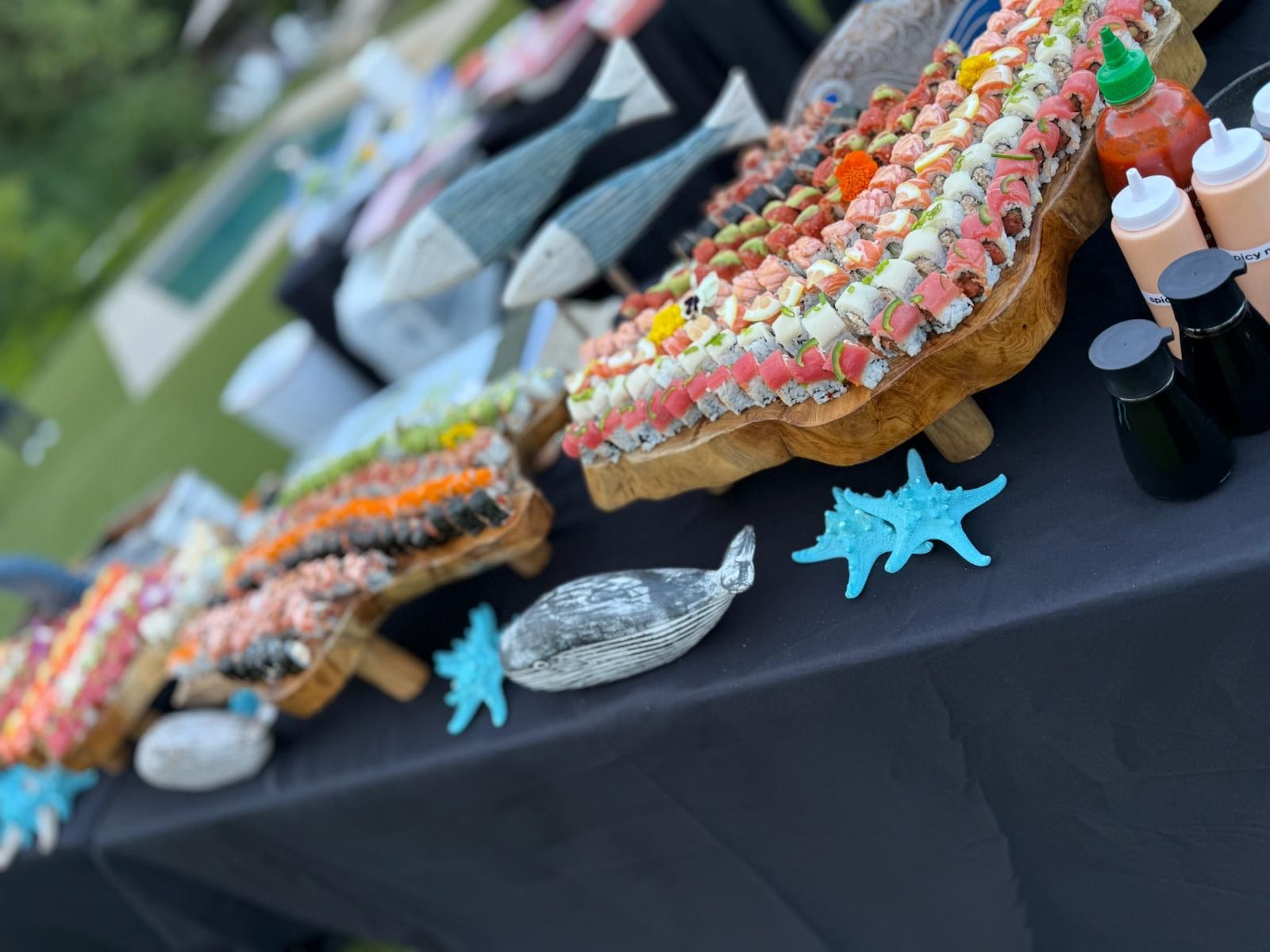
What makes Yooshi unique is that we don’t operate like traditional catering. We specialize in live-action sushi bars, private omakase experiences, and presentation-forward sushi installations where guests can interact with the chefs, request custom bites, and experience sushi as a performance. Every event is treated like a one-off production, not a copy-and-paste menu.
Our chefs are artists in their own right, which is why we avoid generic roll names and instead feature Chef’s Creation Rolls that change from event to event. We focus heavily on flow, visual impact, and quality — from premium sourcing to thoughtful plating — so the experience feels refined but still fun and approachable.
I’m constantly working on expanding what the brand can be: refining our VIP experiences, building stronger partnerships with planners and venues, and pushing the boundaries of how food can be part of storytelling at an event. The goal is simple — to wow every guest, every time, while staying true to creativity, craftsmanship, and hospitality.
Appreciate your sharing that. Let’s talk about your life, growing up and some of topics and learnings around that. What relationship most shaped how you see yourself?
The relationship that most shaped how I see myself is my relationship with responsibility — specifically learning it early and learning it fast.
From a young age, I understood that showing up, following through, and carrying weight for others wasn’t optional. That mindset shaped how I see myself not just as an individual, but as someone others can rely on. It taught me to lead from the front, to stay calm under pressure, and to take pride in doing things the right way even when no one is watching.
That sense of responsibility also sharpened my standards. I became very aware of how my actions affected others — whether it was family, teammates, or later, clients and staff. Over time, that evolved into confidence: not loud confidence, but the quiet kind that comes from knowing you can handle what’s in front of you.
It’s the same lens I bring into my work today — treating every event, every client, and every team member with care and accountability — because at the end of the day, trust is built through consistency, not words.
What did suffering teach you that success never could?
Suffering taught me humility, patience, and empathy in ways success never could.
Success can validate you, but suffering reveals you. It stripped away ego and shortcuts and forced me to confront who I was when things weren’t working — when effort didn’t immediately translate into reward. In those moments, I learned how to sit with uncertainty, how to stay disciplined without applause, and how to keep moving even when the outcome wasn’t guaranteed.
It also sharpened my empathy. Struggle makes you more aware of what people carry quietly. It changed how I lead, how I listen, and how I treat others — not as transactions, but as humans navigating their own pressures and battles.
Most importantly, suffering taught me that resilience isn’t about avoiding hardship; it’s about learning how to move through it with integrity. Success feels good, but suffering builds depth — and depth is what lasts.
So a lot of these questions go deep, but if you are open to it, we’ve got a few more questions that we’d love to get your take on. What truths are so foundational in your life that you rarely articulate them?
God is at the center of everything. Not as a concept, but as an anchor. Faith shapes how I make decisions, how I treat people, and how I navigate uncertainty. I don’t believe I’m doing this alone, and that perspective keeps me grounded, grateful, and accountable.
Second, consistency matters more than intensity. Big moments don’t build a life or a business — showing up day after day does. Progress is usually quiet, and I’ve learned to trust that.
Another truth is that people remember how you make them feel long after they forget what you said or sold them. That belief shapes how I work, how I lead, and how I build relationships. Respect, honesty, and follow-through are non-negotiable.
I also believe that ego is expensive. The moment you stop listening or think you’ve “arrived,” you start losing ground. Staying curious and humble keeps doors open.
Lastly, craft is a form of integrity. Doing things properly — even when no one is watching — matters. Quality, care, and intention aren’t optional to me; they’re how you leave your fingerprint on the world.
These aren’t ideas I debate much anymore. They’re just the ground I stand on.
Okay, we’ve made it essentially to the end. One last question before you go. What is the story you hope people tell about you when you’re gone?
I hope the story is simple and honest.
That I showed up with heart. That I cared deeply about my family, my faith, and the people I worked with. That I built something real — not just successful, but meaningful.
I hope people say I had standards and didn’t cut corners, that I treated others with respect, and that I kept my word even when it wasn’t convenient. That I created opportunities, opened doors for others, and took pride in doing things the right way.
Most of all, I hope they say I was present — as a husband, a father, a friend — and that the work I left behind made people feel something: welcomed, inspired, taken care of.
If that’s the story, that’s more than enough.
Contact Info:
- Website: https://WWW.YOOSHISUSHI.COM
- Instagram: https://WWW.INSTAGRAM.COM/YOOSHICATERING
- Linkedin: https://www.linkedin.com/in/farzad-youshei-2ab614173/
- Twitter: https://x.com/yooshicatering
- Facebook: https://WWW.FACEBOOK.COM/YOOSHICATERING
- Yelp: https://www.yelp.com/biz/yooshi-sushi-catering-and-event-production-los-angeles
- Youtube: https://www.youtube.com/@YOOSHICATERING
Popular
-

Portraits of the Valley
-

LA’s Most Inspiring Stories
-

Rick Norris Learned That Building a Successful Business Means Building a Life You Actually Want to Live
-

How Olivia Rush Turned Survival Into a Mission to Help Others Keep Going
-

How Bibi Goldstein Is Helping Entrepreneurs Reclaim Their Time by Embracing the Power of Delegation
-

Victoria Hasson is Redefining Voice Coaching Through Community and Collaboration


