




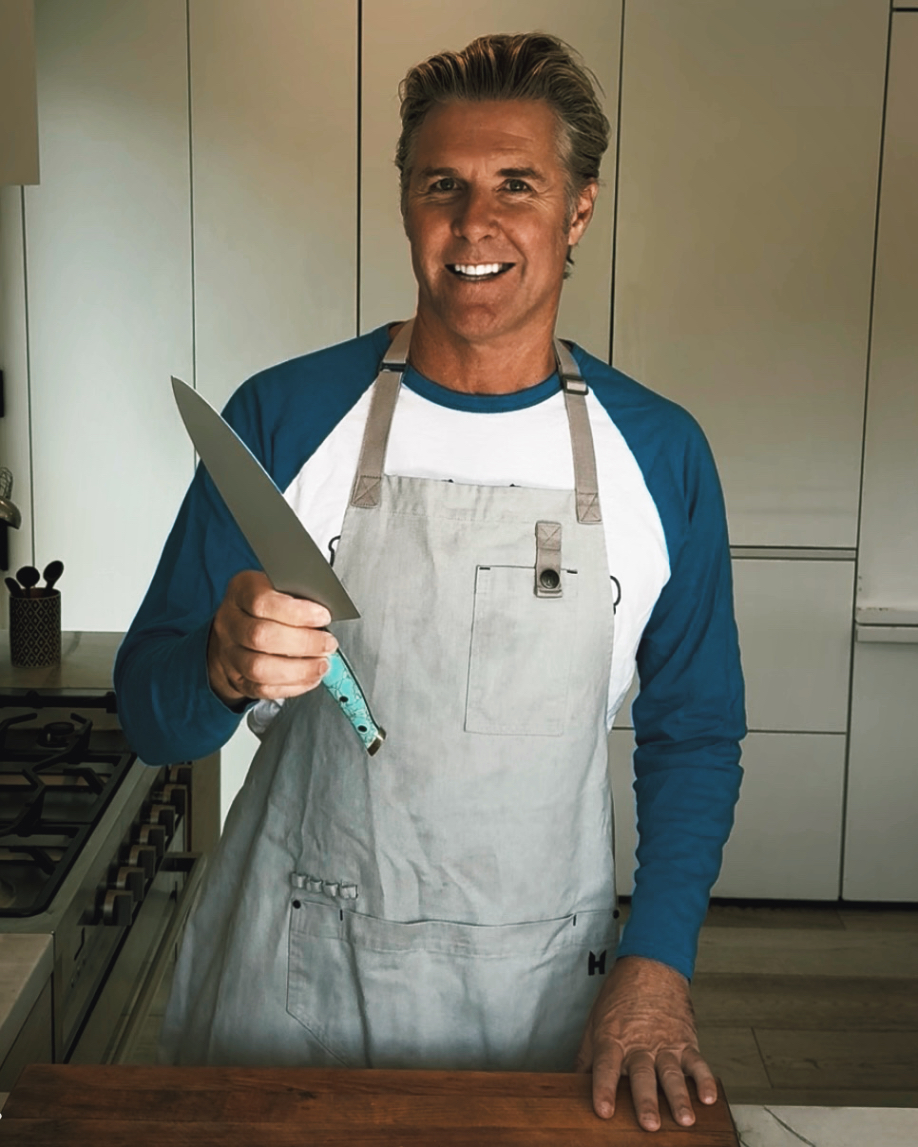
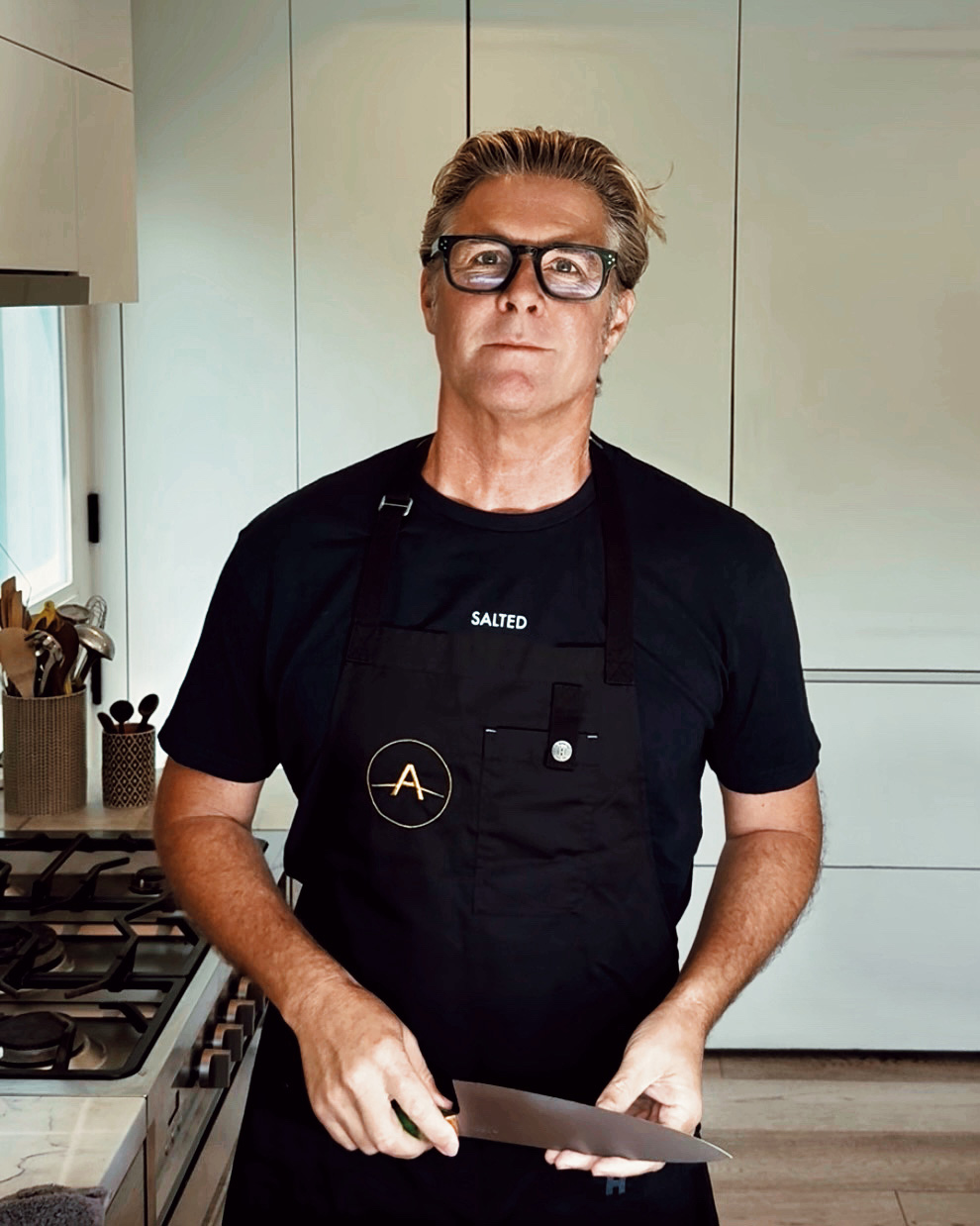
We recently had the chance to connect with Greg Hex and have shared our conversation below.
Hi Greg, thank you so much for joining us today. We’re thrilled to learn more about your journey, values and what you are currently working on. Let’s start with an ice breaker: What do you think is misunderstood about your business?
People sometimes say: “it’s just a knife.” – missing the reality that heirloom pieces are functional art. Food is a love language and so knives are about more than just cutting. Especially the ones we make. They are personal, they are about craft, story, identity and the connection to the landscape.
Sometimes misunderstood, is that price is about luxury, not value. The real inputs here are the investment of time, unique materials, meticulous sourcing, small-batch production, skilled hand-crafting, longevity, things of that nature.
California design is about discipline, not trends. Heirloom is not old-fashioned, it’s generational. Aura California style is new and innovative – but built for long and meaningful life.
Can you briefly introduce yourself and share what makes you or your brand unique?
Aura California is a maker of bespoke kitchen knives designed for cooks who believe that tools should be as inspiring as the food they help create. Born from a reverence for California’s land and seascapes and a belief that the kitchen is a place of artistry and connection. Aura transforms elemental materials into precision instruments that elevate everyday cooking into ritual.
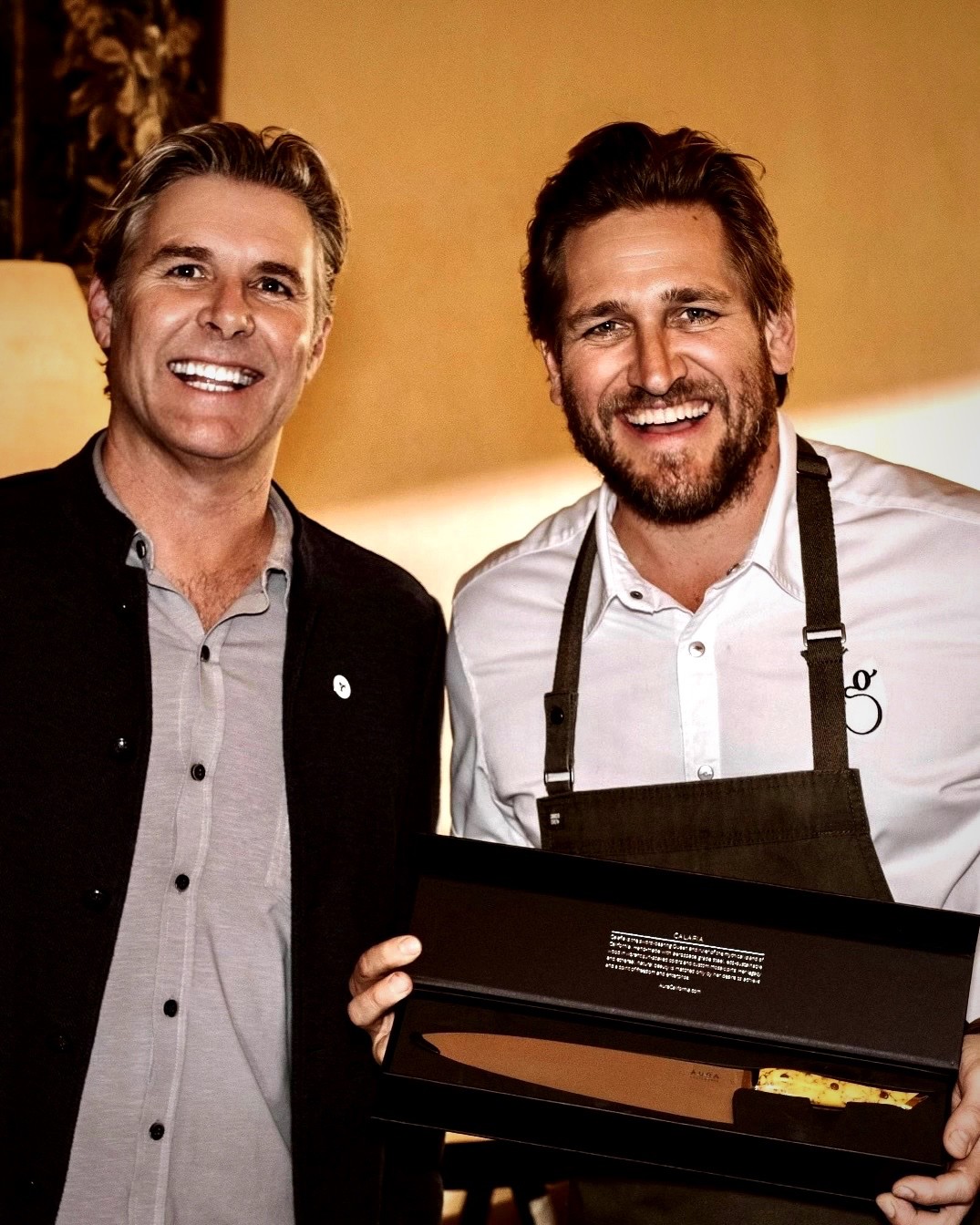
Each knife is handcrafted in small batches using innovative techniques and a curator’s eye for rare, natural materials—gemstone, sustainable wood, and metals that feel alive in the hand. The result is a knife that does more than cut: it tells a story of land and sea, of maker and user, of ingredients and the hands that shape them.
Unlike mass-produced kitchen tools, Aura knives are intentionally personal. No two are alike. Their handles carry the character of the natural world; their balance reflects the intuition of the craftsperson; their edges are built for professional performance but invite daily use. These are knives meant to be cooked with, cared for, and ultimately passed down—culinary heirlooms that collect the stories of the meals they help create.
Aura embraces west-coast values of sustainability, imagination, and inclusivity, crafting objects that honor both nature and the cultures that gather around food. We believe the tools we hold can shape how we move through the world: with care, curiosity, and beauty.
Thanks for sharing that. Would love to go back in time and hear about how your past might have impacted who you are today. Who taught you the most about work?
My parents and grandparents. They were hardworking, caring and honest: Farmers, educators, caregivers and sportsmen. All devoted to the task.
At Aura California our work is a practice of care. It’s a meaningful craft born from depth and curiosity. The quality of our tools reflect the intention of our hands. Our materials are more than just commodities – they are collaborators.
We work with the quiet belief that our knives incorporate these values, carry stories and connect people. Our work ultimately helps to sustain the world’s most universal act: nourishing one another.
What did suffering teach you that success never could?
Gratitude for small wins and incremental gains. Success might teach you pride but the challenges we’ve endured and continue to endure have taught us a heaping handful of appreciation.
Next, maybe we can discuss some of your foundational philosophies and views? Where are smart people getting it totally wrong today?
We don’t take enough time to travel, visit loved ones and see how the rest of the world does it. We are often not good at work / life balance until it’s too late. It’s a cultural problem first that overrides personal needs in the name of performance and perceived non-negotiable obligations. We have traded wonder for duty. We can always make a case for urgency, but not always for meaning. Some of the smartest people have really flattened the rhythm of life.
Thank you so much for all of your openness so far. Maybe we can close with a future oriented question. When have you had to bet the company?
Scaling the business. To scale a small business you risk large capital outlay. Failure to execute triggers cashflow collapse. Any time you commit major resources or make a high magnitude strategic move there is risk, so in that sense you’re betting. Product development, new processes in manufacturing and buying bulk raw materials are some of the most common “bets” we have to contend with.
Contact Info:
- Website: https://auracalifornia.com
- Instagram: auracalifornia
- Facebook: Aura California
Popular
-

Portraits of the Valley
-

LA’s Most Inspiring Stories
-

Rick Norris Learned That Building a Successful Business Means Building a Life You Actually Want to Live
-

How Olivia Rush Turned Survival Into a Mission to Help Others Keep Going
-

How Bibi Goldstein Is Helping Entrepreneurs Reclaim Their Time by Embracing the Power of Delegation
-

Victoria Hasson is Redefining Voice Coaching Through Community and Collaboration


