




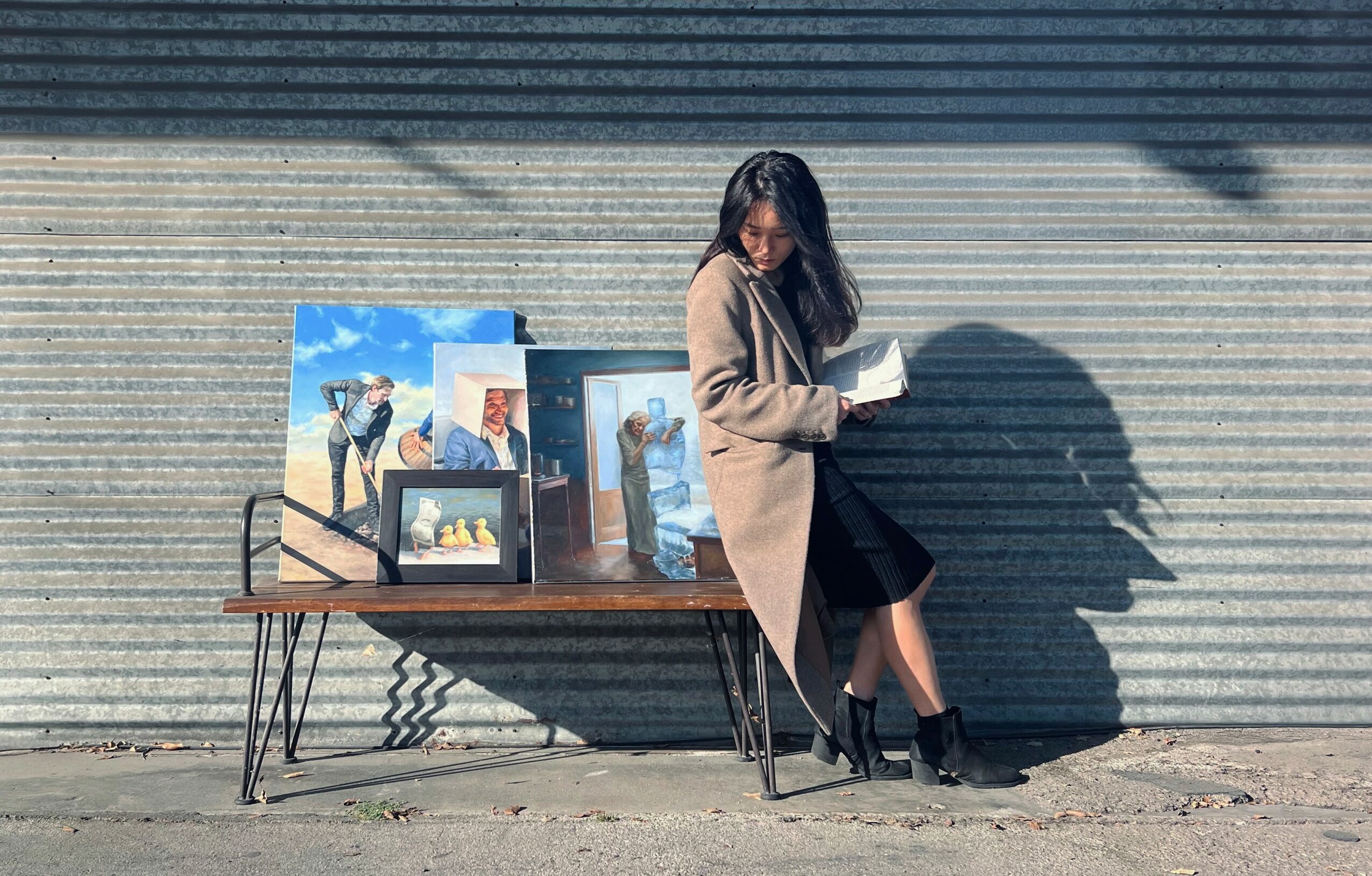
We recently had the chance to connect with Sumire Kudo and have shared our conversation below.
Good morning Sumire, it’s such a great way to kick off the day – I think our readers will love hearing your stories, experiences and about how you think about life and work. Let’s jump right in? What battle are you avoiding?
The art world is saturated with competition and financial battle. I wouldn’t say I’m deliberately avoiding these, but I do find myself maintaining a certain distance from them. When creative decisions are driven by social-media conversions or market performance, the work inevitably drifts toward the average, shaped by the preferences of the majority. I feel that way because I’ve experienced both the business world and the fine-art sphere.
I’m far less interested in the kind of beautiful work people want to hang in their living rooms, and far more drawn to pieces where the artist’s argument is laid bare—even when it’s uncomfortable to confront. That is the kind of work I aspire to make. For me, that pursuit holds far greater value than living a more materially comfortable life.
Can you briefly introduce yourself and share what makes you or your brand unique?
My name is Sumire Kudo, and I’m a Los Angeles–based oil painter who explores “People’s subconscious dynamics that shape society.” My work offers social commentary, questioning aspects of human nature and societal systems through surrealistic and symbolic expressions.
Strange as it may sound, although I devote most of my passion, time, and effort to painting, I’m actually more fascinated by what lies outside of it—the psychology and behavior of individuals and groups, and what gives rise to them. That’s because these forms of collective psychology are precisely what I’ve confronted, and often struggled with, throughout my life.
Many painters develop concepts in order to create paintings; I work the other way around—I paint because there is a concept I want to express. What I’ve come to realize over the course of my life as a painter is that people listen more readily when something is conveyed through a painting than when it’s stated directly in words.
As a child, I loved allegorical short stories. Each narrative carries metaphorical lessons, and children naturally learn from them. And narrative forms and metaphorical expression have been shown scientifically to reduce the psychological reactance that direct statements often provoke. This makes them an effective way for people to open themselves to viewpoints different from their own, or to subjects they might not care about.
It’s fascinating—painting can communicate more than words ever could. I aspire to create works that speak volumes in silence.
Amazing, so let’s take a moment to go back in time. What’s a moment that really shaped how you see the world?
Putting myself in a place of overwhelming loneliness and complete despair changed the way I see the world. When I moved abroad alone—where no one knew me, and I had no emotional ties to anyone—and had to rely entirely on my own effort to get through each day, I began to notice things I had never seen before.
I think our readers would appreciate hearing more about your values and what you think matters in life and career, etc. So our next question is along those lines. What’s a belief or project you’re committed to, no matter how long it takes?
I’ve seen many situations where much of people’s lives is shaped not by their choices or efforts, but by the environment they are born into. I don’t yet know what form my contribution might take, but I hope that someday I can help, even in a small way, to create opportunities that are more equally accessible to those individuals.
Thank you so much for all of your openness so far. Maybe we can close with a future oriented question. Are you doing what you were born to do—or what you were told to do?
Since childhood, I’ve had a temperament that, for better or worse, made me unusually resistant to being swayed by others. While my peers were studying intensely, I barely studied at all, yet once I became an adult, I devoted an extraordinary amount of effort to the things I genuinely wanted to pursue. Similarly, while everyone else was caught up in job hunting, I moved abroad on my own. External motivation has never had much influence on me. My choices have been driven by internal motivation. Fortunately, that has led to many positive outcomes, and because of that, I’ve never once regretted the path I’ve taken.
Contact Info:
- Website: https://sumirekudo.com/
- Instagram: https://www.instagram.com/sumirekudo/
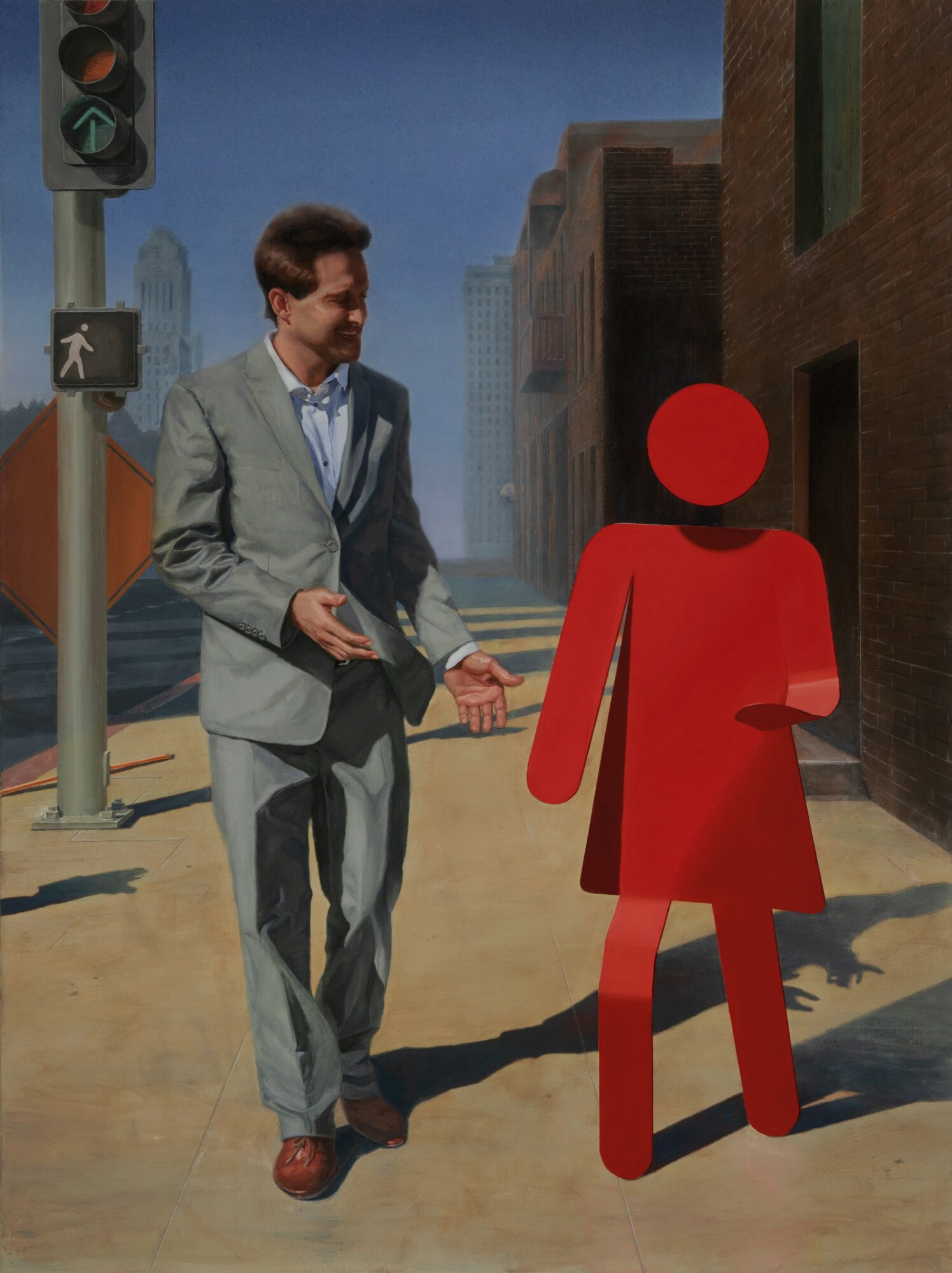

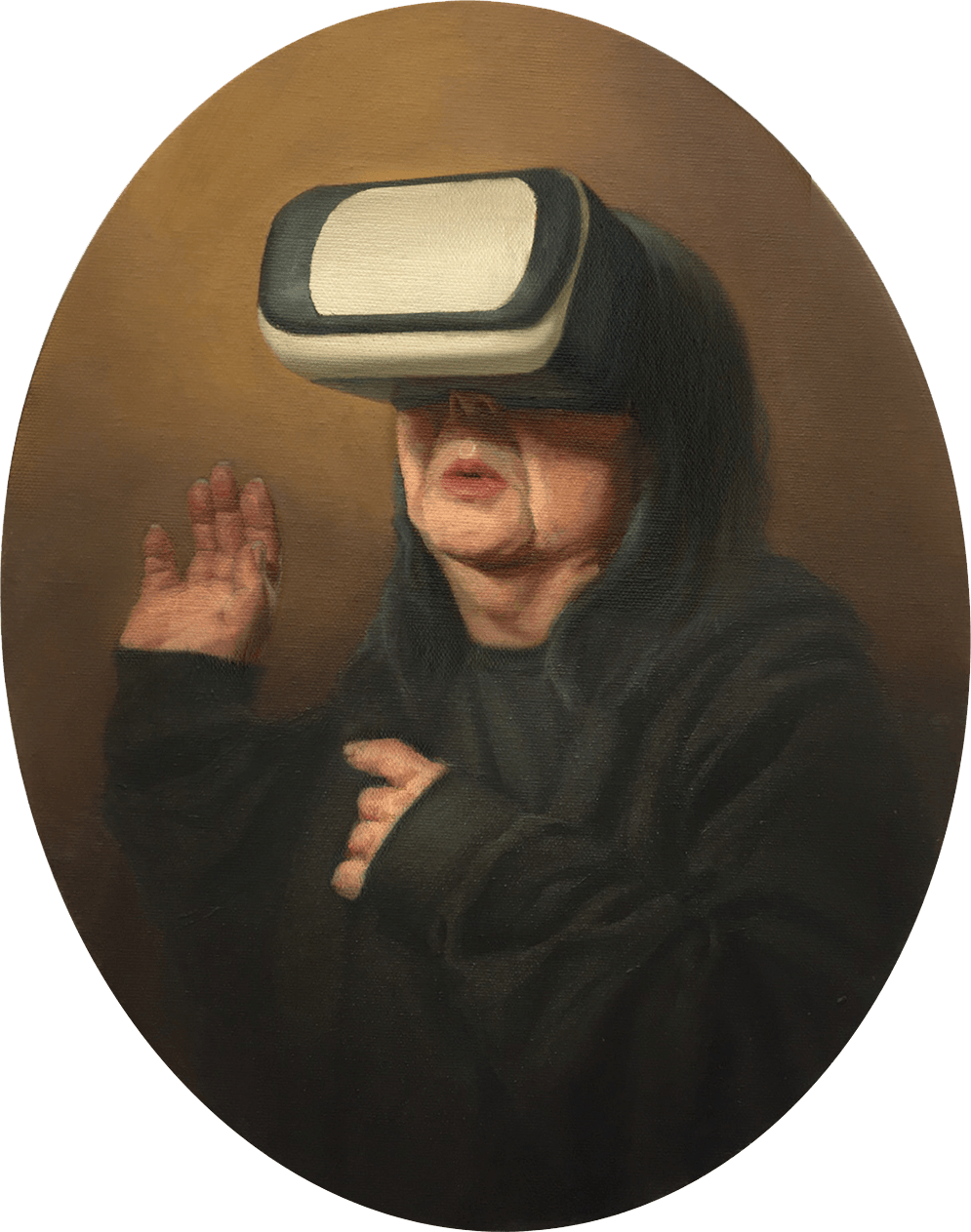
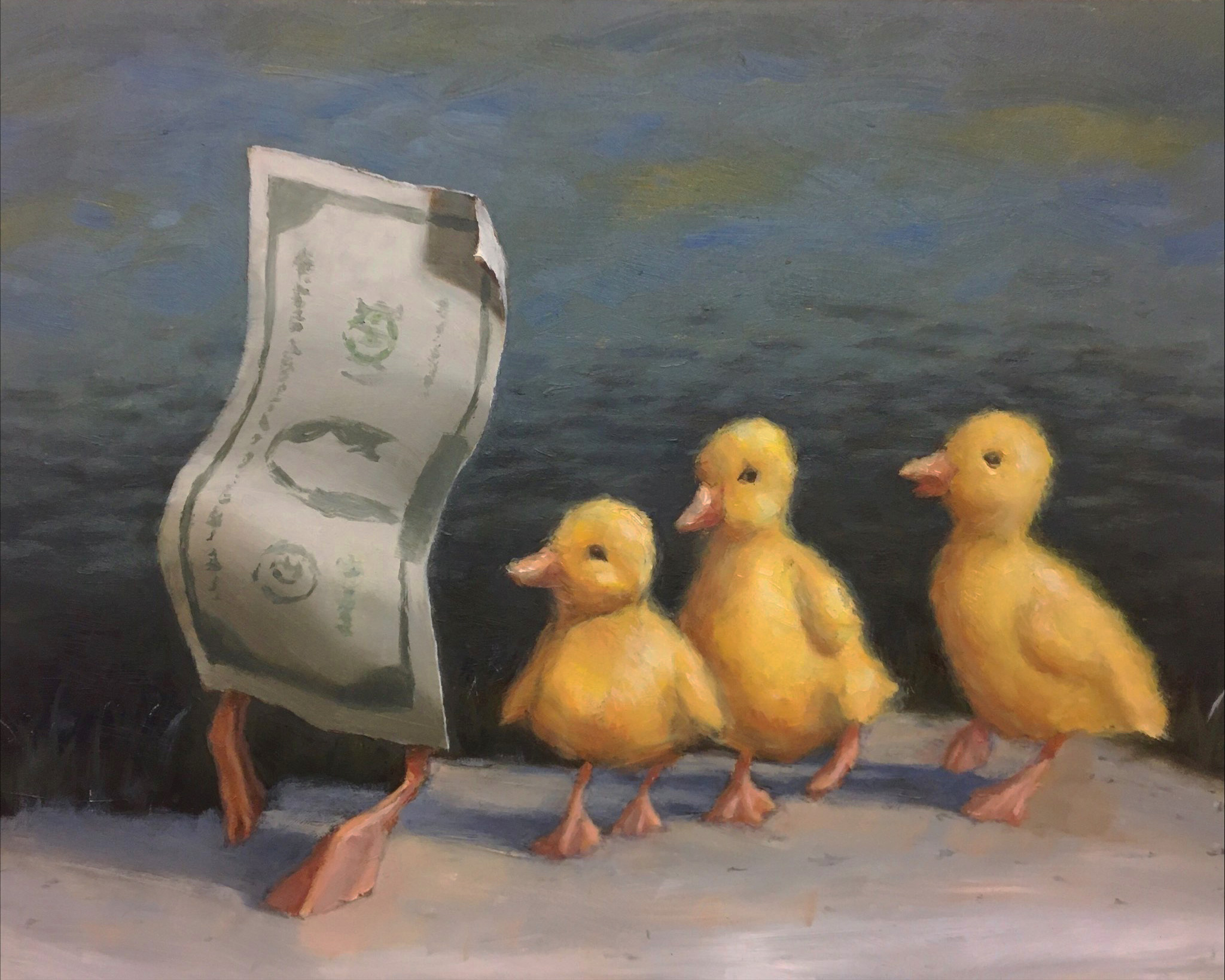
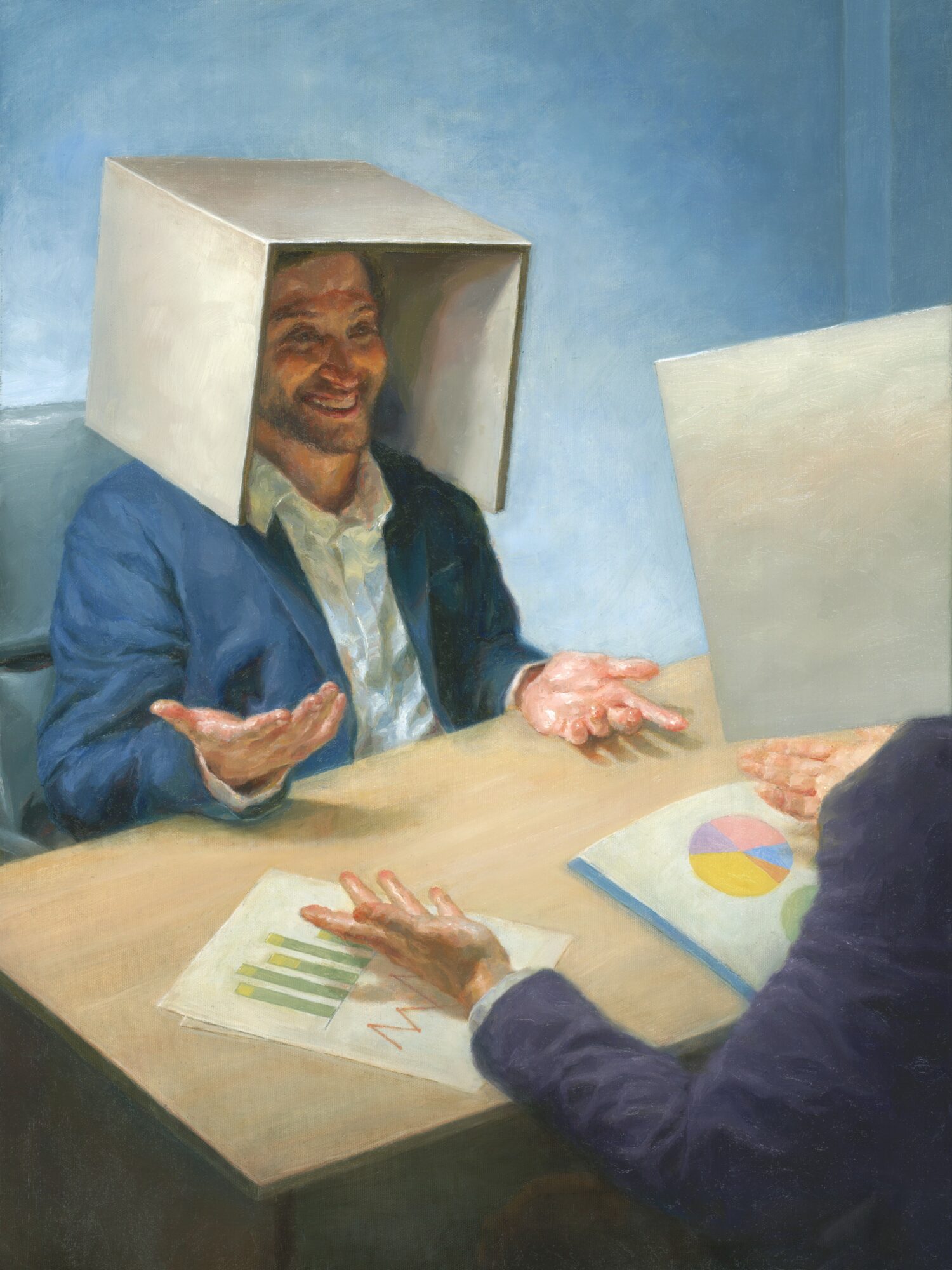
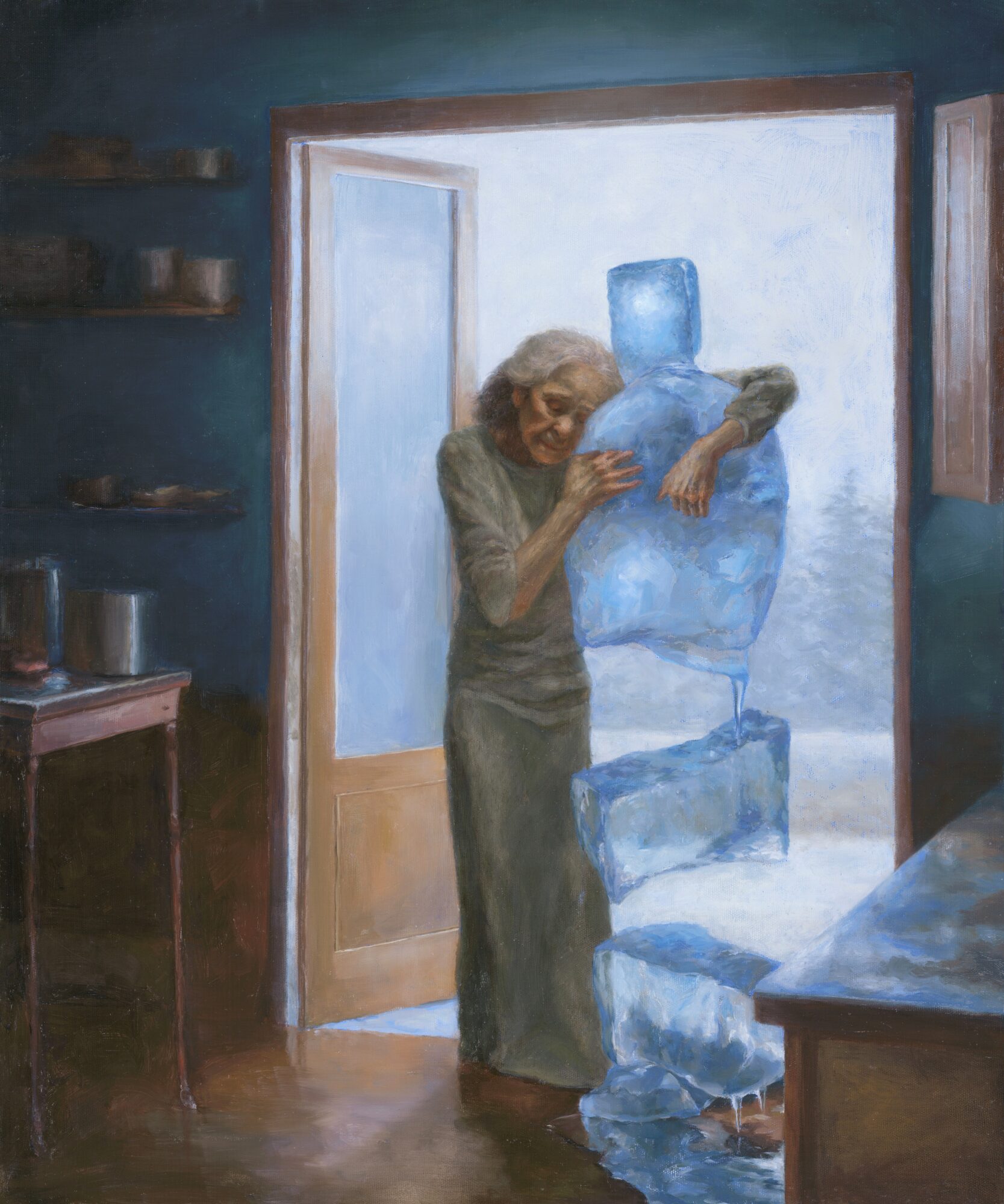
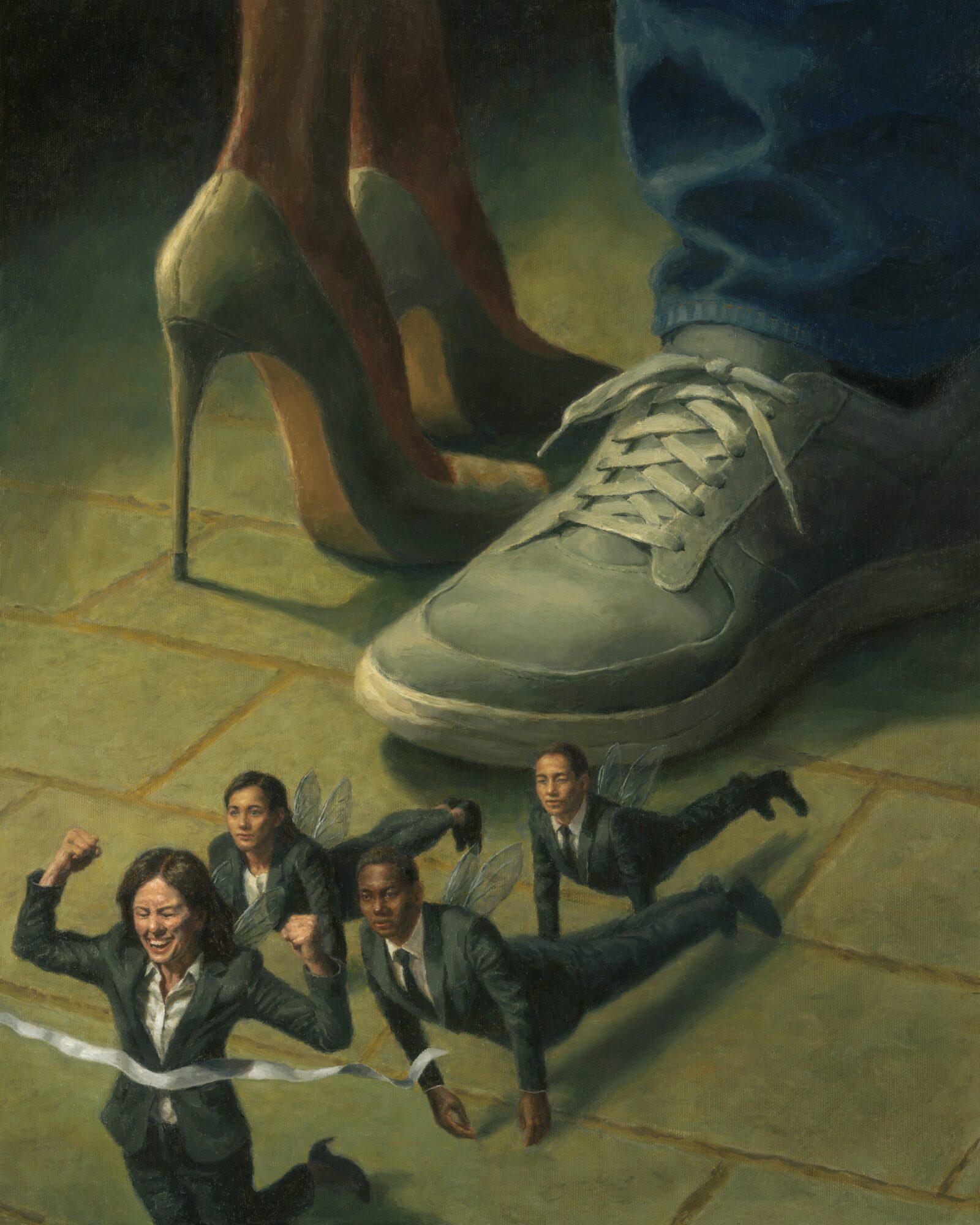

Image Credits
Sumire Kudo
Popular
-

Portraits of the Valley
-

LA’s Most Inspiring Stories
-

Rick Norris Learned That Building a Successful Business Means Building a Life You Actually Want to Live
-

How Olivia Rush Turned Survival Into a Mission to Help Others Keep Going
-

How Bibi Goldstein Is Helping Entrepreneurs Reclaim Their Time by Embracing the Power of Delegation
-

Victoria Hasson is Redefining Voice Coaching Through Community and Collaboration


