




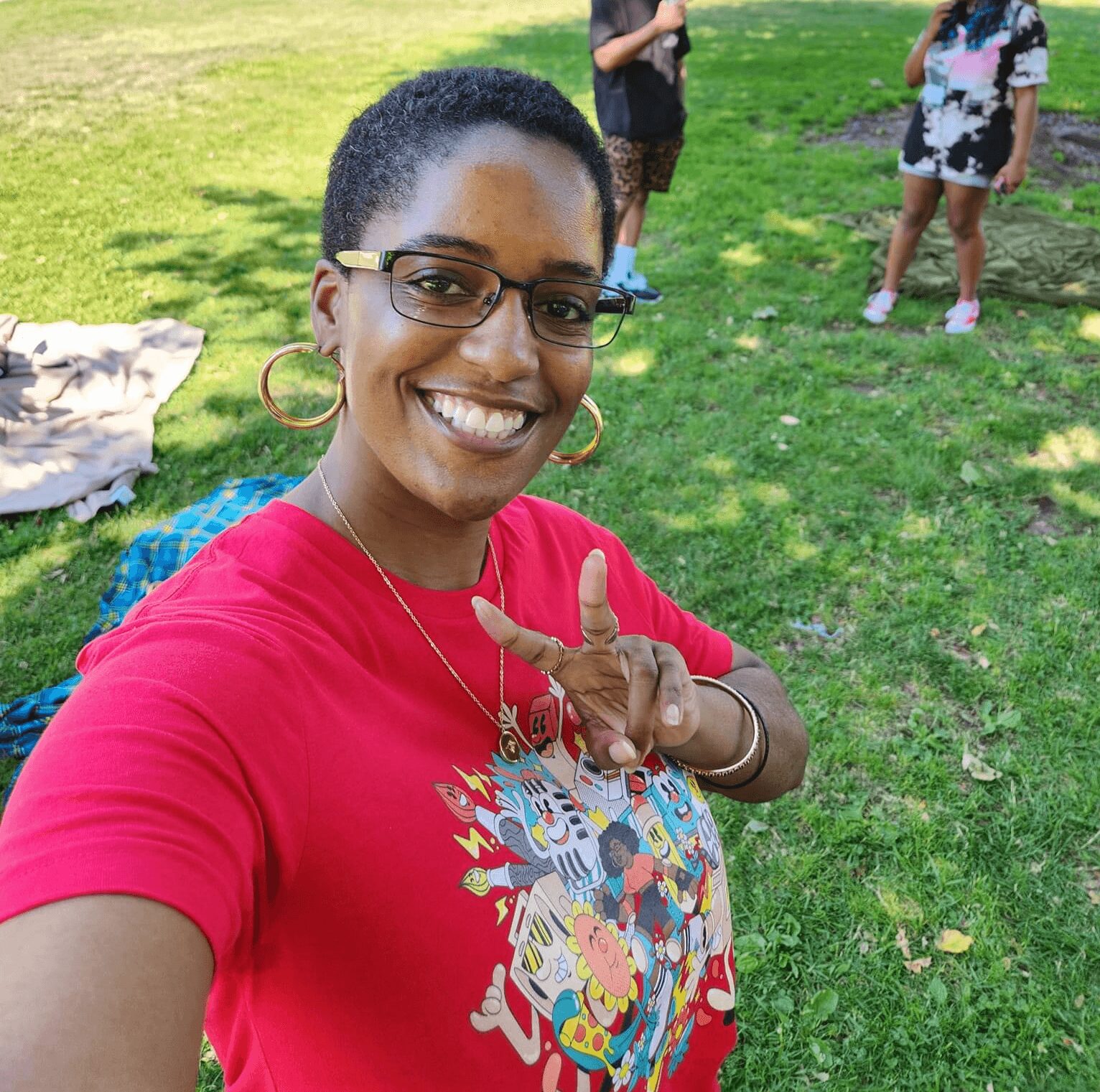
Deborah A. Anderson shared their story and experiences with us recently and you can find our conversation below.
Deborah A., we’re thrilled to have you with us today. Before we jump into your intro and the heart of the interview, let’s start with a bit of an ice breaker: What are you most proud of building — that nobody sees?
I am most proud of building my confidence and self-esteem. I grew up as a sheltered kid for a part of my childhood and was able to explore more later, but when I went to college, I still had a lot of catching up to do with my peers. My freshman year was the catalyst for a quiet kid becoming more talkative, and as I made my way through college, I became a leader and advocated for my community in multiple ways. My twenties and thirties have been a journey of me learning to “do” rather than suffer from analysis paralysis and learning to listen to my intuition, not always needing hard data to make every decision.
Can you briefly introduce yourself and share what makes you or your brand unique?
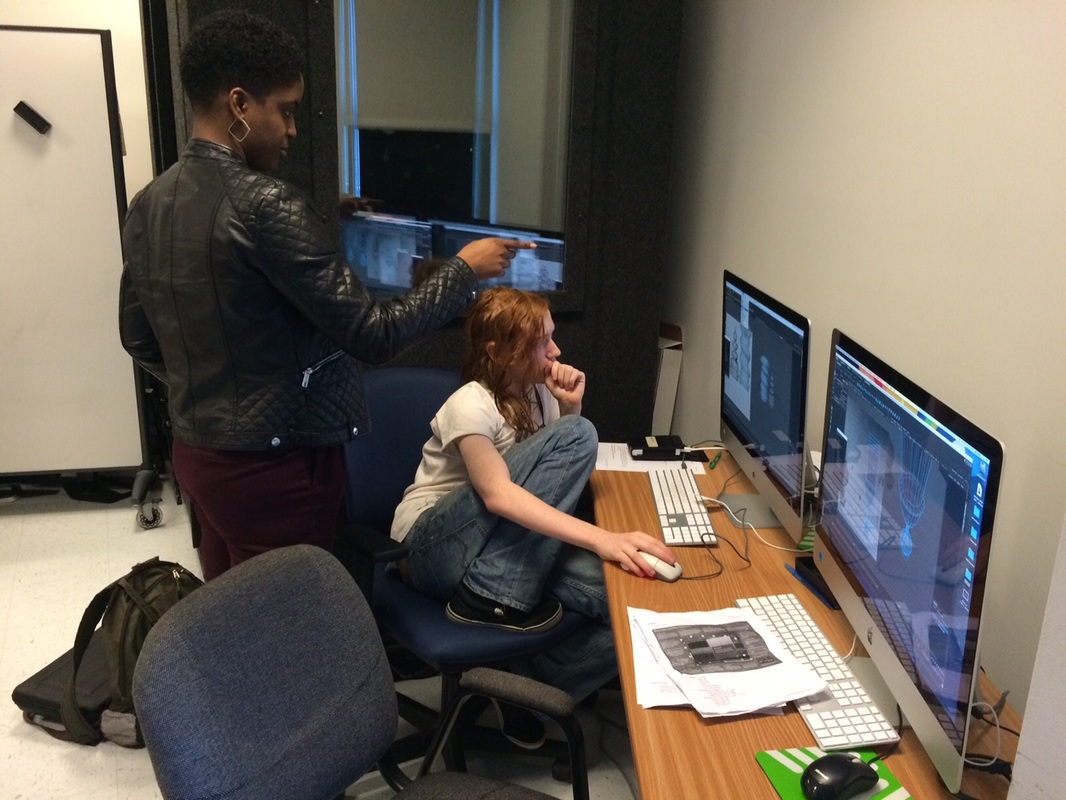
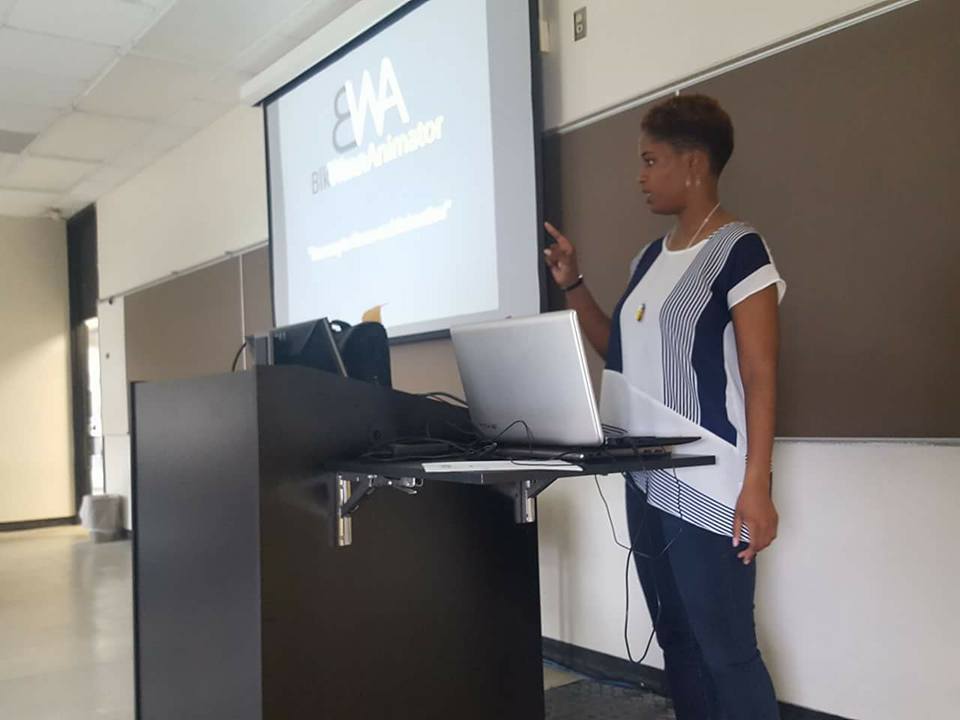
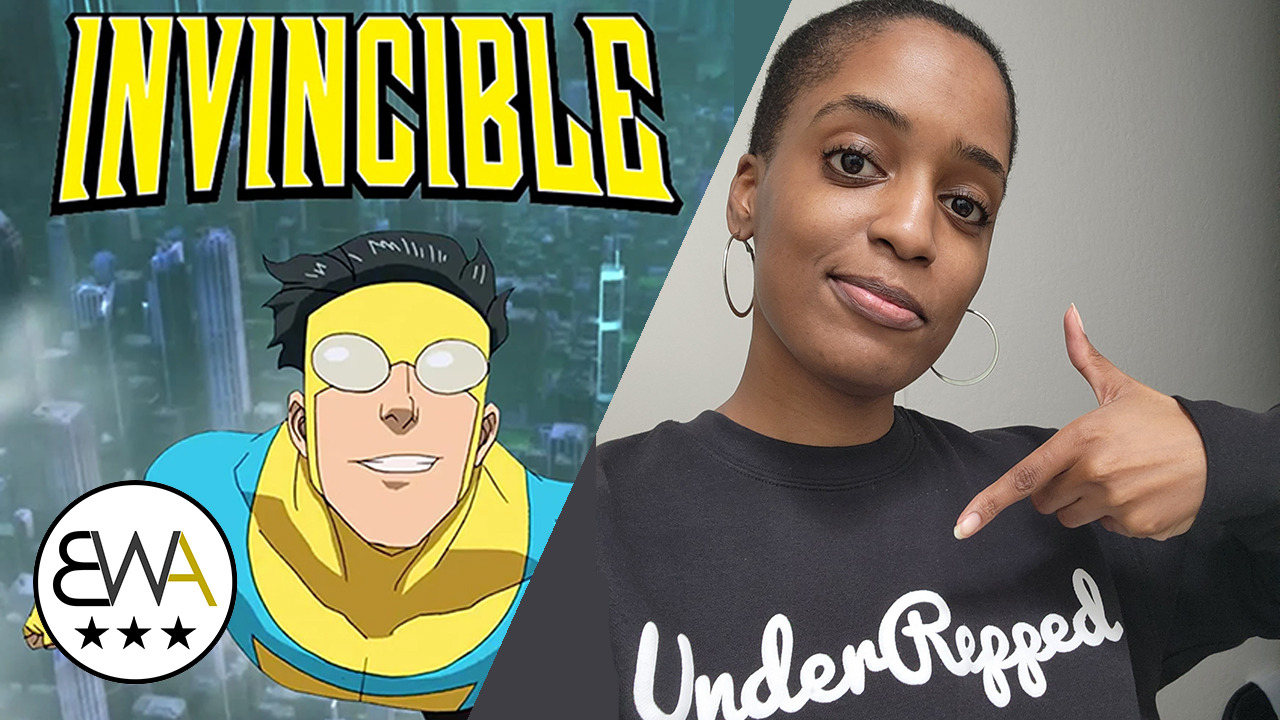
My name is Deborah A. Anderson. I’m a professional in the animation industry, and I’ve held various titles throughout my career, such as 3D modeler, assistant editor, and production coordinator. I also go by BlkWmnAnimator, a platform I have had for over 15 years, where I educate people of all ages about the animation industry and highlight animation professionals from all around the world through my content. I have interviewed a host of diverse people, and at the end of last year, I reached a milestone of interviewing 100 black animation professionals from America, Canada, the Caribbean, the UK, and multiple countries in Africa. It has been great introducing my peers and young people to professionals who don’t often get the spotlight!
Okay, so here’s a deep one: What’s a moment that really shaped how you see the world?
Living in South Korea for two years was an excellent way to start my adulthood after graduating during one of the many recessions we’ve had over the years. I don’t think I ever imagined that I would be living in a foreign country when I was a kid, so to be sitting on a bed in Gwangju, South Korea, after my co-teacher dropped me off at my apartment, I realized I was just a dot in the middle of a country. I had never thought of visiting Asia, much less living there, and it was a really meaningful experience that led to an exciting, eye-opening journey. I saw that people could live differently from how I lived back home, but it could still be “correct.” Every day was a mini-adventure because I wasn’t fully fluent in Korean, so I had to figure out how to navigate uncertainty. I took inspiration from the Korean elderly, as they would swing their walking poles while walking down the street in preparation for their daily hikes. I was also amazed at their willingness to use various forms of technology that I feel like some American elderly people would totally opt out of. Korea is also where I started my animation career, and I was able to confirm that I didn’t waste four years getting an animation degree, and I had chosen the right path.
What fear has held you back the most in your life?
Something that has held me back is the fear of being perceived. I have had an interesting relationship with invisibility since childhood, sometimes wanting to be seen and other times not wanting the attention. I have gotten better with putting myself out there, public speaking, and becoming more of a people person. Very recently, I realized that I should practice being vulnerable and revealing more of my failures in my content because how can I desire bigger opportunities if I don’t have a good relationship with being perceived for my authentic self? Not to say that I feel I have been fake until now; I just have been guarded. I’m welcoming attention in various areas of my life so I can have an impact and leave my mark on the world.
Next, maybe we can discuss some of your foundational philosophies and views? Where are smart people getting it totally wrong today?
At a certain point in life, I wondered if there was any purpose in being smart. I was a quiet kid who had finally learned to talk, only to discover that most people don’t listen. I had a friend tell me that being intelligent isn’t always for other people. It’s for you to navigate the world (and sometimes it helps you not be taken advantage of). The piece that I’ve added is that my intelligence is not always meant to be shared. Sometimes we’re excited about so many topics, but it’s not for everyone’s ears, through no fault of their own. That doesn’t make those people less than or bad. You just have to find your audience.
Okay, so before we go, let’s tackle one more area. What do you think people will most misunderstand about your legacy?
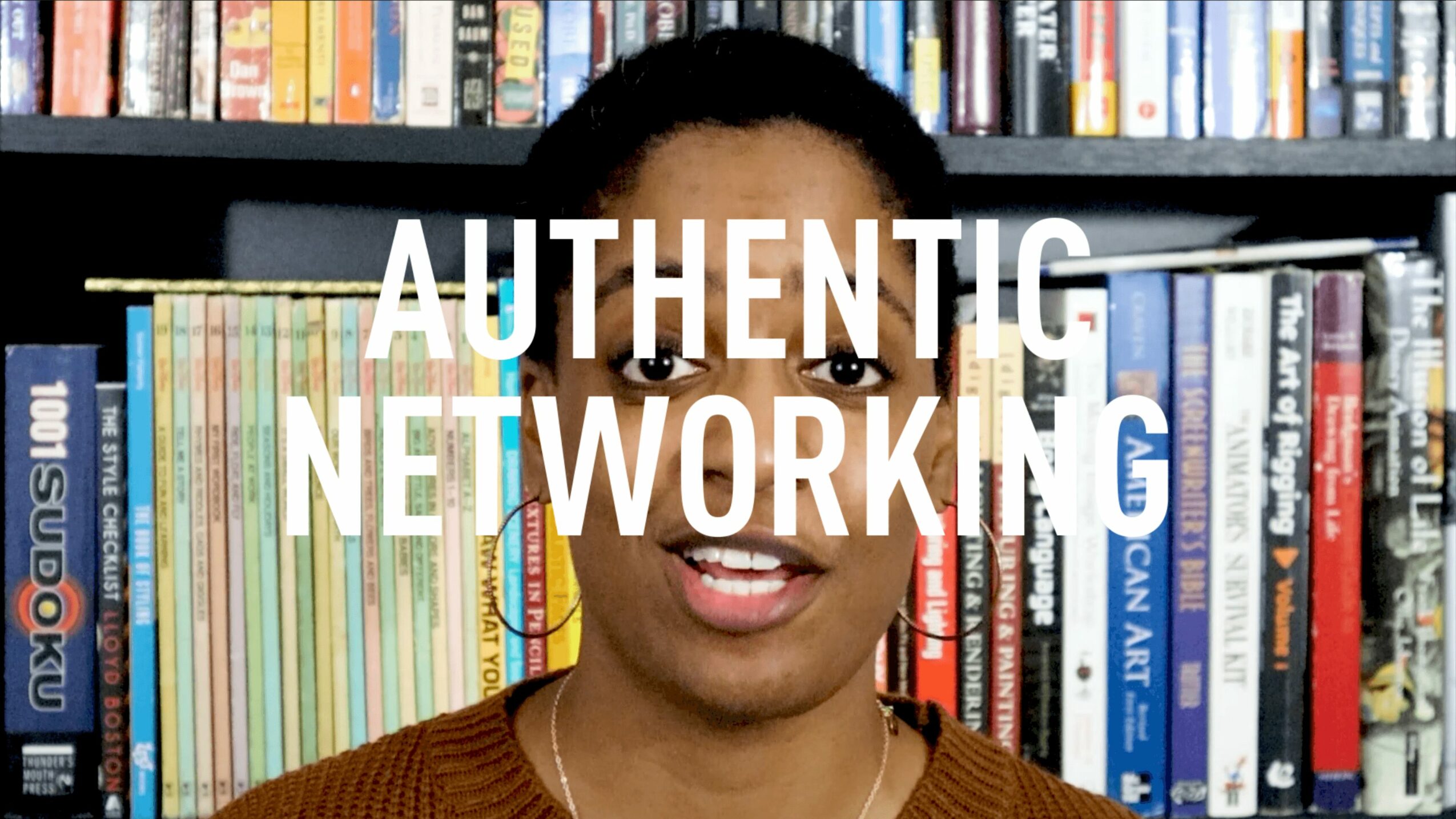
Because my legacy includes animation, I oftentimes get suggestions to add cartoony elements to my interviews or to create animated content myself. People can only think about what I do through the tiny lens they view animated content. What I do is not a gimmick. It’s not only about nerding out with the people who have worked on some of our favorite television shows and movies. It’s about highlighting those people as full human beings who have only received acknowledgement in television credits that people never watch. It’s about providing my audience with content that not only addresses their love for animation but also helps them push through their anxiety around networking. It presents mental health professionals talking about how they can deal with imposter syndrome as artists. I strive to look at the soul and the whole of the person, not just the medium that most people have mislabeled as kids-only.
Contact Info:
- Website: https://www.blkwmnanimator.com
- Instagram: https://www.instagram.com/blkwmnanimator
- Linkedin: https://www.linkedin.com/in/deborahanderson0
- Facebook: https://www.facebook.com/blkwmnanimator
- Youtube: https://www.youtube.com/blkwmnanimator
Popular
-

Portraits of the Valley
-

LA’s Most Inspiring Stories
-

Rick Norris Learned That Building a Successful Business Means Building a Life You Actually Want to Live
-

How Olivia Rush Turned Survival Into a Mission to Help Others Keep Going
-

How Bibi Goldstein Is Helping Entrepreneurs Reclaim Their Time by Embracing the Power of Delegation
-

Victoria Hasson is Redefining Voice Coaching Through Community and Collaboration


