




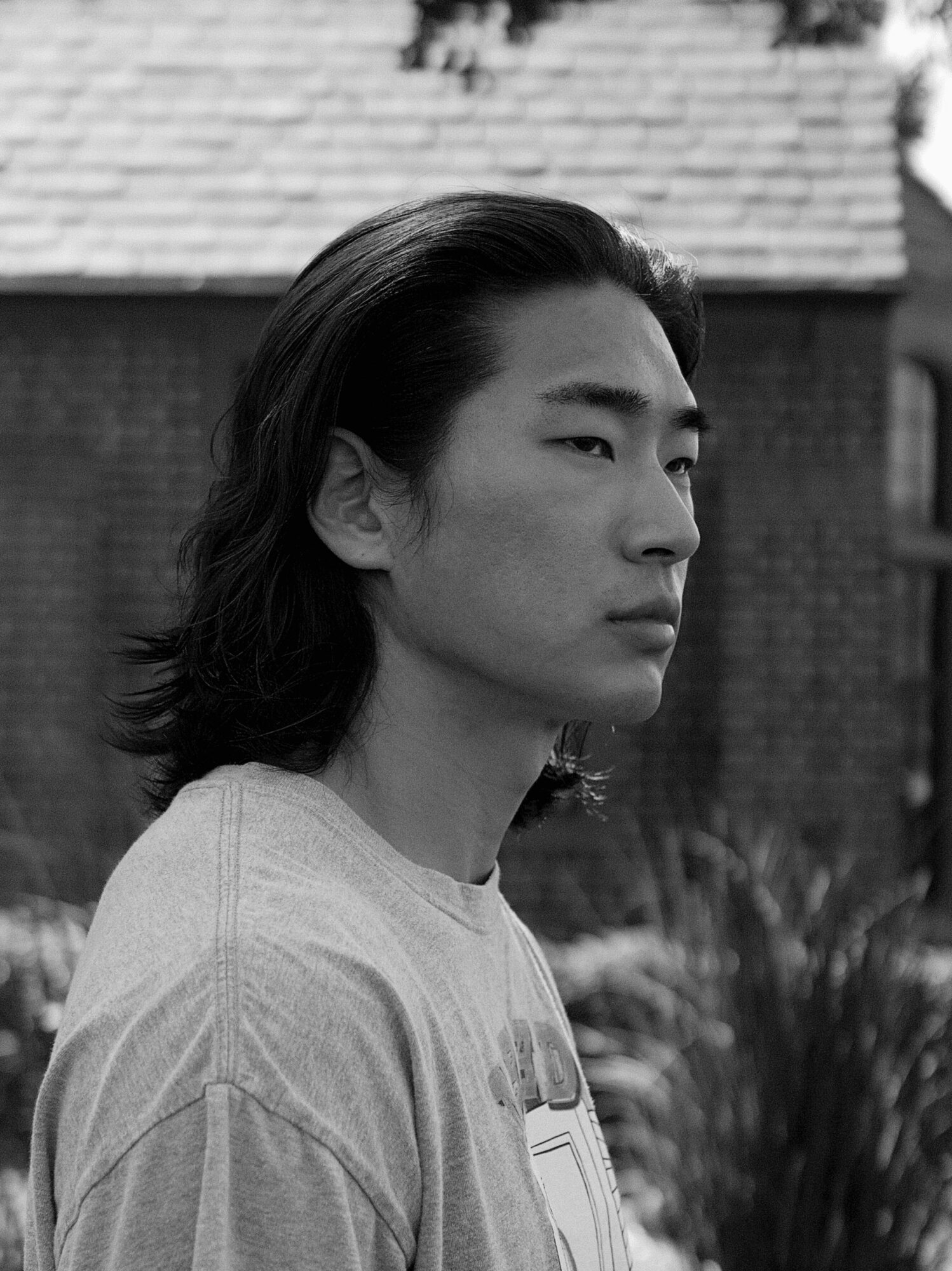
Taehoon Park shared their story and experiences with us recently and you can find our conversation below.
Hi Taehoon, thank you so much for joining us today. We’re thrilled to learn more about your journey, values and what you are currently working on. Let’s start with an ice breaker: What is a normal day like for you right now?
My days follow a very consistent routine.
I wake up at 5 a.m., have breakfast at 6, walk my dog at 8, do CrossFit at 9:30, and eat lunch around 11:30.
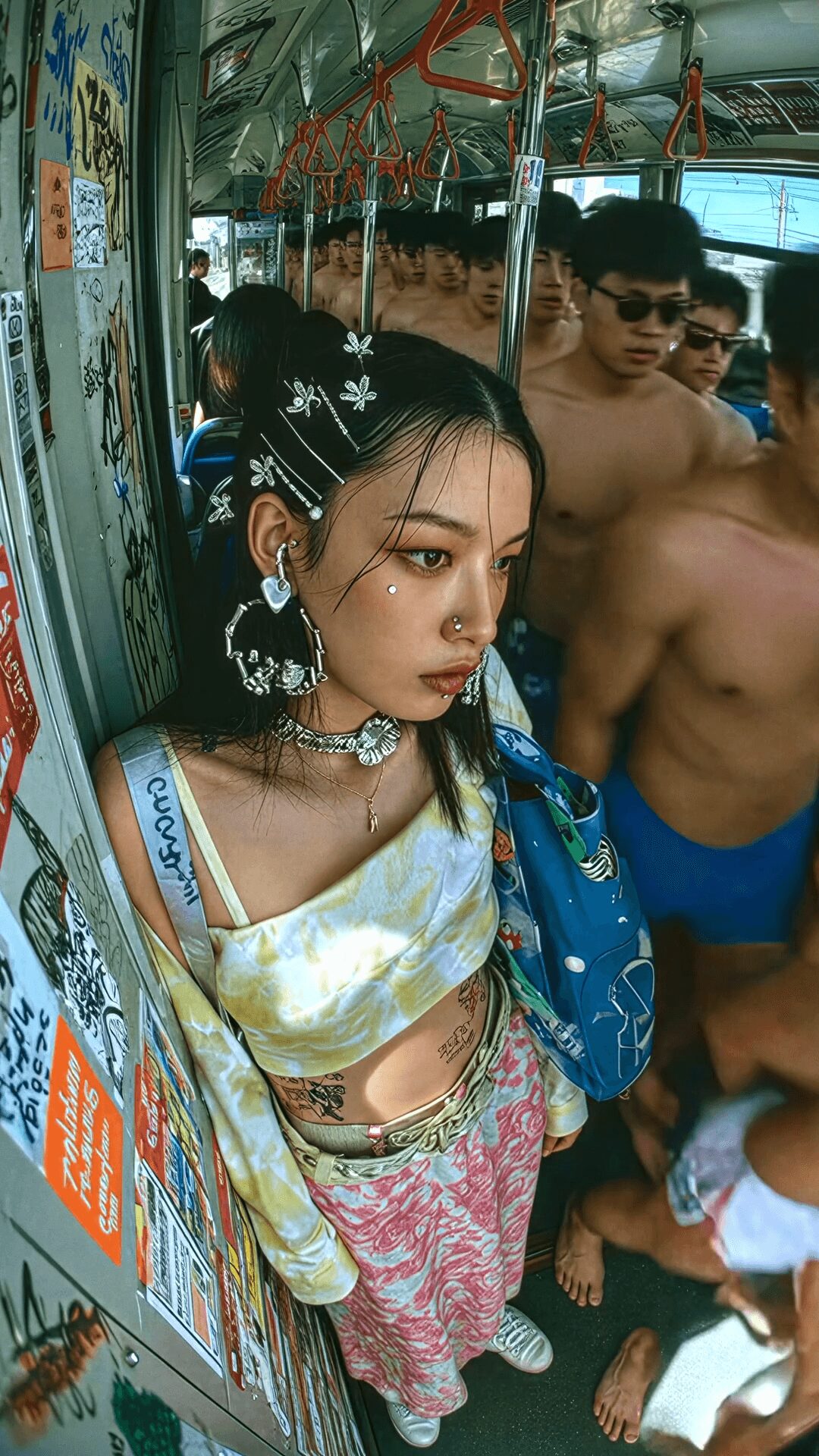
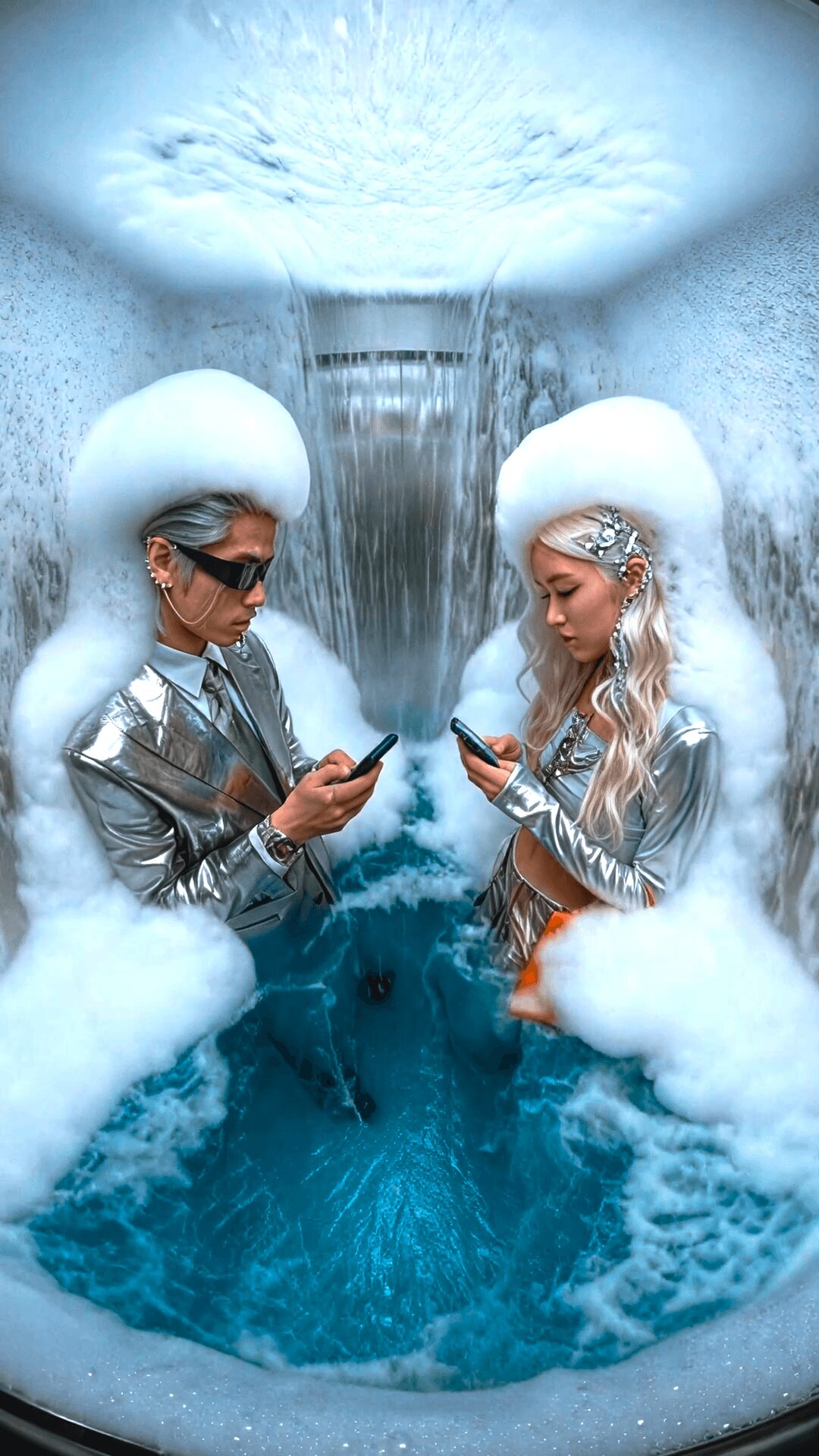
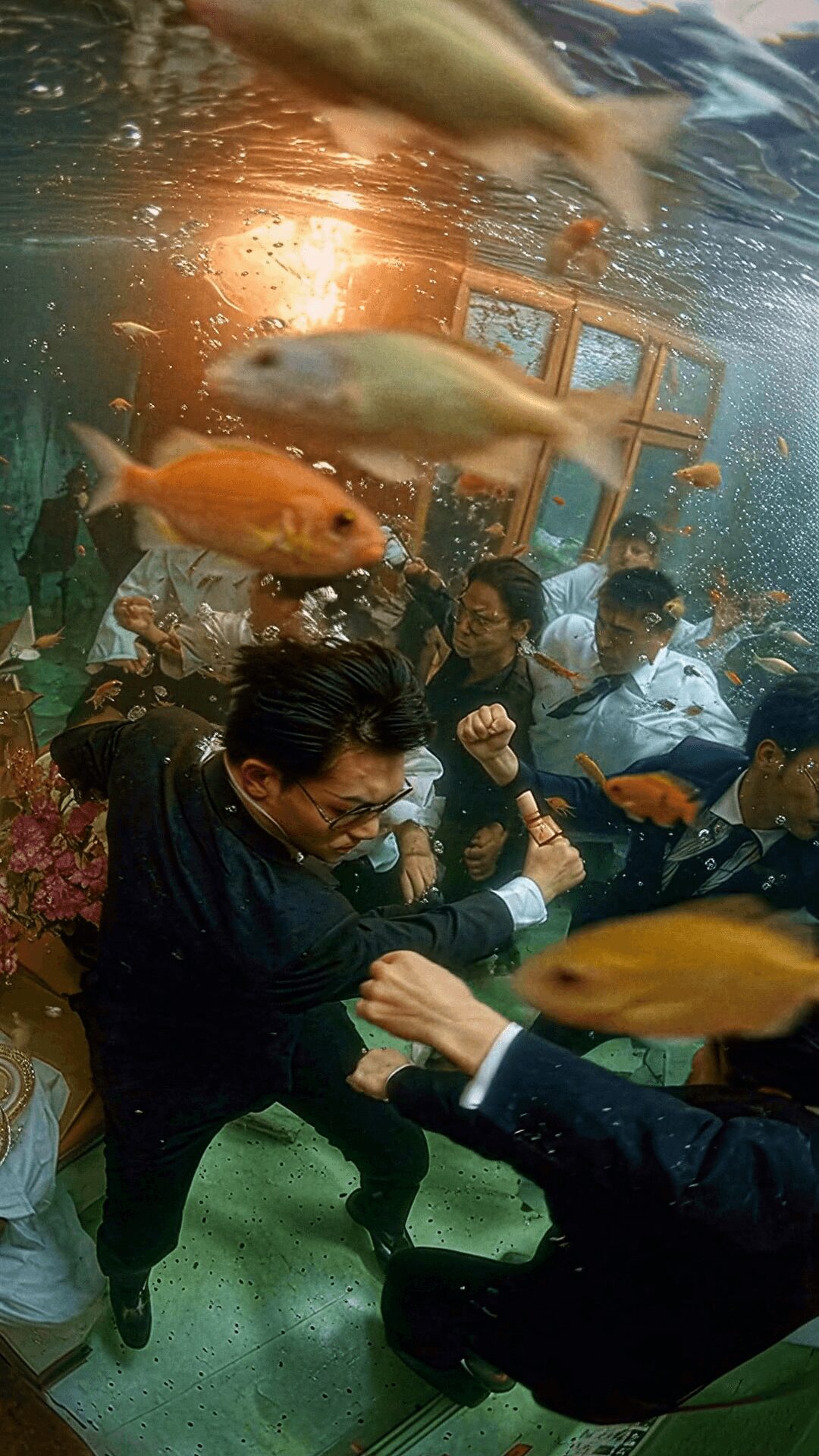
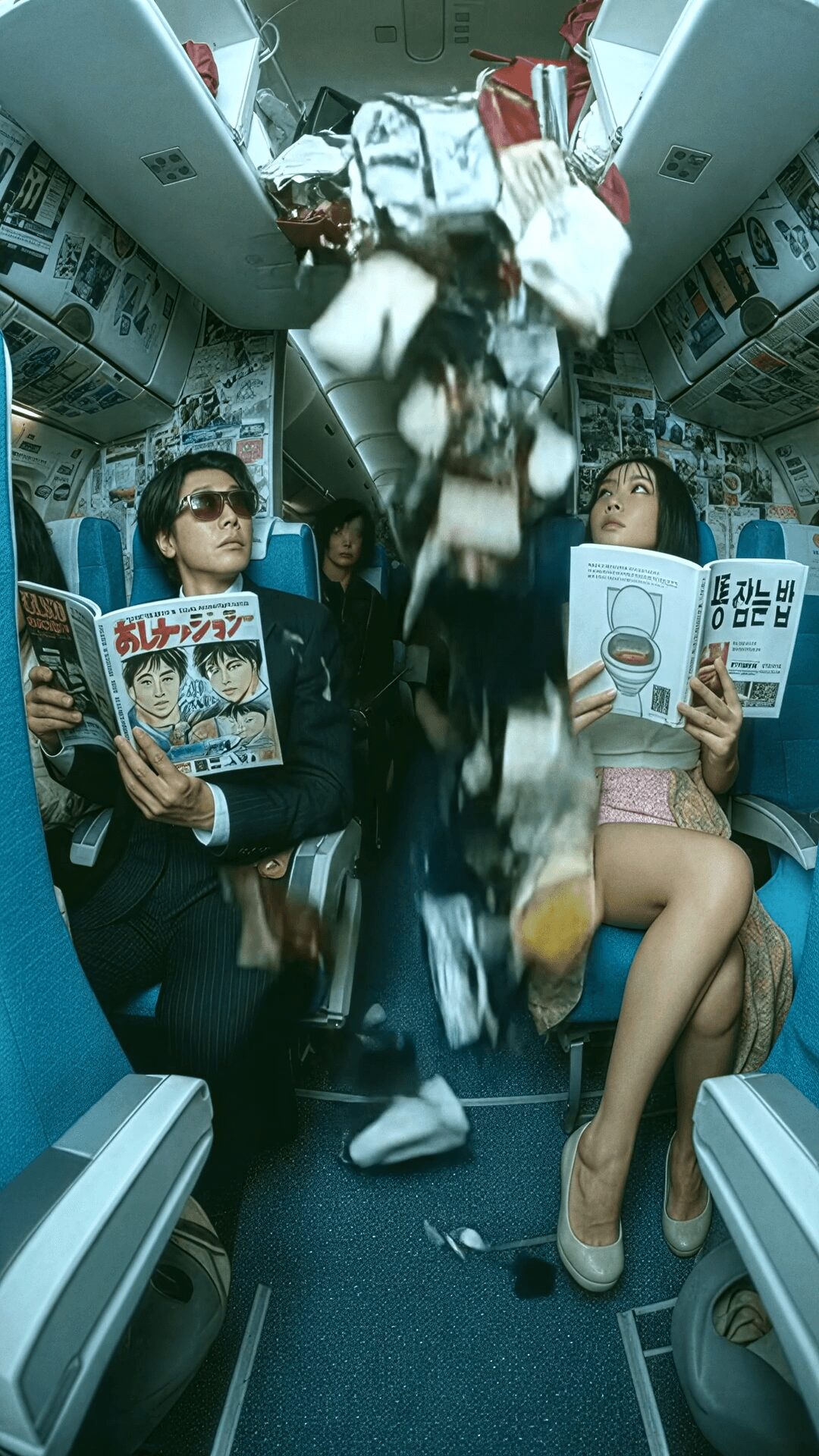
In the afternoon, from 1 to 4 p.m., I focus on creating AI artwork. I work in deep concentration for about three hours, aiming to complete one piece per day. At 4 p.m., I do an hour of VR boxing. I have dinner and watch TV with my wife at 5, take my dog for another walk at 7, and wind down around 8 by playing Brawl Stars or watching YouTube. I usually fall asleep naturally while watching, sometimes dropping my phone on my face—that’s when I know it’s time to sleep. I fall asleep around 9:30 p.m.
I’ve maintained this routine for about two years.
Can you briefly introduce yourself and share what makes you or your brand unique?
I worked as a CG artist for nearly ten years, starting in 2015.
As I pushed toward what felt like the end of my career path, I gained countless lessons in visual storytelling, and my quality of life gradually improved. I followed in the footsteps of senior artists I once admired, achieved many goals, and experienced clear growth in both my working environment and technical skills.
However, I began to realize that my growth as a human being—and as the head of a family—was moving in the opposite direction of my external success. Along with that realization came a fundamental question: What does a truly happy life look like?
In search of my own answer to this philosophical question, I felt the need to gather the courage to step away from the CG industry after completing the Parallel TCG project this past June, and to choose a new direction in life.
Rather than chasing money or working for others, I wanted to create for myself—to intuitively express what my subconscious “true self” genuinely loves. It was through this desire that AI entered my life as a tool of expression.
I have now been walking the path of an AI artist for a little over five months.
This marks the beginning of the second chapter of Park Taehoon’s life—as an artist, and as a truly self-aware adult.
Appreciate your sharing that. Let’s talk about your life, growing up and some of topics and learnings around that. What was your earliest memory of feeling powerful?
At the center of my transition from a CG artist to an AI artist lies Buddhist philosophy, which places its core value on freeing oneself from fundamental human suffering.
In the past, I constantly compared my life to others, never satisfied with what could have been enough, and relentlessly chased endless desire. During that time, I was always exhausted. My mind was filled with thoughts about money, my body gradually broke down as a result, and I lived a life driven by compensatory pleasure-seeking. Existing in a constant state of fatigue became my norm.
The problem was that not only I, but most people around me were living similar lives. Because of this, such a state felt completely natural, and I failed to recognize that this way of living was slowly consuming me.
My life now is entirely different from the past. Each day is filled with energy, and my mind feels light. Whatever I do, focus arises naturally, and my efficiency has noticeably improved. Instead of being occupied by complicated thoughts about relationships or money, my mind is now devoted to deeper contemplation—an effort to understand the world.
As I began to live a life centered not on “others,” but on myself, I naturally came to feel happiness and gratitude in each passing day.
When did you stop hiding your pain and start using it as power?
We may not always realize it, but the memories stored in our subconscious during childhood have a profound impact on our lives. The way we think, our daily habits, and how we judge what is right or wrong in certain situations are shaped by the growth of our brains under external influences—from birth, through adolescence, and into adulthood. In particular, the “sense of self” formed before the age of three, when the brain develops most rapidly, does not easily change later in life. There is a reason the saying goes, “Habits formed at three last until eighty.”
In this sense, the role of parents is deeply significant. Our ways of thinking and problem-solving are often uncannily similar to those of our parents, who in turn resemble their own parents. Yet most of us live without clearly recognizing this chain.
Returning to the question, I too was shaped in this way, which is why I failed to recognize my own pain as pain. I grew up in a materially modest environment, but thanks to wonderful parents, my childhood was relatively happy. However, the social framework of “poverty” created the concept of inferiority, and that notion came to bind my parents—and eventually, me as well.
For more than thirty years, I lived without awareness of this. Only recently did I come to realize it. Paradoxically, the inner pain of inferiority became the driving force that shaped who I am today.
When pain is no longer labeled as pain, but simply acknowledged as it is; when we look inward to understand who we truly are; when we begin to grasp the principles of the world and the mechanisms of human beings and life itself—only then can we free ourselves from suffering and transform it into strength.
Next, maybe we can discuss some of your foundational philosophies and views? Is the public version of you the real you?
What, then, is the “true self”? Do we actually live with a clear awareness of who we are?
Our brains continuously generate countless thoughts throughout the day. At times, negative thoughts create conflict between our “outer self” and “inner self,” causing feelings of dissonance and pain. At other times, overly positive thoughts push us into actions we later regret. If this is the case, does a fixed and authentic “true self” truly exist?
We live within social relationships, and it is through others that we come to recognize and define the concept of “self.” In other words, without “you,” the idea of “me” cannot exist in the first place.
Perhaps, in order to function within society, we create a virtual or constructed version of ourselves and come to regard it as our “true self.” Yet whether it is the “true self” or the “false self,” all of these expressions are, ultimately, still me.
Okay, so let’s keep going with one more question that means a lot to us: What is the story you hope people tell about you when you’re gone?
Before you leave this world, what is one thing you would like to say to people?
Life exists to be enjoyed.
The pain we carry within us is not a personal flaw, but the result of social structures and conditions shaped over the course of human history.
The history of Earth spans approximately 4.54 billion years, while the history of modern humans—Homo sapiens—is only about 300,000 years old. In contrast, our own lifespan is, at most, roughly 100 years. That is merely one forty-five-millionth of Earth’s age, and only one three-thousandth of the history of Homo sapiens.
Given how brief and small our existence truly is, is there any real reason to spend our lives worrying about others’ expectations and constantly looking over our shoulders, instead of fully enjoying the time we have?
Contact Info:
- Website: https://taehoonpark.art/
- Instagram: https://www.instagram.com/taehoonpark_art/
Popular
-

Portraits of the Valley
-

LA’s Most Inspiring Stories
-

Rick Norris Learned That Building a Successful Business Means Building a Life You Actually Want to Live
-

How Olivia Rush Turned Survival Into a Mission to Help Others Keep Going
-

How Bibi Goldstein Is Helping Entrepreneurs Reclaim Their Time by Embracing the Power of Delegation
-

Victoria Hasson is Redefining Voice Coaching Through Community and Collaboration


