




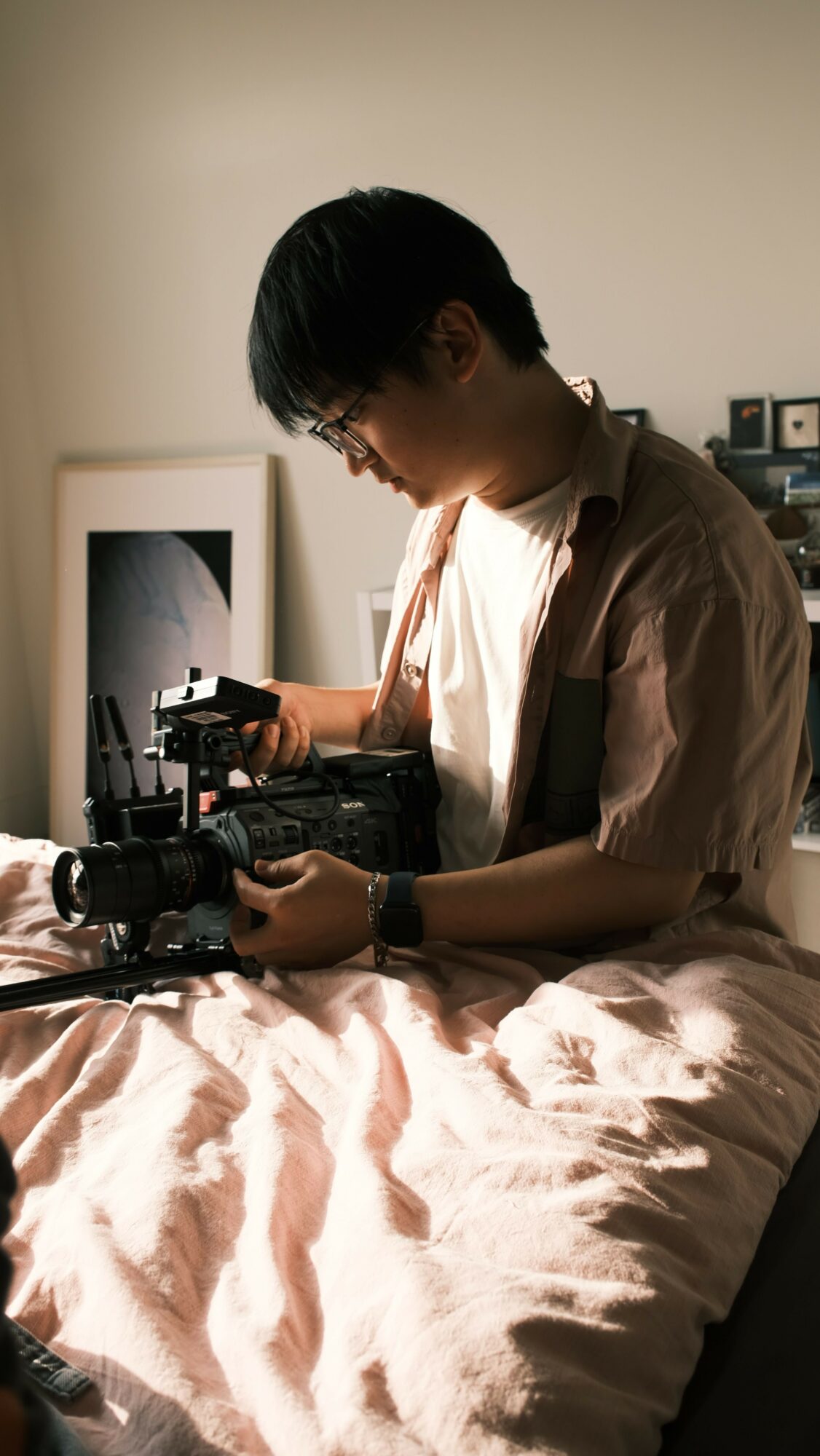
We recently had the chance to connect with Hairong Harry Wang and have shared our conversation below.
Hairong Harry, so good to connect and we’re excited to share your story and insights with our audience. There’s a ton to learn from your story, but let’s start with a warm up before we get into the heart of the interview. Have any recent moments made you laugh or feel proud?
One recent moment that made me both laugh and feel proud happened during the final shoot of my thesis film.
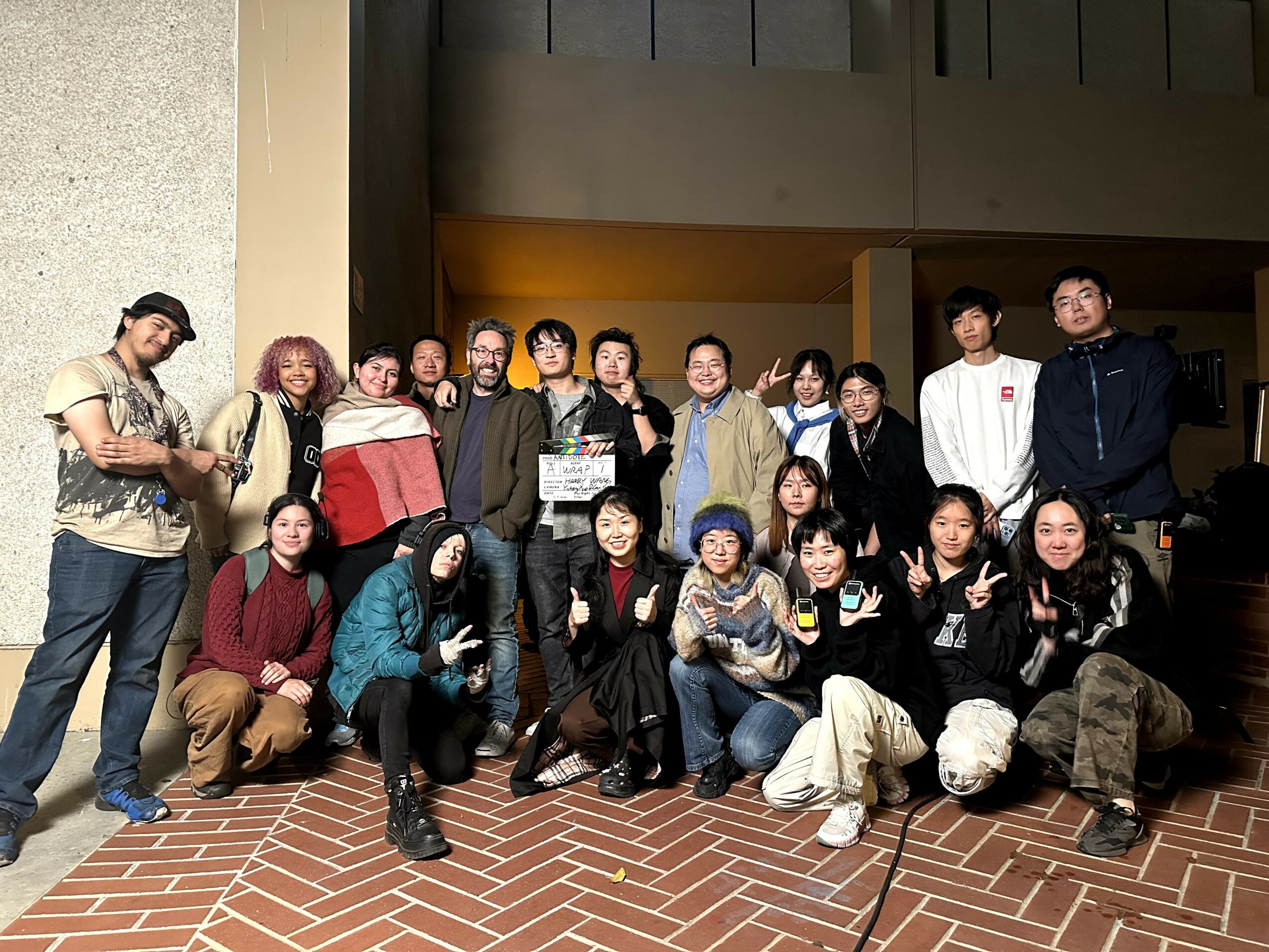
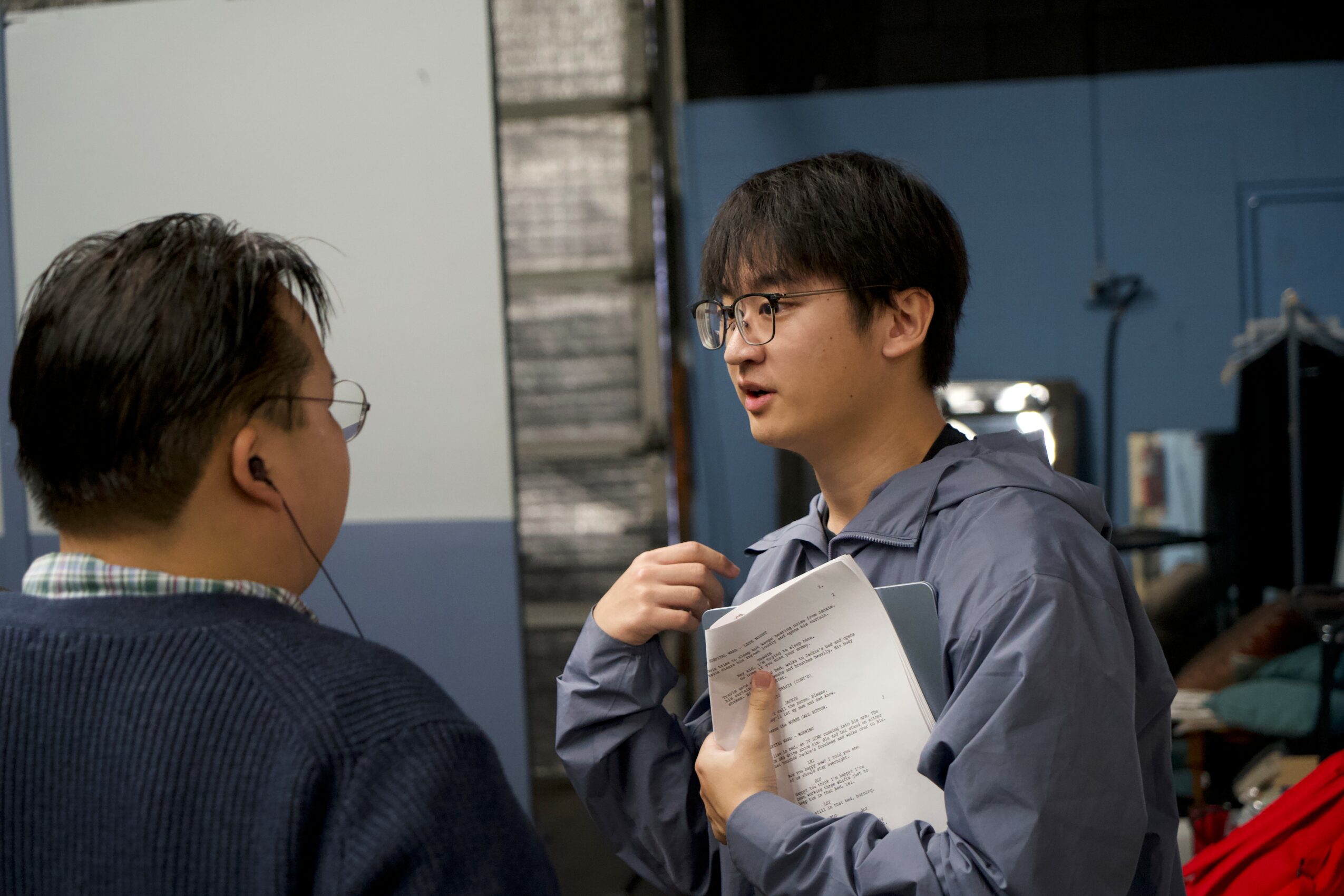
We were filming an outdoor scene near a parking lot and wanted to recreate the feeling of car headlights sweeping across the actor’s face. Even though we had professional lighting equipment, it was nearly impossible to control the randomness and timing of real traffic. In the middle of the challenge, our cinematographer proposed a bold solution: three crew members would drive their own cars, circling different parts of the parking lot with their headlights on to simulate passing vehicles.
I immediately said yes—not only because it was a smart idea, but because it captured the spirit of why I love making films. For a moment, it felt like a group of close friends doing something a little ridiculous, a little reckless, and completely sincere, just to make the scene work.
We shot many takes, the cars made countless loops, and everyone committed fully. I couldn’t stop laughing at how absurd it looked—but I also felt deeply proud. Proud of the crew who were literally driving in circles for my film, and grateful for that shared willingness to go all in together.
Can you briefly introduce yourself and share what makes you or your brand unique?
I am a recently graduated MFA filmmaker from USC, working primarily in narrative drama and documentary.
I’ve just completed my thesis film, which tells the story of a young Asian boy who believes he is a burden to his family and secretly takes painkillers to appear healthy in front of his parents. The project reflects my ongoing interest in intimate, emotionally restrained stories—moments that feel small on the surface but carry deep emotional weight.
My narrative work is rooted in close observation of everyday life. I’m drawn to subtle details, quiet behaviors, and unspoken tensions—because I believe those are often what resonate most deeply with audiences.
Alongside fiction, I also work extensively in documentary. I am currently directing two projects: a feature-length documentary about a mother who, after losing her son to a rare pediatric kidney cancer, dedicates her life to supporting families facing the same illness; and a short documentary about two elderly brothers in Altadena who have spent decades cultivating camellias, and are now closing their family business due to wildfires and personal circumstances.
Whether fiction or documentary, my work centers on people—on how love, guilt, resilience, and care quietly shape our lives.
Thanks for sharing that. Would love to go back in time and hear about how your past might have impacted who you are today. What relationship most shaped how you see yourself?
The relationship that has most shaped how I see myself is with my younger sister, who is eleven years younger than me. Growing up, I always felt that my parents were particularly strict with me—stricter than with other relatives—which made me think that if I ever had a child, I would parent differently. When my sister was born, that dynamic changed. Though she’s not my child, the age gap naturally put me in a position of constant consideration: I would go out of my way to accommodate her wishes.
As she grew older, however, I also experienced frustration—anger or disappointment when she made mistakes, lied, or performed poorly in school. Those moments forced me to confront my own reactions and assumptions, and gradually I realized that everyone has their own perspective and reasons for their actions. Things aren’t always simply right or wrong.
This understanding has profoundly influenced how I approach my work as a filmmaker. It has made me more attentive to the viewpoints of my characters and of every member of my crew, reminding me that empathy and awareness are central to creating stories that feel real and human.
What fear has held you back the most in your life?
The fear that has held me back the most is my sensitivity to how others perceive me. I care deeply about other people’s feelings, and because I’m drawn to details, I sometimes overinterpret small gestures or reactions, giving them more weight than they deserve.
When that awareness turns into worry, it can slow me down. I become overly cautious, hesitant to act, and more focused on avoiding mistakes than moving forward. Recognizing this pattern has been important for me—both personally and creatively—as it reminds me that attention and empathy are strengths, but only when they don’t prevent action.
I think our readers would appreciate hearing more about your values and what you think matters in life and career, etc. So our next question is along those lines. Is the public version of you the real you?
Not entirely. I’m naturally quite introverted. I’m comfortable spending time alone, and I don’t feel awkward sitting quietly with others. Solitude doesn’t feel lonely to me—it feels grounding.
At the same time, filmmaking is a collaborative field, especially directing. It requires communication, emotional leadership, and the ability to work closely with people you may have just met. Because of that, the version of me that exists in public is more outward-facing and assured—someone I’ve learned to become in order to do my work well.
That public version isn’t a rejection of who I am. It’s a deliberate evolution. I don’t see this change as losing myself, but as expanding who I can be—so that I can collaborate better, lead more clearly, and tell stories that are bigger than myself.
Before we go, we’d love to hear your thoughts on some longer-run, legacy type questions. When do you feel most at peace?
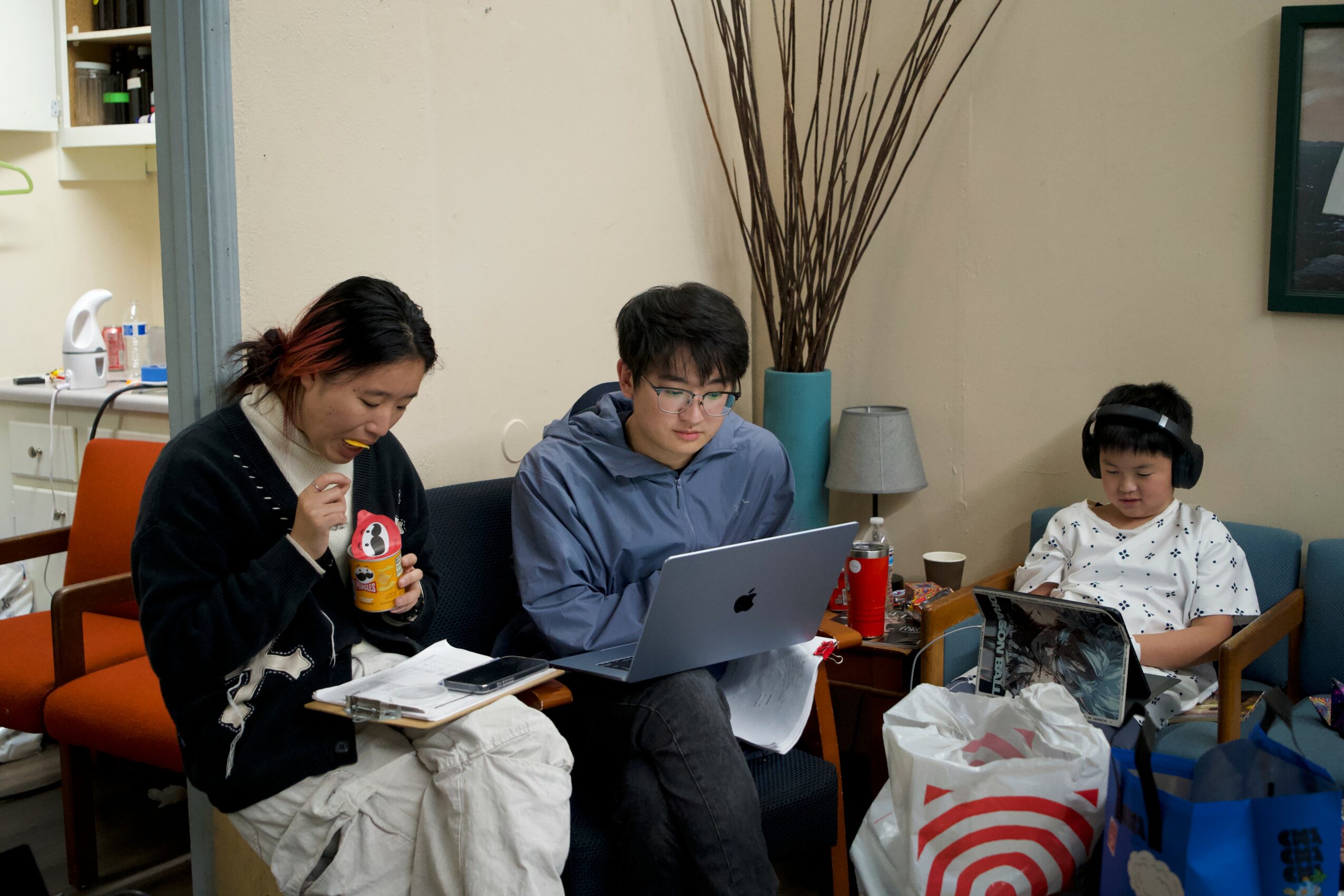
I feel most at peace when I’ve brought people together and everyone is able to work within a shared sense of safety. When each person is focused on their own task—quietly, confidently, without fear of judgment—and the space feels calm rather than rushed, that’s when I feel most grounded.
In those moments, I don’t feel the need to perform or overthink. I feel present, attentive, and deeply connected to the work and to the people around me. Creating a space where others feel supported and free to do their best work brings me a sense of peace that’s both personal and collective.
Contact Info:
- Website: https://hairongwang.wixsite.com/mysite
- Instagram: https://www.instagram.com/hairong.wang/?igsh=NTc4MTIwNjQ2YQ%3D%3D&utm_source=qr#
- Linkedin: https://www.linkedin.com/in/hairong-wang3/
Popular
-

Portraits of the Valley
-

LA’s Most Inspiring Stories
-

Rick Norris Learned That Building a Successful Business Means Building a Life You Actually Want to Live
-
How Olivia Rush Turned Survival Into a Mission to Help Others Keep Going
-

How Bibi Goldstein Is Helping Entrepreneurs Reclaim Their Time by Embracing the Power of Delegation
-

Victoria Hasson is Redefining Voice Coaching Through Community and Collaboration


