




Philip Carrera shared their story and experiences with us recently and you can find our conversation below.
Philip, a huge thanks to you for investing the time to share your wisdom with those who are seeking it. We think it’s so important for us to share stories with our neighbors, friends and community because knowledge multiples when we share with each other. Let’s jump in: What is something outside of work that is bringing you joy lately?
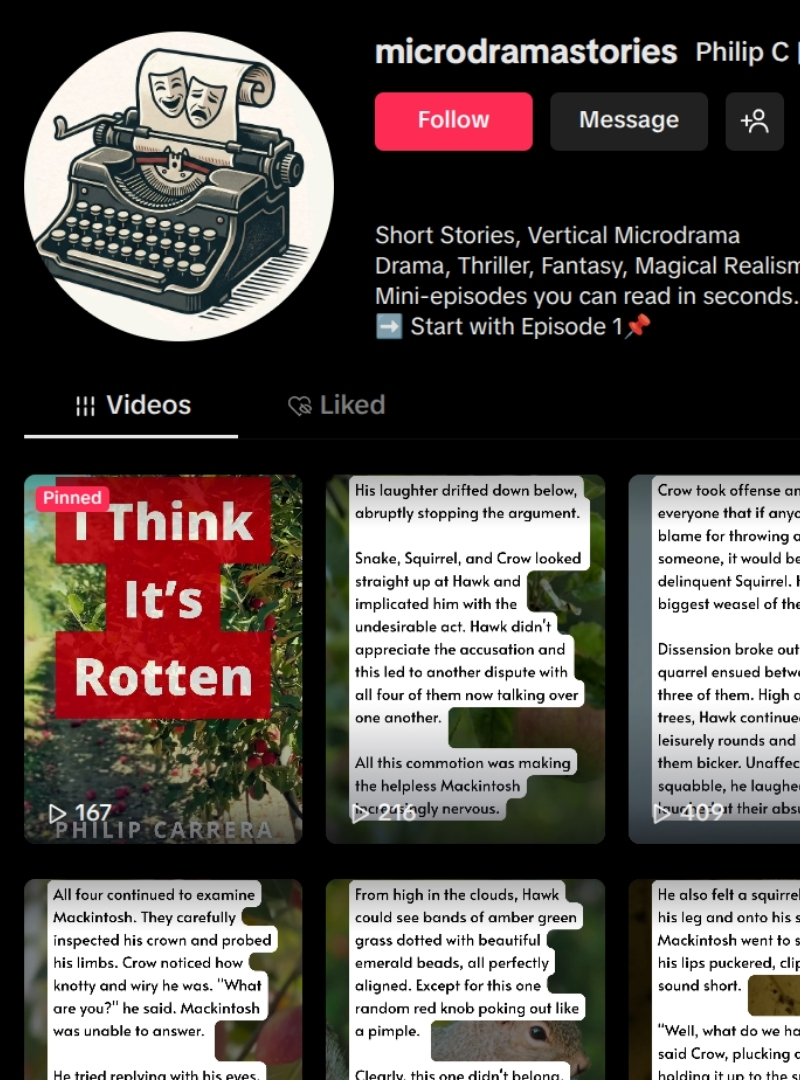
Lately, what’s been bringing me the most joy outside of work is watching stories find new lives as microdramas. I love the quiet, almost meditative process of breaking my short stories into tiny, readable moments and releasing them into the world on Tik Tok as micro-episodes, then seeing readers react in real time. There’s something deeply satisfying about realizing that a few lines of text, read in ten seconds on a phone screen, can still spark curiosity, emotion, or even obsession. It reminds me why I fell in love with storytelling in the first place: not for the format, but for that instant human connection when a story lands and someone feels seen, intrigued, or compelled to keep going.
Can you briefly introduce yourself and share what makes you or your brand unique?
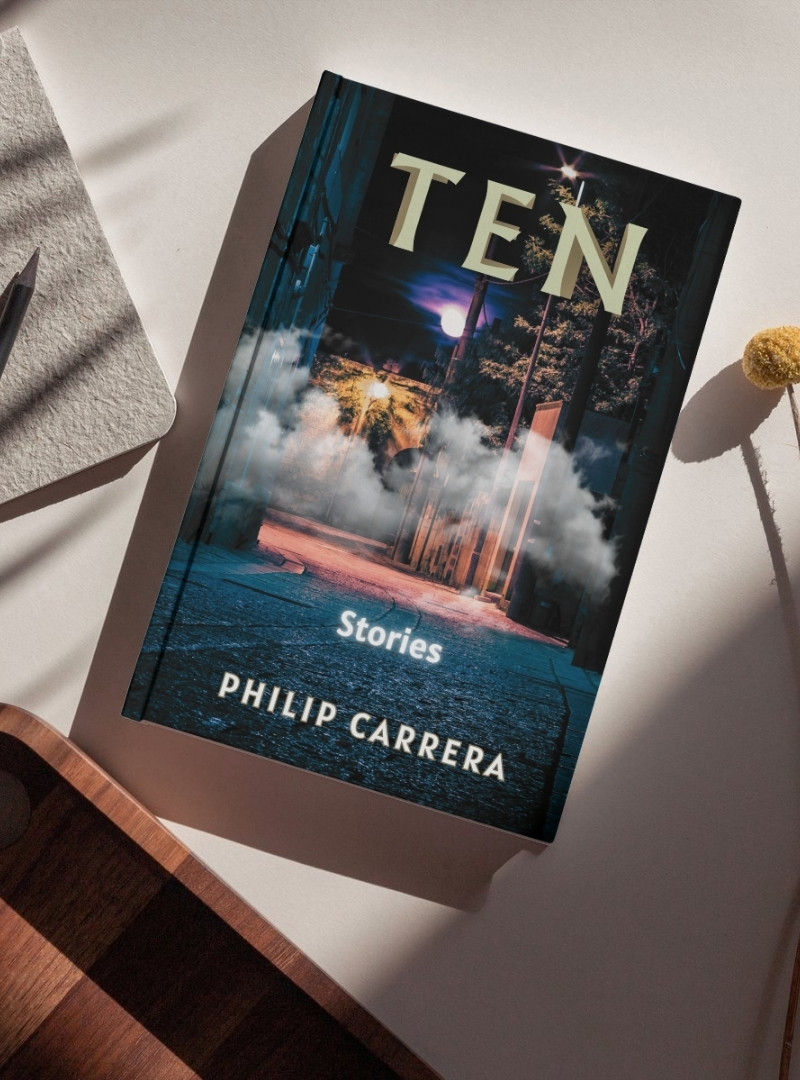
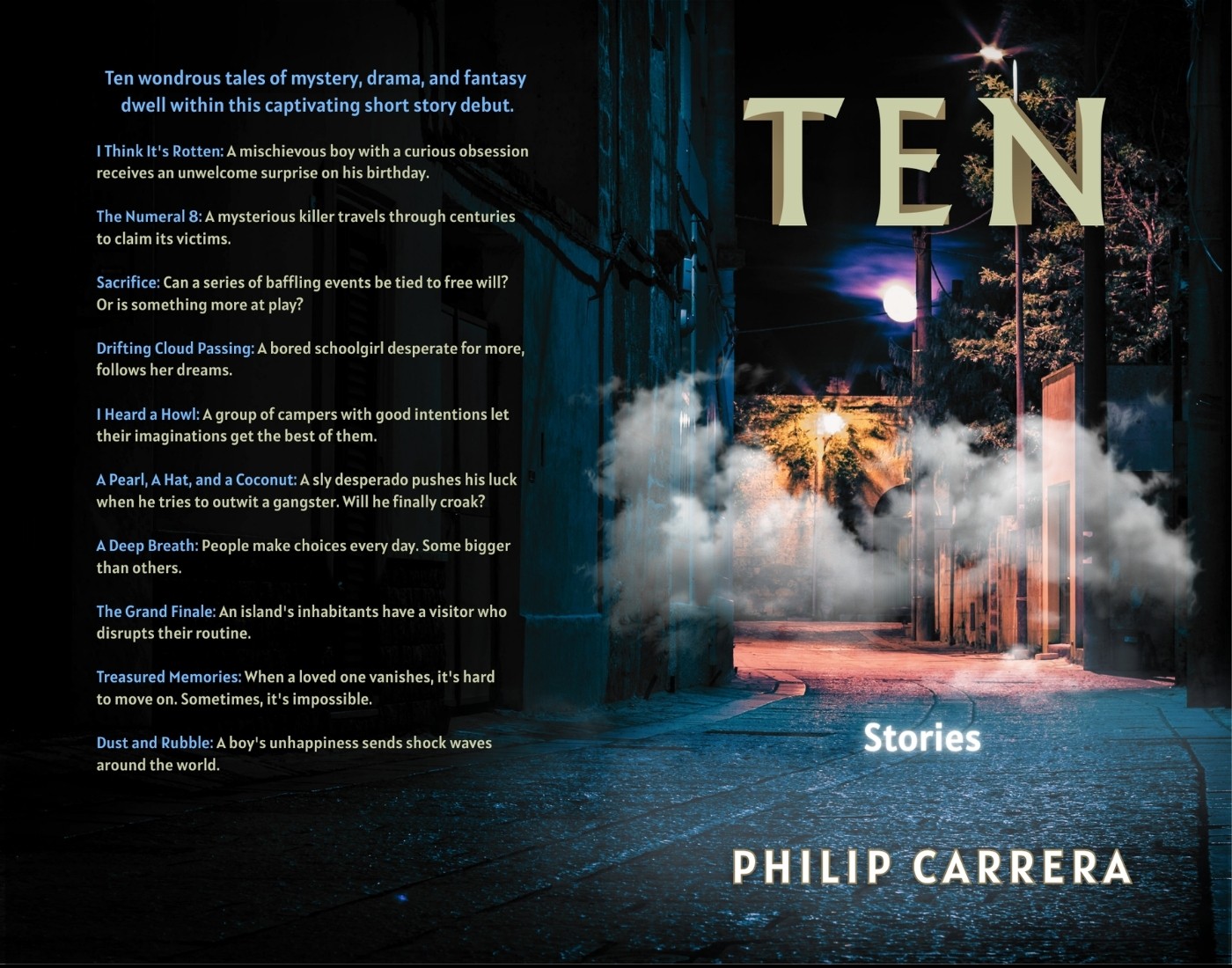
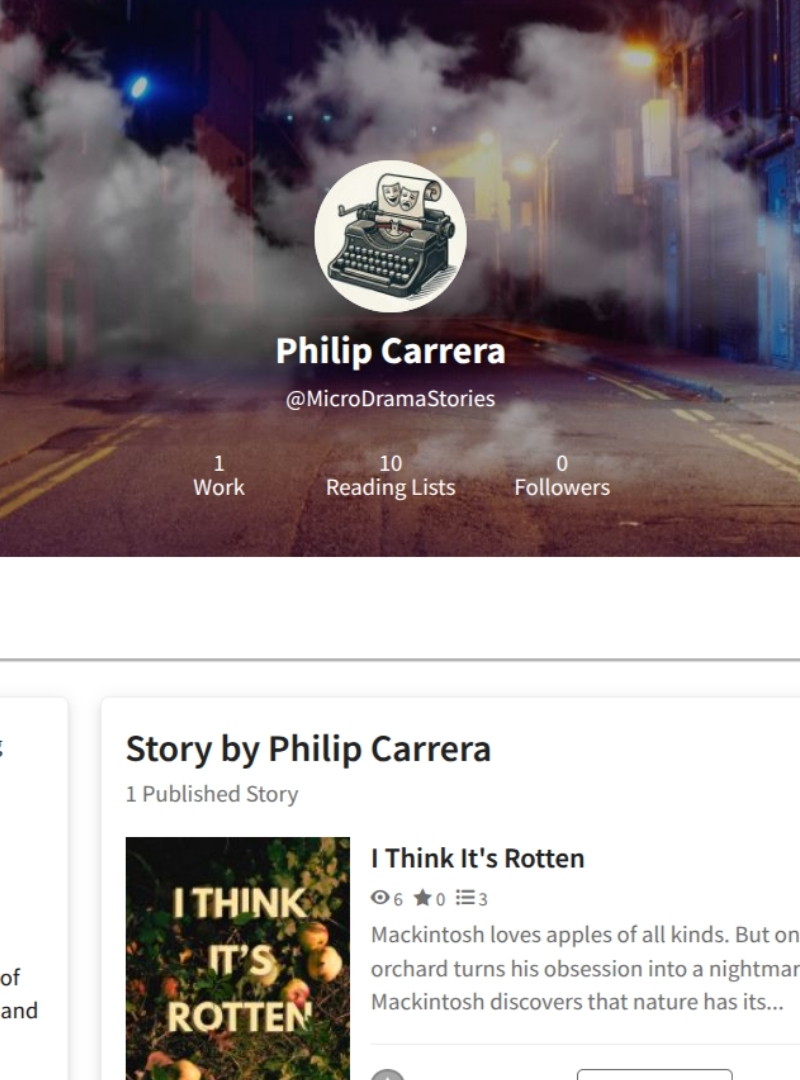
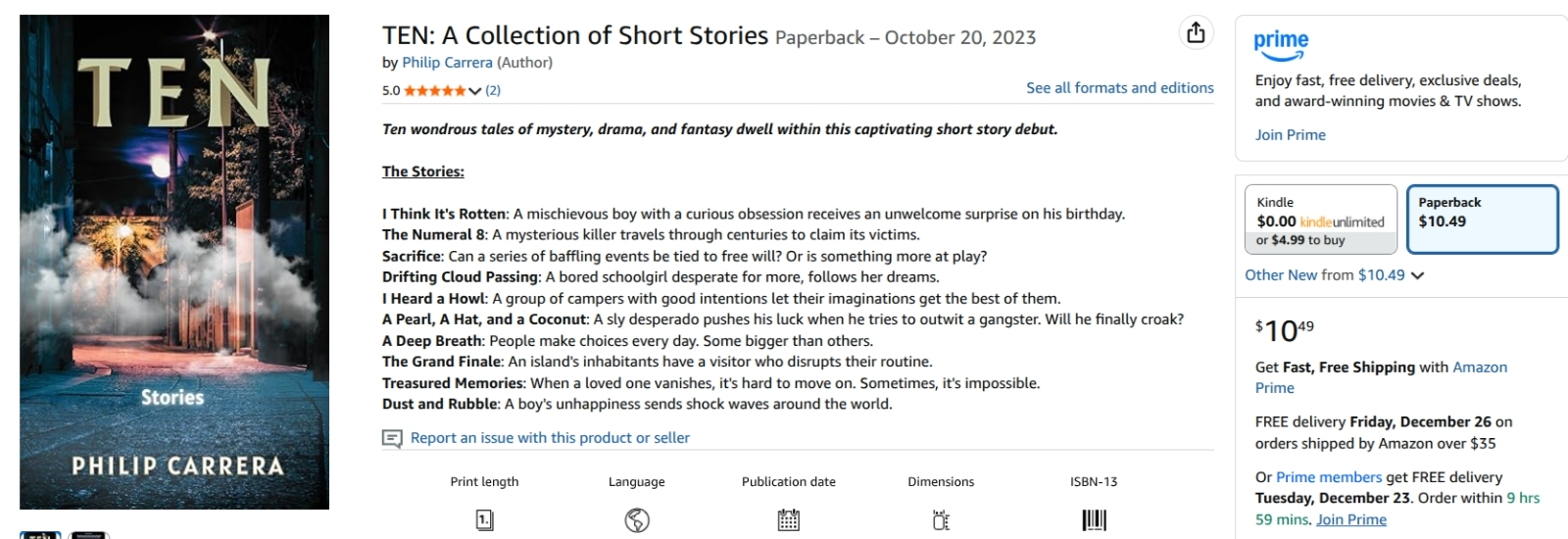
My name is Philip Carrera, and I’m a short story writer experimenting with how fiction lives in a mobile-first world. Under the handle @microdramastories on Wattpad and TikTok, I’m re-releasing a collection of ten short stories as vertical, bite-sized mini-episodes designed to be read in seconds, on a phone, while waiting in line, riding the train, or wherever you are. The stories lean into drama, mystery, fantasy, and magical realism, the kind that pull you in quickly and leave you thinking after you’ve scrolled away. The project blends traditional literary storytelling with the pacing and cliffhangers of modern microdrama, inviting readers to experience complete narratives in an entirely new format. For those who prefer a more classic reading experience, the full collection is also available as an ebook and paperback on Amazon under my name, Philip Carrera. The title of the book is “TEN.”
Amazing, so let’s take a moment to go back in time. Who were you before the world told you who you had to be?
Before the world told me who I had to be, I was a kid inventing stories on paper just to amuse myself. I wrote and drew my own comic strips, made up characters, gave them problems, and spent hours giving them backstories. As I got older, that instinct didn’t go away, it just shape shifted. I played with magnetic poetry on the fridge, experimented with rhythm, metaphor, and form, and used my drawing skills to design characters long before I knew what “branding” or “audience” meant. Before platforms and algorithms, I was simply someone who loved telling stories in small, strange, playful ways, and honestly, that’s still who I am now, just with a bigger canvas and better tools.
Was there ever a time you almost gave up?
Writing fiction is a tough gig. Unless you’re Stephen King or J.K. Rowling, nobody is knocking down your door asking for a story. For a long time, you’re really writing for the love of it. And the hardest part isn’t the writing, it’s getting anyone to read what you wrote. That’s when it’s easy to flirt with the idea of giving up. But every once in a while, a stranger will stumble across one of your stories “in the wild” and offer an honest reaction. They’ll tell you how much it stayed with them, or ask how you came up with it. At first it’s a little disarming. You don’t quite know what to say. Then you sit with that moment and it hits you like a jolt of clarity: this is what you do. You’re a storyteller. To stop writing stories would be like a bird deciding it doesn’t want to flap its wings anymore. What else is going to do?
Alright, so if you are open to it, let’s explore some philosophical questions that touch on your values and worldview. What important truth do very few people agree with you on?
I work in Marketing as a Senior Copywriter and the biggest challenge I see when working with some companies is convincing them that “storytelling” matters in the business world too. It’s not just for TV, books and movies. Consumers are human, and humans are emotional creatures. Every purchase decision we make is emotional. We then use logic to justify that purchase. Brands often lead with how great they are, what they do, and why they’re different, but consumers don’t actually care about any of that. They care about their own problems, their own goals, their own story. When a brand shows (through story) that it understands where someone is, what they’re struggling with, and where they want to go, that’s when trust is built. Storytelling isn’t about being clever, it’s about empathy. And empathy, more than features or slogans, is what moves people to act.
Before we go, we’d love to hear your thoughts on some longer-run, legacy type questions. What will you regret not doing?
I think I’d regret not continuing to say yes to the world. Travel has a way of reminding me how big life is. I’ve been lucky enough to visit 17 countries so far, and I have a spreadsheet of other destinations I’d like to visit. A couple of years ago, I hiked the Kumano Kodo trail in Japan where emperors, aristocrats, and pilgrims walked through lush bamboo forests and climbed steep moss-covered stairways to connect with nature. If I ever look back with regret, it would be for not traveling more. Next on my list are India, Croatia, England, and one day walking the Camino de Santiago in Spain. Travel shapes how I see the world, and ultimately, the stories I tell.
Contact Info:
- Website: https://www.amazon.com/TEN-Collection-Stories-Philip-Carrera/dp/B0CLK1B52P/
- Instagram: https://www.instagram.com/microdramastories/
- Other: https://www.tiktok.com/@microdramastories

Popular
-

Portraits of the Valley
-

LA’s Most Inspiring Stories
-

Rick Norris Learned That Building a Successful Business Means Building a Life You Actually Want to Live
-

How Olivia Rush Turned Survival Into a Mission to Help Others Keep Going
-

How Bibi Goldstein Is Helping Entrepreneurs Reclaim Their Time by Embracing the Power of Delegation
-

Victoria Hasson is Redefining Voice Coaching Through Community and Collaboration


