




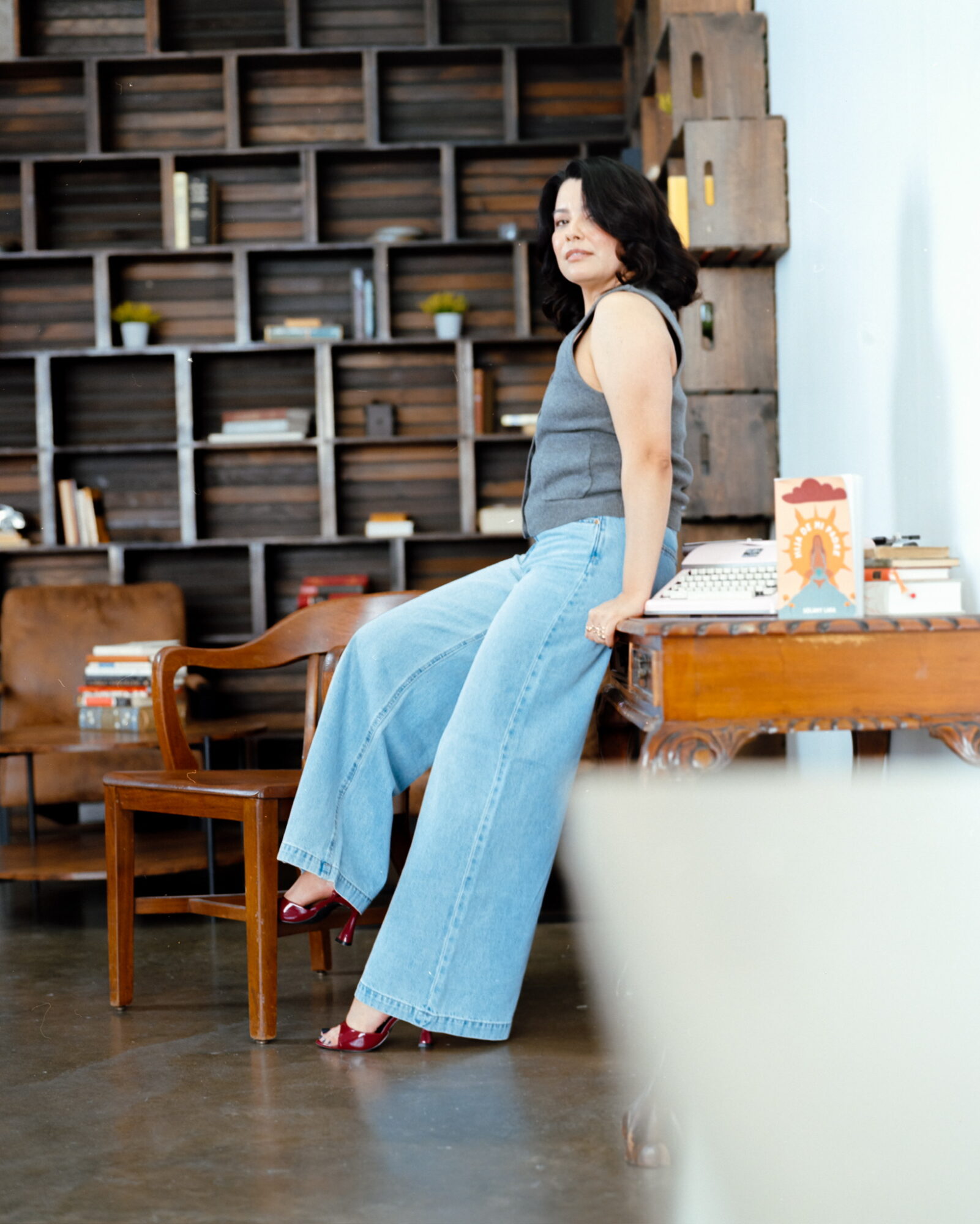
Today we’d like to introduce you to Solany Lara.
Alright, so thank you so much for sharing your story and insight with our readers. To kick things off, can you tell us a bit about how you got started?
Being a first-generation Mexican American daughter, I grew up learning how to read emotions without hearing them named. In my family, and especially through my father, feelings were often carried rather than spoken. They instead arose as anger, silence, or tension that I often felt at a deep level.
When my father, “Chico” Lara, passed away in 2019, I tried to respond the only way I was taught how: staying quiet and busy, returning to routine, and moving forward quickly. But when the pandemic hit, I was forced to slow down and I could no longer outrun what I was carrying. The way I had been suppressing my emotions began to quickly collapse. I knew it had to change. I quickly sought some way to care for myself without worrying what people would say about it.
Upon my search, I found a writing retreat led by Davina Ferreira of Alegría Publishing on social media and signed myself up immediately. It ended up becoming a turning point for me. It was the first space where I felt encouraged to trust my interior world and produce something with it without turning it into just anger, tears, or resentment. I intuitively tapped into writing that day and continued with it. That experience led to Hija de mi padre, a poetry collection rooted in love, loss, and transformation within the complexity of my relationship with my father.
While my early writing centered on my paternal lineage, I’m now turning toward my maternal history—listening for the quiet strength and emotional labor I carry as a woman while connecting to the women in my family. Writing is not only how I process the past and present, but how I imagine and shape my future. Writing is no longer only a response to grief; it’s a practice of clarity and choice, a way to decide what I want to carry forward into my life.
Would you say it’s been a smooth road, and if not what are some of the biggest challenges you’ve faced along the way?
It has not been a smooth road, and that is why I am committed to my writing.
Creativity was not always presented as something attainable where I come from, particularly because its rewards are not immediately visible. Still, I believe deeply in my work and trust that it will find and connect with those who have traveled paths similar to mine: growing up as the daughter of immigrants, navigating life as a first-generation daughter, grieving a parent, and ultimately finding my voice as a woman. My primary aim is to offer connection through my writing.
Another main struggle along the way was unlearning the belief that writing for myself was indulgent or selfish. Through that process, I came to understand that my time alone is sacred and must remain that way in order for me to show up as my best self with others. At first, the people around me did not understand my need to step away and sit with my emotions, to linger in the why behind them. I did not fully understand it myself. Over time, I realized that telling my truth—especially the complicated and uncomfortable parts—was not optional; it was necessary. When I finally gave myself permission to do that, I felt a deep sense of liberation.
The road has been heavy at times, but it has also been honest. And it is that honesty that continues to shape my voice.
Appreciate you sharing that. What else should we know about what you do?
My work centers emotional honesty around family, lineage, and the silences we inherit. I write about complicated love, about my father being both nurturing and harmful, and about how patriarchy shapes emotional understanding and care. Currently, my writing is expanding beyond paternal lineage into my maternal history—exploring womanhood, emotional labor, and the quiet strength passed down through generations. I have a couple of writing projects underway, and very excited to share them with the world once they’re ready.
Alongside my personal work, I facilitate writing workshops that approach writing as a healing tool for connection with the self and with others, particularly for people from communities where the arts aren’t always prioritized. Creating spaces where creatives can share their experiences and reflect on their practice—together and in conversation with the world—is one of my priorities.
In 2026, I will expand this work through a podcast inspired by Beyond Hija de mi padre: Live Talks with Creatives, a series of Instagram Lives I facilitated this past year, continuing the project under a new name. More details will be shared through my social media.
How do you think about happiness?
Right now, I’m enjoying being more present with my family and friends. Basking in the joy we share feels important to me, and I’m trying to be intentional about making as many memories with them while I still can. I also love to read—almost as if books were food. Reading nourishes me, inspires my writing, and helps me deepen my craft by learning from other writers.
Contact Info:
- Website: https://linktr.ee/writewsoul
- Instagram: https://www.instagram.com/writewsoul/
- Youtube: https://www.youtube.com/@solany_lara
- Other: https://www.casitabooks.com/products/hija-de-mi-padre
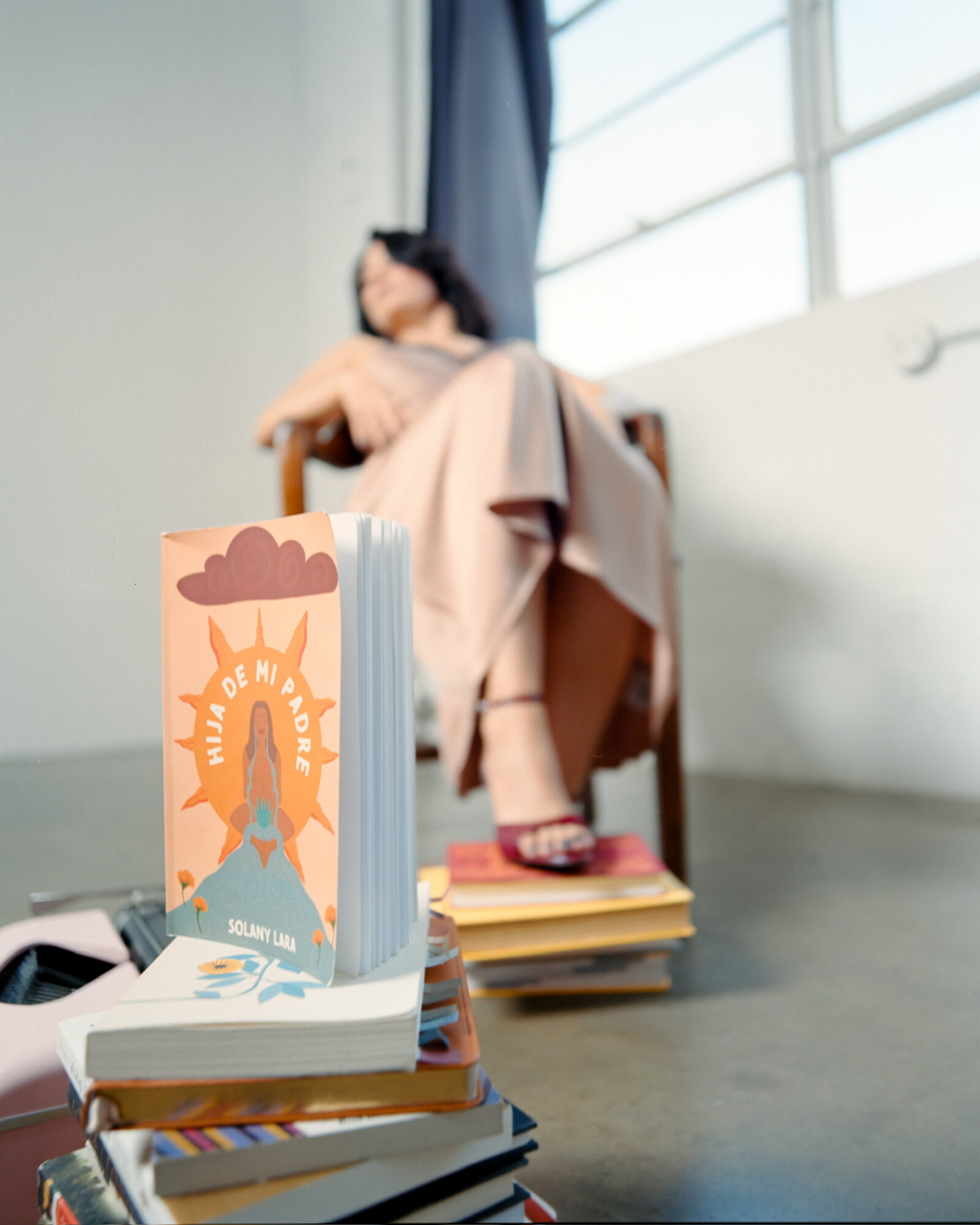
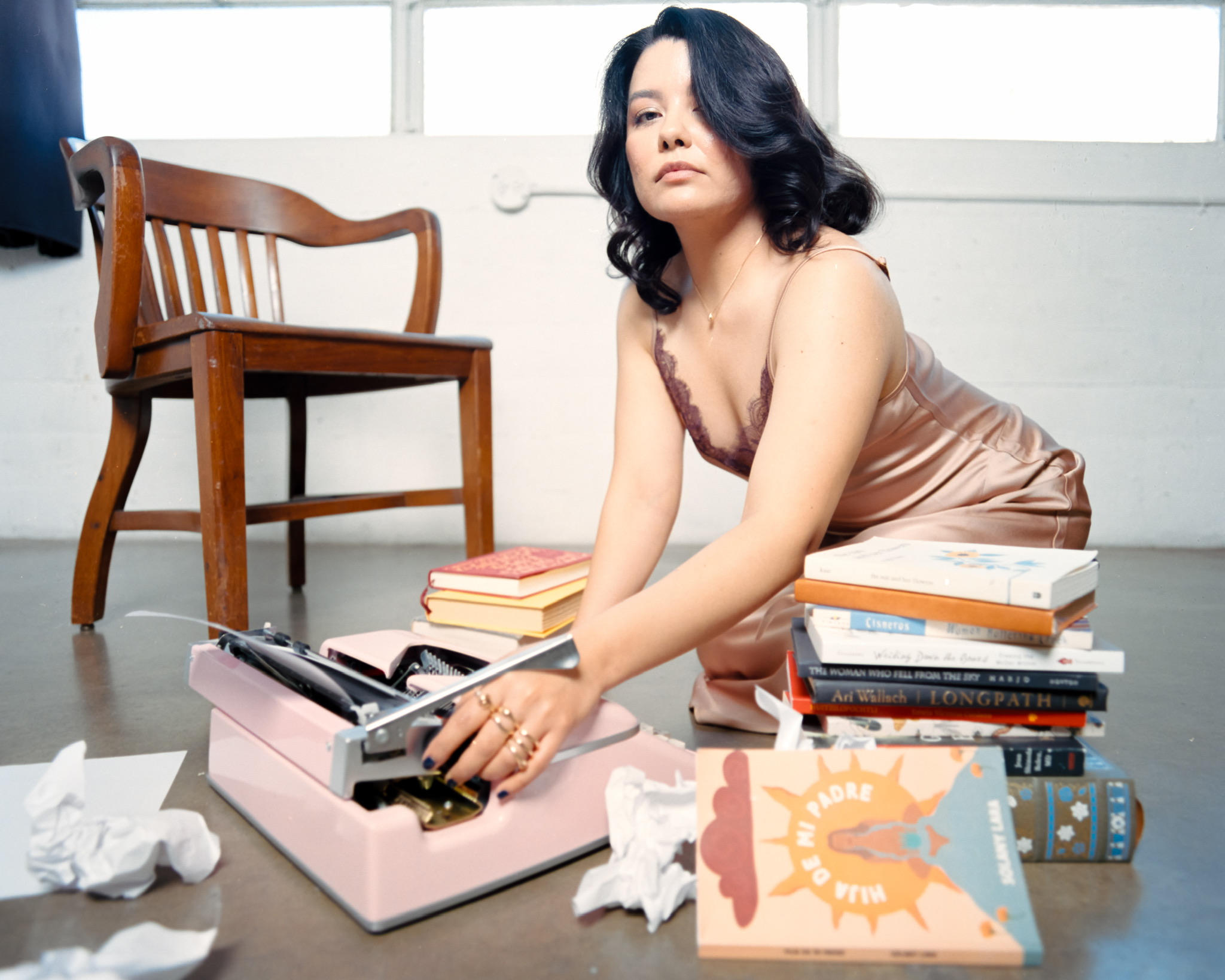
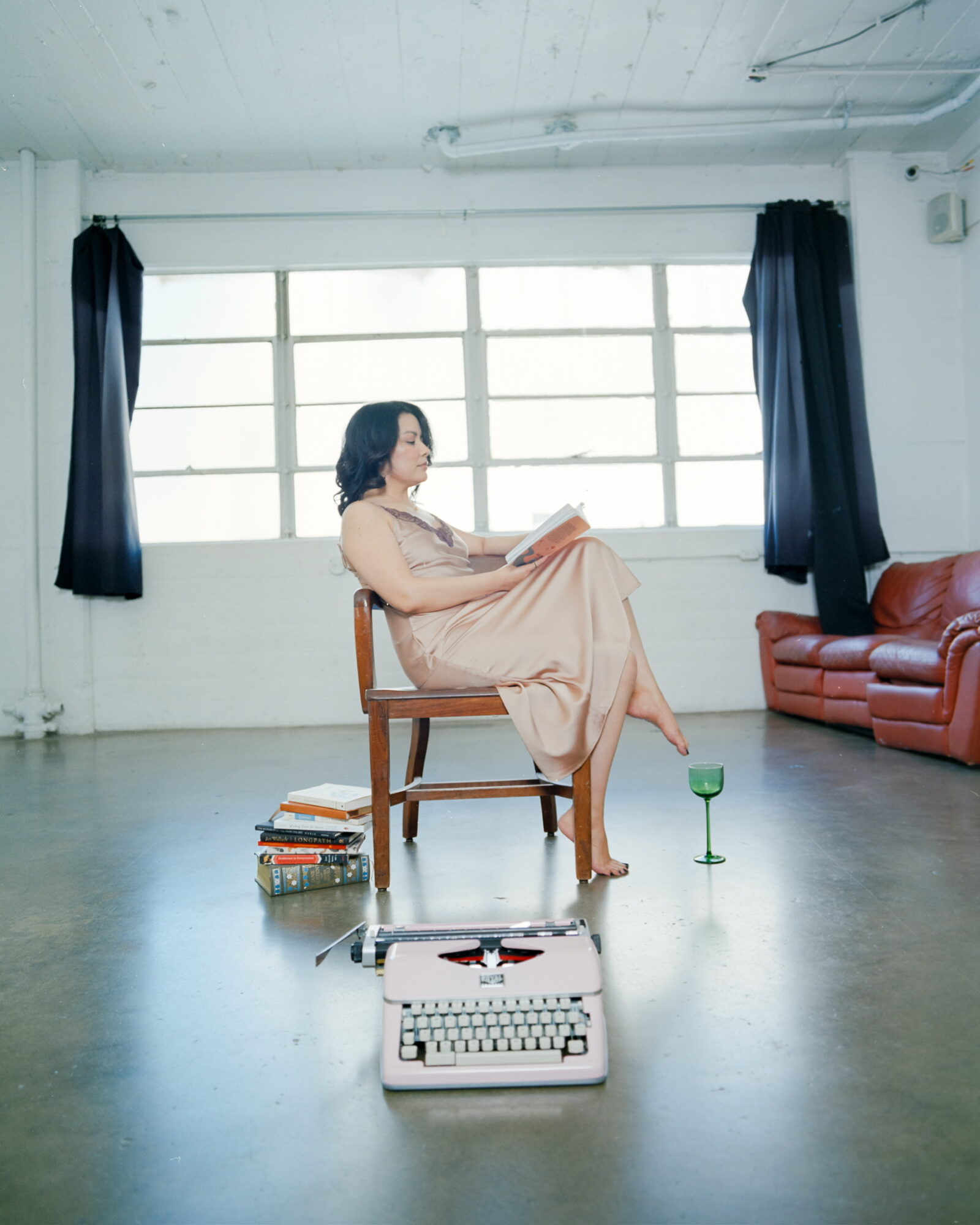
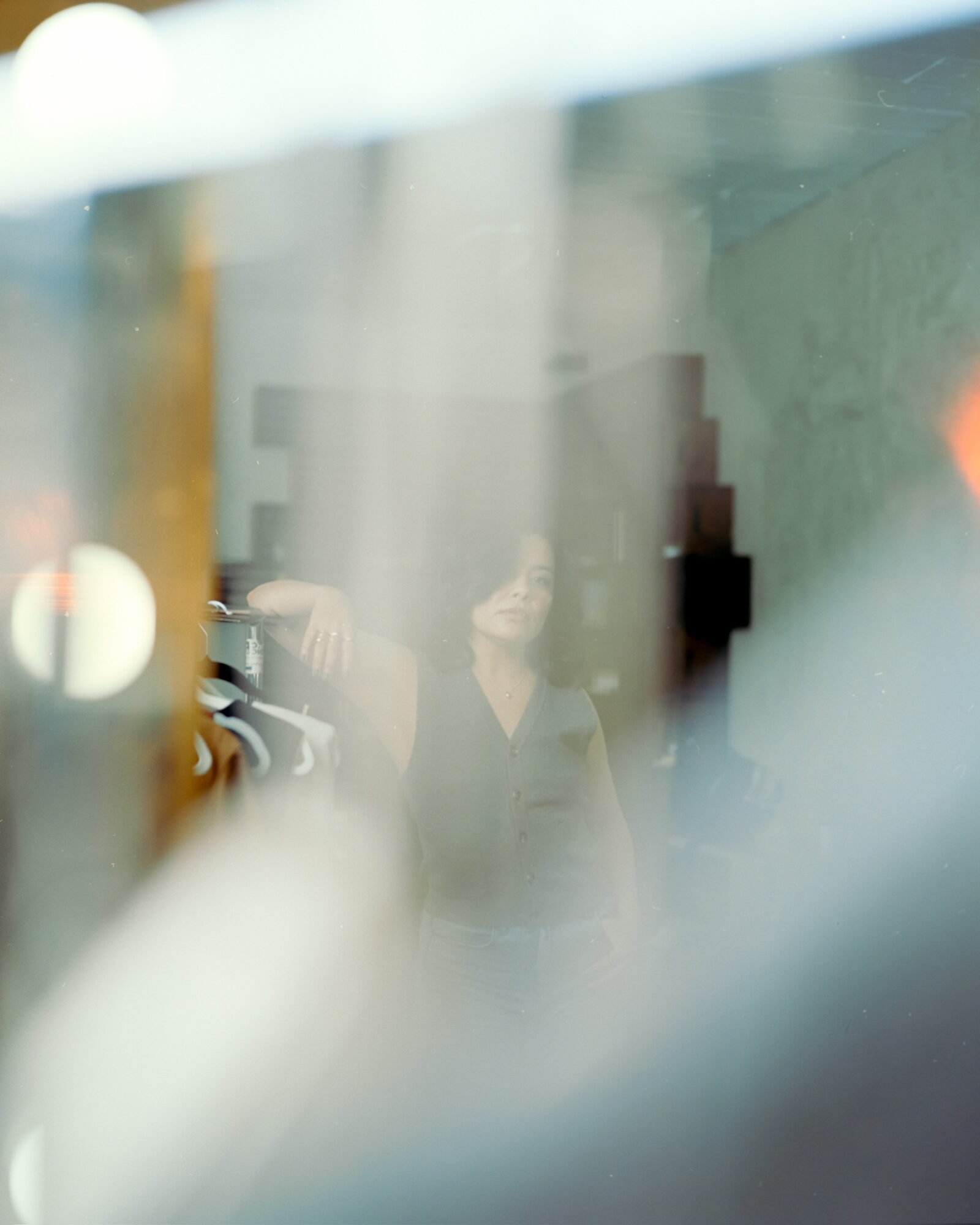
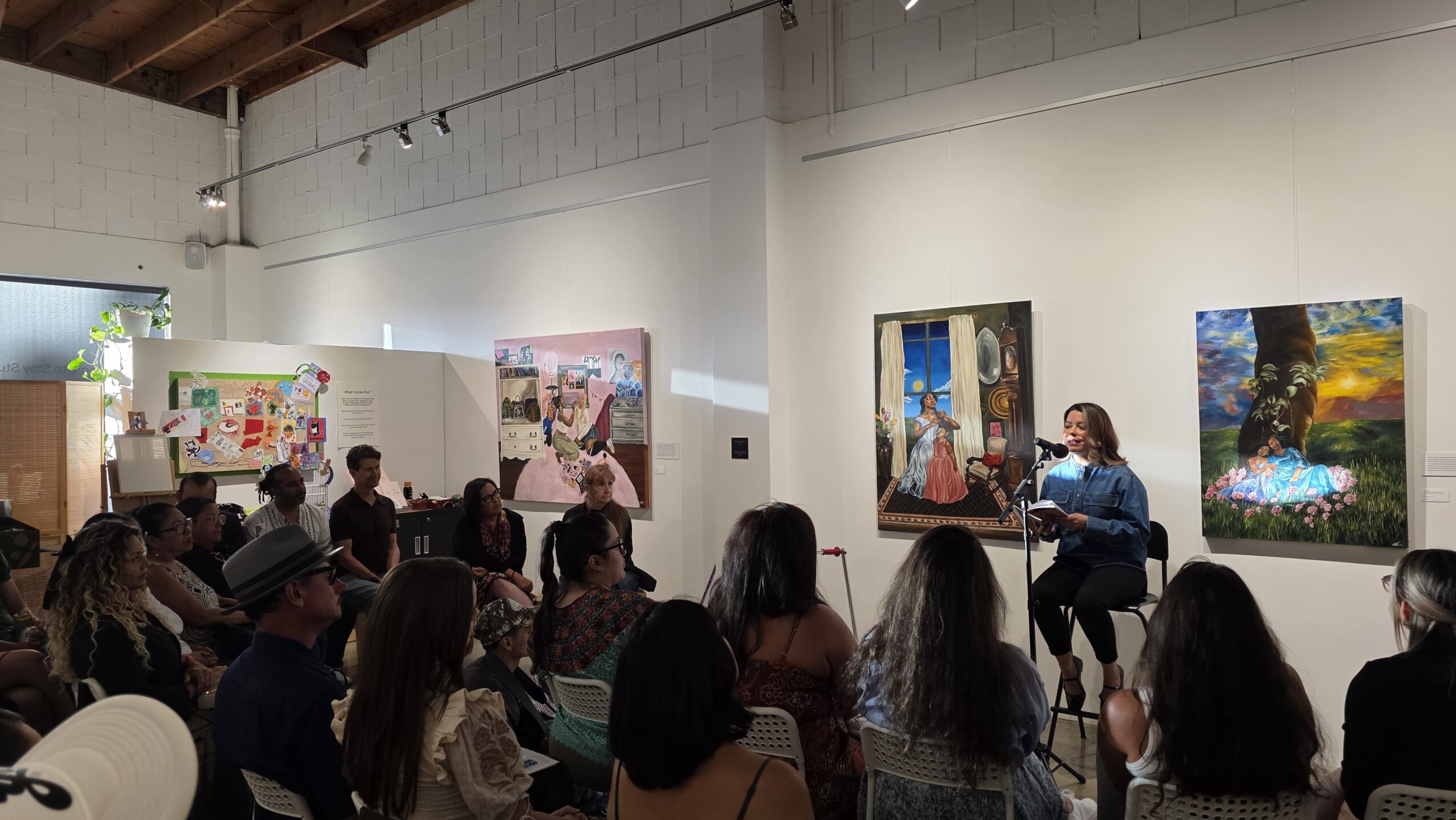
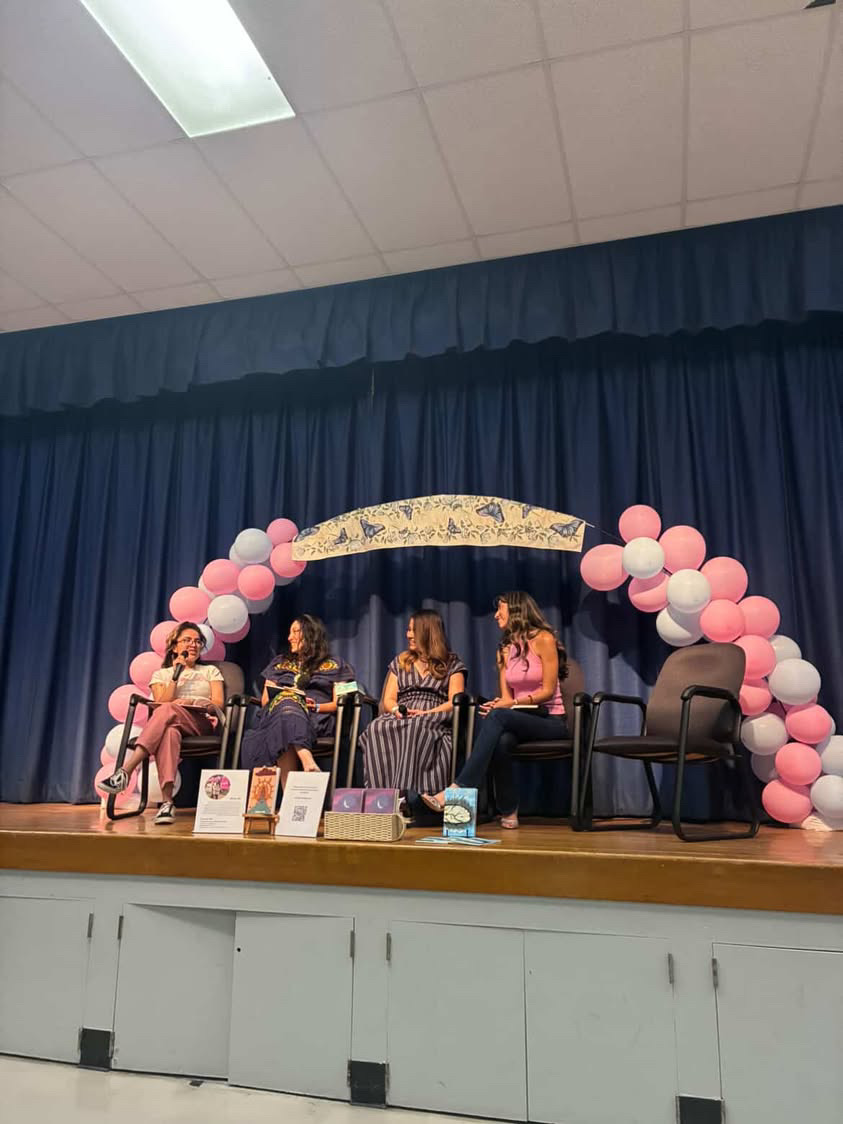
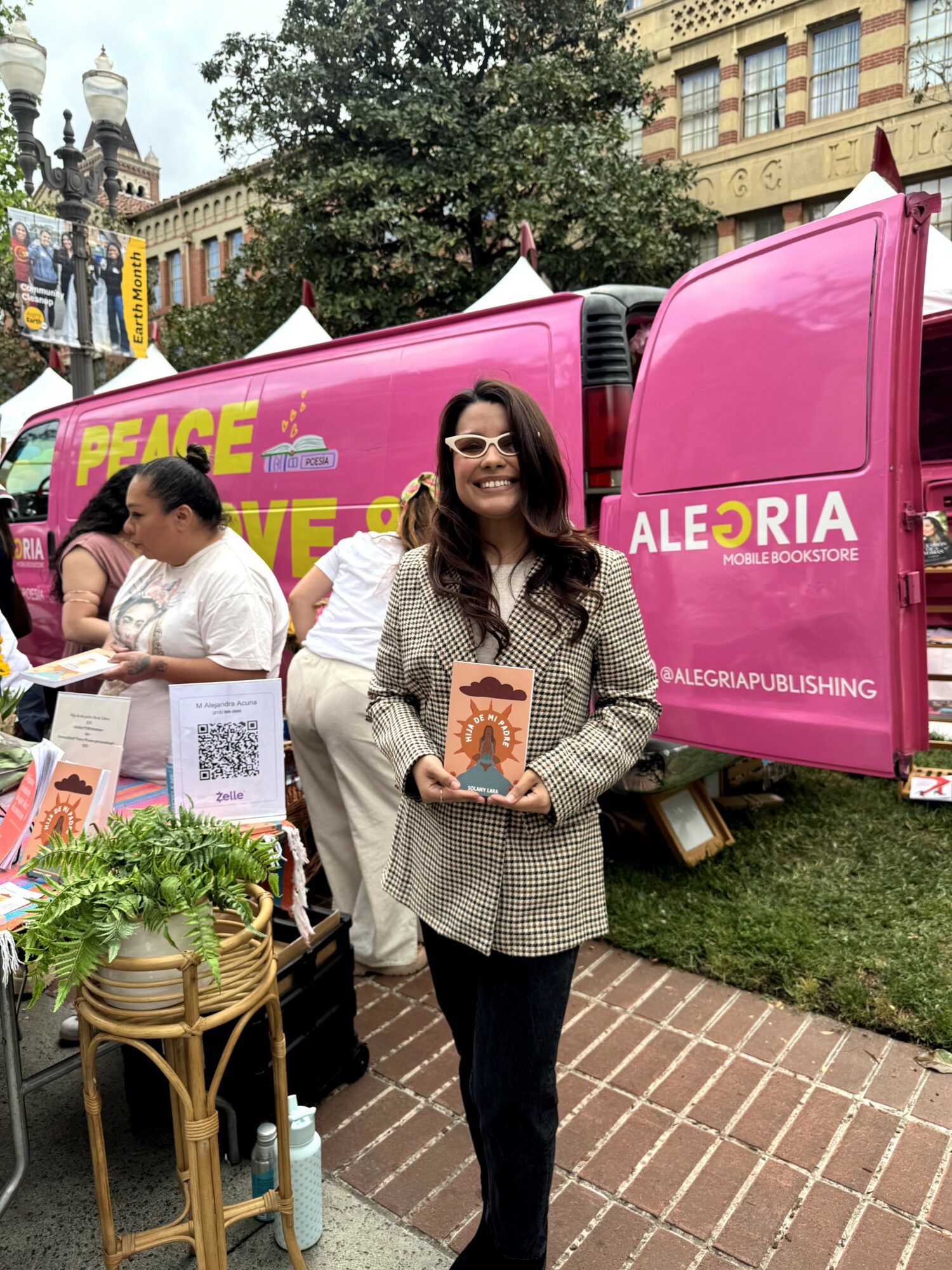
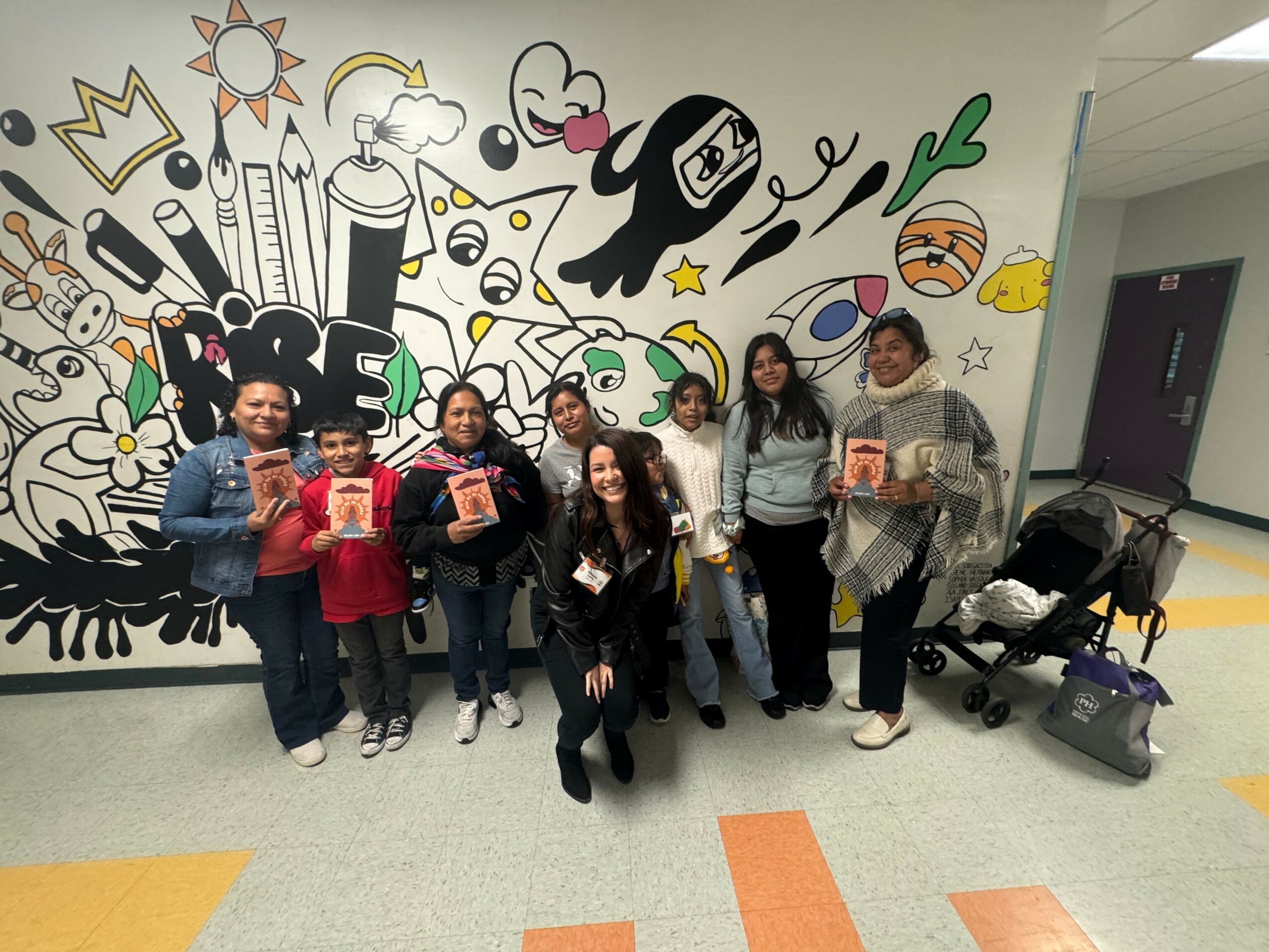
Image Credits
Professional photographs with the grey vest and pink dress should be credited to Saon Kashem (Instagram: saon.kashem)
Popular
-

What is the story you hope people tell about you when you’re gone?
-

What do the first 90 minutes of your day look like?
-

Local Highlighter Series
-

What did suffering teach you that success never could?
-

Who were you before the world told you who you had to be?
-

What are you most proud of building — that nobody sees?


