




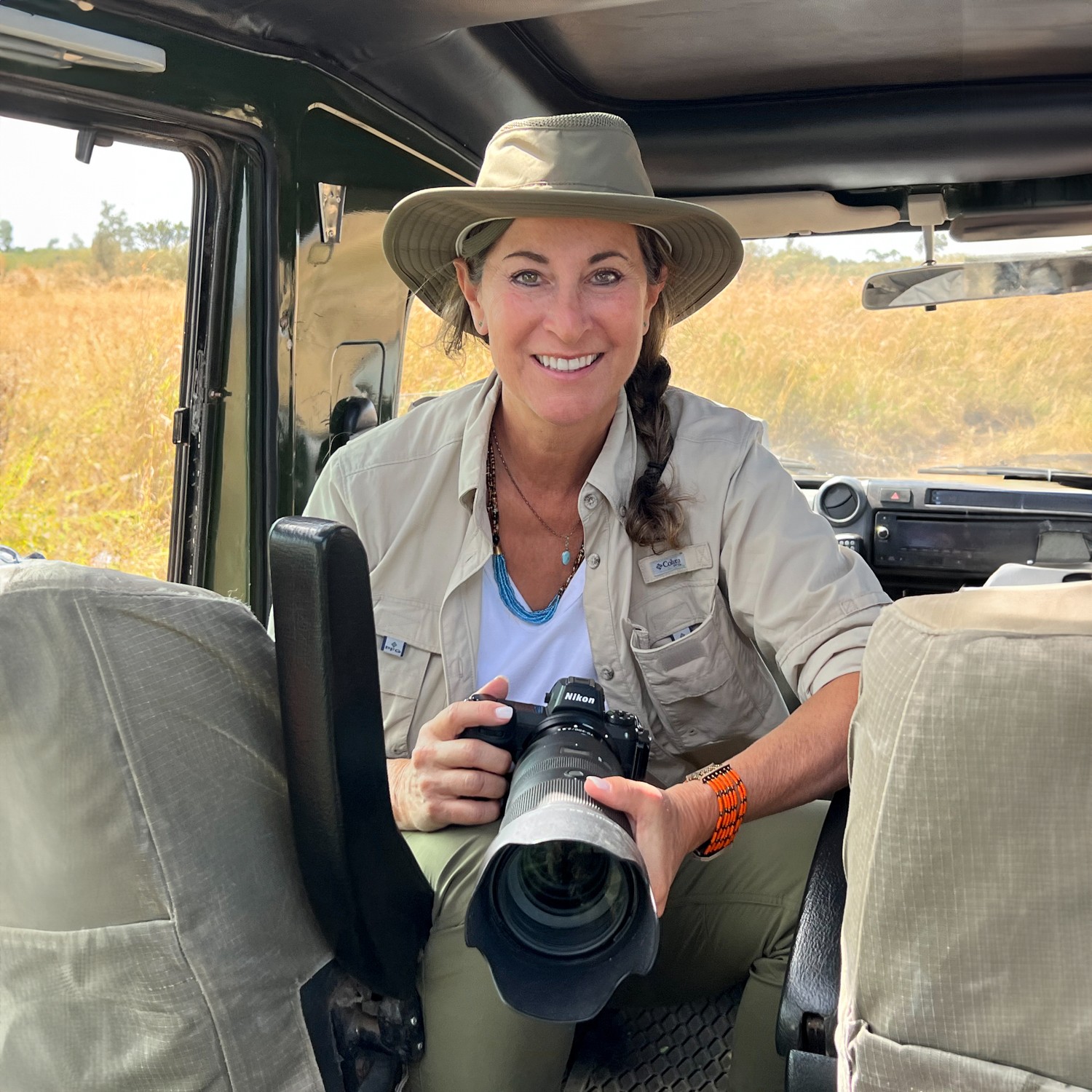
Jen Hellman shared their story and experiences with us recently and you can find our conversation below.
Jen, so good to connect and we’re excited to share your story and insights with our audience. There’s a ton to learn from your story, but let’s start with a warm up before we get into the heart of the interview. What’s more important to you—intelligence, energy, or integrity?
All three—intelligence, energy, and integrity—are choices we make. I’ve worked to grow my intelligence, put good energy into the world, and live with integrity. They all matter, but integrity sits at the center. It’s the foundation. It shapes how you do everything.
No one is perfect, including me. What matters is how you behave when you fall out of alignment with your values. Take accountability, apologize when needed, learn, and do better. I try not to lie, even when it’s uncomfortable or easier, and I choose to be around people who feel the same way.
I was fortunate to grow up with parents who modeled integrity for my sister and me. They weren’t perfect, but I could rely on them—and their word. That gave me a sense of stability. As I got older, I was shocked to encounter relationships where lying was casual or common. It felt foreign to me. I can’t control what others do; I can only control how I respond.
I have a lot of respect for honest people. Those are the people I connect with. Do the right thing. Say what you feel and say what’s true—whatever it is. Even if I could lie and get away with it, I still wouldn’t do it.
Can you briefly introduce yourself and share what makes you or your brand unique?
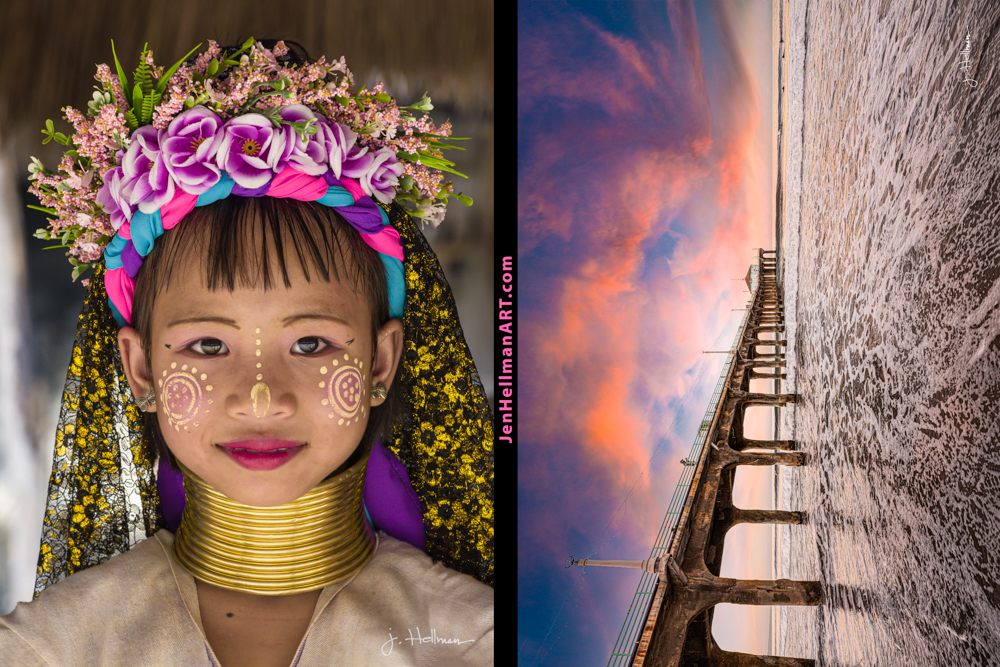
I was born creative. I grew up in New York City heavily involved in dance, music, art—and photography. My father—an author of books on science and technology—was also a passionate, award-winning photographer and introduced me to it early on. I loved it, but like many artists, I fell under the “you should get a real job” spell. After college, I worked as an editorial assistant at Premiere Magazine, but the desire for a year-round outdoor lifestyle drew me to California.
Ok, the truth is, I got fired. And honestly, everyone there—including me—knew I didn’t belong in a corporate job.
I’ve always been entrepreneurial. I’d been a varsity gymnast all through high school, and my injuries sparked an interest in the healing field. So, I moved to Hermosa Beach, entered grad school, and earned a master’s in sports medicine. After several years getting the degree and starting a small business in the field, I realized I couldn’t ignore what really made my heart sing: art and photography.
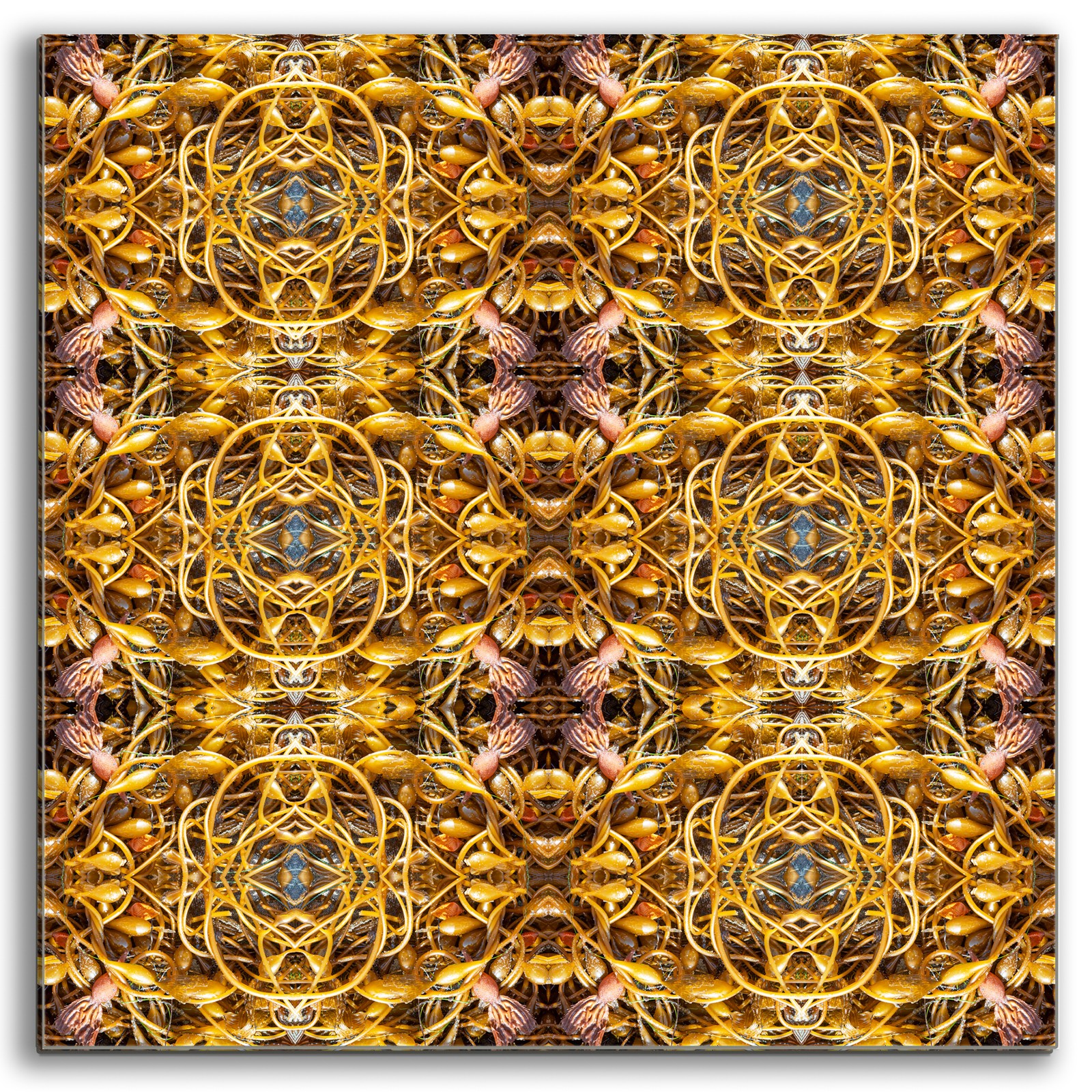
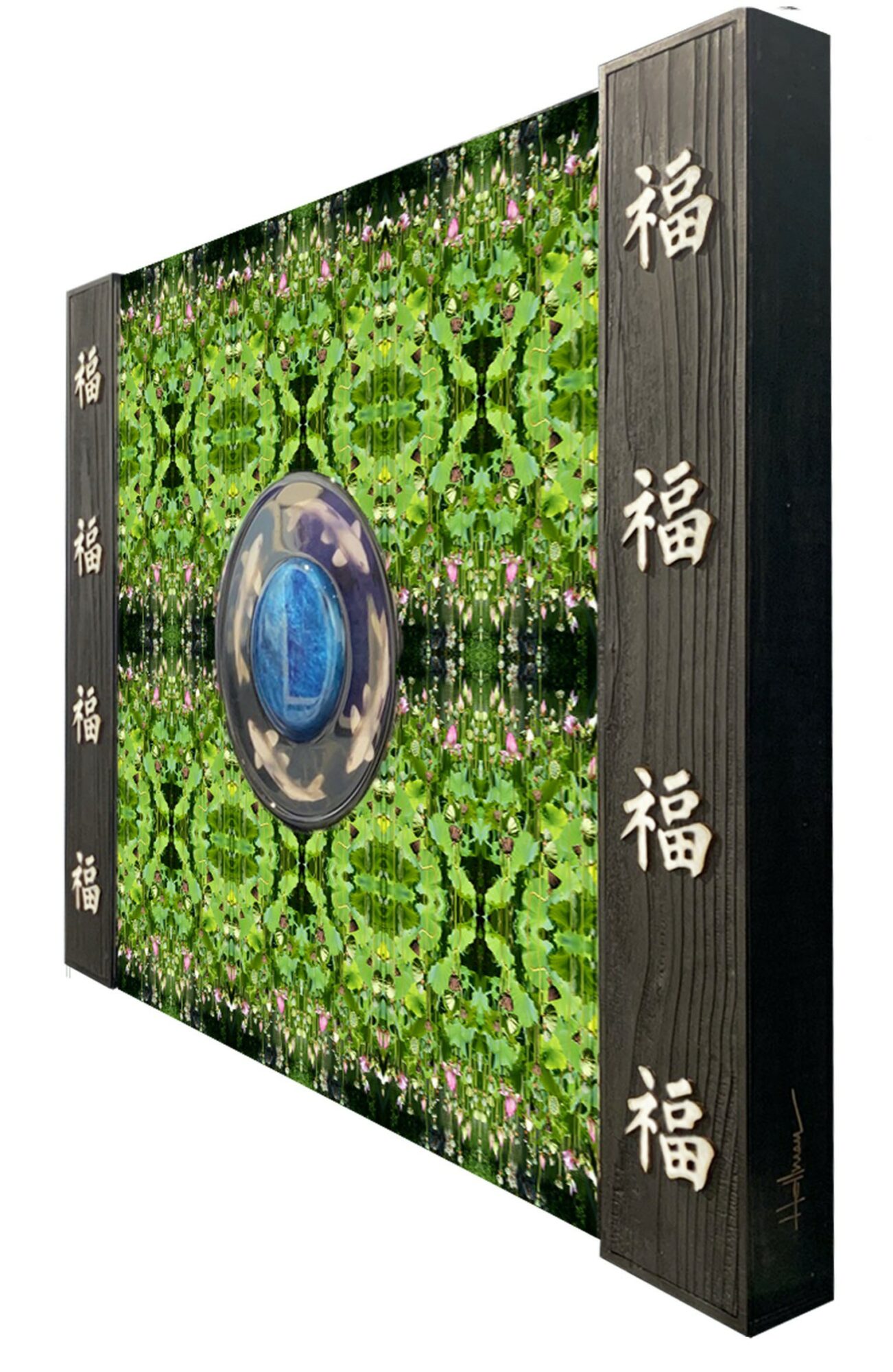
In 1999, I began creating unusual, photographically based art pieces I called Photomosaics—a mix of photography and sculptural form. Each piece starts with an original photographic image and builds into an entity all its own, often incorporating wood, resin, acrylic, and other materials. They allowed me to push the limits of traditional photographic presentation. I exhibited widely and began selling my work
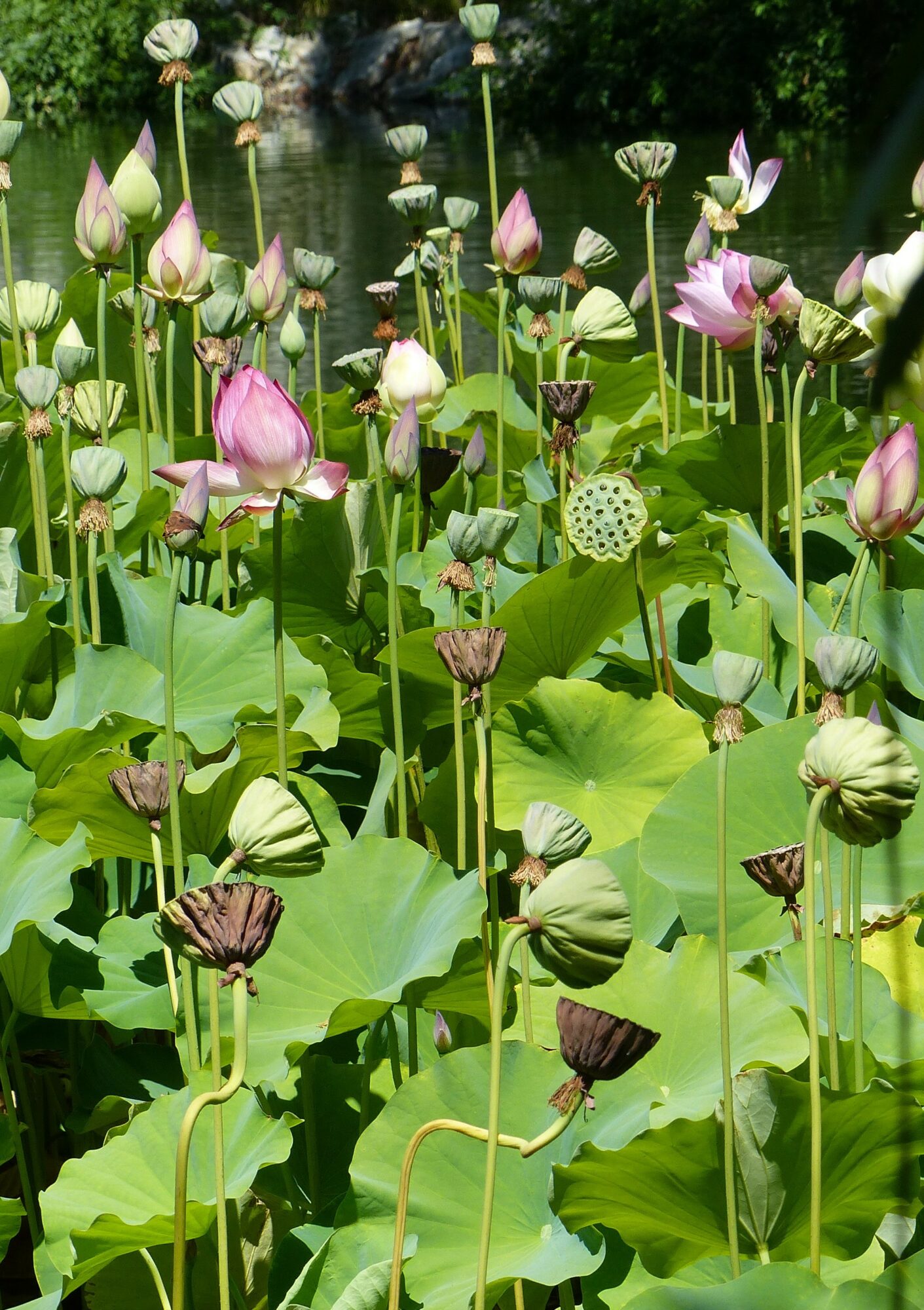
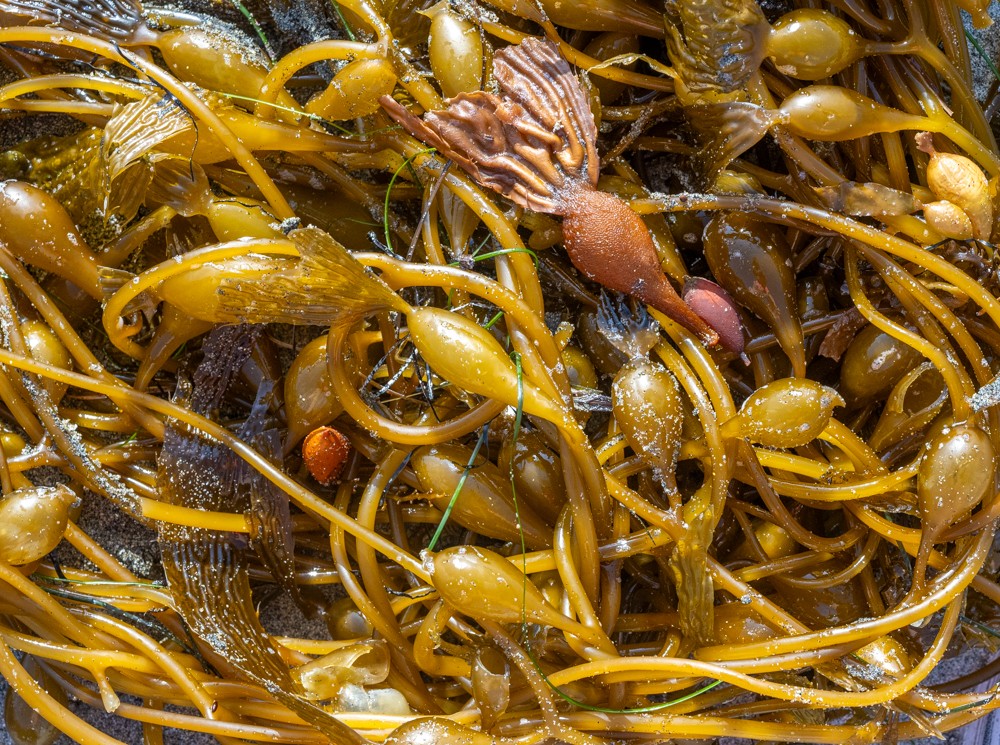
About six years ago, I felt a pull back to classic photography—letting the photograph itself stand without transforming it into mosaic art. My wanderlust has taken me all over the world, and there’s nothing like coming home, reviewing the images, and finding the gems worth printing. When I’m shooting, it feels like I’m in conversation with the earth. That connection has become the core of my work.
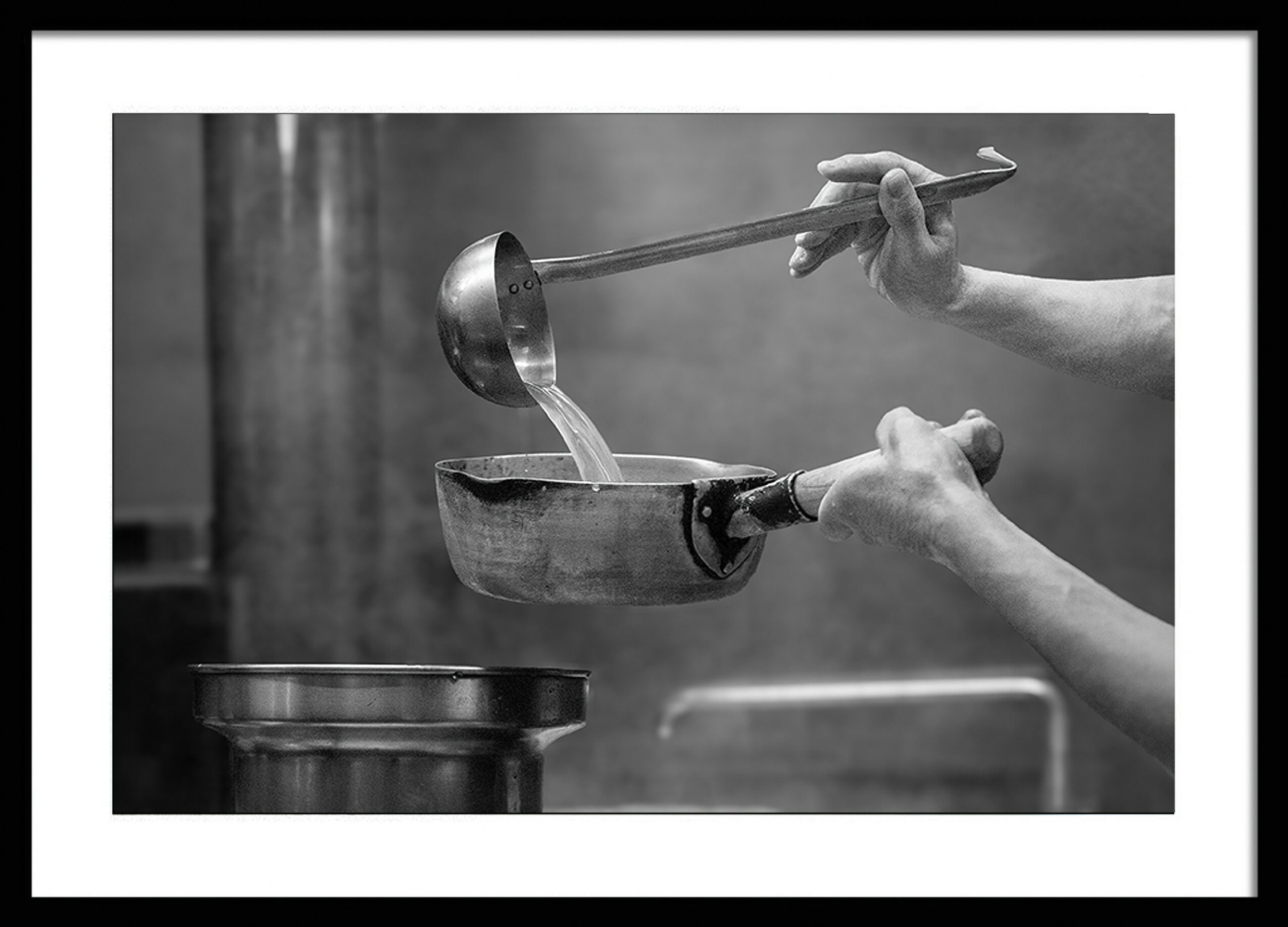
Today, my brand brings together both worlds: fine-art photography captured during my travels and 3-D photographic art. I offer prints on traditional paper, matted and framed pieces, and work on acrylic and other materials.
Last year I designed an iPad cover for myself using two of my photographs, and everywhere I go people comment on it. It became such a conversation starter that I’m now offering custom covers with any two images you choose.
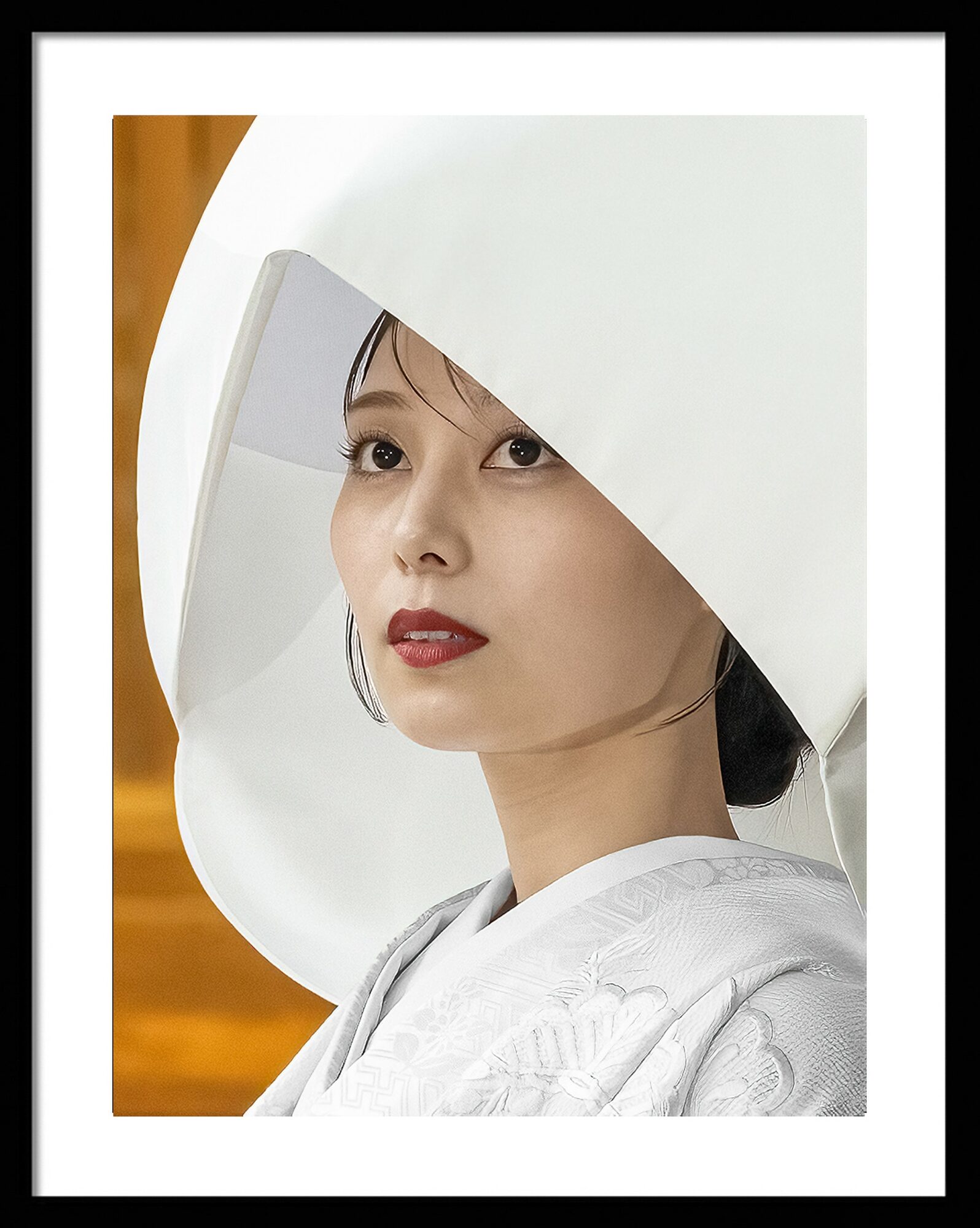
I’m also very excited to share my latest collection, featuring images from my recent trip to Japan. I’d love for you to explore it.
The next dream? To go big—lobbies, corporate spaces, hotels, any place where large-scale art can transform an environment.
Okay, so here’s a deep one: What was your earliest memory of feeling powerful?
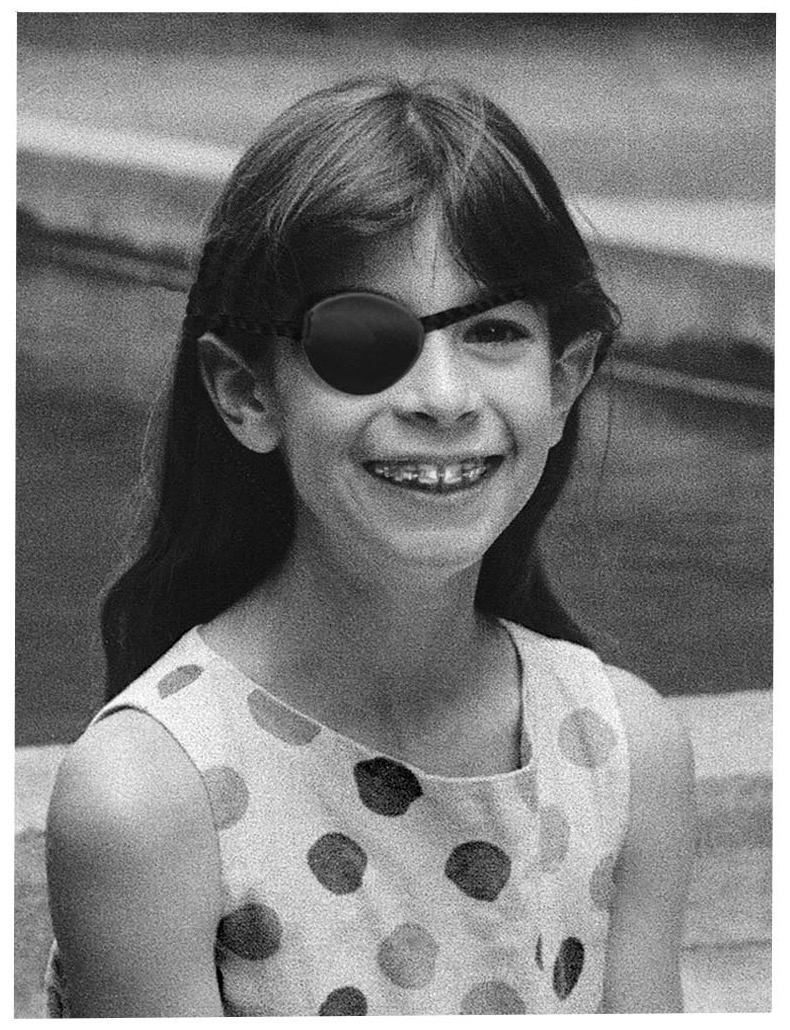
I had a tough time in mid-childhood. I had all the markers kids love to target. I was the shortest, skinniest kid in school, with big ears, braces, and I was legally blind in my left eye. Having to wear a black patch over my strong eye didn’t help. But I could run. Fast. And when I started winning track and field races—outrunning the kids who bullied me—that felt incredible. That was the first time I remember feeling powerful.
I also felt that same kind of power when I did something creative that got a “wow” from my parents, my teachers, or other students. When a story I wrote was praised, a drawing was noticed, or I got recognition for a dance performance. Those moments separated me from everyone else in a way that gave me confidence. Kids can be cruel, and I got a front-row seat to that, but I could create something that made people stop and take notice. That meant a lot to me.
I’m not going to pretend I don’t still love the accolades. But now the power comes more from doing what I’m meant to do—and feeling like I’m contributing something meaningful to the world.
What did suffering teach you that success never could?
I love your questions! When I think about the experiences that brought real suffering, they’re all personal. Being bullied as a kid and feeling powerless. Growing up with a mother who loved me but didn’t know how to validate me emotionally. Hurting my back in a gymnastics fall before college and spending months on my back in pain, unable to walk.
My mother used to tell me life was about suffering. I absorbed that more than I realized. I froze in almost every area of my life—terrified to commit to a job, a career, a relationship—because in my mind, commitment meant suffering. Meanwhile, I lived without committing to anything, which brought its own kind of suffering. (My mom was an incredible person who taught me many great things. That life lesson about the nature of existence was not one of them.)
For years I saw myself as a “freebird,” but at one point my sister pointed out that I had become a bit of a Pollyanna—everything was always “great,” even when it wasn’t. Therapy helped me see the truth: my freebird tendencies were really fear. Freezing had been a coping mechanism. I faced the memories I’d avoided, the fears, the resentments, the insecurities, and all the places I still needed to grow.
Eventually I realized: that belief about suffering wasn’t mine. It was hers. And once I understood that, my life changed. I felt genuinely driven by a creative purpose, and then at 52, got married. When I act happy now, I actually am.
Interestingly, none of my suffering ever came from my art. Creative struggles have knocked me down plenty of times, but they never felt like suffering—they merely lit a fire in me to figure out a better solution. My creative work has always healed me. That’s how I knew I was finally aligned with who I am.
Of course, life didn’t stop throwing hard things my way. Losing my mother to pancreatic cancer. Breakups. Becoming a stepmom and realizing it wasn’t going to look the way I imagined. Watching my sister—my best friend—go through chemo and being terrified I’d lose her. Missing the chance to say goodbye to my father because my flight didn’t make it in time. My sister and I becoming “orphans” together too early.
Some of those moments were almost unbearable, but they also gave me gifts.
Suffering taught me empathy. I understand pain, and I know how invisible it can be. I don’t make assumptions about what someone else is carrying.
It taught me resilience. I’ve gotten through things I never thought I could survive. Suffering strengthened a part of me I didn’t know existed.
It shaped me as an artist. Pain made me pay closer attention—to expressions, mood shifts, quiet moments. I now photograph these things instinctively. Those layers weren’t as visible to me when life was smooth.
It forced reflection. When everything falls apart, you start asking better questions. That shows up in how I shoot, how I edit, and how I work.
It built inner strength. A stability that doesn’t depend on circumstances. Success never pushed me that far—pain did.
It showed me my people. Who shows up. Who disappears. Who protects your peace. Who drains it.
It made me grateful. Despite everything I’ve been through, I’ve always been a positive, optimistic person. (I’m not pretending—I’m genuinely grateful.) For small joys, for the love around me, for the support that keeps me grounded and passionate about life no matter how hard it gets.
And it taught me boundaries. Emotional, personal, creative. Success doesn’t teach boundaries—pain does.
Suffering isn’t something I’d wish on anyone, but it shaped me more than any success ever has. It taught me who I am, what I value, and what I’m capable of—lessons success could never have given me.
Alright, so if you are open to it, let’s explore some philosophical questions that touch on your values and worldview. What would your closest friends say really matters to you?
My closest friends would say that what matters most to me are the people I love. Showing up, loyalty, trustworthiness, supportiveness, and empathy — those are my non-negotiables, both in what I give and what I value in return.
Okay, we’ve made it essentially to the end. One last question before you go. When do you feel most at peace?
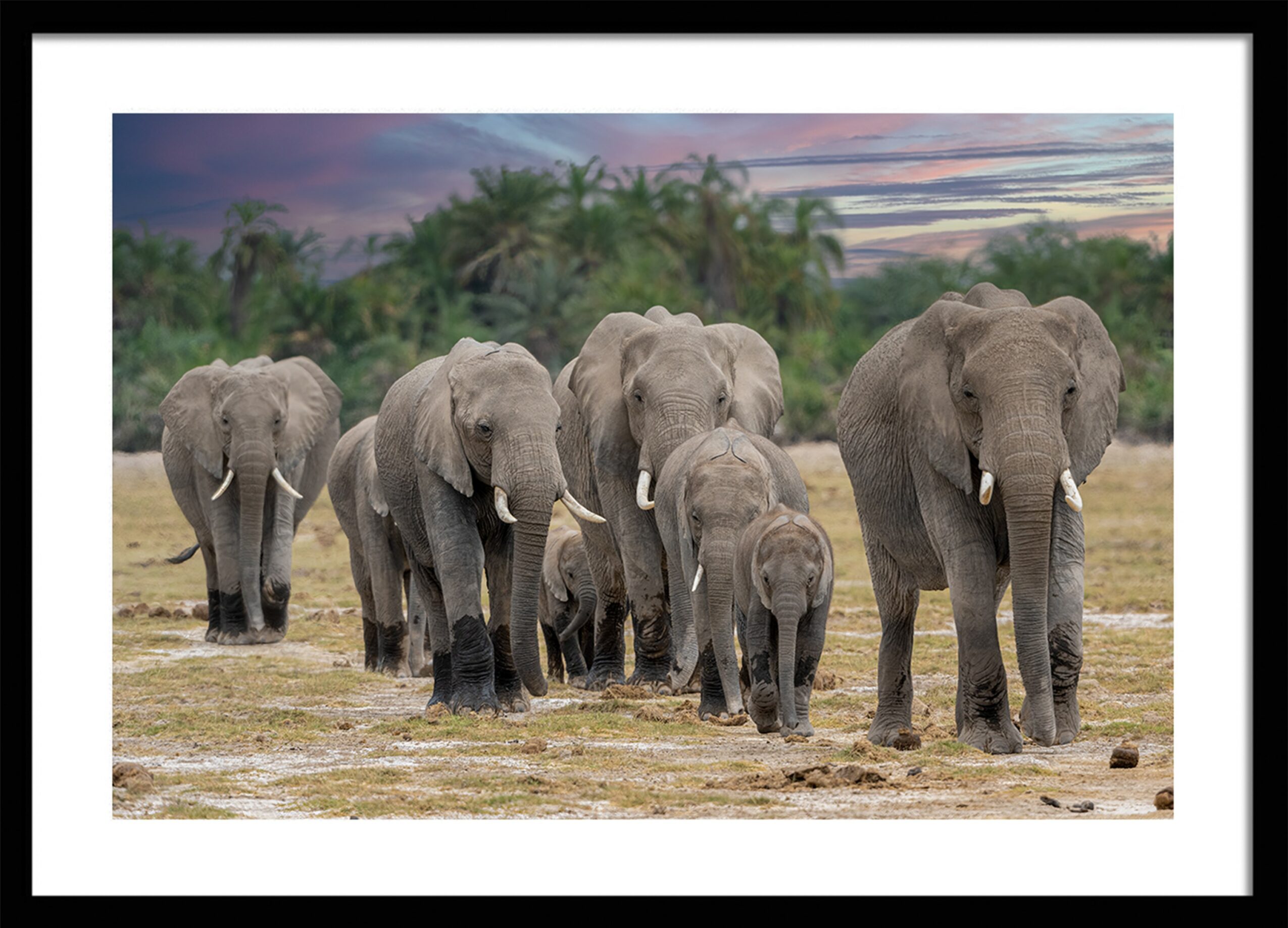
I am completely at peace when I travel with my bag of lenses, exploring places I’ve never been. As a wildlife lover, facing a wild animal in a free-roaming environment is still at the top of my list. I always take a moment before I lift the camera—just to absorb what I’m seeing. Capturing that split second, preserving the magic of it, gives me a calm I can’t describe. I love knowing I can return to that feeling later… and maybe someone else will feel it too when the image hangs on their wall. Seeing animals where they’re meant to be—free—puts me in a state of joy where I can’t stop smiling.
I’ve learned that the things that bring me peace also tend to recharge me.
I felt that similar feeling earlier in life when my college in Vermont shut down each winter because heating costs were too high. We were told to go get a job related to our major. As a literature and creative writing major, I took a very loose interpretation of that… packed a pen and some paper and lived in a tent for three months on the island of Tortola in the British Virgin Islands. No electronics, my only agenda—to complete a collection of short stories. I woke with the sun, listening to the Caribbean Sea forty feet from my tent and the chickens clucking nearby. Nana, the ninety-year-old woman down the road, sold me fresh key lime pies for a dollar, and her son sold me eggs from the coop.
I built myself a little world there—a hammock between the trees, a table I turned into a bookshelf for my required classic literature reads, a simple outdoor setup that became home. Sometimes I didn’t see another person for days, and the quiet and independence gave me a sense of ease I still think about. I cracked open delicious coconuts, built fires for every meal, and tried harpooning fish with a slingshot exactly once—but it broke my heart, so never again. After that, I happily walked two hours once a week over the mountain to the tiny grocery store for supplies. Worth it.
I returned several winters in a row, including the year I finished my senior thesis.
In my day-to-day life now, working on my photography gives me peace (and recharges me), as does playing beach volleyball and spending time with my small tribe of people who inspire me, support me, and breathe life into me—and hopefully I do the same for them. And when I can get a bone-crushing deep-tissue massage, even better. That combination of nature, creativity, exercise, and good people is where I feel most like myself and most grounded.
Contact Info:
- Website: https://www.jenhellmanart.com
- Instagram: @jenhellmanart
Popular
-

Linda Villines on Releasing Stored Struggle and Reclaiming Ease Through the Body
-
Candice Swanson on Honoring the Sacred Early Days of Motherhood Through Intentional Photography
-
Michael Johnson on Telling Untold Stories of Identity and Leadership Through SQUAD
-
Owning the Narrative: Drew Dusterhoff Steps Into Power with Lincoln Must Die
-

Portraits of the Valley
-

LA’s Most Inspiring Stories


