




We’re looking forward to introducing you to Lisa Szilagyi. Check out our conversation below.
Good morning Lisa, it’s such a great way to kick off the day – I think our readers will love hearing your stories, experiences and about how you think about life and work. Let’s jump right in? What is something outside of work that is bringing you joy lately?
Spending time with my family and close friends always brings me joy, so the holiday season is something that I look forward to. I am particularly excited that I am going to become a grandma in 2026 – my son and daughter in law are expecting a baby in March, and I am thrilled!
Can you briefly introduce yourself and share what makes you or your brand unique?
Championing Inclusion: My Journey
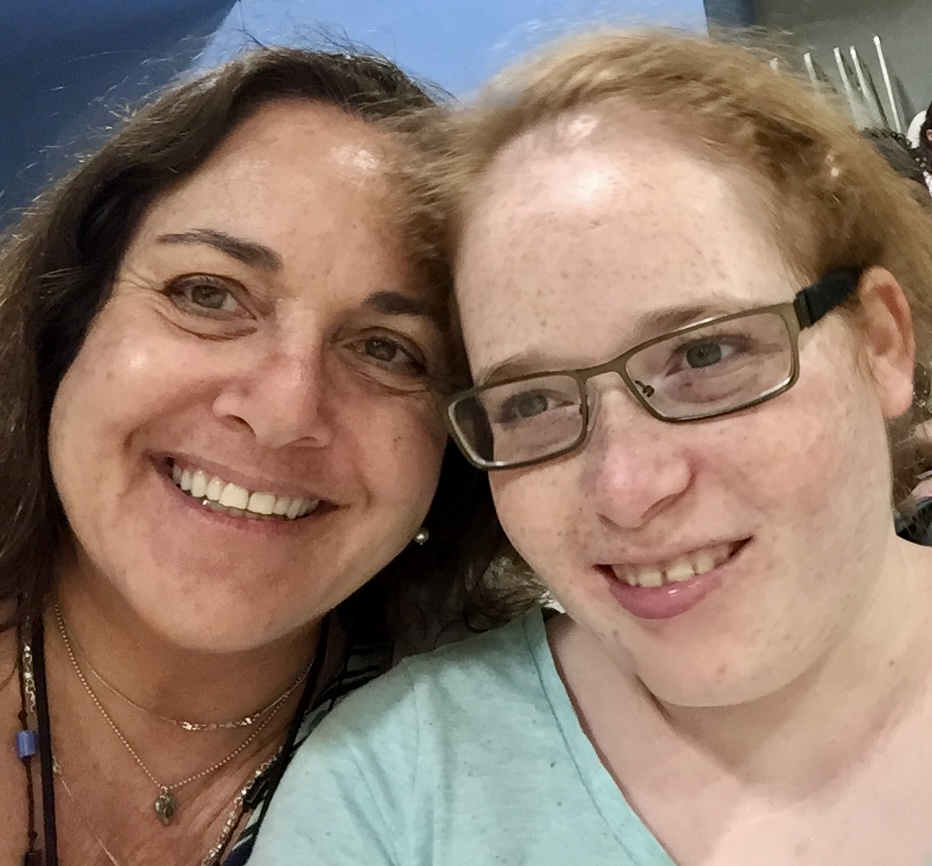
My career in supporting individuals with developmental disabilities began with my daughter Emily, who was born in 1989 with Tuberous Sclerosis Complex. What started as a determination to advocate for Emily grew into a lifelong commitment to supporting individuals with developmental disabilities and transforming the systems around them. After Emily’s birth, I became involved as a volunteer with the Tuberous Sclerosis Alliance. I continue to volunteer with them, helping create awareness about TSC, as well as working on fundraisers to fund better treatments and hopefully a cure.
I also began working as a special education teacher, going back to school to get my Special Education Teaching Credential. During my 17 years as the Life Skills teacher at Malibu High School, I created a person-centered, strengths-based approach to teaching students with with moderate to severe disabilities. My focus was on teaching life skills, building confidence and advocating for inclusion for my students. In 2002, I helped launch the school’s Best Buddies chapter and served as its Special Education advisor for over a decade, fostering friendships and increased community inclusion.
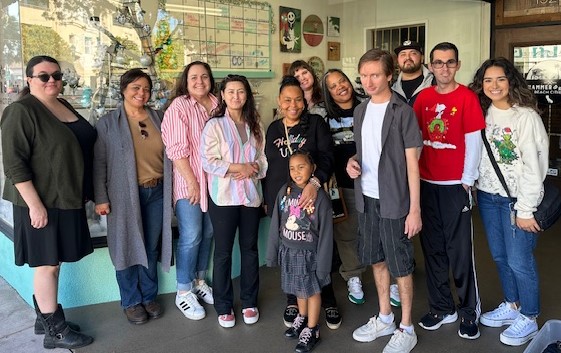
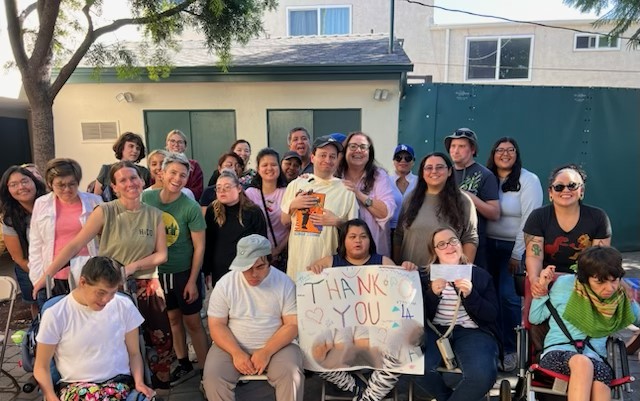
Recognizing the need for meaningful adult services after high school, I co-founded the Aurelia Foundation in 2010. Three years later, I became Program Director of the newly launched Creative Steps Community Integration Program. Creative Steps has since grown from serving nine participants in Santa Monica to supporting more than 80 adults across three locations in Southern California. My work centers on program design, staff training, person-centered planning, and continually expanding opportunities for individuals to engage in their communities. Creative Steps was the first Day program of its kind in the greater Los Angeles area, supporting adults with moderate to severe developmental disabilities in a community integration program.
I also co-founded the Hand in Hand program at the Malibu Jewish Center and Synagogue in 2010, along with Rabbi Cantor Marcelo Gindlin and Janet Ettenger. Hand in Hand is an inclusive social-skills program that pairs teens and adults with developmental disabilities with their non-disabled peers. Hand in Hand meets weekly via zoom, and monthly in person.
The most important aspect of my job is championing dignity, inclusion, and meaningful lives for people of all abilities.
Okay, so here’s a deep one: What’s a moment that really shaped how you see the world?
When my daughter Emily was born in 1989, I believed I understood how the world worked and what the future was supposed to look like. I had plans, expectations, and a sense of certainty about the life I would build for my family. But Emily’s diagnosis of Tuberous Sclerosis Complex changed everything—and opened a door to a world I was not at all familiar with.
In those early days, I learned quickly that my previous ideas of what being a parent would be no longer applied. Instead, Emily taught me a new way of seeing: one where progress isn’t measured by typical milestones, but by courage, resilience, connection, and small, quiet victories. She taught me that strength often shows up in the most unexpected forms, and the importance of celebrating small moments of peace and joy,
Emily became my teacher long before I ever stepped into a classroom. Because of her, I became involved in the disability community—a world filled with resilience, creativity, and an unshakable belief in possibility. Emily taught me the power of person-centered thinking long before I had a name for it. She taught me to question systems that devalue people with developmental disabilities,, to challenge assumptions, and to fight for inclusion not as a favor, but as a right.
Emily shifted my path entirely: I became an educator, an advocate, a program founder, and the director of Creative Steps. Every step of that journey began with my amazing daughter who changed the way I understood humanity, purpose, and love.
Emily didn’t just change my worldview—she expanded it. She made it deeper, kinder, and more aware. And through her, I learned that supporting people with disabilities isn’t a career. It’s a calling born from seeing the world through the eyes of someone who makes you braver than you ever thought you could be.
If you could say one kind thing to your younger self, what would it be?
When Emily was younger, there were moments when the world felt very small. Parenting a child with a disability can be beautiful and grounding, but in those early years it was often isolating. Friends with typically developing children moved through life on a track that no longer matched mine, and I often felt as though they couldn’t understand what my life was like, even though they were sympathetic. The isolation wasn’t just social—it was also emotional. There were comments from people in the community – sometimes whispered, sometimes careless, and occasionally shockingly cruel. Some came from community members who didn’t understand Emily’s behavior or her diagnosis. Others came from medical professionals who should have known better. Each remark left a wound, a reminder that the world was not always built with families like ours in mind.
Looking back, I wish I could sit with my younger self in those moments—on the nights I felt overwhelmed, on the days I worried about the future, on the mornings when a stranger’s comment could unravel me. I would tell her this: find a way to create something positive. Let the hurt guide you, not toward anger or bitterness, but toward purpose. Use your experiences to help others who need connection just as much as you do. Use every unkind comment as proof of why change is necessary—and why you are the person who can help make it.
What I couldn’t see back then is that those difficult years were shaping me into someone who would build programs, create communities, and support families walking the same path. The loneliness, the fear, the painful moments—they weren’t signs of weakness. They were the foundations of empathy, resilience, and unwavering dedication.
Creating something positive didn’t just change my life. It has helped me change the lives of many others.
Next, maybe we can discuss some of your foundational philosophies and views? Is the public version of you the real you?
Yes. I am very much the same in public and in private. For me, kindness, compassion and inclusion are part of who I am, at home, at work, with my family and friends.
Okay, so before we go, let’s tackle one more area. What is the story you hope people tell about you when you’re gone?
That I spent my life trying to make the world kinder and more inclusive.
That I took my hardest experiences — the fear, the isolation, the uncertainty that came with being Emily’s mom — and turned them into something that would help others. That instead of closing in, I worked to build bridges, programs, and communities where people felt seen, valued, and supported.
I hope people would say I was the kind of person who noticed those who were overlooked, and made sure they were included. That I believed deeply in the dignity and potential of every individual, and that I championed that belief not just in words, but through decades of action.
I hope they would remember that I didn’t just develop the Creative Steps program, that I created possibilities for adults with disabilities who deserved more than what the system offered. That I imagined a better future and then worked to create opportunities, and programs that would benefit Emily and so many others. I hope they would say I made families feel less alone. That I listened without judgment, guided without ego, and led with compassion. That I was tireless in my advocacy, generous with my time, and unwavering in my belief that everyone deserves opportunity, friendship, and community.
And most of all, I hope they would say that Emily changed my life, and in turn, helped me change the lives of many others.
Contact Info:
- Website: https://www.creativesteps.org
- Instagram: creative_steps_ca
- Linkedin: Lisa Szilagyi and Creative Steps
- Facebook: Creative Steps
Popular
-

Portraits of the Valley
-

LA’s Most Inspiring Stories
-

Rick Norris Learned That Building a Successful Business Means Building a Life You Actually Want to Live
-
How Olivia Rush Turned Survival Into a Mission to Help Others Keep Going
-

How Bibi Goldstein Is Helping Entrepreneurs Reclaim Their Time by Embracing the Power of Delegation
-

Victoria Hasson is Redefining Voice Coaching Through Community and Collaboration


