


Today we’d like to introduce you to Thomas Silvera.
Hi Thomas, it’s an honor to have you on the platform. Thanks for taking the time to share your story with us – to start maybe you can share some of your backstory with our readers?
I was born and raised in the Bronx, and my story begins long before advocacy or legislation ever entered my life. My twin brother and I were preemie babies, arriving in the world already fighting. We both suffered from severe asthma, and much of our early childhood was spent cycling in and out of hospitals, learning firsthand what it means to struggle for every breath. When I was twelve, my asthma became so critical that I had to live at Blythedale Children’s Hospital in Valhalla, New York. I remained there as both an inpatient and outpatient and ultimately completed high school within the hospital. Those years taught me resilience, patience, and a deep understanding of the physical and emotional demands of chronic illness.
My medical challenges extended into allergies as well. As a child, I learned I was allergic to shellfish, almonds, walnuts, and pecans. In my teens and early adulthood, I discovered medication allergies, including iodine, aspirin, and ibuprofen, each reaction reminding me that health cannot be taken for granted. In my twenties, I was diagnosed with Chronic Spontaneous Urticaria, a condition marked by unpredictable inflammatory flares. These cumulative experiences sharpened my awareness of my body, cultivated empathy, and prepared me to understand the complexities families face when navigating chronic health conditions.
I come from a large family of four brothers and one sister, and my cultural identity as Puerto Rican, Guatemalan, and Jamaican grounded me in community and diversity from a young age. In 2000, I moved to Harlem, a place that shaped my adulthood and strengthened my commitment to service and community engagement. After years of personal and professional growth, I relocated to Pennsylvania in 2019, carrying both purpose and healing with me.
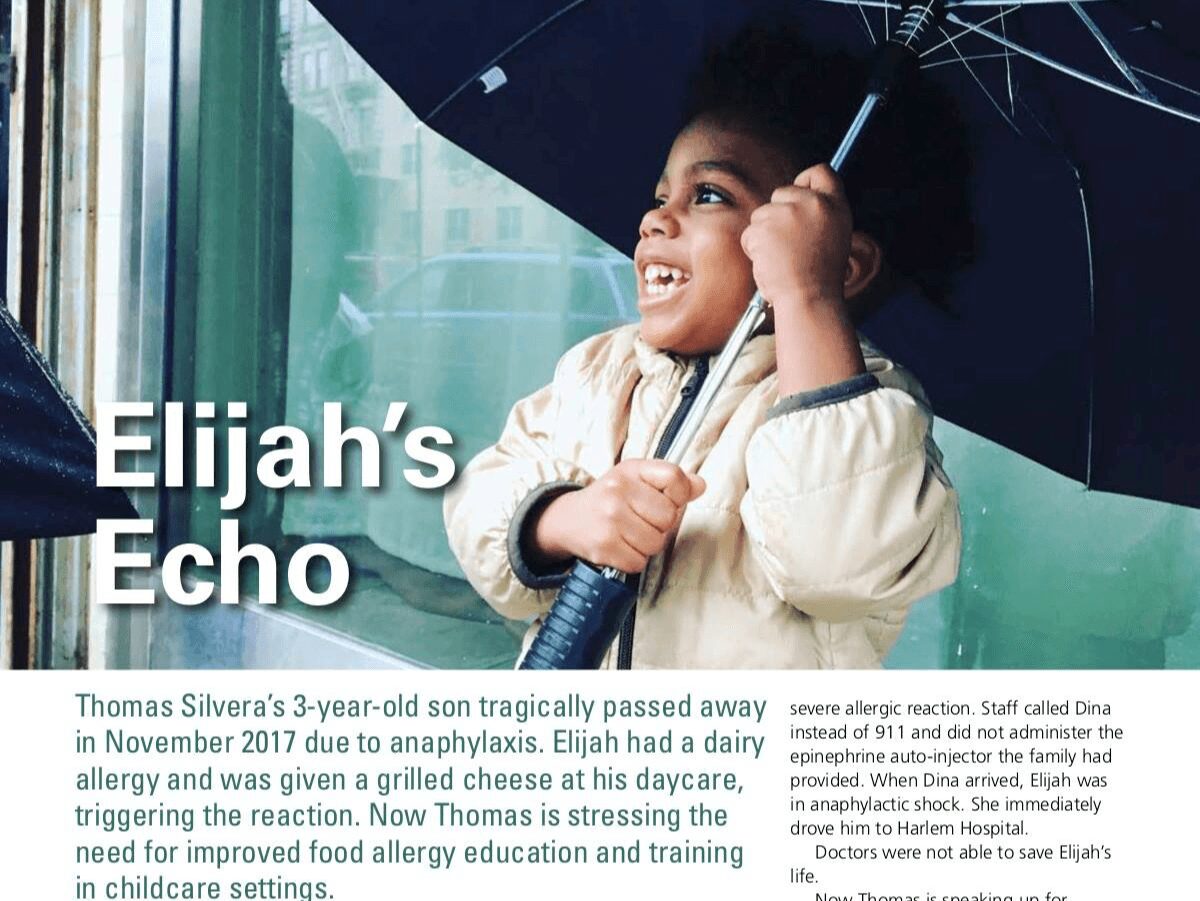
My story transformed forever in 2017 when my three-year-old son, Elijah, died from an anaphylactic reaction at a childcare center in Harlem after being fed a food he was allergic to. That loss shattered me and exposed a devastating truth. The systems that families depend on to protect children were not adequately prepared. There were profound gaps in training, awareness, emergency readiness, and policy infrastructure, and those gaps cost my son his life.
In the midst of unimaginable grief, I still had to show up for my older son, Sebastin, who lives with autism and food allergies. His strength, innocence, and resilience taught me to keep moving. He reminded me that children deserve not only protection and dignity but the freedom to simply be children without constant fear.
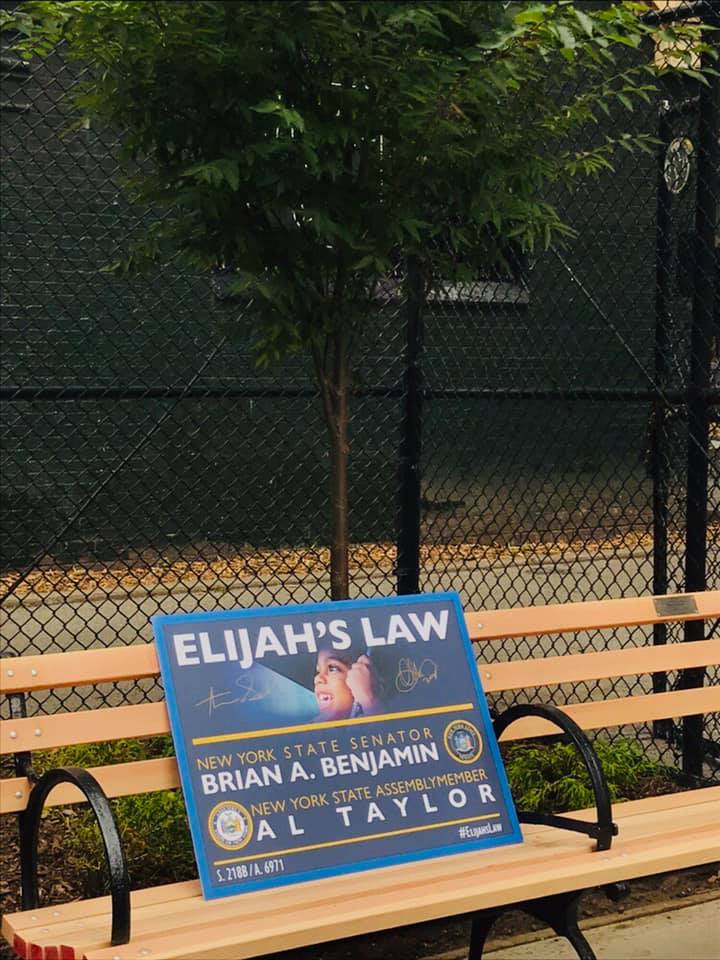
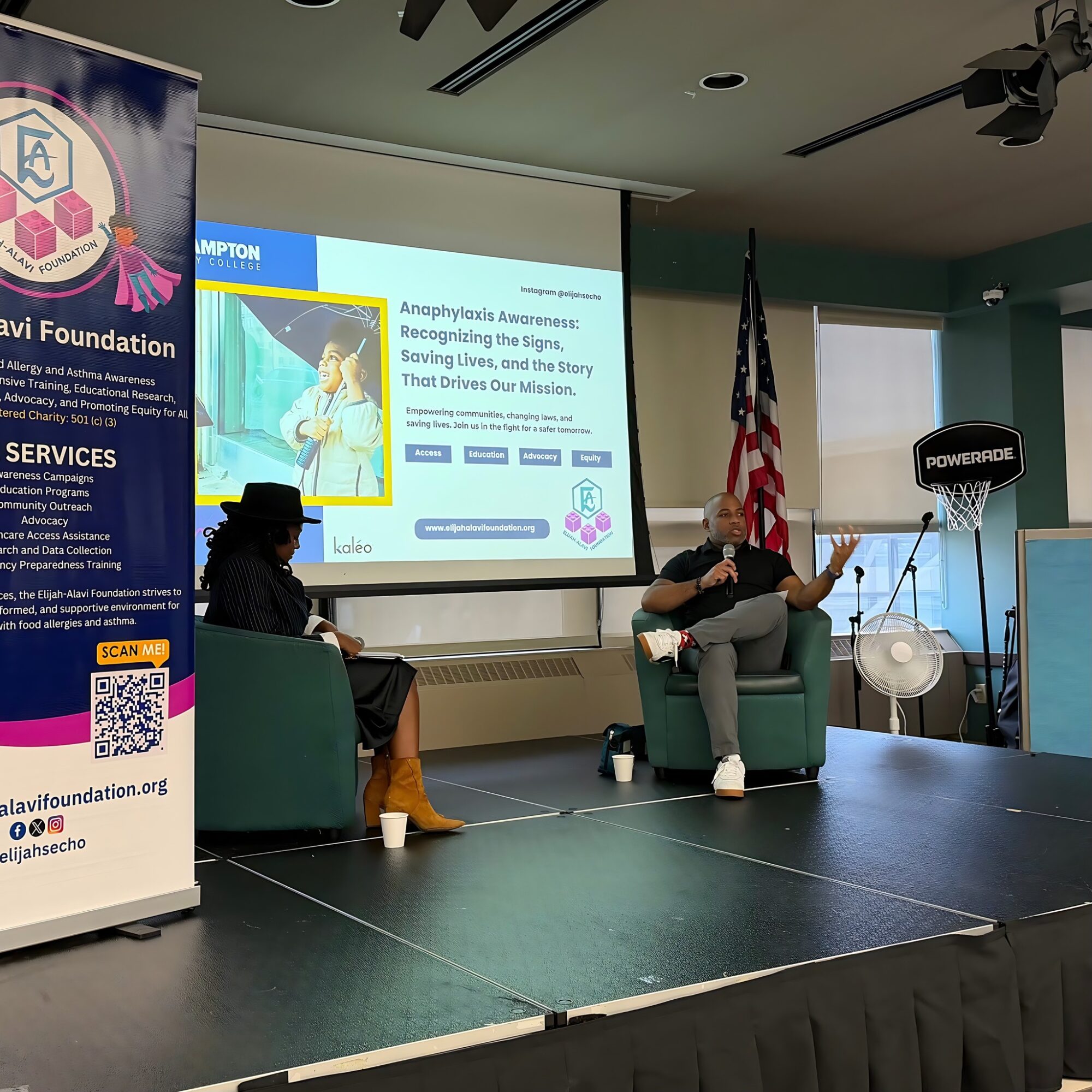
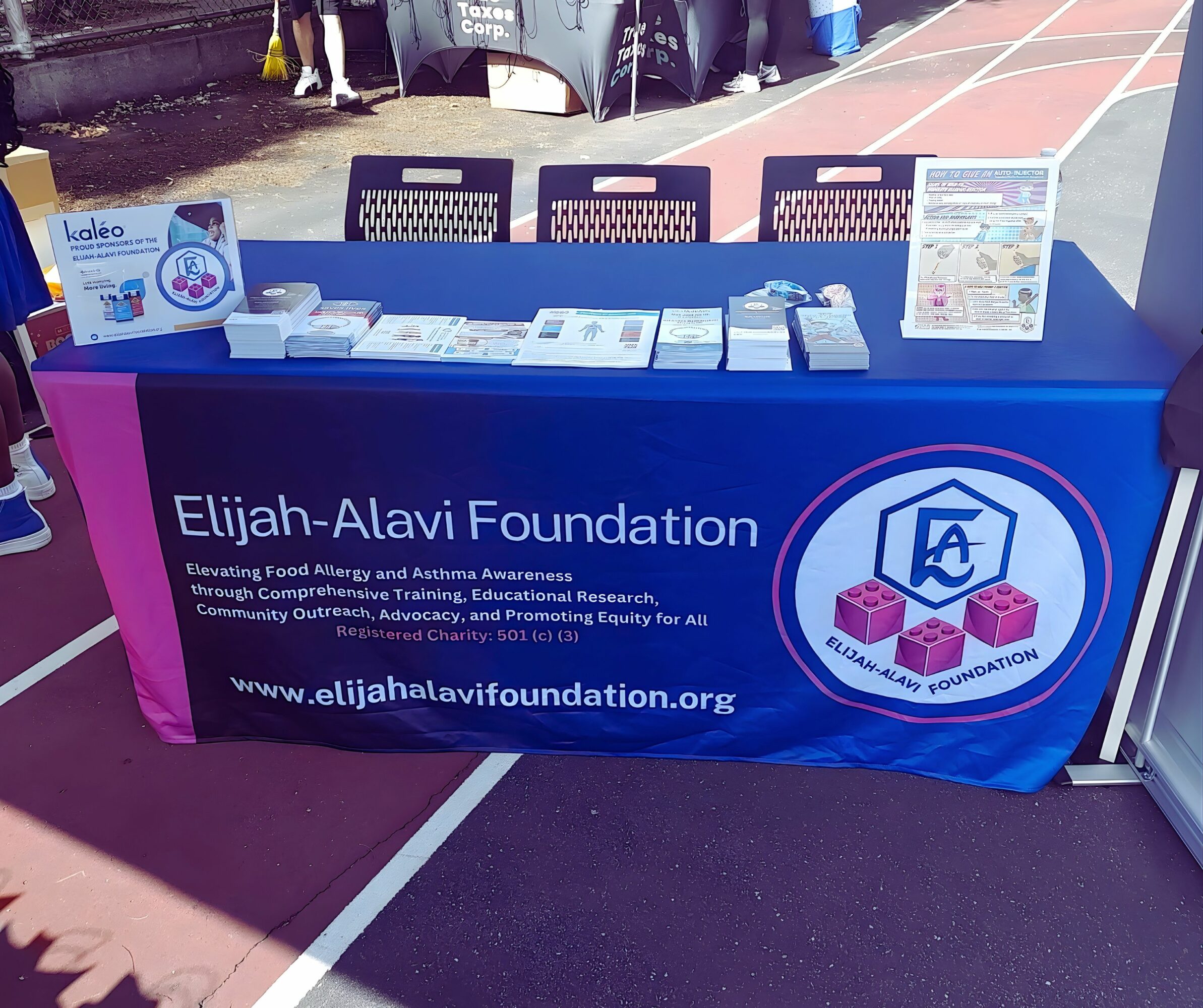
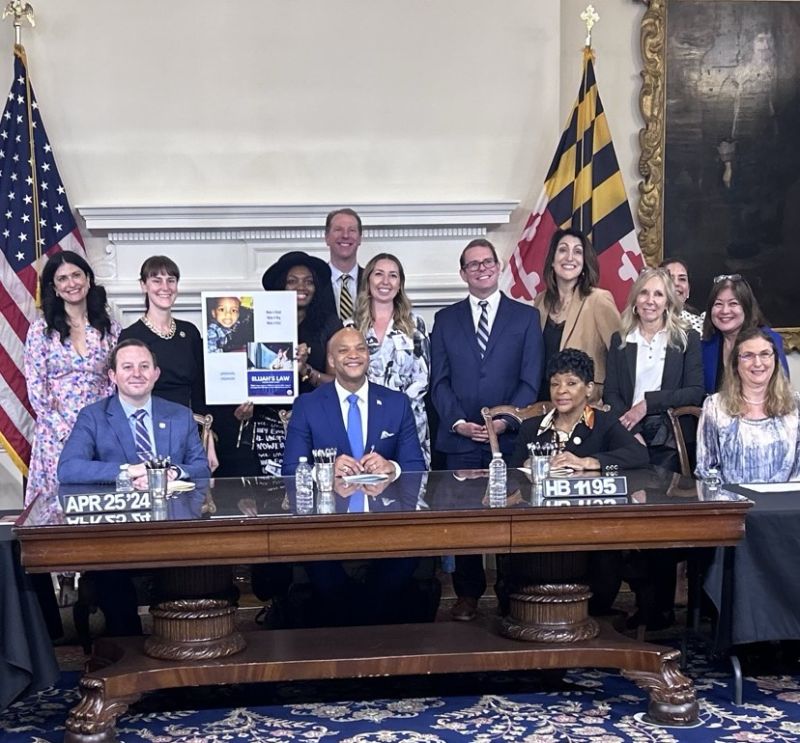
Elijah’s mother, Ondina, and I founded the Elijah-Alavi Foundation so that no family would ever experience what we did. Over time, our grassroots mission evolved into legislative advocacy. We carried Elijah’s story into legislative rooms across the country, pushing for systemic reform. Today, Elijah’s Law exists in multiple states, requiring childcare programs to train staff, establish emergency protocols, and be prepared to respond swiftly and effectively to anaphylaxis.
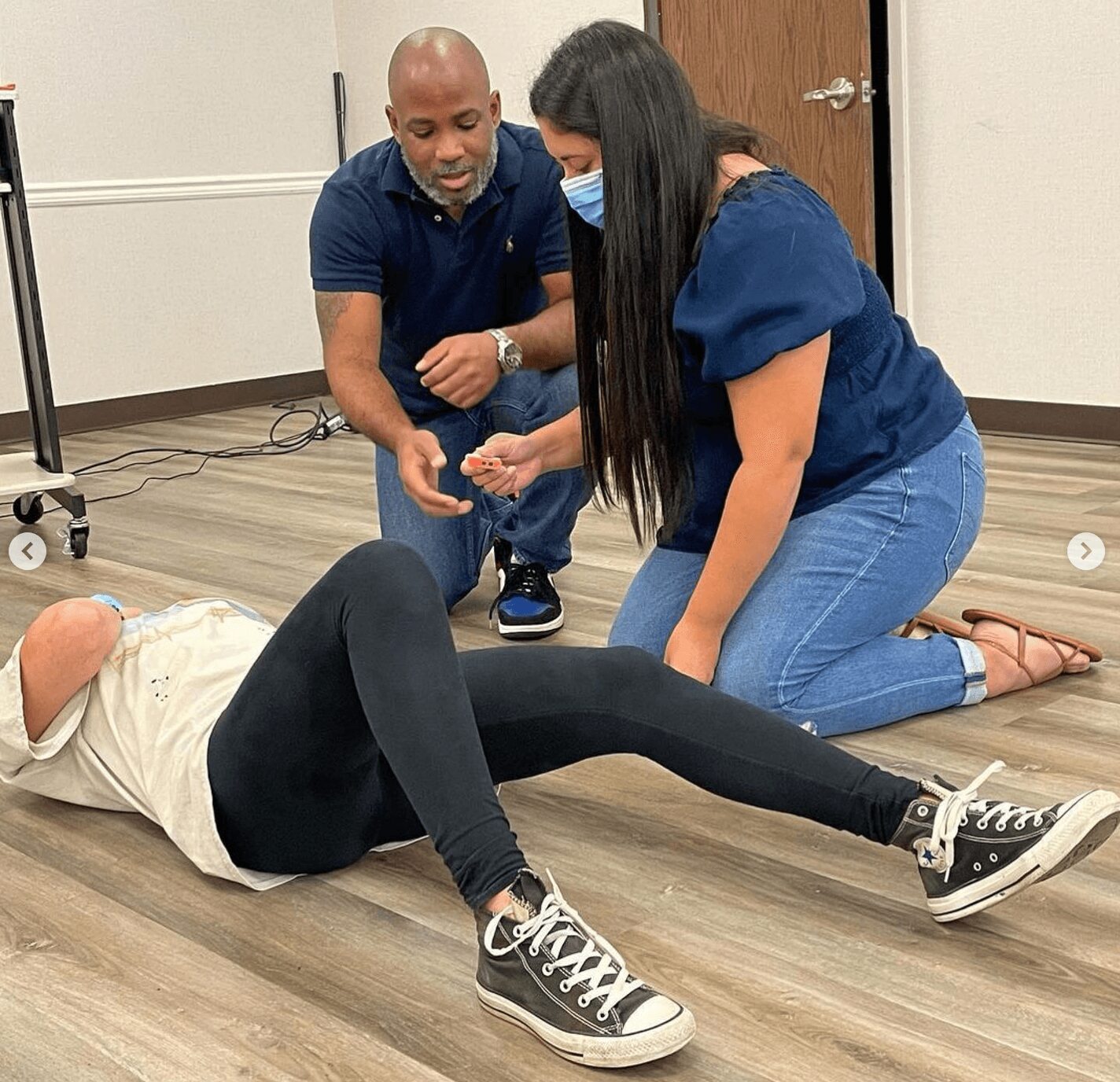
We have trained thousands of educators, supported families directly, developed early childhood curricula focused on safety and awareness, and collaborated closely with clinicians and researchers to strengthen best practices in childcare settings. Throughout this journey, I continued my academic path as a Doctor of Health Science candidate to reinforce the public health foundation behind our work and ensure that our solutions remain research driven, practical, and grounded in real community needs.
Today, our mission extends far beyond legislation. It is about education, awareness, and creating balanced, reliable access to care. It is about ensuring that families navigating multiple layers of vulnerability are seen, heard, and protected. And at its core, it is about honoring Elijah’s legacy by transforming unimaginable pain into purpose, allowing both of my sons, one in heaven and one beside me, to guide this work forward.
We all face challenges, but looking back would you describe it as a relatively smooth road?
No, it has definitely not been a smooth road. And to be honest, it never started as a road I chose. It began on a day that broke my entire world apart. Losing my son Elijah was like having the ground pulled from beneath me. One moment he was supposed to be safe in a childcare center, and the next I was living every parent’s worst nightmare. There is no preparing for that kind of pain. There is no language for it.
In the months that followed, even breathing felt heavy. I was navigating a level of grief and trauma I did not yet understand. The PTSD from what happened would hit me in waves. A sound, a memory, a place could pull me right back into that moment. And trauma like that does not confine itself. It seeps into every corner of your life.
It seeped into my marriage too. The emotional strain, the sleepless nights, the constant reliving of what happened, and the pressure of fighting for justice created a distance my ex-wife and I struggled to bridge. We were grieving differently, hurting differently, and trying to survive something no parent should ever face. Eventually, we divorced. It was painful, but we remained connected through our sons and through a shared commitment to honor Elijah’s life in a way that would protect children everywhere.
At the same time, I still had to show up for my oldest son, Sebastin. He lives with autism and food allergies, and in the midst of everything he anchored me. Every morning, looking at him reminded me that I had to keep going even on the days I was not sure I could. Some days I would be in legislative rooms, reliving our story, pushing through red tape, explaining to policymakers why this issue is a matter of life and death. Then I would come home and shift back into being Dad, managing routines, therapies, and schoolwork while trying to hold myself together.
There were challenges everywhere. Systems moved slowly. People did not always understand the urgency. Funding was a constant hurdle. And behind all of that, I was dealing with my own health issues severe allergies, asthma, heart condition, and a permanent disability from axonal trauma that made even simple tasks feel like climbing a hill.
But here is what I learned. Every obstacle strengthened my purpose. Every painful moment reminded me why this mission cannot stop. And every time I felt like giving up, I would hear Elijah’s laugh in my mind or see Sebastin’s face looking up at me and I would find the strength to take one more step.
This road has been winding and painful. It has tested every part of me. But it has also been meaningful. It has been guided by the love of a child whose life continues to save others and by the responsibility I feel as a father to both my sons. The struggles do not define me, but they shaped the purpose that keeps me moving forward.
Thanks – so what else should our readers know about your work and what you’re currently focused on?
When people ask me about my work, I always go back to where it all started. Before advocacy, before legislation, I was fully immersed in the health and fitness world. Helping people feel stronger and healthier was my everyday purpose. Those years taught me discipline, patience, and how to support people through their most vulnerable moments.
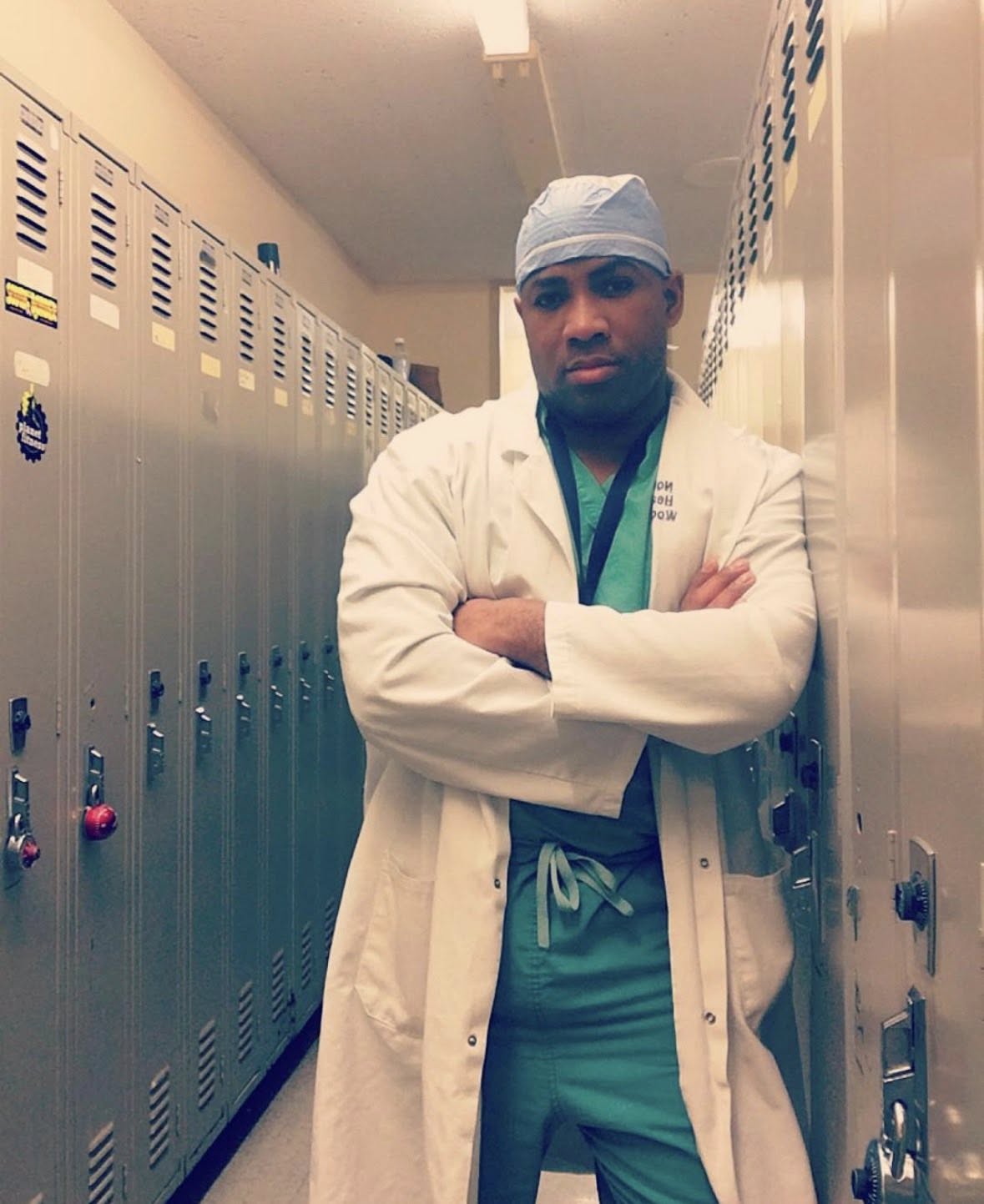
But everything changed the moment my mother needed heart surgery. Watching her face something so serious shook me to my core. Out of fear and love, I began researching every detail of her procedure. I wanted to understand each step, each tool, each role in the operating room. That deep dive opened a door I did not even know existed. It led me straight to the field of Surgical Technology, and for the first time, I knew exactly what I wanted to do.
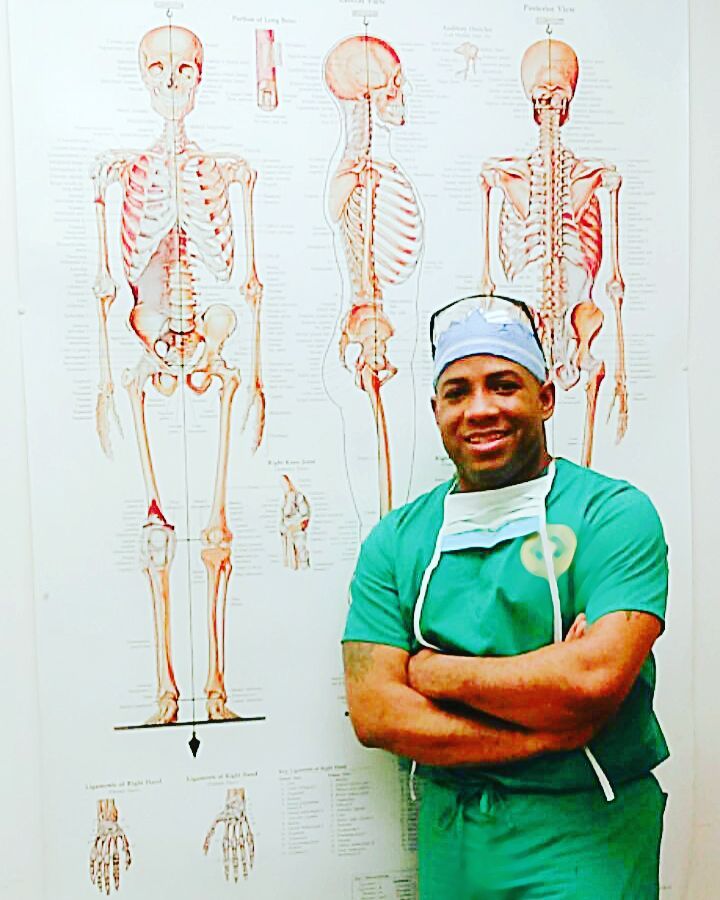
I enrolled at the Swedish Institute College of Health Sciences, earned my associate degree, and in 2017, I officially became a Certified Surgical Technologist. The operating room felt like home the moment I stepped into it. I loved the precision, the focus, the teamwork, and the responsibility that came with being part of a surgical team.
In August of 2017, I was hired at a surgical center in New York City. I remember the pride I felt walking in on my first day. My career was unfolding exactly how I had envisioned it. At that point, I had a clear long-term goal: I wanted to become a Surgical Physician Assistant. Becoming a CST was the first step toward that dream. Everything was moving in the right direction.
Then a few months later, my life turned upside down. Losing my son Elijah changed the course of everything I thought I knew. My world broke open in a way that left nothing untouched. Suddenly, my goals, my plans, even the path toward becoming a Surgical PA felt small compared to what had happened. My entire professional life shifted from the operating room to a fight I had never trained for but had no choice but to take on.
Advocacy became my new calling. My son’s mother and I found ourselves stepping into legislative rooms instead of surgical suites, telling Elijah’s story, fighting for safer systems, and working to protect children across the country. Through the Elijah-Alavi Foundation, we began training educators, developing emergency protocols, collaborating with medical teams, and helping write policy to ensure no family would ever stand where ours had stood. We also collaborated with organizations, businesses, advocates, pharmaceutical companies, and families nationwide, all united in the mission of creating safer environments for children living with food allergies and asthma.
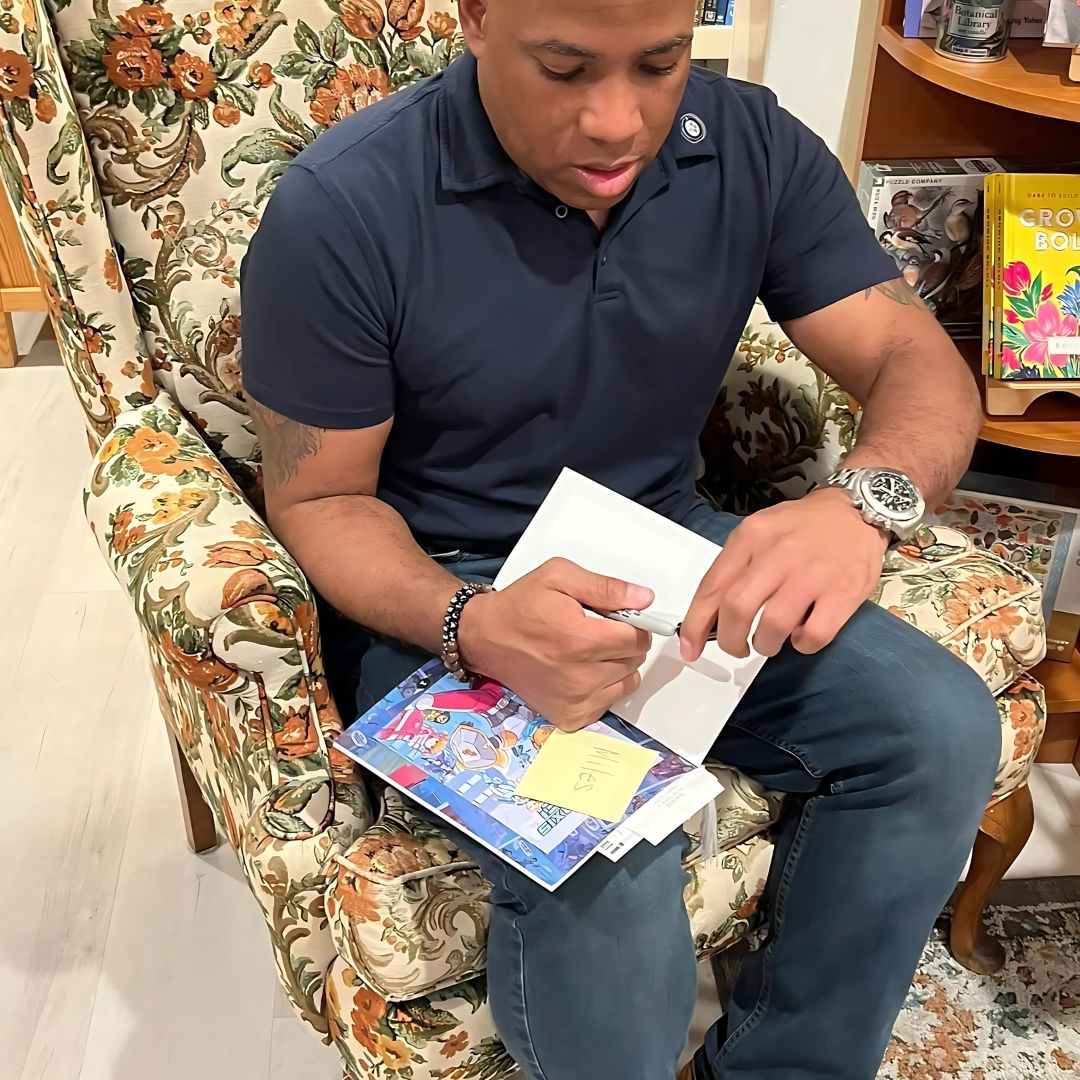
During this time, I also stepped into a new role as an author. I created the children’s book series ImmuniForce, beginning with ImmuniForce: The Anaphylaxis Strike, a story designed to empower children, educate families, and bring food allergy and asthma awareness to life through imagination and heroism. Writing allowed me to reach children in a different way, combining storytelling with safety education to make a lasting impact.
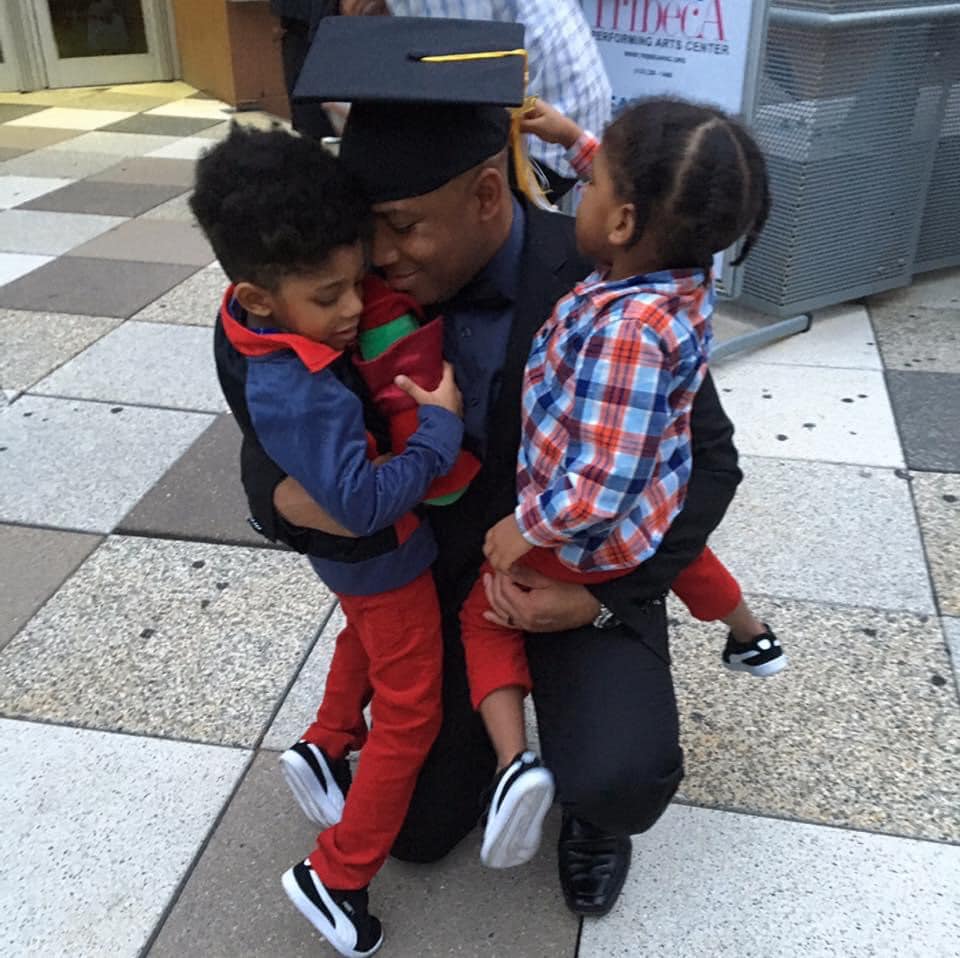
Education remained a powerful part of my growth. I earned my bachelor’s degree in Health Education, then my master’s degree in Public Health. Now, as I pursue my Doctor of Health Science degree, my research focuses on the barriers African American families face in managing food allergies and how public health systems must evolve to better protect them.
Today, I am known for championing Elijah’s Law and for working to create safer environments for children living with food allergies. What sets me apart is that this work is not abstract for me. It is deeply lived. I raise my son Sebastin, who has autism and food allergies. I live with chronic health issues myself. I have carried grief, PTSD, and the long, painful process of rebuilding my life after unimaginable loss.
My work now is more than a career. It is a mission, a promise, and a purpose born from love and guided by Elijah’s legacy. Every step I take is rooted in making sure no other individual or family has to walk the road mine did.
How do you think about happiness?
What makes me happy is something that has grown and changed with me over the years. At my core, I find happiness in helping others. There is something deeply fulfilling about showing up for people with no expectation, no need for recognition, just the genuine desire to make someone’s life a little easier, a little safer, or a little brighter. That kind of giving fills me in a way nothing else does. It reminds me of who I am and the kind of world I want to help create.
But my greatest happiness has always come from my boys.
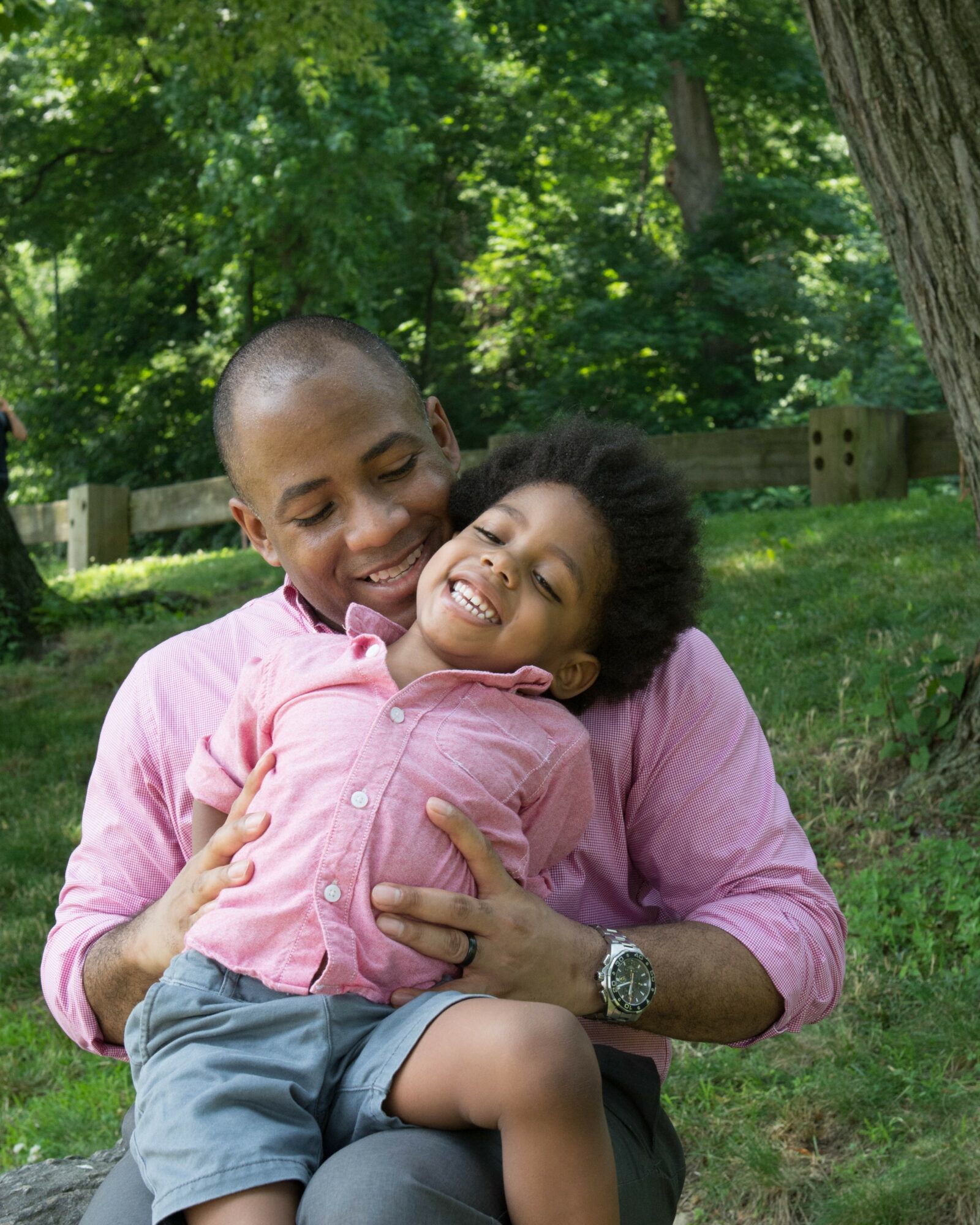
Sebastin, who is here with me today, brings me a quiet joy that is hard to put into words. Watching him grow, seeing his strength, his humor, the way he navigates the world in his own way, grounds me. His journey with autism and food allergies has made me more patient, more aware, and more determined to build a safer world not just for him but for every child like him. He makes me proud every single day.
And then there is Elijah.
Even though he is not physically here, he is present in everything I do. His laughter, his smile, the light he carried still lives in my heart and my mind. His memory is a constant part of my happiness because loving him shaped who I am. The work I do, the lives being protected today, the laws and policies moving forward all carry a piece of him. In that way, he is still teaching me, still guiding me, still making me smile through the pain.
And I cannot forget Etta.
My dog has been a quiet source of comfort, loyalty, and calm. She senses my emotions before I speak, and in the hardest moments, her presence reminds me to breathe. Her companionship brings a simple, grounding joy.
And somewhere along this journey, I found love again.
And somewhere along this journey, a quiet kind of love has taken shape in my life. This person showed up with a steadiness that never needed attention and a level of understanding that required no explanation. Their presence reminds me that healing can make space for gentle connection again, and that even after profound loss, life can still place the right warmth beside you when you need it most.
So what makes me happy?
It is helping others without expectation.
It is being a father to Sebastin in this world.
It is carrying Elijah’s love forward through every step of our foundation’s journey.
It is the steady companionship of Etta.
It is knowing that my heart was still capable of opening.
My happiness is not loud and it is not perfect. But it is meaningful. It shows up in moments of purpose, connection, healing, and the reminder that love in every form continues, even after everything else changes.
Thank you to everyone who has stood by through this journey and let’s continue to work stronger together.
Contact Info:
- Website: https://www.elijahalavifoundation.org
- Instagram: https://www.instagram.com/elijahsecho/
- Facebook: https://www.facebook.com/elijahalavifoundation
- LinkedIn: https://www.linkedin.com/in/thomassilvera1975/