



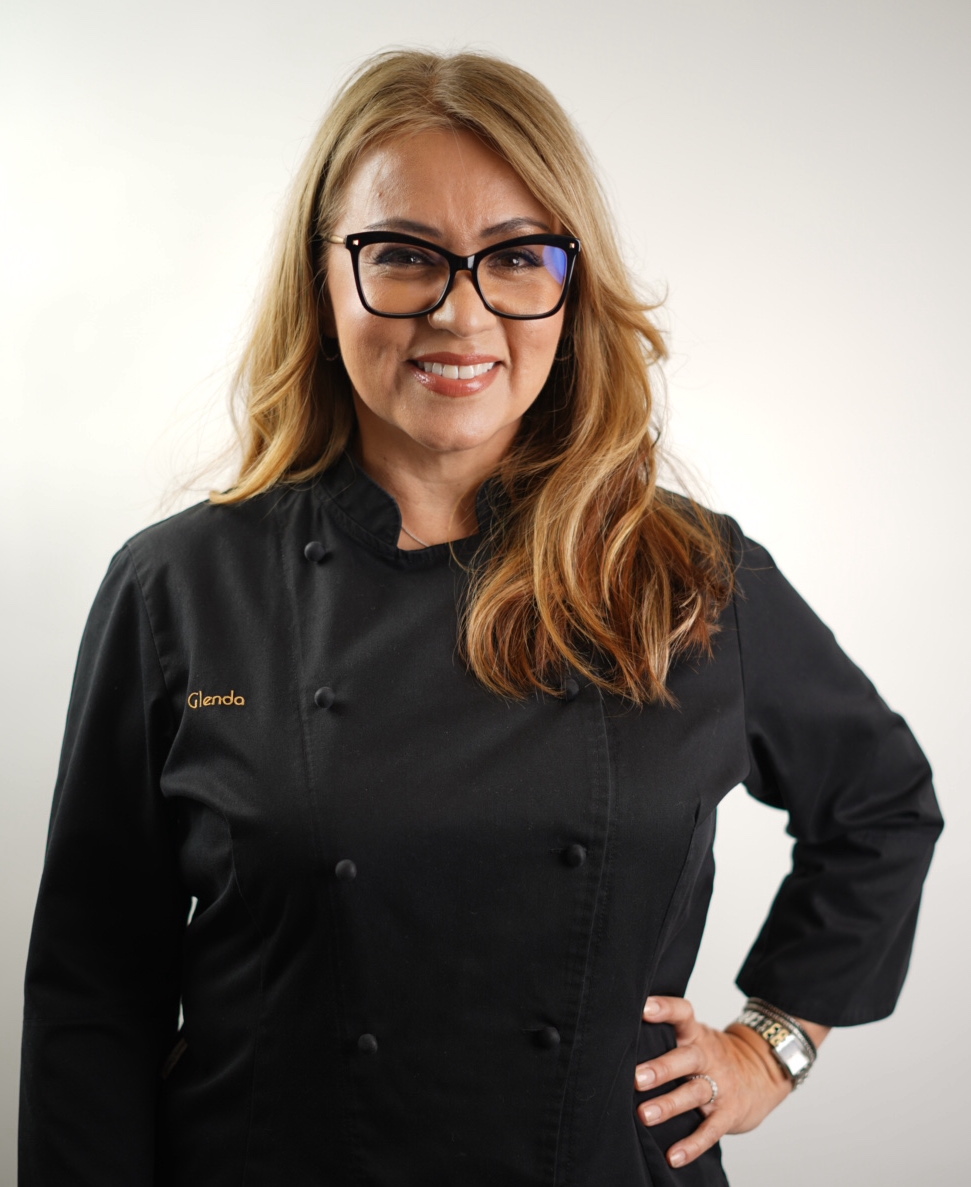
Today we’d like to introduce you to Glenda Galvan-Garcia.
Hi Glenda, it’s an honor to have you on the platform. Thanks for taking the time to share your story with us – to start maybe you can share some of your backstory with our readers?
My career has taken some unexpected turns, and looking back, every detour nudged me closer to where I was meant to be. Believe it or not, I didn’t start out in the culinary world at all—my first chapter was in fashion. I studied at FIDM (the Fashion Institute of Design & Merchandising) and spent about six years working in the industry. It was creative and fast-paced, but it never truly felt like home. The environment could be intense, and while I appreciated the artistry, something inside me knew I was in the wrong lane.
The ironic part? Whenever I traveled to New York for Market Week, it wasn’t the fashion pieces or the showrooms that excited me most—it was the food. I’d count down the hours to dinner reservations instead of collection previews. That should’ve been my first sign.
Around that same time, I was hopping between community colleges, trying to figure out what I wanted to study. I eventually chose to major in Chicano Studies at Cal State Long Beach—not because I planned a big career pivot, but because by then I was already knee-deep in the culinary world. I had started working as a chef, and food felt like the one place where all the pieces clicked.
The real turning point came when my oldest sister, Gina, invited me to help with her restaurant R&D consulting work. She was developing menus and concepts for different brands, and she let me jump in part-time. From the moment I stepped into that kitchen, everything changed. I realized I could channel my creativity into flavor instead of fabric, and that this world—messy, delicious, collaborative—was exactly where I belonged.
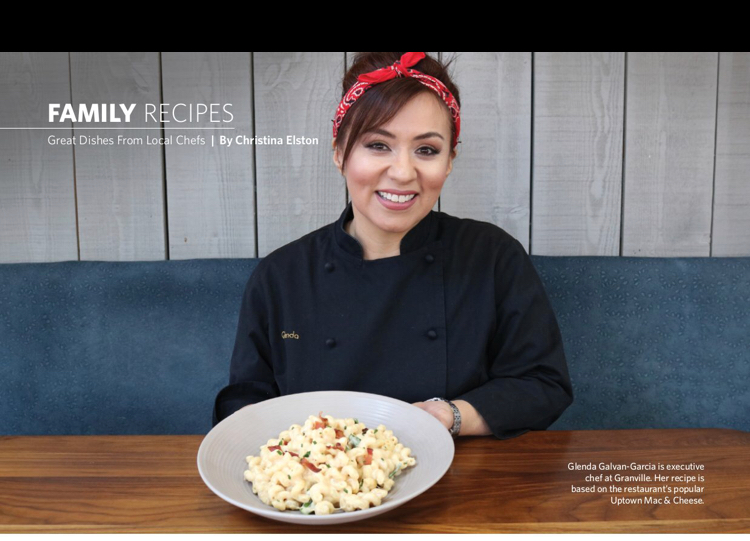
We worked on the initial menu for what was to become Granville Restaurants in Los Angeles. It was a process several years in the making and one that evolved into the development of a menu that is still going strong. Granville will always feel like home and I’m a proud mama of this food baby.
I later took a leap and launched my own consulting business, with Granville Restaurants in LA becoming my very first client. Since then, the journey has been more than I ever expected: developing retail products for Trader Joe’s and Whole Foods, creating recipes for the Babylon 5 Cookbook, and even cooking for people like George Lopez, John Legend, and Chrissy Teigen.
It’s been a wild and beautiful ride. What keeps me inspired is that food never stops teaching you. It’s storytelling, community, heritage, and creativity all rolled together. And after all the twists and turns, I’m grateful I ended up exactly where I was supposed to be—sharing my culture, my curiosity, and my love of cooking with others.
Would you say it’s been a smooth road, and if not what are some of the biggest challenges you’ve faced along the way?
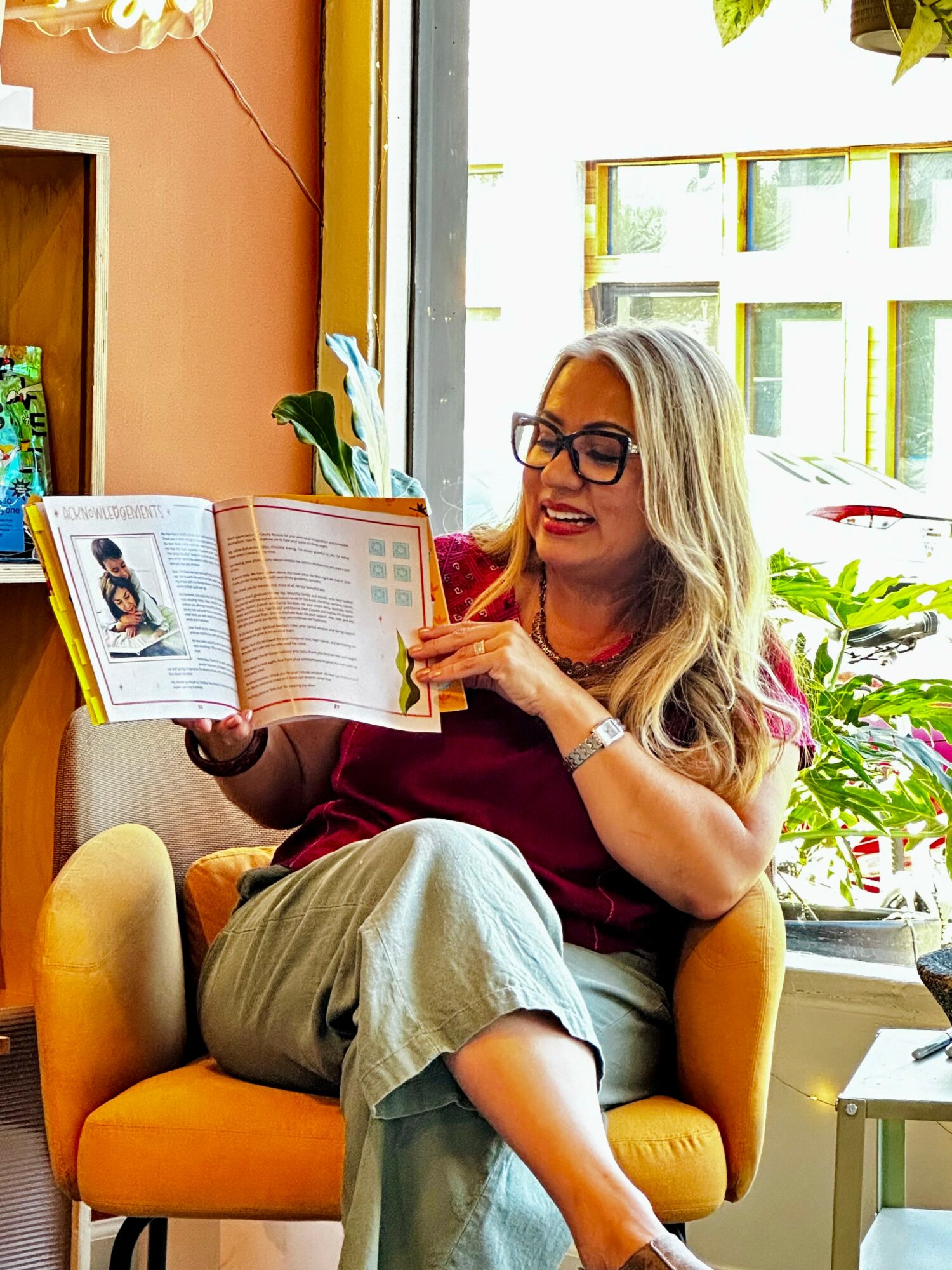
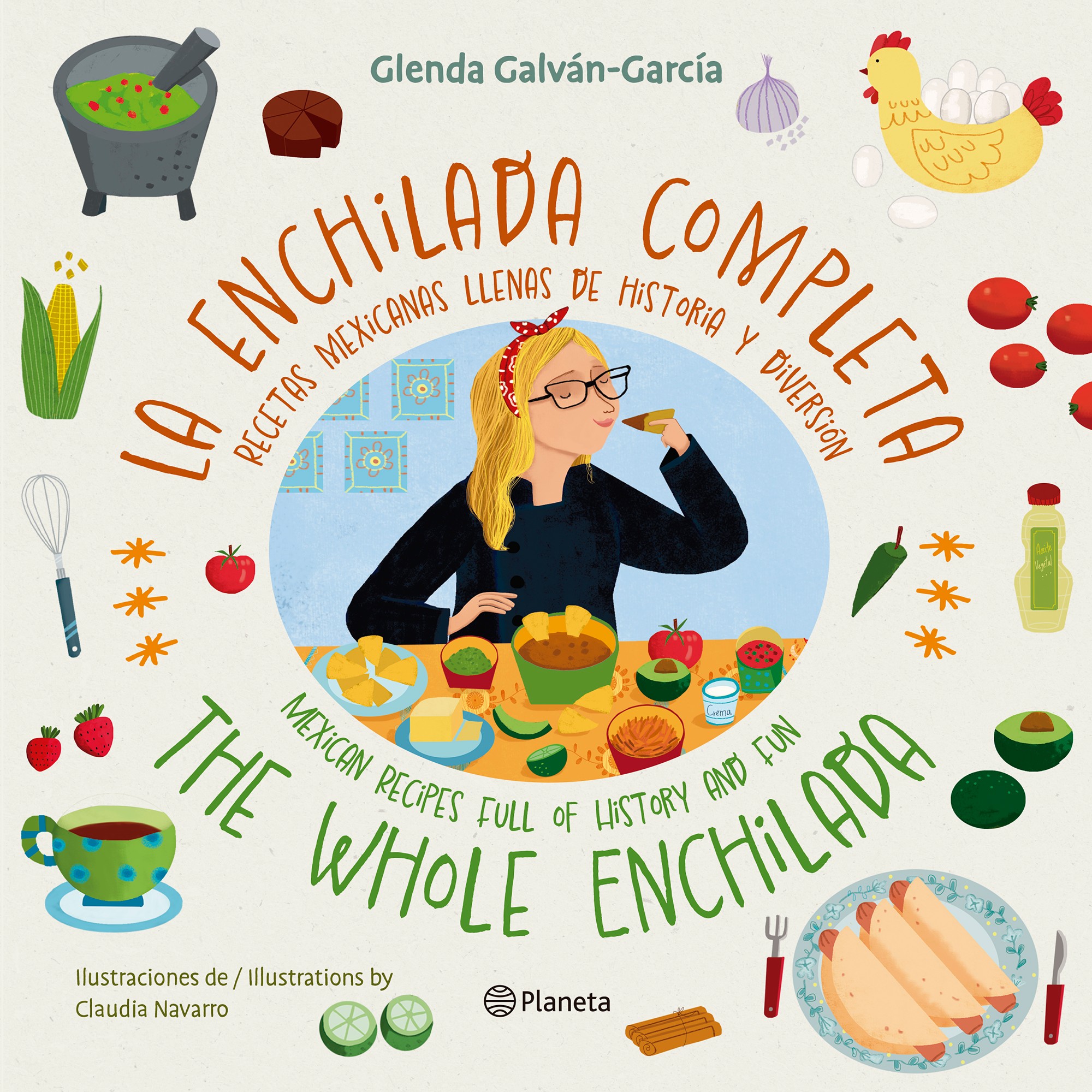
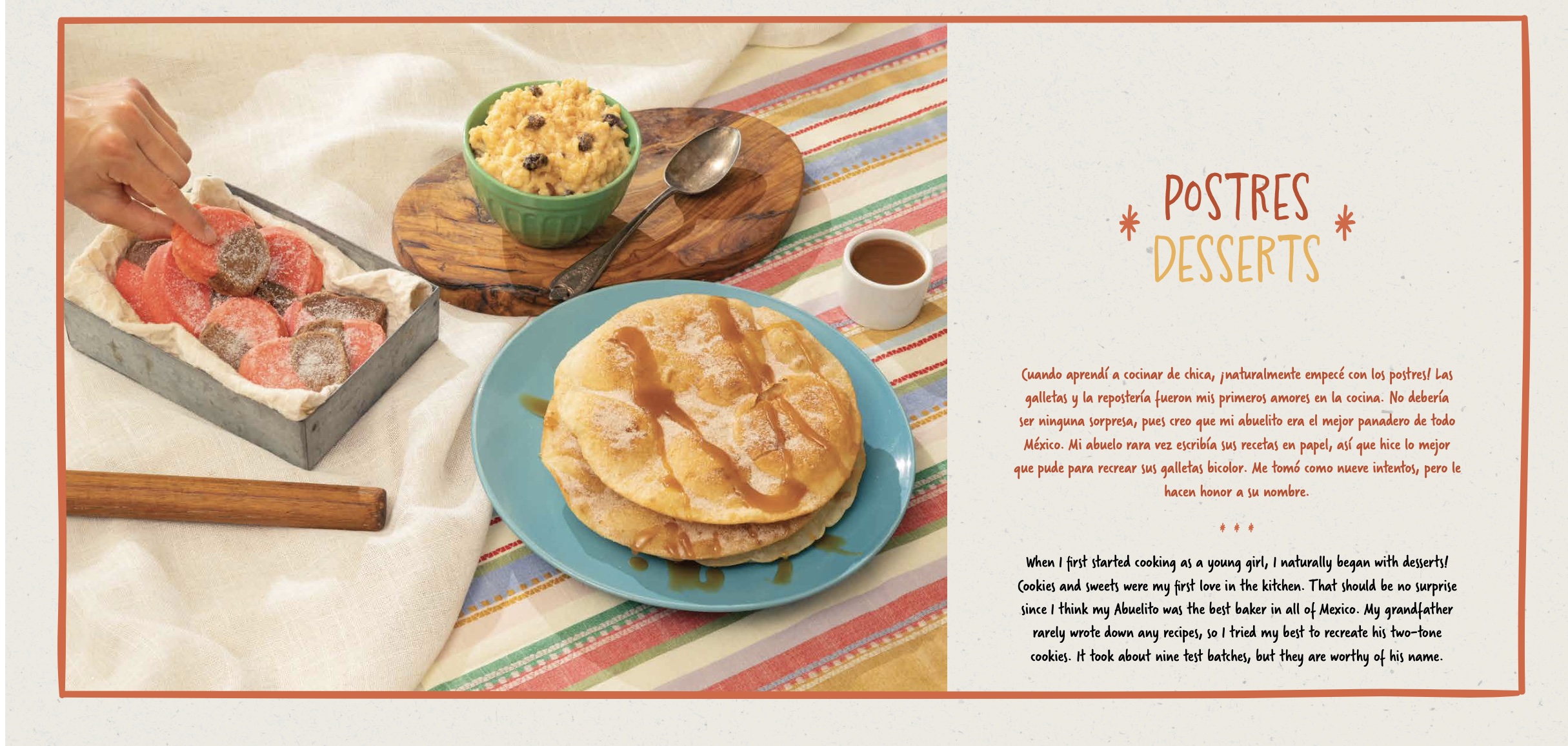
Certainly not! The road to publishing my cookbook was anything but smooth. It ended up being a 23-year journey—one filled with persistence, hope, and a lot of learning. When I first began querying, it was a completely different era in publishing. You still received actual rejection letters in the mail, often with kind handwritten notes from editors or agents. And as much as those “no’s” stung, at least you received closure. Today, the industry standard is often silence after three months, and waiting in that uncertainty can be just as challenging.
What I didn’t realize back then was that securing an agent would take me 20 years. And once I finally reached that milestone, it took another three years to bring the book to publication. I could have self-published, of course, but I truly wanted the experience of traditional publishing—the professional collaboration, the editorial guidance, and the sense of entering a larger literary conversation.
Looking back, I’m grateful for the timing, even though it tested me. Had I published in the early 2000s, I wouldn’t have had the privilege of creating the book alongside my teenage son. He became my inspiration and my recipe tester. Cooking with him, receiving his feedback, and shaping a project together was deeply meaningful—something I will always hold close.
Publishing still moves at a glacial pace, and that can be difficult for someone like me who is used to the fast, high-intensity rhythm of the culinary world. But the industry’s slower pace has taught me patience, trust, and respect for the process. Every stage has its purpose, even when it feels endless.
And yes—if you couldn’t tell—we’re currently on submission again. This time for my picture-book manuscript. I’m hopeful all over again, trusting that the right “yes” will arrive when it’s meant to.
In the meantime, I am looking for that next juicy culinary project to sink my teeth into.
Thanks for sharing that. So, maybe next you can tell us a bit more about your work?
One thing that sets my work apart is my commitment to nurturing the next generation. Passing on culinary knowledge is important to me, but so is cultivating a sense of cultural reverence and pride. Recently, I’ve been focusing on what I call “culinary storytelling”—teaching kids that food isn’t just something we eat, but something that carries memory, identity, and history.
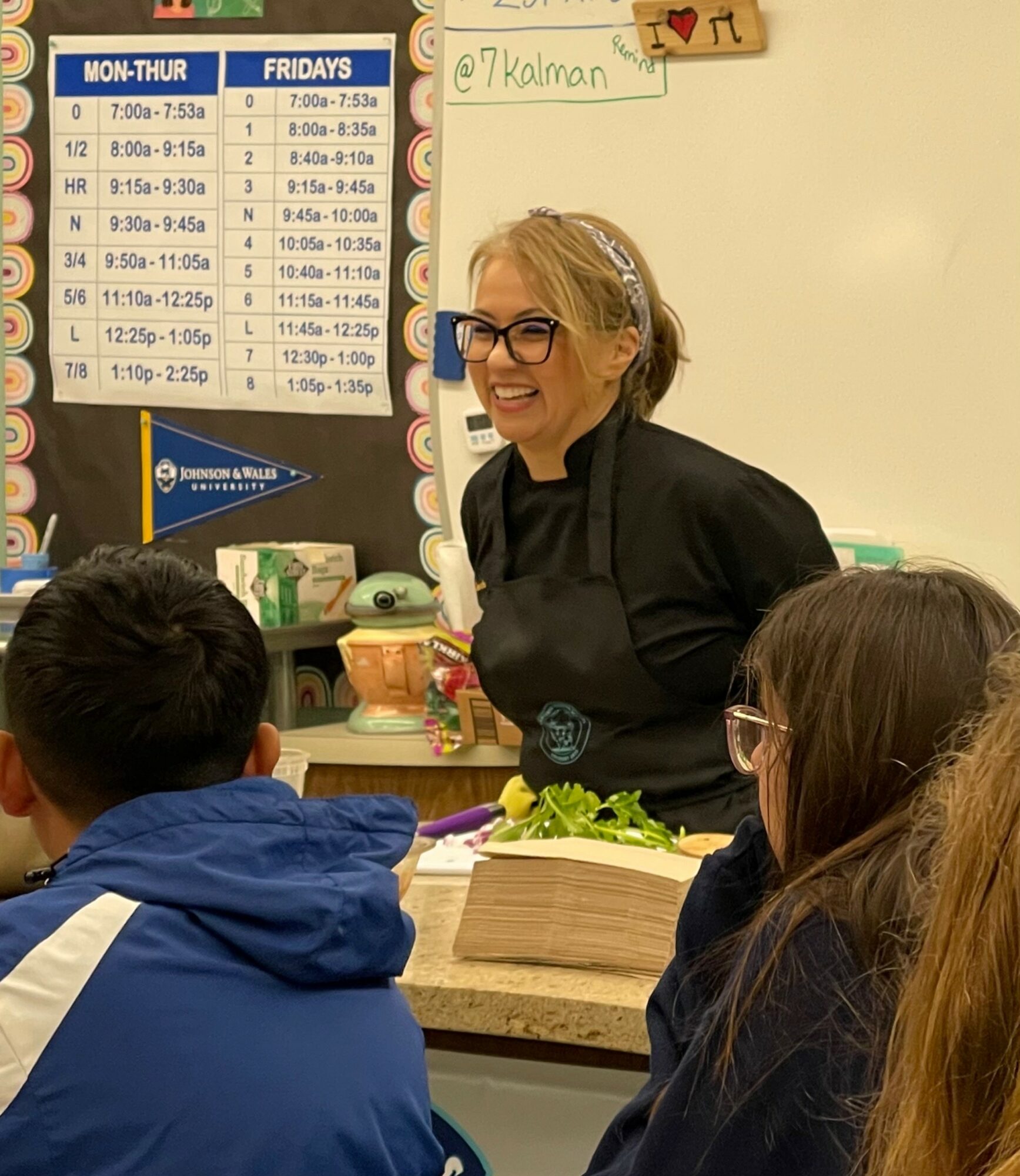
Lately I’ve been teaching after-school cooking programs for elementary school students, and while it can certainly be challenging, it has also been incredibly rewarding. The key has been finding ways to genuinely connect with the kids. Incorporating storytelling prompts—asking them about family dishes, favorite smells, or foods tied to special moments—has become an engaging way to keep them focused and spark their curiosity. I’ve seen students who initially struggled with behavior or concentration make surprising, meaningful progress. Watching them grow, step into leadership roles, or find confidence through cooking has been one of the most fulfilling parts of my work.
I’m also deeply proud of the volunteer work I’m involved in. There is such a tremendous need in our communities—whether in education, food insecurity, mentorship, or after-school support—and I’ve learned that food can be a powerful way to make an impact. Organizations like the Boys & Girls Club of Central Orange Coast, Bracken’s Kitchen, and the Delhi Center hold a special place in my heart. I’m honored to contribute to the work they’re doing and grateful for the chance to be part of something that uplifts and strengthens our community.
Giving back has become just as important to me as recipe development or professional accolades. In many ways, it’s the most meaningful work I do.
Can you share something surprising about yourself?
What many people don’t realize is that the work doesn’t end once the book is published—in some ways, it actually ramps up. The months (and years) that follow involve a constant cycle of self-promotion, pitching, and putting yourself out there again and again. Almost every event, festival appearance, and promotional opportunity was something I researched, pursued, or coordinated myself.
From the outside, it can look a little glamorous, like I’m being swept away on a perfectly planned book tour. But the truth is much more grounded: it takes persistence, a lot of luck, and the generosity of friends and colleagues who have recommended me for opportunities. I’m deeply grateful for every “yes,” because most of them came after many quiet “no’s” or unanswered emails.
It’s humbling work, but it’s also meaningful. Each event, each reader, each chance to share my culture and recipes reminds me why I fought so hard to bring this book into the world. And for that, I’m truly thankful.
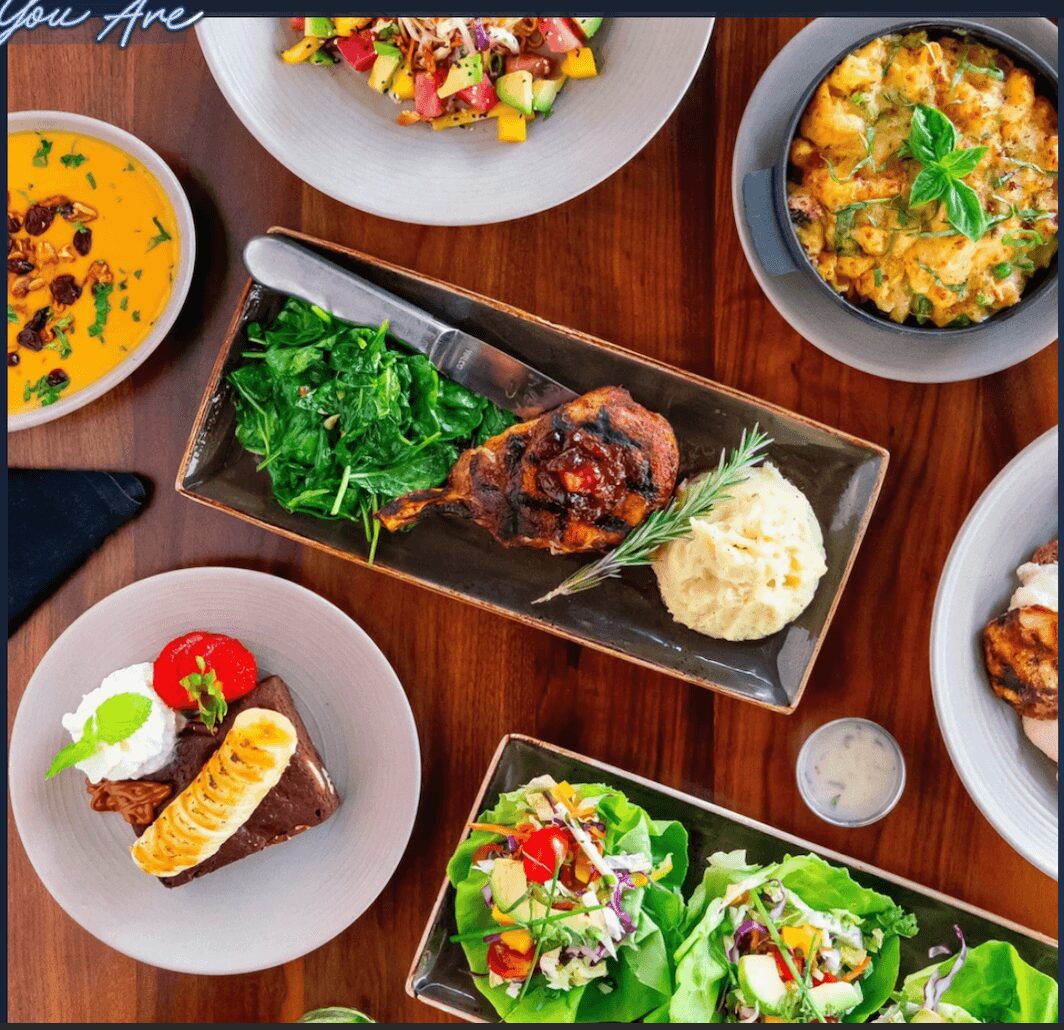
Getting back to my roots as a chef, the world of food development has its own kind of waiting game too. After nearly 30 years in the industry, I’m still amazed at the long shelf life some of my creations have had. It’s surreal to walk through a grocery store and spot items I helped develop ages ago still sitting on the shelves.
A great example of a restaurant item: when California Pizza Kitchen celebrated its 40-year anniversary, they brought back several classic dishes—including the Tortilla Spring Rolls that my sister and I originally created. Seeing them return reminded me how deeply these projects can live on. There are also menu items I’ve contributed to—like a very popular fast-food burrito—that took years, multiple chefs, and several rounds of development before finally making it onto the menu.
Food development, much like publishing, can have an incredibly long incubation period. You plant the seed, refine it, hand it off, and sometimes wait years before it comes to life- if you’re lucky! But that’s the beauty of so many creative industries: the work slowly builds on itself, often behind the scenes, until something finally connects.
And when it does, it’s worth every minute of the wait.
Contact Info:
- Website: https://wholeenchilada.co
- Instagram: https://www.instagram.com/wholeenchilada.co/
- LinkedIn: https://www.linkedin.com/in/glenda-galvan-garcia/
Popular
-

Local Highlighter Series
-

If you could say one kind thing to your younger self, what would it be?
-

Who taught you the most about work?
-

What is something outside of work that is bringing you joy lately?
-

Have any recent moments made you laugh or feel proud?
-

What fear has held you back the most in your life?


