




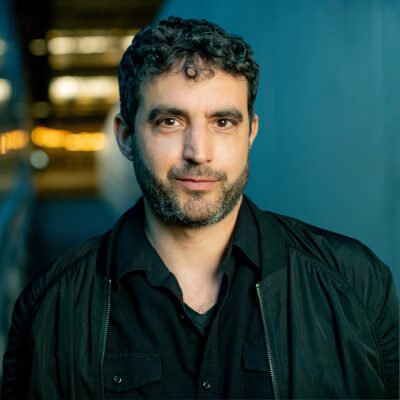
We’re looking forward to introducing you to Matthew Kratz. Check out our conversation below.
Matthew, we’re thrilled to have you with us today. Before we jump into your intro and the heart of the interview, let’s start with a bit of an ice breaker: What is something outside of work that is bringing you joy lately?
I volunteer at an animal sanctuary called The Gentle Barn that rescues animals from bad situations. I cherish the time I get to spend with the animals there. In helping them I believe that we help each other heal and grow. It’s so nice to slow things down and get on the animals frequency. It’s calming and restorative.
Can you briefly introduce yourself and share what makes you or your brand unique?
I’m Matthew Kratz, also known as Kraddy. I am an electronic music producer, composer, and founder of Obsidian Audio, a Los Angeles based music house that creates custom, high end music and sound design for movie trailers, film campaigns, TV promos, and advertisements.
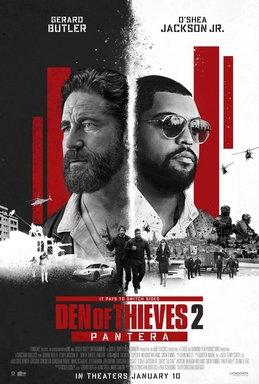
I began my career as a founding member of The Glitch Mob and went on to release my solo track Android Porn, which has surpassed a billion streams and become a landmark in electronic music. Over the years, I have collaborated with artists such as The Beastie Boys, Sia, Korn, Rob Zombie, and Z-Trip, and my music has appeared in campaigns for brands like Nike and Red Bull, as well as trailers for Dune, Top Gun: Maverick, Bad Boys 4, and Death of a Unicorn.
What makes Obsidian Audio unique is the fusion of my background as a DJ and dance music producer with the precision and storytelling of trailer composition. Years of performing and producing remixes taught me how to build energy, tension, and release on the dance floor, skills that translate directly into crafting music for trailers. Our sound is cinematic but modern, emotional yet driving. Each track combines the pulse and immediacy of electronic music with the scale and drama of film, creating something that feels both familiar and forward thinking. I am currently focused on expanding our work in theatrical advertising and continuing to push the creative and technical boundaries of what trailer music can be.
Okay, so here’s a deep one: Who saw you clearly before you could see yourself?
My mentor, Bruce Leighton, saw something in me long before I did. I started out as his intern, eager to learn everything I could about production, engineering, and sound. Bruce taught me both the technical side of music and the human side, how to listen, how to communicate with clients, and how to carry myself in a creative space. He would let me use the studio when he was not there, giving me the freedom to experiment and develop my own sound.
One day, while speaking with a client, Bruce casually referred to me as a composer. It stopped me in my tracks. Until that moment, I had thought of myself as a producer or just someone who made beats. Hearing him call me a composer changed everything. It made me see my work not as tracks or songs but as storytelling through sound. That single word shifted how I saw myself and set the direction for the rest of my career.
When did you stop hiding your pain and start using it as power?
I had a close friend who took her own life, and it shattered me. I did not know how to process the pain or where to put it. For a while, I tried to ignore it, but grief has a way of finding its voice. One day, I came across a quote that said when you lose someone, one way to honor them is to create something they would have loved. That idea stayed with me. It gave me a direction, a purpose.
I decided to channel everything I was feeling into a project, and that became an album of lofi music. The process was both painful and healing. Every sound, every texture carried a piece of that emotion, but it also transformed it into something beautiful. It was my way of turning loss into creation, sorrow into connection. That project became a reminder that even in grief, there can be movement, meaning, and light. It taught me that pain, when faced directly, can become one of the most powerful sources of art.
Alright, so if you are open to it, let’s explore some philosophical questions that touch on your values and worldview. Whom do you admire for their character, not their power?
I admire animals for their character. They are steadfast, honest, and completely without pretense. There is no agenda, no hidden motive, no performance. They simply are who they are. When an animal shows affection, fear, or curiosity, it is pure and unfiltered. After spending so much time navigating the complexities and subtleties of human interaction, being around that kind of honesty feels like a breath of fresh air. It reminds me that authenticity does not need translation and that truth often lives in simplicity. Put another way, “The sound of the rain needs no translation”.
Okay, we’ve made it essentially to the end. One last question before you go. When do you feel most at peace?
I feel most at peace when I am sailing. There is something grounding about being out on the ocean, moving with the rhythm of the waves and the pull of the tides. It reconnects me to something deeply human, something older and slower than the pace of everyday life. Sailing reminds me of the natural rhythm of things, the give and take of effort and flow. I love how the boat only moves when you work with the wind, not against it. That partnership between nature and intention feels like a meditation in motion. It clears my head and brings me back to myself.
Contact Info:
- Website: https://obsidianaudio.net
- Instagram: @obsidianaudiotrailers
- Linkedin: https://www.linkedin.com/in/matthewkratz/
- Youtube: @obsidianaudio



Popular
-

Portraits of the Valley
-

LA’s Most Inspiring Stories
-

Rick Norris Learned That Building a Successful Business Means Building a Life You Actually Want to Live
-

How Olivia Rush Turned Survival Into a Mission to Help Others Keep Going
-

How Bibi Goldstein Is Helping Entrepreneurs Reclaim Their Time by Embracing the Power of Delegation
-

Victoria Hasson is Redefining Voice Coaching Through Community and Collaboration


