




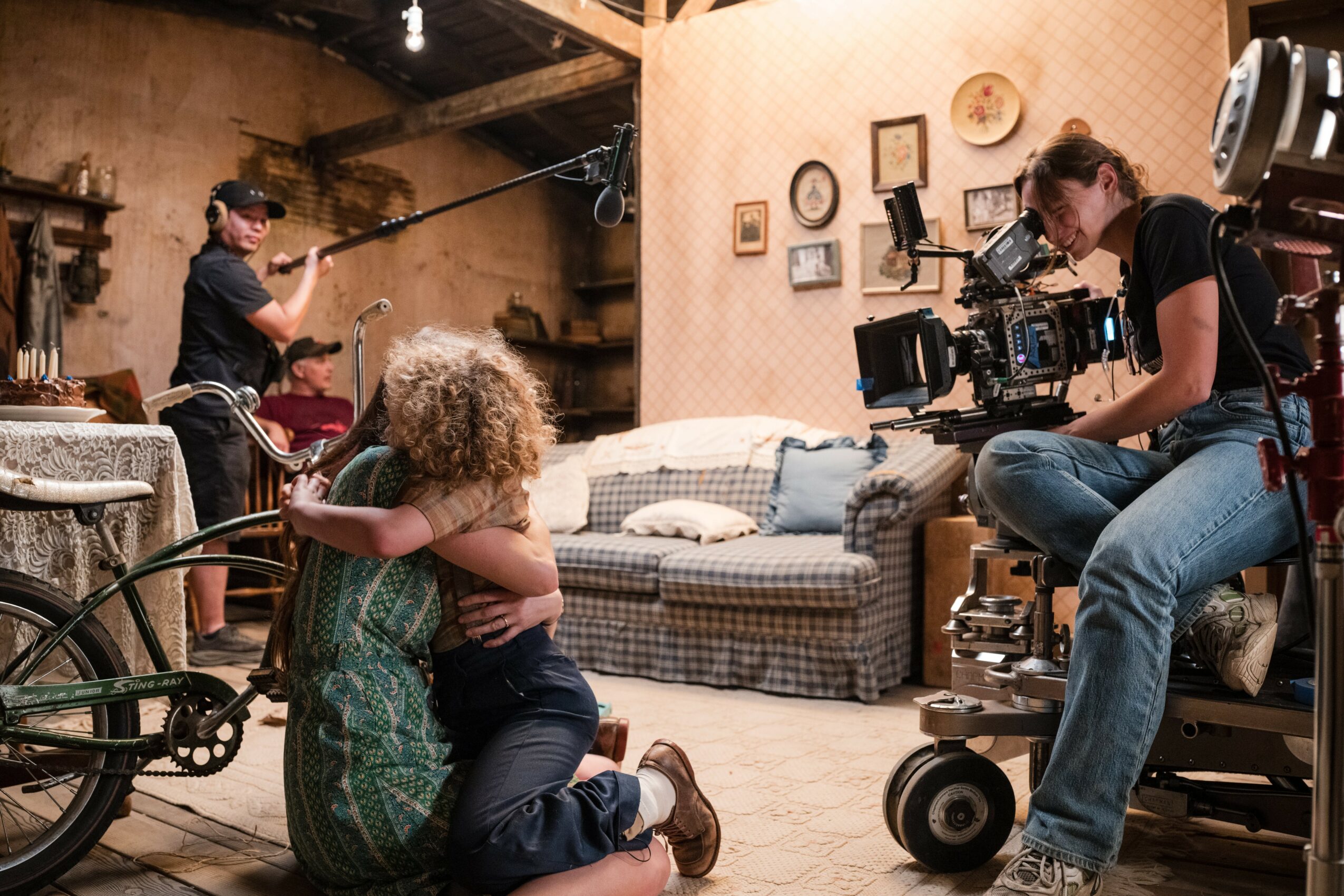
Sydney Lawson shared their story and experiences with us recently and you can find our conversation below.
Sydney, really appreciate you sharing your stories and insights with us. The world would have so much more understanding and empathy if we all were a bit more open about our stories and how they have helped shaped our journey and worldview. Let’s jump in with a fun one: Have any recent moments made you laugh or feel proud?
Five months of preparation. Countless revisions, setbacks, breakthroughs, and late nights. And now, I’ve officially wrapped production on my AFI thesis film – North. As not only a cinematography, but also a co-writer, this project took me to some of the hardest places I’ve ever been creatively—but also reminded me of why I love filmmaking. I gave it everything I could, and I’m genuinely proud of the film we created. Keep an eye out for “North”, set to premiere at AFI Fest in the fall of 2026.
Can you briefly introduce yourself and share what makes you or your brand unique?
I’m a filmmaker from small-town Ohio who has spent the past twelve years devoted to the craft of cinematography. What began as a quiet fascination with images grew into a lifelong calling in cinema, one that has guided every major decision of my adult life. In that time, I’ve shot four feature films, fifteen short films, over ten commercials, three episodic series, a music video, and an art film.
After earning my undergraduate degree in Film Studies from The Ohio State University in 2018, I worked in Columbus, Ohio as a freelance video professional, building a wide range of industry experience before beginning graduate studies in Cinematography at the American Film Institute in 2024—a program known for its extraordinary rigor and artistic discipline. My work has taken me from small independent sets to collaborations with major brands such as HBO, L’Oréal, and the NBA, and I’ve had the privilege of creating with talent including Debby Ryan, Bubba Wallace, and Jaamil Olawale Kosoko.
For more than a decade, I’ve poured my time, labor, and creative energy into filmmaking—not only to refine my own artistry, but to serve the broader film community. I’m deeply experienced across camera and lighting departments, having worked as a camera operator, gaffer, key grip, camera assistant, grip, and electric. These roles have shaped my understanding of set culture, collaboration, and the technical precision required to bring compelling stories to life.
Thanks for sharing that. Would love to go back in time and hear about how your past might have impacted who you are today. What’s a moment that really shaped how you see the world?
I was once asked to key grip a short film – the “department lead” of the grip department on a film set. At the time, I had plenty of grip experience but none as a key grip, so I turned it down and took a regular grip position instead.
When the shoot began, I learned they’d hired someone with zero on-set experience to key grip—he was a photographer who had never worked on a film set. I ended up working under someone I had far more experience than, essentially babysitting and doing twice the work while also teaching him the basics. I kept waiting for production to notice and make a change, but they never did.
That’s when I learned an important lesson: never turn down a role just because I’m afraid I might be under-qualified. There will always be plenty of mediocre, less-qualified men ready to take that job without hesitation. I might as well go for it, take the leap, and allow myself to step into roles that feel a little intimidating. Indie sets are often too small and chaotic for producers to scrutinize qualifications—they just need bodies in positions. And if someone’s going to step up, it might as well be me.
Was there ever a time you almost gave up?
About four weeks before principal photography on my AFI graduate thesis film, I came close to dropping out. Pre-production had already been a maze of conflicting information—every department at this educational institution seemed to have a different set of rules, expectations, and deadlines. No matter how hard my team worked—seven days a week, every spare hour poured into the film—we kept running into bureaucratic walls that made it feel almost impossible to meet the school’s requirements for approval. Location complications, shifting production-office deadlines, misaligned communication, and an overwhelming stream of paperwork all compounded into a sense of mounting impossibility.
At the four-week-out mark, everything came to a head. Because of fine-print issues surrounding the school’s location-liability policy, almost every location we had scouted was suddenly off-limits. Only one remained viable—and then, due to a miscommunication with the owner, we lost that location as well when he gave our dates to another production. Overnight, we had no locations at all.
This news devastated us. Still, in a final attempt to salvage the film, my team and I pushed for approval to shift our shoot by just a few days. We had run the numbers and knew that we could fulfill every stipulation holding us back from being able to push our dates. What followed was a blur of meetings, emails, and increasingly desperate appeals. For a while, it felt like the school was going to deny the request for reasons that felt arbitrary—more like an attempt to “teach us a lesson” than to support our education or the work we were fighting to create. I genuinely thought the film might not get made, and with that, that I might not graduate.
But at the very last minute, the school finally had no choice but to grant us the extension – we were able to shoot the project.
This experience taught me the importance of getting everything in writing. We spent weeks navigating contradictory instructions from people in positions of authority, and it was a hard lesson in advocating for myself. I came close to giving up, but I’m grateful I didn’t. The film is something I’m deeply proud of, and the process forced me to grow—not only as a filmmaker, but as someone learning to trust myself and the people beside me who are willing to make the impossible possible.
Next, maybe we can discuss some of your foundational philosophies and views? Whom do you admire for their character, not their power?
I have deep admiration for the people on a film set who show up early, leave last, and work hard even when they’re exhausted—all to keep the workflow safe and efficient. They’re often assistants who receive little recognition, yet they show up because they care about filmmaking and want to be part of something larger than themselves.
I admire the people who take initiative, doing tasks they weren’t explicitly asked to do simply because they see a chance to make the day smoother for others. They handle the small, preventative things that often go unnoticed but collectively create a safer, better set for all. They’re always observing, anticipating, and solving problems before they escalate.
These are the people who truly make movies possible. There are countless crew members out there who consistently go above and beyond in their craft with little acknowledgment—and they deserve every bit of respect and acknowledgement for the successful making a movie.
Before we go, we’d love to hear your thoughts on some longer-run, legacy type questions. When do you feel most at peace?
When I am dancing
Contact Info:
- Website: https://www.sydlawson.com/
- Instagram: https://www.instagram.com/sydlawsondp/
- Linkedin: https://www.linkedin.com/in/sydneylawsonfilm/
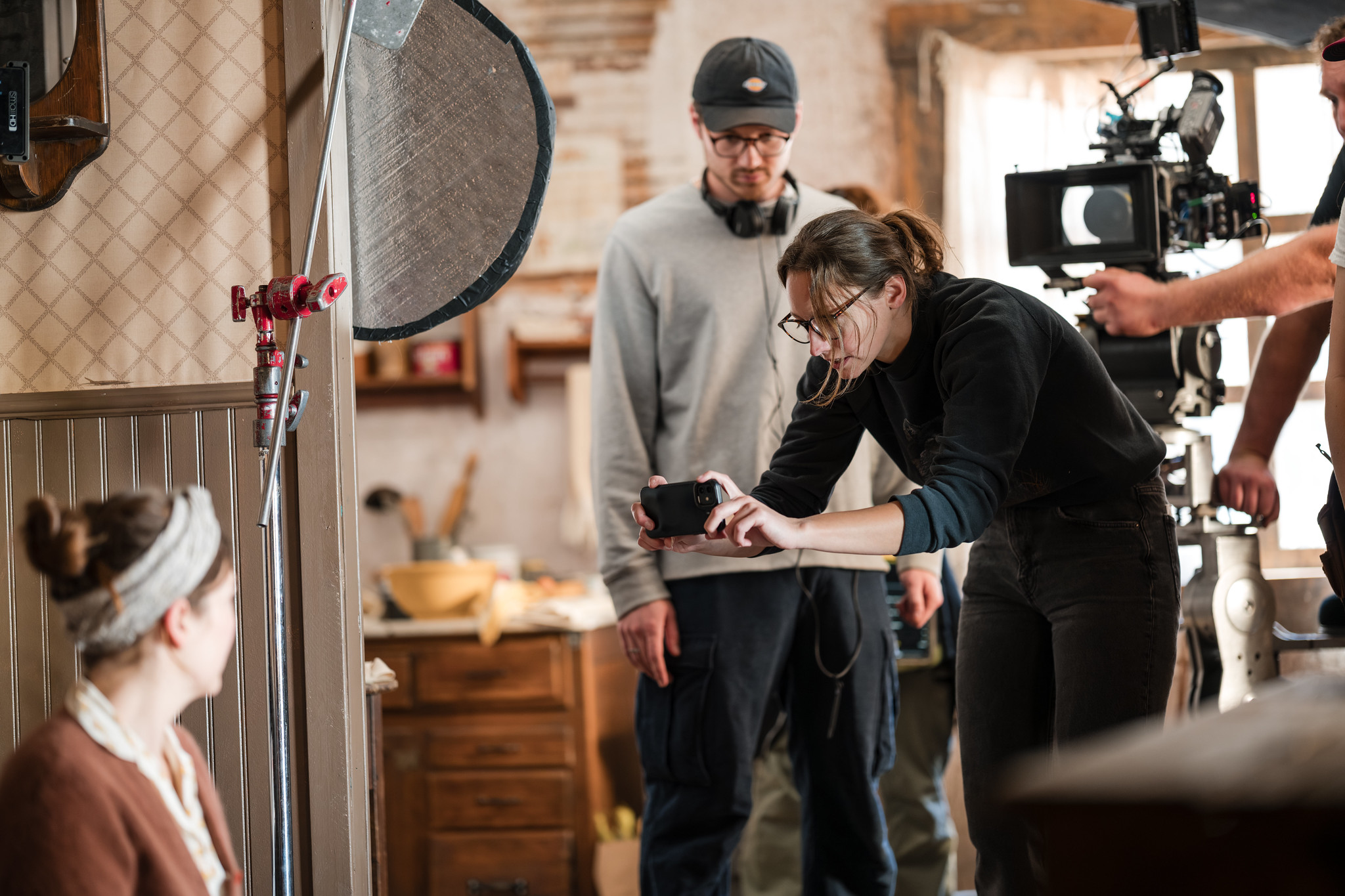
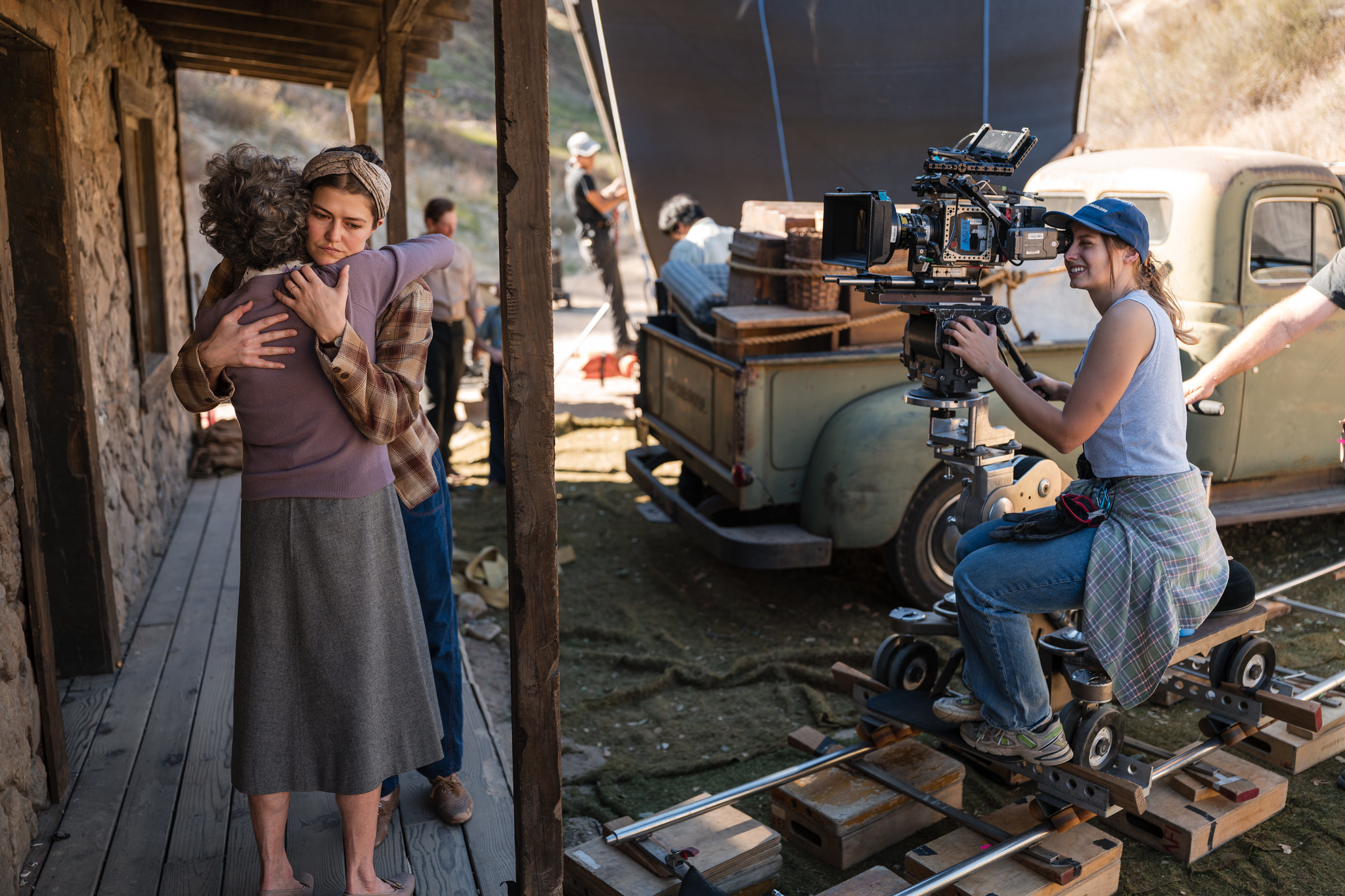
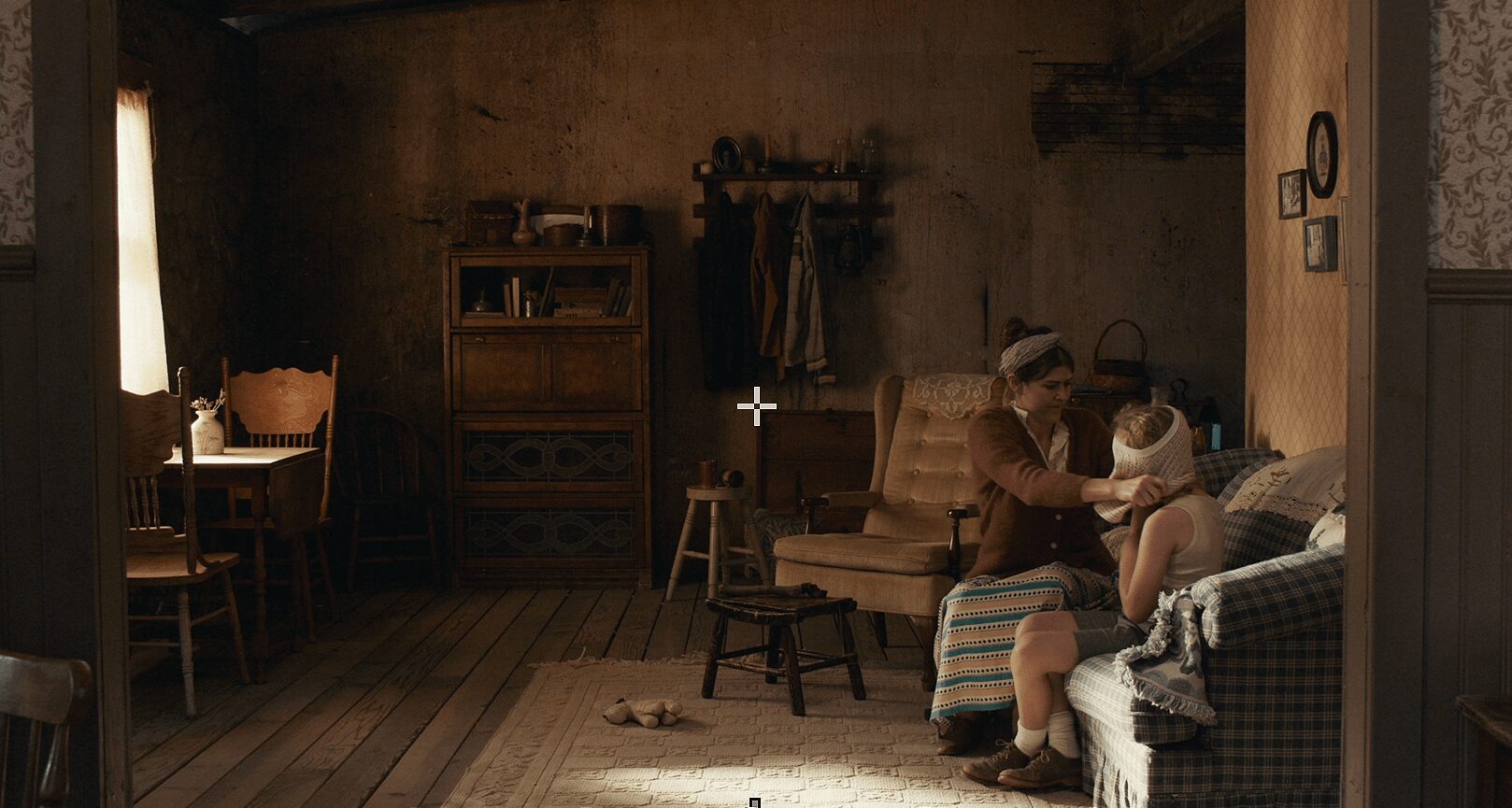
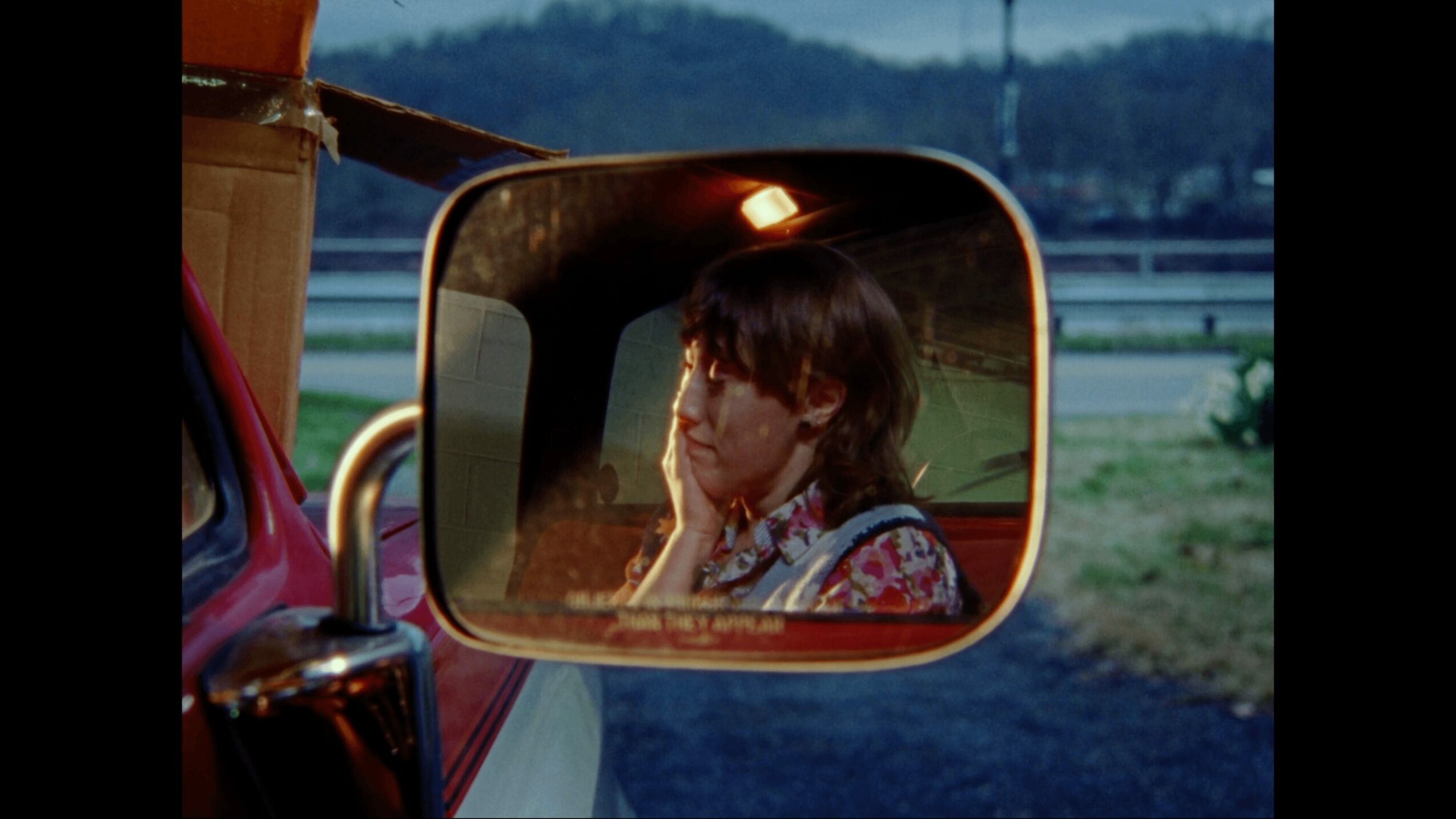
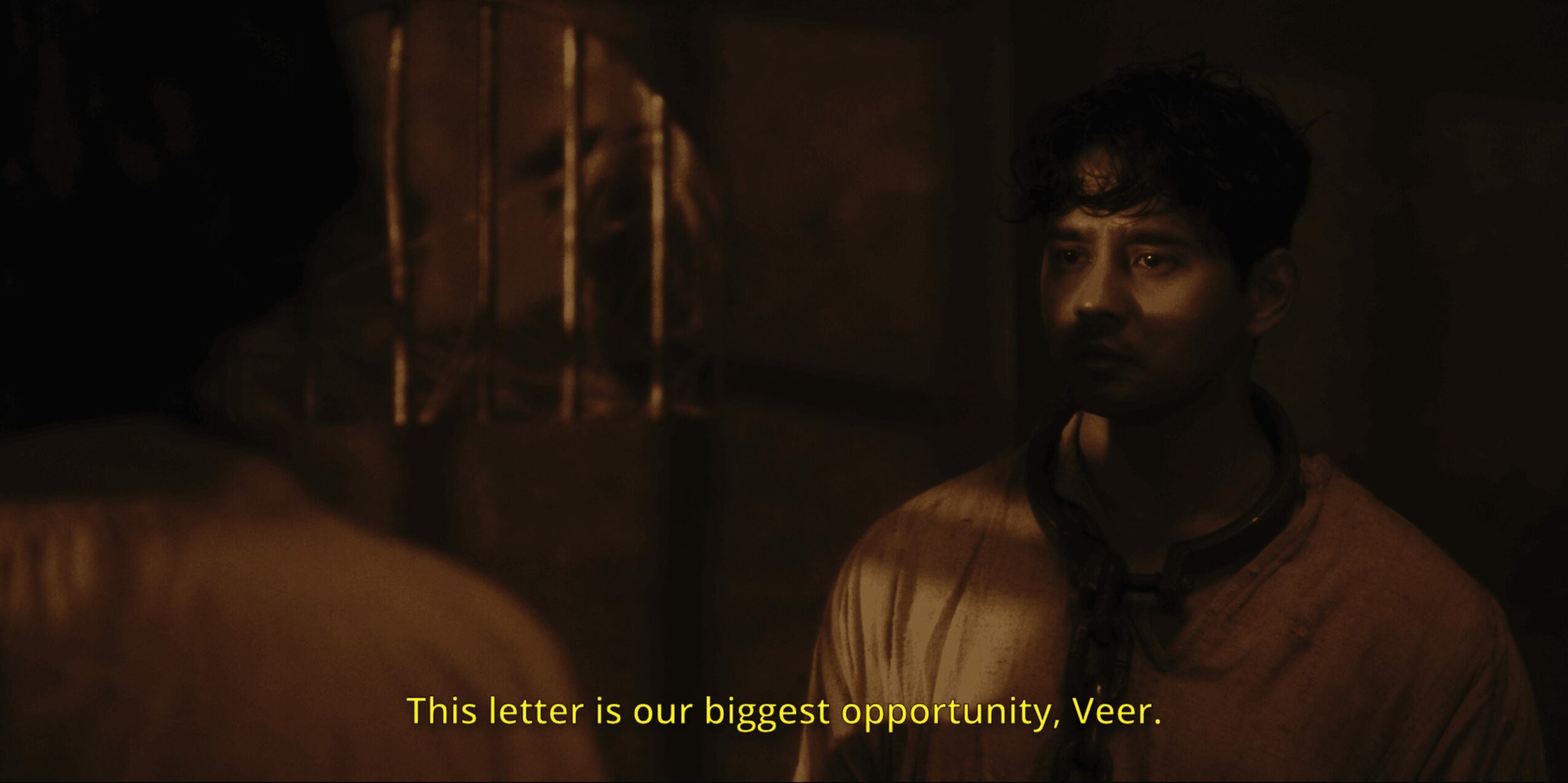

Image Credits
Nic Caceres
Popular
-

Portraits of the Valley
-

LA’s Most Inspiring Stories
-

Rick Norris Learned That Building a Successful Business Means Building a Life You Actually Want to Live
-

How Olivia Rush Turned Survival Into a Mission to Help Others Keep Going
-

How Bibi Goldstein Is Helping Entrepreneurs Reclaim Their Time by Embracing the Power of Delegation
-

Victoria Hasson is Redefining Voice Coaching Through Community and Collaboration


