




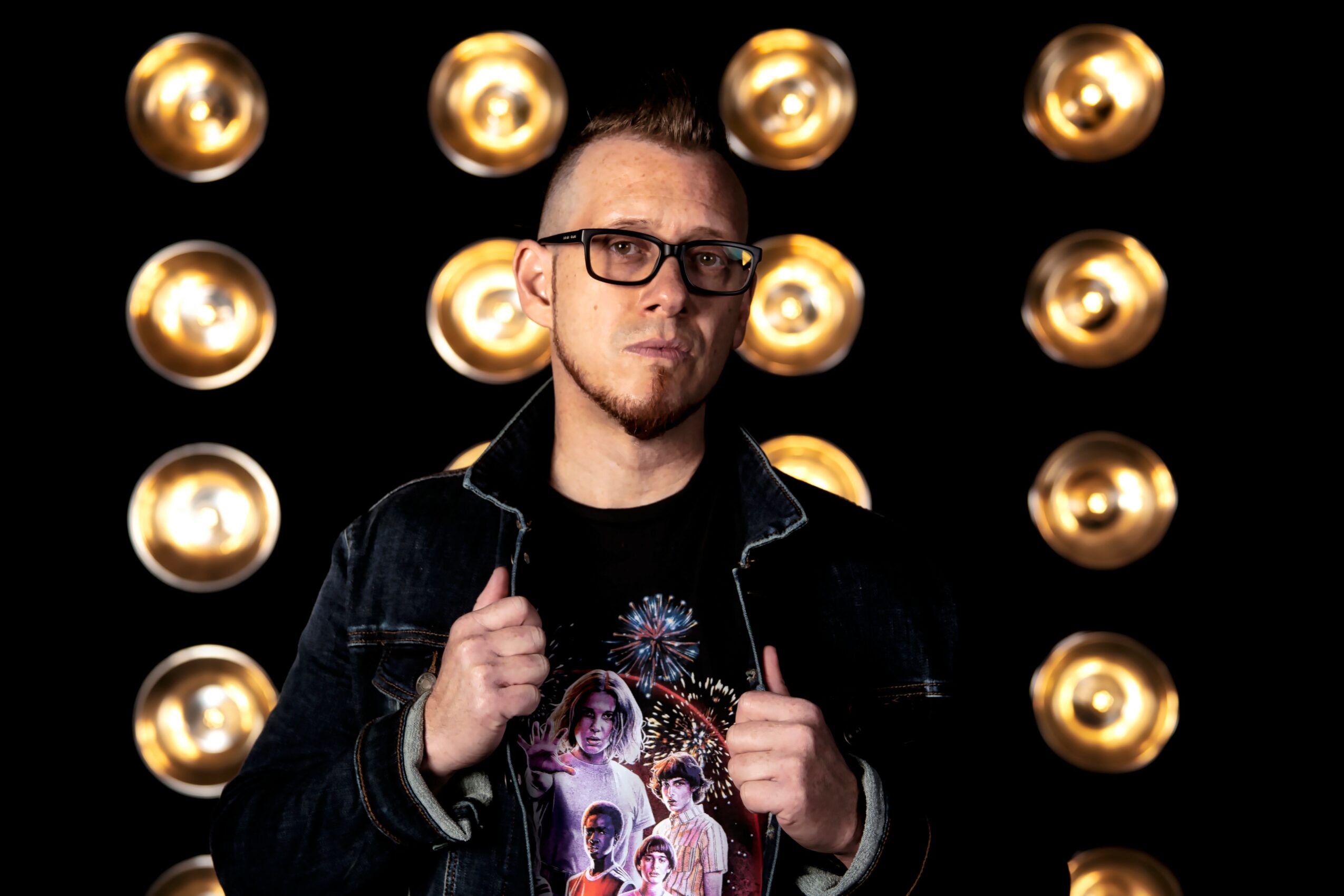
We recently had the chance to connect with Eric Knight and have shared our conversation below.
Eric , really appreciate you sharing your stories and insights with us. The world would have so much more understanding and empathy if we all were a bit more open about our stories and how they have helped shaped our journey and worldview. Let’s jump in with a fun one: What is a normal day like for you right now?
A typical day for me starts with a morning walk, followed by breakfast to set the tone for the day. After that, I dive straight into work, which can vary quite a bit. Often, I pick up my guitar or sit at the piano and just start playing around—sometimes inspiration flows freely, and I come up with a lot of ideas. Other times, it’s more about experimenting and seeing where the music takes me, depending on my mood or how I’m feeling that day. Whenever something catches my ear, I’ll record it on my phone or into my studio setup to develop later.
Aside from creating music, I also spend a significant part of my day managing the business side of my projects. This involves everything from planning releases to coordinating with collaborators. My days can be pretty hectic, moving quickly from one task to the next, but that’s part of what keeps it exciting. I never really know where the day will lead, and that unpredictability fuels my creativity.
Can you briefly introduce yourself and share what makes you or your brand unique?
I’m Eric Knight, a recording artist with deep roots in rock, hard rock, and metal, but now exploring new musical directions as a solo artist. After years as the frontman for Disciples of Babylon, I’ve returned to my solo career with a fresh perspective and a renewed creative energy. My music reflects both my personal struggles and growth—touching on themes like isolation, self-discovery, and empowerment, all wrapped in a sound that blends classic rock elements with modern production.
What I hope makes my work unique is this blend of raw emotion and a willingness to experiment beyond expectations. I’m not just about making music; I’m about creating an experience that resonates deeply with listeners—especially those who feel like outsiders or loners. My fans, who I affectionately call “CitiZens,” are part of this journey because I believe that we are all one in the world, and ultimately we are much better united than divided.
Okay, so here’s a deep one: What part of you has served its purpose and must now be released?
Letting go of the guilt and shame I’d been carrying for many, many years, much of it tied to personal relationships, but also with friends, family, and bandmates. Therapy helped me unpack those feelings, take responsibility where needed, and learn to forgive myself. Releasing that weight has been freeing and deeply cathartic, and it’s opened space for healthier relationships and bolder creative choices.
When did you stop hiding your pain and start using it as power?
I stopped hiding my pain during the pandemic, when everything around me slowed and I could no longer distract myself with constant movement. Losing my grandmother and stepping away from the band forced me to face a lot I’d been burying — depression, isolation, and unresolved grief. Once I began therapy which I had already been in for years prior and allowed myself to sit with those feelings, they stopped feeling like weaknesses and started becoming fuel.
I began writing from that place of honesty. Songs like my latest single “Out of This World” came from those dark moments but turned them into something with purpose — a way to connect, to process, and to reach people who feel the same. Turning pain into power for me has been about vulnerability, accountability, and choosing to shape those emotions into art rather than letting them define me.
Alright, so if you are open to it, let’s explore some philosophical questions that touch on your values and worldview. Is the public version of you the real you?
On stage or in interviews I bring a focused, curated presence: the part of me that’s confident, deliberate, and ready to connect. That’s genuine, I’m proud of that person, but it’s shaped by intention and craft. Offstage I’m quieter, extremely private and vulnerable. I live with doubts, depression, and the messy stuff like we all do that feeds the songs but doesn’t always make for easy conversation.
Over the past few years I’ve worked to close the gap by being more honest in my music and with my fans. Songs like “Out of This World” are an attempt to let the private parts speak publicly. So the public Eric is real, but it’s one slice of a larger, more complicated self, and I’m learning to let more of that complexity through.
Okay, so before we go, let’s tackle one more area. What is the story you hope people tell about you when you’re gone?
That I lived with integrity and honesty, someone who stayed true to his values and his art. I hope people remember that I tried to bring people together through music, that I made work that spoke to outsiders and offered comfort. Beyond the songs, I want to be seen as someone who showed up for others, using whatever platform I had to help, to listen, and to lift people up through outreach and genuine connection.
Contact Info:
- Website: https://ericknightonline.com
- Instagram: https://instagram.com/ericknightonline
- Linkedin: https://www.linkedin.com/in/ericknightonline
- Twitter: https://x.com/eric_knight
- Facebook: https://www.facebook.com/EricKnightOnline
- Youtube: http://www.youtube.com/@EricKnightOnline
- Other: https://en.wikipedia.org/wiki/Eric_Knight



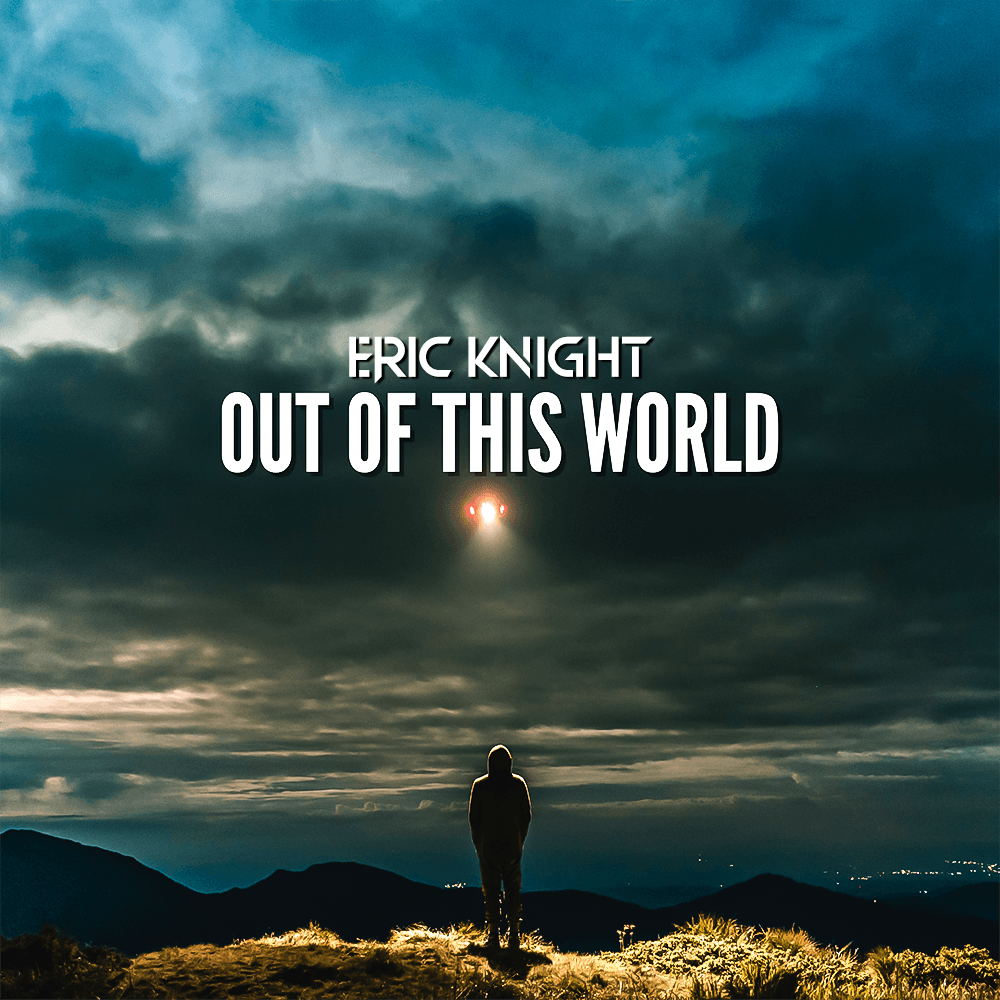
Image Credits
Ivan Copelli
Popular
-

Portraits of the Valley
-

LA’s Most Inspiring Stories
-

Rick Norris Learned That Building a Successful Business Means Building a Life You Actually Want to Live
-

How Olivia Rush Turned Survival Into a Mission to Help Others Keep Going
-

How Bibi Goldstein Is Helping Entrepreneurs Reclaim Their Time by Embracing the Power of Delegation
-

Victoria Hasson is Redefining Voice Coaching Through Community and Collaboration


