




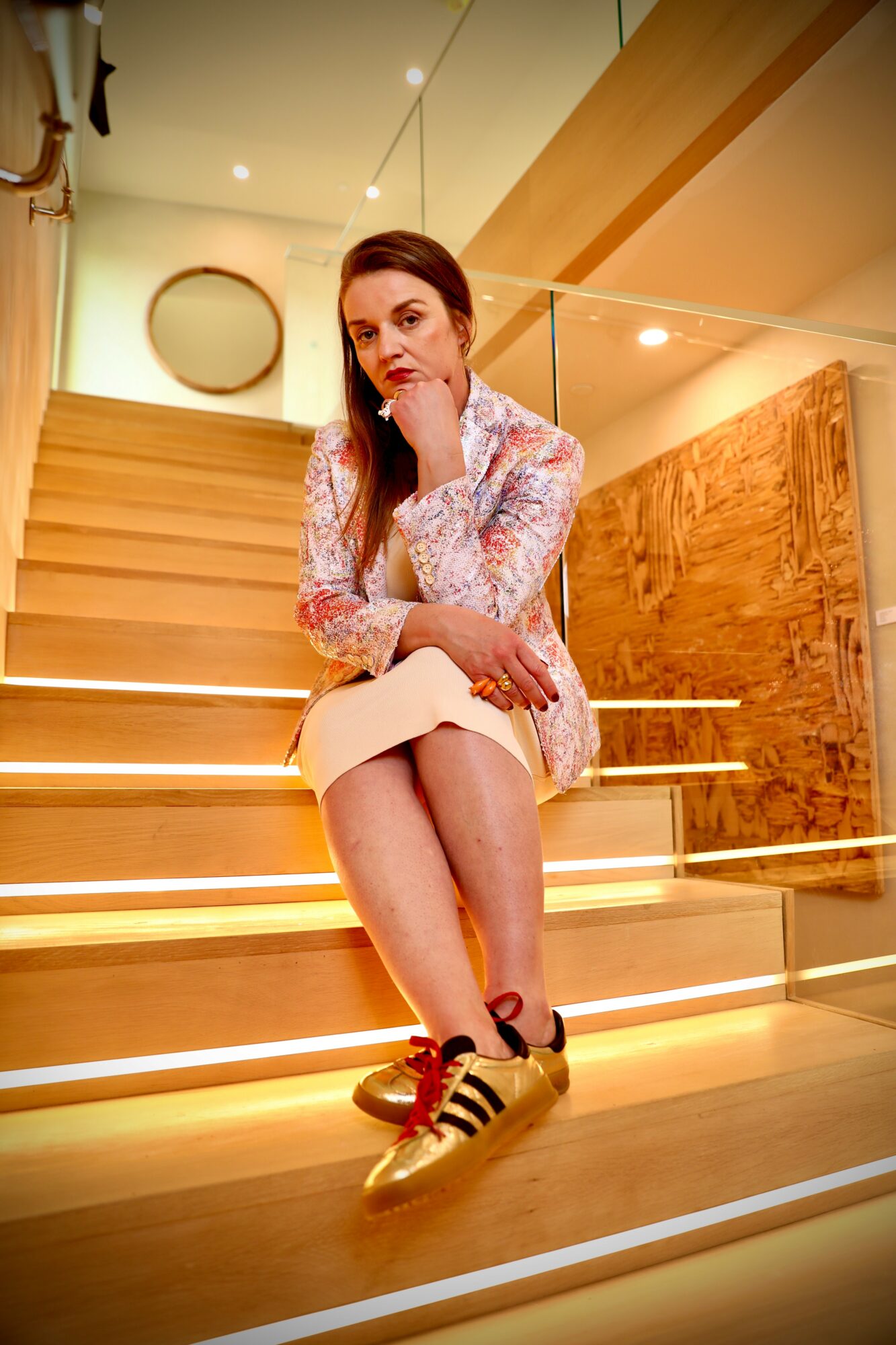
We recently had the chance to connect with Marija Volkman and have shared our conversation below.
Marija , a huge thanks to you for investing the time to share your wisdom with those who are seeking it. We think it’s so important for us to share stories with our neighbors, friends and community because knowledge multiples when we share with each other. Let’s jump in: What do you think others are secretly struggling with—but never say?
I think a lot of people are quietly struggling with loneliness, especially the kind that exists inside a busy, high-functioning life. Our culture celebrates independence and self-sufficiency so much that admitting we feel isolated feels like failure. We romanticize drinking wine alone, long walks with our thoughts, and calling it “peace”, but often, it’s a quiet ache for connection we don’t feel allowed to express.
In my work, I see it in clients too: people building homes not just to live in, but to feel something again. To belong somewhere. I think many of us carry that longing quietly, and we deserve to name it without shame.
Can you briefly introduce yourself and share what makes you or your brand unique?
Hi, I’m Marija Volkman, architect, founder of Archicraft Studio, and mother of two brilliant girls (plus one slightly useless cat).
Archicraft is a woman-led architecture studio based in Los Angeles and Prague. We design homes that are equal parts beautiful, functional, and emotionally intelligent, especially on complex sites where the land is sloped, the codes are cryptic, and the vision needs both precision and boldness.
Right now, we’re building hillside homes across LA, diving into new construction in Pasadena, working on post-fire rebuilds, and launching brand architecture projects in Prague.
Our sweet spot? Complex contexts, strong concepts, and clients who want more than the obvious, and aren’t afraid to make bold choices.
We blend European design fluency with California-grade problem-solving. Our projects are design-forward but realistic—because we believe a home should feel like you, not like a showroom.
Our plans don’t come from templates. They come from listening, thinking, sketching, refining, and doing it right.
Amazing, so let’s take a moment to go back in time. What part of you has served its purpose and must now be released?
For most of my career, I worked alongside men: partners, collaborators, decision-makers. To hold my place in that environment, I built a kind of armor. I became hyper-efficient, tough, organized, no-nonsense. I matched their energy. I outworked, out prepared, and often outpaced them. That tomboy persona got me in the room and kept me there for 25 years.
But that part of me has done its job.
What’s emerging now is something softer, stronger, and more honest: a leadership style that’s deeply intuitive, maternal, and nurturing. I design differently now. I lead differently. I’m no longer trying to “prove I can hang.” I’m creating space for others to rise with trust, and with vision that goes beyond efficiency or output.
It’s not about keeping up anymore. It’s about building something better and doing it as my whole self, with a smile.
What did suffering teach you that success never could?
Suffering taught me how to listen, first to myself, then to others. It stripped away the noise of proving and performing and left me face to face with my own intuition. That’s when my leadership changed. That’s when my design voice deepened. I stopped trying to do everything perfectly and started doing what felt true and joyful.
It also taught me not to grip the future so tightly. When life breaks you open, through heartbreak, burnout, betrayal, or loss, you realize how fragile your “plans” really are. And somehow, that’s freeing. I don’t overthink the future anymore. I look for the opportunity in this moment. Because I’ve seen beautiful things come out of what looked like disaster. And I’ve seen disappointment follow what looked like a win.
So now, I stay open. I trust life more. I trust myself more.
And I build everything: business, home, family, space from that place.
I think our readers would appreciate hearing more about your values and what you think matters in life and career, etc. So our next question is along those lines. Is the public version of you the real you?
The public version of me used to be sharp-edged: focused, fast-moving, deeply capable and emotionally edited. I knew how to lead projects, hold a room, and handle pressure. But I kept certain parts tucked away. The softness. The uncertainty. The tenderness that didn’t feel “professional” in rooms built for men.
And then came motherhood. Burnout. Rebuilding. And honestly? Life refused to let me keep compartmentalizing. So now, what you see is what you get: I’m still sharp and organized, but I’m also nurturing, intuitive, bold, and a little chaotic when it counts (just ask my kids or my cat).
I don’t separate who I am at home from who I am in work anymore. My clients get the same presence and care that my daughters do. My team gets the same clarity I give myself when something doesn’t feel aligned. There’s room now for both ambition and softness.
So yes…the public version of me is real.
Just… more whole than it used to be.
Thank you so much for all of your openness so far. Maybe we can close with a future oriented question. What is the story you hope people tell about you when you’re gone?
I hope they say talking to me made them think. That I asked a question, or dropped a one-liner, that stayed with them. That a conversation with me made them pause, shift, or spark an idea they wouldn’t have reached on their own.
I hope they say I built things that mattered: homes that felt like extensions of people’s values and lives, and a business that operated with guts, vision, and a bit of humor.
I hope my daughters say I made them feel safe, beautiful and wildly capable at the same time. That I showed them how to lead without becoming hard. That I was there for the big things, but also the boring and ridiculous things too—like late-night drawings and “what’s for dinner” logistics.
That I had high standards and a low tolerance for BS. That I made things happen. That I was generous with my ideas and unapologetic about my standards.
Mostly, I hope I’m remembered as someone who made space, for ideas, for honesty, for beauty, and invited people to show up fully in it.
Contact Info:
- Website: https://archicraft.co
- Instagram: @archicraftUS
- Linkedin: https://www.linkedin.com/in/marija-volkman/
- Facebook: https://www.facebook.com/archicraftus/
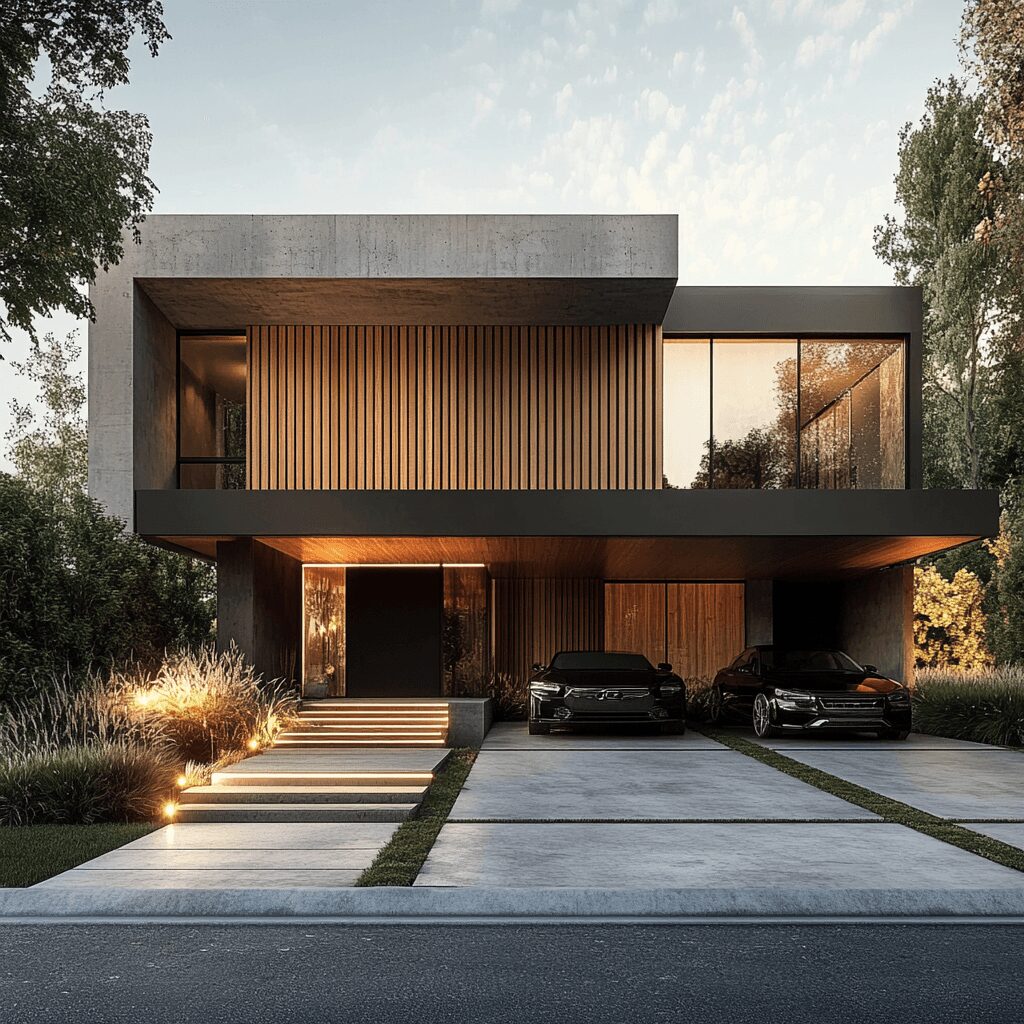
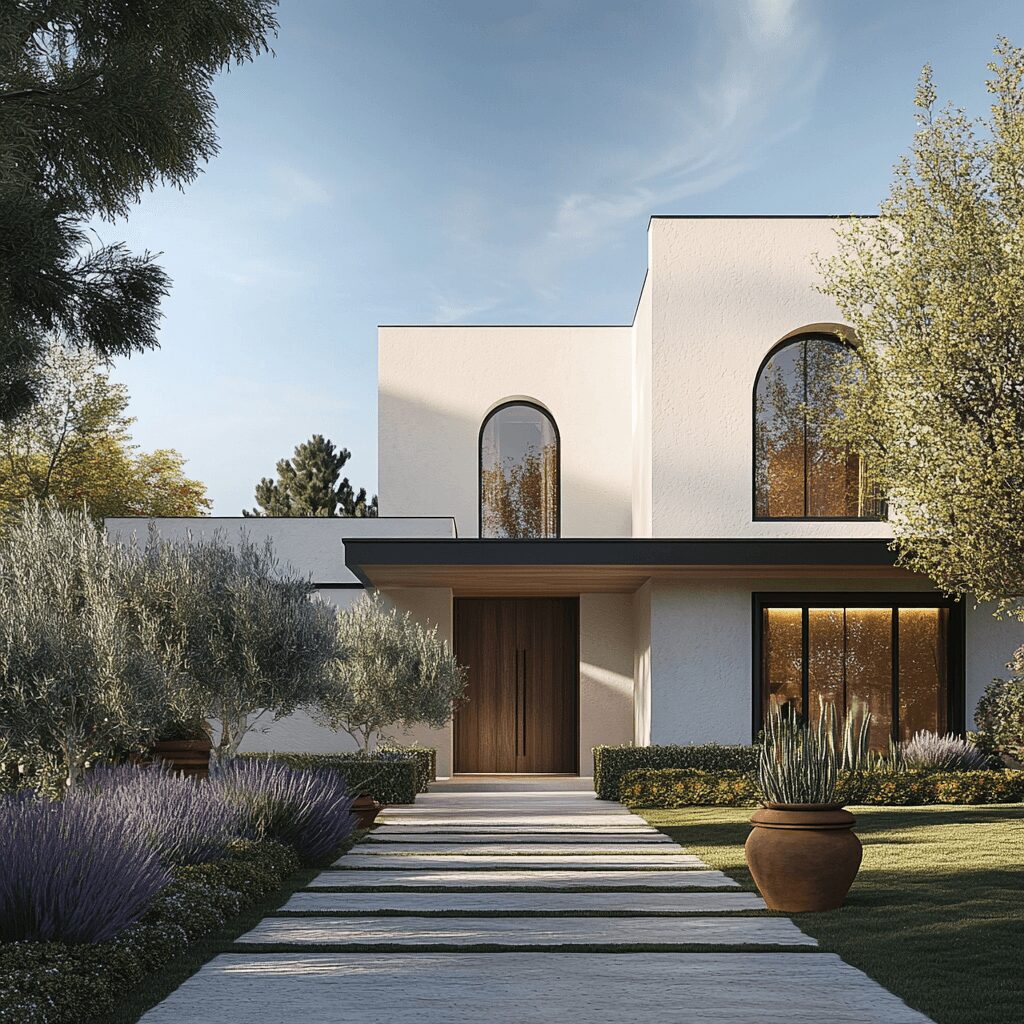

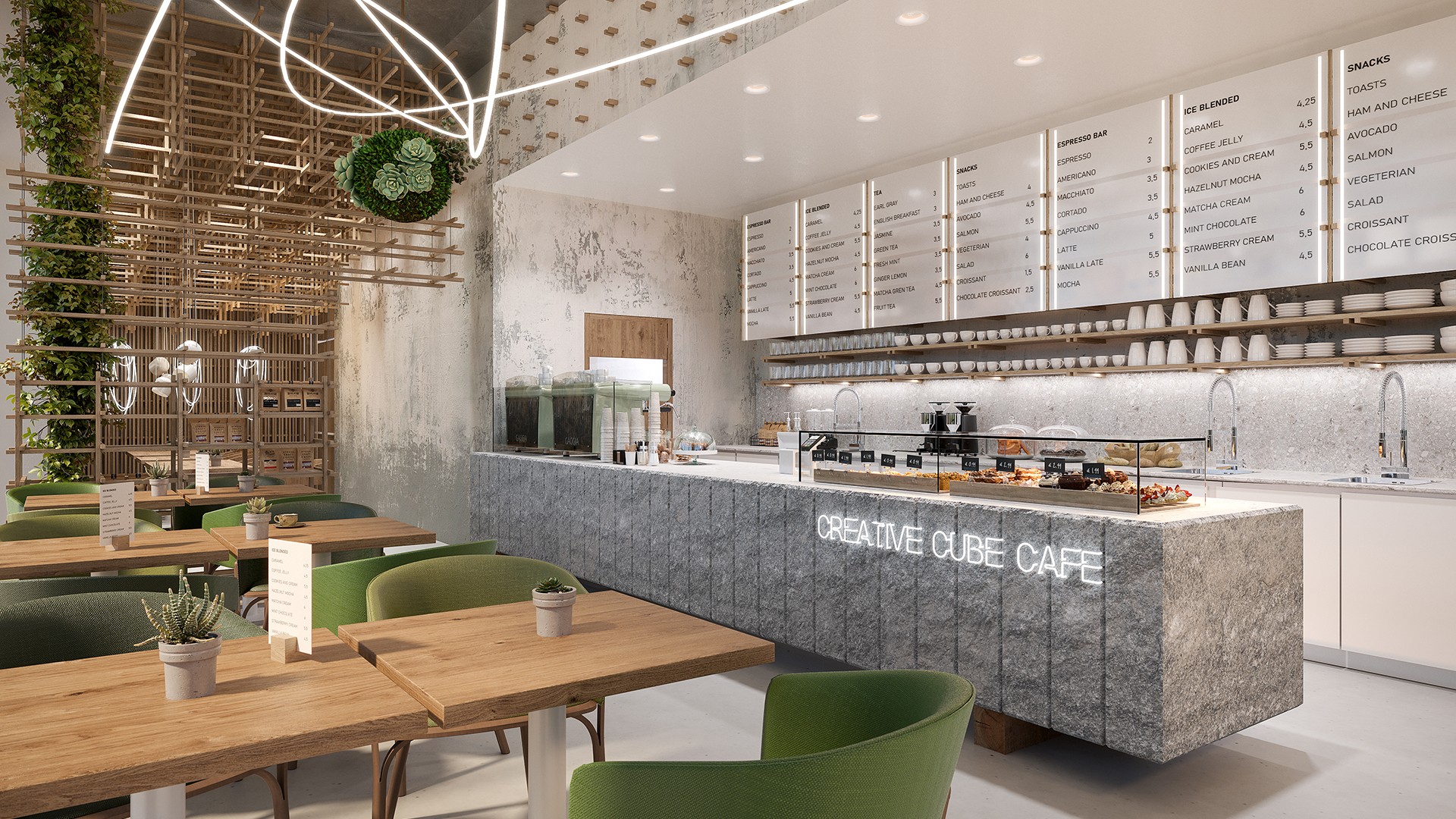
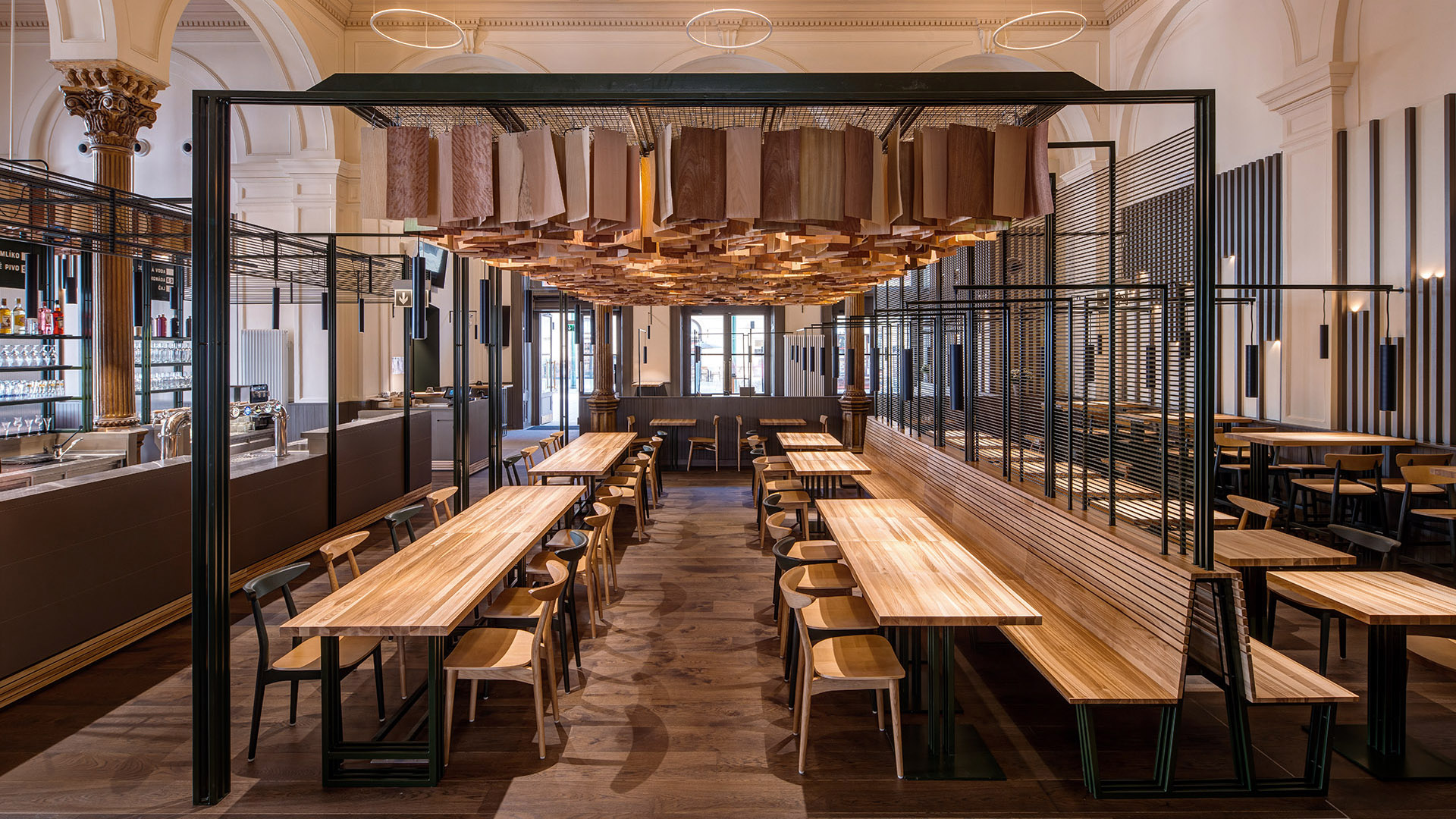
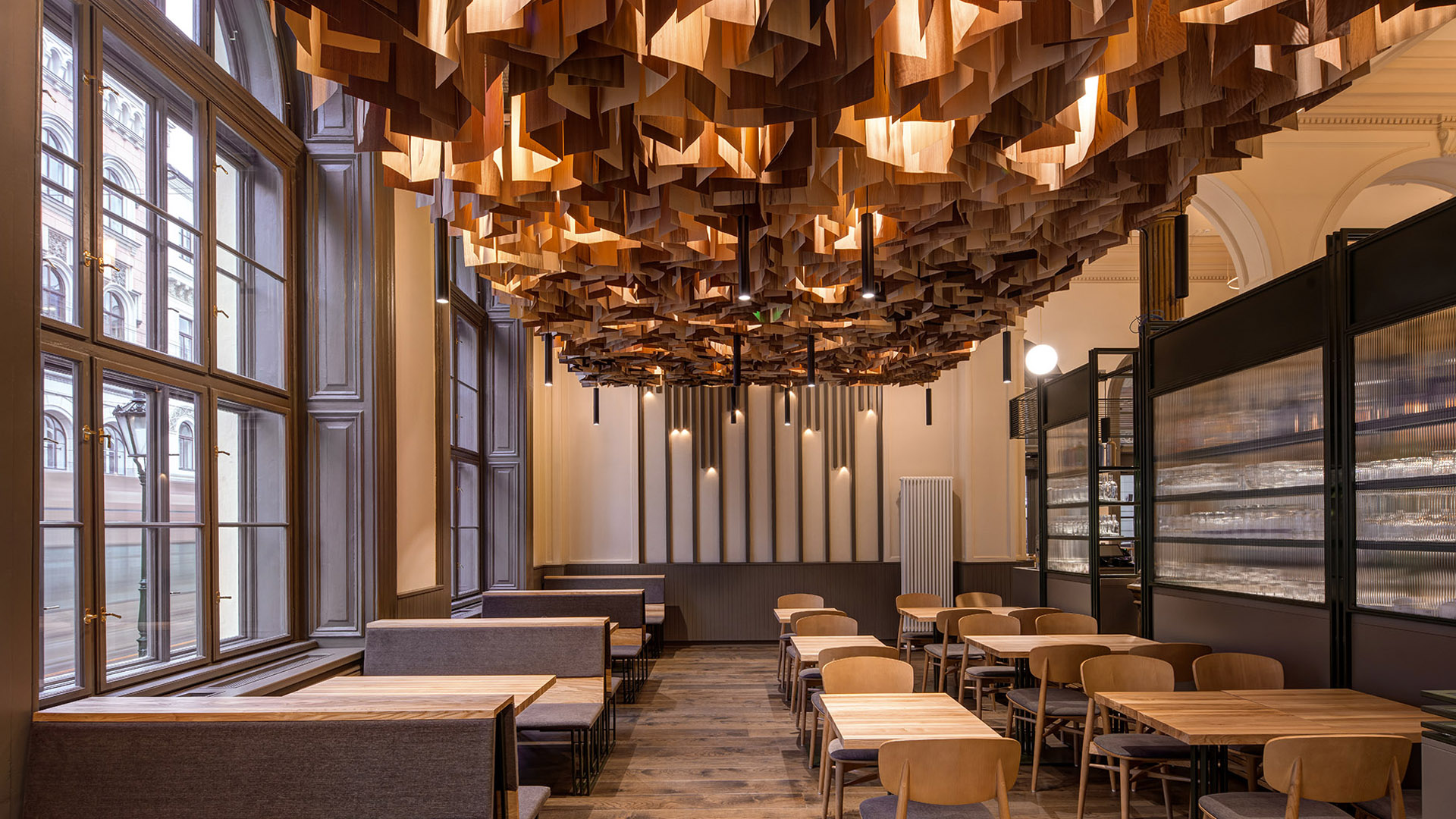
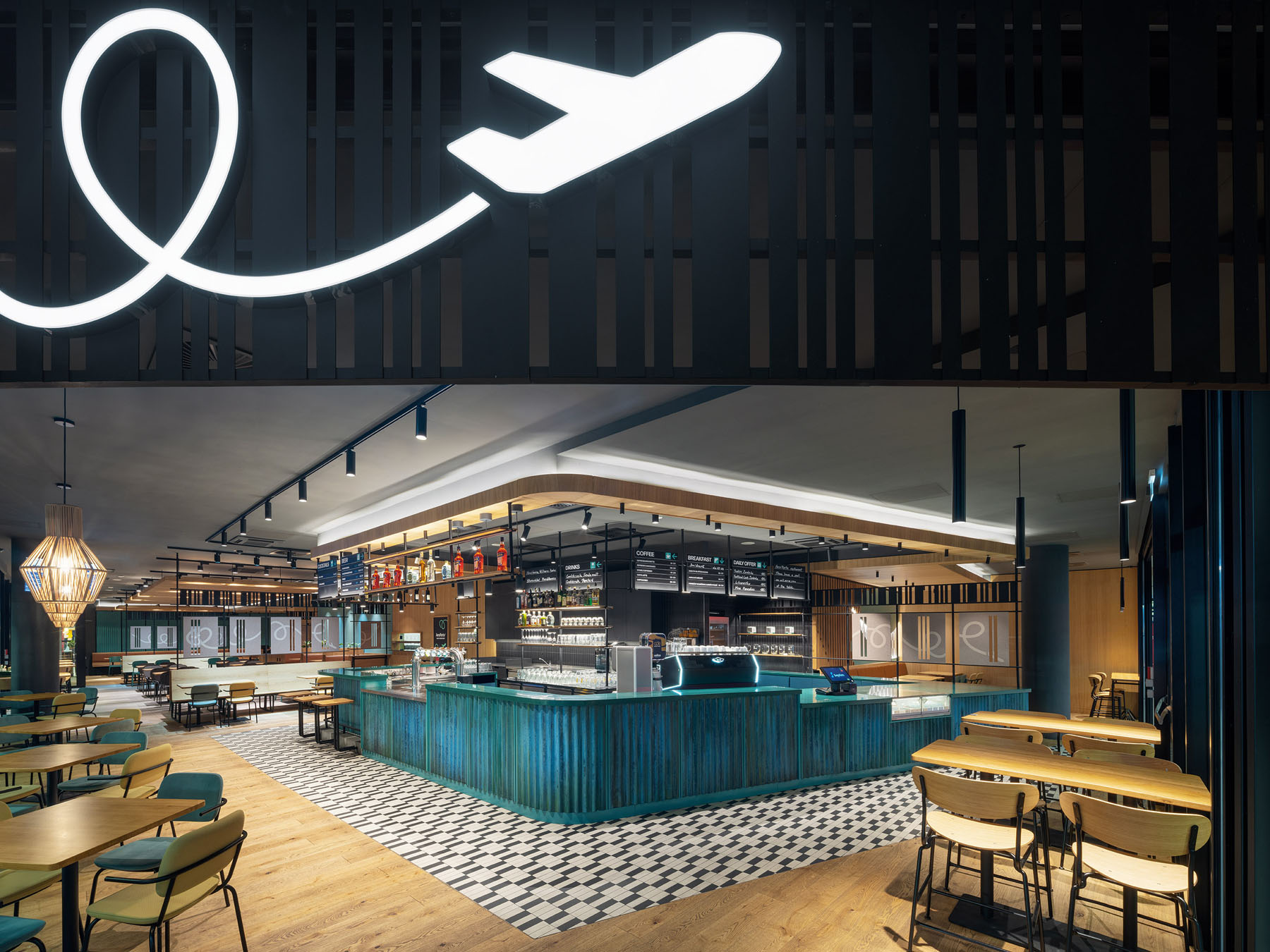
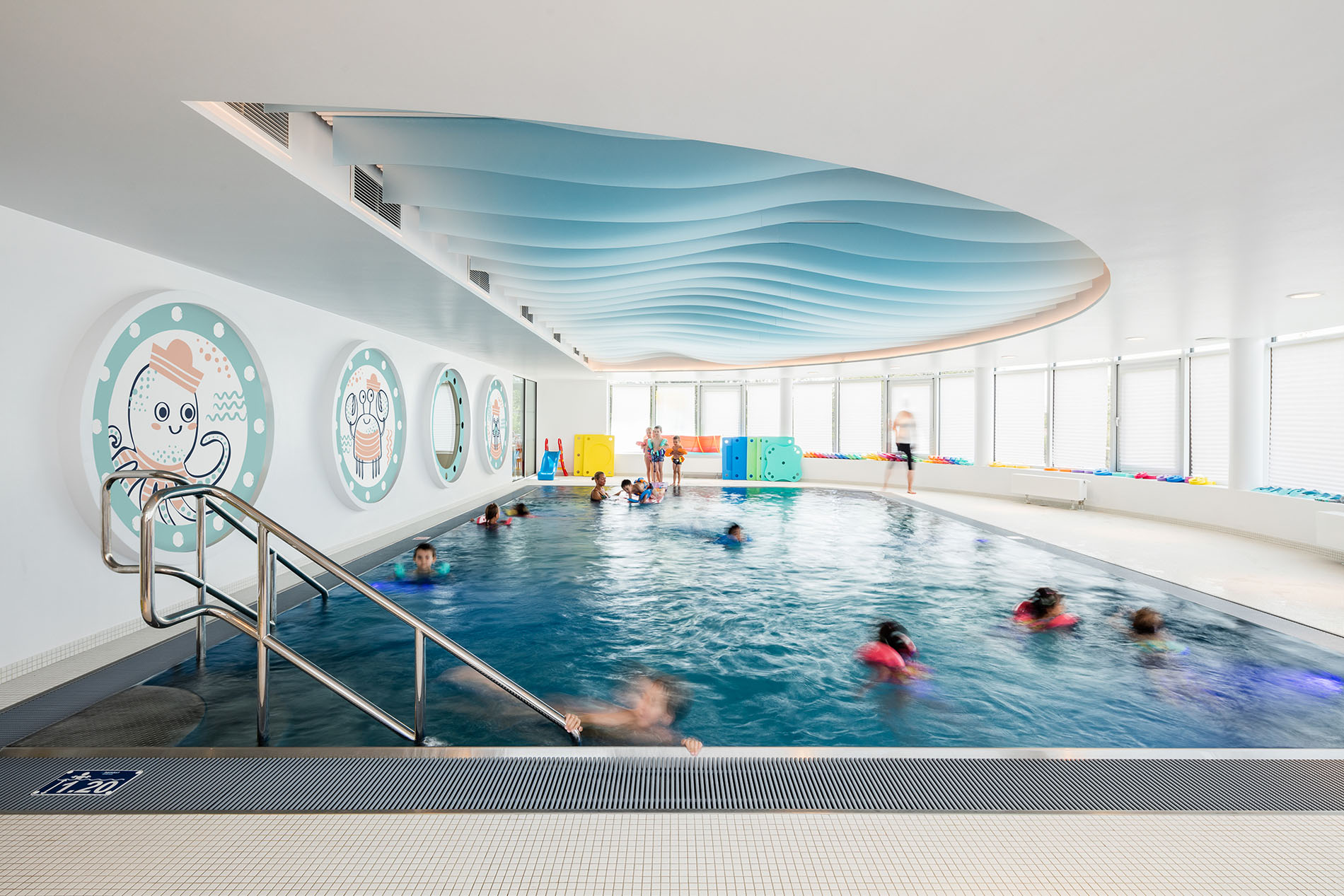
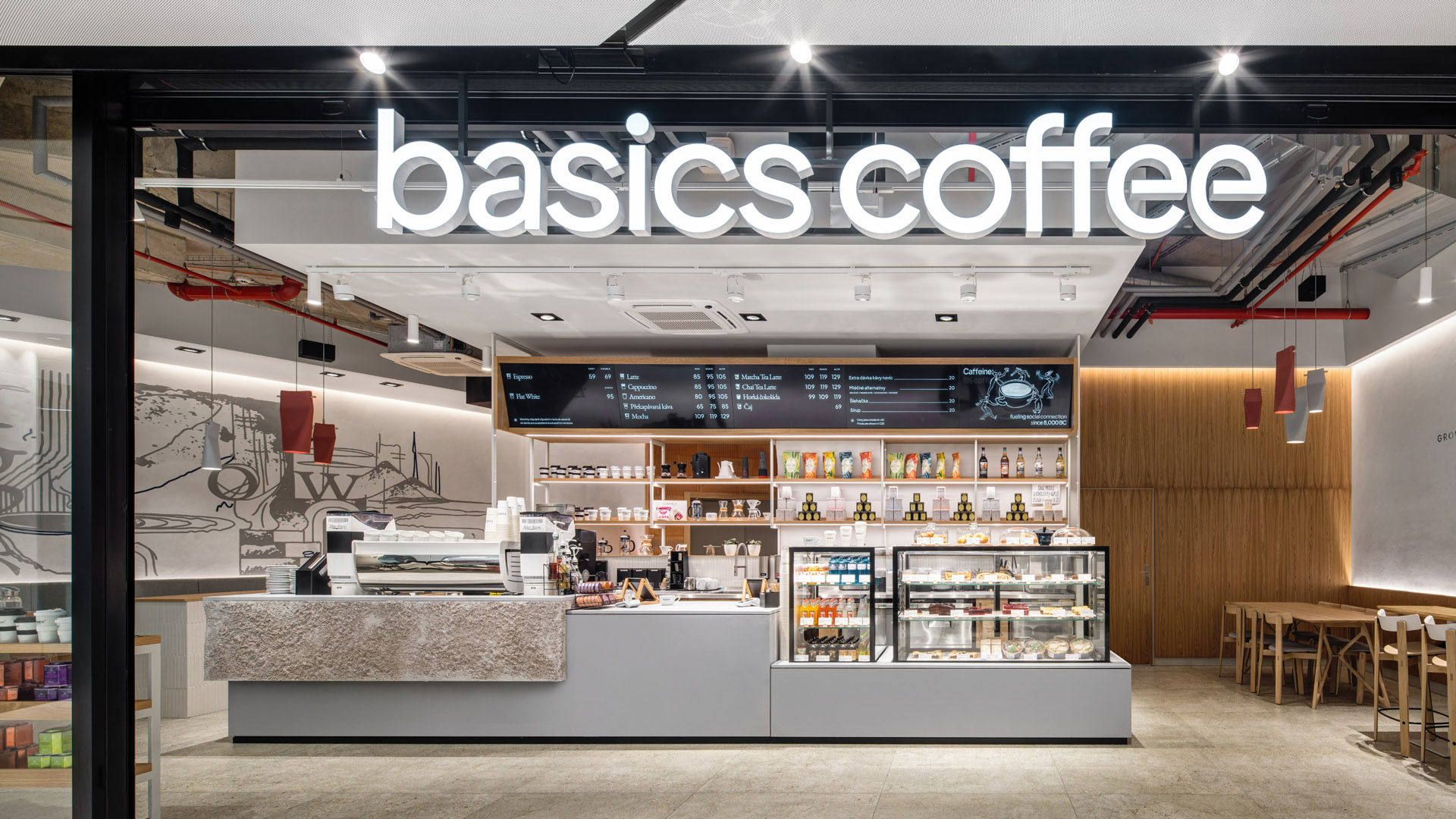
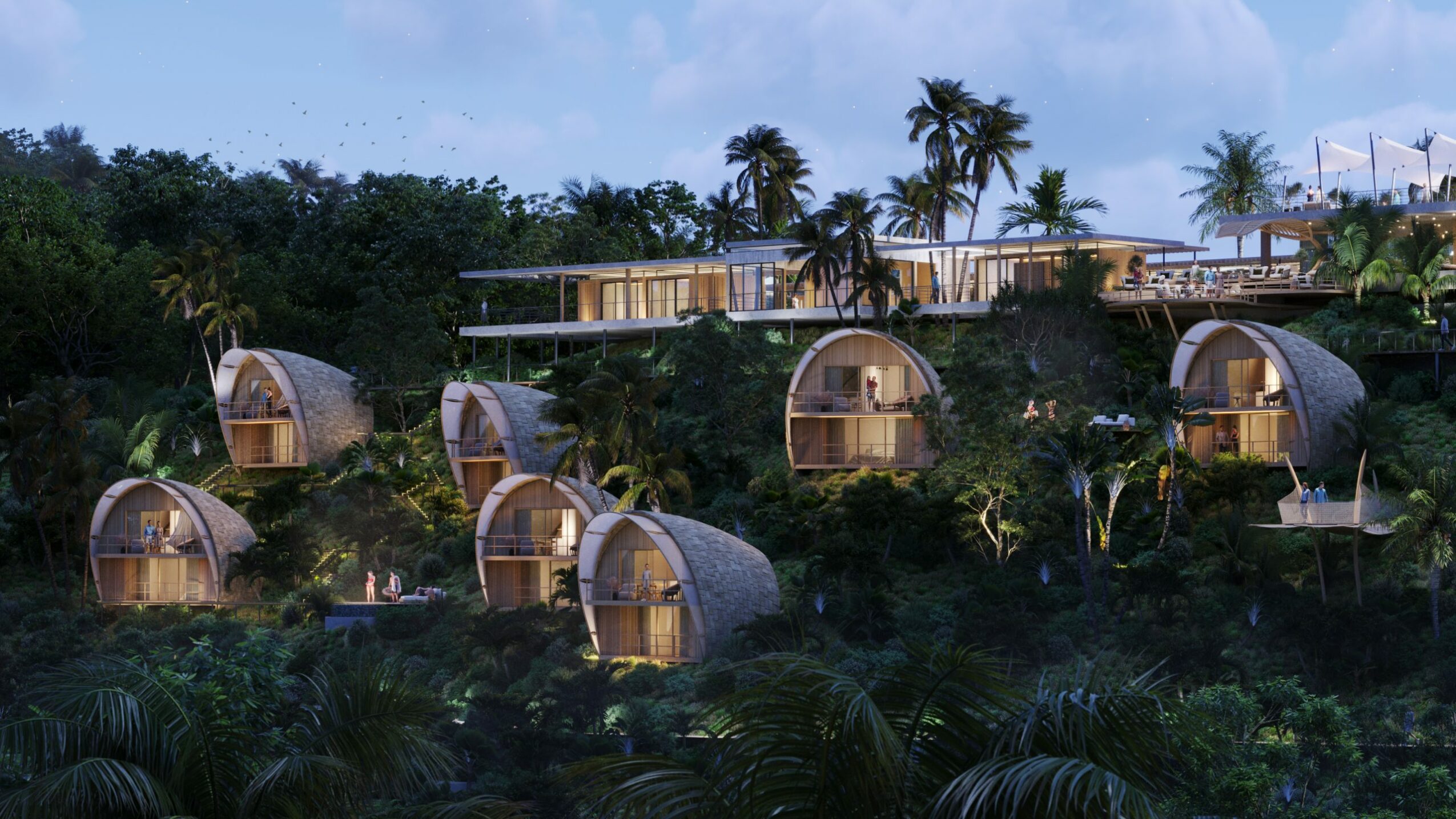
Image Credits
Tomas Dittrich
Popular
-

Portraits of the Valley
-

LA’s Most Inspiring Stories
-

Rick Norris Learned That Building a Successful Business Means Building a Life You Actually Want to Live
-
How Olivia Rush Turned Survival Into a Mission to Help Others Keep Going
-

How Bibi Goldstein Is Helping Entrepreneurs Reclaim Their Time by Embracing the Power of Delegation
-

Victoria Hasson is Redefining Voice Coaching Through Community and Collaboration


