



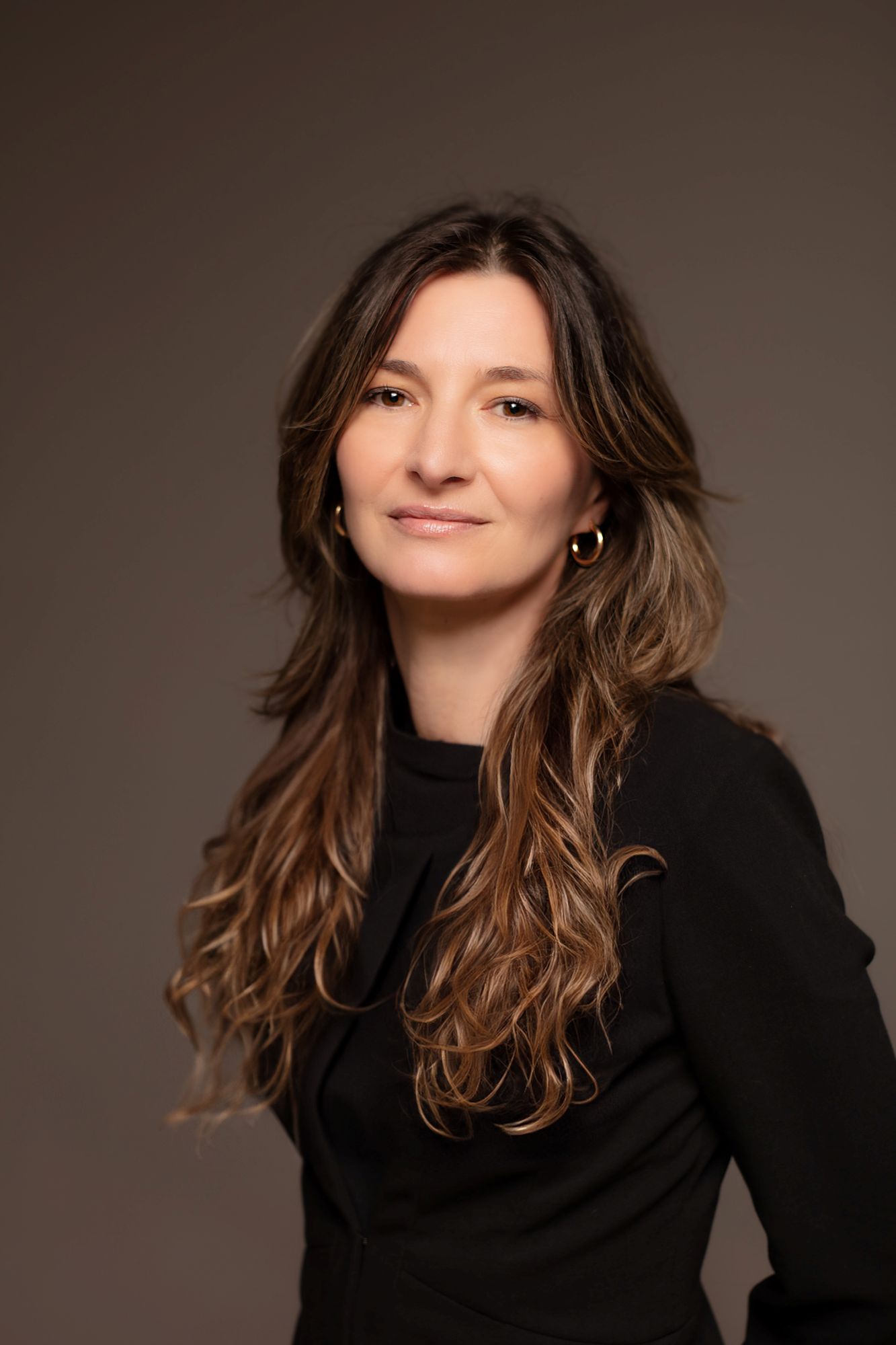
Today we’d like to introduce you to Andrea Csabai.
Hi Andrea, so excited to have you on the platform. So before we get into questions about your work-life, maybe you can bring our readers up to speed on your story and how you got to where you are today?
My story begins in Budapest, Hungary. I came to the US when I was 16, shortly after the Berlin wall fell. I went to high school in New Jersey, college in NYC, and in 2000, I decided to travel around the world for 6 months documenting cultures, and life. It was my first introduction to visual storytelling. It was incredible. I started working in the film industry in NYC, working on films, commercials, TV, my favorite, Law & Order: CI. During the hiatus, I worked in Ibiza, Spain, documenting Manumission, one of the largest club promoters that time. I loved my life. Then 9/11 happened and everything changed.
My that-time-boyfriend and I decided to sell all our possessions, buy a van, and drive cross-county to Southern California. A brief stay in Laguna Beach, we moved to LA. That was over 20 year ago. A lot happened. I got married, had a child, divorced, made mistakes but also amazing friends along the way.
It’s challenging to be the head of household as a woman living in LA and still be present to raise a child. Somewhere along the way, I realized I couldn’t do it all, at least, not in the way I once imagined. So I made a choice to move into producing media and documentaries designed to help people learn. It was a compromise that turned out to be a transformation.
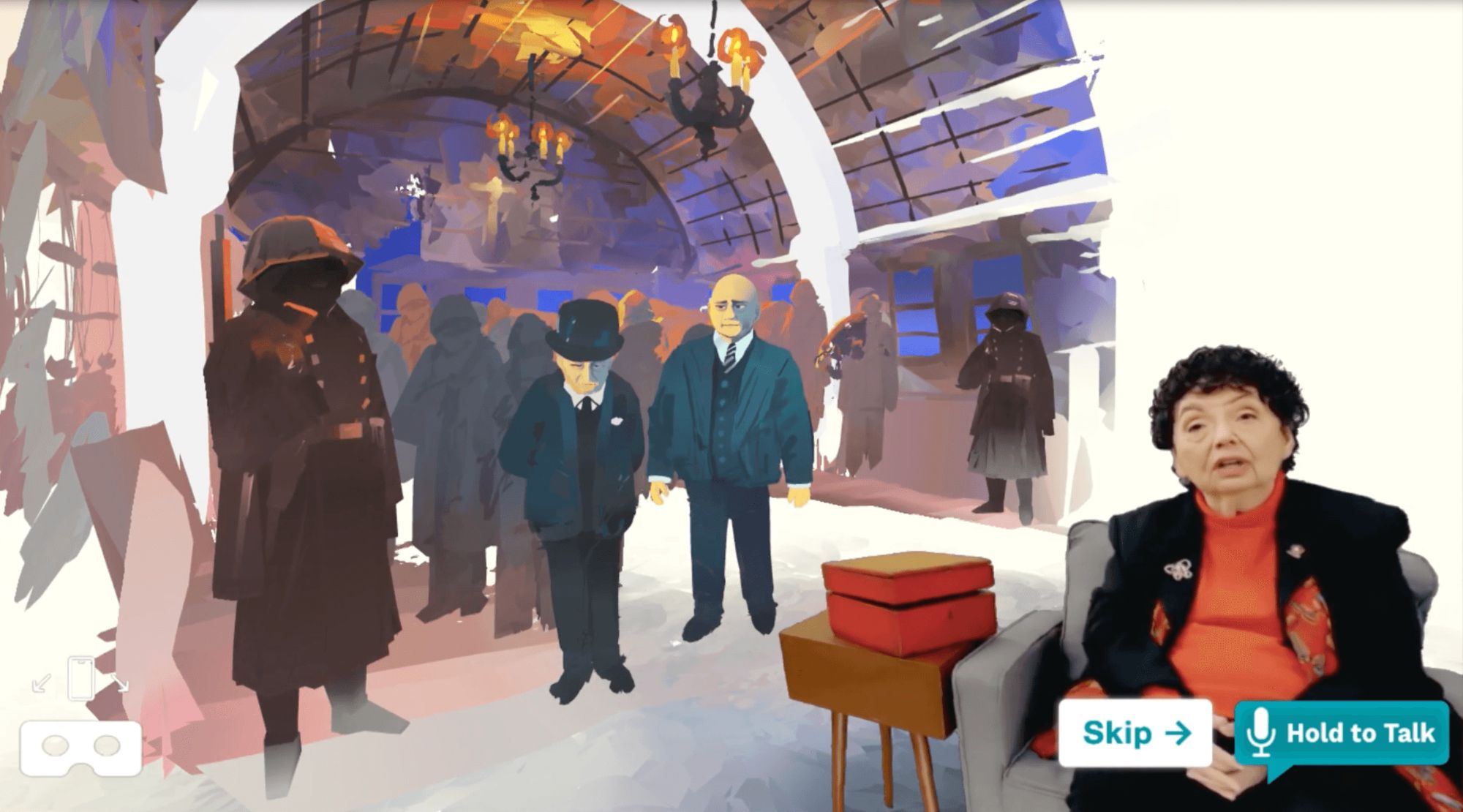
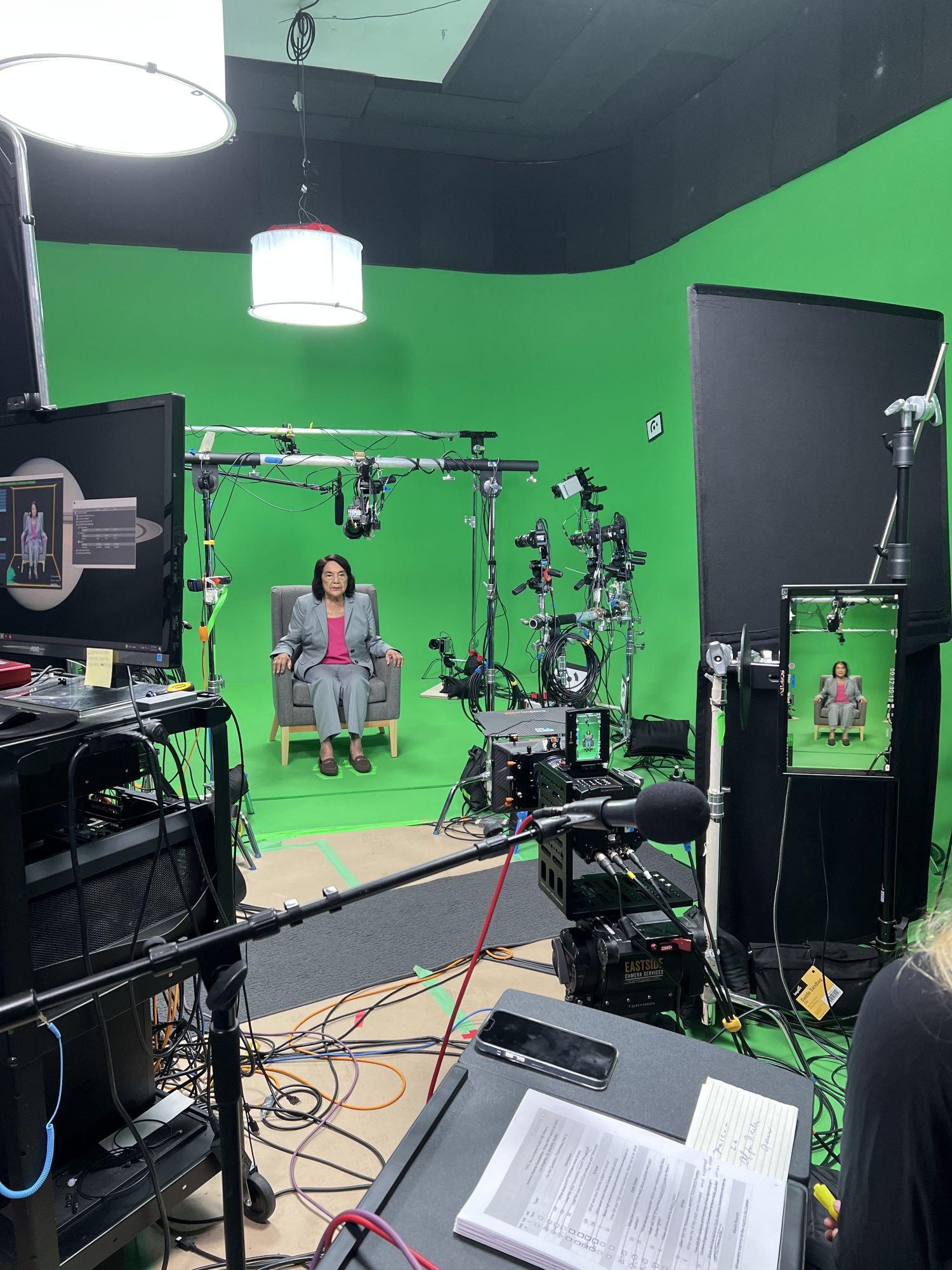
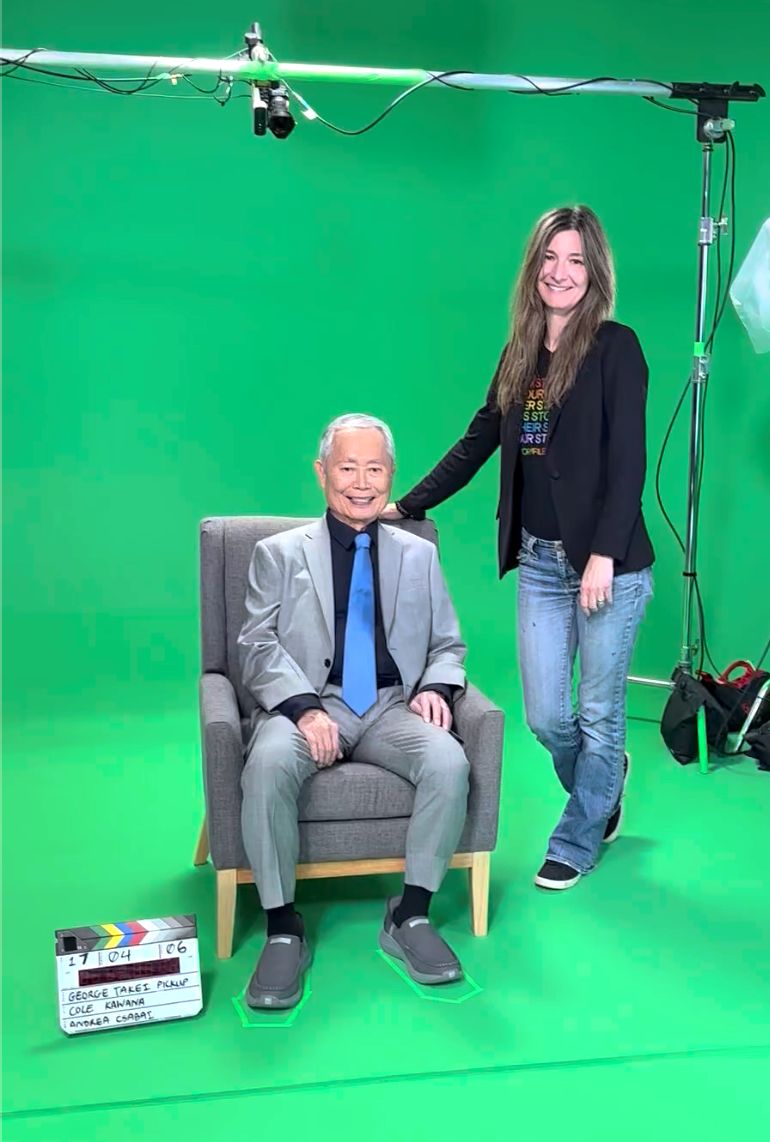
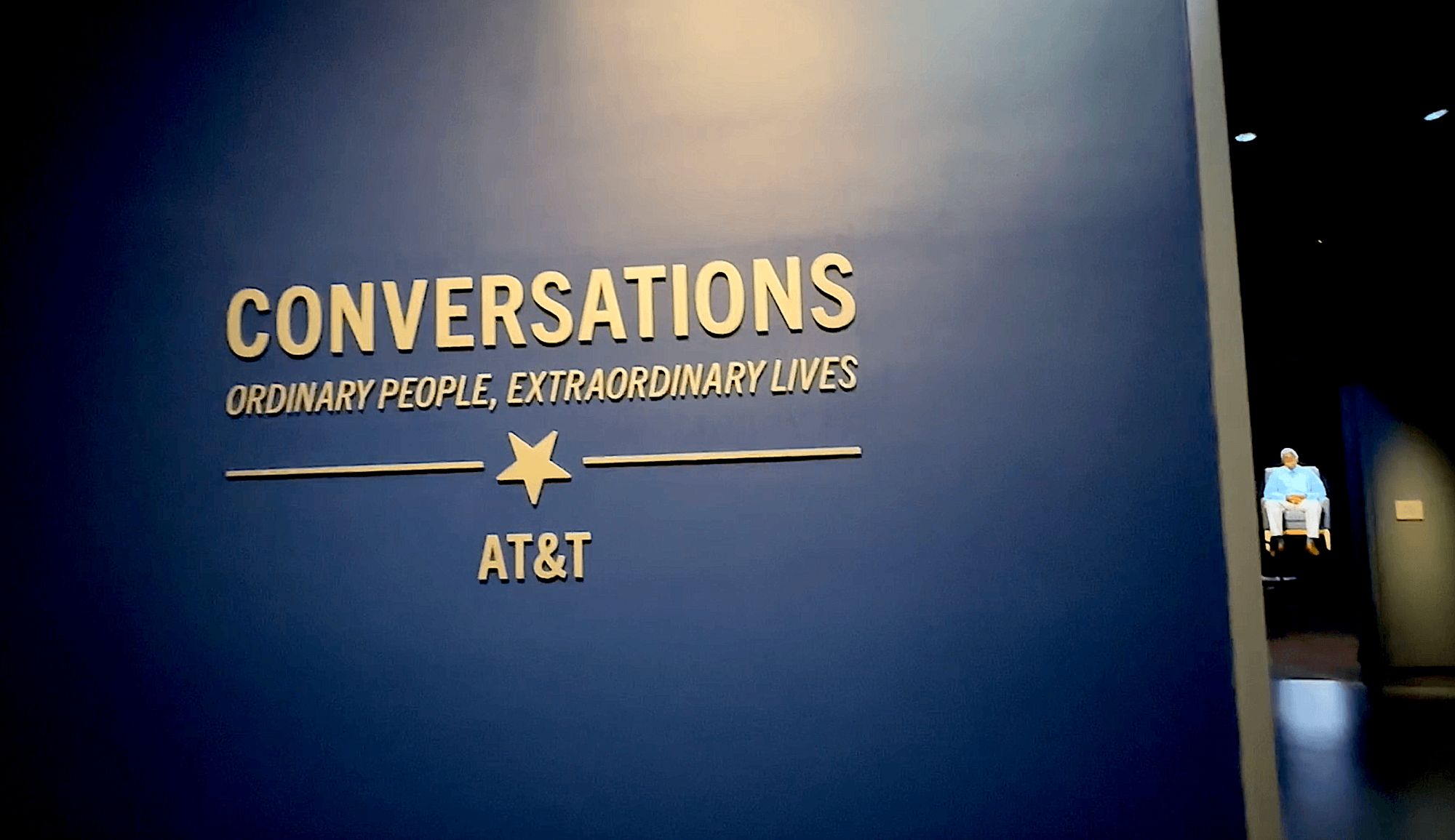
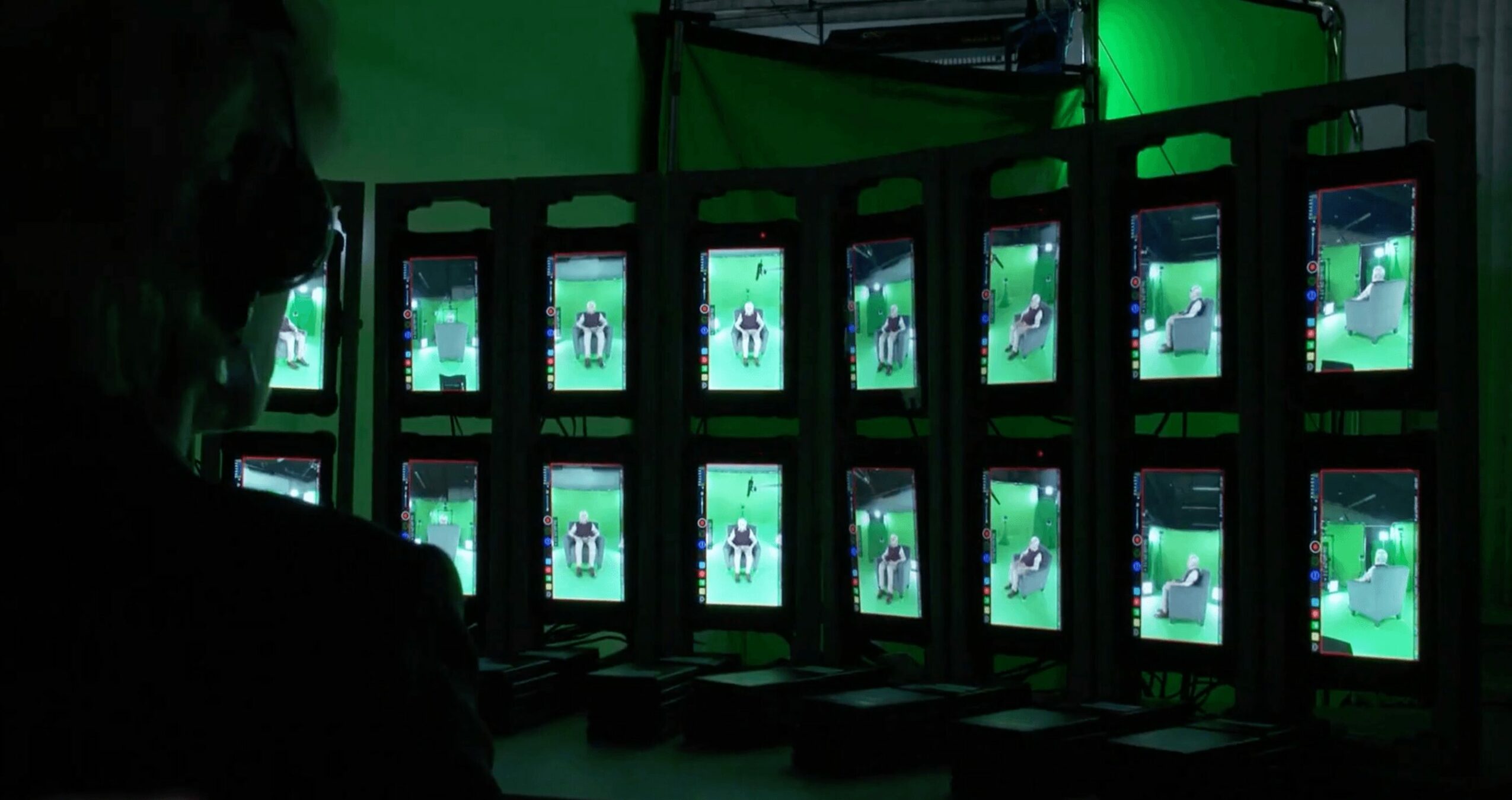
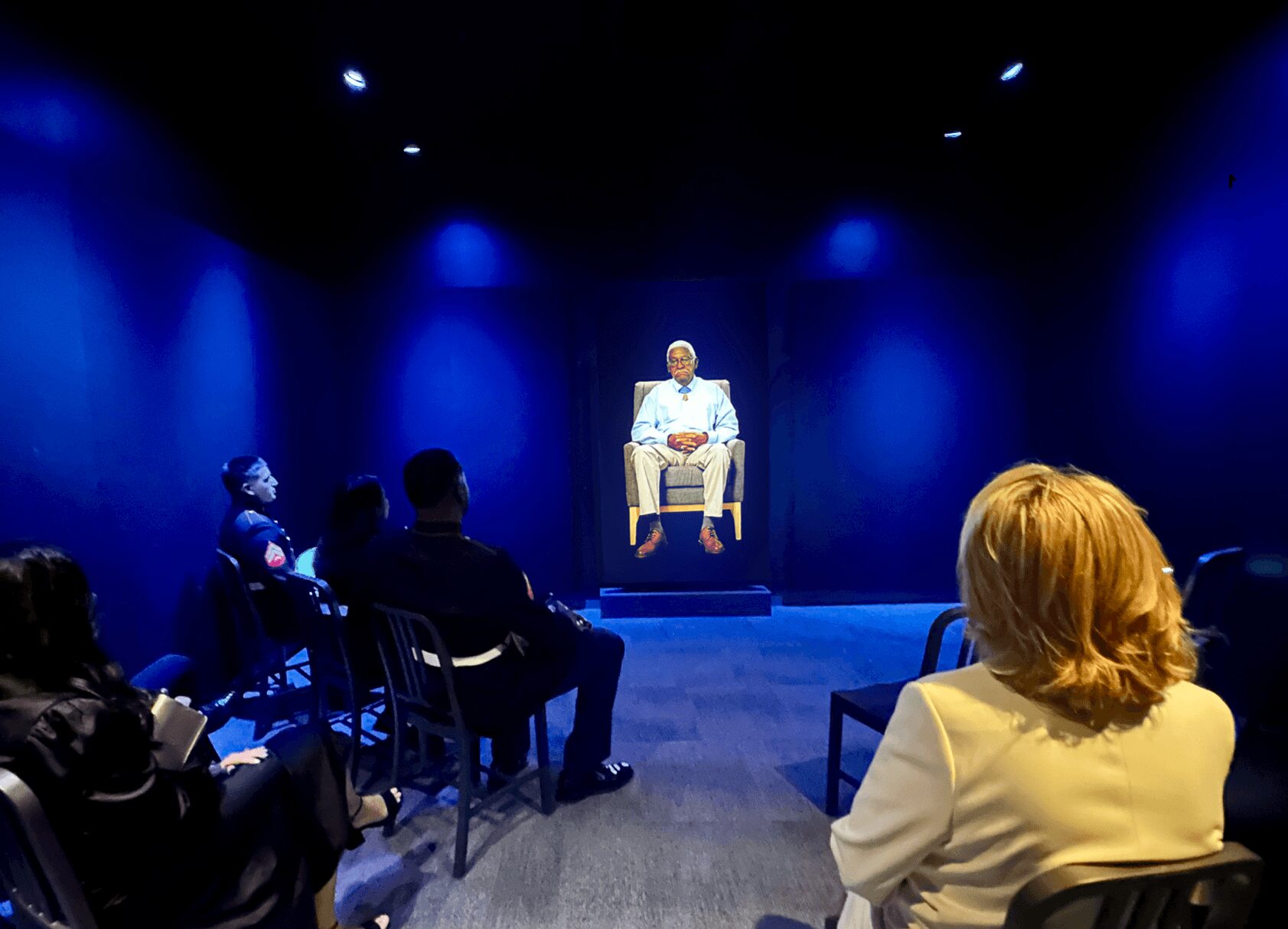
Working alongside brilliant minds at universities, I discovered a different kind of storytelling, one rooted in truth, empathy, and curiosity. That’s also how I stumbled into the world of AI, back in 2015, when it was still this mysterious, almost fringe area of tech. I joined USC Shoah Foundation, founded by Steven Spielberg, where I helped develop interactive interviews that allowed people to have conversations with Holocaust survivors. It was storytelling in its purest, allowing people to ask questions and receive answers, connecting generations through shared experiences. It was revolutionary and deeply human. Eventually, I moved to StoryFile where we opened this technology up to new kinds of human stories. Our work continues to center on authentic conversations with real people for museums and institutions while introducing generative elements to meet the needs of new audiences.
Now that AI has grown into this unpredictable force, staying grounded in truth, empathy, and real human stories is what guides me, both in my work and my life. The way I stay sane is through my decades long yoga and meditation practice, which I’m deeply grateful for. Becoming certified teacher in both has only deepened my connection, helping me stay centered, present, and open. As the world keeps changing, I just hope the stories we tell help us stay human.
Would you say it’s been a smooth road, and if not what are some of the biggest challenges you’ve faced along the way?
It’s been a rocky road. Moving to the US as a teen was the first big challenge, stepping into a strange new world and learning to adapt. Later, becoming a single mother, leaving a troubled marriage, and pivoting my career so I could be there for my child.
Can you tell our readers more about what you do and what you think sets you apart from others?
I’ve always been drawn to stories; the way they pull us in and reminds us who we are. That love of storytelling eventually led me into exploring new ways of capturing stories using technology. I work with interactive, immersive media and AI to create experiences that let people engage in real conversations with others, sometimes across generations and sometimes across history.
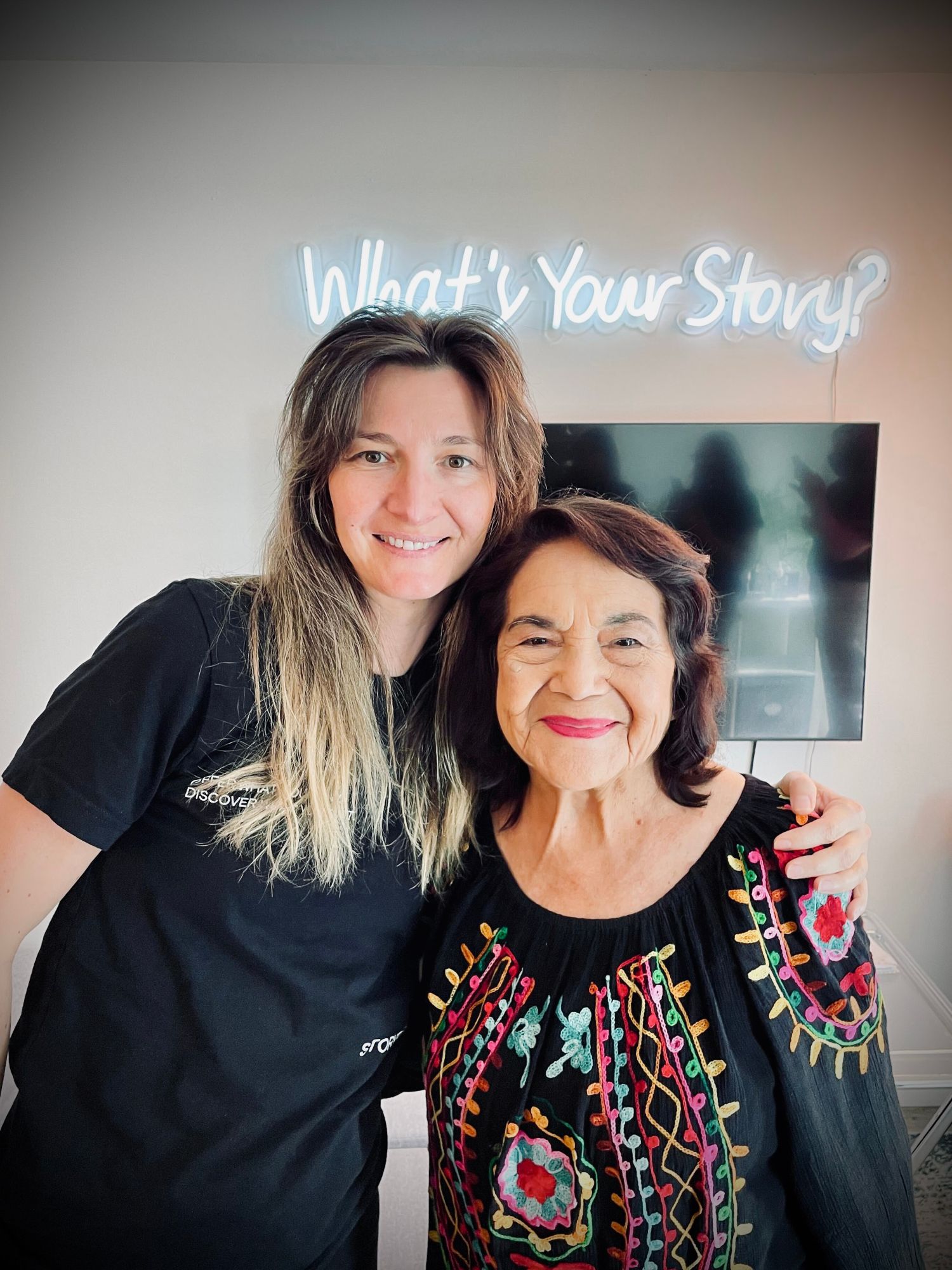
I began this work at USC Shoah Foundation, where I helped develop interactive interviews with Holocaust survivors. It was the kind of storytelling that required empathy, precision, and care. Later, I joined StoryFile to help expand the technology to capture new voices and experiences. I’ve sat with survivors, veterans, parents, billionaires, celebrities, healthcare workers and patients at the end of their lives. Each of them shaped the way I see the world, Their honesty, courage, and insight stay with me. If only one person is changed or inspired by their stories, that’s what matters, My goal has always been to keep storytelling authentic, even as the tools evolve. I don’t see technology as a substitute for people but as a bridge between them.
Is there any advice you’d like to share with our readers who might just be starting out?
Go for it. Follow your passion and if you don’t know what it is yet, say yes to the opportunities that present themselves and try it on. Best lesson I learned is to use fear as a sign to move towards it with courage and to step outside my comfort zone. Courage is like any muscle; it’s strengthen by use.
Contact Info:
Popular
-

What is something outside of work that is bringing you joy lately?
-

Local Highlighter Series
-
What did suffering teach you that success never could?
-
What are you most proud of building — that nobody sees?
-

Who were you before the world told you who you had to be?
-

If you could say one kind thing to your younger self, what would it be?


