




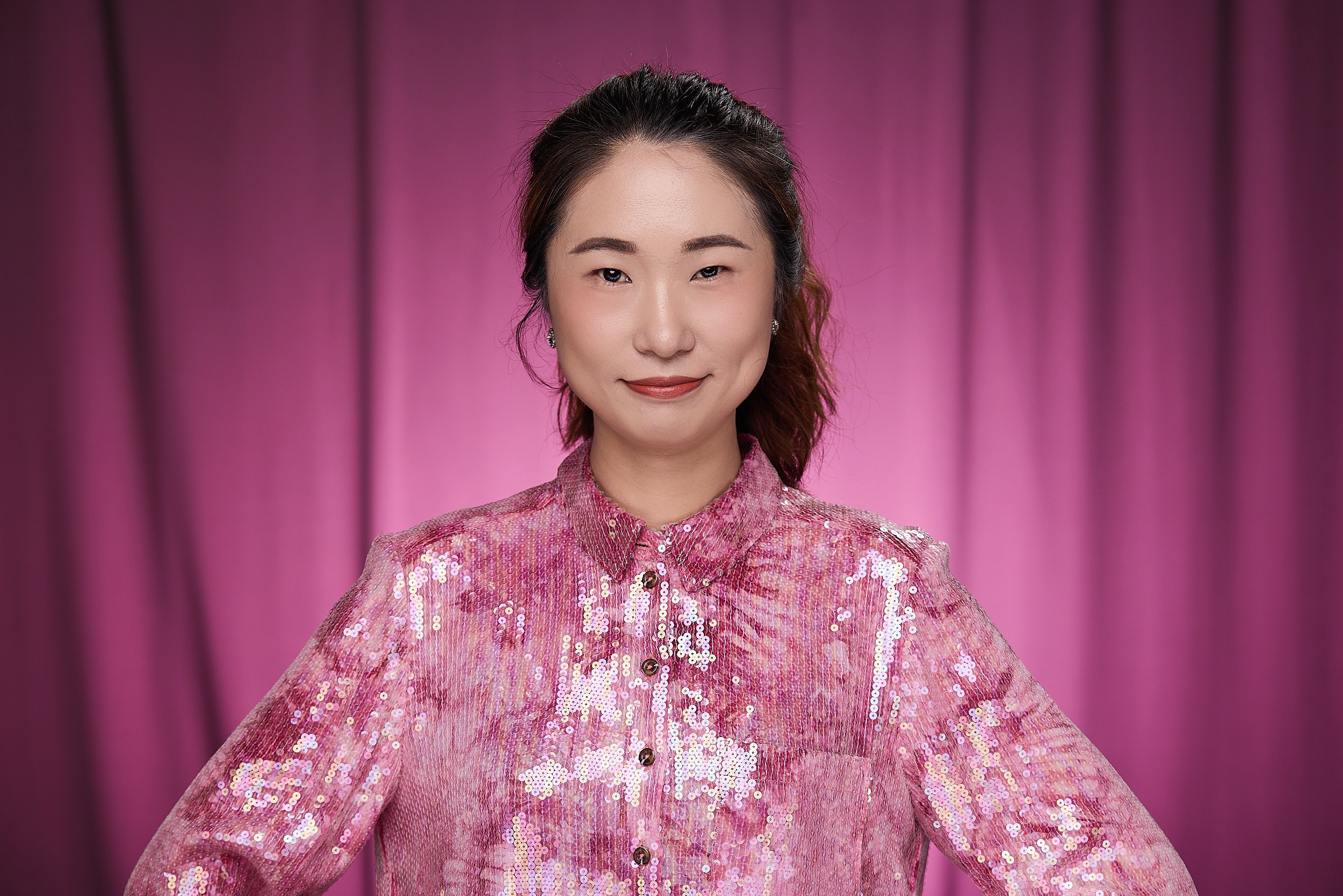
We’re looking forward to introducing you to Xiaonan Hu. Check out our conversation below.
Xiaonan, it’s always a pleasure to learn from you and your journey. Let’s start with a bit of a warmup: What makes you lose track of time—and find yourself again?
I enjoy immersing myself in playing the piano, sometimes losing track of time. I took piano lessons for a short while when I was a kid, but not for long. During the pandemic, I was living in Beijing and feeling quite bored, and on a whim, I bought an electric piano. I often switch energies by playing the piano late at night after long scriptwriting sessions. I enjoy the feeling of my fingers freely dancing on the keys. I think playing the piano is sort of a “kung fu” for the fingers that requires around-the-clock practice to achieve a certain level of performance. I moved to the United States 3 years ago and shipped this electric piano here as well. It’s still in my apartment. Perhaps it would have been more convenient to buy an electric piano here, but I seem to be a person who is nostalgic and feel as though this piano is like a precious sword in the hands of a “swordsman,” filled with a sense of mutual appreciation. (Unfortunately, I am not a highly skilled swordsman, just a beginner:))
Can you briefly introduce yourself and share what makes you or your brand unique?
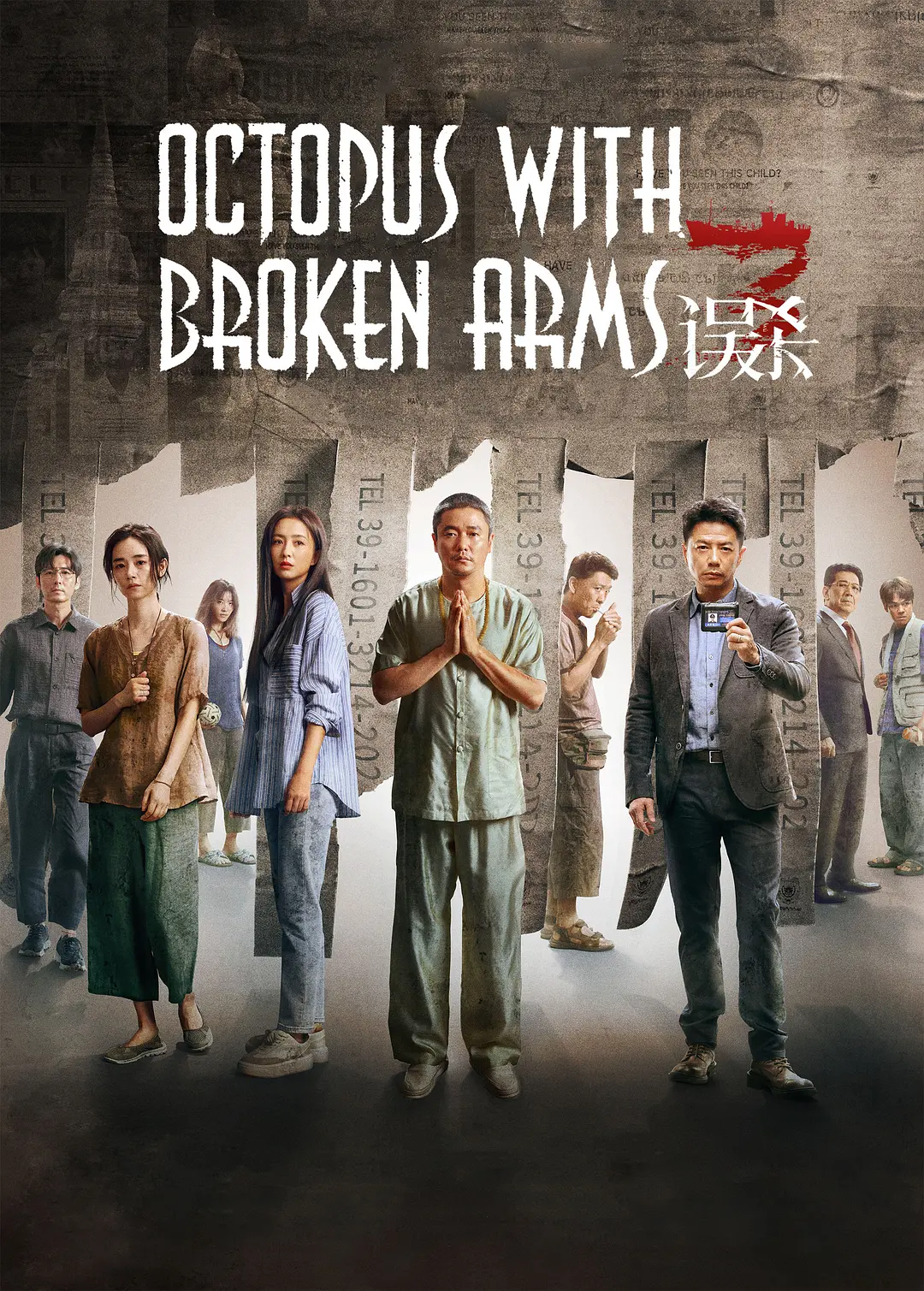
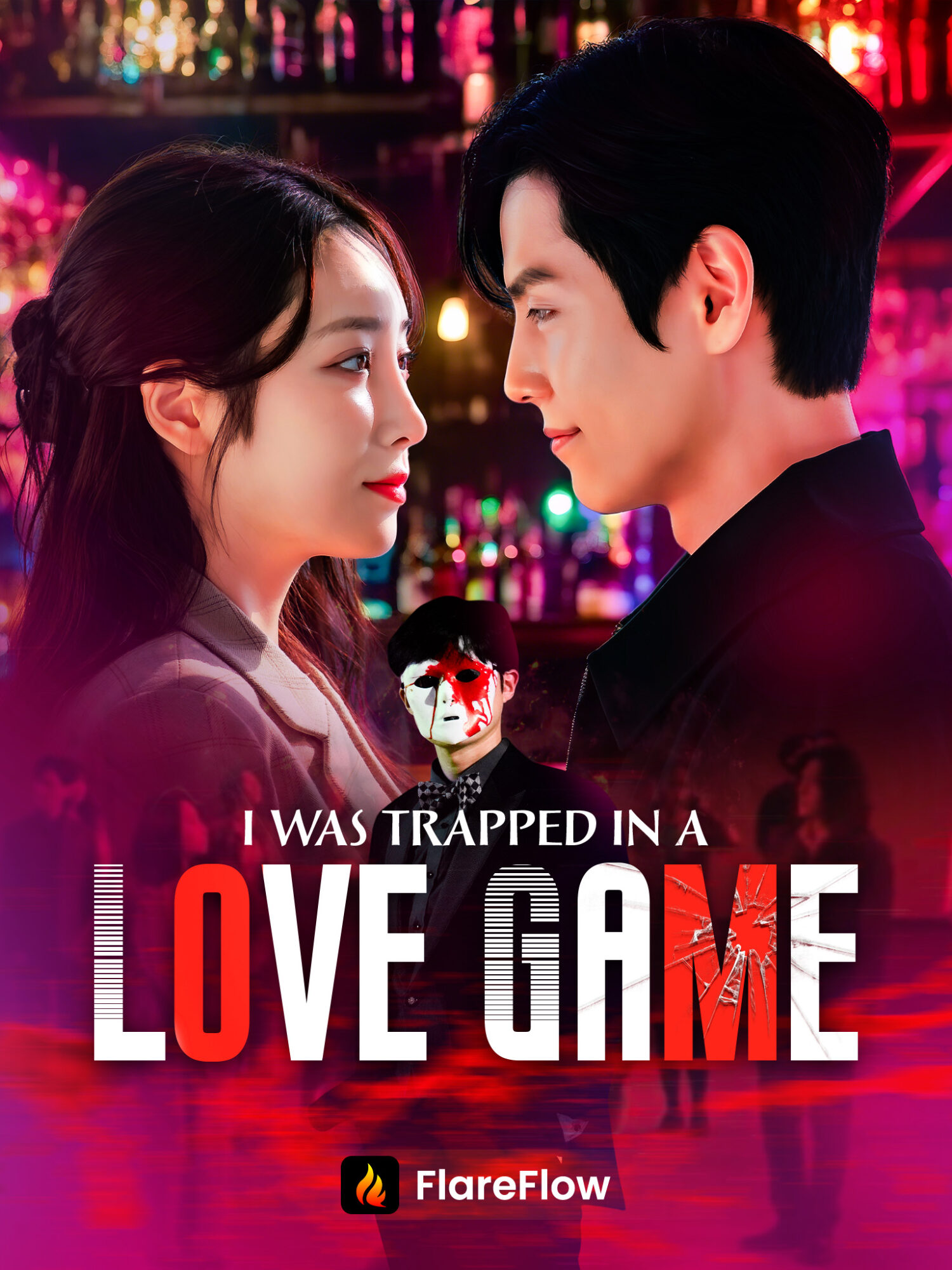
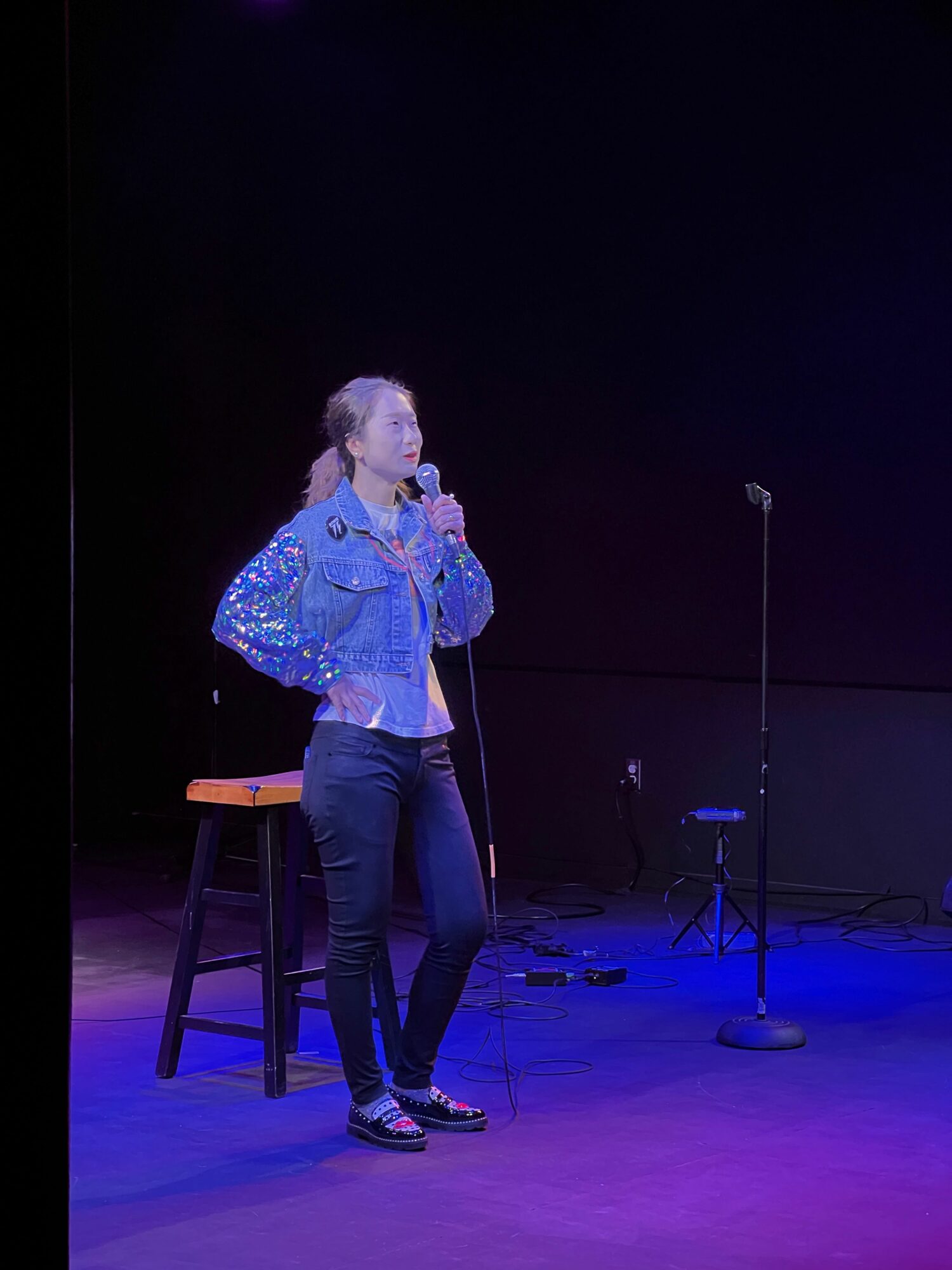
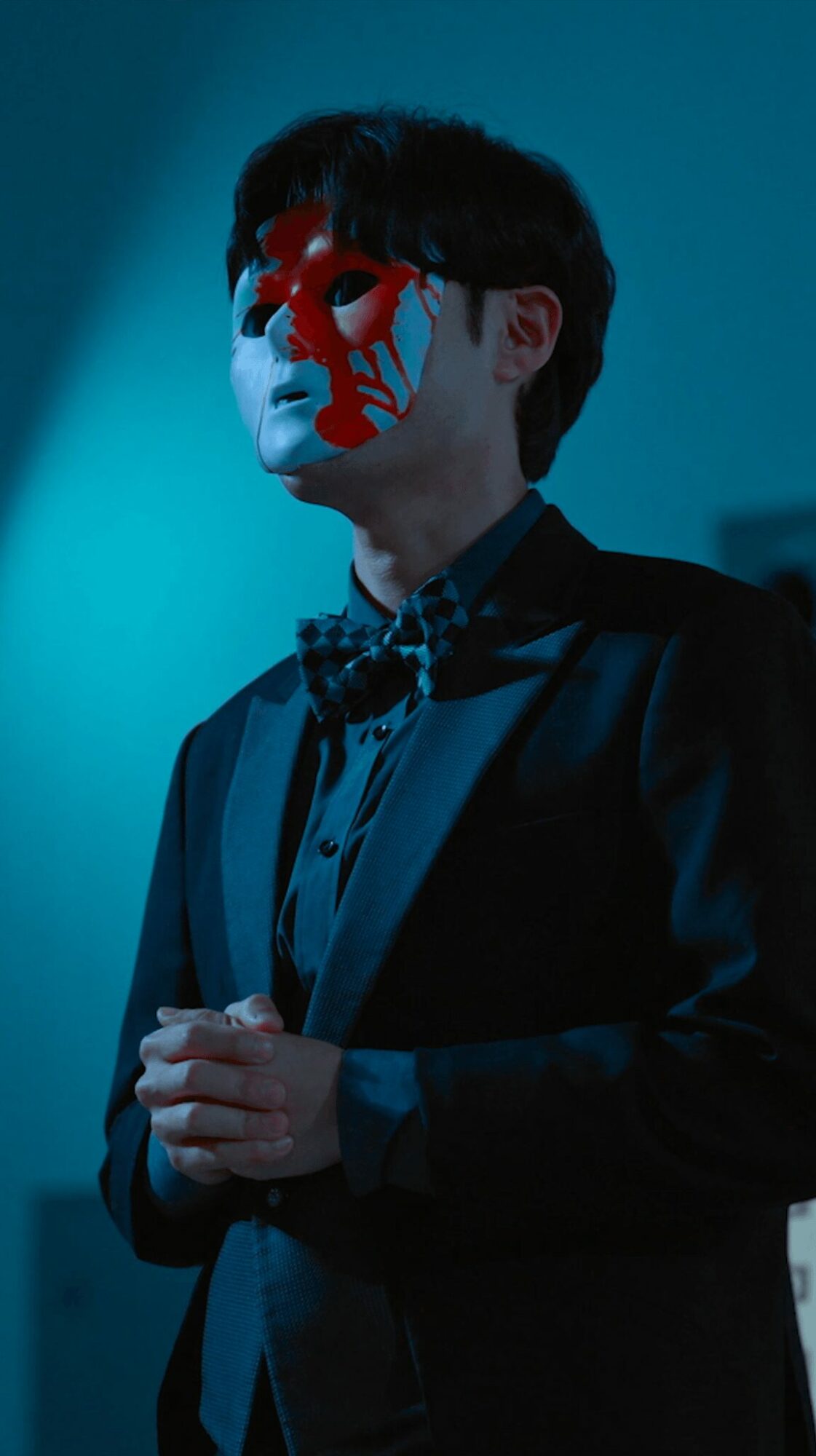
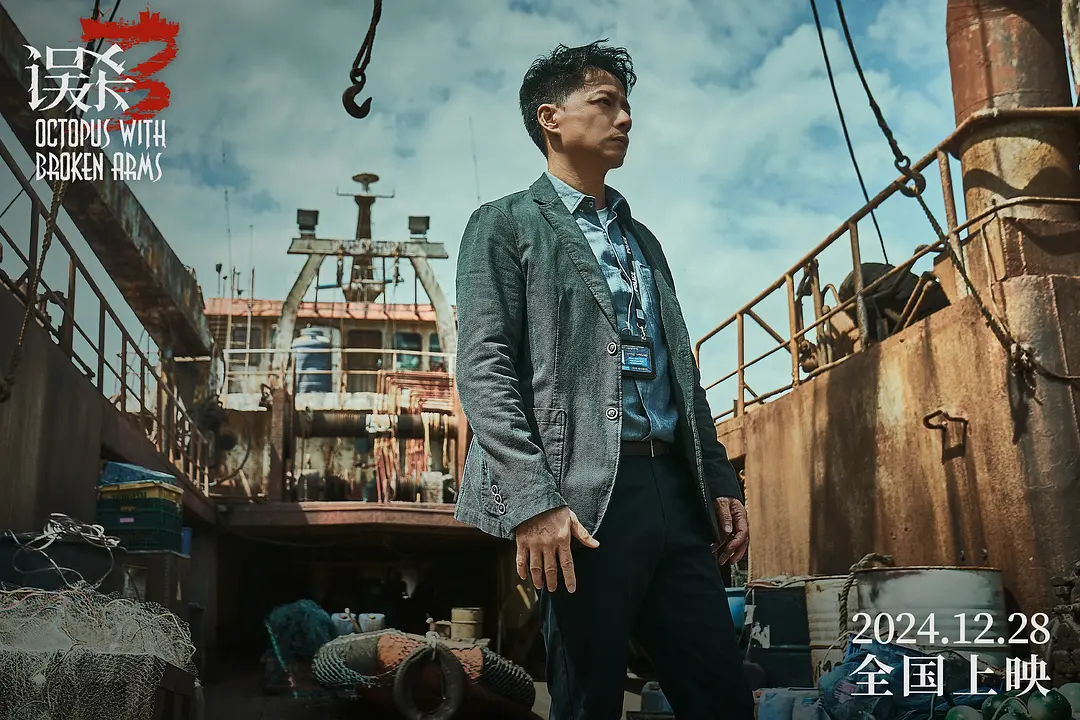
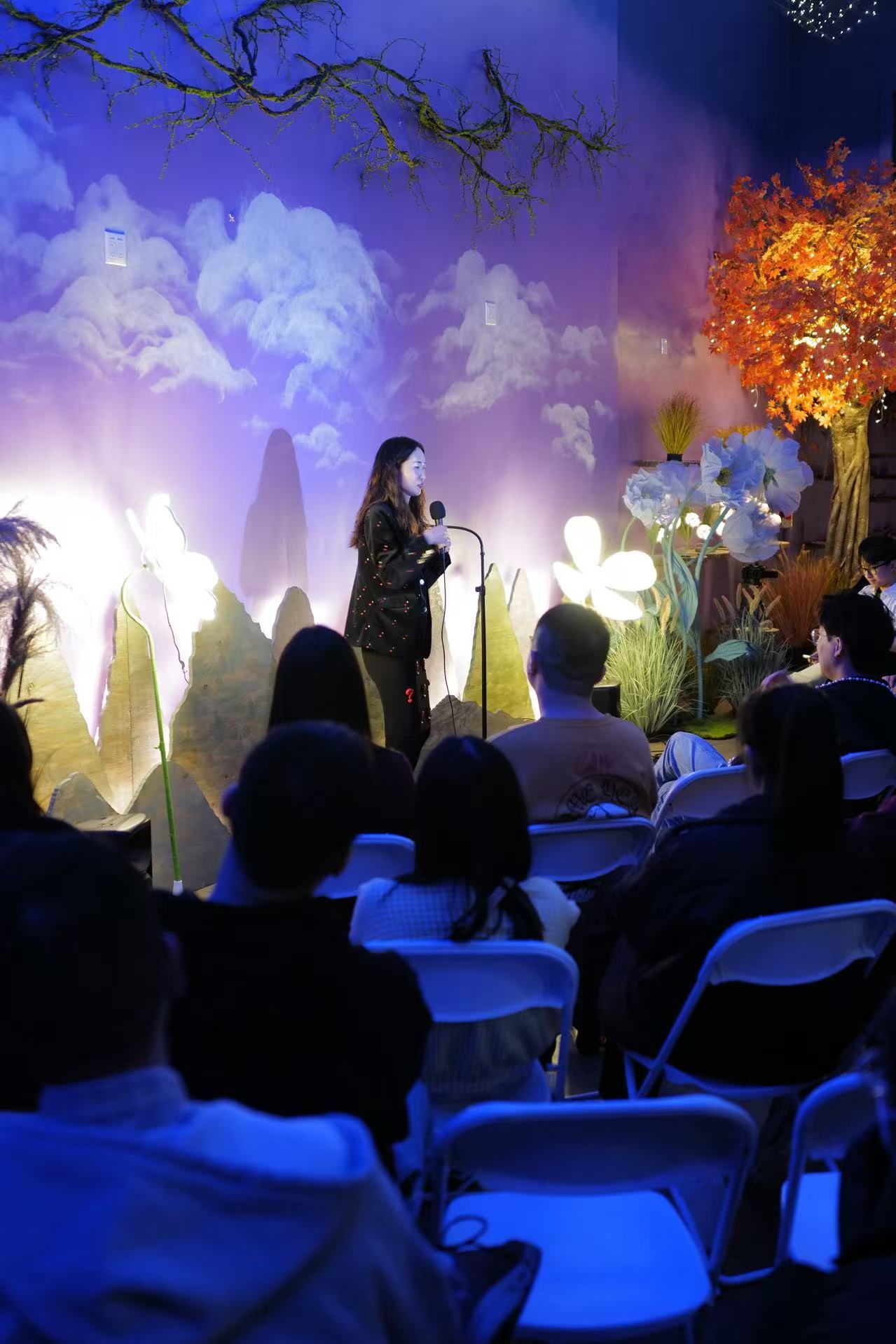
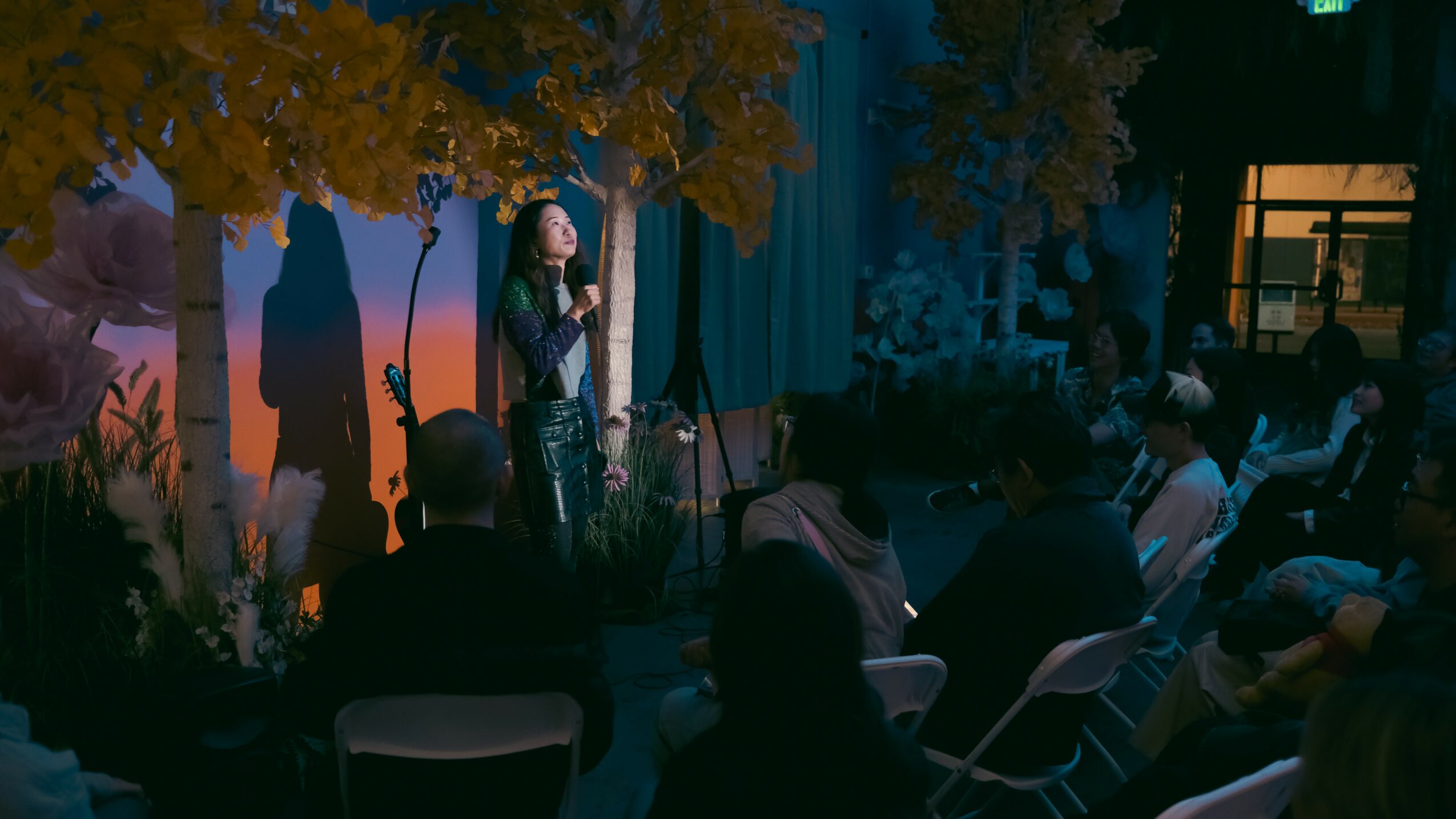
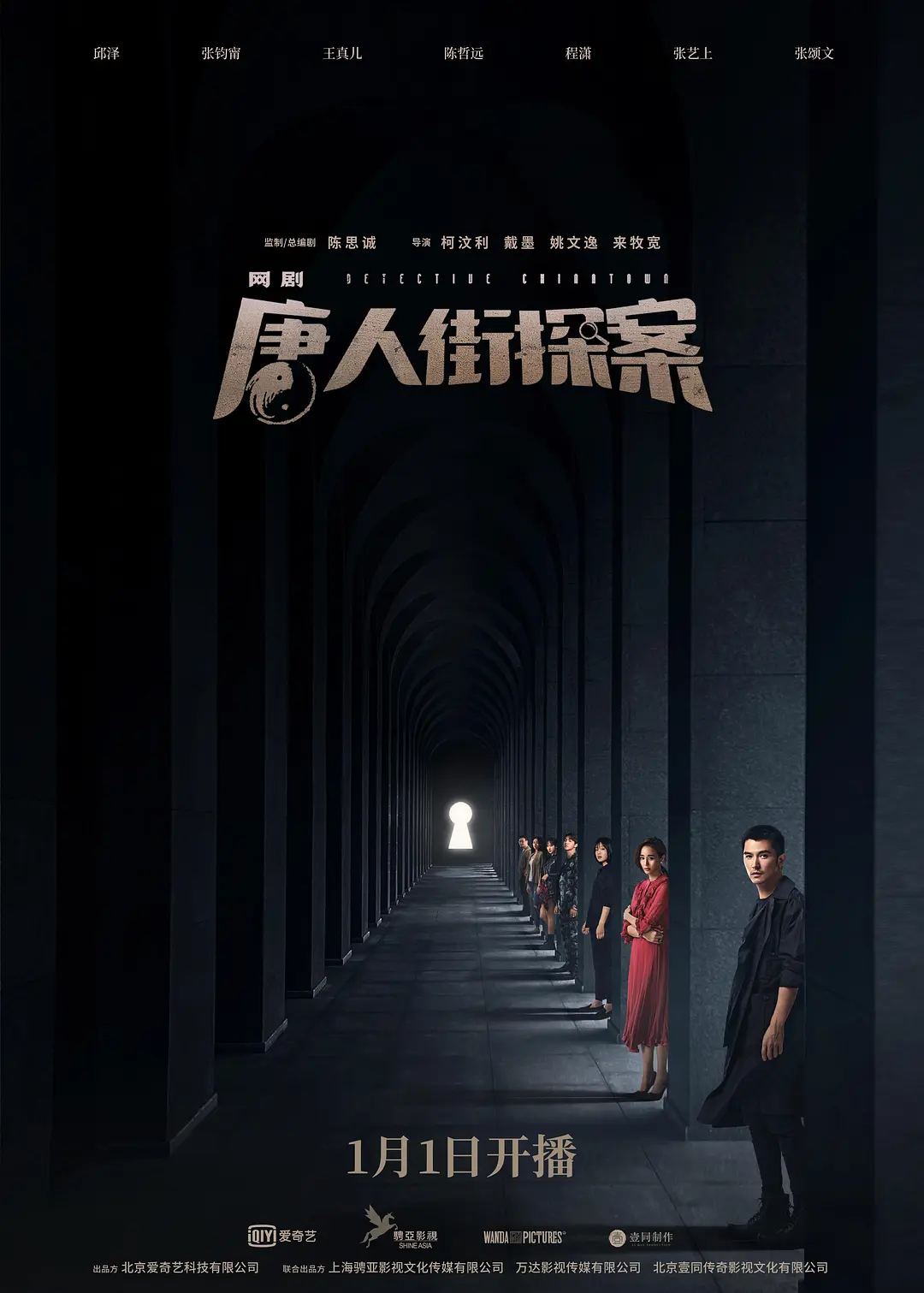
I am a screenwriter from China, now working in the United States, and also a stand-up comedian. Before coming to the United States, I worked in China’s film and television industry for ten years. A unique aspect about me is that I was initially a film journalist. I reported on the Venice and Berlin film festivals, conducted exclusive interviews with some big directors and film stars in Hollywood and China, and wrote many in-depth film reviews. I remember when I was doing my master’s degree at the Chinese University of Hong Kong, a teacher and renowned cultural scholar, Lawrence Kwok-ling Pun, once said that literary critics and novelists are two completely different professions, and it’s rare for a literary critic to excel at writing novels. Sometimes I feel there’s a similar gap between film critics and screenwriters, but there are also many filmmakers like Godard and Truffaut who have transitioned from film critics to great directors. As a film critic, perhaps one of my advantages in turning to a screenwriter is that I have a better understanding of what the audience and film critics think of a movie. At the same time, I often need to make an effort to break away from rational thinking and strive to conceive my stories from an artist’s perspective. I wrote the script of the Chinese web drama “Detective Chinatown”. In December of last year, the movie “Octopus with Broken Arms” for which I wrote the script was released in China and grossed 930 million RMB at the box office. This Chinese movie was also screened in North America. I am now writing scripts for many vertical short dramas in the United States. A script I wrote last year called “I was Trapped in a Love Game” was filmed in Korea in April this year and has already premiered on the short drama platform Flare Flow.
Great, so let’s dive into your journey a bit more. What’s a moment that really shaped how you see the world?
My perspective was fundamentally shaped when I discovered the philosophical works of Arthur Schopenhauer in high school. Being of a somewhat melancholic and sensitive nature myself, I was strongly drawn to his pessimistic philosophy. However, the surprising result was not a descent into despair. Instead, Schopenhauer’s bleak worldview helped me contextualize and accept the inherent struggles of life. By fully acknowledging the darkness, I found a more resilient and clear-eyed reason to seek out light and meaning. In essence, his pessimism became the foundation for my own form of positive resilience.
When did you stop hiding your pain and start using it as power?
My mother passed away seven years ago, which was a very difficult time for me. At that time, I was transitioning from publicity to screenwriting, facing a new professional track, and my scripts were not well written at the beginning. This was my first experience with the death of a loved one, and I went through a period of complete darkness. My mother’s death prompted me to think more about life, death, and existence. These thoughts later permeated my scriptwriting, and my scriptwriting skills gradually matured. As I began to emerge from this dark period, I realized that as long as I held on, the pain and shadows would eventually dissipate. I gradually became a mature screenwriter, and I believe my mother in heaven would be proud of me.
Next, maybe we can discuss some of your foundational philosophies and views? What’s a cultural value you protect at all costs?
The cultural value I swear to protect at all costs is absolute freedom in thought and creation. As a screenwriter, it can be difficult to create scripts entirely according to one’s own wishes. Sometimes we face political censorship, and sometimes commercial considerations. Absolute freedom may not exist, but every time I reach a crossroads, I can’t help but ask myself: Is this what I really want to express deep down inside? If not, how can I approach as closely as possible to what I really want to express? Uncompromising loyalty to one’s inner truth – it’s the gold standard that distinguishes “work” from “creation”.
Before we go, we’d love to hear your thoughts on some longer-run, legacy type questions. What is the story you hope people tell about you when you’re gone?
I hope it’s the story of a screenwriter who left her native language and homeland to start anew in the US in pursuit of freedom, a screenwriter who incorporated her life experiences into her work, and wrote many interesting and moving life stories throughout her life.
Contact Info:
- Website: https://www.imdb.com/name/nm8793889/
- Instagram: mformonica
- Linkedin: https://www.linkedin.com/in/xiaonan-hu-250b02252/
Popular
-

Portraits of the Valley
-

LA’s Most Inspiring Stories
-

Rick Norris Learned That Building a Successful Business Means Building a Life You Actually Want to Live
-

How Olivia Rush Turned Survival Into a Mission to Help Others Keep Going
-

How Bibi Goldstein Is Helping Entrepreneurs Reclaim Their Time by Embracing the Power of Delegation
-

Victoria Hasson is Redefining Voice Coaching Through Community and Collaboration


