




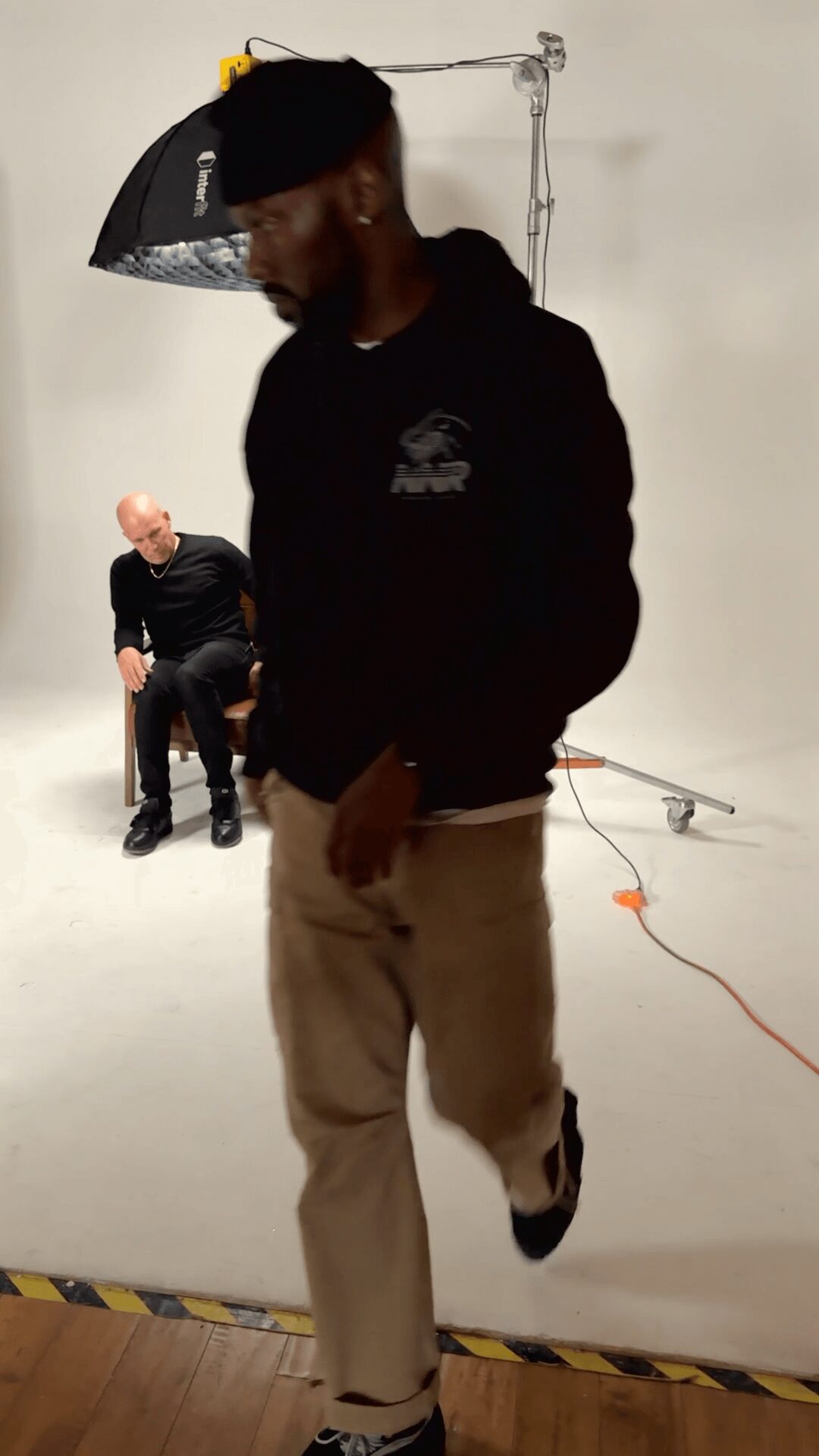
We recently had the chance to connect with Taylor Smith and have shared our conversation below.
Hi Taylor , thank you so much for joining us today. We’re thrilled to learn more about your journey, values and what you are currently working on. Let’s start with an ice breaker: What is something outside of work that is bringing you joy lately?
Honestly? What’s been bringing me the most joy lately is the luxury of doing absolutely nothing when I get home. As a full-time creative and small business owner, my entire day is built around decisions, ideas, direction, and constantly being “on.” My brain is in motion from the moment I wake up—solving problems, thinking about clients, thinking about my own brands, thinking about what’s next. So when I walk through my front door and I don’t have to talk to anyone, answer anything, or perform for anyone? That feels sacred.
My version of joy right now looks really simple: dim lights, a candle going, incense burning, some music playing in the background, and me just…sitting. No small talk. No notifications. No obligations for a few hours. Just letting my thoughts settle instead of constantly pulling more out of myself. A lot of people don’t understand how much mental bandwidth creatives burn through in a day—especially when you’re also the one running the business. You’re not just making things look good, you’re also carrying the strategy, the emails, the budgets, the future. That stillness at home is how I protect my sanity and my creativity.
Even if I can’t do it every night, any time I get those pockets of complete stillness, it feels like my nervous system finally exhale. That’s joy for me right now: the freedom to not be “on,” to sit in my own energy, refill my mind, and remember who I am outside of the work everyone sees.
Can you briefly introduce yourself and share what makes you or your brand unique?
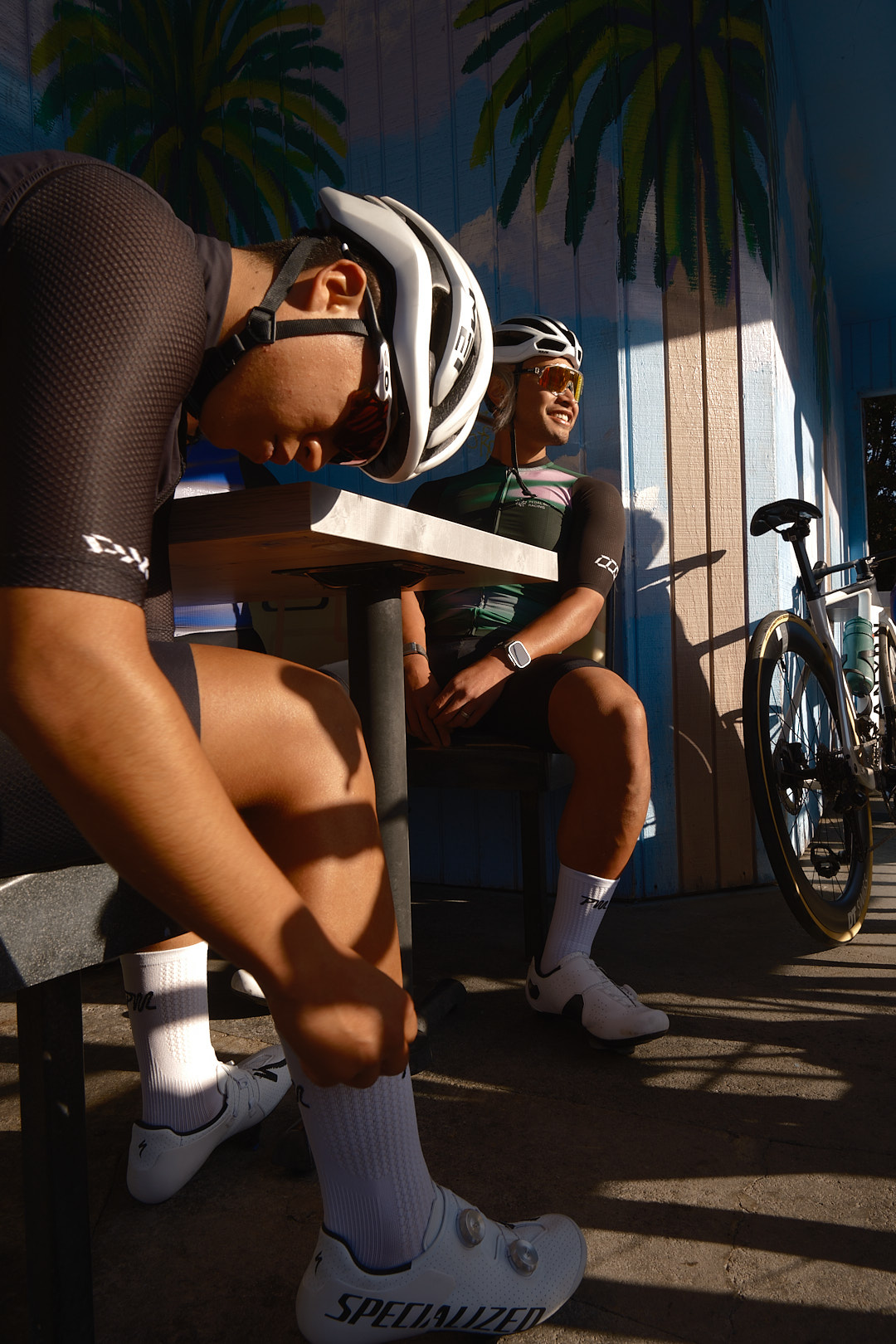
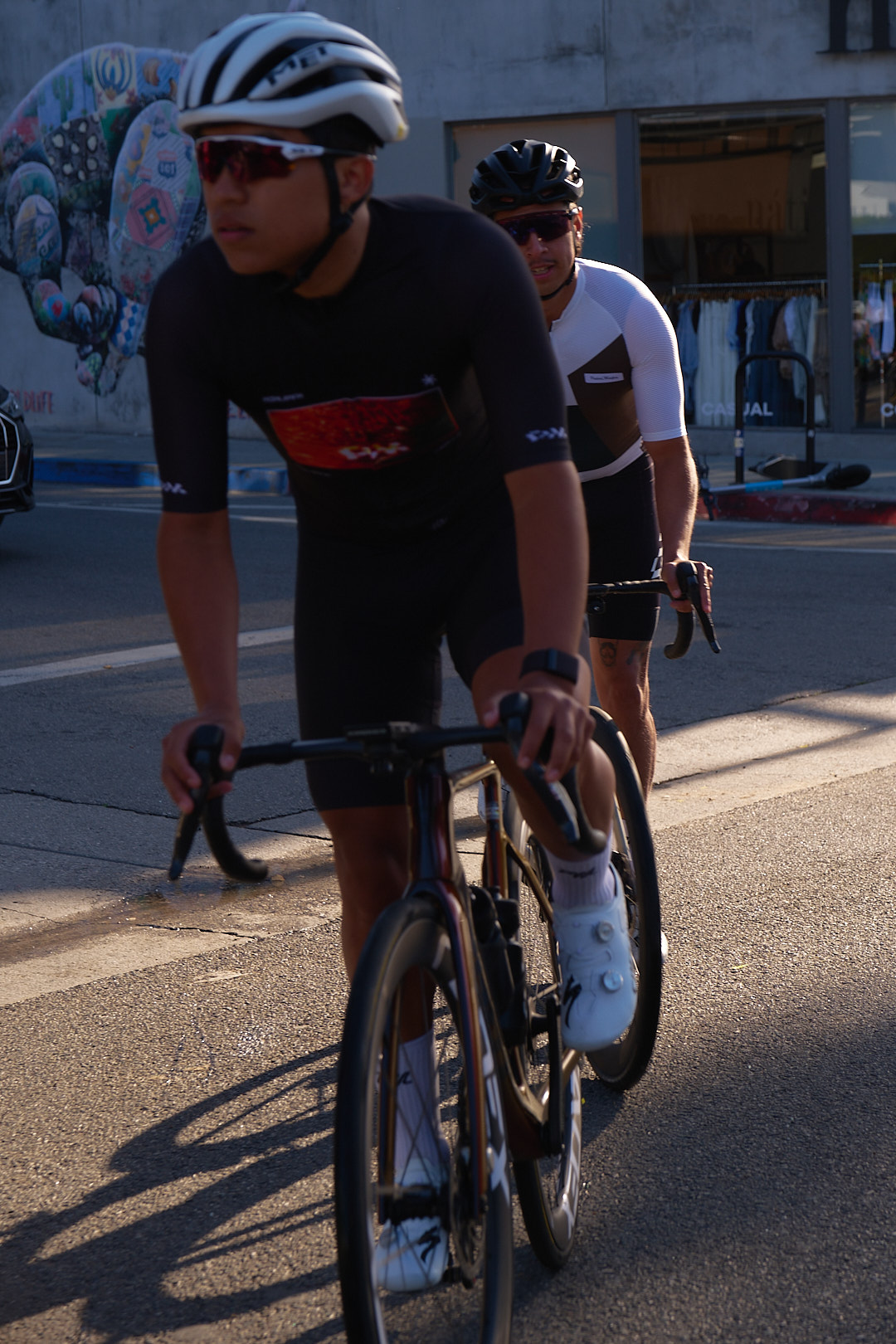
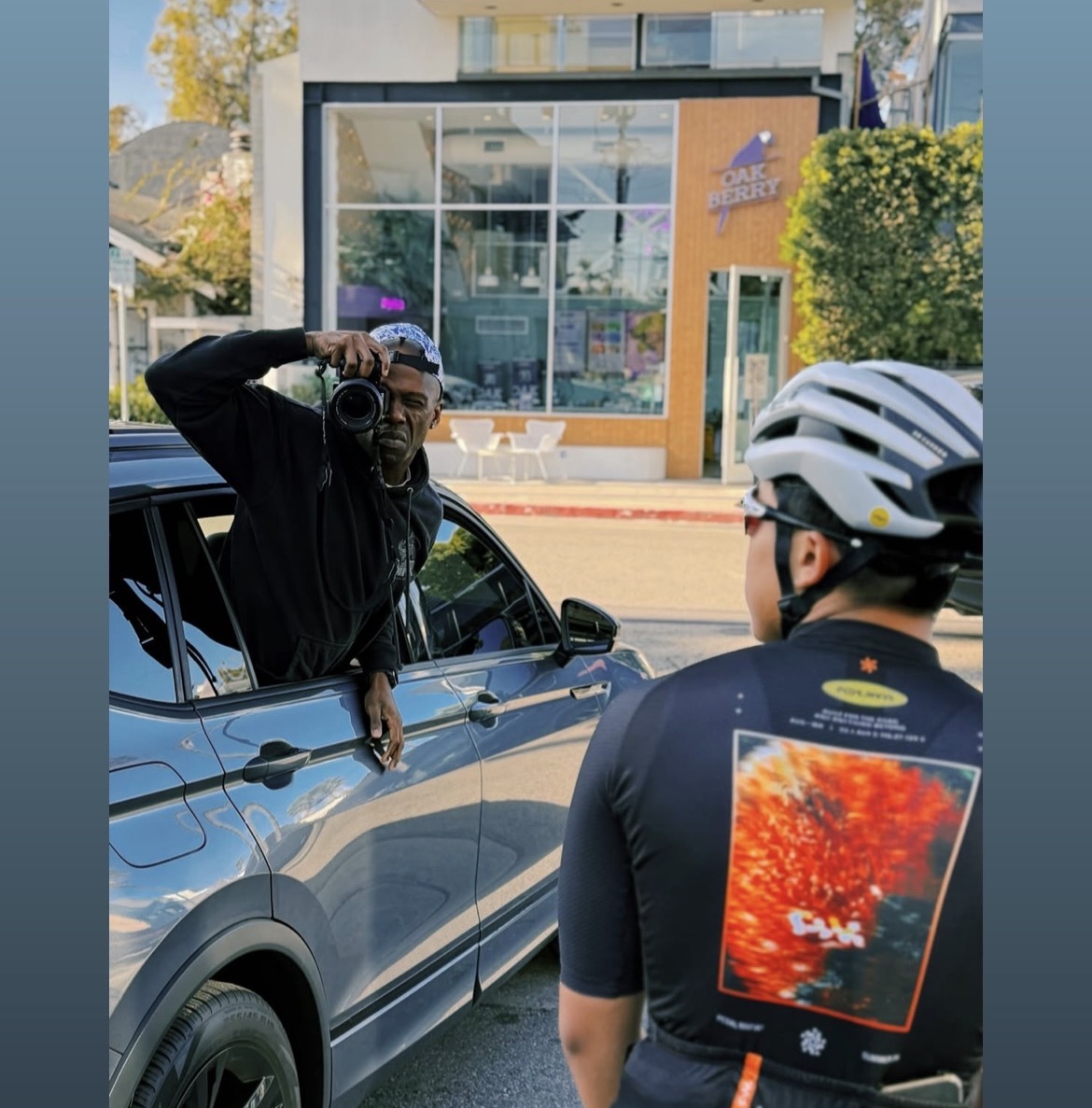
My name is Taylor Smith, and I’m the Founder and Creative Director of BoomHaus Creative, a small but mighty creative shop based in Santa Monica, California. At a high level, what we do is simple: we help brands tell the truth about who they are in a way that actually lands with real people. That usually shows up through visual storytelling—photography, video, and brand identity—but under the hood, it’s a lot of strategy, empathy, and lived experience.
BoomHaus really sits at the intersection of culture, commerce, and storytelling. A big part of our work lives in the consumer packaged goods space—think products on shelves and in feeds that have about three seconds to earn attention. We partner with brands to build forward-thinking packaging and visuals that feel human, not corporate. I’m obsessed with how something as “simple” as a label, a hero image, or a lifestyle photo can shift the way a consumer feels about a product and, more importantly, the people behind it.
What makes the work special to me is that I’m not just coming in as a photographer or a creative hired gun—I’m also a small business owner who understands the grind from the inside. I know what it feels like to be watching every dollar while still wanting your brand to look like it belongs on the same shelf as the big players. That perspective shapes how I show up for clients: I’m always thinking about storytelling, but I’m equally focused on how that story converts, how it scales, and how it can grow with the brand over time.
Right now, I’m really focused on helping emerging and growing brands tighten up how they show up visually—across their websites, social, packaging, and campaign work—so everything feels cohesive and intentional. Whether it’s building out a full visual identity from scratch or capturing lifestyle imagery that feels like real life instead of a staged ad, my goal is always the same: make the work feel honest, make it feel like culture, and make sure it moves the needle for the business.
Amazing, so let’s take a moment to go back in time. Who were you before the world told you who you had to be?
Like a lot of us who grew up in the late 80s and early 90s, the script was pretty clear: go to school, go to college, get a good job, stay there, retire, and be grateful you had stability. That was the message from parents, teachers, TV—basically everywhere. So I played along for a while. I did the “responsible” thing. But once I got out of college and actually stepped into the workforce, it hit me fast: these jobs didn’t care about me the way I was told to care about them.
No company was losing sleep over my well-being, my creativity, or my purpose. I was another name in the system. And I had this moment where I thought, There’s no way my legacy is going to be: “he was a solid employee who showed up on time.” That wasn’t enough for me. It never was.
The real me—the version before the world tried to box me in—was always curious, always questioning, always drawn to doing things differently. The kid who rewound music videos to study the frames, who loved the weird, edgy ads more than the “perfect” ones, who was more interested in why people felt something than in following rules.
Once I realized I wanted a different life, I had to start moving differently. That meant breaking out of that old mentality, even if people didn’t understand it. Even if it made some folks uncomfortable. Even if it meant I wasn’t the “safe” choice. I had to be okay with being misunderstood, with being called stubborn or “too much,” because the alternative was waking up one day and realizing I built a life that wasn’t mine.
So who was I before the world told me who to be? I was a kid shaped by 90s culture, hip-hop, and bold, loud creativity—someone who always felt there was more than one way to live a “good life.” And honestly, I’ve just been trying to get back to that version of myself ever since.
I’m a big believer in jumping off the cliff and building the parachute on the way down. That sounds reckless to some people, but for me, it’s about betting on yourself instead of waiting for permission. It’s about choosing purpose over the status quo. And if there’s anything I want people in my age bracket to know, it’s this: it’s absolutely okay not to follow the script. It’s okay to reinvent yourself, to be different, to step off the path everyone handed you and build your own—even if you’re figuring it out midair.
Was there ever a time you almost gave up?
All the time. And I don’t say that for drama—I say it because it’s the truth a lot of us live with but don’t always admit out loud.
There are days, sometimes multiple times in a week, where I genuinely think, “Man, it would be so much easier to just go get a job, clock in, clock out, and stop carrying all of this on my back.” When a project stalls, when a client drops the ball, when the vision in my head isn’t matching what’s happening in real life, it’s very easy to hit that wall and want to say “forget it.” As a small business owner and creative, you’re not just dealing with the art—you’re dealing with invoices, emails, expectations, delays, and the emotional weight of being the one responsible for everything. That wears on you.
Then you add social media into the mix. Outside of maybe TikTok keeping it a little more honest, most of what we see is a highlight reel—perfect shoots, big campaigns, wins, vacations, “booked and busy” energy. When you’re in the middle of a slow month, or a project that’s not landing, or a season where nothing feels like it’s clicking, that comparison hits hard. You start asking yourself, “What am I doing wrong? Why does it feel this hard for me?” And in those moments, the idea of disappearing into a regular 9–5 and joining the rat race honestly sounds…peaceful.
So yes, there have absolutely been times I almost gave up. Not just once, but over and over again in small ways. What keeps me from actually quitting is reminding myself why I chose this path in the first place. I didn’t sign up for this because it was easy—I chose it because I wanted a life that felt like mine. I wanted my work to mean something, not just fill time. I wanted to build something that outlives my job title.
I also think it’s important to say this: it is completely OK to feel like giving up. That feeling doesn’t make you weak, and it doesn’t mean you’re not built for this. It means you’re human, and you care. The problem isn’t the feeling—the problem is when we let that feeling make the final decision. For me, I let myself have the moment. I vent, I step away, I sit in silence, I question everything. And then I get back up. Maybe slower, maybe a little bruised, but I keep moving.
So yes, I’ve almost given up more times than I can count. But every time I picture myself walking away from this life I’ve been building, it hurts more than the struggle I’m currently in. That’s how I know I’m still supposed to be here, still creating, still fighting for this. Feeling like quitting is part of the journey. Actually quitting? That’s the part I’m not willing to live with.
So a lot of these questions go deep, but if you are open to it, we’ve got a few more questions that we’d love to get your take on. What are the biggest lies your industry tells itself?
One of the biggest lies I think our industry loves to repeat—both on the agency side and the client side—is this idea that “everything is in the data.”
Don’t get me wrong, I live in the marketing world. I know how important numbers are. I look at click-through rates, watch time, add-to-carts, conversion rates—all of it. Data absolutely has a role. It tells you what’s happening. It can tell you if something is working or if it’s falling flat. But what it can’t do is replace actual human connection. It can’t tell you why a piece of creative hit somebody in the chest or made them feel seen. It can’t fully measure the moment someone says, “This brand gets me.”
As a creative who’s culturally tapped in, you’re never going to convince me that how you make someone feel can be reduced to a dashboard. A lot of people in this industry have gotten so addicted to metrics that they’ve forgotten the basics of humanity—tone of voice, timing, body language, shared experiences, the unspoken stuff that happens in a room or in a community. We’ve traded a lot of that for A/B tests and spreadsheets. And with so much of our world happening online, we’ve low-key lost the art of real face-to-face communication. People don’t know how to just sit with someone and have a conversation that isn’t happening through a screen, and you can feel that disconnect in a lot of campaigns.
The truth is, the best work happens in the middle ground. I use data as a tool, not a bible. I’ll read the numbers, then tap into real life—how people talk, what they care about, what’s happening in culture, what I’m seeing and hearing in my own community. Data can tell me what moved, but my job as a creative is to understand who it moved and why. When we act like everything is solved by “just follow the data,” we’re lying to ourselves because it’s safer than admitting we still need instinct, taste, and actual human insight.
So for me, that’s the biggest lie: that the data is everything. It’s not. It’s part of the conversation. But if you build a brand only on numbers and never on heart, culture, and real connection, don’t be surprised when people engage with your content but never actually care about your brand.
Okay, we’ve made it essentially to the end. One last question before you go. If you knew you had 10 years left, what would you stop doing immediately?
If I knew I had 10 years left, the first thing I’d stop doing is sacrificing my peace so other people can stay comfortable.
I’ve spent a lot of my life walking on eggshells—softening my opinions, shrinking my energy, biting my tongue so I don’t come off “too much,” “too intense,” or “too direct.” And on the surface, it looks like being considerate or keeping the peace. But if I’m being honest, a lot of that is just me abandoning myself so everyone else feels okay.
The older I get, the more I’m realizing how expensive that really is. Every time I swallow how I really feel, every time I say yes when my whole body is screaming no, every time I downplay what I want so I don’t make someone else insecure—that’s me chipping away at who I actually am. And if you tell me I’ve only got 10 years left? There’s no way I’m spending any of that time pretending.
If I knew the clock was that clear, you’d get the most unapologetic version of me, all the time. No filter to make other people more comfortable. No dimming to fit into rooms that weren’t built with me in mind. No staying in situations—business, relationships, friendships—where my peace is the tradeoff for keeping someone else unbothered.
I would still be kind. I would still be thoughtful. But I wouldn’t abandon myself to maintain an image or a dynamic that doesn’t serve me. I’d say what I mean the first time. I’d set boundaries and actually honor them. I’d stop explaining my choices to people who were never going to understand them anyway.
At the end of the day, if I’ve only got 10 years, I want them to be spent as the real me—fully, loudly, and honestly. Not the edited version that makes everyone else feel safe.
Contact Info:
- Website: https://www.boomhauscreative.com
- Instagram: https://www.instagram.com/whoistaylorsmith
- Linkedin: https://www.linkedin.com/in/tdsmith1985/
Popular
-

Portraits of the Valley
-

LA’s Most Inspiring Stories
-

Rick Norris Learned That Building a Successful Business Means Building a Life You Actually Want to Live
-

How Olivia Rush Turned Survival Into a Mission to Help Others Keep Going
-

How Bibi Goldstein Is Helping Entrepreneurs Reclaim Their Time by Embracing the Power of Delegation
-

Victoria Hasson is Redefining Voice Coaching Through Community and Collaboration


