




We recently had the chance to connect with Jordan Choh and have shared our conversation below.
Jordan, a huge thanks to you for investing the time to share your wisdom with those who are seeking it. We think it’s so important for us to share stories with our neighbors, friends and community because knowledge multiples when we share with each other. Let’s jump in: Have any recent moments made you laugh or feel proud?
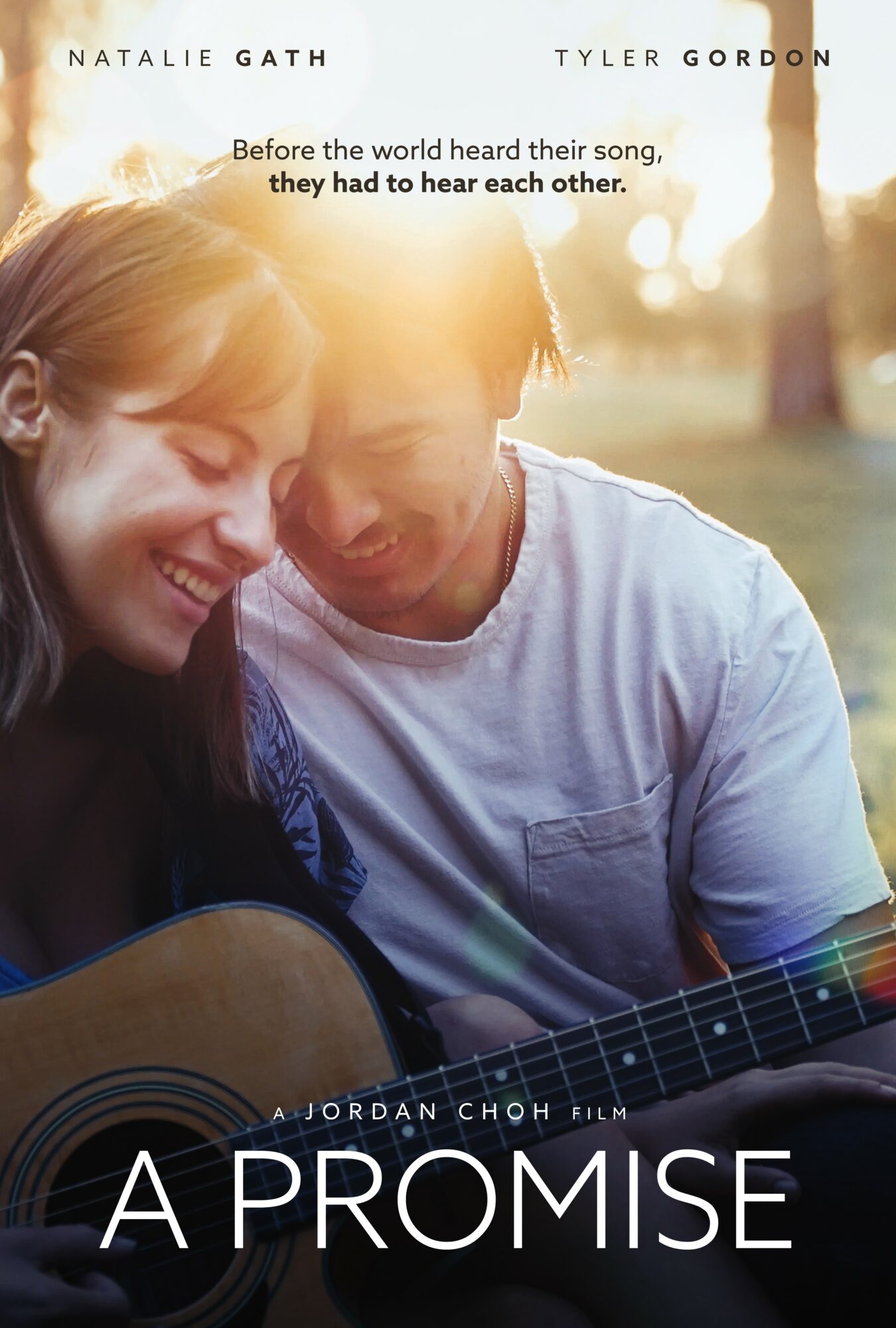
After releasing my first feature film, “A Promise,” on YouTube on November 11, 2025, I’ve been incredibly proud and grateful for the response it has received. In just a few days, the film surpassed 10,000 views, largely from viewers around the world who discovered it organically. My team and I were genuinely surprised and thrilled by this outcome—we never expected it to reach so many people so quickly.
Having spent over a year creating a project that means so much to me, it’s deeply rewarding to see it resonate with audiences and to read such thoughtful, positive feedback. While there are many romantic comedies out there, I wanted to explore a more dramatic and emotionally layered portrayal of young love—one that felt honest, raw, and deeply human. I’m grateful that this vision connected with so many viewers.
Can you briefly introduce yourself and share what makes you or your brand unique?
Jordan Choh is a Los Angeles–based filmmaker whose passion for storytelling began in fifth grade with YouTube videos and school shorts. Inspired by the Rocky franchise, he developed a love for character-driven, emotionally resonant narratives.
His debut feature, A Promise, draws from his own experience of young love, exploring its transformative and enduring impact. Now complete, Jordan continues to create intimate, heartfelt dramas that center on human connection, emotion, and personal experiences, establishing him as an emerging voice in independent filmmaking.
Okay, so here’s a deep one: Who were you before the world told you who you had to be?
Before the world tried to tell me who I should be, I was a rascal—feeling everything too intensely, playing too hard, and overthinking to a neurotic degree. My life shifted dramatically when I left a private Christian school and entered public school in third grade. The change itself wasn’t the real catalyst; it was the stage of my development when my OCD began to take hold. I started obsessing over the smallest, often unfounded details. If someone looked at me the wrong way, I might spiral later that night, trapped in an emotional loop I couldn’t escape. Many nights were spent wide awake, battling a mind flooded with negative thoughts about myself. At least once a week, I would find myself asking, “What’s wrong with me?”
Thanks to my incredible family—whose patience, empathy, and unwavering love carried me through—I eventually learned to manage these struggles, though it took years. I’ve come to believe that every artist carries something inside them that they feel too deeply to ignore. Choosing to express it or suppress it is rarely a smooth journey. Still, I’m grateful for what I went through. My suffering shaped my conviction, strengthened my courage, and ultimately gave me something meaningful to share. I wouldn’t trade that experience.
Life is full of highs and lows, and feeling things intensely can be both a burden and a gift. I choose to see it as a gift. Through romance, determination, and leadership, the heightened drama of my emotional world has pushed me to take seriously what others might overlook. Although this has brought sorrow and disappointment, it has also opened doors for growth—and none of it would have been possible without the support of a loving family. For that, I am endlessly grateful.
What have been the defining wounds of your life—and how have you healed them?
In third grade, I began experiencing the emotional turbulence of OCD, obsessing over the smallest things and collapsing into nightly breakdowns. Even when I seemed fine on the outside, I felt insecure and couldn’t silence the spiraling thoughts that convinced me I was worthless. In fifth grade, after breaking my arm, the shock of physical pain reset something in me. Life became more manageable, though the mental struggles never fully disappeared.
High school brought new highs and lows. Falling in love was transformative, and drumming became my identity. Inspired by Whiplash, I set out to become the best drummer I could be, abandoning everything else—relationships, schoolwork, even friendships—to chase that dream. When I didn’t make callbacks at a major drum corps audition, while my girlfriend at the time did, something inside me collapsed. My confidence, drive, and faith evaporated, and I turned to daily drug use, sinking into bitterness and existential questioning.
My life for years became a cycle of chasing new dreams, failing, and starting again. The disappointments piled up, and eventually the drugs stopped numbing the pain. I had to stop everything and return to the one passion that had always been mine since childhood: filmmaking. With the help of friends, I poured myself into a new project. It took longer than anything I’d ever worked on, but it became the most rewarding accomplishment of the past five years. I’m not sure I’ve fully healed from past rejections, but I’ve reached a place where I no longer force myself to be who I was—or sacrifice everything for fantasies of the future. Instead, I trust my skills, my resilience, and the people who support me. I know now that if I need to create something, I can.
The deepest wound in my life came last year when my father—my greatest supporter and closest friend—was diagnosed with stage IV cancer. I mourned the future I always imagined sharing with him and felt a familiar sorrow for the dreams that hadn’t worked out. When I began filming A Promise, I asked him to act in it, and he agreed without hesitation. Hearing people say he’s their favorite character and seeing his presence recognized by strangers has meant everything to me. And the greatest gift is that he’s still here—now in remission and doing remarkably well.
I want to keep creating films not only to honor the resilience that brought me here, but so my father can continue to witness what I’m capable of—and, whenever possible, be a part of it.
Next, maybe we can discuss some of your foundational philosophies and views? What’s a belief you used to hold tightly but now think was naive or wrong?
I used to believe—naively—that if I just worked harder than everyone else, believed in myself more, and poured all my emotions into a dream, it would unfold exactly the way I wanted and on my timeline. Short-term hopes are easy to recover from, but when you invest five to ten years into a future you’ve imagined, betting everything on something forced or unrealistic, that’s when neurosis takes over. That’s when poor decisions, emotional chaos, and distorted beliefs about your worth start forming. And when those dreams collapse, the fall is devastating.
Still, I see this as part of life—especially a young man’s life. Avoiding long-term hopes just to avoid pain isn’t the answer, just like avoiding love because it once hurt isn’t living. Even if dreams can be unrealistic, they’re still worth pursuing. But I now see more clearly the difference between fantasy and reality, between moving forward and getting lost.
What’s done is done, and what’s coming will come. All I can do is create the work I need to create now. My belief in myself isn’t naive anymore; I accept that my biggest dreams may never come true. It’s sobering, but it’s also honest—and that honesty fuels me. A long-term goal is still worthwhile, not because it guarantees success, but because I know I have the resilience to keep going and hopefully inspire others to come along for the journey.
Life is too short not to trust your gut. I don’t know the future, and I won’t pretend to. But right now, I can keep betting on myself and my art. Maybe it won’t lead to the paradise I once imagined—history suggests it won’t—but with the skills, experience, and support I’ve built, it might lead to something even better. Whether it will or won’t, I’m here for the ride.
Okay, so before we go, let’s tackle one more area. What is the story you hope people tell about you when you’re gone?
The story I hope people tell about me is that Jordan lived a deep, courageous life. He felt profoundly and poured those feelings into his art without restraint. He loved harder than anyone they knew, proudly making love a guiding principle in everything he did. He took bold risks, followed his instincts, and lived independently, untouched by unnecessary conflict.
He raised remarkable children through love and freedom, and loved his wife with unwavering devotion. His greatest ambition was simple: to make a life expressing himself through art and to give his family the best life he could. He was relentless in pursuing that mission.
Jordan was a go-getter who never settled. Every failure only made him more resilient, and although he made mistakes and even enemies along the way, he always learned and moved forward with grace. A sensitive soul, he knew how to turn that sensitivity into creative strength. Sharing joy and freedom with his family meant everything to him, and he led by example, never force.
As a leader, an artist, and most importantly a father, he never gave up on himself.
Contact Info:
- Instagram: https://www.instagram.com/jordanchoh/
- Youtube: https://www.youtube.com/@APromise1111
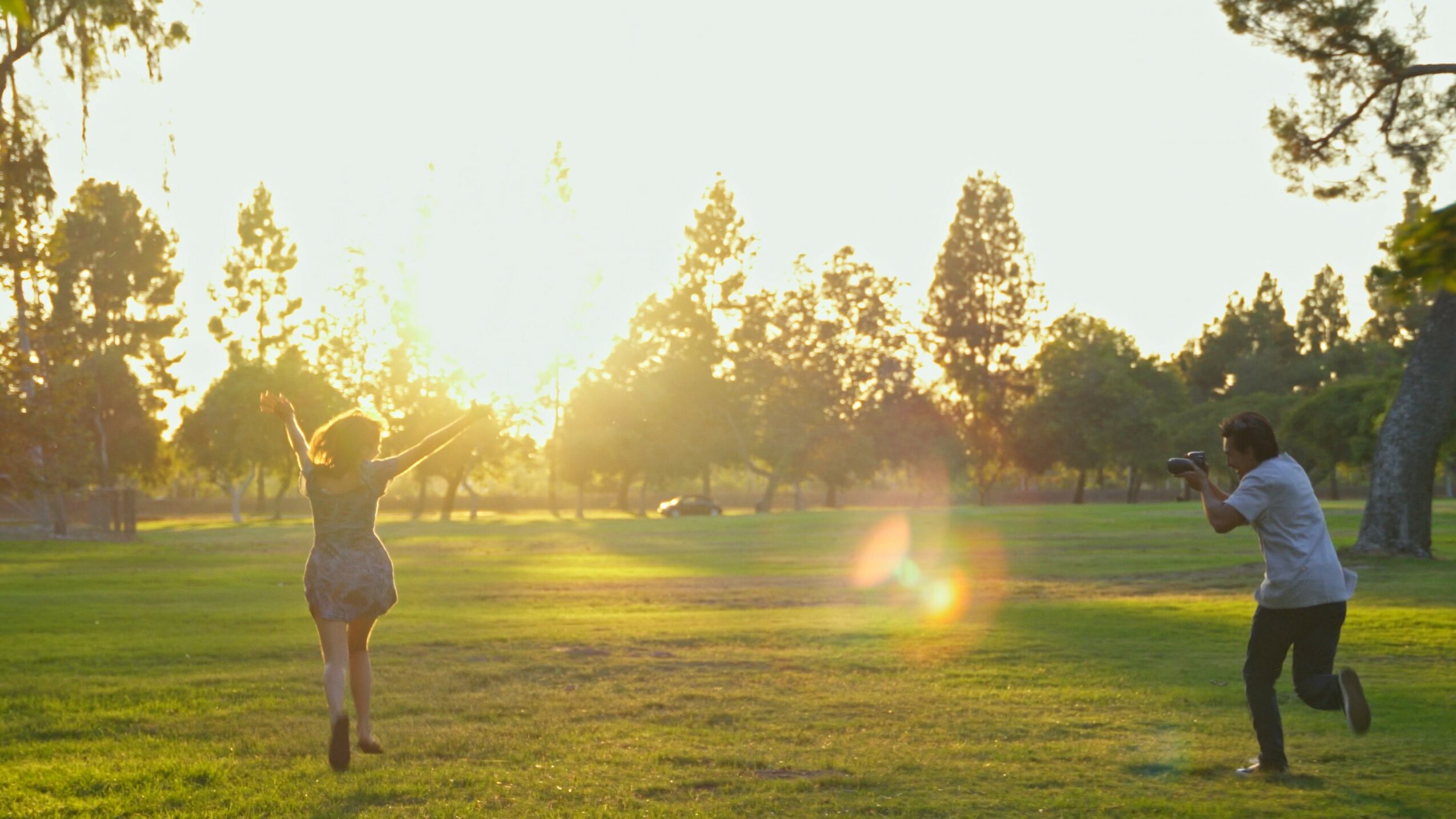
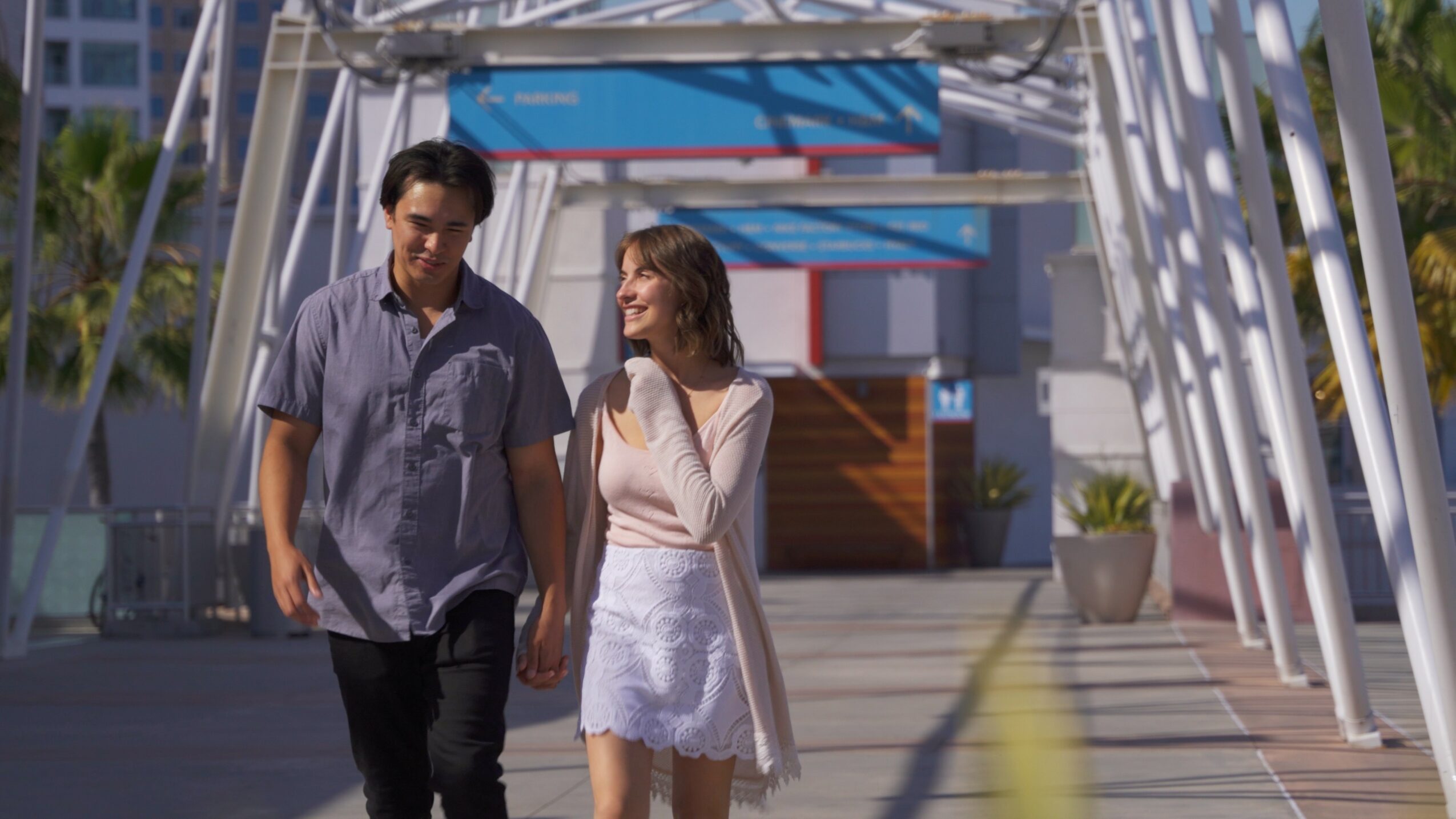
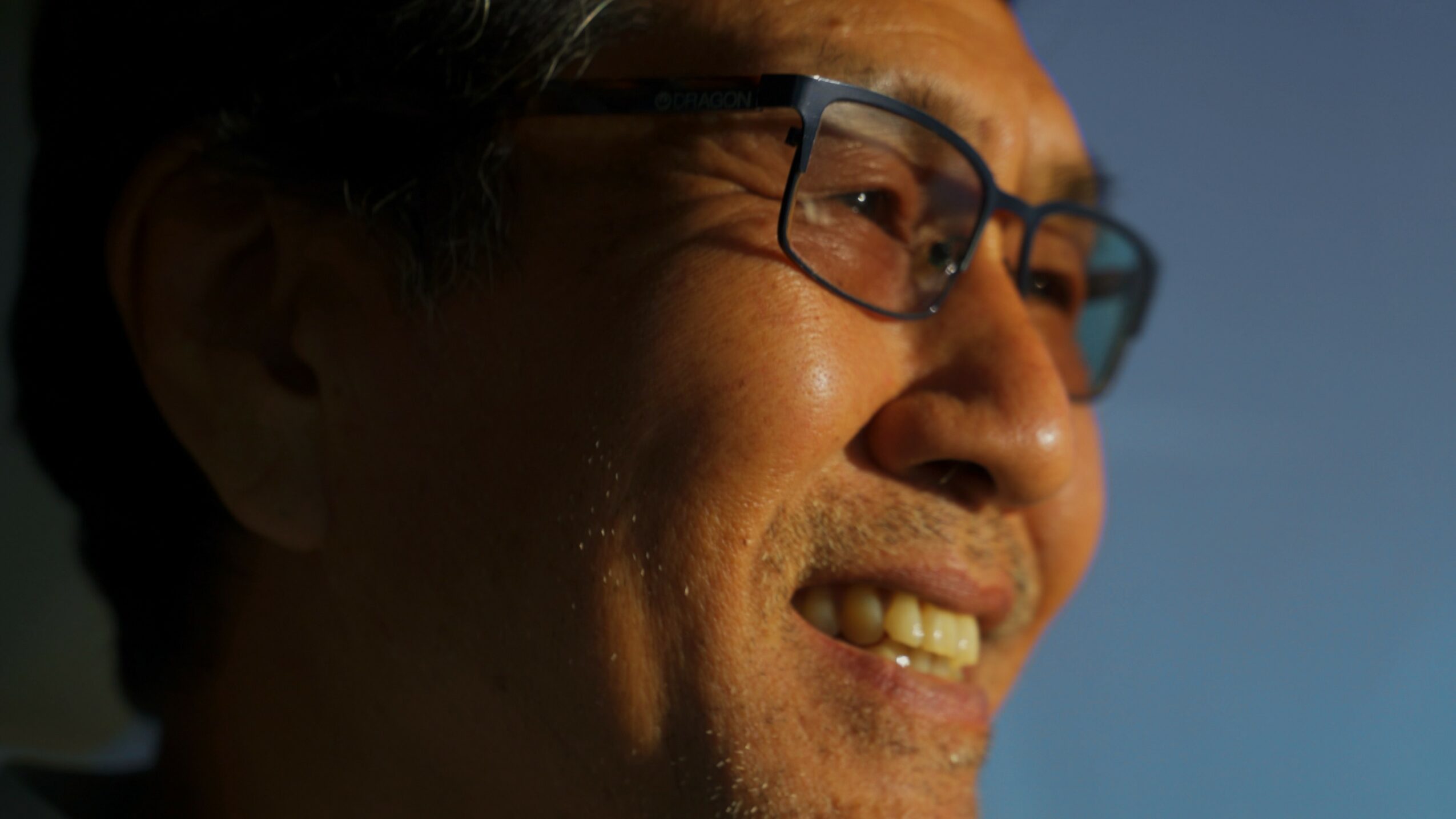
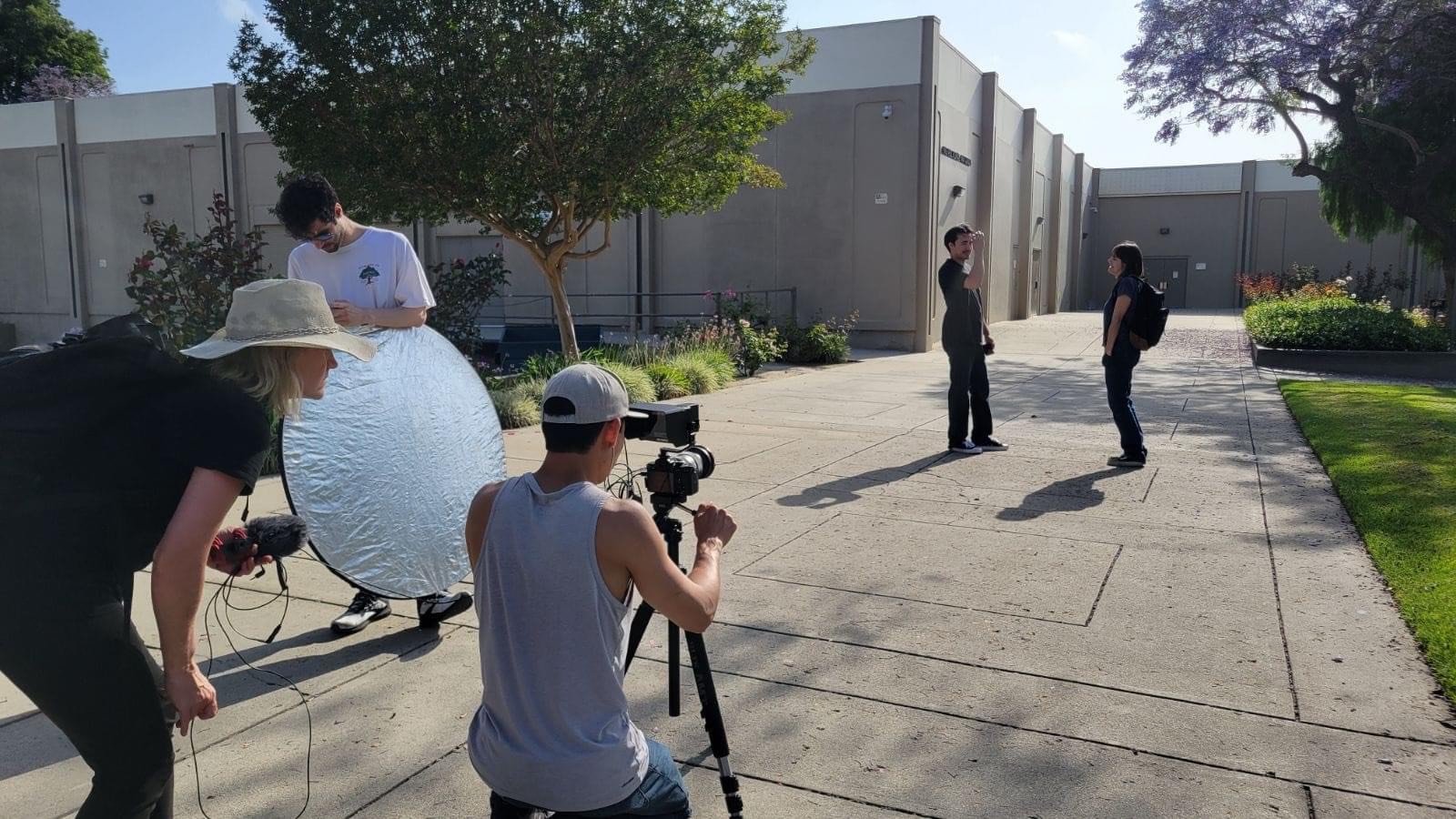
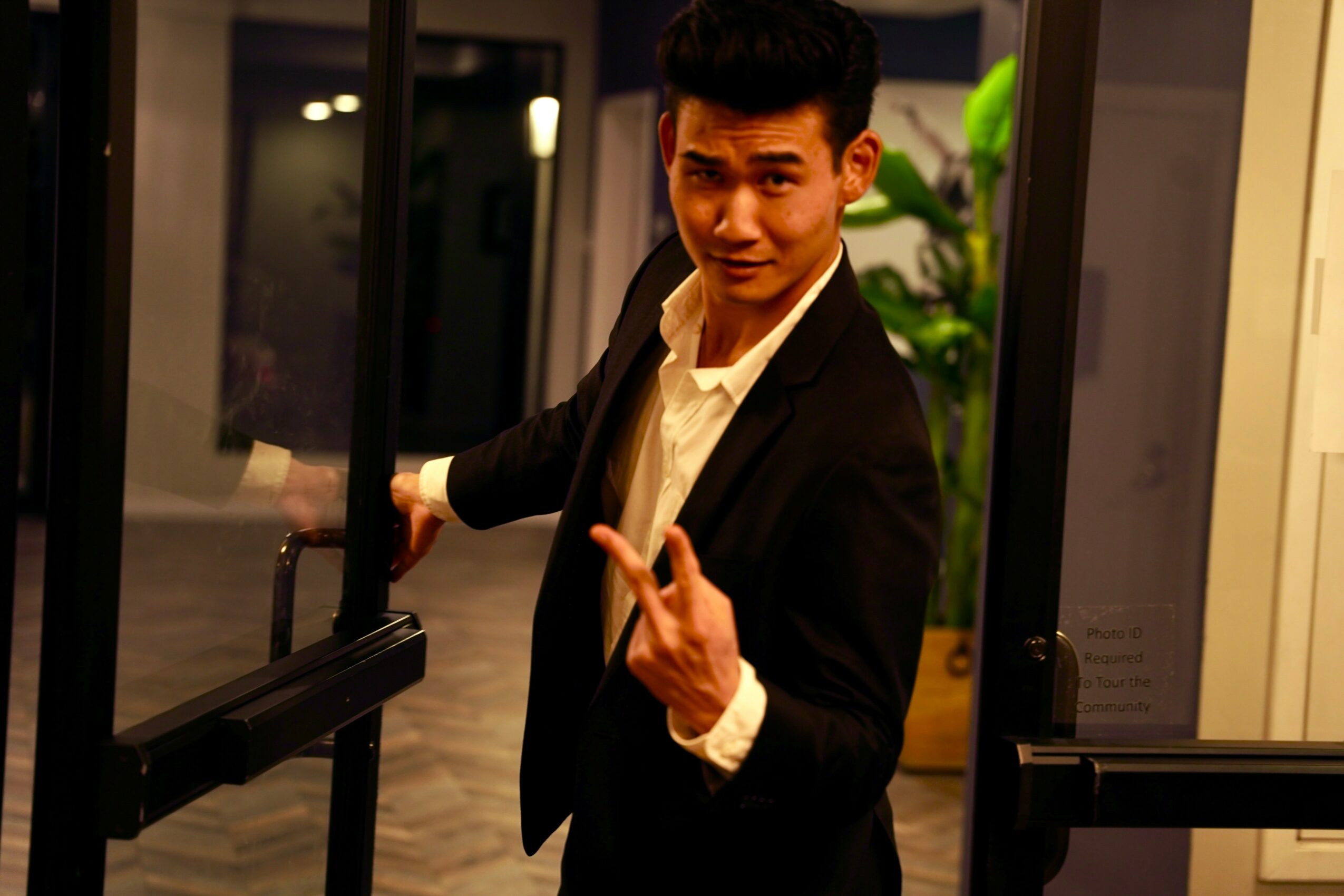

Image Credits
Jason Choh, Lisa Choh
Popular
-

Portraits of the Valley
-

LA’s Most Inspiring Stories
-

Rick Norris Learned That Building a Successful Business Means Building a Life You Actually Want to Live
-

How Olivia Rush Turned Survival Into a Mission to Help Others Keep Going
-

How Bibi Goldstein Is Helping Entrepreneurs Reclaim Their Time by Embracing the Power of Delegation
-

Victoria Hasson is Redefining Voice Coaching Through Community and Collaboration


