




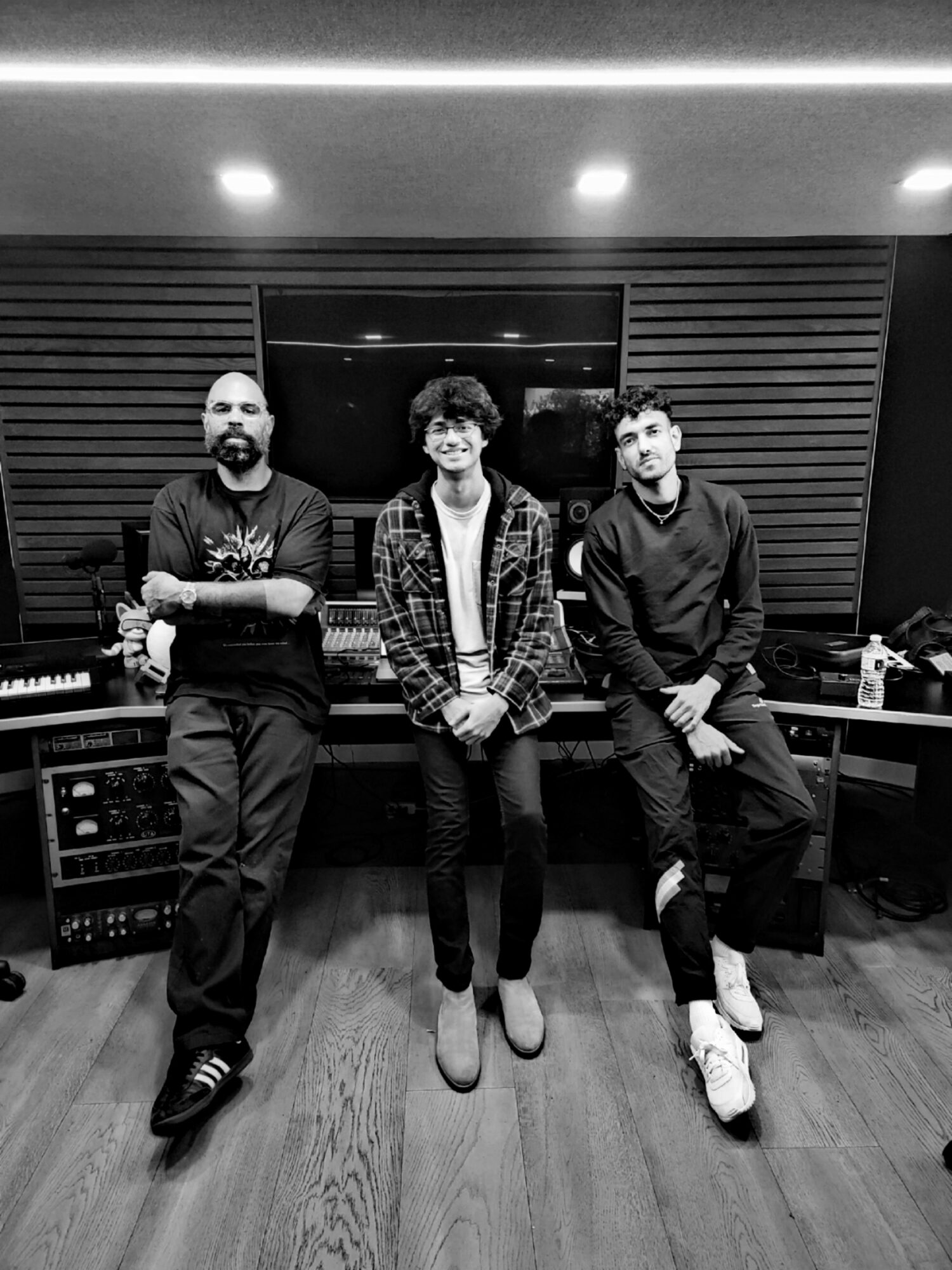
Today we’d like to introduce you to Yash Kapoor.
Hi Yash, so excited to have you on the platform. So before we get into questions about your work-life, maybe you can bring our readers up to speed on your story and how you got to where you are today?
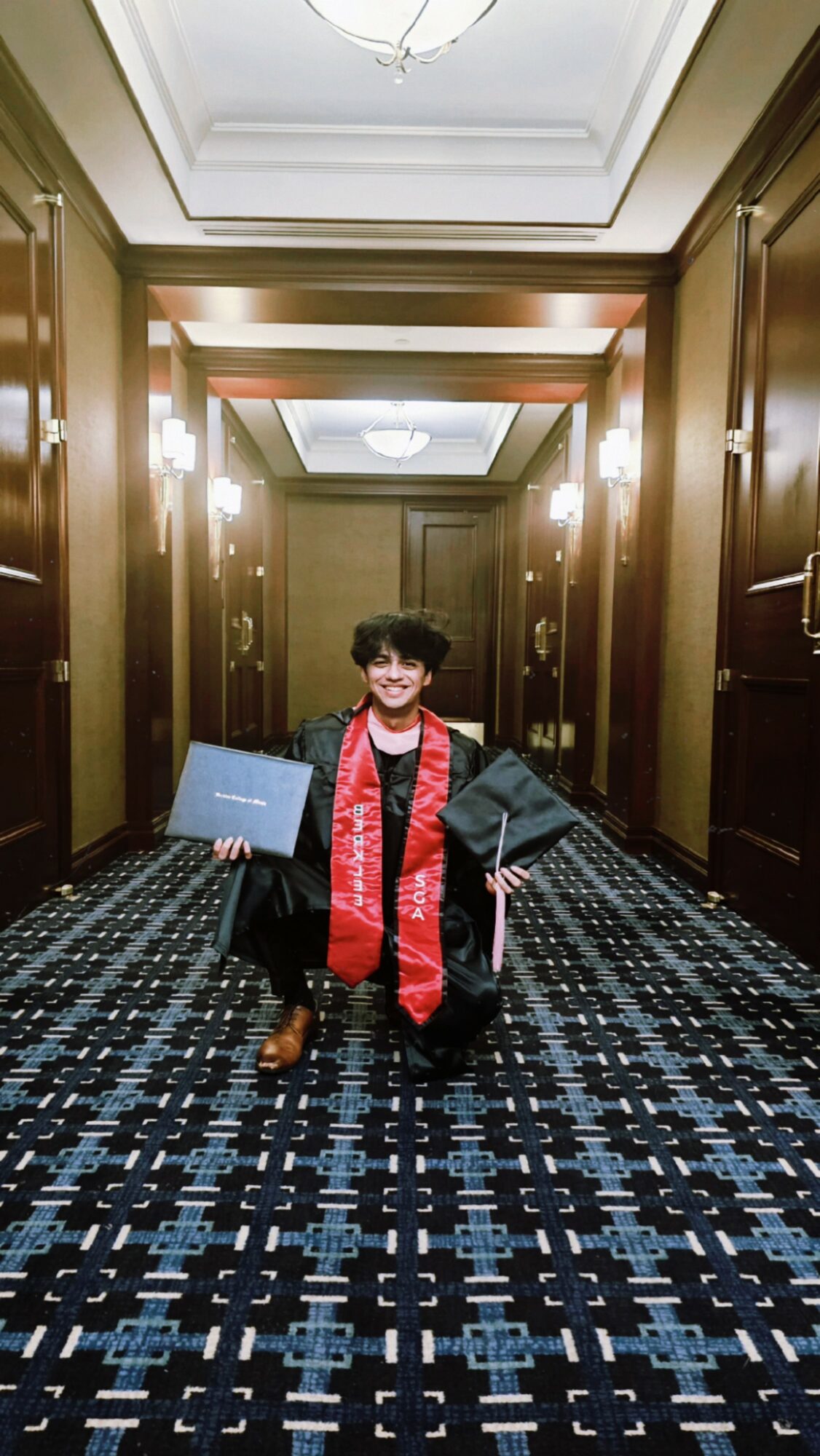
After graduating from Berklee, I moved to Los Angeles with a simple goal: to make records that travel farther than the rooms they’re created in. I started out the way most new engineers do, showing up early, organizing sessions, fixing signal flow before anyone noticed something was wrong. But Los Angeles has a way of recognizing persistence, and one opportunity led to another until I found myself working with production teams connected to XO.
At Light Sonic Division, I learned how serious commercial music gets built: hours of vocal tracking, outboard integration, Melodyne edits that feel invisible, and mix-prep workflows meant for people who don’t tolerate mistakes. Supporting engineers tied to NAV, Belly, DaHeala, and DannyBoyStyles taught me how to deliver files that are not just “correct,” but industry-ready.
I’ve also worked with an artist collective and hip-hop crew from India making noise in Hollywood and Los Angeles. Producing and engineering their records became a crash course in sonic identity building, combining Indian sensibilities with global pop, trap, and hyper-pop influences. Some of our releases gained attention in publications like Rolling Stone, which helped reinforce my philosophy: great engineering is a form of cultural storytelling.
My curiosity for storytelling naturally led me toward scoring. At Endless Noise in Santa Monica, I shifted from club-style production to music for film, TV, and commercial media, writing cues, building textures that follow the picture, exporting stems that work on broadcast networks, and working within the constraints of LUFS, CALM-Act loudness, trailer timing, and immersive playback. I also stepped into the business side of music at Ytinifni Pictures, learning how sync rights, metadata, and licensing operations actually run. That experience deepened my understanding of the music industry beyond the studio, how songs are curated, cleared, and brought onto screens.
While building these skills, I continued releasing music as Yash Kapoor, developing a personal sound rooted in pop and R&B with dense vocal production, spatial mixes, and DSP-optimized masters. Freelance work grew organically from there, artists hired me to replicate that same attention to concept, production design, and immersive mixing.
And outside the studio, I still engineer live running FOH and stream audio for a church venue in Los Angeles. Live sound keeps me sharp: no second chances, only problem-solving in real time.
Today, I’m still pursuing what brought me here: bridging cultures through sound, crafting records that feel global, and building a career that moves fluidly between commercial music, sync, engineering, and storytelling. The medium changes, studio, screen, or stage, but the mission stays the same: make sound that connects.
Would you say it’s been a smooth road, and if not what are some of the biggest challenges you’ve faced along the way?
Definitely not a smooth road. The biggest challenge after Berklee wasn’t skill, it was trust. In Los Angeles, you can be talented and still invisible. Studios don’t hand you sessions just because you’re capable; you earn them by sitting in the back quietly until someone realizes you won’t mess up their workflow. Those early months were filled with unpaid hours, last-minute calls, and long stretches where my value was proving I could stay consistent, not creative.
Another challenge was learning how different every corner of the industry is. Record production, sync, and live audio all speak the same language of sound, but each has its own rules. I had to unlearn “perfect mixes” when working in sync, because broadcast standards and timing matter more than sonic gloss. I had to rethink production when working with artists from India, what works in LA doesn’t always translate culturally or commercially. I had to accept that good engineering doesn’t guarantee good business.
There were financial constraints too, like turning down freelance work that paid quickly because it didn’t build the long-term career I wanted. And the pressure of being the only one responsible for your reputation can be overwhelming; one wrong export can burn a bridge with an entire team.
But every challenge was part of learning the difference between making music and working in music. Skills get you into the room. Reliability keeps you there. And patience, more than talent, is what builds a career.
Alright, so let’s switch gears a bit and talk business. What should we know about your work?
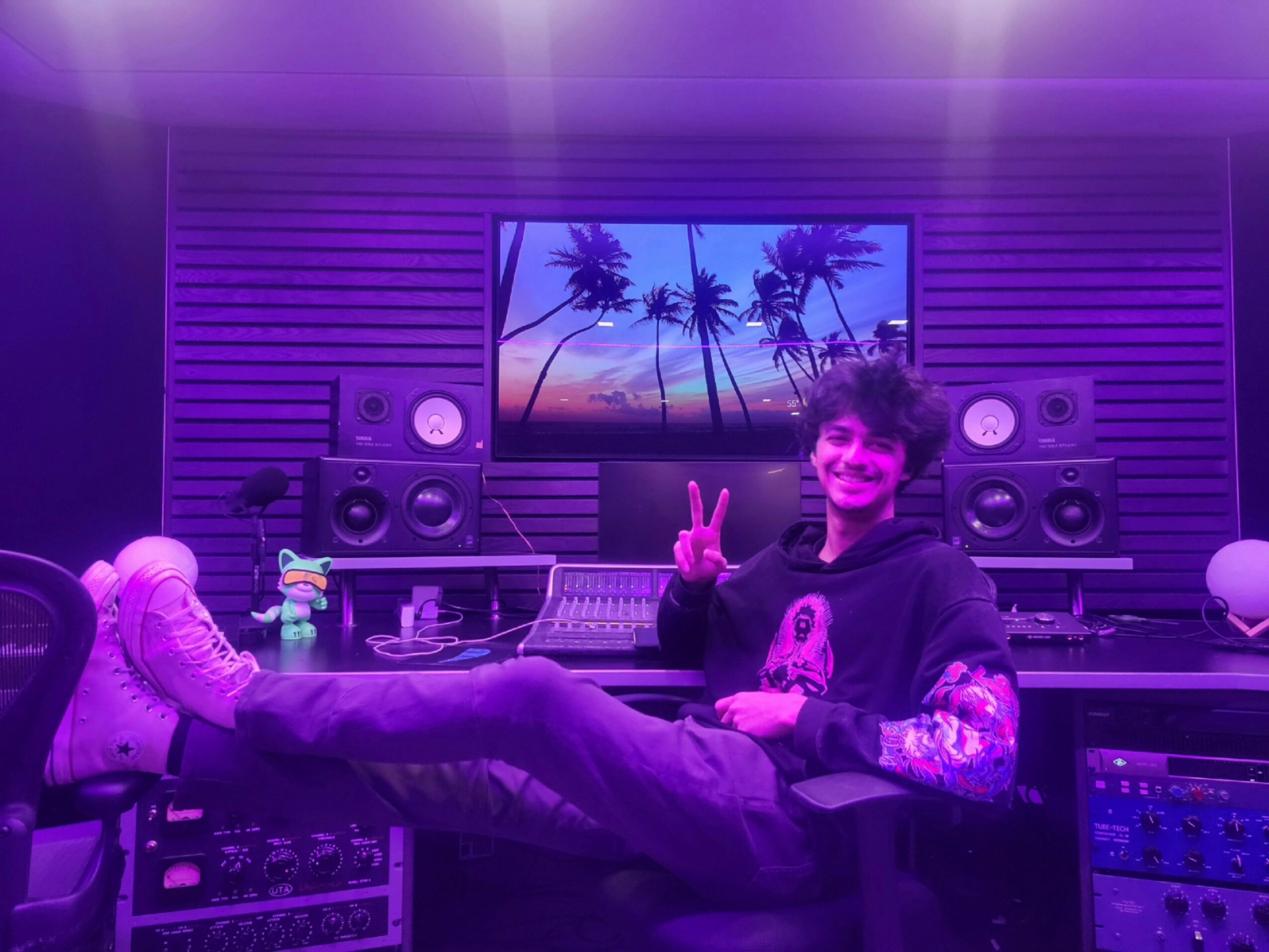
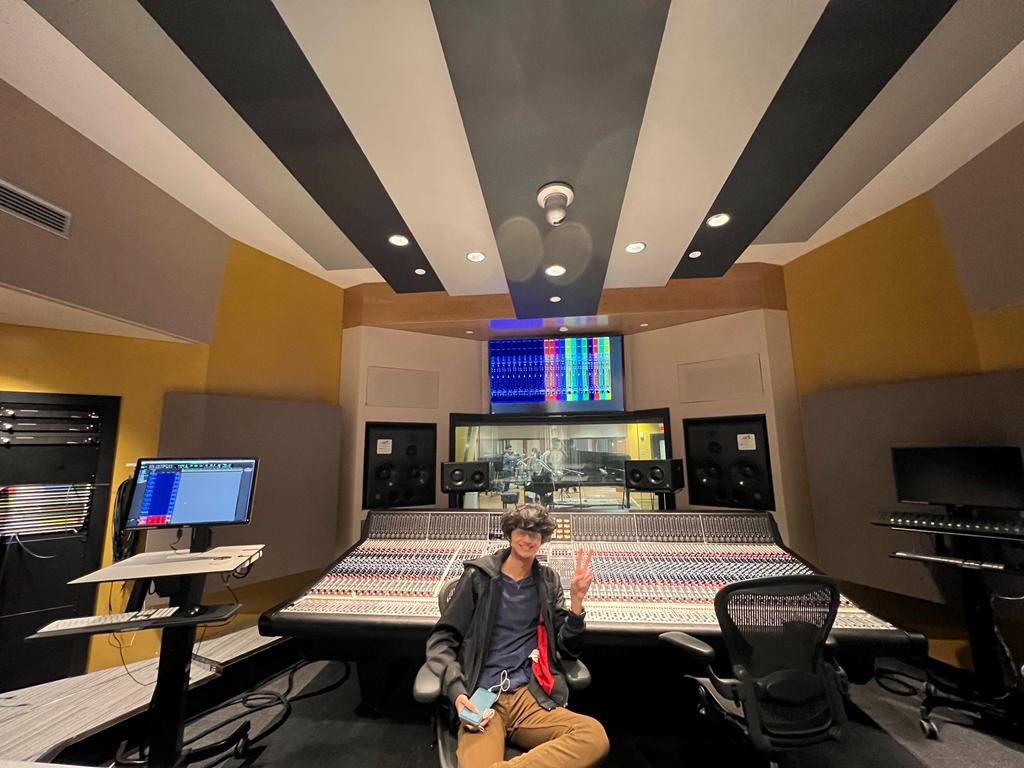
I work at the intersection of creative music production, advanced audio engineering, and emerging technology. My core focus is building records and sound experiences that feel immersive, emotionally precise, and culturally fluid. I specialize in vocal-driven pop, R&B, hip-hop, and cinematic production, with a workflow that moves seamlessly from concept design to Dolby/Spatial master delivery.
As a Dolby/Spatial Audio specialist (EngineEars-verified), I spend a significant part of my work sculpting mixes for immersive playback. I design spatial panning strategies, binaural metadata, object-based routing, and format-specific exports optimized for platforms like Apple Music, Tidal, and Atmos-enabled DSPs. I’m proud to help artists hear their music “in 3D,” where vocals breathe differently, groove hits with more movement, and the emotional intent becomes physical.
Alongside studio work, I also contribute to the future of audio through AI and audio model training. I work with companies and startups building LLM-adjacent audio tools and training datasets through precision audio editing, metatagging, quality labeling, classification, and vocal/instrument segmentation for model learning. It’s a space that lets me combine technical audio literacy with machine learning pipelines, preparing data that will shape how future tools understand sound.
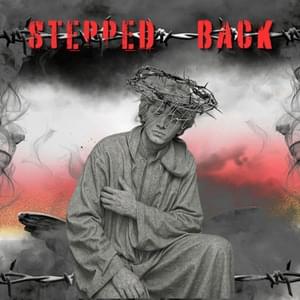
As an independent artist, multi-instrumentalist, and producer, I release music as Yash Kapoor, writing, performing, and engineering everything I put out. Songs like Secrets in Your Eyes, Seaside Affection, and Stepped Back reflect the emotional detail I try to bring to every project, layered vocal production, cross-genre harmony, and groove-based dynamics. I also create cover productions and rearrangements influenced by global pop, Indian classical aesthetics, and R&B-leaning harmony, blending multiple instruments into performance-driven arrangements.
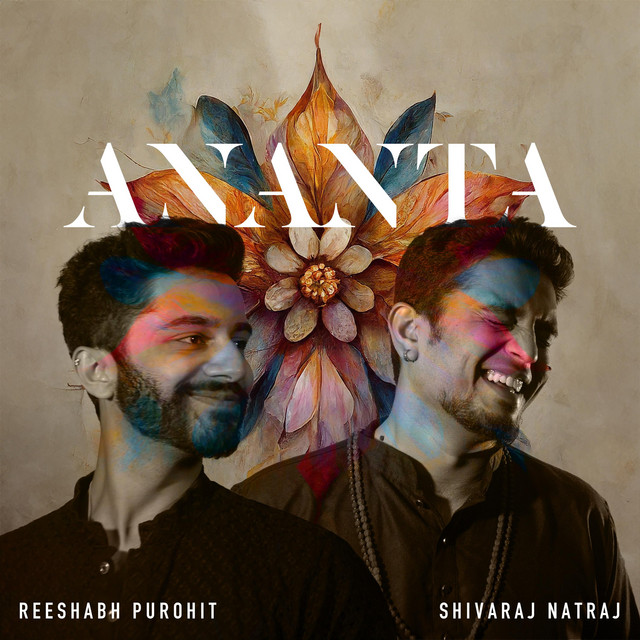
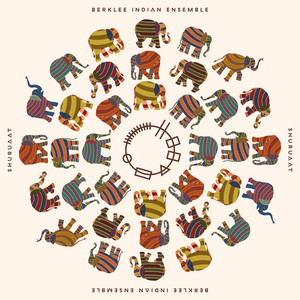
Beyond my solo work, I’ve produced and engineered for artists including Reeshabh Purohit on Project Ananta and contributed to productions involving musicians from the Berklee Indian Ensemble, where I learned to balance commercial engineering with culturally rooted performance.
What I’m most proud of isn’t a single credit, it’s that my work spans music, technology, and artistry without compromising the integrity of any one of them. I’m driven by a simple philosophy: sound isn’t just heard, it’s designed. Whether I’m building a mix in Atmos, curating metadata for machine listening, producing a pop track, or crafting a cover arrangement, the goal is the same, to make audio that feels alive.
What are your plans for the future?
I’m entering a phase where collaboration is the core of my work. I’m looking forward to scoring more film projects, working closely with artists on full-stack record development, and expanding my own musical catalog. I’ve spent years studying production styles across genres, and I’ve been building highly accurate sound-alike recreations of well-known tracks from scratch, these will start releasing soon alongside original music. I want my upcoming releases to feel diverse, cinematic, and global, not locked into one aesthetic.
Another focus is building bridges between AI and music. I don’t see AI as a replacement for artists, I see it as a tool for empowerment. I’m currently developing ways to support independent musicians and smaller labels through AI-driven solutions for audio workflows, marketing strategy, metadata optimization, and creative tools to make production more accessible. It’s not about launching a “tech startup” just to have one; it’s about using technology to give artists real control over their sound, their outreach, and their business.
Ultimately, I want my future to balance three worlds: storytelling through film scores, collaboration in artist projects, and innovation through AI-driven music solutions. I want to make music that feels global and design tools that help others do the same. The big goal is simple, build a career where creativity, engineering, and technology support each other instead of competing for space
Contact Info:
- Website: https://www.yashkapoor.studio
- Instagram: https://www.instagram.com/_yash.kapoor_/
- Facebook: https://www.facebook.com/theyashkapoor/
- LinkedIn: https://www.linkedin.com/in/theyashkapoor/
- Twitter: https://x.com/yashkapoormusic
- Youtube: https://www.youtube.com/@theyashkapoor
- Other: https://linktr.ee/theyashkapoor
Popular
-

Linda Villines on Releasing Stored Struggle and Reclaiming Ease Through the Body
-

Candice Swanson on Honoring the Sacred Early Days of Motherhood Through Intentional Photography
-

Michael Johnson on Telling Untold Stories of Identity and Leadership Through SQUAD
-

Owning the Narrative: Drew Dusterhoff Steps Into Power with Lincoln Must Die
-

Portraits of the Valley
-

LA’s Most Inspiring Stories


