




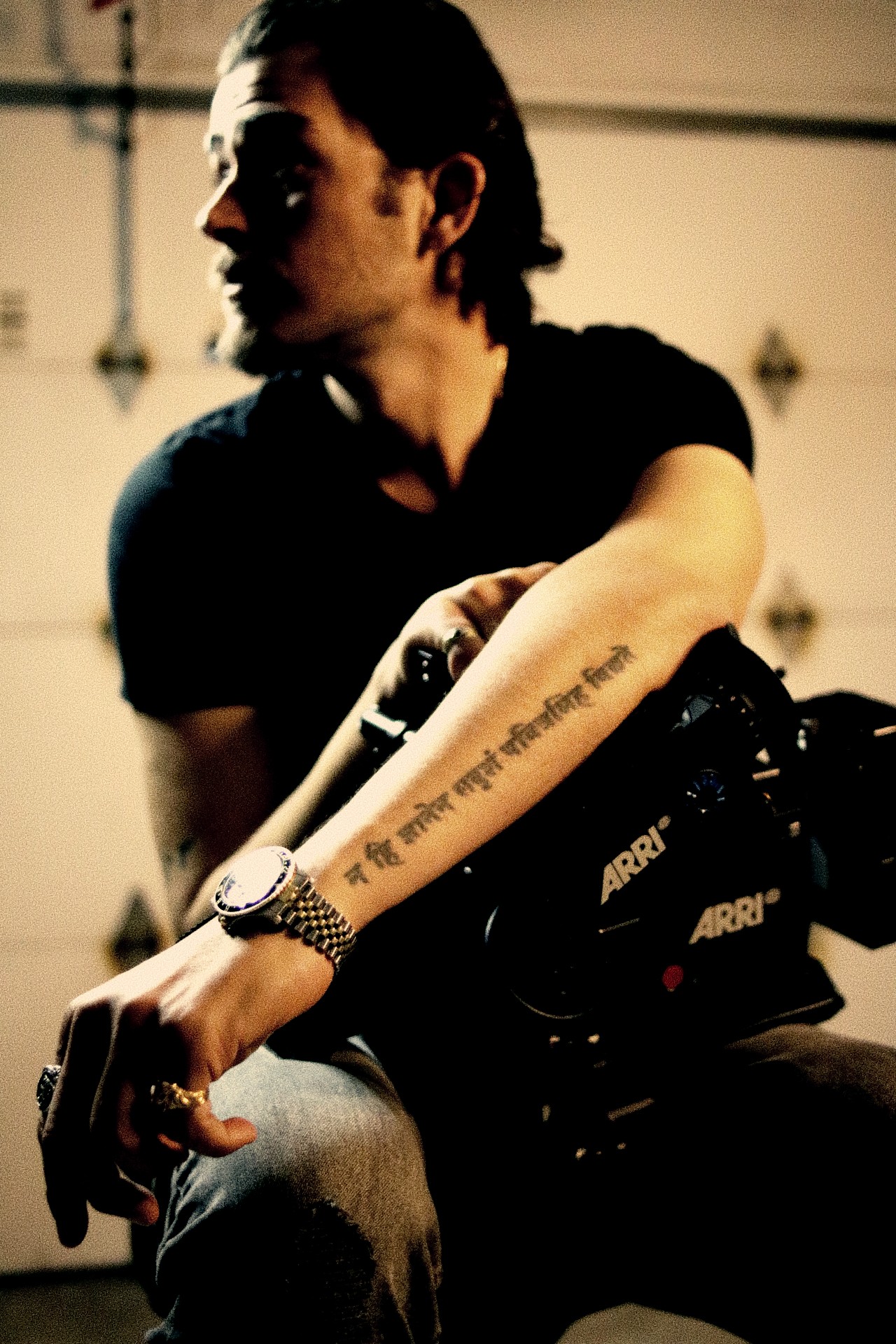
Today we’d like to introduce you to Trevor Riley.
Trevor , we appreciate you taking the time to share your story with us today. Where does your story begin?
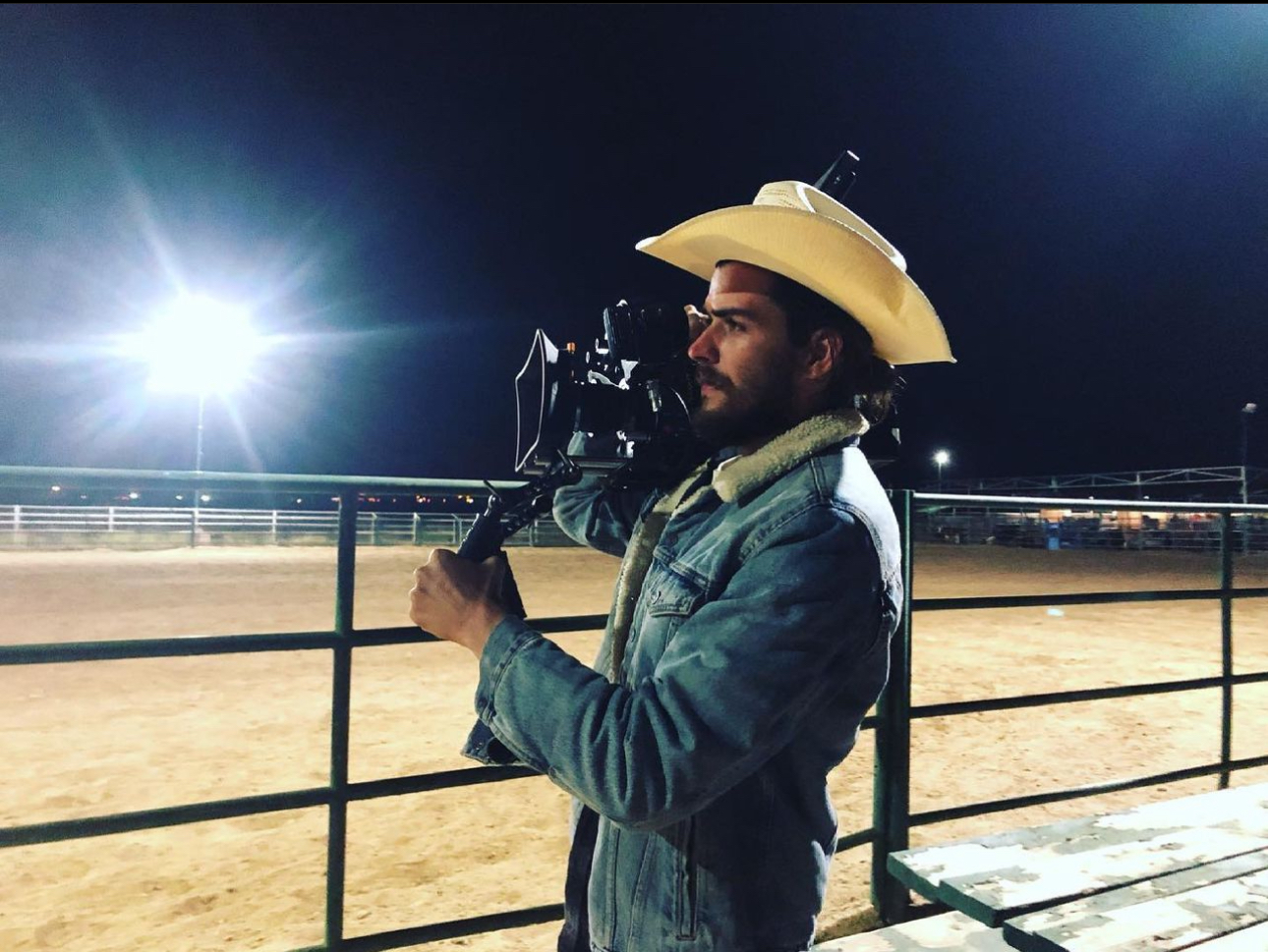
I’m a filmmaker, born and raised in Los Angeles, California. Growing up in LA there was a time I sort of felt a bit allergic to the film industry. I wanted to be a tattoo artist or a marine biologist. But I always loved reading and writing. I found myself spending more time in creative outlets with cameras. Eventually, I had an opportunity to write a pilot and pitch a young, upcoming filmmaker I respected. I had never written anything full-length before or in that format, so it was really a shot in the dark. It never got made but that filmmaker’s producers really liked it, and they sort of gave me a boost in the industry and started introducing me to reps and other producers. That was really where I quickly shifted gears and decided to pursue this full-time.
A couple of years went by with a lot of near successes and deals, but they never really quite got to a greenlight. Eventually, this pushed me to start shooting my own shorts. I went into debt and bought a bunch of gear and started shooting. My first short film starred Anthony Skordi from The Offer, (such a great guy so talented) and Shane Johnson from Power. I was really really fortunate to have strong talented working actors who were willing to take a shot on the material and on a first-time director. They really brought it to life. It ended up garnering some laurels and has been permanently archived by the Shoah Foundation, established by Steven Spielberg. That project really helped me get the next short made. I started using them as proof of concepts for the feature-length versions. My rule became shoot everything you can.
Around that time, I was lucky enough to book American Crime with John Ridley, which helped me build momentum and create some interest around things I was doing.
I started getting more meetings and driving projects forward. I ended up meeting a director named David Rodriguez through Skordi; he was directing a lot of television and really doing some amazing things. He was a former marine and cop in NY and just decided he wanted to make films one day. And he just made it happen with no real help. I respected that approach so much because of what I had been trying to do with my shorts. He was incredibly kind and very gracious with his time. I didn’t really know it then, but he’d end up becoming a massive supporter of mine and a mentor in a lot of ways before he ultimately passed away. I eventually worked with him as an actor on John Wells’ Animal Kingdom for TNT, which he directed and co-EP’d, where we got closer. In between setups, we would just sit on set and talk for hours. He gave me a lot of advice. Unbelievably warm, he welcomed me into his life. I mention this because I am very, VERY lucky to have had good, genuine people take shots on me when they saw something and support me. You obviously can’t help everyone, but it’s very inspiring to me to meet people who try and, in the absence of help, are always kind. He was definitely one of those guys.
I became really obsessed with writing television and feature scripts. I would just try to write ten features and or pilots a year. I figured worst case, it’d sharpen me. Things started to get optioned and developed by companies and filmmakers I respected. That was really enough to keep me pushing. I would submit material to competitions, like the Nicholls fellowship, got a semifinalist position.
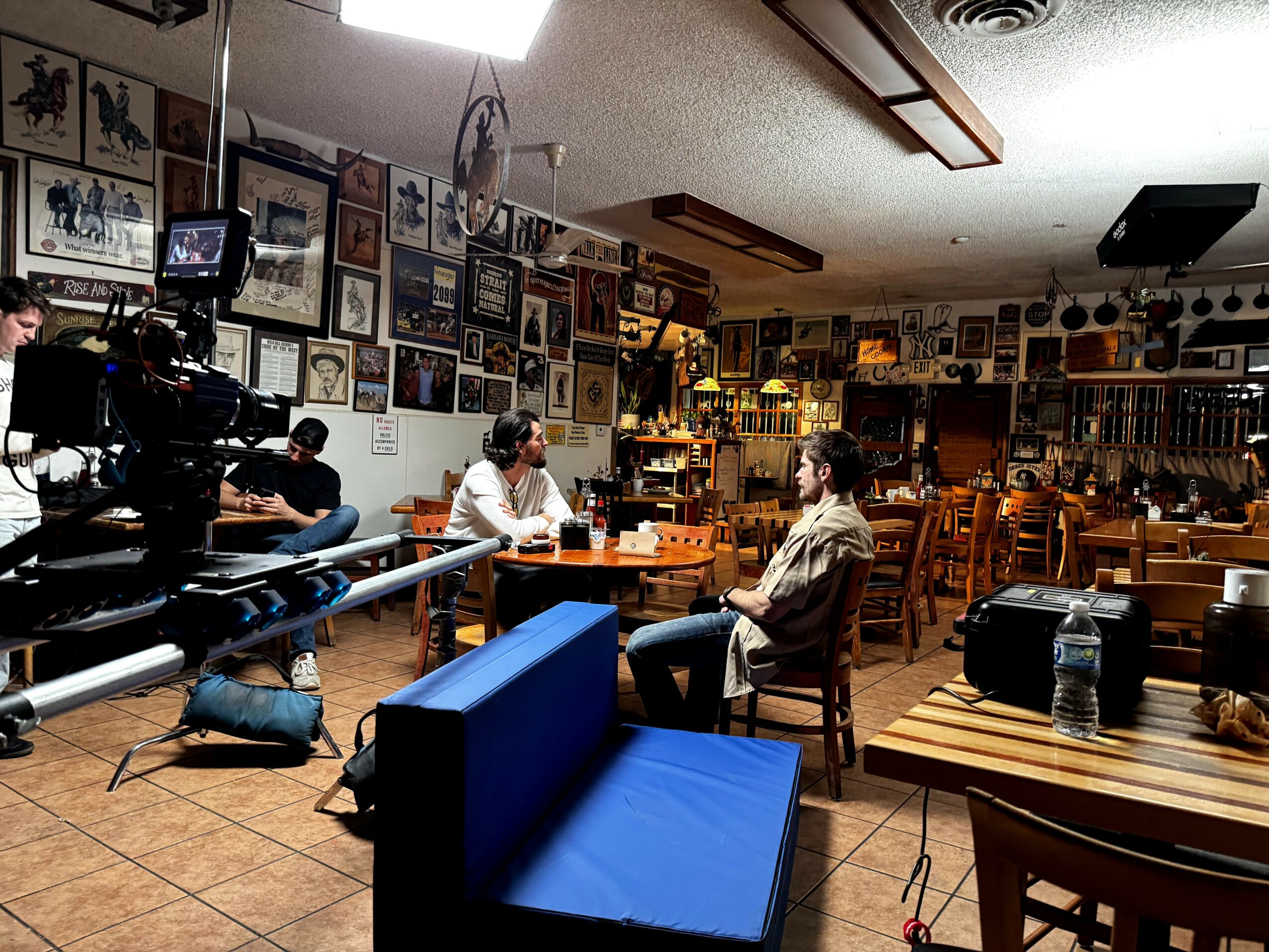
Covid hit, lost opportunities on all fronts, as so many people did, and I just decided to get back to the “do it myself” roots and stop waiting for a blessing. I decided to shoot a feature with my close friend Jason Eisner, a talented guy who produced it with me as well as Michael Joseph, who’s also a very talented filmmaker. Managed to raise a small sum and we just committed to getting our hands very dirty. We shot with less than eight people every day, went out into very sort of inhospitable places, and just suffered through it.
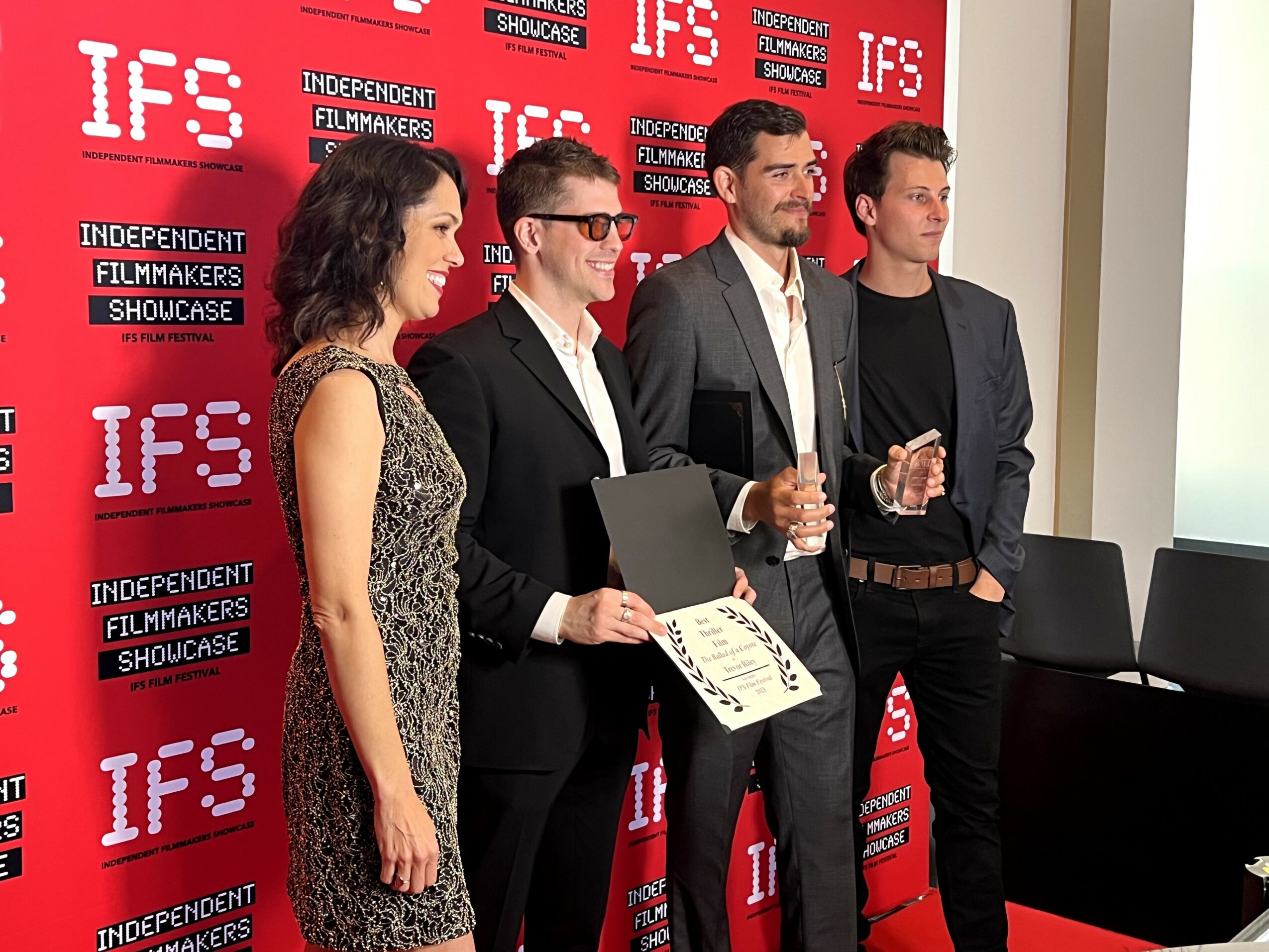
That was really my feature directorial debut, The Ballad of a Coyote. It wasn’t perfect by any means, but we made something that we cared about with people we cared about. We garnered several nominations at the LA IFS Film Festival and Mammoth Film Festival. Best Actor, Best Thriller, and Best Picture and Best Director nominations.
Ultimately, I just all believe if the door doesn’t open cut a hole in the wall. I think that’s what me and all my friends really have in common. So we recently did it again, shot a film, and added a few more people to the family. I ended up working in a film Bryan Edward Hill wrote and directed, he EP’d for me, he’s has become a big supporter of mine. Slater Wayne, Bianca Van Damme, Paul Johannsen. I really feel strongly about mentioning some of these people, because if anything stands out in this interview, I would hope it’s how much help and support I’ve gotten from good people, including guys like Chris Damon. Who have always dropped everything to come out and work on my projects. When you find good people, keep them and do what you can to return the favor. I have immense gratitude for anyone who wants to go to battle with me.
We all face challenges, but looking back would you describe it as a relatively smooth road?
I’ll touch upon this briefly. I was penniless for a long time, and in a lot of ways, I willingly stepped into that because I knew I wanted to commit any spare moment I could to this thing that I felt passionate about. I don’t need a lot so I figured this was a good reason not to have a lot. There’s very little security in the film industry, and that’s okay; it’s something you sign up for. I knew how I needed to spend my days to get closer to what I wanted, so I accepted instability. I was supposed to make my most recent film with David Rodriguez before he passed away. In a lot of ways, his untimely death was what drove me during COVID to make my first film. Things can be so impermanent, I just don’t care to wait for the “perfect” moment anymore. When things like that happen, it hurts; it makes you appreciate people and what you do have. But I know very few people who haven’t had trials. If you’re paying attention, they’ll make you better.
Thanks for sharing that. So, maybe next you can tell us a bit more about your work?
I’m a writer director and actor. I love trying to make the kinds of films I grew up watching. I love Americana, I love the grit and texture of these sort of microcosms of the fringes of society. I spent a lot of my teens and early twenties in these kinds of places and I think it’s an environment I connect to in many ways. I also just feel we get so much suburban life in our daily routines, I like to tell stories that have raised stakes and real consequences.
I really am most proud of the people I work with, the fact that I can say I have three or four people who will come out and bleed sweat and cry on an indie with me is enough.
Can you talk to us a bit about the role of luck?
Good people who take chances on you, it’s everything. BUT. The harder you work, the more you’re willing to be critical of yourself and hold yourself to a higher standard, the luckier you seem to get.
Contact Info:
- Website: https://www.glassfeatures.com/
- Instagram: t_riley_11
- Other: https://vimeo.com/trevoriley



Popular
-

What is the story you hope people tell about you when you’re gone?
-
Who were you before the world told you who you had to be?
-

Was there ever a time you almost gave up?
-

What is something outside of work that is bringing you joy lately?
-
Who saw you clearly before you could see yourself?
-
What are the biggest lies your industry tells itself?


