




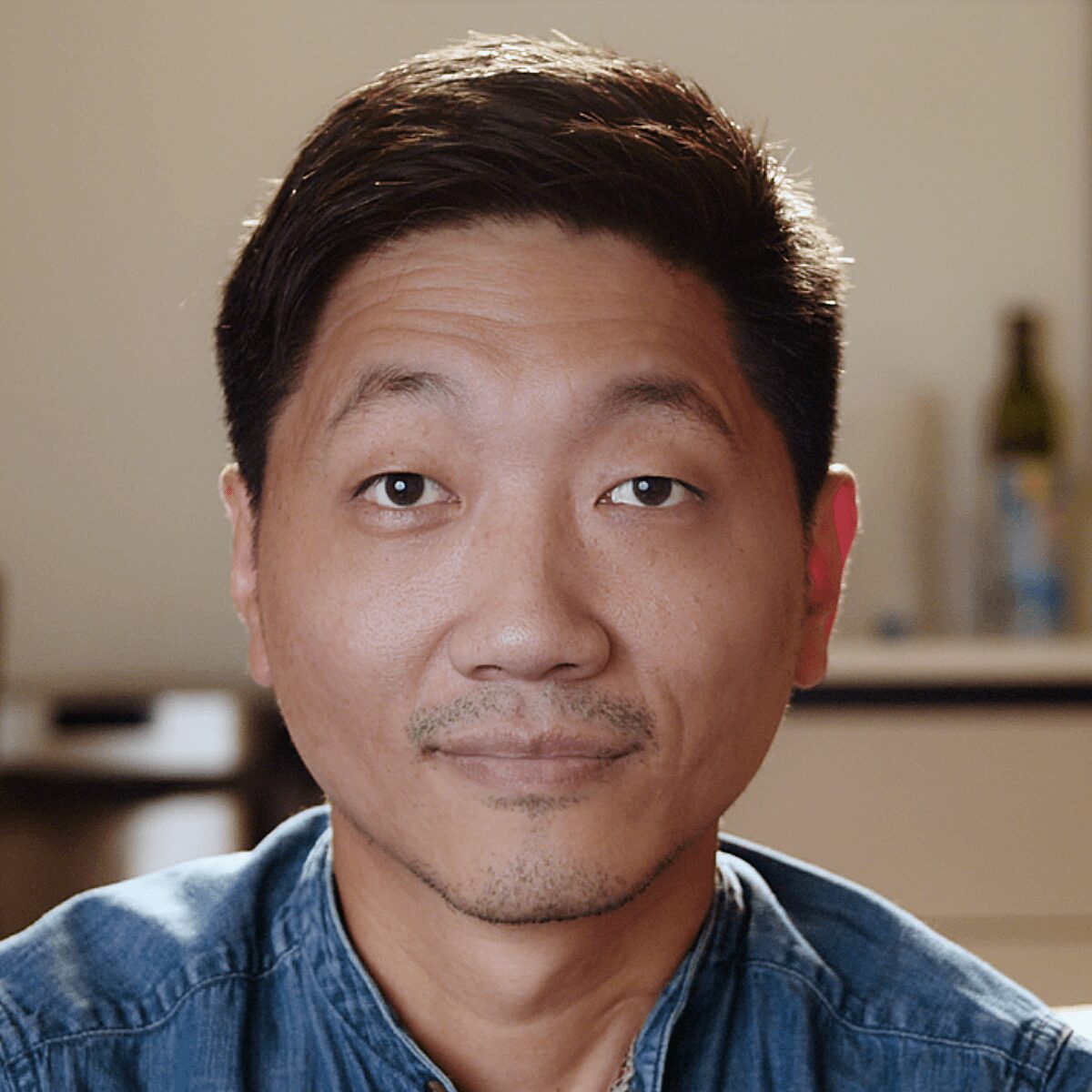
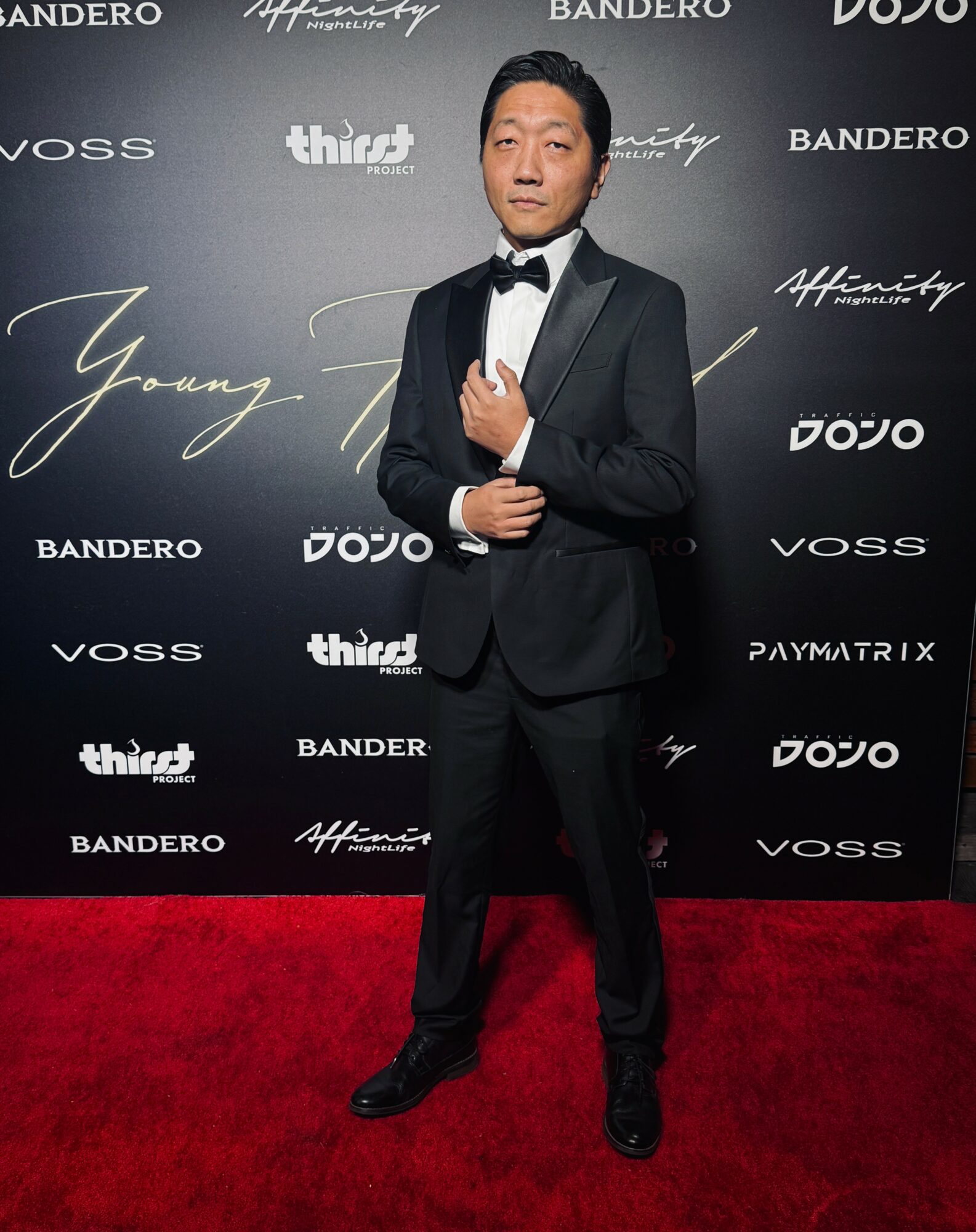
Today we’d like to introduce you to Blake Ridder.
Alright, so thank you so much for sharing your story and insight with our readers. To kick things off, can you tell us a bit about how you got started?
I did not grow up in filmmaking. I worked in a regular job for years until I hit a point where I realised I was building someone else’s dream and leaving my own untouched. I bought a cheap camera, shot a short film on weekends, and that small project changed everything. The moment I saw how an idea in my head could turn into something real, I decided to burn the safety net and go all in.
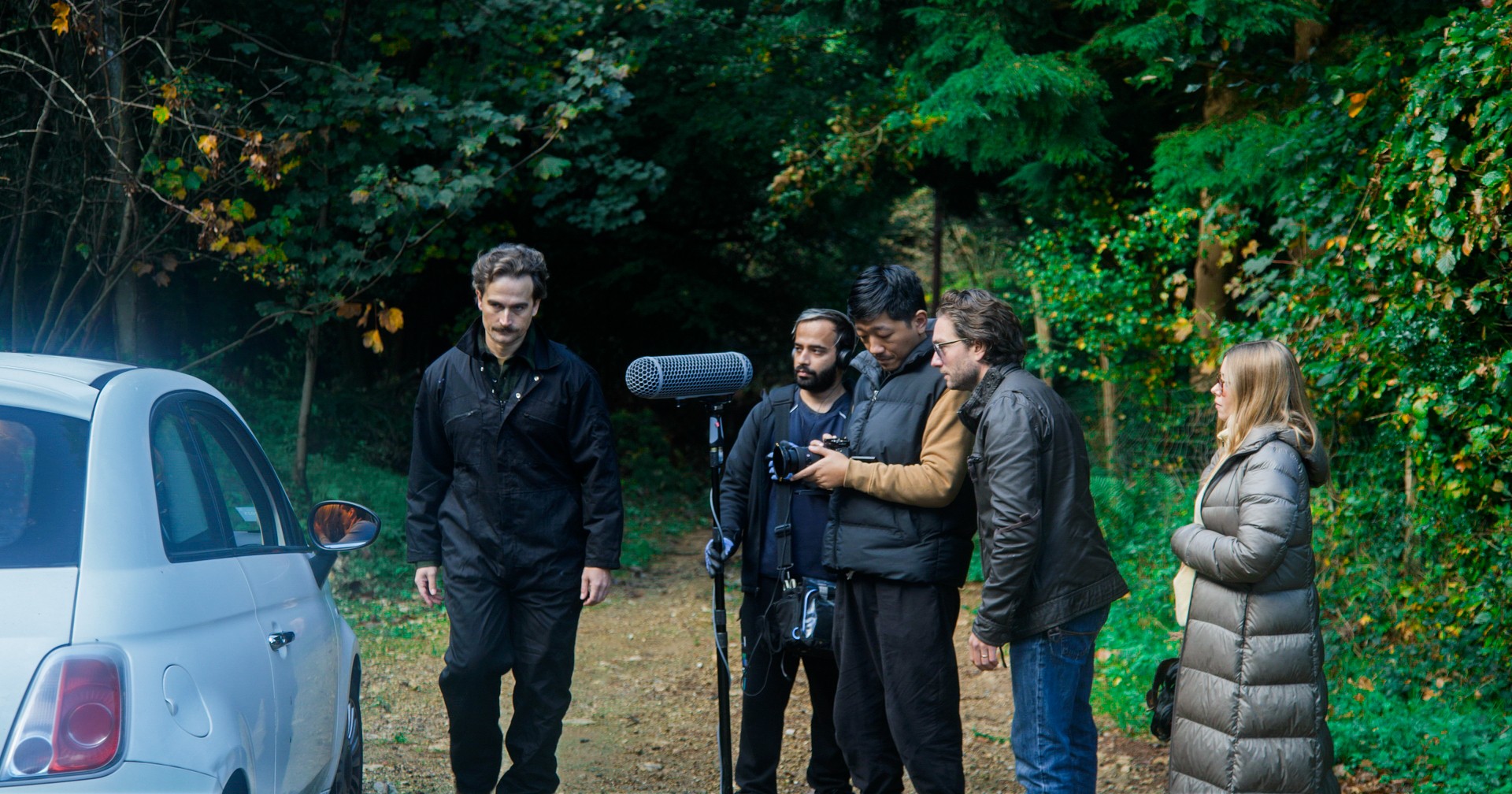
I’ve made more than seventy short films since then and directed several features, all self funded or crowdfunded, and all made with whatever I could get my hands on. Nothing about my career has been traditional. I built my audience online by showing the process, the mistakes, the experiments, the chaos behind making films with small crews. That audience helped launch my workshops, my film festival, and eventually brought attention from studios and brands who wanted to collaborate.
I moved to Los Angeles recently to push my work to the next level. I still make films the same way I started, with instinct and stubbornness, trying things, breaking things, and learning on the move. Everything I have today came from that first decision to stop waiting for permission.
Alright, so let’s dig a little deeper into the story – has it been an easy path overall and if not, what were the challenges you’ve had to overcome?
Definitely not smooth. Filmmaking is basically a long list of problems that show up at the worst possible moment. In the early years I was shooting films with no money, no crew, and no idea what I was doing. I learned everything by messing up in public. Wrong locations, actors dropping out, gear failing, scripts falling apart halfway through shooting. I’ve had shoots collapse the night before filming. I’ve had films that I thought would be great turn out terrible.
The real struggle was the pressure of doing everything myself. Writing, directing, producing, editing, running a YouTube channel, building a following, trying to make enough money to survive while still making films. There were years where I wasn’t sure if anything I was doing was working. I kept going because quitting would have felt worse.
Even today nothing is “smooth.” I just have more experience dealing with chaos. Every film teaches me something I wish I knew earlier, and every setback forces the next level of growth.
Thanks for sharing that. So, maybe next you can tell us a bit more about your business?
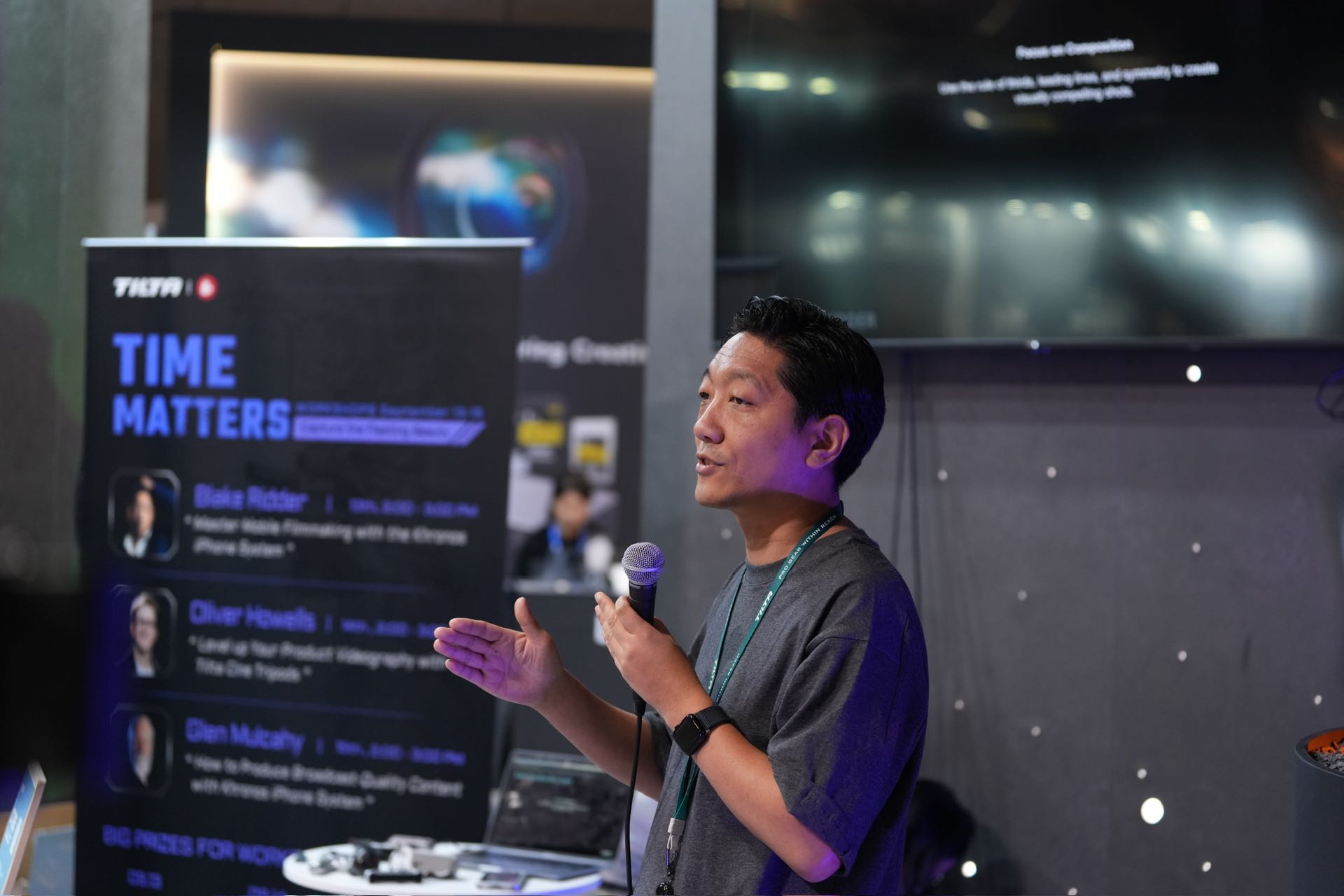
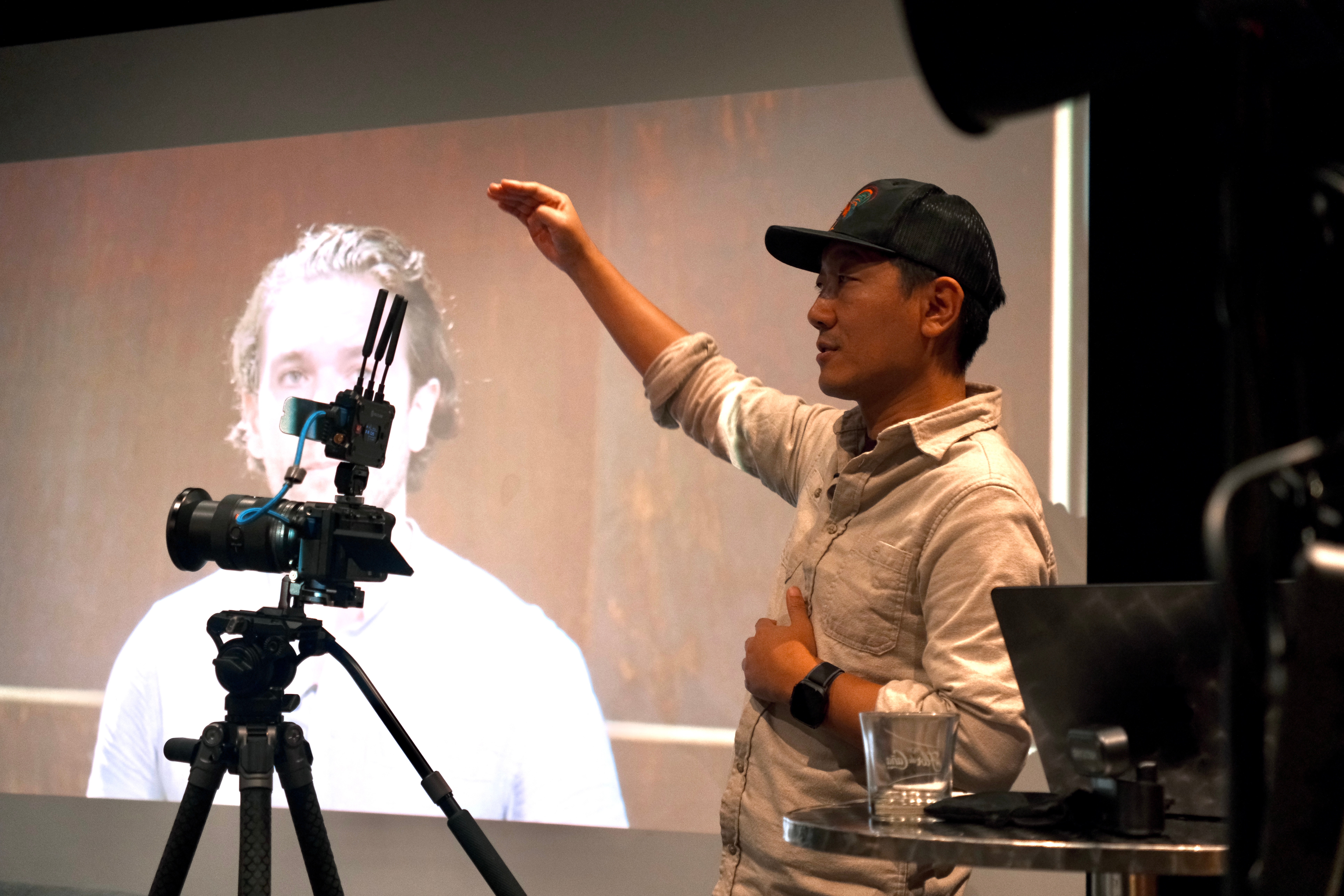
Ridder Films started as me making short films on my own with a tiny camera. It has grown into a full ecosystem built around filmmaking, education, and community. I direct feature films and short films, I host workshops around the world, and I run the Ridder Film Festival which highlights new filmmakers every month. I also teach through my online masterclass, which breaks down the exact process I use to make films on limited budgets with high production value.
What people know me for is the way I approach filmmaking. Fast, resourceful, practical, and honest about what it takes. I do not pretend I have huge crews or endless budgets. I show the reality, and that has built a very loyal audience. Because of that, brands in the tech and film space started working with me. Companies like Genesis, ASUS, Adobe and Sony trust me to create films and campaigns that feel human rather than corporate.
What sets my work apart is the combination of story and execution. I make films, but I also teach filmmakers how to survive this industry without waiting for anyone’s approval. Everything I put out, from workshops to festivals to courses, is designed to give people real tools they can use that same week, not theory they will forget.
What I am most proud of is that the entire brand is built from scratch without any traditional Hollywood backing. It grew because people connected to the work and the honesty behind it. If readers take anything away from my brand, it is that you can build a career in film with your own two hands, as long as you are willing to create, learn, share, fail, get back up, and keep going.
Do you any memories from childhood that you can share with us?
My favourite childhood memory is the first time I watched Terminator 2. I did not understand a single word of English at the time. I had no idea what anyone was saying. But the film grabbed me anyway. The images, the tension, the way the world felt larger than life. I watched it completely lost in the story and still understood everything that mattered.
That was the moment I realised cinema could reach you without language. It could communicate through emotion and movement and visual storytelling. I did not think of it as a career then, but that was the seed. It showed me that film is powerful enough to cross any barrier, even for a kid who did not understand the dialogue.
Contact Info:
- Website: Ridderfilms.com
- Instagram: https://instagram.com/blake.ridder
- Youtube: https://YouTube.com/blakeridder

Popular
-

What is the story you hope people tell about you when you’re gone?
-

Who were you before the world told you who you had to be?
-

Was there ever a time you almost gave up?
-

What is something outside of work that is bringing you joy lately?
-

Who saw you clearly before you could see yourself?
-

What are the biggest lies your industry tells itself?


