




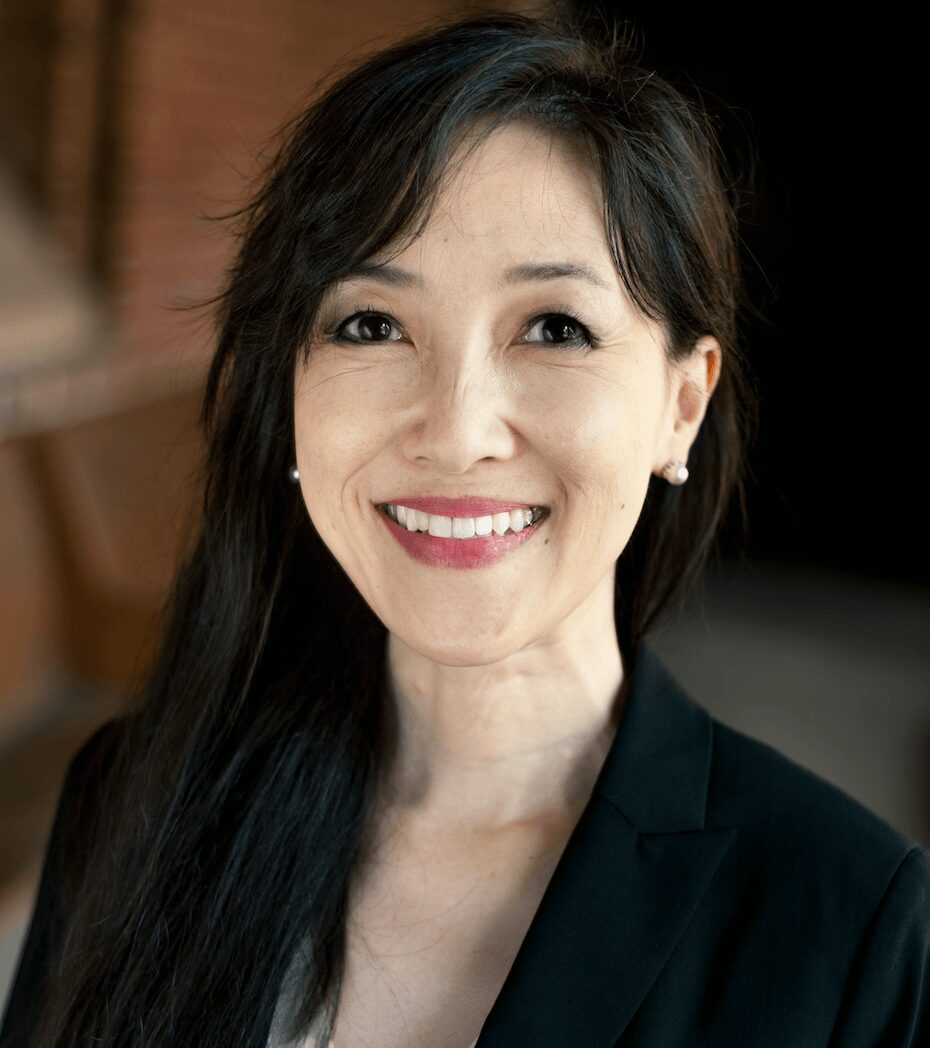
Today we’d like to introduce you to Tram Sparks.
Hi Tram, please kick things off for us with an introduction to yourself and your story.
A child refugee of the Vietnam War, my early musical training was in Okinawa, Japan and subsequently, at the San Francisco Conservatory of Music Pre-College Division where I studied piano, solfege, and eurythmics and sang in a children’s choir. My family left Vietnam two days before the fall of Saigon. Due to my late father’s role with US Intelligence during the war, my immediate family was evacuated on a C-130 cargo plane to a refugee camp in Singapore when it became clear that the war’s end was imminent. During childhood and my teen years, I spent many hours at the piano. Although I devoted thousands of hours to practicing during my formative years, I know now that it was not merely an act of discipline … music saved me, in a way. Through music, I found an expressive outlet for the unspoken, and the unspeakable. To me, music isn’t just a profession. It’s a way of excavating what it means to be human.
After high school, I earned the Bachelor of Music in Piano Performance and the Master of Music in Choral Conducting from Temple University. After completing the MM in choral conducting, I felt drawn toward further study of conducting, leading me to complete the Doctor of Musical Arts in Choral Conducting at the Yale School of Music. I feel incredibly lucky and blessed to have had the most compelling teachers, whose inspiration and musical insights inform my own teaching today.
My interest in conducting and choral music developed over many years, almost in a subconscious way, through regular collaborations with singers, choirs, violinists, cellists, etc. I find the collaborative aspect of conducting to be one of the most magical and beautiful parts of music making. It strikes me as ironic — that the conductor doesn’t lead with a single sound from the podium, yet the conductor has the privilege of bringing the score to life through movement, via the constellation of voices in the ensemble.
Prior to my work in Los Angeles, I was Associate Professor and Associate Director of Choral Activities at Temple University Boyer College of Music & Dance, where I taught from 1999-2009. At Temple, I taught graduate and undergraduate courses in choral literature, conducting, and aural theory, and conducted a number of choirs including the Concert Choir and University Singers.
Currently, I am a Professor of Practice at the USC Thornton School of Music. At Thornton, I have served as Choral & Sacred Music Department Chair (2022-2025). Recent artistic highlights include conducting the USC Thornton Chamber Singers in a performance of Ellen Reid’s Oscillations: One Hundred Years and Forever at the Los Angeles Philharmonic’s 2024 Noon to Midnight Festival. In February 2025, I prepared the USC Thornton Choral Artists and vocal soloists for a concert with the Thornton Symphony, performing Beethoven’s Choral Fantasy at Walt Disney Concert Hall conducted by Carl St. Clair. In June 2023, I conducted the festival chorus (including the Thornton Chamber Singers) and the New England Symphonic Ensemble in a performance of Faure’s Requiem at Carnegie Hall.
I’m sure it wasn’t obstacle-free, but would you say the journey has been fairly smooth so far?
First, I should note that I feel incredibly lucky to have had the opportunities I’ve had! I couldn’t have planned to have the musical life and career I’ve had if I had tried. Regarding obstacles/challenges, I think it’s widely acknowledged that conducting has historically had less representation of women and musicians of color, and particularly in positions of national or international prominence. I think we’ve seen a widening of the circle in recent years. That said, I don’t focus on these realities as obstacles, but as a call for me to do my part to clear a wider and more level path for the next generation of conductors.
As you know, we’re big fans of you and your work. For our readers who might not be as familiar what can you tell them about what you do?
Please see my response to the first question, which includes some information about my work at USC Thornton.
The focus of my work is choral music. My work at Thornton includes teaching graduate choral conducting courses, private conducting instruction, conducting a choral ensemble, sacred music seminars and dissertation advising.
I am most proud of my students and former students from USC and Temple! Every time I hear from alumni about the work they’re doing, I am inspired by their innovation, dedication and talent. My current students also inspire me and give me hope that the future of choral music in the US and the world is bright. I am hopeful that they will be on the frontiers as future leaders in music performance, scholarship, and education and that they will remain attuned to the power of music to change lives. I consider it an immense privilege to be able to look back on 25+ years of performance and teaching with joy for being a part of many students’ musical journeys.
How do you think about happiness?
I love being “in the moment” when performing. There’s nothing like giving myself to the singularity of time and space on a stage, and saying something through music.
Happiness is seeing my loved ones find meaning, in little and life-changing ways.
… also, going to great concerts!
Contact Info:
- LinkedIn: https://www.linkedin.com/in/tram-sparks-6506a7a/
- Other: https://music.usc.edu/tram-sparks/
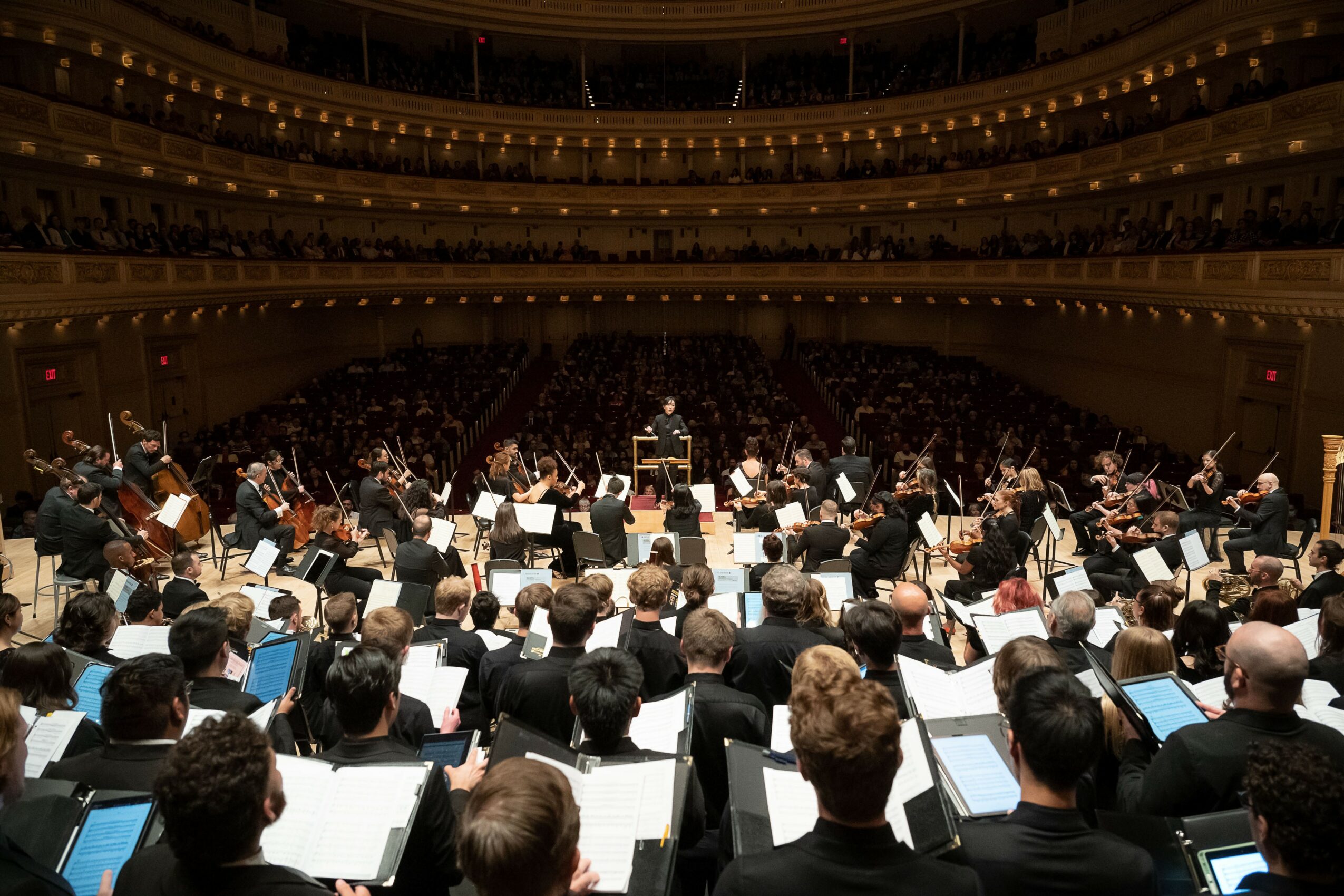
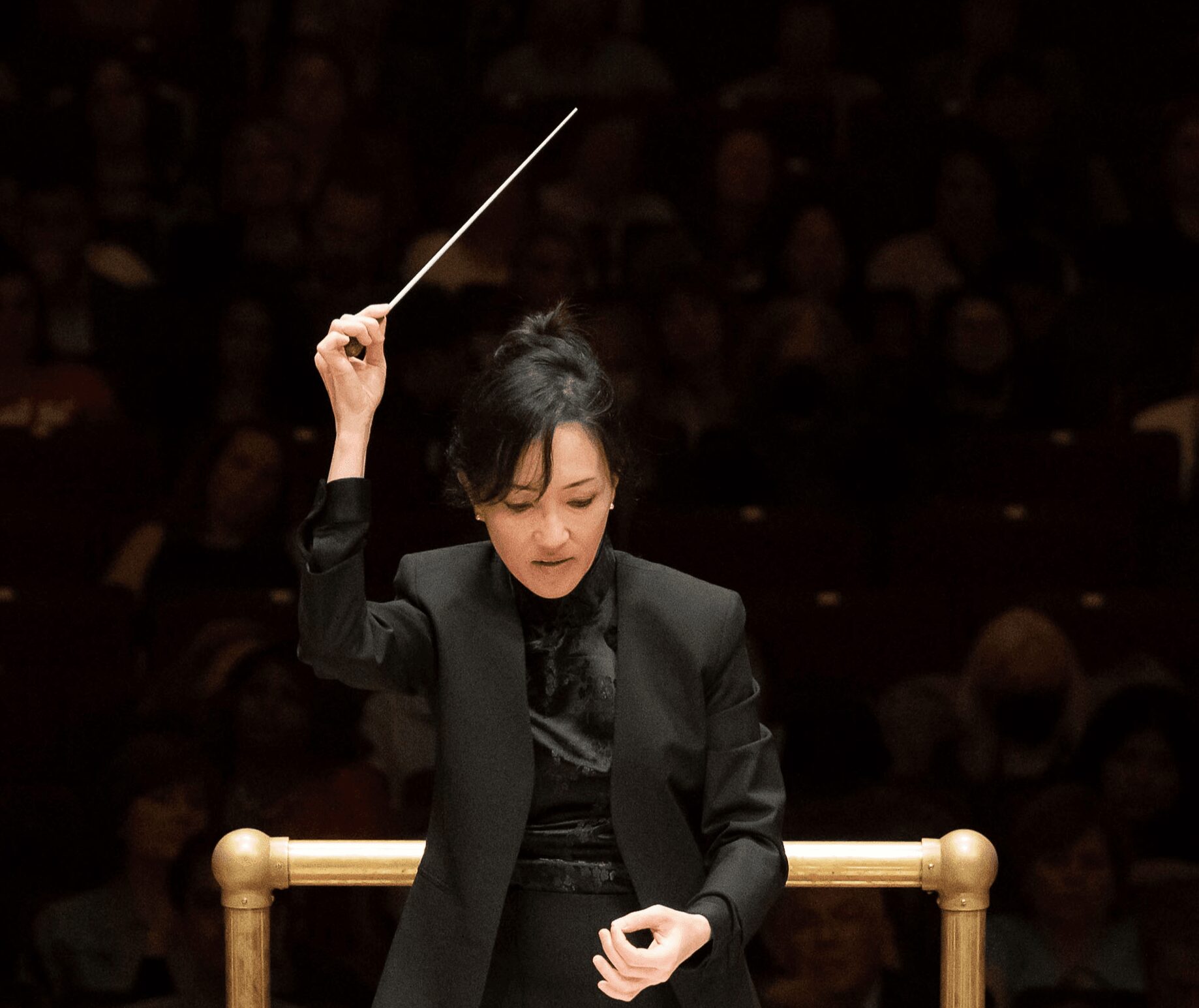
Image Credits
Yu Hang Tan Photography
MidAmerica Productions
Popular
-

LA’s Most Inspiring Stories
-

JordanL on ‘Breathe,’ Belief, and Building a Movement Beyond the Music
-
Megan Birney Rudert on How Access to Light Is Powering a More Sustainable and Equitable Future
-

Linda Kneidinger on Building Lasting Change Through Small Steps and Self-Compassion
-

Jolana Nika on Redefining Modern Connection Through Intentional, Real-Life Experiences
-

What did suffering teach you that success never could?


