



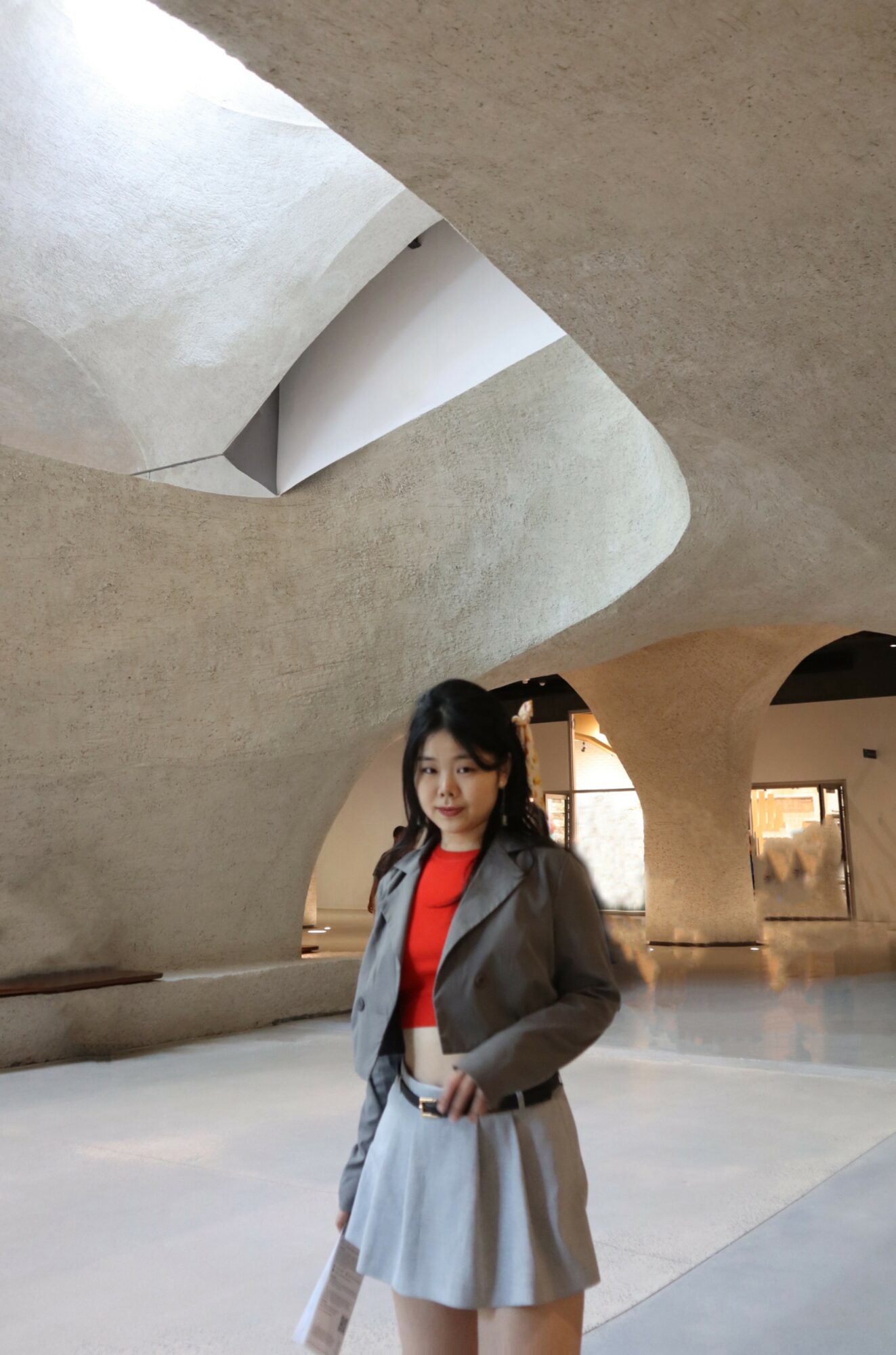
Today we’d like to introduce you to Ruili Wang.
Hi Ruili, we’d love for you to start by introducing yourself.
I’ve always been fascinated by how space can shape emotion and behavior, and that curiosity is what first drew me toward architecture. I began my journey in China, where early internships exposed me to fast-paced project environments and large-scale urban work. Those experiences helped me build a strong technical foundation — from drafting and modeling to understanding how different disciplines collaborate in real projects.
I later pursued my master’s degree in Advanced Architectural Design at the University of Pennsylvania, where I focused on computational design, material experimentation, and atmospheric qualities in space. UPenn pushed me to expand my design vocabulary and taught me to think critically about narrative, geometry, and emotional experience within architecture.
After graduating, I moved to Los Angeles to continue my career. Over the past few years, I’ve worked primarily on residential and mixed-use projects, contributing to concept design, drafting, code research, and coordination with clients and consultants. I’ve also been exploring lighting and interior experience — areas that align with my interest in the relationship between spatial atmosphere and human psychology.
I also interned on an airport project, where I worked on canopy and structural alignment studies, interior layout refinement, ecological analysis, physical modeling, and Rhino model development. That exposure to public-scale design strengthened my understanding of flow, clarity, and creating calm within complexity.
Today, I’m focused on deepening my expertise and building a body of work that’s elegant, intentional, and rooted in human experience.
Can you talk to us a bit about the challenges and lessons you’ve learned along the way. Looking back would you say it’s been easy or smooth in retrospect?
It definitely hasn’t been a completely smooth road. A big part of my journey has been learning to navigate very different design cultures — starting in China, moving into an academically intense environment at UPenn, and then adapting again to the professional world in Los Angeles. Each transition came with its own expectations and ways of thinking, so I had to constantly adjust and rebuild my confidence.
Another major challenge was learning to balance the freedom of conceptual design with the realities of practice. In school, I was encouraged to experiment and push boundaries, but in the real world, I had to quickly understand codes, city processes, deadlines, client needs, and technical coordination. There were times when I felt caught between ambition and practicality, and it took time to develop the judgment to merge the two.
I also faced the common struggles of being a young designer — earning trust, taking initiative, and learning how to communicate clearly with clients and consultants. At the same time, I was still figuring out my own design voice and where I wanted to grow within the industry.
None of these challenges were easy, but each one helped me build resilience, clarity, and a stronger sense of direction as a designer. They’ve shaped how I work today and helped me grow into someone who can balance creativity with real-world responsibility.
As you know, we’re big fans of you and your work. For our readers who might not be as familiar what can you tell them about what you do?
My work focuses on creating spaces that feel elegant, intentional, and emotionally resonant. I’m an architectural designer with experience across residential, mixed-use, and interior projects, and my practice sits at the intersection of spatial atmosphere, material clarity, and human experience.
I specialize in concept design, visualization, spatial narrative, and refining interior environments. Because of my background — from my early training in China to my research-driven education at UPenn — I naturally gravitate toward blending analytical thinking with emotional sensibility. I like understanding the “why” behind a space just as much as the geometry or materiality.
Professionally, I’m known for strong visualization, quick iteration, and the ability to elevate a project’s design language. I often take on tasks like diagramming, refining presentations, polishing renderings, and developing interiors so that the design communicates clearly and cohesively. I also enjoy working closely with clients and consultants, translating ideas into something both beautiful and buildable.
What I’m most proud of is the range of projects I’ve contributed to, and the way I’ve grown my own design voice through them — especially the balance between calmness, clarity, and atmospheric depth. Whether it’s a small interior or a multi-unit residential building, I always focus on how light, proportion, and material come together to create an experience rather than just a space.
What sets me apart is my sensitivity to mood and storytelling. I think architecture isn’t only about solving problems; it’s about shaping how people feel. That lens guides almost every decision I make, from the big concept to the smallest detail.
Are there any books, apps, podcasts or blogs that help you do your best?
I draw inspiration and support from a mix of books, podcasts, and online resources that help me stay creative, grounded, and constantly learning. For example, I love A Pattern Language by Christopher Alexander, which shaped the way I think about patterns in architecture and human experience. Podcasts like 99% Invisible and Archispeak keep me inspired by the stories behind design and architecture, from the small details to large-scale systems. I also follow design blogs and journals to stay current with trends and new ideas, which helps me bring fresh perspectives into my work.
For me, these resources aren’t just professional—they feed my curiosity, refine my thinking, and remind me why I love creating spaces that feel intentional and meaningful.
Contact Info:
- Website: https://ruiliwang.myportfolio.com/
- LinkedIn: https://www.linkedin.com/in/ruili-wang-697a48222/
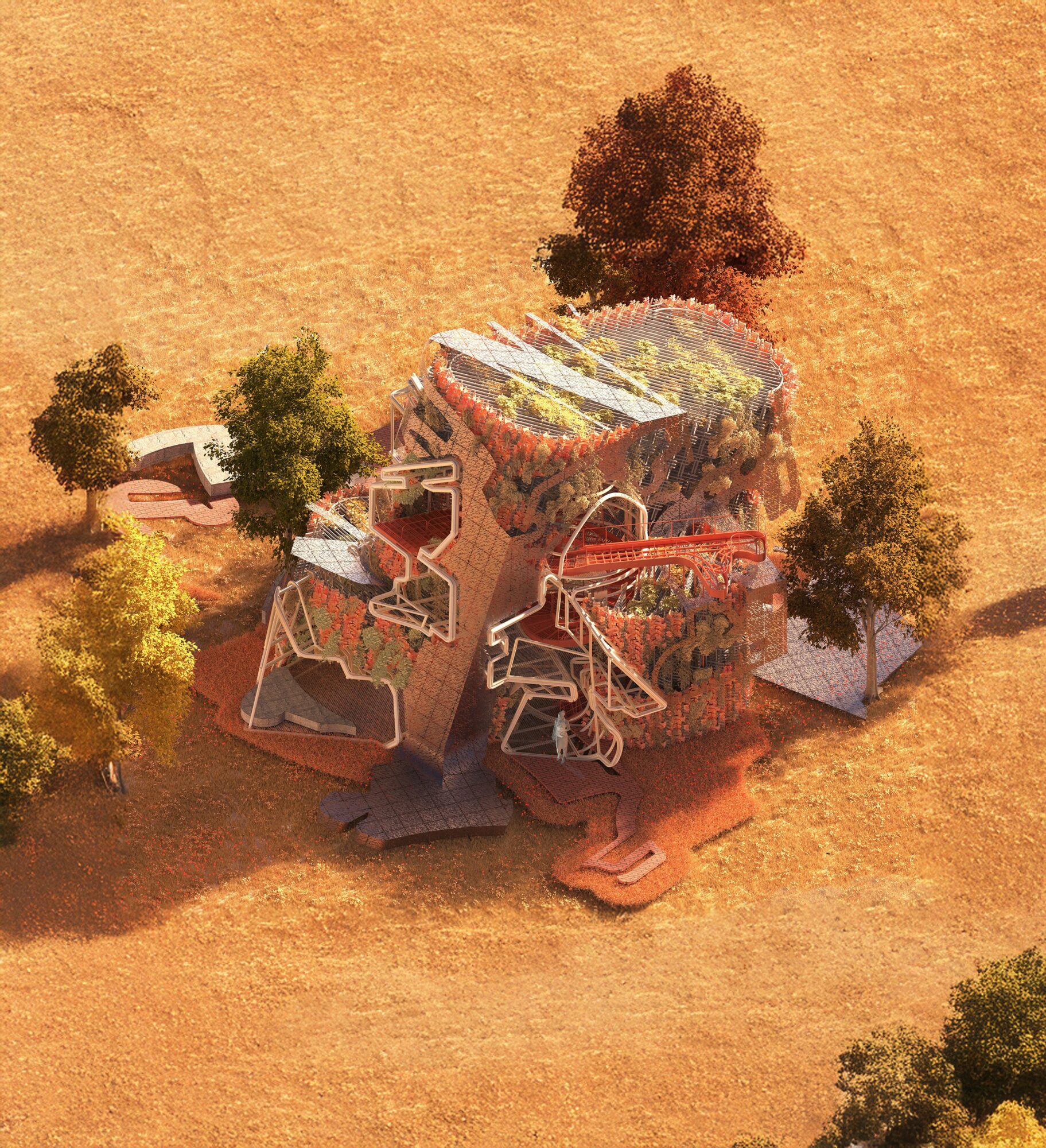
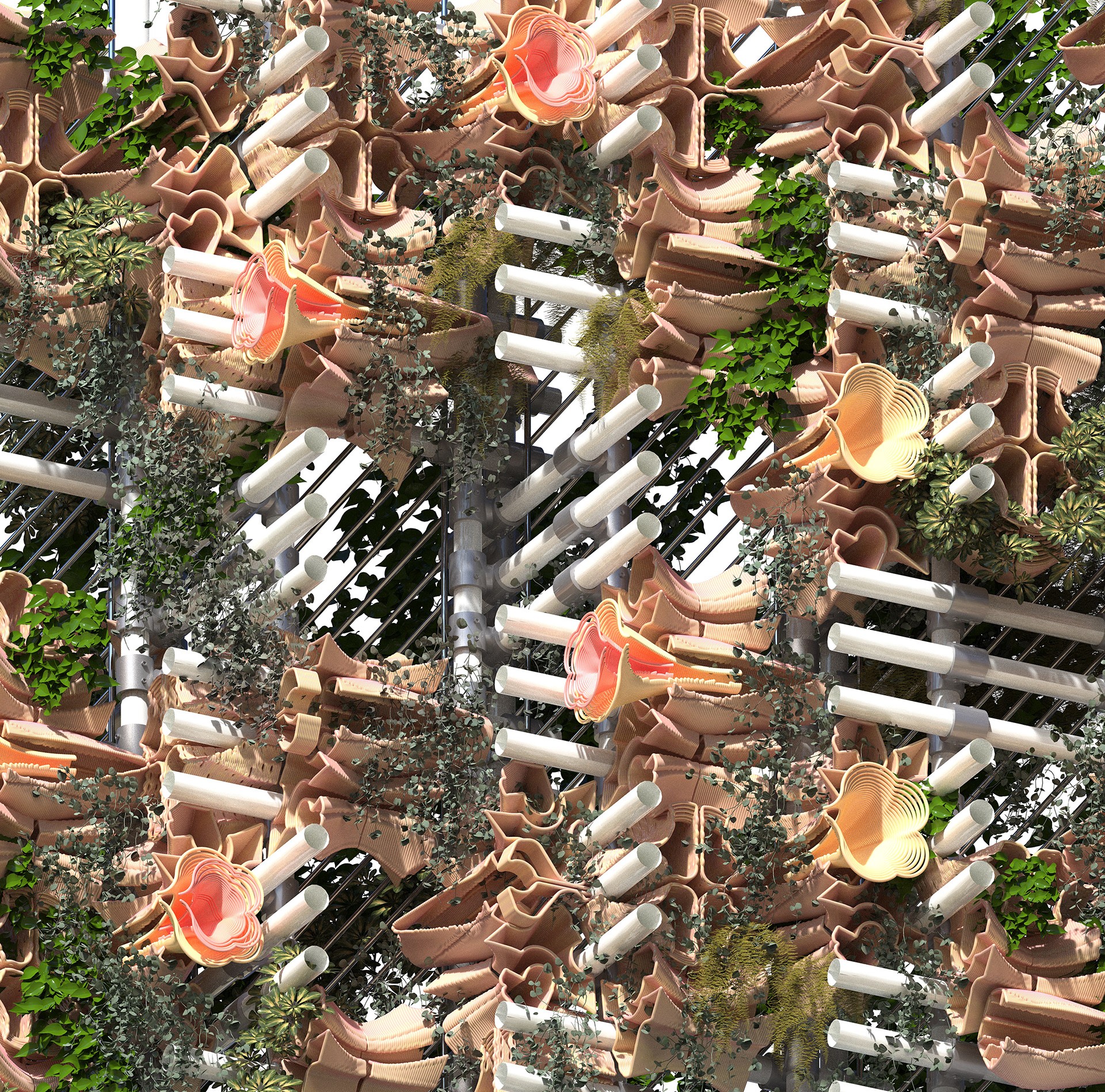
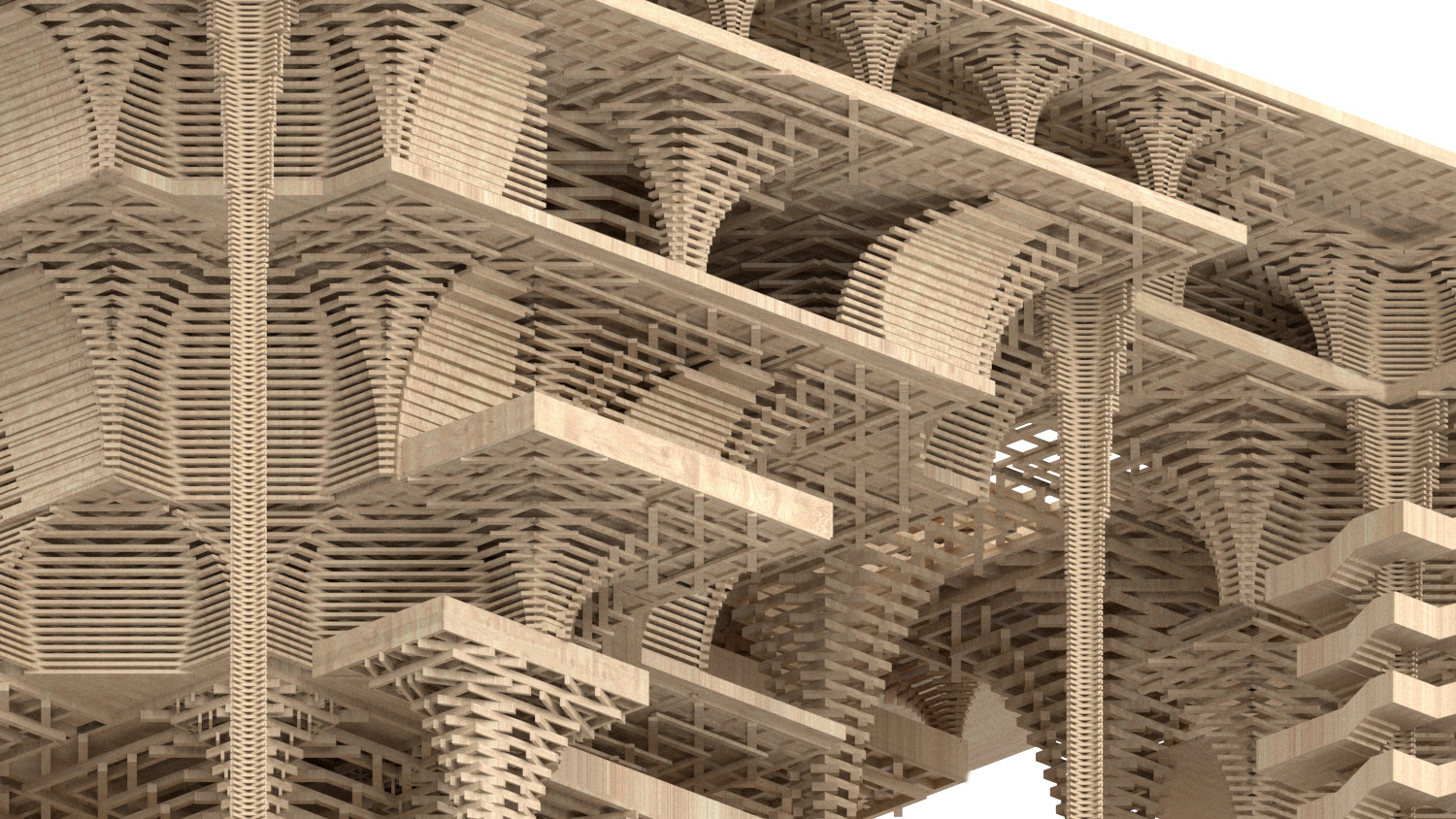
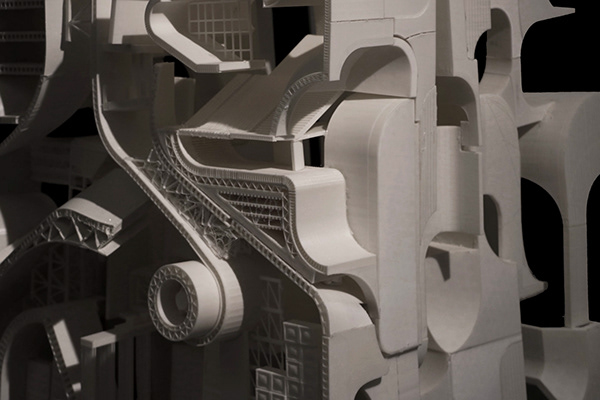
Image Credits
Ruili Wang