





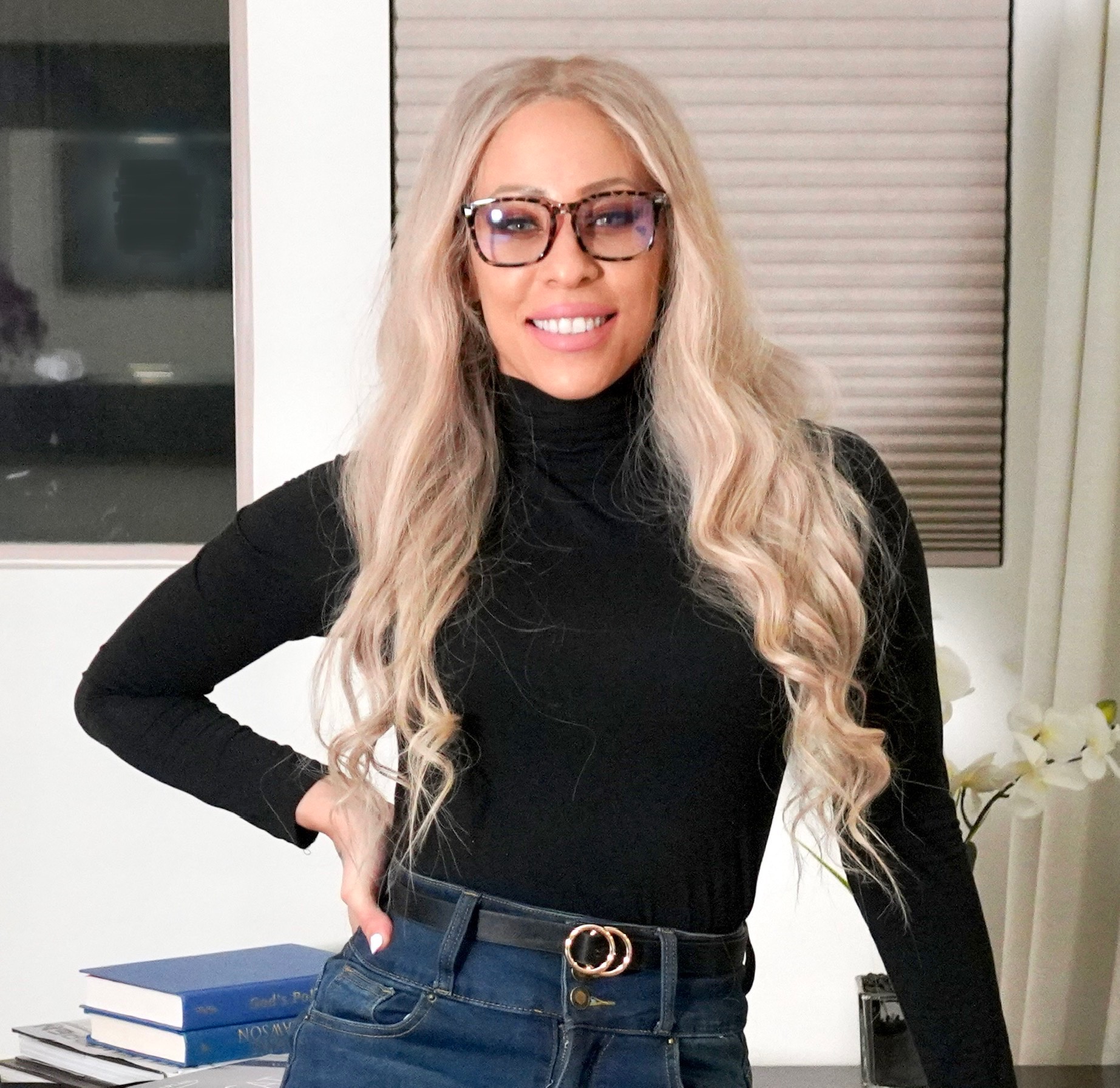
Today we’d like to introduce you to Krystal Khali.
Hi Krystal, we’d love for you to start by introducing yourself.
“From Stage to Space: How a Blues Guitarist is Revolutionizing Satellite Communications”
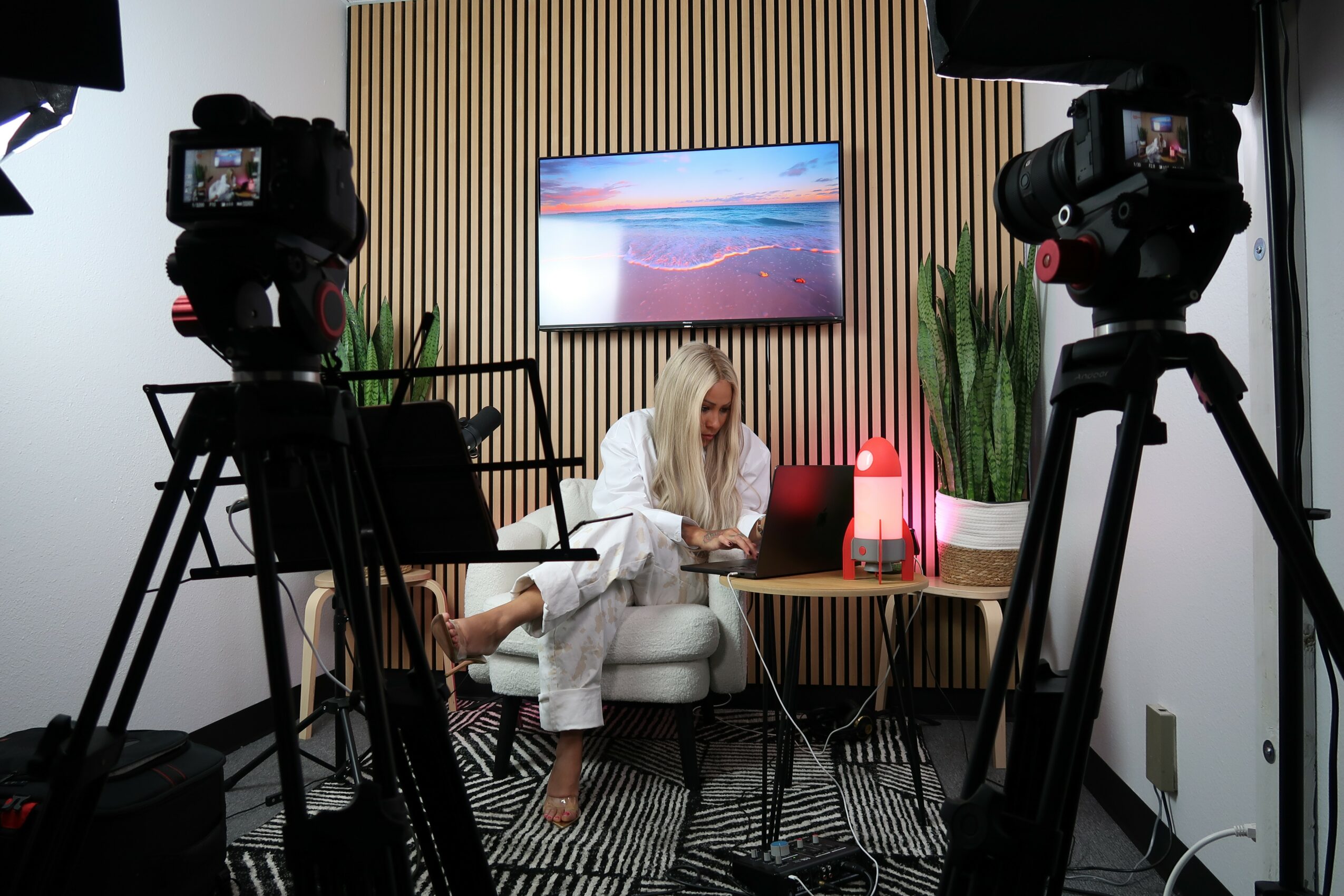
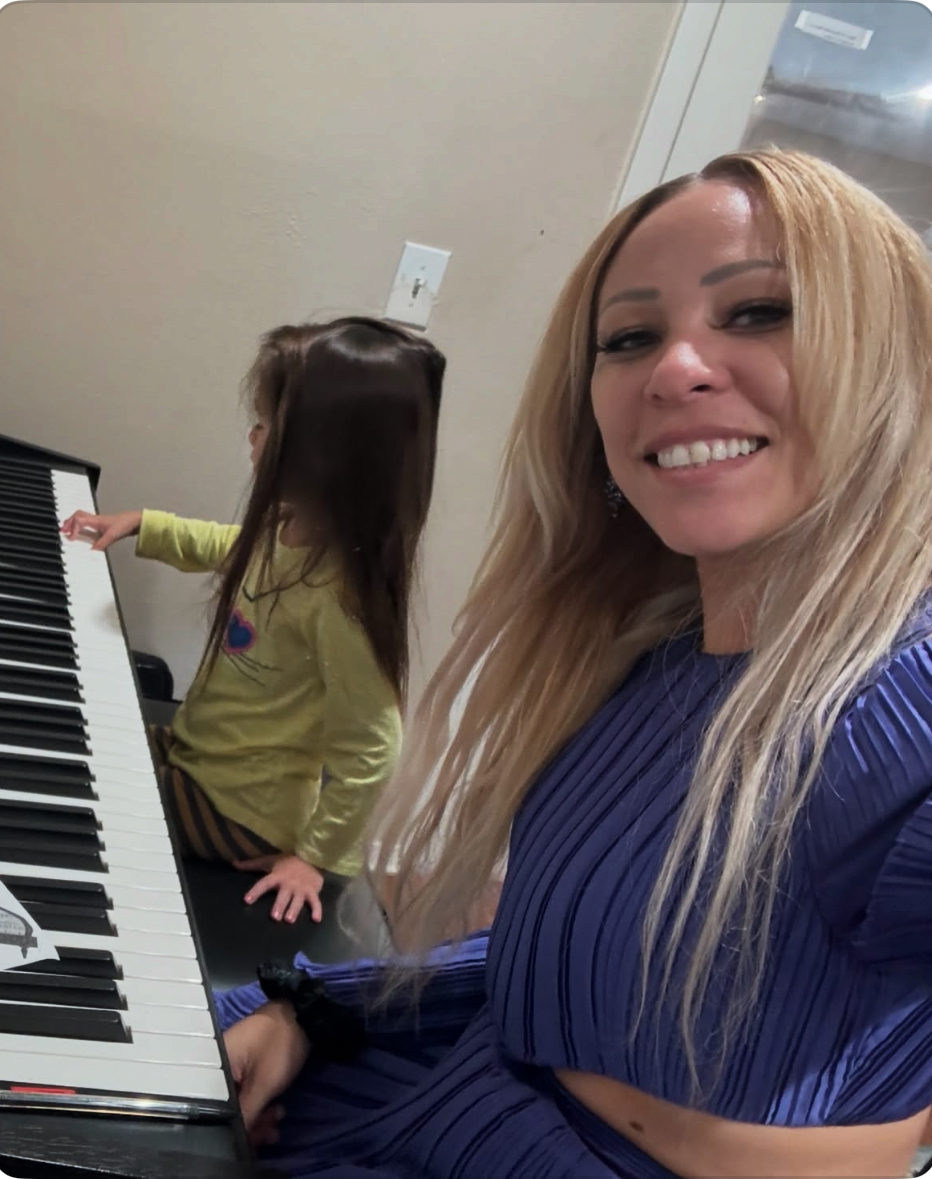
Music and aerospace might seem light-years apart, but for me, they’re just different expressions of the same fundamental truth: everything in the universe operates on patterns and frequencies. I’m the Founder and CEO of Spacebourne, developing technology that will save the satellite industry billions. By night, I’m still that kid who stayed up past midnight to learn a Jimi Hendrix solo. I was heavily influenced by the zeitgeist of the 1960s, not just its music but also its passion and wonder for the space age. I am now channeling that wonder through Spacebourne, The Krystal Khali Podcast, and my music education company, Groove Tutors.
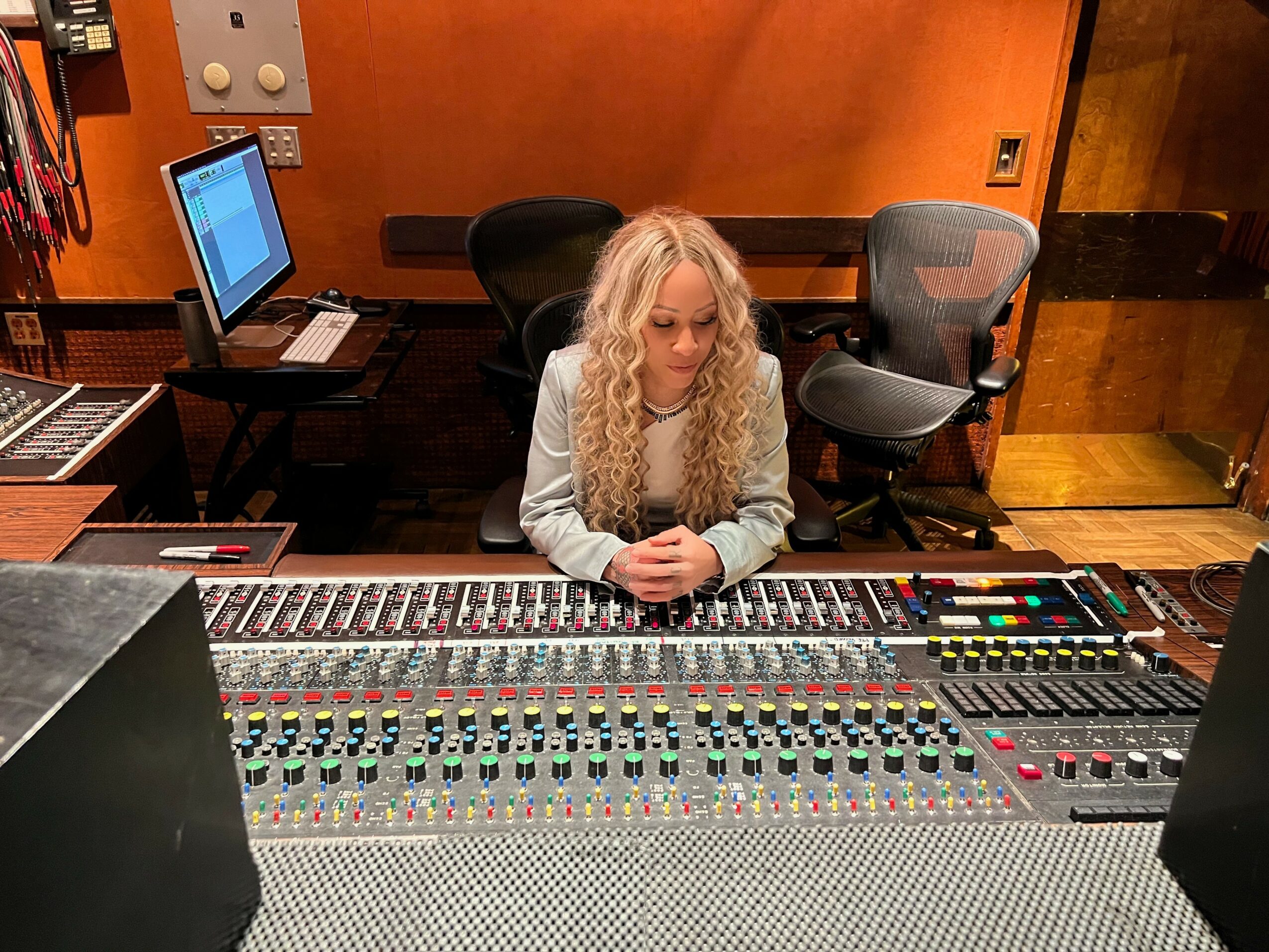
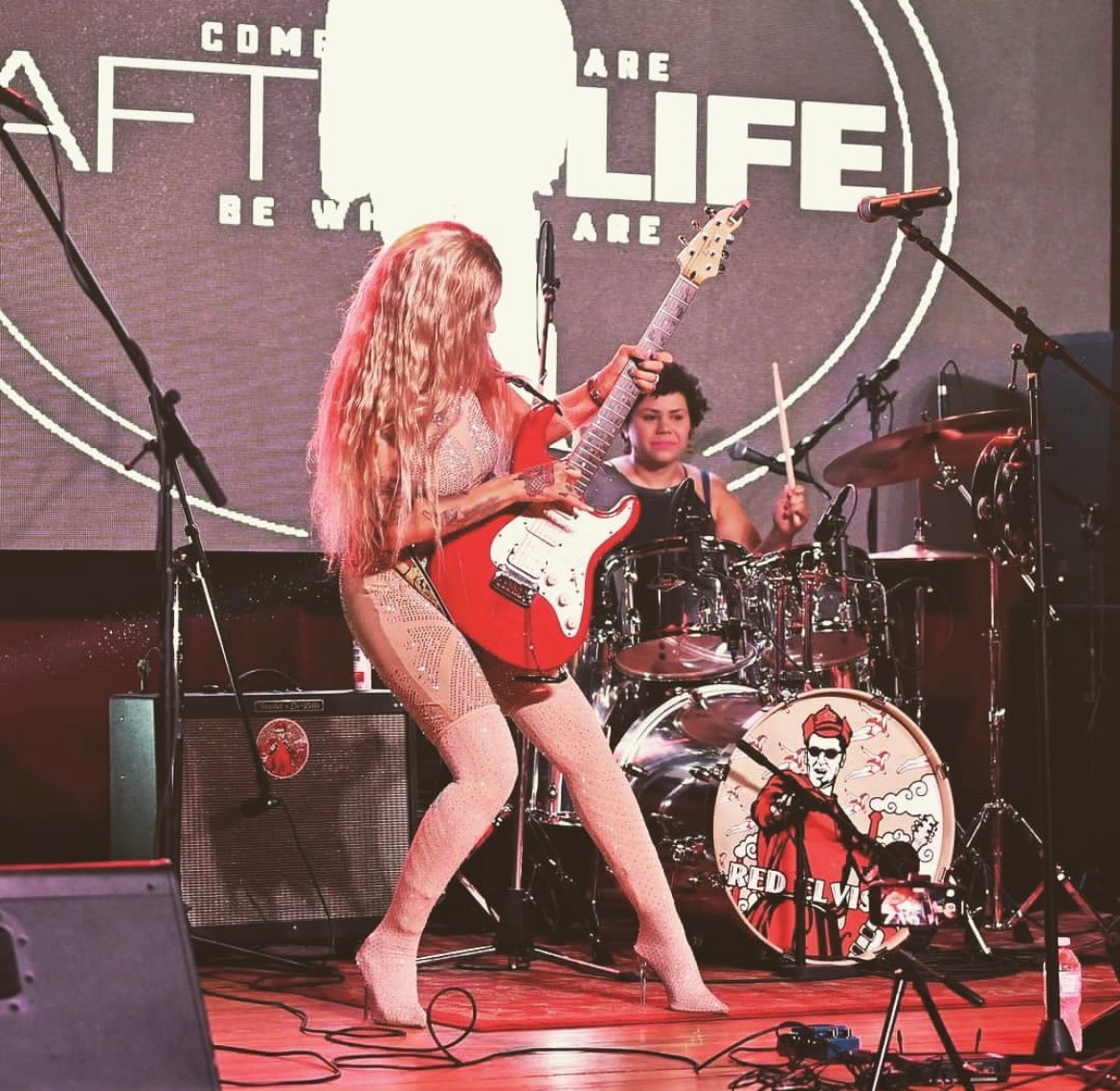
My story isn’t linear—it’s cross functional. Identified as having one of the highest IQs in the nation as a child, I could have taken the traditional path. Instead, I turned down full-ride scholarships to study at Musicians Institute in Hollywood, where I learned from legends like Scott Henderson and Carl Schroeder. That decision led to a decade touring with blues hall-of-famer Guitar Shorty—the man Jimi Hendrix credited for his stage presence, and the man whom Bob Dylan says inspired him in many ways. Between tours, I built a decades long music teaching career, which has now evolved into groovetutors.com, an innovative in-home and online music education company that brings personalized instruction to students across the country, teaching them that mastery isn’t about talent—it’s about recognizing patterns and perfecting timing.
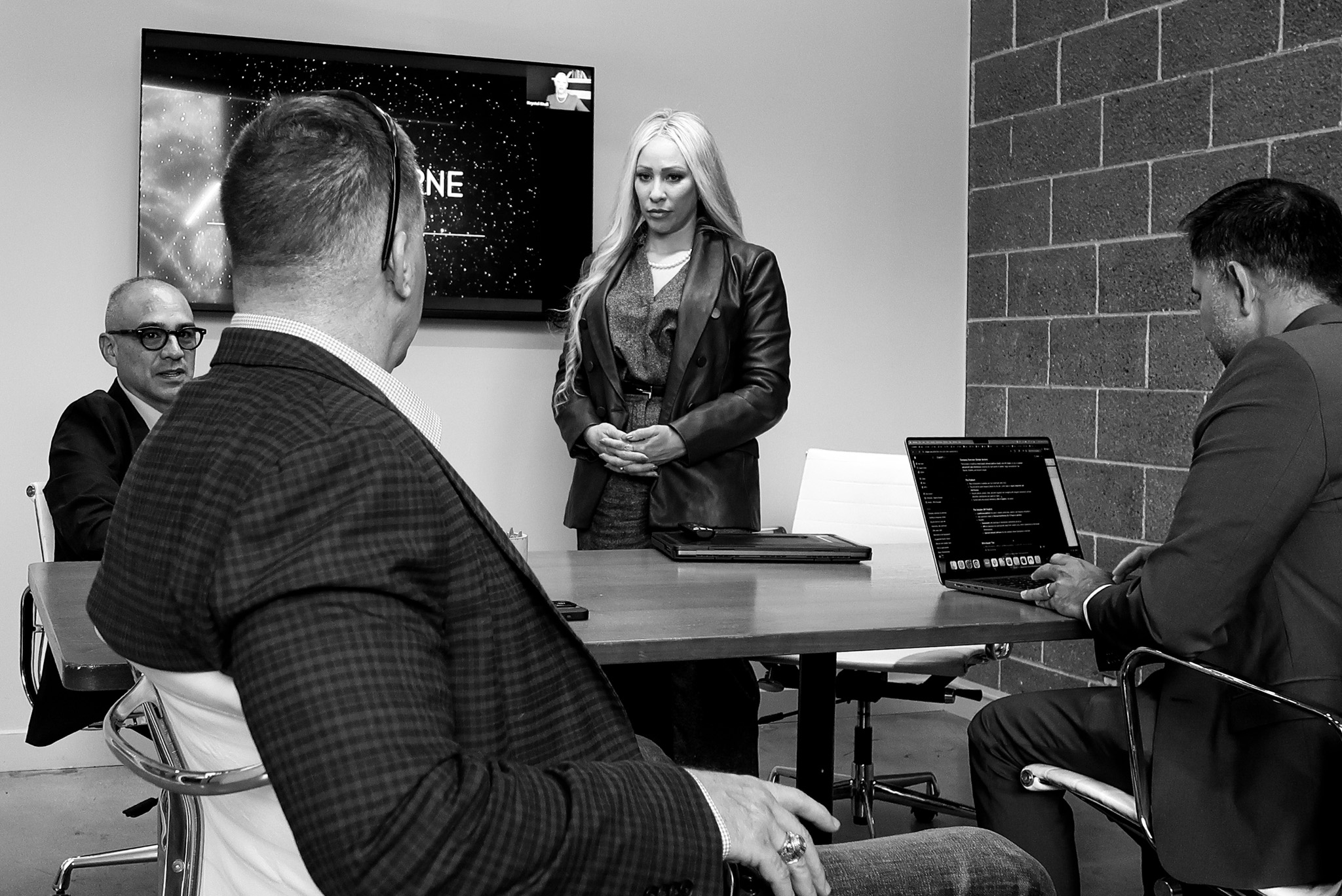
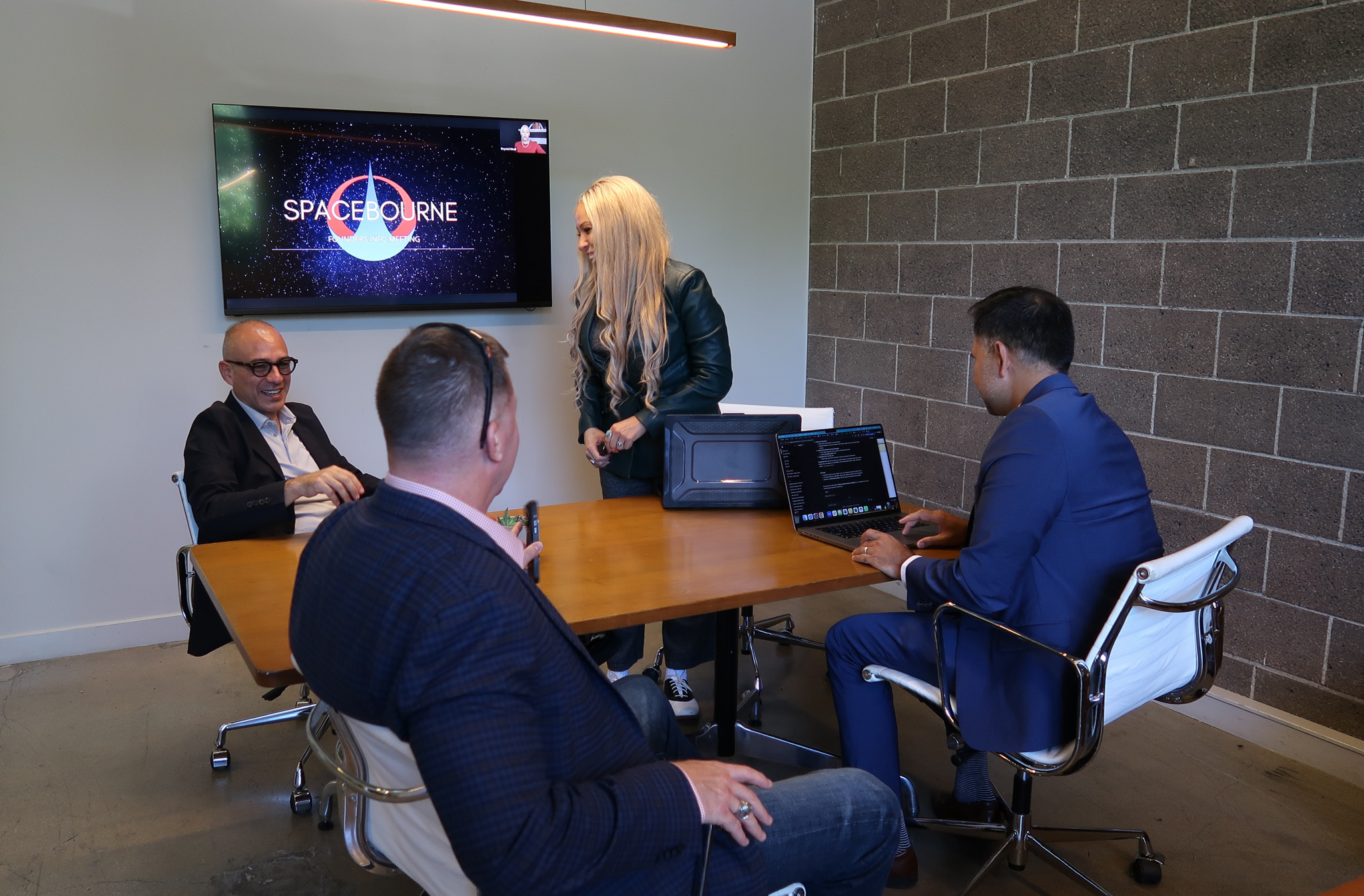
But here’s where it gets interesting: After 20 years building and scaling businesses—from concert promotion companies to a cannabis tech platform that hit $1M revenue in 12 months—I realized my pattern-recognition skills had bigger applications. The pandemic gave me time to return to my first love: space. I started Spacebourne in 2021, assembling what I call the “Avengers of Aerospace”: Dr. Pablo Gonzalez, our CTO, who brings 120+ patents and VP of Engineering experience from Tesla, Apple, and Astra; Colonel Keith Parry, our COO, a retired Marine intelligence officer with an MBA and the knowledge to open government funding doors; and Datesh Kshatriya, our CFO, who’s managed over $500M in assets and helped scale K18 Hair to explosive growth.
Together, we’re building CLARITY—Cognitive Link Analytics for RF Interference TrajectorY—a machine learning platform that is revolutionizing satellite communications. Here’s the problem not many people know about: as mega-constellations like Starlink expand, radio frequency interference between satellites is becoming catastrophic. By 2027, interference events will increase 5-10x, with each incident costing operators $50K to $500K. The industry is hemorrhaging $2.8 billion annually, and it’s only getting worse.
CLARITY predicts these interference events days in advance with extremely high accuracy. We’re not just monitoring the problem—we’re preventing it. Our beta customers are already avoiding costly interference events with tech that was unheard of just a few short years ago. As the only U.S.-based provider of A.I. enabled predictive satcom interference tech, operating under ITAR compliance, we’re positioned to capture both commercial and defense markets. Think of it as giving satellites the ability to see traffic jams in space before they happen.
The same skills that help me anticipate chord progressions help me see patterns in business and tech others miss. My life has been lived as an outsider, and it has absolutely been my biggest advantage. I was one of the only female guitar students at GIT at the time, and now I’m one of the only female CEOs in aerospace. I can look at a problem and solve it faster, better, and cheaper because I have fresh eyes on it.
Running Groove Tutors taught me how to break down complex systems into teachable components—exactly what we’re doing with CLARITY’s interface, making PhD-level RF engineering accessible to satellite operators. My students learn that music isn’t about following rules; it’s about understanding why those rules exist so you can break them strategically. That’s exactly how we’re approaching aerospace.
People ask how a musician can run a space company. I tell them: SpaceX wasn’t started by a rocket scientist either. The aerospace industry doesn’t need another engineer-CEO—it needs someone who can harmonize a team of world-class experts while seeing the patterns they’re too close to notice. My outsider perspective isn’t a liability; it’s our competitive advantage.
Through Spacebourne, we’re not just preventing satellite comms blackouts—we’re clearing the path for humanity’s expansion beyond Earth. Our mission statement says it all: “To make Earth just one chapter in the story of humankind.” Meanwhile, through Groove Tutors and my ongoing music career, I’m teaching the next generation that whether you’re composing a symphony or coordinating satellites, success comes from understanding timing, recognizing patterns, and knowing when to improvise.
This year, we’re scaling from our first beta customers to $5M in annual recurring revenue. We’re the only company turning interference from a billion-dollar problem into a billion-dollar opportunity. And yes, I still play guitar and sing —because whether I’m preventing satellite interference or bending a blue note, it’s all about understanding frequencies and making sure the right signals get through.
My grandmother had two pictures on her wall: Jesus and JFK. I have Elvis, Hendrix, and now, a constellation map. They all represent the same thing—the audacity to believe we can do the impossible. At Spacebourne, we’re not just reaching for the stars. We’re making sure we can talk to each other when we get there.
(For more information about Spacebourne and CLARITY, visit spacebourne.com. To book music lessons through Groove Tutors or catch Krystal’s latest performances, visit groovtutors.com and follow @krystalkhali.)
Alright, so let’s dig a little deeper into the story – has it been an easy path overall and if not, what were the challenges you’ve had to overcome?
Smooth road? I’ve been driving on unpaved terrain with three flat tires most of my life—and somehow still managed to reach escape velocity.
Let me paint you the real picture: While my peers had college funds, I was waiting tables and bartending until 3 AM to put myself through Musicians Institute, then through an MBA. My parents couldn’t afford college tuition. I’d save enough for a semester or two, attend classes, run out of money, drop out, work double shifts for months, then re-enroll. This wasn’t a gap year—it was me learning and testing the power of sheer will and grit. Each time I returned to school, professors would ask, “Where have you been?” The answer was always the same: surviving in America’s gig economy before we even had a name for it. At the end, I got my piece of paper and never had to wait tables again. And I earned a truly fantastic career of being able to teach my “mini-mes” (students) to have great taste in music and rock out!
The financial struggle was brutal, but the mental toll was worse. For years, I let every negative comment become my inner narrative. “You’ll never make it.” “Girl guitarists aren’t good. They only get hired because they’re hot.” “Musicians don’t become successful business owners.” “There’s no female CEOs in aerospace.” I internalized every dismissal until their doubts became louder than my dreams. I’d accomplish something significant—touring with Guitar Shorty, putting myself through multiple degrees on my own, teaching hundreds of students—and still felt like an imposter because I kept hearing the message that I wasn’t enough.
My personal relationships were a mess all through my 20s and 30s. I felt like I never had anyone in my corner, and still to this day I feel very misunderstood and heavily criticized. It wasn’t until much later in life that I learned these traits and experiences are actually quite common in high performing individuals and disruptors. It’s hard to get people on board when you’re striving to be the best of the best. Most people want the status quo and don’t understand you when you are living the life of an elite performer. They don’t understand your mindset, they don’t understand your actions, they don’t understand the long term goal, and they don’t understand the present sacrifices you are making will eventually pay off. Fortunately, I realized that I’m misunderstood because by definition, most people are average and I’m not average. The average person doesn’t understand me, and I sure as heck don’t understand them. And that’s totally fine. Most people need to be average because somebody’s gotta do it.
The breaking point came in my early thirties. I was successful on paper because of Weedash but drowning internally. I was battling burnout in a big way. I once worked 3 years straight with no days off. No matter what I tried, I couldn’t keep a relationship together and I didn’t believe in myself enough to stay consistent with my music. That’s when I discovered meditation and yoga thorugh Sadhguru—not as trendy wellness practices, but as survival tools. Through daily practice, I learned to observe negative thoughts without becoming them. Meditation taught me that other people’s opinions were just noise, and I controlled the volume knob. Yoga showed me that flexibility isn’t just physical—it’s the ability to bend without breaking when life tries to snap you in half.
Then 2020 hit, and everything crystallized. Watching the pandemic make thousands of people homeless and eviscerate small businesses—including many owned by friends—was my wake-up call. I realized that as millennials, we’d been sold a defective American Dream. We did everything right: got educated (even if it meant dropping out repeatedly to afford it), worked hard, paid our dues. Our reward? Student debt, wage stagnation, and being priced out of homeownership while being told we were lazy and immature for eating avocado toast.
The pandemic exposed the truth: without assets, without business ownership on a bigger level, you’re one crisis away from devastation. My generation watched our parents’ pensions disappear, our job security evaporate, and our economic mobility flatline. We were told to follow our passions, but nobody mentioned that passion doesn’t pay rent when corporations don’t care about you and will eliminate your position via Zoom.
That’s when I decided to stop playing by rules written for a game that no longer existed. If the traditional path to the American Dream was blocked, I’d build my own launchpad. I sold my cannabis delivery business and pivoted hard into aerospace—not despite being a millennial woman who’d struggled financially, but *because* of it. Every obstacle had taught me something: Financial instability taught me resourcefulness. Mental health struggles taught me resilience. Being dismissed taught me to dismiss the dismissers.
The struggle to put myself through school? That taught me how to bootstrap a space company. It taught me how to have David Goggins-like levels of discipline and focus. It taught me how to not get hooked into the doom scrolling but instead pummel my brain to self educate on complex topics day in and day out for years on end and still have energy left over to work out while other people are sitting on the couch. The years of letting negativity paralyze me? They taught me to recognize that the loudest critics are usually the ones too scared to try themselves. The meditation and yoga? They gave me the mental clarity to see opportunities where others see obstacles.
Here’s what I know now: The American Dream didn’t die—it was murdered. The system is now designed to keep my generation renting forever. But here’s the plot twist: non traditional people like myself are resurrecting it, just in a different form. We’re building companies that solve real problems, creating our own wealth instead of waiting for inheritance, we understand our retirement will not be guaranteed by social security, and refusing to accept that struggle is permanent.
At Spacebourne, I’m not just building a billion-dollar aerospace company—I’m proving that the young woman who had to drop out of school to save for tuition is exactly the kind of person you need leading your team. If we can’t do it one way, we will do it another. And if we can’t do it that way, we will find a third way and a fourth way and a fifth way. For the determined person, there is no such thing as failure. You will just get up and try again with the lessons you learned as fresh ammunition. When I “fail,” my mantra is now “reload.” Every time someone told me “that’s not how things are done,” they were telling me exactly where the opportunity was hiding.
The struggles? They were my curriculum. The mental health battles? They were teaching me to regulate my nervous system so I could stay calm under pressure. The financial instability? It taught me to build something nobody could take away. I have a skill that can’t be taught: how to be an absolute force of nature. Unrelenting.
I’m helping to bring the American Dream back full force. We as a nation need to refocus on big scientific and humanitarian goals. We need to become a nation of STEM leaders again.
The struggle isn’t over. I still have challenges but these day that are what I call “luxury problems.” I’ve been through so much that now when I face obstacles, I don’t see roadblocks—I see the raw materials for the next breakthrough. And I now sometimes quite like being in the pressure cooker. The hotter the better! That’s not toxic positivity; that’s pattern recognition. And if two decades of struggle taught me anything, it’s this: the rougher the road, the stronger and smarter you become.
Great, so let’s talk business. Can you tell our readers more about what you do and what you think sets you apart from others?
Spacebourne is solving a $3 billion problem that’s about to become a $15 billion catastrophe—and we’re the only U.S. company with the solution that is already being deployed.
Here’s what nobody’s talking about: We’re launching 50,000 new satellites in the next five years. That’s ten times more than have ever existed. Imagine 50,000 cars trying to use the same ten highways at 17,000 mph while talking on the same phone frequencies. That’s our orbital environment, and it’s about to get exponentially worse.
What We Do:
CLARITY, our flagship SaaS product, predicts satellite RF interference days or even weeks before it happens. While competitors monitor interference after it occurs, we prevent it entirely. When satellites interfere with each other, companies lose $50K-$500K per incident. Our beta customers are already preventing incidents—recapturing millions in revenue.
What Sets Us Apart:
Three things make us unstoppable. First, my cross-domain breadth of experience has made me an expert in pattern recognition. My ability to to get everyone pumped up and motivated; including engineers, stakeholders, and the public is a skill that can’t be taught. Second, our dream team: Dr. Pablo Gonzalez (120+ patents, ex-Tesla/Apple/Astra VP), Colonel Keith Parry (retired Marine intelligence with security clearances), and Datesh Kshatriya ($500M+ asset management). When this crew joined a startup founded by a female rock n roller, the industry noticed. Third, we’re the only ITAR-compliant U.S. provider, giving us exclusive access to defense contracts our international competitors can’t touch.
What I’m Most Proud Of:
We’ve positioned ourselves as the “SpaceX of satellite intelligence”—outsiders who saw what insiders couldn’t. Our tagline, “Making Earth just one chapter in the story of humankind,” captures our real mission: we’re not just preventing interference; we’re removing barriers to humanity’s cosmic expansion.
Our Service Ecosystem:
Beyond predictions, we offer Custom Integration APIs, Multi-Band Analysis, Automated Resolution Protocols, and something nobody else provides: Interference Forensics. When disputes arise about who caused interference, our ML models reverse-engineer the incident with legal-grade certainty. We’re becoming the Switzerland of space disputes.
We’re also building the largest database of interference patterns in existence. Every prediction feeds back into our ML models. By 2027, when interference events increase 10x, we’ll have years of training data nobody can replicate. We’re not just getting better—we’re becoming irreplaceable.
Do you have any advice for those just starting out?
My best advice is to go bigger. Go way, way, way bigger even than what you think is really big. Go balls out! See the thing is, you will work a lot either way in life. Starting a business is grueling no matter what. I think Elon Musk once said starting a business is like eating glass and staring into the abyss. And it is. But the great thing is, it’s not actually that, it’s just a lot of long hours and uncertainty.
It will take the same amount of hours to do something small as it will take to do something big. And the harder something is, the less people will be attempting it. Competition thins out near the top, and that’s a good thing. For example, Spacebourne doesn’t have much competition right now. That’s not to say we won’t have some in the future, but we don’t have any right now. But if I wanted to start a clothing company? We would have millions of competitors! Those are not got odds and I wouldn’t recommend it.
So, first go research the world’s biggest and most costly problems that are happening right now. Look up the long list of problems that have not been solved yet, pick one of the harder ones, and go solve it. Set up a C Corp and get a team. Post the job opening on Linkedin. Offer them a big title and equity. Motivate them. Get clear about your vision. Take courses in your area online for cheap for free. Post about it on socials. Set up a lot of meetings. Sent tons of emails. Speak about it everywhere you can. Network in that industry. Maybe write some articles or an eBook about it. Become a subject matter expert in it. Be passionate about what you’re doing. Remember your why, remember that life is an adventure and no one gets out alive., don’t stop, don’t quit, and tell the haters to not let the door hit their butt on the way out!
Contact Info:
- Website: https://www.spacebourne.com
- Instagram: https://www.instagram.com/krystalkhali
- Facebook: https://www.facebook.com/krystalkhali
- LinkedIn: https://www.linkedin.com/in/krystalkhali
- Twitter: https://www.x.com/krystalkhali
- Youtube: https://www.youtube.com/krystalkhali
- Other: https://www.krystalkhali.com

Popular
-

Que Johnson on Building Brands That Last: From Visibility to True Market Authority
-

Christina Wren Steps Into the Director’s Chair to Tell Stories That Feel Like Home
-

Portraits of the Valley
-

LA’s Most Inspiring Stories
-
JordanL on ‘Breathe,’ Belief, and Building a Movement Beyond the Music
-
Megan Birney Rudert on How Access to Light Is Powering a More Sustainable and Equitable Future


