




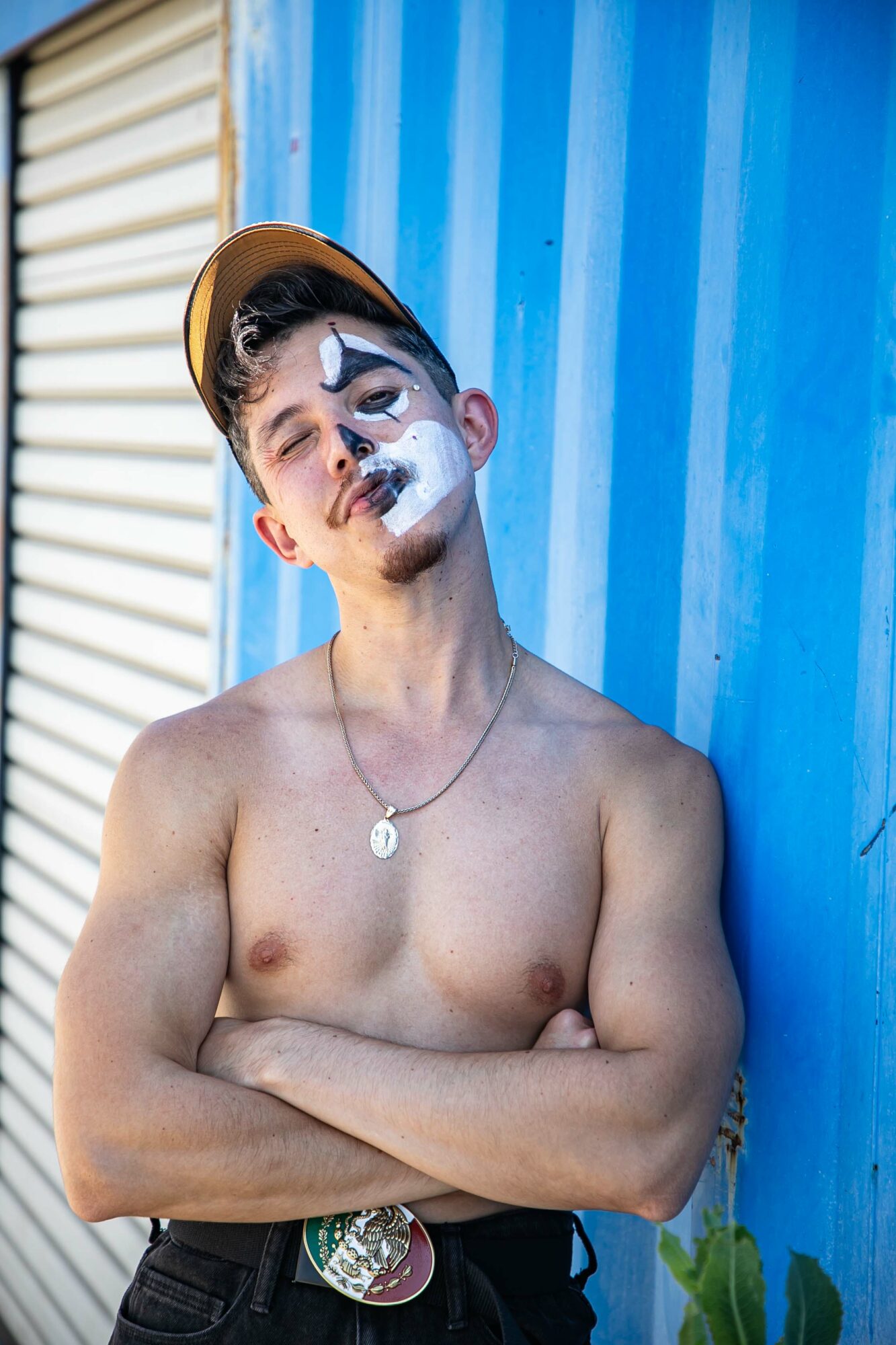
Today we’d like to introduce you to Irvin Manuel Gonzalez.
Hi Irvin Manuel, can you start by introducing yourself? We’d love to learn more about how you got to where you are today?
I am a queer, Mexican American, first-gen contemporary artist, quebradita artist-scholar, community organizer, and teacher.
It all began in my parents’ backyard in Hesperia, CA, dancing to technobanda. It was there, in the 1990s, that we gathered with friends and family who had just crossed the US–Mexico border to get down to quebradita, cumbia, banda, and more. These were my first lessons in dance, rhythm, and advocacy, knowing wholeheartedly I loved to move my body in community with other bodies who sought togetherness in times of need. From there, we moved through various parts of Southern California, including L.A., before eventually landing in Riverside, CA.
In high school, I self-trained in other forms of movement (modern, contemporary, and jazz) by watching YouTube videos and practicing in my garage. There was something about seeing dancers like Rayven Armijo on So You Think You Can Dance that lit a spark in me. I wanted to turn, flip, and move like the folks on that show. My love for dance in all its forms led me to sign up for classes at the University of California, Riverside, where professors like Kelli King encouraged me to add dance as a minor. Because I had never seen anyone like me—queer, Mexican American, working-class, ESL—pursuing dance professionally, I hadn’t imagined it as a viable career. Foreshadowing: that realization eventually became my mission: to highlight dance as a career pathway for other first-gen, Latinx movers and groovers.
My hunger to learn from others deepened after graduating from UCR. I immersed myself in improvisation practice with Sue Roginski’s counter/point shift, continued modern contemporary training with Sofía Carreras’ Intersect Dance Theatre, drove to L.A. to learn from companies like Viver Brasil, and collaborated with friends across L.A. and the Inland Empire. These experiences revealed new worlds of dance and how each could move people and communities in meaningful ways.
Ultimately, I pursued a Ph.D. in Critical Dance Studies at UCR in 2014, where my approach took a scholar-artist turn. I began to more intimately investigate the intersections of Mexicanidad, transnational belonging, and quebradita dancing (the form I grew up with in my backyard). In 2025, as an artist-scholar, I continue to cultivate a practice where written scholarship and creative work inform one another. I write about transnational cultivations of belonging through quebradita and other Latine social dance forms while creating choreography that speaks to transborder creativity.
These themes thrive within the collective I co-founded in Los Angeles in 2015 with Alfonso Cervera, Rosa Rodriguez-Frazier, and Patricia “Patty” Huerta—Primera Generación Dance Collective. This group has been my artistic familia and home for the last ten years. Through rasquachismo (a working-class, Chicanx aesthetic), we devise performances and choreographies that speak to the desmadre, or beautiful messiness, of being first-generation Mexican Americans, crafting works that express the joys, losses, and in-betweens of these experiences.
My transborder explorations also extend through collaborations with Dancing Through Prison Walls, directed by Suchi Branfman. Through this work, I’ve brought my activism into incarcerated spaces, helping build networks of affiliation and visibility for people inside prisons through art. These collaborations have deepened my commitment to prison abolition and collective learning around social justice.
In all, my work is a blend of these experiences. My writing, choreography, and artistic practice live at the intersections of Mexicanness, queerness, social dance, ritual, and activism. I create to bring visibility to this beautiful chaos and the communities who fostered me and continue to face injustices to date.
I’m sure it wasn’t obstacle-free, but would you say the journey has been fairly smooth so far?
Oof! Less a road and more of a rollercoaster, with bumps, stops, turns, and drops. There have been many times when I’ve felt like an outsider to mainstream articulations of dance.
I’ve constantly questioned my belonging within the field because I didn’t have a “normative” pathway, but in many ways, that’s been my strength. Hybridizing the Latine forms I grew up with and connecting them to the training I encountered later in life has deeply informed my activism as an artist. My work brings awareness to the resources and access that migrant and first-gen communities from working-class backgrounds need in order to fully participate in the arts.
Thanks – so what else should our readers know about your work and what you’re currently focused on?
As an artist-scholar, I’m most proud not only of circulating stories that bring visibility to the Latine, working-class aesthetics, sensibilities, and narratives I grew up with, but also of building platforms and resources for other artists to do the same.
When I first came to explore the dance scene in Los Angeles, I found it odd that, despite the city’s majority Black and Brown population, there weren’t many festivals, stages, or productions dedicated to us. Inspired by the work of people like Licia Perea and her BlakTinx Festival, our collective has worked to create platforms for marginalized artists in L.A. to share their work and access resources.
From our biannual (de) Color-Es Festival, which we launched in 2016 to bring together BIPOC artists in Los Angeles to share free arts workshops and performances that are open to the public, to artist residencies that provide space for makers to develop and share work with working-class neighborhoods, our goal has always been to expand the presence of marginalized creators and connect them with communities that deserve greater access to art.
Our collective’s takeover of Show Box L.A. in 2021, originally founded by Meg Wolfe, allowed us to branch out and participate in nonprofit arts work that strengthens resources and networks for our communities. We have had the opportunity to share art and resources with migrant-owned business and spaces on Jefferson Boulevard and beyond.
As a writer, I’ve also focused on contributing to and amplifying Black and Brown artists in L.A. through reviews of shows, productions, and works created by BIPOC artists. It’s so important that we have eyes and voices on each other’s work! Writing, for me, becomes another form of art; a way to collaborate, uplift, and highlight research and creativity through a queer-of-color lens that is sometimes missing from the L.A. landscape. Many of these reviews live on our Show Box L.A. website. I’m always excited to see new work or review it from afar. Anyone can reach out! It’s my contribution to the Los Angeles landscape—a city that has fostered me as an artist.
Finally, and perhaps most unique to what I do, my ongoing research and scholarship centers on quebradita, a Mexican and Mexican American social dance form that first exploded in Los Angeles during the 1990s. I explore its aesthetics, sensibilities, and vocabulary in my contemporary dance practice while also making sure to archive its deep cultural impact on Mexican immigrant and Mexican American communities in the U.S. Documenting and visibilizing our culture as well as its contributions not only to this city but to the world has been so important to me. This research forms the soul of my current book project that explores how bodies build connections across the US-Mexican border through dance.
How do you think about luck?
In many ways, I often feel it’s a universal call that keeps pulling me in the direction of dance. Less luck, more universe, energy, gravity, or something of that sort.
I always say that I keep falling into dance. It chooses me, and I choose it back. And it’s in those moments when it reminds me stay with its flow. I listen to that call, that I feel lucky.
Like movement, I allow myself to be carried by the flow. There have been so many times in my career when an invitation or a reminder says: “keep dancing.” From tíos and tías pulling me onto the dance floor despite my arresting shyness, to Kelli King and Hannah Schwadron in college encouraging me to keep taking dance classes with them, to local choreographers inviting me to dance for them, to Dr. Anthea Kraut bumping into me at Susan Rose’s retirement party and motivating me to apply to the doctoral program in Critical Dance Studies at UCR, to encountering my beloved collective (Alfonso Cervera, Rosa Rodriguez-Frazier, and Patricia “Patty” Huerta) in grad school and forming Primera Generación Dance Collective, to Redcat’s former Executive Director Edgar Miramontes inviting us to premiere work, to Meg Wolfe reaching out to ask about our interest in taking over Show Box L.A., to… to… to…
I am constantly reminded that I am here because of a vast network of people who have seen and continue to see something in me that I sometimes do not always see in myself.
I’m a big proclaimer that the solo artist does not exist. We are made up of affiliations, relationships, and communities that transport us to new experiences. And for that, I am deeply grateful.
Contact Info:
- Instagram: @igonz003, @primerageneraciondance, @showboxla
- Facebook: https://www.facebook.com/irvin.gonzalez
- Youtube: @primerageneraciondance8750
- Other: https://linktr.ee/irvinmgonzalez?utm_source=linktree_profile_share<sid=22301180-300f-44ad-9403-0c5a41fef321
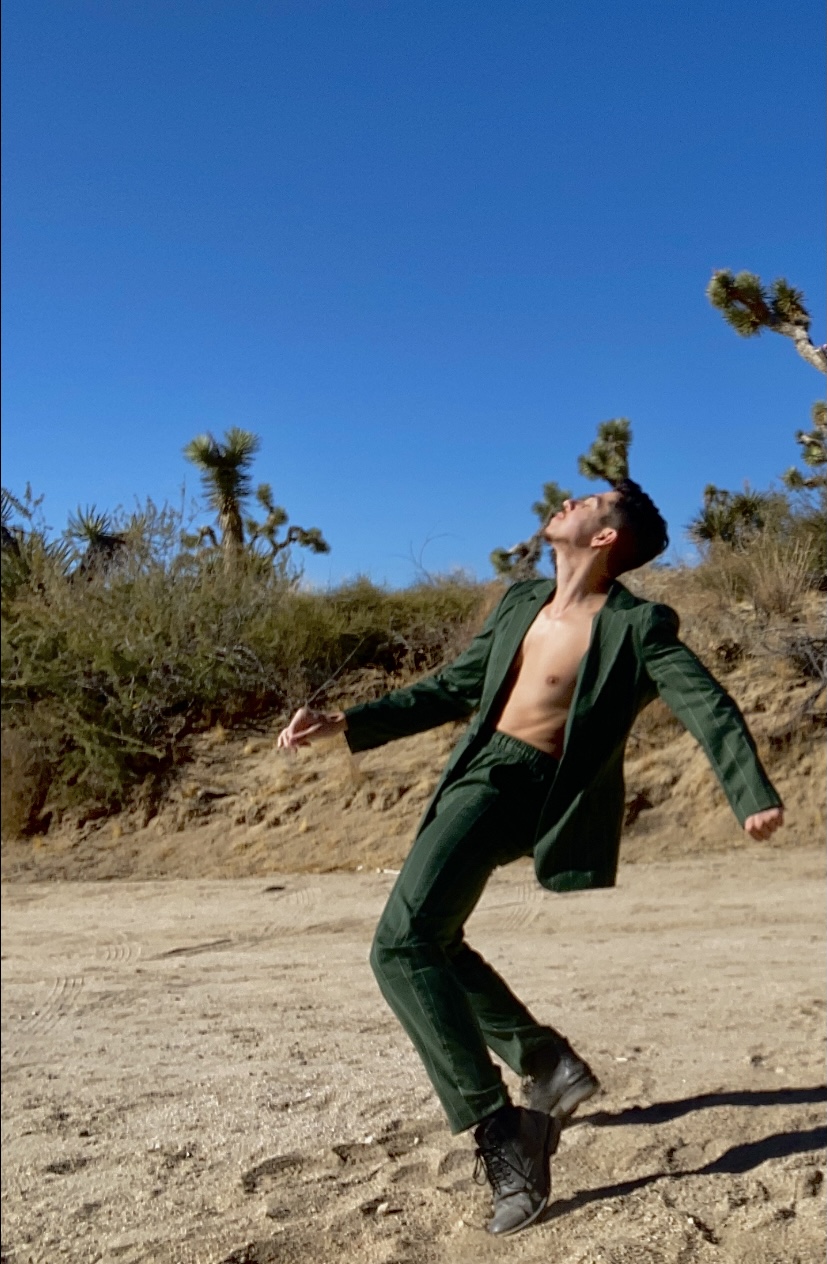
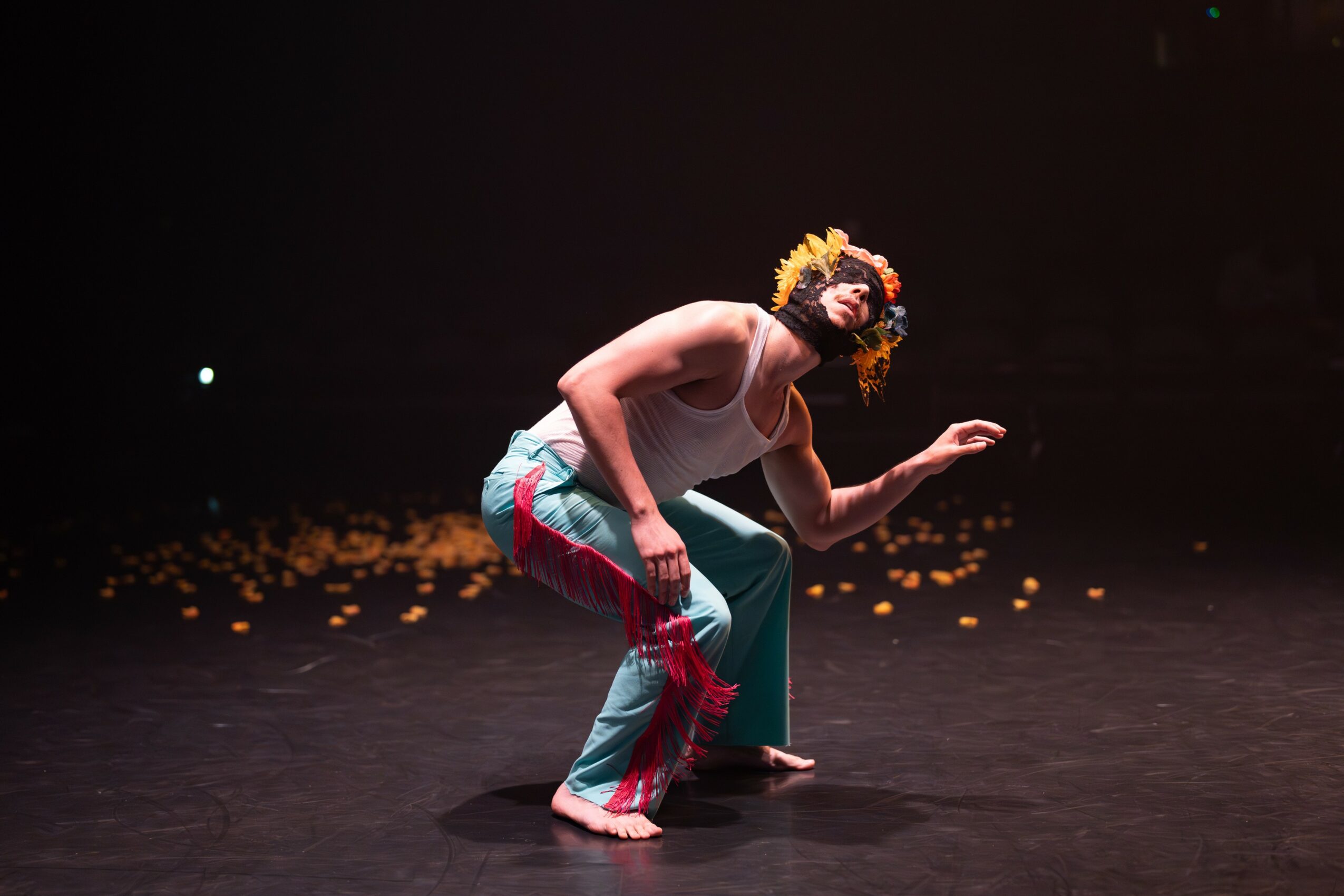
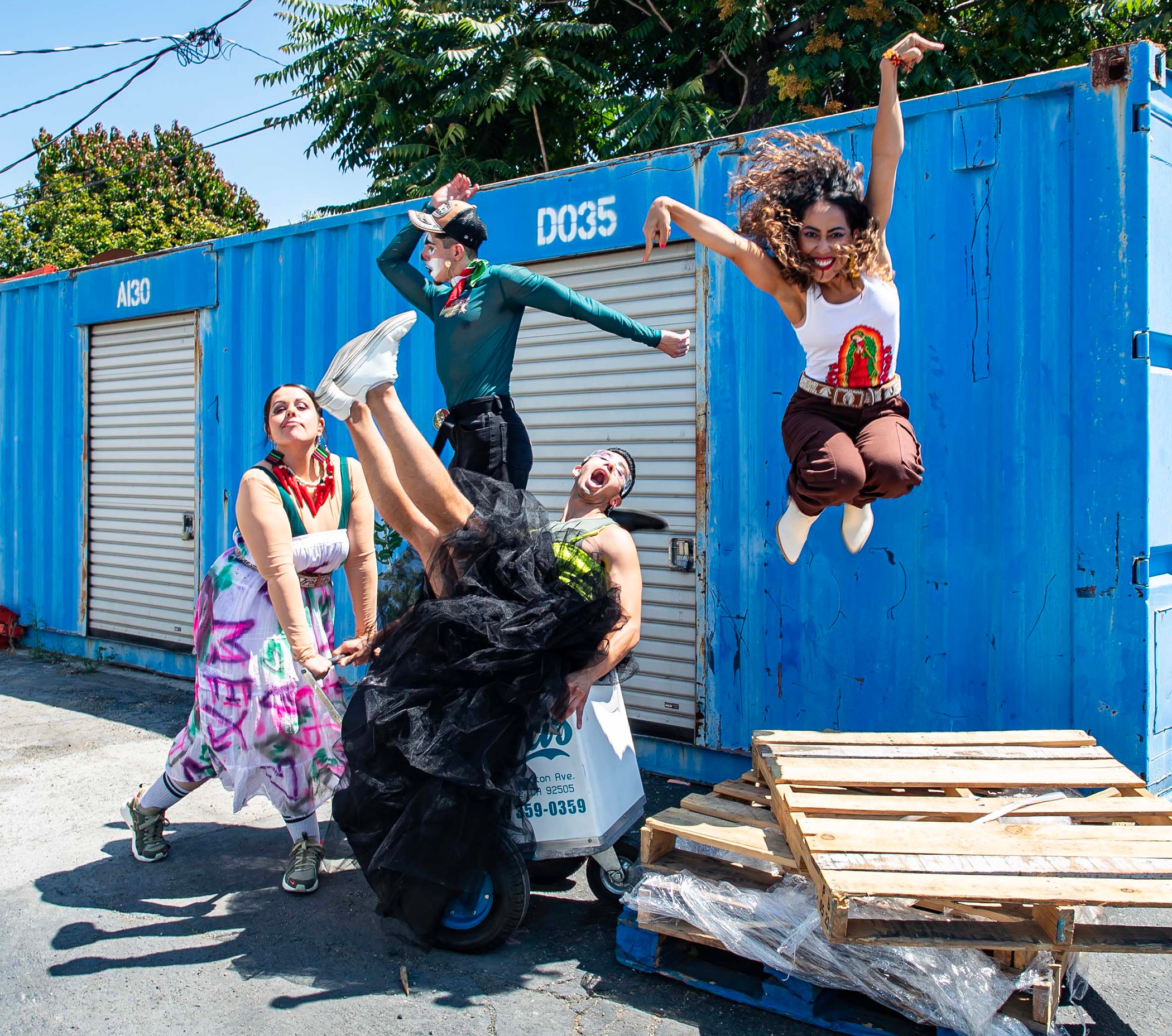
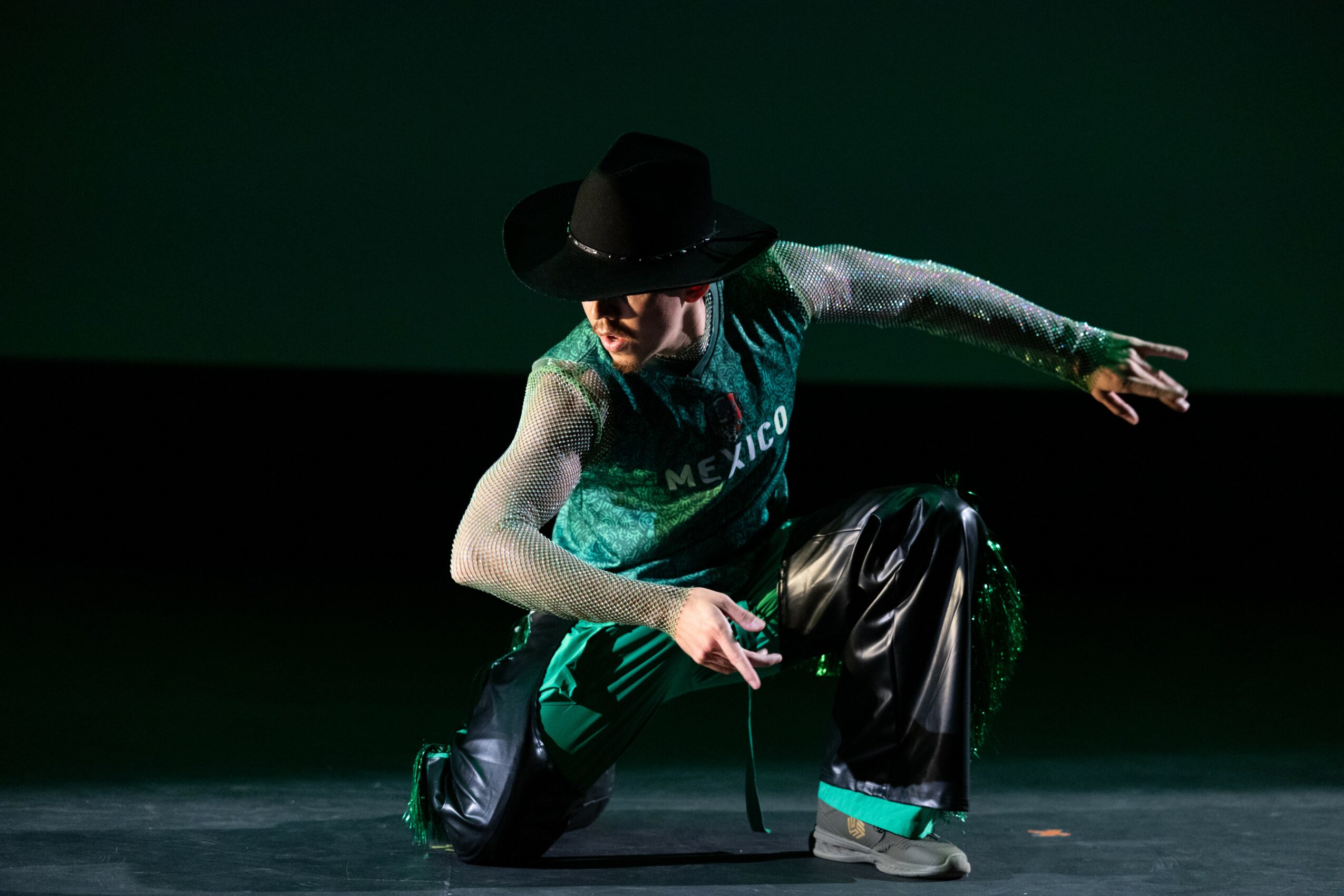
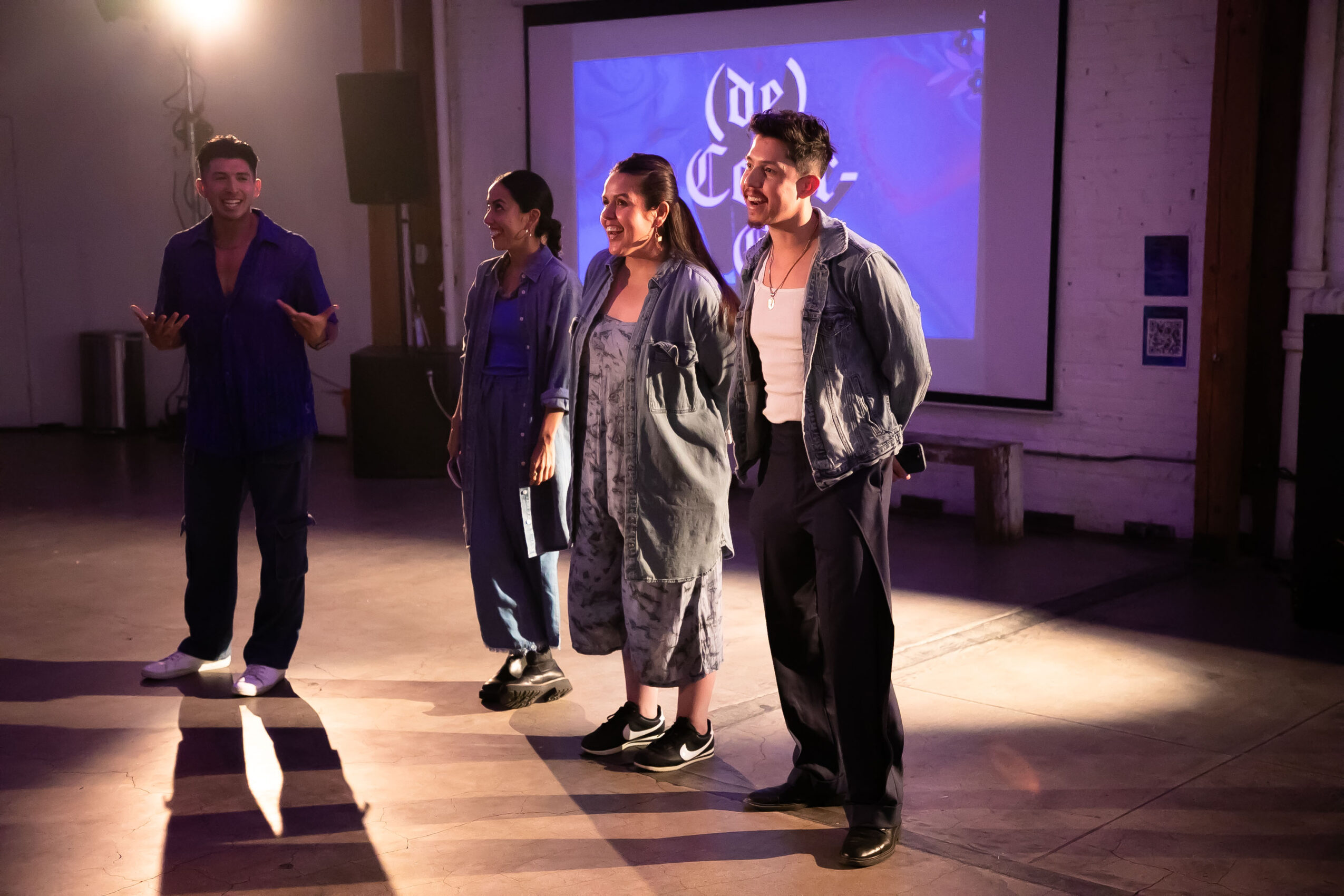
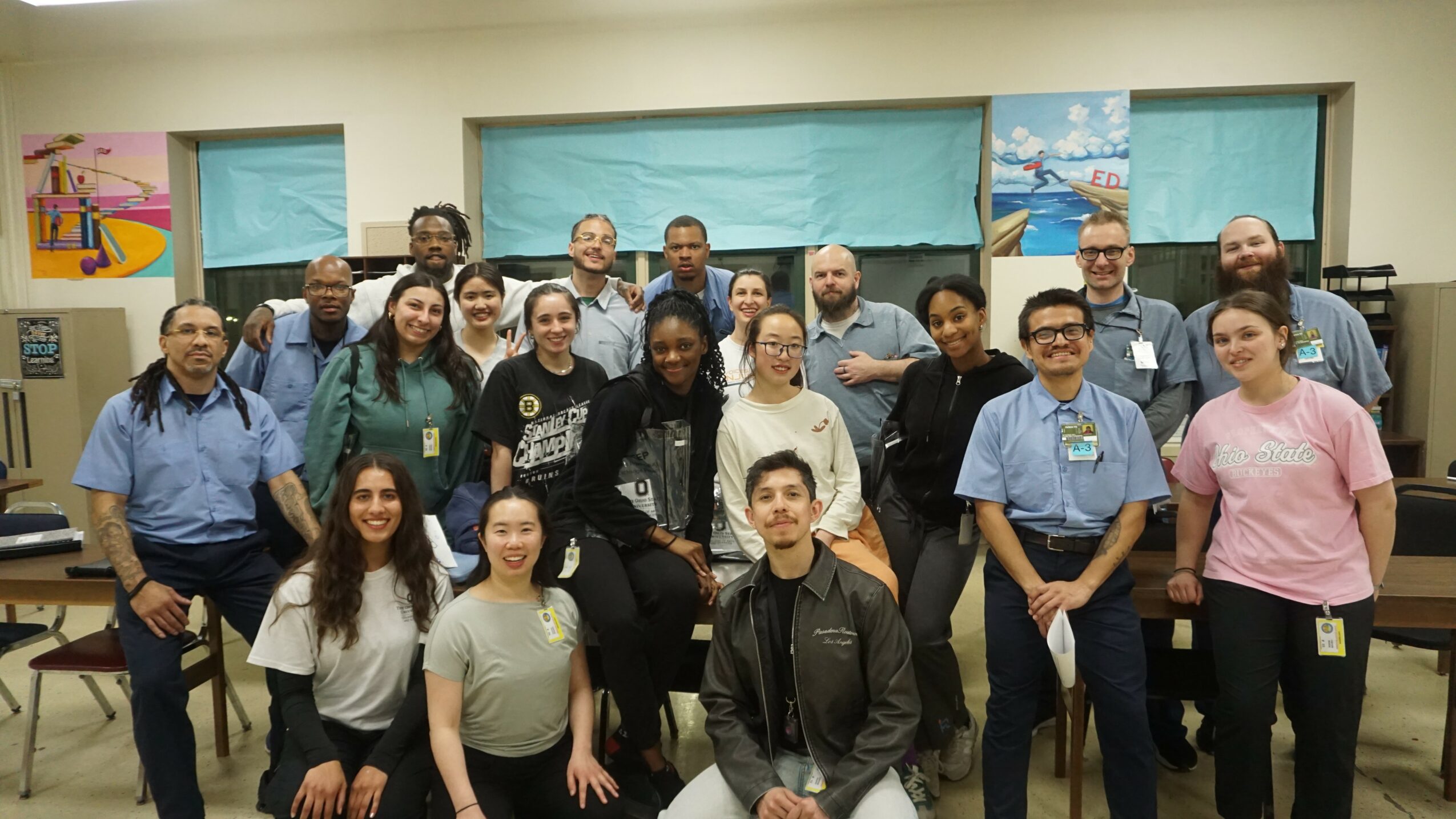
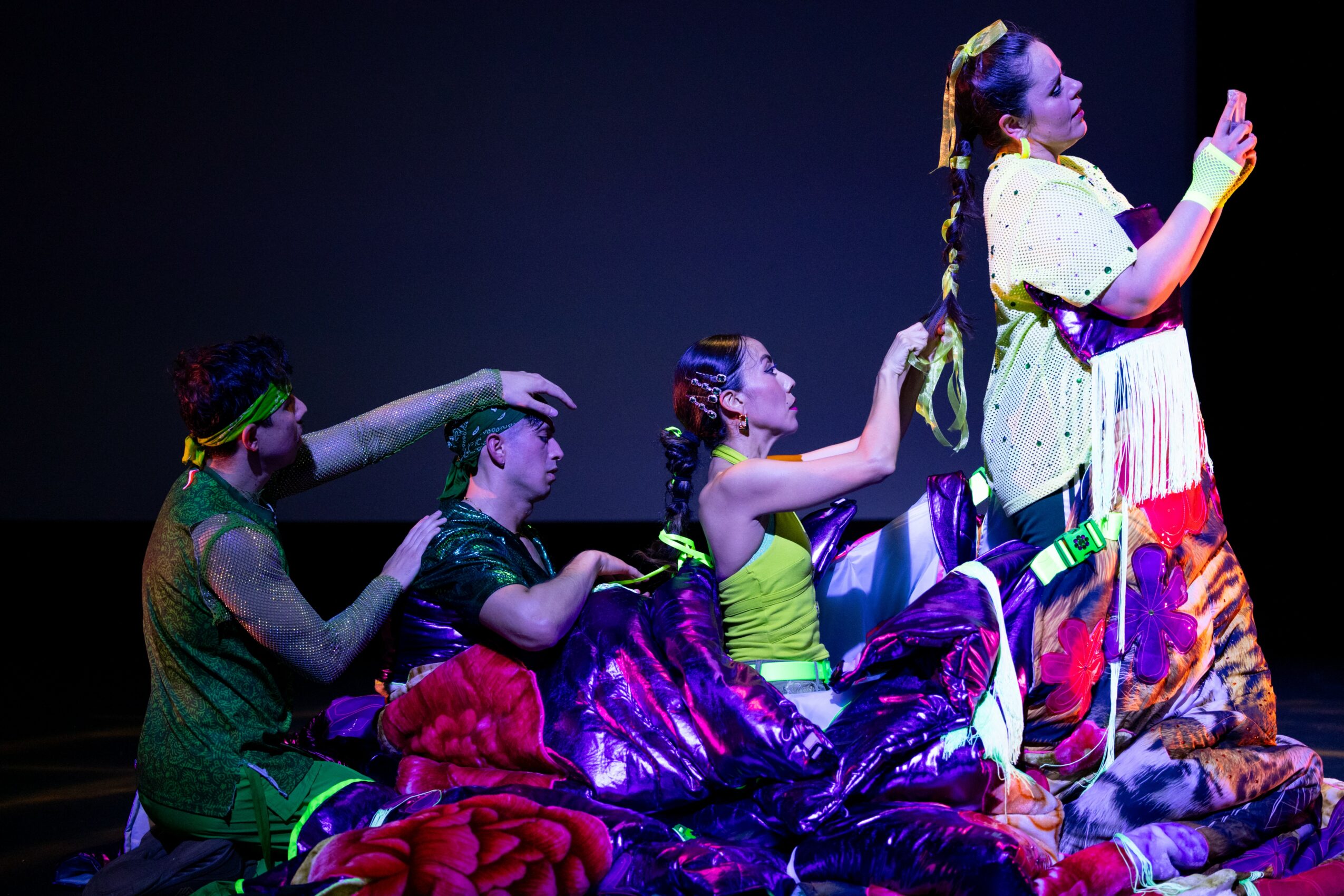
Image Credits
Steve Rosa, Angel Origgi, Top5ive Photography
Popular
-

JordanL on ‘Breathe,’ Belief, and Building a Movement Beyond the Music
-

Megan Birney Rudert on How Access to Light Is Powering a More Sustainable and Equitable Future
-

Linda Kneidinger on Building Lasting Change Through Small Steps and Self-Compassion
-

Jolana Nika on Redefining Modern Connection Through Intentional, Real-Life Experiences
-
What did suffering teach you that success never could?
-
Who saw you clearly before you could see yourself?


