


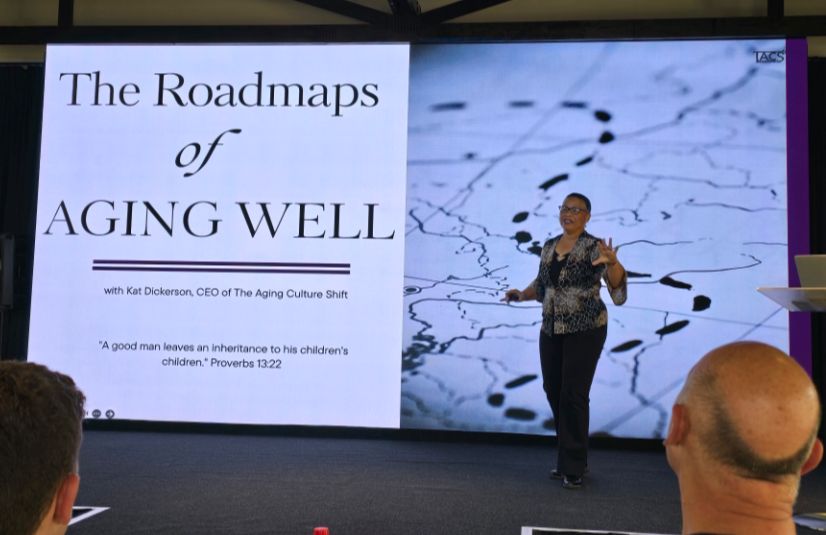
Today we’d like to introduce you to Kat Dickerson.
Hi Kat, can you start by introducing yourself? We’d love to learn more about how you got to where you are today?
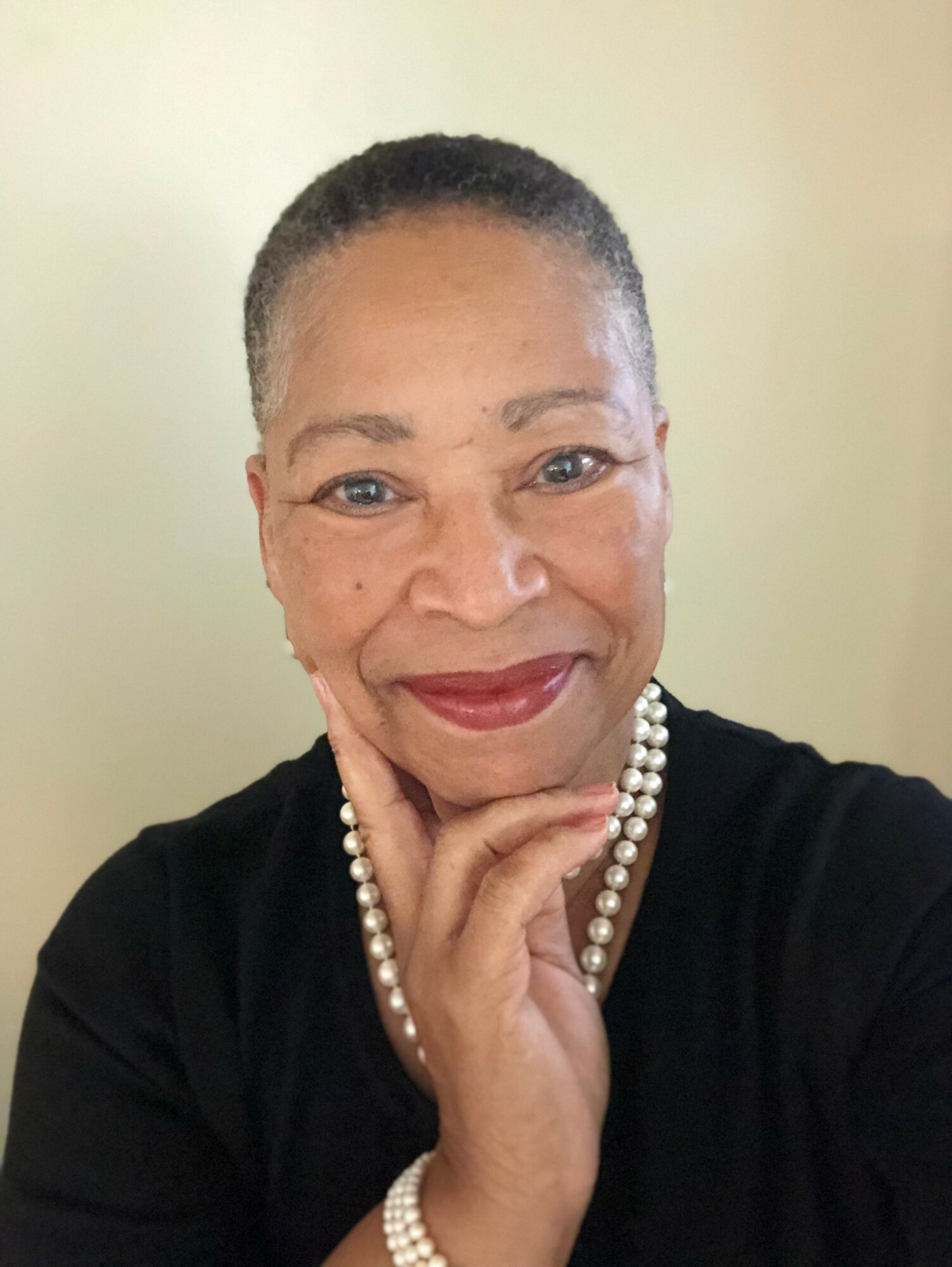
Though my beginnings were not the model for Aging Well, it has become my life’s mission to change the way people think about aging, direct them to a means of aging well and build aging synergy across intergenerational groups. Early on, I never saw myself as someone getting “older.” My excitement and energy for life led me to assume things would never change. I knew that I would get older, but hadn’t considered what it would take for me to continue to keep that same energy, as my life and body began to change. When I found my first grey hair at thirty, I blamed it on a long-running disagreement with a close friend. The concept of aging was never on the table. Like many, I spent years in denial. Eventually, though, as aging became unavoidable, my outlook began to shift.
I wanted to approach my aging process thoughtfully—not just for myself but also for those observing and supporting me—particularly my family, whom I wished to spare from potentially burdensome caregiving responsibilities. This required a thoughtful approach: defining what aging well meant and determining effective strategies to achieve it.
Would you say it’s been a smooth road, and if not what are some of the biggest challenges you’ve faced along the way?
Typically, there are three responses to aging:
• Running from it.
• Denying it.
• Fighting through it.
The breadth of response to aging can be challenging. Whether it be fear, lack of information or threat to relevance; capturing the trust in the possibility of aging well for most people poses some difficulty. I myself, had to comes to terms with the challenges of “eldering” and the pursuit of viable means to do it well. Facing the realities of aging, whether it be the abilities to move the same, heal as fast or how culture treats me as a result of often being the oldest one in room…I HAD to adjust, and, seek to use these experiences to help others. Denial and running had to stop, so the fight could begin.
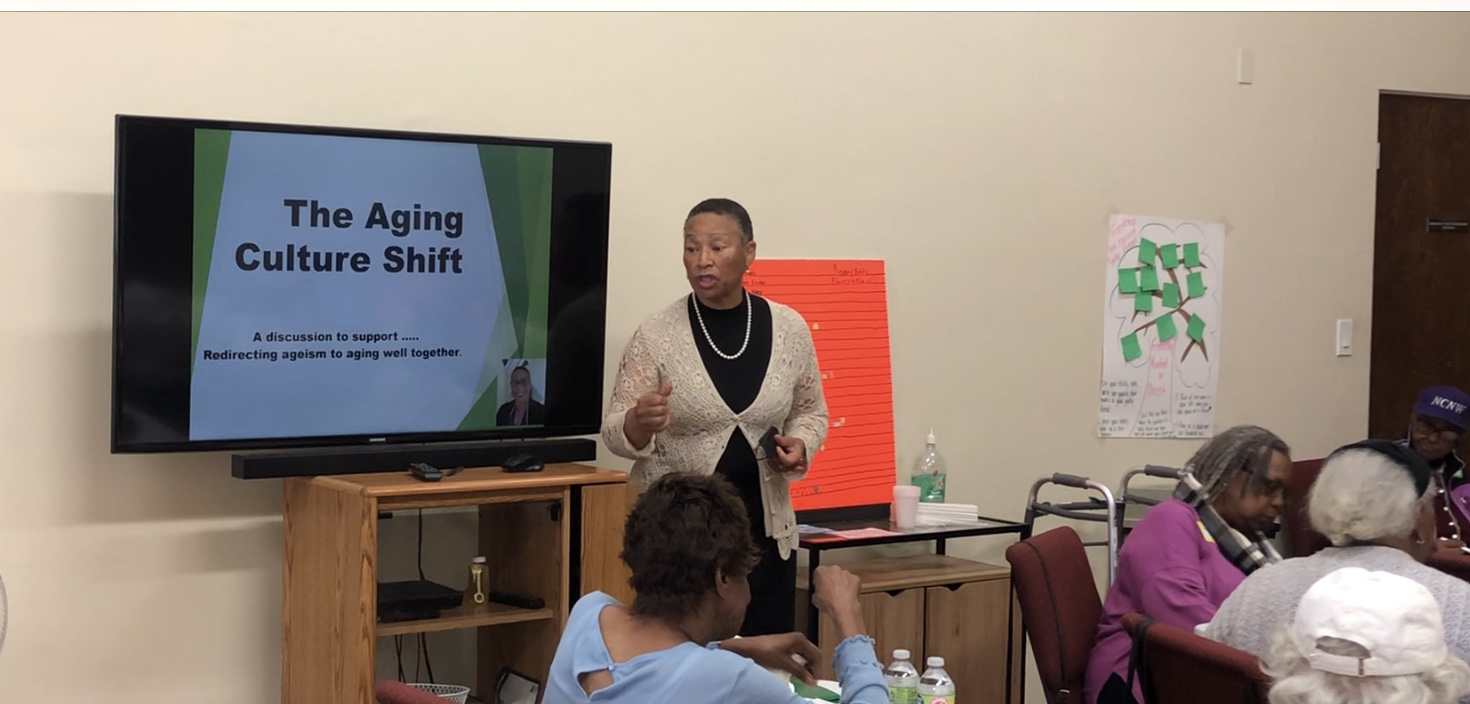
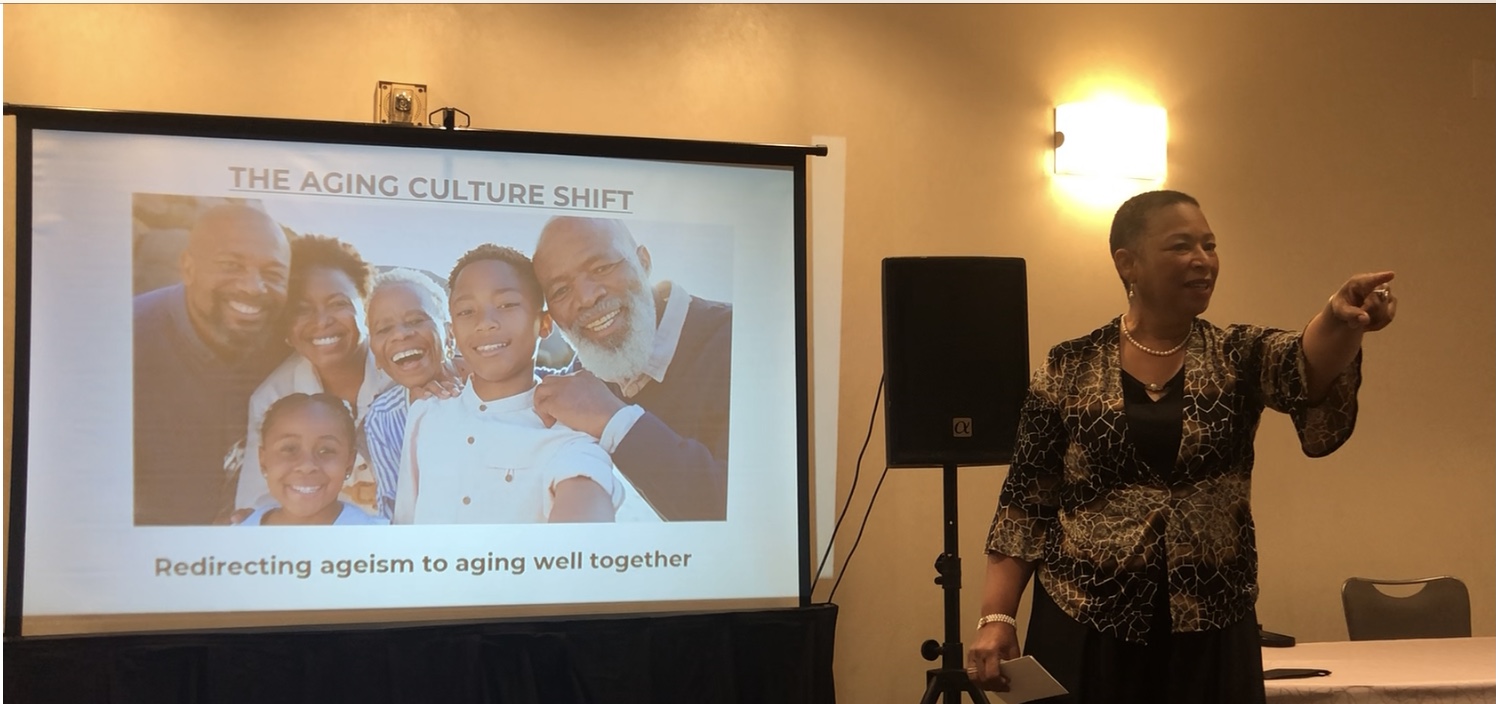
At The Aging Culture Shift (TACS), part of our mission is to foster open-mindedness around viable aging, prevent ageism, and provide resources for individuals seeking meaningful change. In an effort to address these challenges, we facilitate both community and international discussions/workshops aimed at driving positive transformation and emphasizing the advantages of healthy aging. Creating a safe space, that helps normalize the process is key.
We’ve been impressed with The Aging Culture Shift, but for folks who might not be as familiar, what can you share with them about what you do and what sets you apart from others?
The Aging Culture Shift (TACS) organization and movement is centered around empowering people of all ages to reconsider the process of aging well and their thoughts around ageism. Awareness of choices as we age, is crucial to doing it well. Otherwise, our experience will be like someone who is staring at a restaurant menu, never making a selection, and then getting frustrated because hunger and anger delayed and diminished good decision making. Normalizing the process and decisions around “aging”, via courageous conversations are key.
The Aging Culture Shift (TACS) has set up building blocks to assist in navigating the aging process.
One of the descriptors that I discovered along this journey has been FOGO, the fear of getting old. Like most fears, the first lines of defense are knowledge and resources. Unlike some aging collectives, our goal is to incorporate knowledge and interaction across all generations. In order to accomplish provision of these we have:
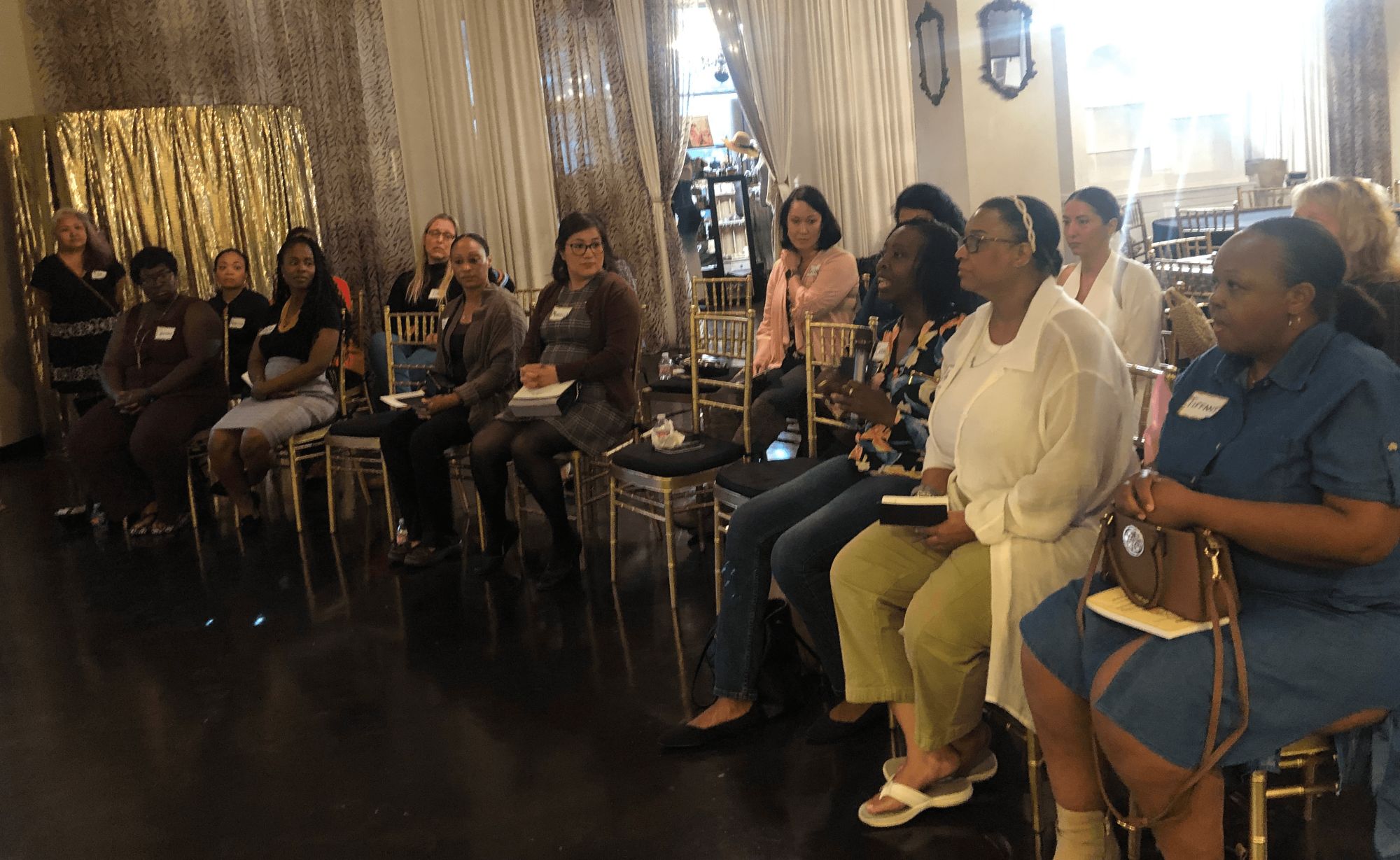
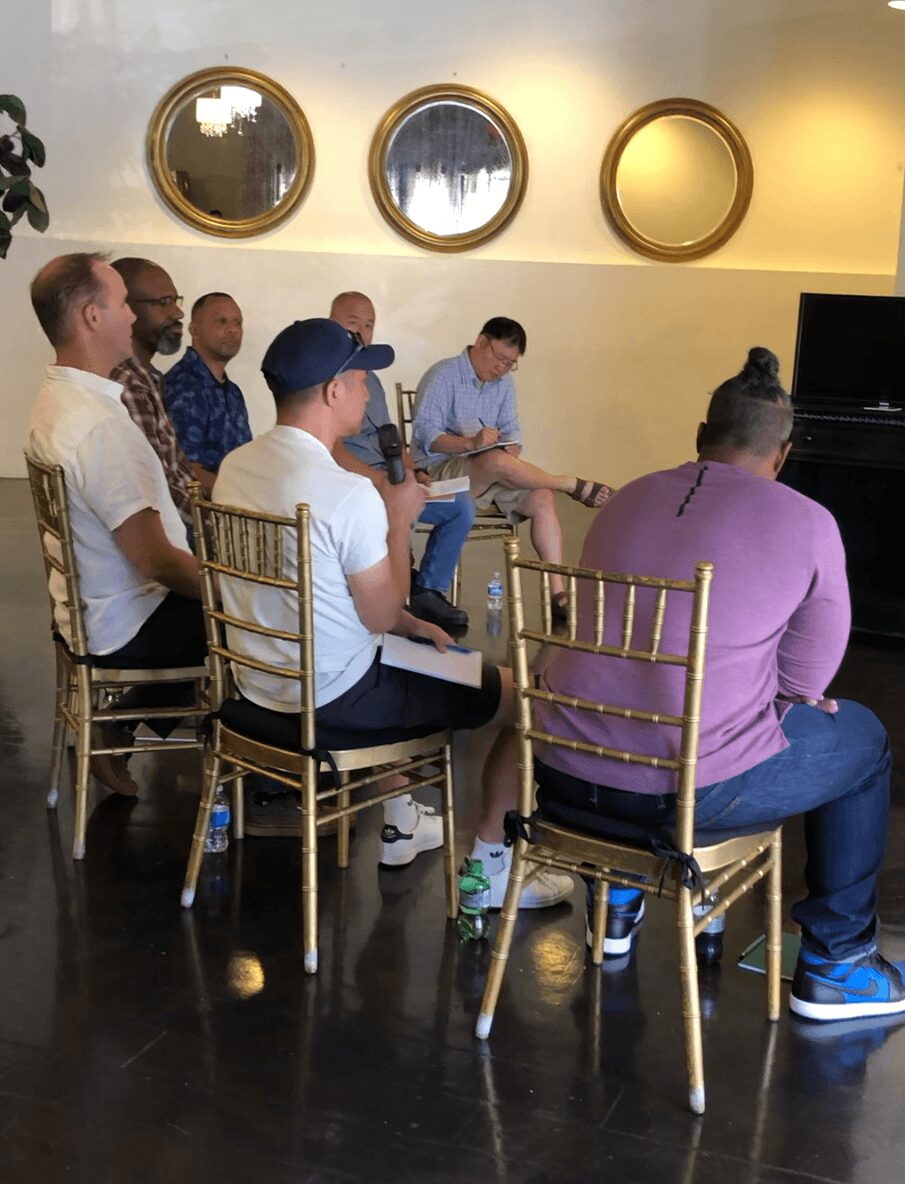
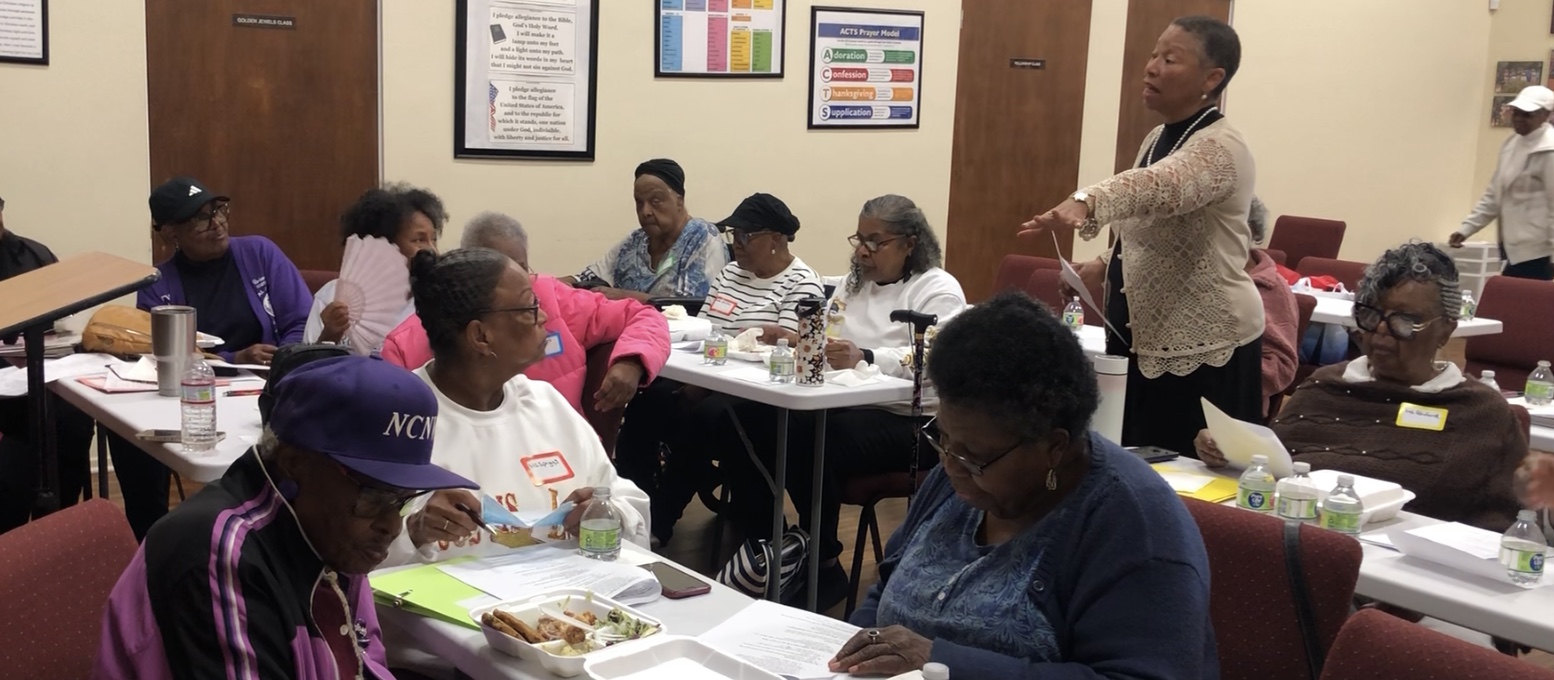
• Brought together focus groups of various demographics & generations, to promote courageous conversations, while concurrently collecting data on the breadth of aging concerns. It has proven to be a fascinating endeavor. Each group as you might expect, has different views from the others (male vs female, older vs younger).
• Developed a speaker series to enlighten and train leaders.
• Created documentary content for upcoming projects and partnerships.
• Created an up & coming release (2026) of the first book addressing issues related to FOGO and how to combat it.
• Developing partnerships to increase cross generational interactions, in order to reduce ageism as a result of greater mutual understanding. (This will add to the normalization of aging and reduce FOGO from young to old.)
Can you talk to us a bit about happiness and what makes you happy?
What makes me HAPPY? I take great pleasure in witnessing the transformative power of our focus groups on our aging culture. Participants have become ambassadors of the movement to change the way people think about aging & direct them to a means of building aging synergy inter-generationally internationally. Looking ahead, I am truly hopeful—even thrilled—about fostering a culture where, decades from now, future generations like Gen Z, Alpha, and Beta can talk confidently about aging well, free from fears of growing older or ageist attitudes.
Contact Info: