




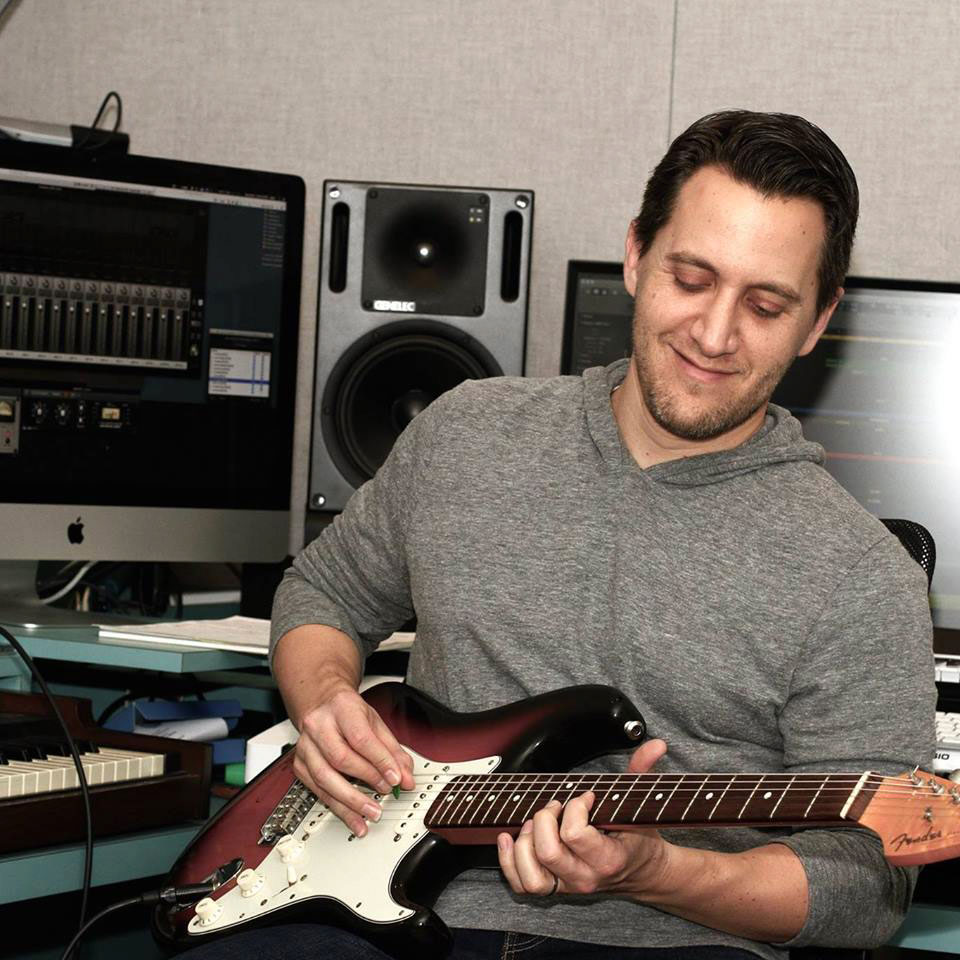
Today we’d like to introduce you to Jason Miller.
Hi Jason , it’s an honor to have you on the platform. Thanks for taking the time to share your story with us – to start maybe you can share some of your backstory with our readers?
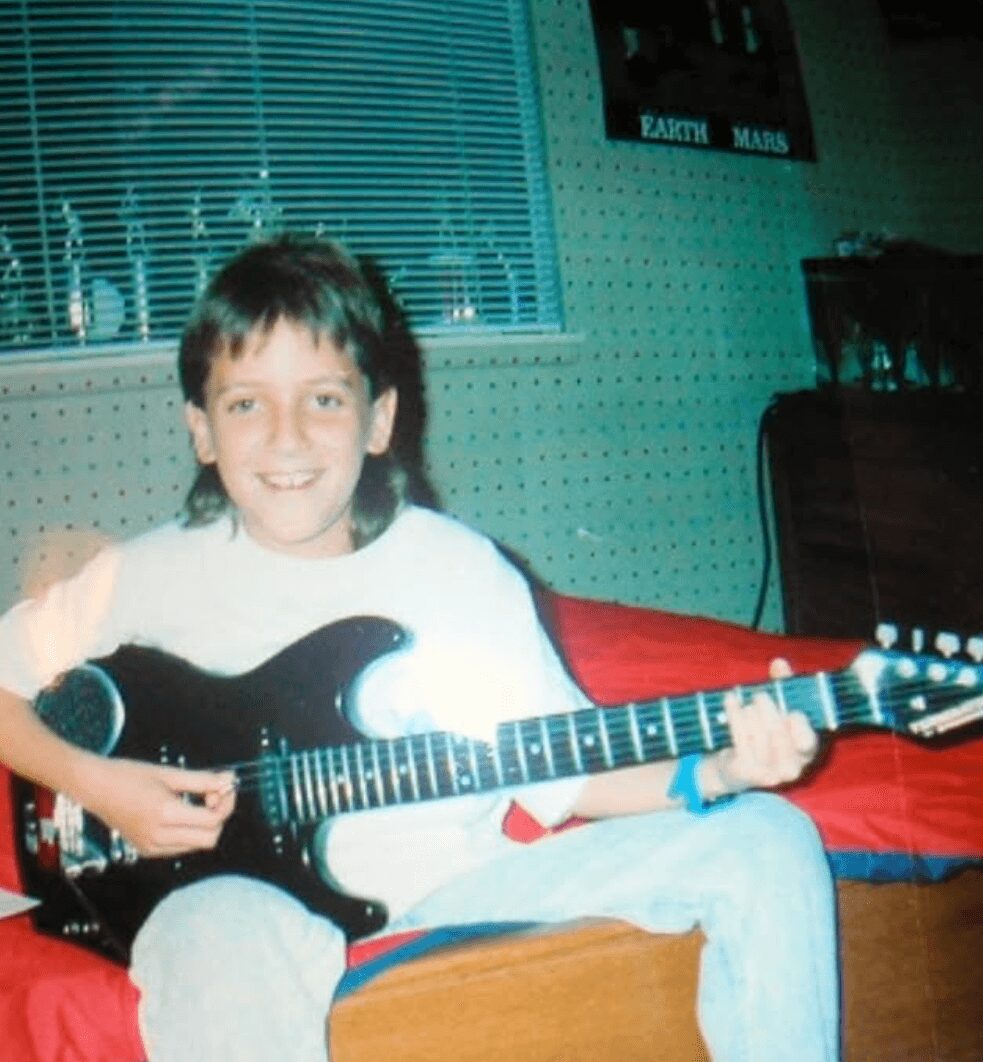
I grew up in the valley the 80s. My dad, Bruce Miller, is a composer and arranger, but I didn’t really know what that meant until I was about 15. When I was around nine, my dad took my brother and I to Toys “R” Us and I saw a battery-powered electric guitar with a built-in speaker. I decided that’s what I wanted. I remember going home with it and trying to figure out songs on my stereo and my dad walking in to my room and playing them instantly upon first-listen. It kind of blew my mind. That was the start of everything.
Around the fifth grade, I got really into rock and metal with bands like Guns N’ Roses, Metallica, Skid Row, etc. That lasted for a few years, until I heard Stevie Ray Vaughan‘s “Mary had a little lamb“ on the radio. That changed everything! The blues’ obsession began there, and SRV’s still one of my biggest influences in music. In high school, I began playing in a blues band with one of my teachers and his friends. They were all in their 30s, and each one over 6 feet tall. At gigs, it looked like they were babysitting me. It was great for keeping my chops up.
One of my first experiences in television music was while my dad was scoring the NBC comedy “Frasier.” There was an episode where one of Frasier‘s neighbors was in a rock band, and he would hear this loud, wailing guitar from the guy’s apartment. I performed that guitar work, not thinking much of it. Then, while a sophomore at UCLA, a huge opportunity came my way: My dad was hired to score the CBS comedy “Becker,” starring Ted Danson. His vision for the music was raw, gritty blues: as he felt that was a good representation of the main character. He had me perform the main guitar work on the demo presentation to the show’s producers. They liked it, so he brought in a handful of LA session guitarists to see who would be right for the job. To everyone’s surprise, they felt my performance worked best for the sound they wanted. My dad explained to them that I had never done “real“ session work. They insisted we give it a shot, and so we did. I was hired to play guitar on every episode, including the show’ theme and end credit, for its entire 5 1/2 year run. I’d go home each week with my guitar and a hamper full of laundry (I’d do it myself, but my mom would help me fold it). It was an amazing experience for me!
When I graduated from UCLA, I got a laptop and the music sequencing program Digital Performer, where I learned how to create and record my own music. That was an important aspect of my journey, because it helped me follow some advice my dad gave me: “If you want to make a living in this industry, write music. Being a guitar player is incredibly difficult. I’m not saying you can’t do it, but writing music can afford you more opportunities than being solely a guitarist who’s competing with the world‘s best.“ I took that advice to heart. Fortunately, my parents never discouraged me, but were always realistic. I saw what my dad and his colleagues experienced in this crazy industry. Their support made a huge difference in my decision to move forward in music.
As my abilities improved, there were some opportunities to collaborate with my dad as a writer on projects that required a “young” sound. That’s where my age and musical interests came in to play. Around 2003, I was hired to score a Fox television comedy called “Quintuplets.” By that point, I realized I was actually a composer, and my energy was now focused on this more than ever.
At the same time, I wound up switching from Digital Performer to Logic and began making hip-hop beats and pop tracks in my home studio. I would collaborate with singers and rappers and try to get my music to whoever I could. Then, in 2008, a song I had done with a rapper wound up getting to Kanye West, who would use it for himself on a song called “Good Night” on his “Graduation” album. That was my first writing and producer credit in the record world. The next year, I wrote a pop/R&B track that I really liked, and connected with some songwriters I reached out to over Myspace, who would write lyrics and melody. One of them was Evan Bogart, who’s now known for his writing contributions on an impressive list of pop hits. Within a few days, we had a finished demo. Not long after that, I was having lunch in Santa Monica and spotted industry legend Ron Fair putting groceries in his car. I nervously approached him and asked if I could send him some music. He gave me his email and drove off. I sent him that one song, and a few months later, his assistant phoned me asking for the Pro Tools session because Keyshia Cole was going to record it. That song is called “This Is Us,” and was on her album “A Different Me.”
In the years that followed, I continued to score television, and write songs. I wound up co-writing a song called “Promise Me Love“ that Reba McEntire recorded and included on her album “Love Somebody.“
The around 2016, I found myself with the opportunity to write music for a commercial; something I had never had the chance to do before. That leads me to present day, where scoring commercials has been an equal part of my work. Between television, commercials, and songwriting, I’m able to stay busy in various aspects of the music and entertainment industries. Some of my most recent scoring projects include the CBS/Paramount+ reboot of “Frasier,” commercials for companies, including Disney, Southwest Airlines, Dodge, and many others.
Can you talk to us a bit about the challenges and lessons you’ve learned along the way. Looking back would you say it’s been easy or smooth in retrospect?
“Smooth” relative to what?!?! As a freelancer, things are always up-and-down. Even when things are great, there are highs and lows.
I always remind myself how fortunate I am having grown-up with a few advantages: I live in the entertainment capital of the world, and my dad’s a composer. Those two things gave me a little leg-up on most people, but that doesn’t mean things have been perfect. I recall a 3-year stretch in my early 30’s that were BLEAK! I couldn’t get consistent work, and I’d frequently go to bed wondering what else I could do to earn money. People might think, “He’s got it easy; his dad’s in the business.” Maybe that can help open a door, but if I don’t deliver, it means nothing. I take pride in the fact that almost all the work I’ve done in this industry is work I got on my own. Whether it was by cold-calling, approaching someone in-person, or plain luck, I have to hustle like everyone else. There are great highs, and disappointing lows, but all I know how to do is keep going.
Can you tell our readers more about what you do and what you think sets you apart from others?
As a composer, I’ve accepted that there are TONS of us out there. When I get called for a project, I’m aware that there are plenty of other people that could do a really good job on it, too. I consider myself pretty versatile; I can take on most gigs; and if it’s something I’m not as strong at, I can call upon a network of collaborators to get the job done right. My list of credits is a good example of this.
What I try to do is always deliver my best. I always deliver on-time. And, I always make an effort to interact with the people I work with in a way that makes them want to work with me again. So much of this industry (and others) is relationships… and luck. When I finish a project, I want my work to be as valued as the experience that the people that hired me had. I’m fortunate to say that most of the people who’ve called me for work and called back for future projects. That means a lot.
Do you have any advice for those just starting out?
It’s a tough industry, and it’s only going to get tougher. There are SO MANY of us out there, and now, we’re not only competing with each other, but with AI. Know what you’re getting into, and be realistic. Would you hire you? Does your music sound competitive with what you’re hearing on TV and the radio? Also, don’t pigeonhole yourself into one small area of the business; be able to adapt to new things and opportunities. The more of that you can do (without spreading yourself too thin), the better off you’ll be.
Contact Info:
- Website: https://jasontmillermusic.com
- Instagram: @music_by_jtm
Popular
-

What is the story you hope people tell about you when you’re gone?
-

Who were you before the world told you who you had to be?
-

Was there ever a time you almost gave up?
-

What is something outside of work that is bringing you joy lately?
-

Who saw you clearly before you could see yourself?
-

What are the biggest lies your industry tells itself?


