



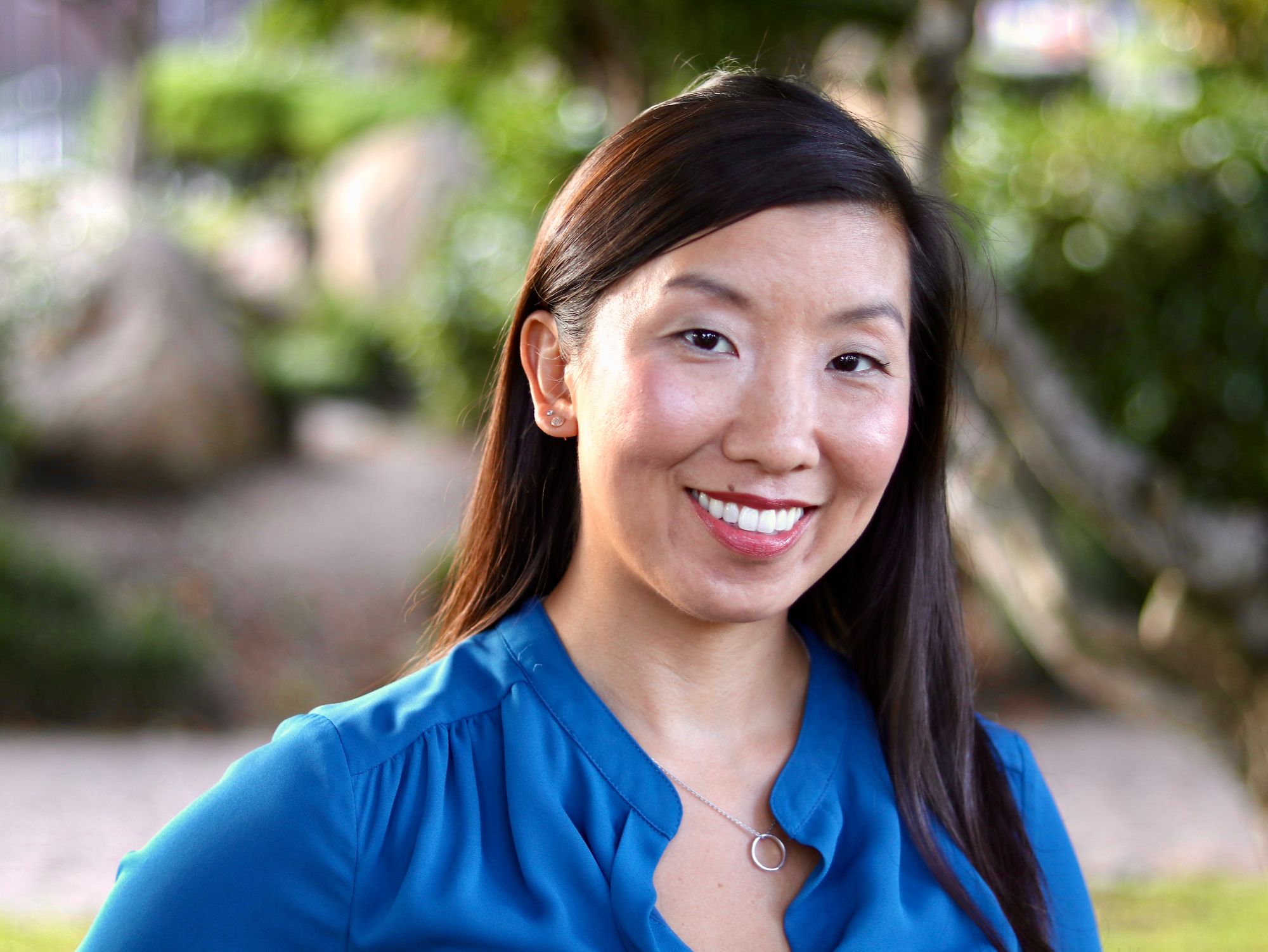
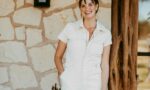
Today we’d like to introduce you to Maggie Moon.
Hi Maggie, we’re thrilled to have a chance to learn your story today. So, before we get into specifics, maybe you can briefly walk us through how you got to where you are today?
I’m a Korean American registered dietitian and brain health nutrition specialist who started out as a dancer, writer, and chatterbox.
I was lovingly branded a “chatterbox” in kindergarten progress reports. At Berkeley I studied humanities (this becomes useful later), but spent most of my time in San Francisco dance classes. I was in Munich winning the world lindy hop championships when I should have been taking midterms. I graduated early to roam the world performing and teaching dance. This made me just enough money to live, but I wasn’t worried. Then a shoulder surgery and a desire to flex other skills sent me to Columbia University Teachers College (TC) to study nutrition science and behavior change.
After TC, I worked for school systems, universities, PR agencies, late-stage start-ups, global CPG brands, and as a freelance writer – always with an eye toward public health impact.
My foundation in the humanities shaped me as a storyteller, and grounded me in the philosophy of a social contract. Together, those elements define the heart and perspective through which I continue to filter all of my nutrition science, behavior change, and culinary practice. I would not be where I am now in my career if my path hadn’t started there.
In 2015, the publication of the initial two MIND diet studies set me on my current path (there are 250+ studies to date). It was not so much a fork in the road, as it was a green light on a route I was already taking.
Thinking back, I’ve always gravitated toward public health issues because of the promise of a broad impact where it’s most needful. Because of this, I’ve long been aware that the global rise in older adults is one of the most significant demographic shifts of our lifetime. And while aging has its benefits, it’s also the number one risk factor for neurological decline.
“How can I help,” is the question every health professional would reasonably ask themselves. When the MIND diet research came out, I saw a clear way to help with an evidence-backed dietary approach that aligned with my professional values. After writing the first edition of The MIND Diet, I went to culinary school to expand my skill set.
Today, I’m a business owner and split my time between advising brands and organizations, writing, speaking, and creating content. I go to dance & aerial classes whenever I get the chance.
Can you talk to us a bit about the challenges and lessons you’ve learned along the way. Looking back would you say it’s been easy or smooth in retrospect?
Like so many health professionals, there was a lot of burnout. There’s an internal drive to do things the right way and be the person others can look to for answers. This is what makes us good at what we do, but it also makes health professionals particularly prone to burnout. The data backs me up on this, unfortunately.
Pretty sure I burned out at just about every job I ever had, and part of it was that I was attracted to novel positions in settings that didn’t always know exactly what to do with a dietitian. I was often left to forge my own path – exciting and exhausting.
I wish I had leaned on mentors to guide me during these hard years. I struggled and sorted a lot out on my own and it wasn’t painless. I didn’t know how to ask for help, or what to ask for.
My partner and I started a consultancy together in 2023, and while I still find myself burning the candle at both ends at least once a year, it’s the most balanced, fulfilled, and happy I’ve ever been with work and life. I would not trade the flexibility for anything, and I’m able to contribute to a diverse range of meaningful projects.
Can you tell our readers more about what you do and what you think sets you apart from others?
I specialize in brain health nutrition as a speaker, writer, medical reviewer, media authority, and brand advisor. I have some culinary training and love celebrating Korean food, which I incorporate into my work when it makes sense to. In my media work as a subject matter expert, writer, and reviewer, I enjoy covering a broader range of hot topics.
I’m known for my best-selling book, The MIND Diet, now in its second edition; and for hosting an annual wellness retreat for my colleagues who are among the top dietitians who work in media and communications.
An ability to understand both client and consultant priorities was hard won, and I’d like to think it makes me better at being both, or at least more patient and humble. I understand business objectives from my tenure in the corporate world, but I also understand what it’s like to be the freelancer, agency exec, or “talent.” I have a lot of empathy for people navigating the natural tensions that arise from these various roles working together. The truth is most people are doing their best and some respectful friction actually makes us better.
I’m most proud of any time my work brings visibility to dietitians, especially Asian American dietitians, and helps people see what’s possible – whether it’s because I’m literally showing up on stage at KTLA or at an international conference, or showing up in business settings as a decision maker or advisor.
What sets me apart? That’s not for me to say, but I’ve been told that I’ve earned a reputation for elevated high-quality work and events, and that I’m a trusted thought partner. I’m always grateful for that kind of feedback.
Where we are in life is often partly because of others. Who/what else deserves credit for how your story turned out?
My parents are an inspiration: my dad’s a goofy inventor and doctor; my mom trained as a chemist, still makes me kimchi, and is kind to everyone. But also, one of my older sisters was the first person who gave me helpful notes on a school essay. I’ve loved getting constructive feedback ever since. Some people feel torn down by redlined copy, but I look at that kind of feedback as the gift of time and attention it is.
I’m incredibly grateful to Dr. Martha Clare Morris (1955-2020) for developing the MIND diet, the research teams at Rush and Harvard Universities for conducting the original research, and all the researchers around the world who have studied it since. I wish I’d known Dr. Morris better, but was grateful for the gracious communication we did have, starting when we both had books in development on the MIND diet..
My grad school mentors, Dr. Randi Wolf, Dr. Pam Koch, and Dr. Isobel Contento provided incredible experiences that shaped me as a nutrition professional. From editing the grad school’s nutrition newsletter to collaborating on nutrition science curricula to cooking and laughing together – I can’t thank them enough for the opportunities and connection they so generously shared with me.
Peer-support has been huge, too. I have so many thoughtful colleagues in the food, nutrition, and agriculture space. We love to cheer for each other, and genuinely celebrate one another’s successes.
Last but not least, my partner Fred is everything. From a career perspective, he’s the first person I’ll ask for notes on my writing. He’s a creative genius as a playwright and screenwriter, while I’m a science writer, so we provide different perspectives to each other. It makes the work better. He’s also the first person I’ll share my “big ideas” with. He’s always ready to explore, dream, and build together. Not only that, but he cooks when I’m on deadline. Like I said, he’s everything.
Contact Info:
- Website: https://minddietmeals.com/
- Instagram: https://www.instagram.com/minddietmeals/
- Linkedin: https://www.linkedin.com/in/maggiemoon/
- Other: https://maggiemoon.com/
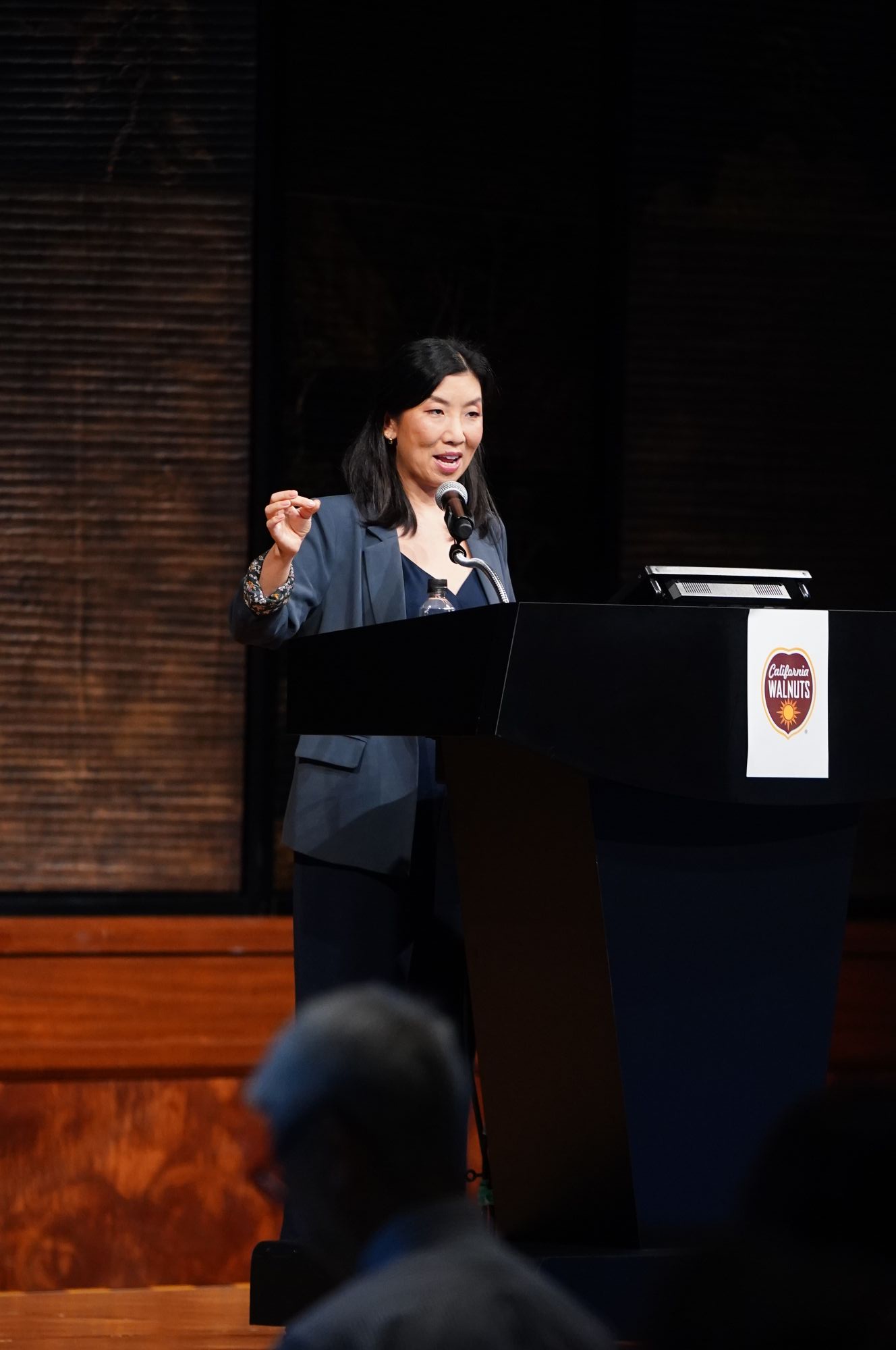
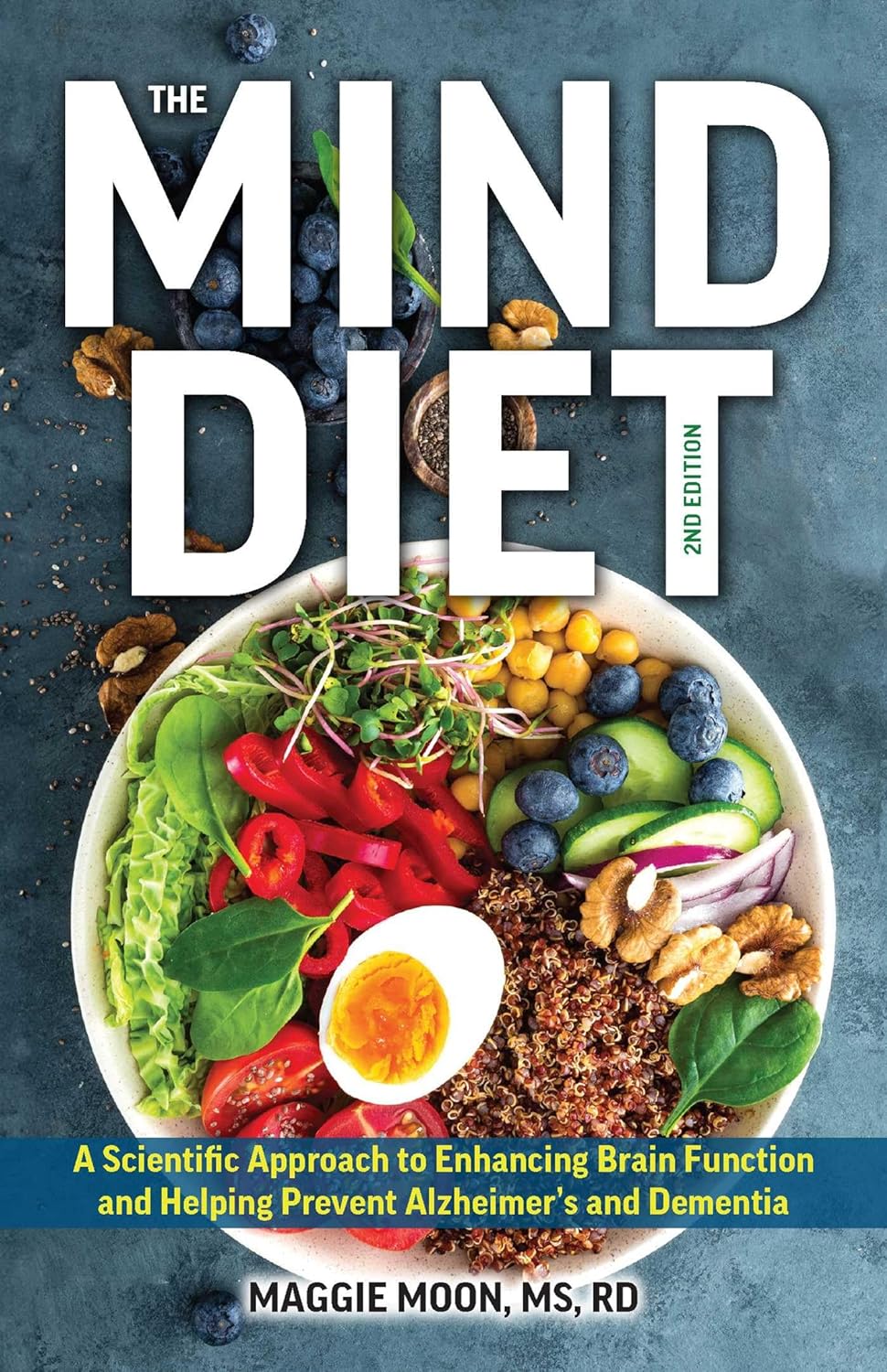
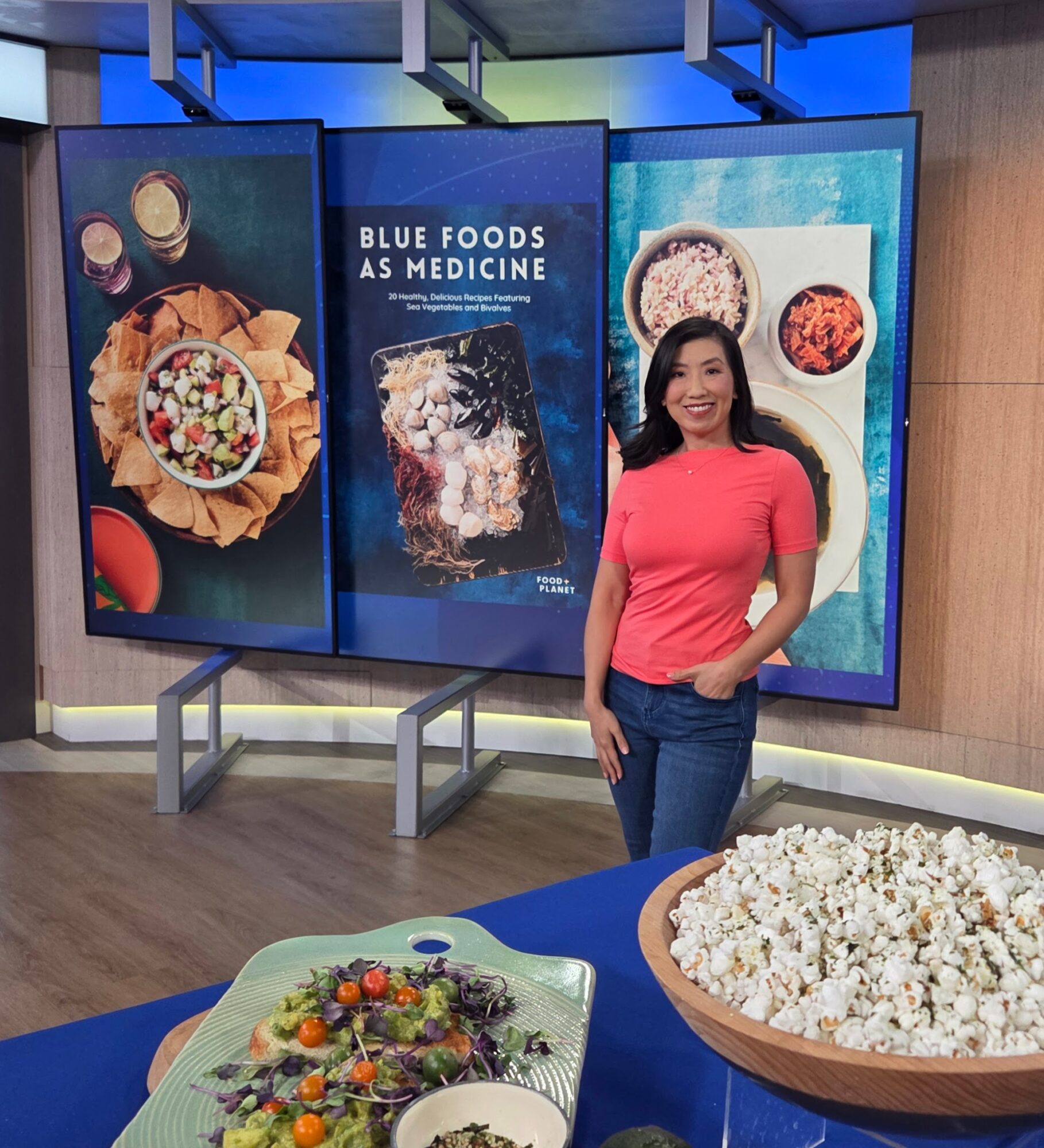
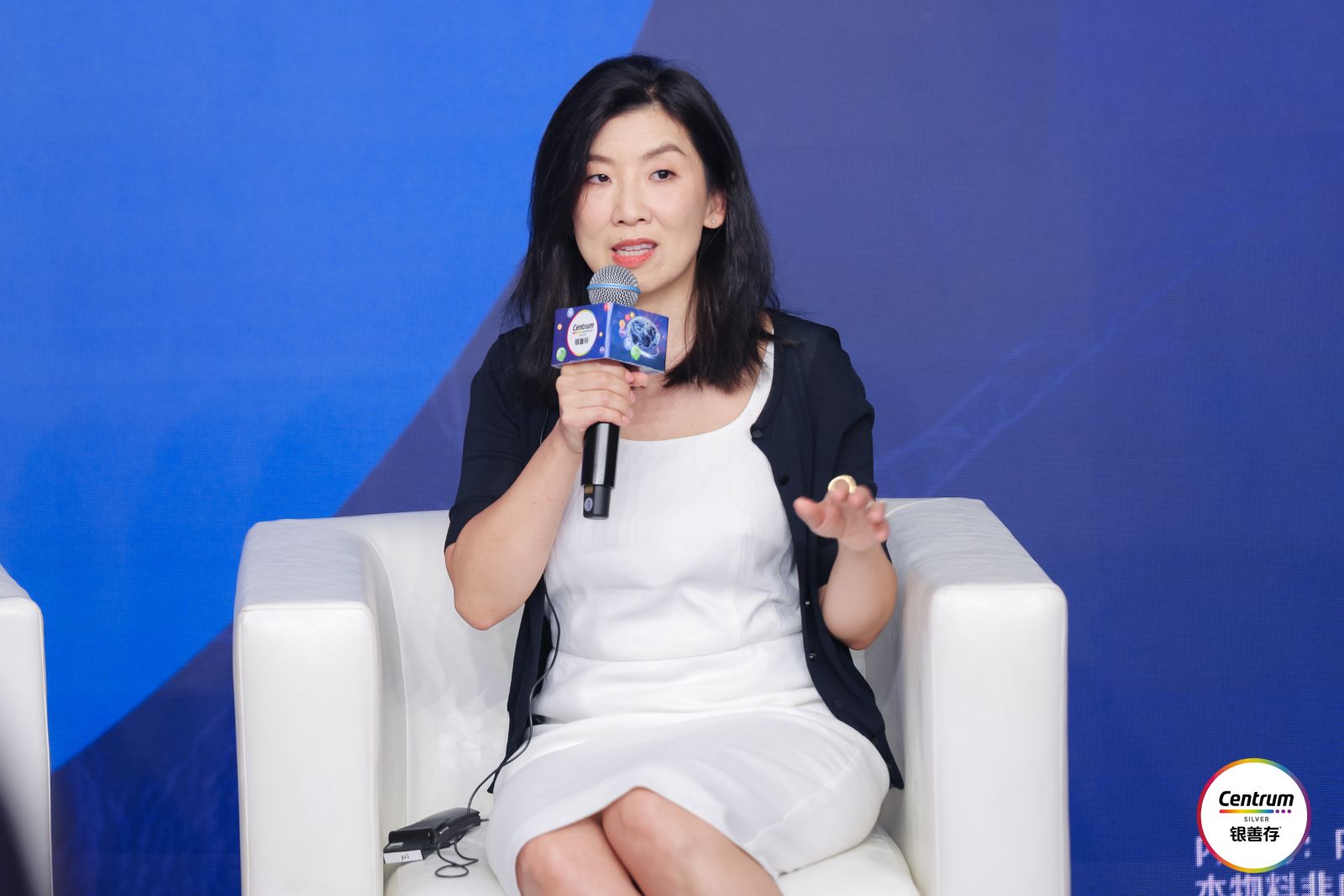
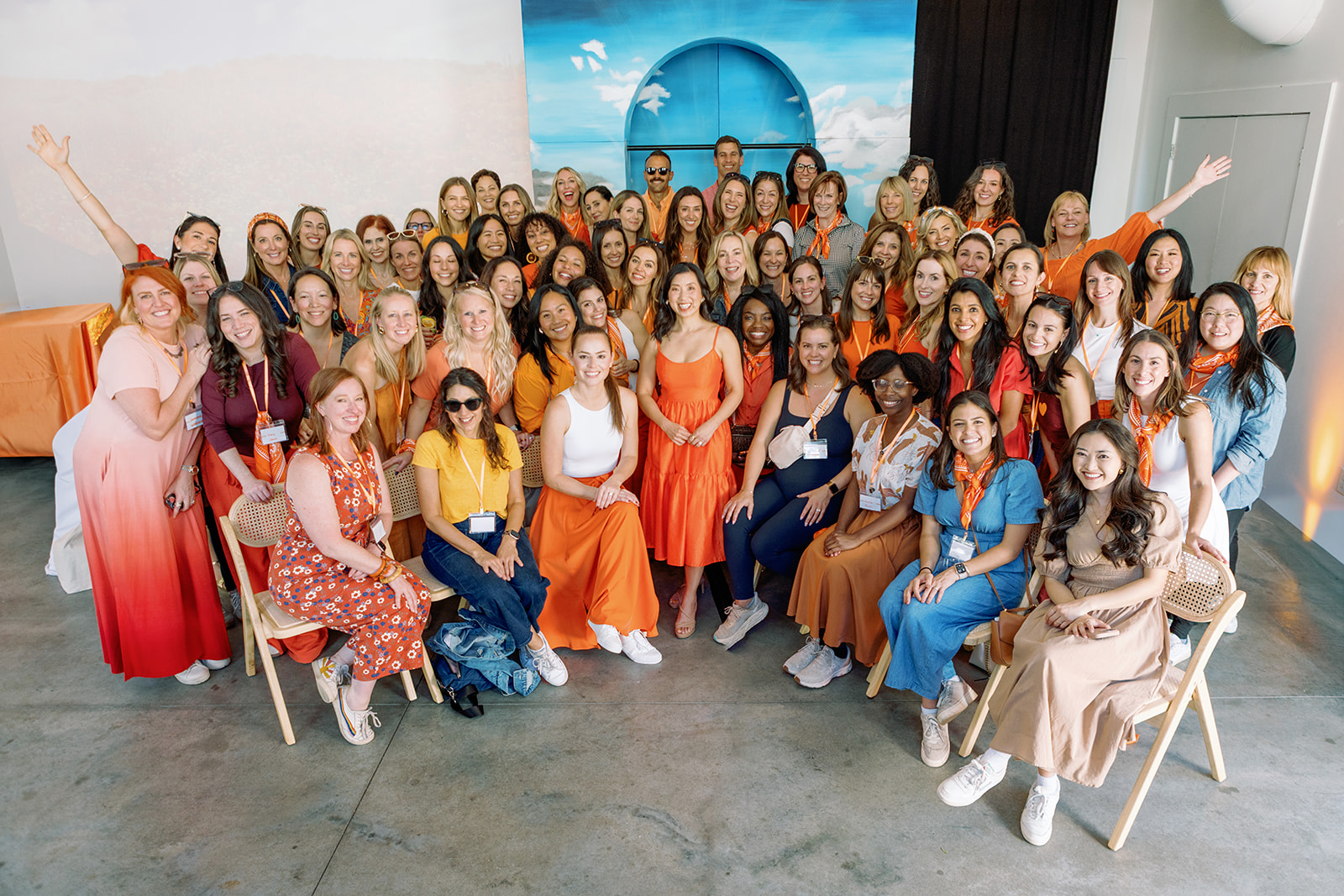
Image Credits
Ulysses Press Fred Gooltz Haleon Maggie Moon California Walnut Commission <br>
Popular
-
What is the story you hope people tell about you when you’re gone?
-
Who were you before the world told you who you had to be?
-

Was there ever a time you almost gave up?
-
What is something outside of work that is bringing you joy lately?
-
Who saw you clearly before you could see yourself?
-
What are the biggest lies your industry tells itself?


