




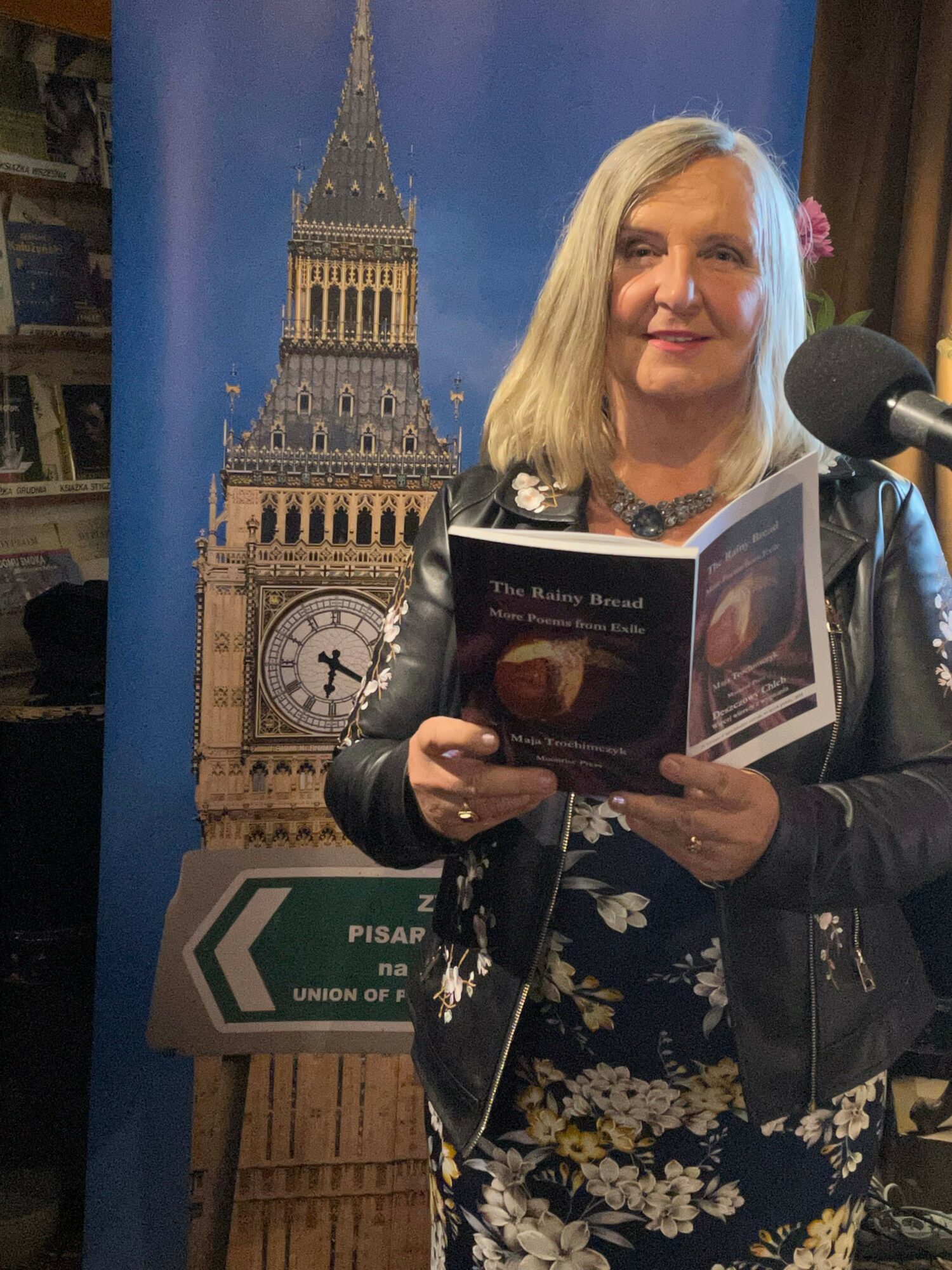
We recently had the chance to connect with Maja Trochimczyk and have shared our conversation below.
Hi Maja , thank you so much for joining us today. We’re thrilled to learn more about your journey, values and what you are currently working on. Let’s start with an ice breaker: Have any recent moments made you laugh or feel proud?
When your children and grandchildren live far away, you have to rely on technology to stay in touch. So, I’m grateful for my phone and its software that allows me to see the smiling eyes of my inquisitive 10-month-old grandson and to seriously converse with my four-year-old granddaughter, a philosopher in a princess dress… Seeing the boy grasping for the phone to catch my image on the screen made me laugh – so stubborn, he spent whole 20 minutes persistently trying to reach his goal. Seeing the lovely family and how accomplished and peaceful they all are. warmed my heart, so I was smiling for a long time after the call ended. Is there anything more beautiful in the world than happy children? Another sweet, joyous moment happened at 7 a.m. at the Balloon Fiesta in Albuquerque, New Mexico. While watching some of the 800 huge hot-air balloons being unfurled, filled with air, and launched up, one after another, I turned around and was stunned by the smiles on all faces around me – one boy had round eyes and round “O” mouth, as in a cartoon, he was so delighted with this sight. But adults were equally happy to admire the ephemeral and colorful wonder, of a spectacle , created for no other reason than pure joy!
Can you briefly introduce yourself and share what makes you or your brand unique?
It is my good fortune that through a series of unexpected twists and turns of fate I ended up in California, of sapphire skies and golden sunlight… As a music historian, educated in my native Poland (two M.A. degrees) and in Canada (Ph.D. from McGill University in Montreal), I came to the U.S. to direct USC Polish Music Center, where I spent 8 years, building up its collections, organizing events, publishing scholarly volumes, newsletters and a journal. My research interests have focused on Polish culture – composers Chopin, Paderewski, Lutoslawski, Gorecki, Szymanowska, as we as on Polish American topics – folk dance groups, émigré organizations such as Helena Modjeska Arts and Culture Cub that I managed for nearly 10 years as its President, and described in a 440-page book. It is the most recent of my 22 volumes of research studies and poetry collections. But I did not stay on the sidelines as an observer – in the 30 years in the U.S. while I have been establishing my new identity as an American of Polish descent, I continued to promote Polish culture by organizing concerts, conferences, lectures, exhibits, and more. There have been too many projects to mention, but a good example is a recent jazz concert of a famous vocalist Aga Zaryan with bassist Darek Oleszkiewicz and his ensemble at the Kulak’s Woodshed in North Hollywood. My second “identity” is that of an English-language poet – president of California State Poetry Society, editor of its journal, the California Quarterly and of the Poetry letter. As a poet, I penned six collections and edited five anthologies, all in English. Many of these volumes were issued by my own Moonrise Press that has published over 30 titles since 2008 – mostly poetry and studies of Polish culture by various authors. As a bilingual immigrant, I have a unique background that allows me to enrich the cultural heritage of both countries, the one I left, and the one I chose as my home.
Okay, so here’s a deep one: Who taught you the most about work?
I was a quiet child and loved to read, spending long hours buried in books for as long as I remember. I had one brother but we did not get along well, as he preferred climbing trees and having outdoor adventures. I was inquisitive and wanted to now how the world works. When my parents subscribed to the Encyclopedia, I was fascinated with the wealth of inventions, history, and customs depicted on its pages… My father, Aleksy Trochimczyk directed my quest of knowledge towards academic success, repeatedly teaching me to focus and not abandon any project mid-way. His rule remains deeply ingrained and I tried to pass it on to my children. He said “With every job or project, you have to do three things -1) do it, 2) do it right, 3) do it on time. Otherwise, it is not worth it.” If you want to pursue some interest, you must master it, you must persist beyond the initial enthusiasm and the mid-range boredom… If you start, y you must finish the project you selected to dedicate your time to, you must never cut corners. This quest for perfection may be easily distorted into perfectionism coupled with procrastination (as if nothing was ever good enough) – so the “do it on time” rule becomes very important. Each project has a deadline, each task its allotted time. Another rule that I initially learned from my Dad, and then from my engineer-children was approaching complex projects by dividing them into a series of manageable elements that could be dealt with one after another. This engineering rule is seldom taught in the humanities but it does simplify even everyday life. If there is no time to rake leaves from the whole garden, it is good just to do a third of it one day, and the rest bit by bit every day, until done. I was not a very good student of the “consistency” rue – as not all my projects were finished and I shifted from subject to subject, from career to career, from country to country. But I cannot blame my Dad for my insatiable intellectual curiosity.
When you were sad or scared as a child, what helped?
When reflecting on formative experiences of my childhood, I notice patterns of behavior that extend to the present. How to deal with negative emotions, fear or sorrow? Resilience is something that should be taught at school, instead of endless focus on victimhood and trauma. When the head and heart are in turmoil, the best thing is to move the body – go for a walk, run, exercise, swim, dig in the garden, move! It is proven that physical activity outdoors, in sunlight, heals the wounded heart. The worst thing to do is to think too much about it. I’d make myself busy. with other things instead of focusing on what I was upset about. I’d go for long strolls in the park or meadows surrounding my grandparents’ house. I’d watch the birds, admire plants, or flowers… Alone – at that time in Poland, children roamed freely and all “grandmas” they met kept an eye on them and brought them home, if needed. I was not consciously aware yet of the scale of emotions – toxic negative ones – shame, guilt, fear, anger, sadness – that should be converted into positive ones – joy, peace, generosity, gratitude. Once I learned how to identify them and substitute positive for negative, things became easier. But when I learned how to read, I found another recourse – an escape from the present into imaginary worlds of the written word. I’m still finding it very useful, as a writer, by now. If you are writer, the best way of dealing with trauma and anxiety is to write – not necessarily about that trauma and anxiety – something else is even better. Once you start a project and enter the state of the “flow” – a perfect focus on the project – you become happy and distress recedes far into the past. When you finish what you have been created, you are happy. You avoided feeling sorry for yourself, and accomplished something. Now instead of tears you have a “feather” for your “hat.”
The world is always in crisis, and always coming out of a crisis, so it is our job to rise high above the turmoil and look down on the mess from an elevated, or “ascended” perspective. Medieval monks had a motto of “memento mori” – “remember death” – its purpose was not a morbid focus on the mortality, brevity of bodily existence, and the ugliness of physical passing. It was, I presume, a way of putting in perspective all the puny troubles and challenges of daily struggle for survival – the hunger, the cold, the slights and insults, the failure to live up to one’s own standards. None of this matters from a higher perspective – we need to answer just a few questions at the end of our Iives – did we use our talents, or did we bury them in the ground? Did we love, and laugh, and cherish the people around us, or did we sacrifice them for some distant, yet alluring cause – career, success, money, power… Were we human enough? Were we kind enough? Were we strong enough to follow our beliefs to the end, just as the writers of the manuscripts found in the cave in the Dead Sea mountains did…. “Dead Sea scrolls unfurl / insights for three millennia – / ”you shall, you shall not…” I wrote that haiku after visiting the Dead Sea Scrolls exhibition at the Reagan Library in Simi Valley. They are the core tenets of Judaism and Christianity, but also, in essence, Buddhism, and maybe other paths to enlightenment. They help us distinguish what’s right from what’s wrong, they help us follow the straight and narrow way leading to perfection.
So a lot of these questions go deep, but if you are open to it, we’ve got a few more questions that we’d love to get your take on. What’s a belief or project you’re committed to, no matter how long it takes?
The historian in me wants to dig deep enough into documents and “facts” to discover and describe the truth. Whether it is comfortable or would be well received and rewarded – it does not matter. It is important to examine the subject of one’s research from each side, refract its light through a prism, as it were. Not all findings will be welcome even to the author. An example? Polish folk dance movement in America. When I came to the U.S. I was prejudiced against using any form of folklore as a public sign of “Polishness” – and, in particular, I strongly disliked the State Folk Song and Dance Ensembles Mazowsze and Sask. I thought their brand of “beautified” folklore, with music scored for symphony orchestra, far removed from its rustic or archaic roots, was a complete distortion. In my book “Polish Dance in California” I wrote a history of several dance groups and observed a reliance of Polish American on this form of stylized folklore for their identity. It seemed ridiculous at the time, since emigrant communities are strongly anti-communist due to the oppression they suffered in the Soviet-dominated People’s Republic, but the stylized folklore they embraced was an ideologically-tainted product of this same communist Soviet Union – created in 1930s and designed to replace the “bourgeois” opera and ballet. However, while researching my book, I came to a conclusion that such Broadway-style folk based shows actually have value, as their “native” component is still very strong and the professional production values add attractiveness for the general public. Initially, in grad school, my research focused on Western avantgarde contemporary music, but I realized after coming here, that cultural achievements and activities of Poles in California are under-studied and under-documented. I decided to dedicate my time to this topic – and so far published three volumes on these subjects. One project – a history of the 55-year-old Modjeska Club was started in 2010 and completed in 2023! In the process, I discovered that the biography of its founder, Leonidas Dudarew-Ossetynski (1910-1989) was never properly studied and written, thus hiding his achievements, so I decided to spend some time researching and promoting knowledge about what he wrote and did. So, I can see in my future many other books and studies of the contributions of Polish American and the communities of Polonia to the culture of the U.S. and of Poland.
Before we go, we’d love to hear your thoughts on some longer-run, legacy type questions. If immortality were real, what would you build?
First of all, immortality is real, we are immortal souls having a mortal experience in an incarnation (one of many) on this heavy and complicated, material Earth. . . Each lifetime is a series of lessons we go through in order to learn to separate the wheat from the chaff, to find diamonds in the ash. What are these life’s diamonds? Pure intentions, good deeds, everything that’s built on love, built with generosity and in gratitude, shared and experienced every day. So, a moment that you smile at a tired child, or praise someone sincerely, is a bead added to your necklace of treasures. Material possessions and creations are important, too – especially when they reflect the immortal beauty – goodness – truth – that we left behind when being born and will return to after we die. Yet, we are here to learn to conquer the physical domain and use matter for the greater good of all humanity, for all fellow travelers present in our “here and now.” Thus, engineering, scientific jobs and projects are very important, as each invention is a new victory over the resistant matter, each may create a new level of awareness and comfort. In turn, scholarly communities of the humanities have a job to document and elucidate the past and present. Then, creative individuals are here to create more beauty, tell stories of inspiration and positive emotion. Their job is to reflect more and more the immortal “beyond” through mortal words, sounds, colors of paint, gestures on the stage or screen… It requires real courage and real virtues to remain faithful to such a vision of the purpose of human life on Earth. We are here so that each of us individually becomes more enlightened, creative, positive, and loving, and – as a result – so that our communities and nations also become more enlightened, creative, positive, and loving. There is no ugliness, horror of war, murder, or suffering of hunger or poverty in this ideal world, heaven on Earth. We constantly fall short of this ideal – as we are not sufficiently virtuous – there is not enough courage and moderation, justice and wisdom taught and practiced. This perfect “square” of the cardinal virtues is to balance each person’s mindset and help achieve their goals, step by step, day by day. As a community activist, I create opportunities for people to meet and practice these ideals, as a historian I describe these experiences in failure and success. Finally, as a poet I see myself as a witness to the immortal – sharing what I’ve learned and what I’ve discovered through verse… So, I guess I would do what I am doing now – write more articles, poems, studies share the joy of creativity, the true joy of life.
Contact Info:
- Website: https://moonrisepress.com
- Linkedin: https://www.linkedin.com/in/maja-trochimczyk-2994178/
- Facebook: https://www.facebook.com/maja.trochimczyk/
- Youtube: https://www.youtube.com/MoonrisePress
- Other: https://poetrylaurels.blogspot.com/ and https://www.californiastatepoetrysociety.com/
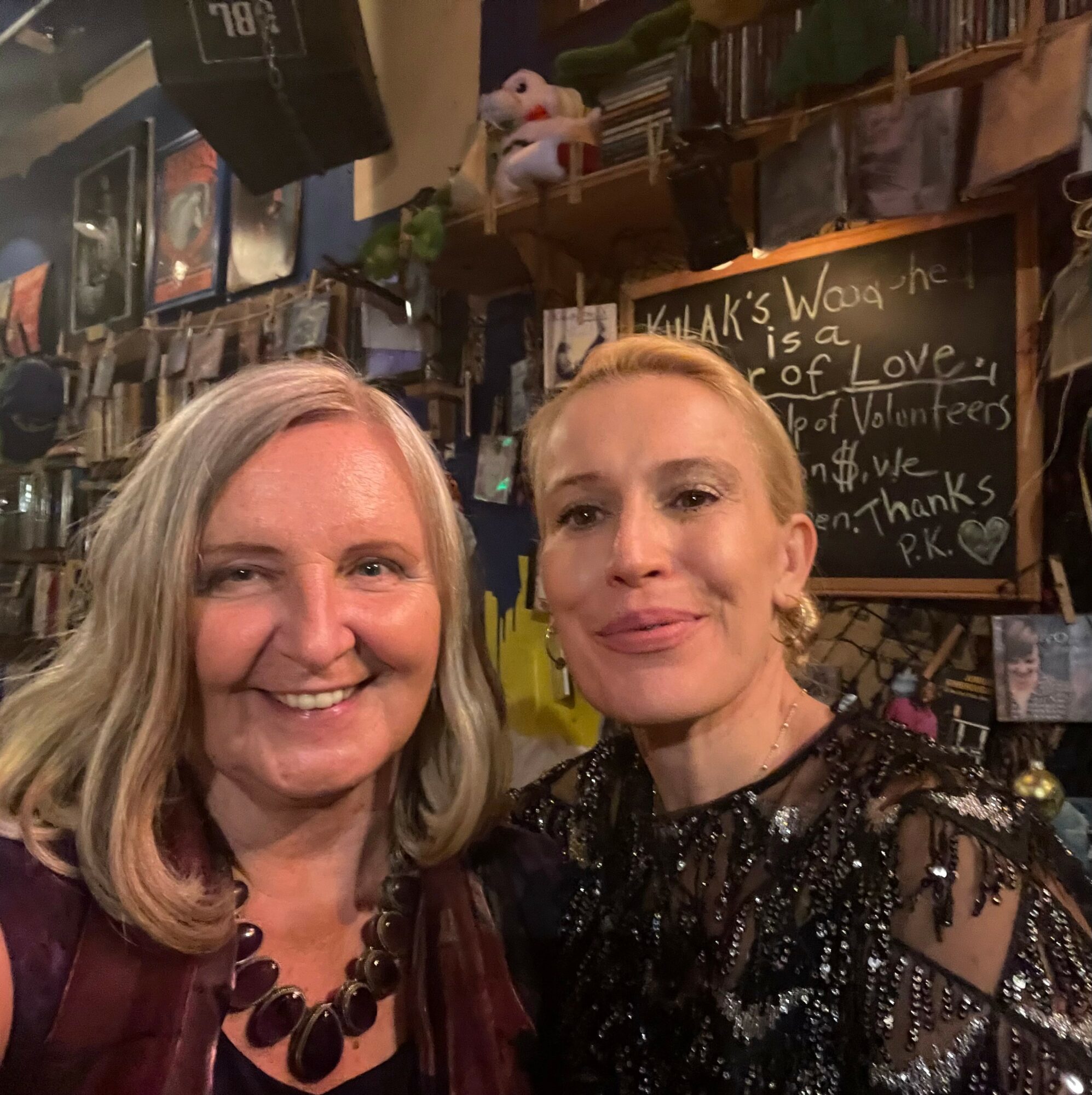
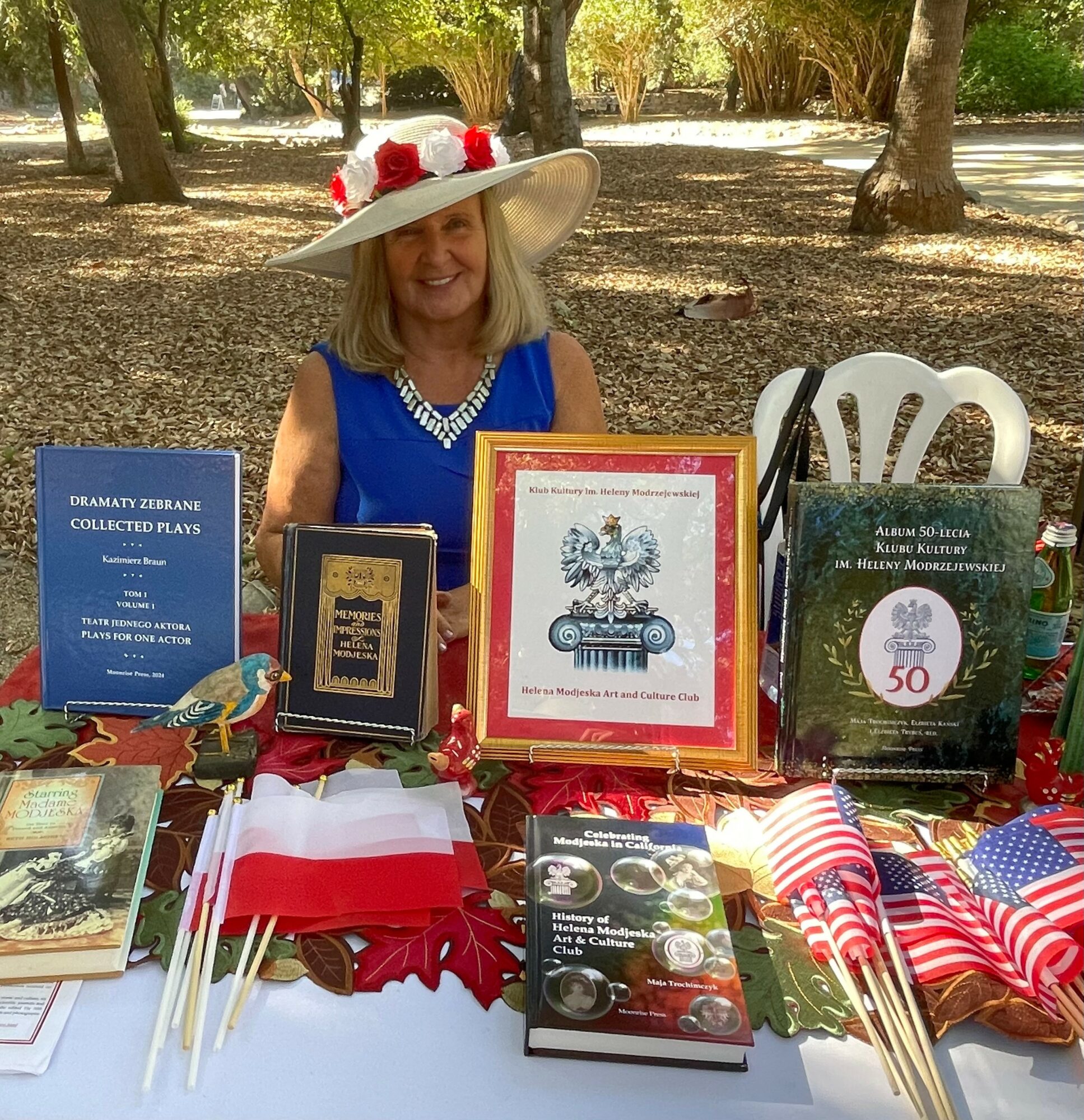
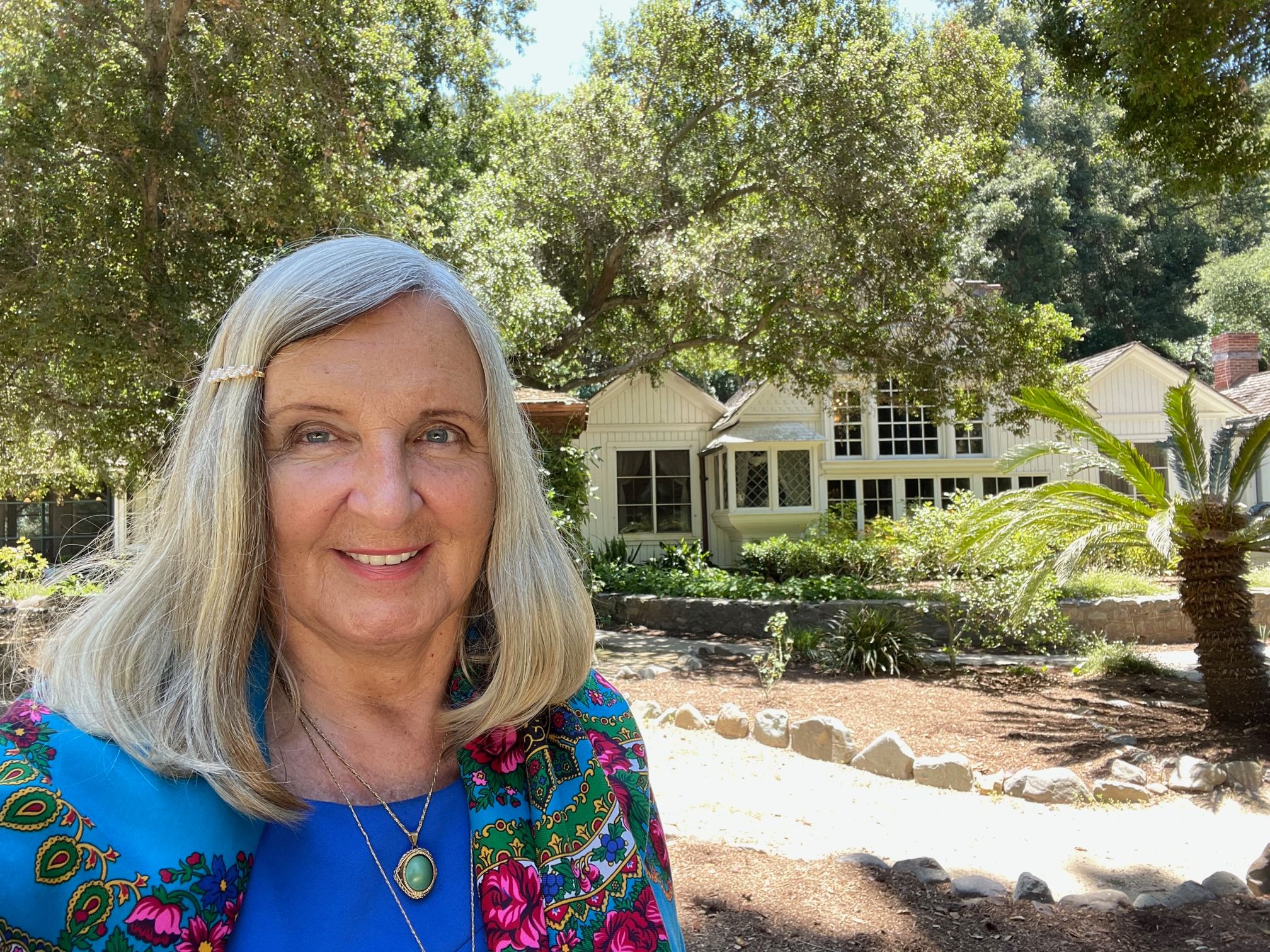
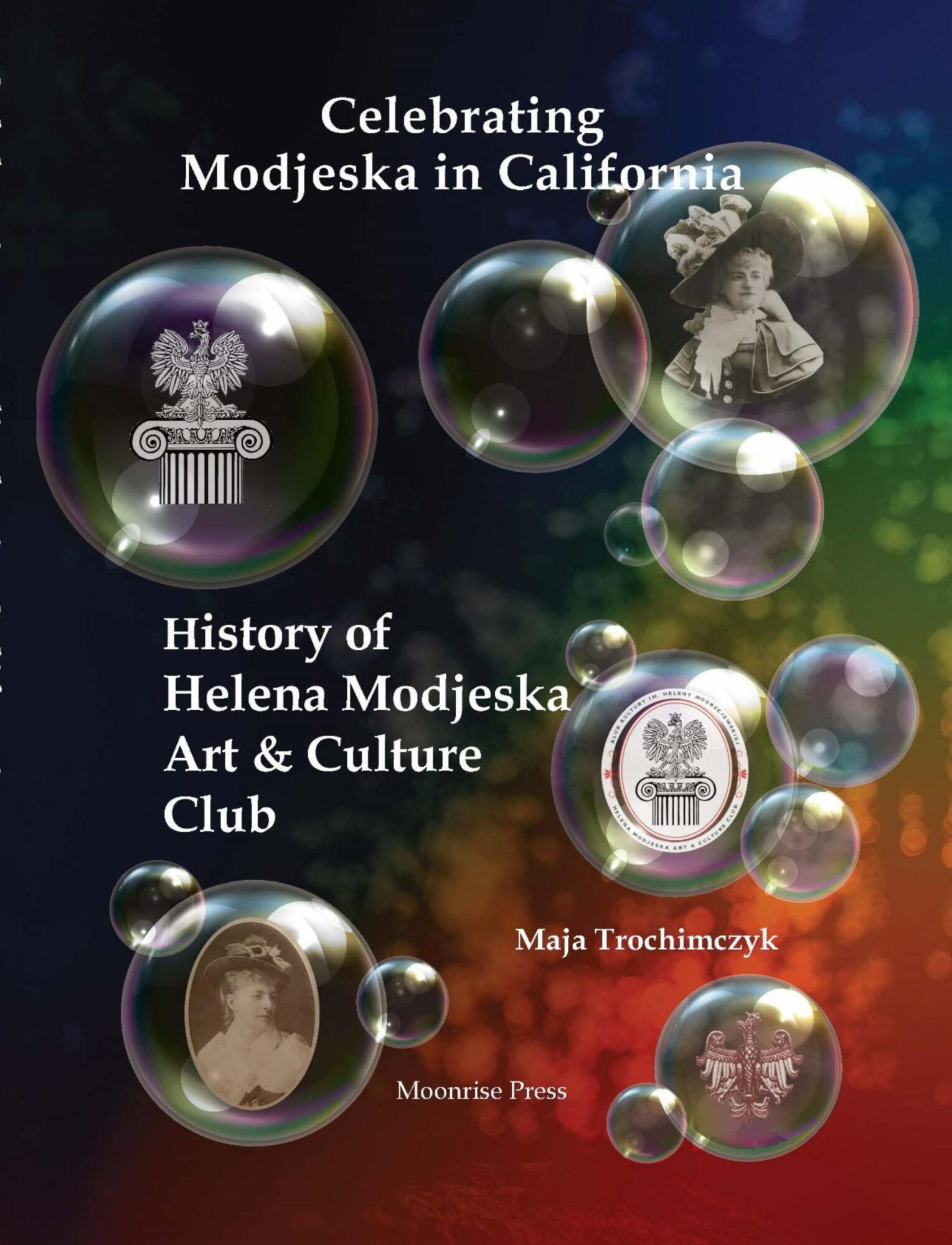
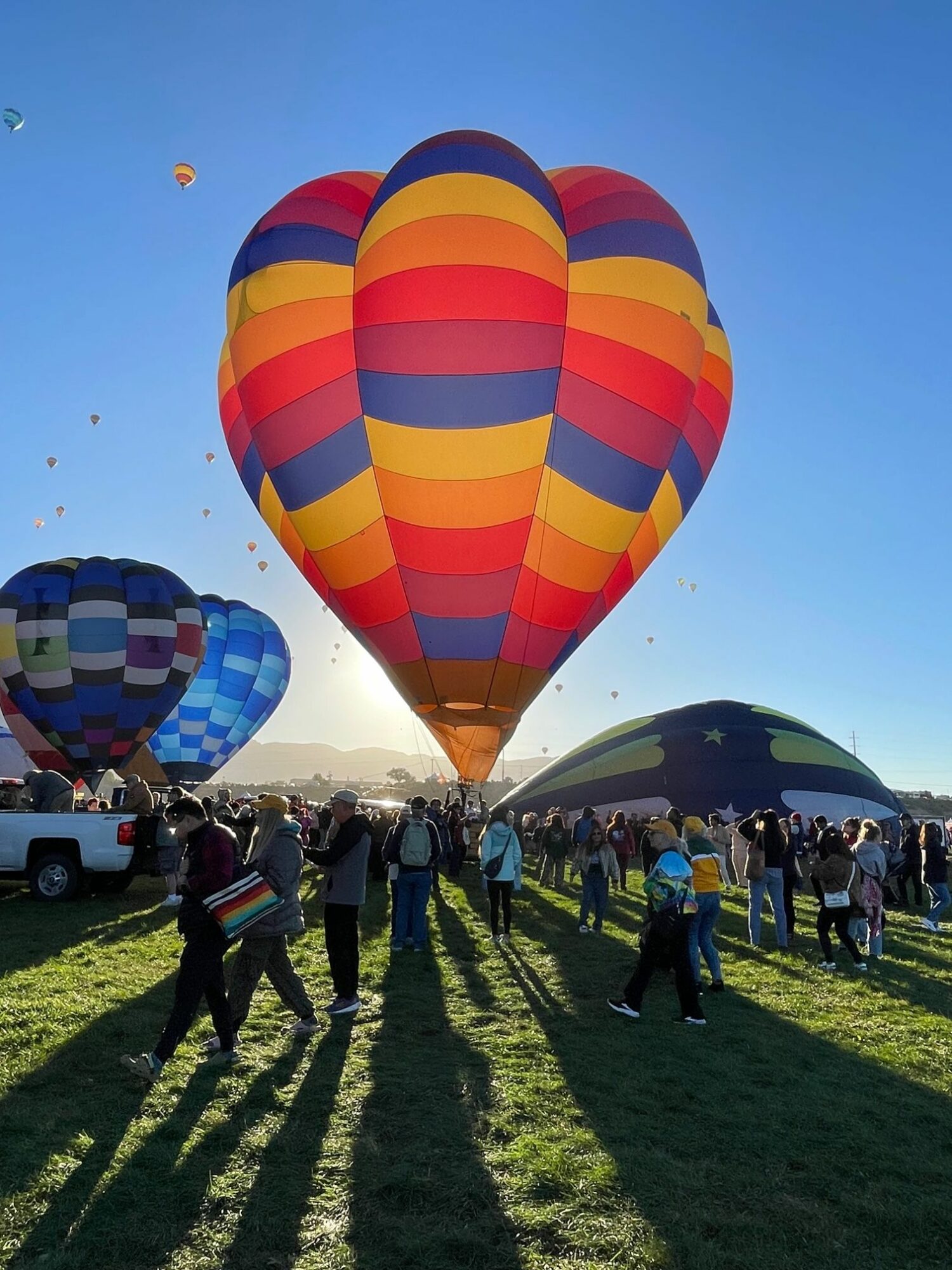
Image Credits
Bozena Sitek (portrait)
Dominic LeConte (group)
Selfie with Aga Zaryan
Popular
-

Christina Wren Steps Into the Director’s Chair to Tell Stories That Feel Like Home
-

Portraits of the Valley
-

LA’s Most Inspiring Stories
-

JordanL on ‘Breathe,’ Belief, and Building a Movement Beyond the Music
-
Megan Birney Rudert on How Access to Light Is Powering a More Sustainable and Equitable Future
-

Linda Kneidinger on Building Lasting Change Through Small Steps and Self-Compassion


