




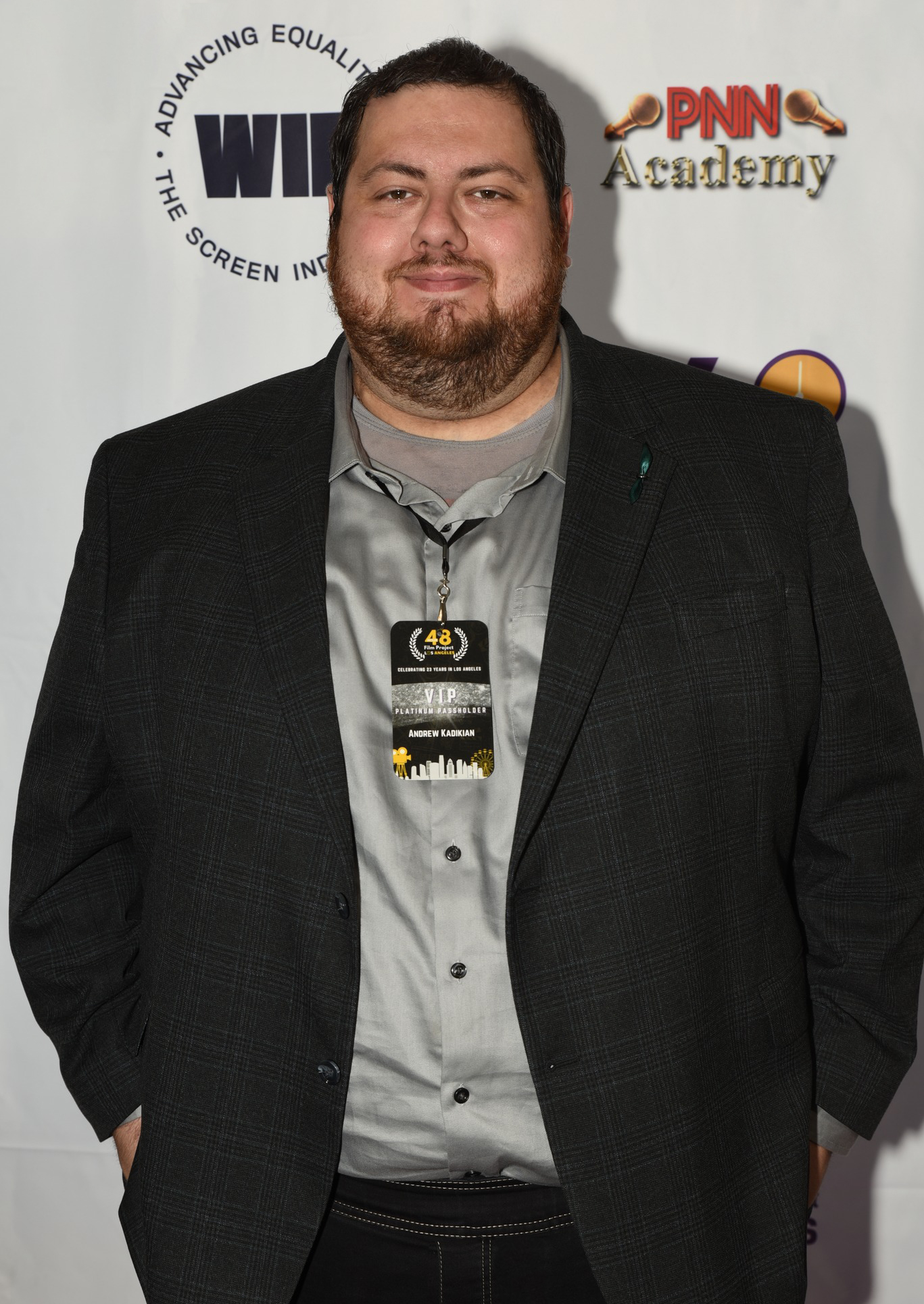
Today we’d like to introduce you to Andrew Kadikian.
Hi Andrew, we’re thrilled to have a chance to learn your story today. So, before we get into specifics, maybe you can briefly walk us through how you got to where you are today?
My interest in cinema probably blossomed, as it does with many, from watching movies as a kid. My uncle loved buying movies on VHS, and I always got a piece of that action, so I ended up with a drawer full of ’80s and ’90s movies on VHS that I watched feverishly. That probably also contributed to that style and era of cinema being my favorite and inspiring my genre of choice and narrative style now. After the bug was planted in my brain, it just became a matter of working my way up to being a professional. In high school, I dragged around a group of friends and made short films with nothing but a high school video class and independent study’s worth of education and a MiniDV camera. These friends, by the way, were uninterested in film as a career afterward, so they were doing it just for fun and to help me out, for which I am eternally thankful. After graduating, it was off to film school, where I learned and practiced more, made connections, and climbed the technology ladder. After that, I became a professional and have worked both freelance and in positions as an editor to pay the bills while I work on my own projects and practice to keep myself sharp whenever I can. It’s been 10 years now of being an editor, writing and directing my own work, film festivals, industry work, networking, and weathering whatever storms this business throws at us.
Can you talk to us a bit about the challenges and lessons you’ve learned along the way. Looking back would you say it’s been easy or smooth in retrospect?
It most certainly has not been a smooth road. Everyone in the industry has been hurting of late, so my struggles are nothing new to insiders. We never really recovered from the pandemic, and then the strikes happened, massive industry slowdown, declining cinema profits, etc. There’s less work and pretty much the same number of people looking for it than there was five years ago, and we all feel the tightening. That’s something all of us in the business have to deal with, but the good thing is that it’s allowing for more people to find success making indie projects simply because, a lot of the time, that’s all we can work on right now. On a more personal note, there’s been a good deal of reflection and soul-searching in regard to my career over the last couple of years. I’ve been trying to figure out what my next step is and where I should focus my efforts. I think it’s something we all deal with at one or maybe even many points in our careers. However, in the face of all these kinds of problems, I have to turn to the old cliche: you just have to keep sticking it out. The industry wears you down, and many people quit before their break comes. The winners in this business didn’t get there because of any massive talent gap or anything like that; most of the time, they are simply the ones who didn’t quit.
As you know, we’re big fans of you and your work. For our readers who might not be as familiar what can you tell them about what you do?
I am an award-winning writer/director and professional editor in the film industry. I have been working in the industry as an editor and writing and directing my own work for over a decade. As an editor, I’ve worked in narrative and digital media spaces on everything from feature films to social media and everything in between. As a writer and director, I’ve been crafting my own stories and growing my footprint for years, winning awards at film festivals and using momentum to create bigger and bigger productions. One thing I am proud of is having competed in the Los Angeles 48-Hour Film Project for a very long time. I have participated in 24 competitions in 14 years since 2011 and have had great success in the competition, with my films winning awards and then moving on to do well in other festivals as well. The competition is a gauntlet for filmmakers, which I am proud to have survived so many of.
We’d love to hear about how you think about risk taking?
I think taking risks is a huge part of being in the film industry. Simply choosing to work in this industry is a risk in and of itself. But I also think it’s very important to challenge ourselves and take risks creatively because that’s the only way to move the art form forward. At the end of the day, if you’re not outside of your comfort zone or pushing your boundaries as an artist, you’re not living up to your potential, and I think would have a very hard time finding fulfillment in what you do. Those creative risks mirror personal and financial risks as well, in a business where industry and commerce are tied so uniquely closely to art and craft. Pushing the boundaries of one advances the rewards of the other. Stagnation on both sides of that coin is what can and will kill cinema and what we must all strive against.
Contact Info:
- Website: https://andrewkadikian.com/
- Instagram: https://www.instagram.com/thegreatkadik/
- Facebook: https://www.facebook.com/kadik
- LinkedIn: https://www.linkedin.com/in/andrewkadikian/
- Youtube: https://www.youtube.com/@AndrewKadikian
- Other: https://www.twitch.tv/thegreatkadik
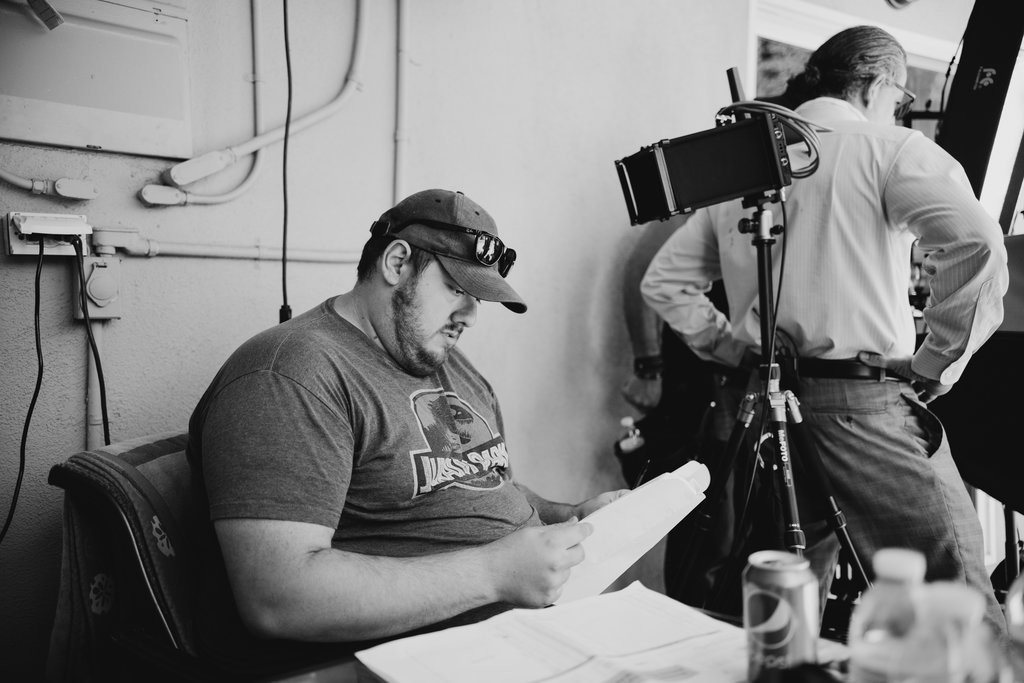
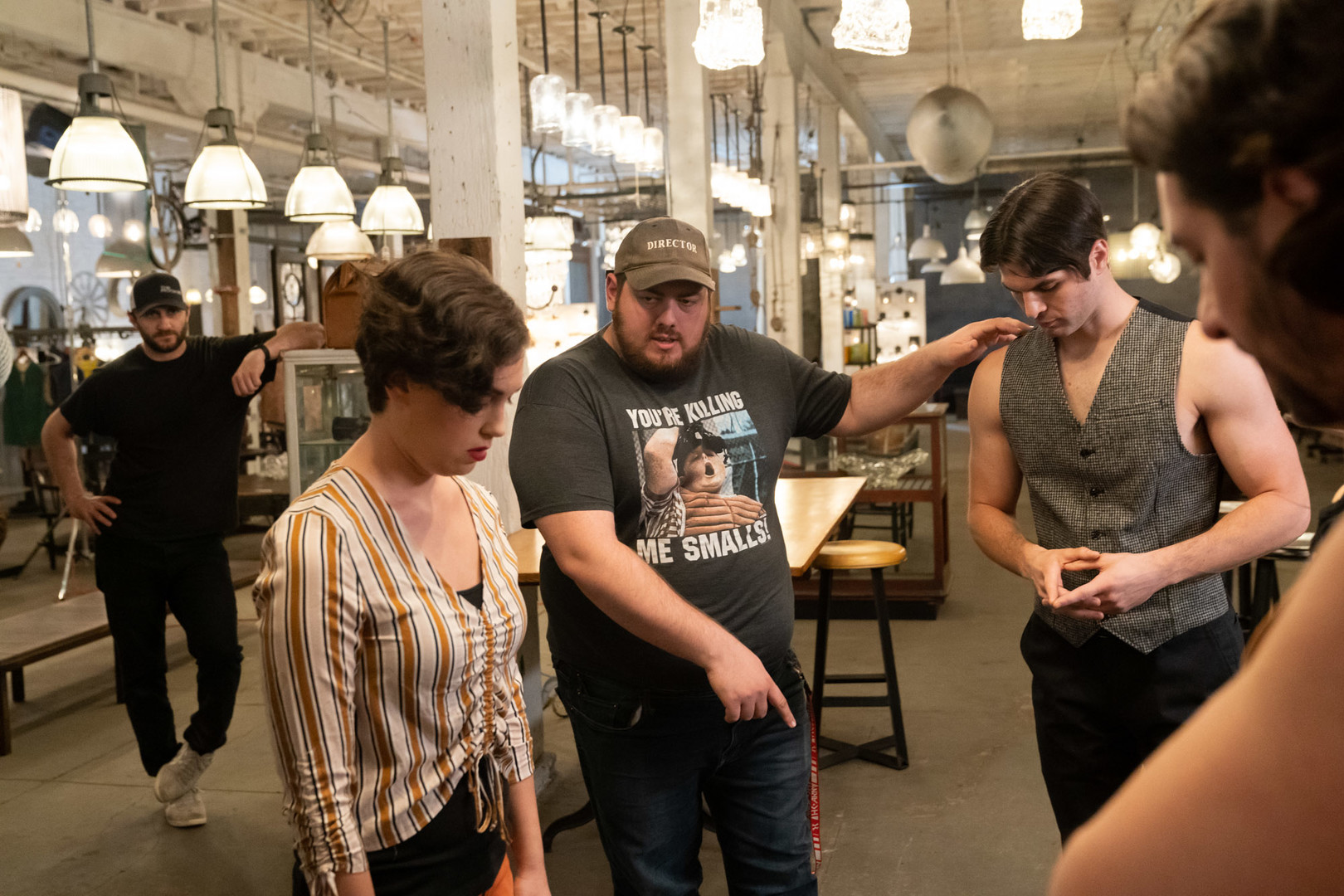
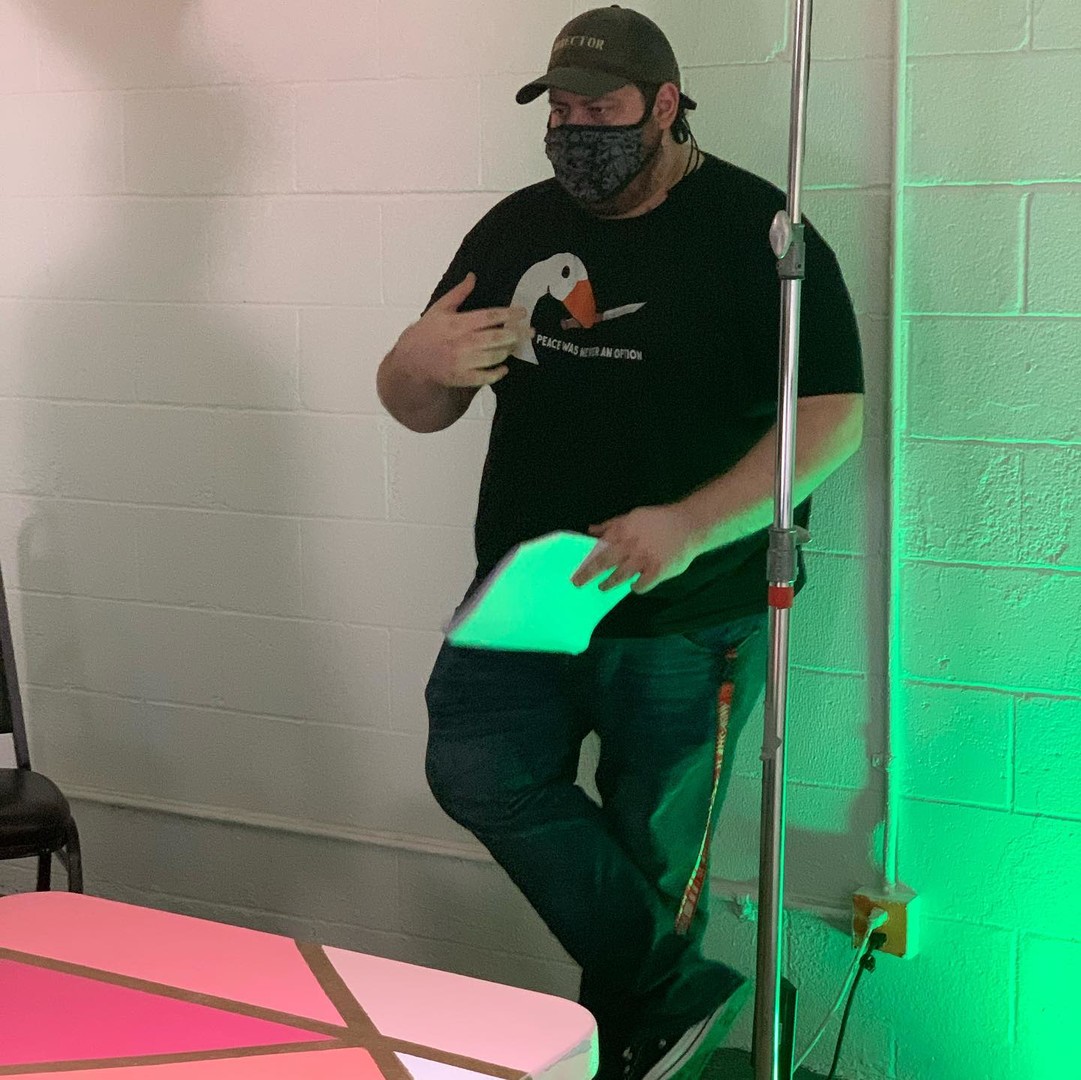
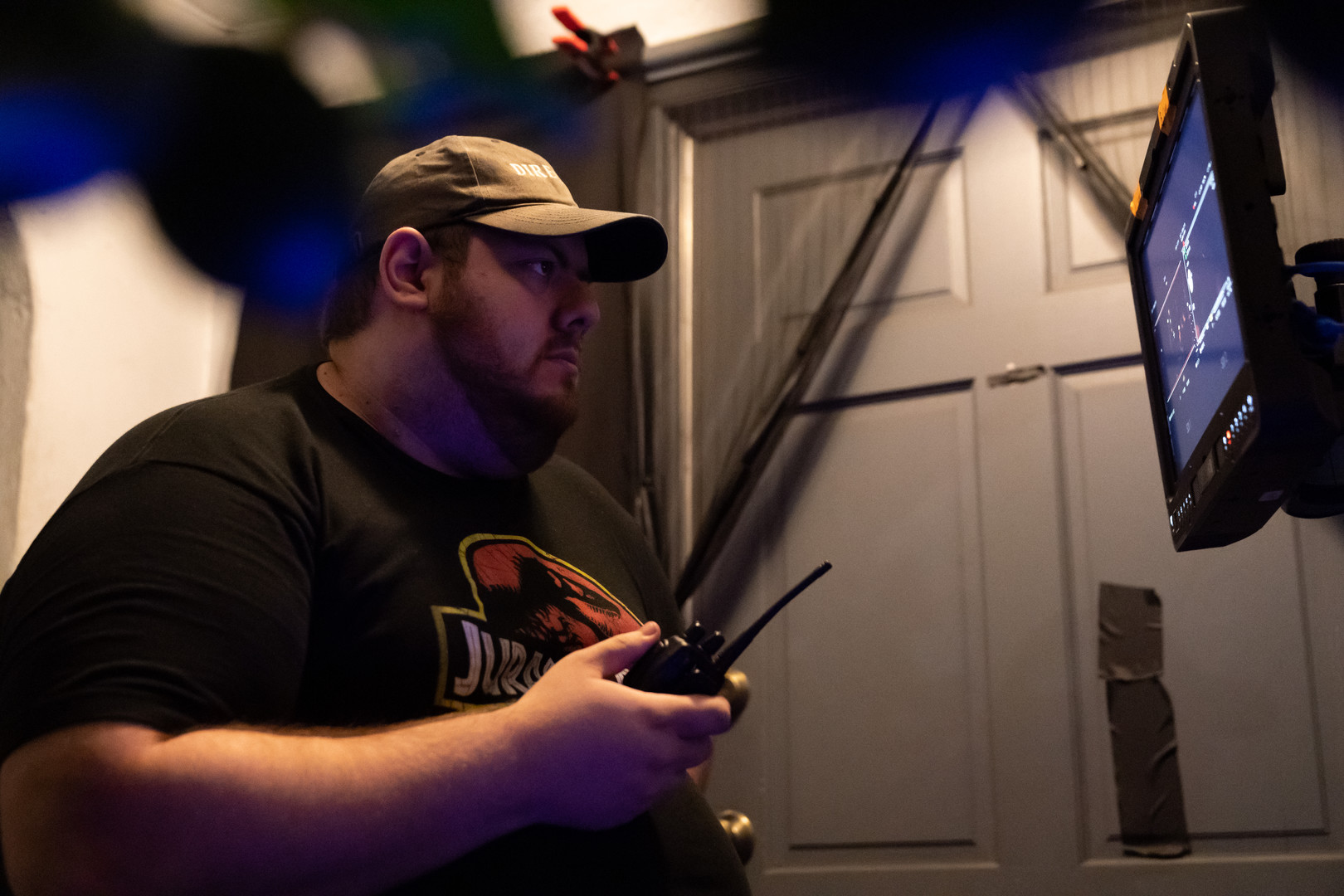
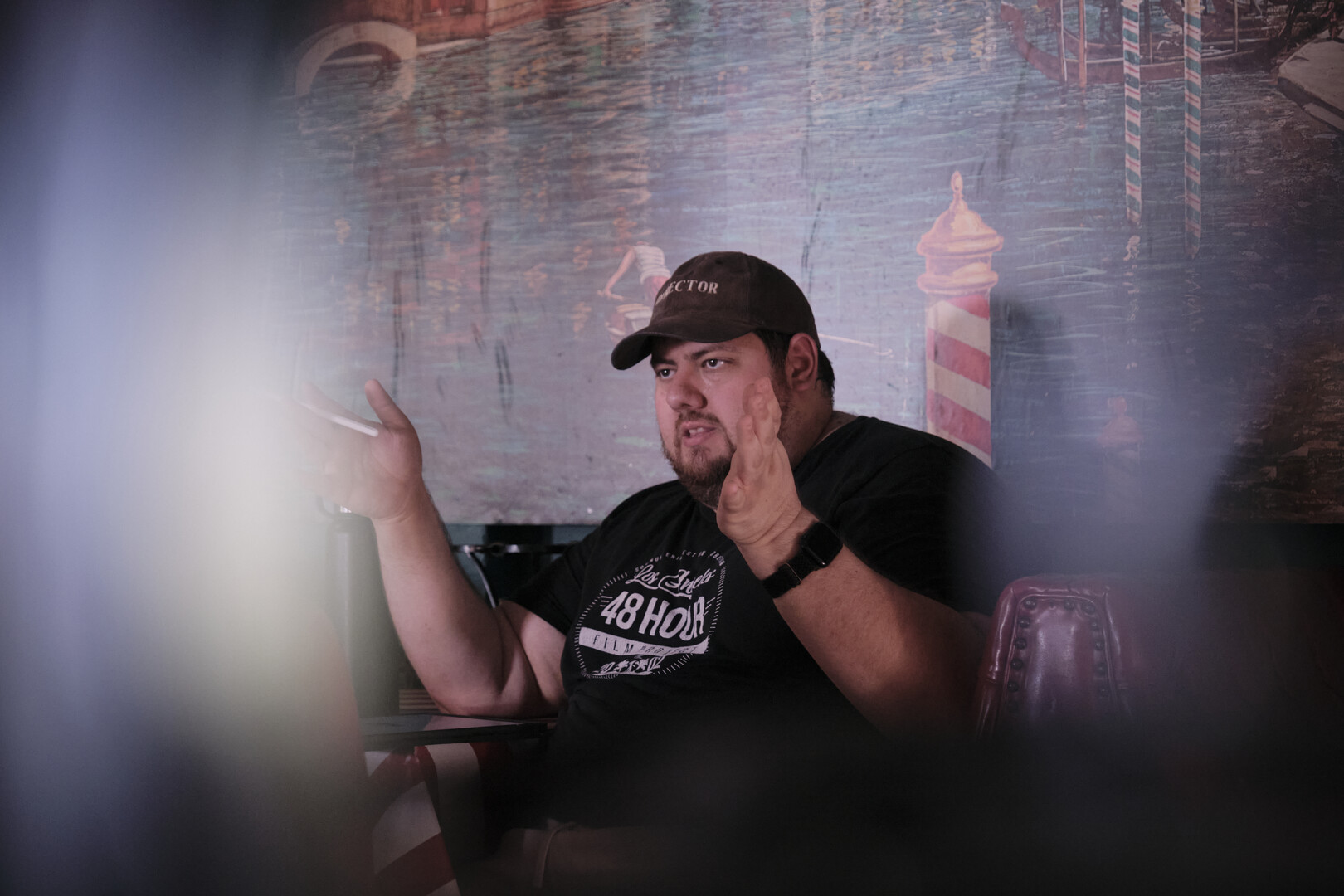
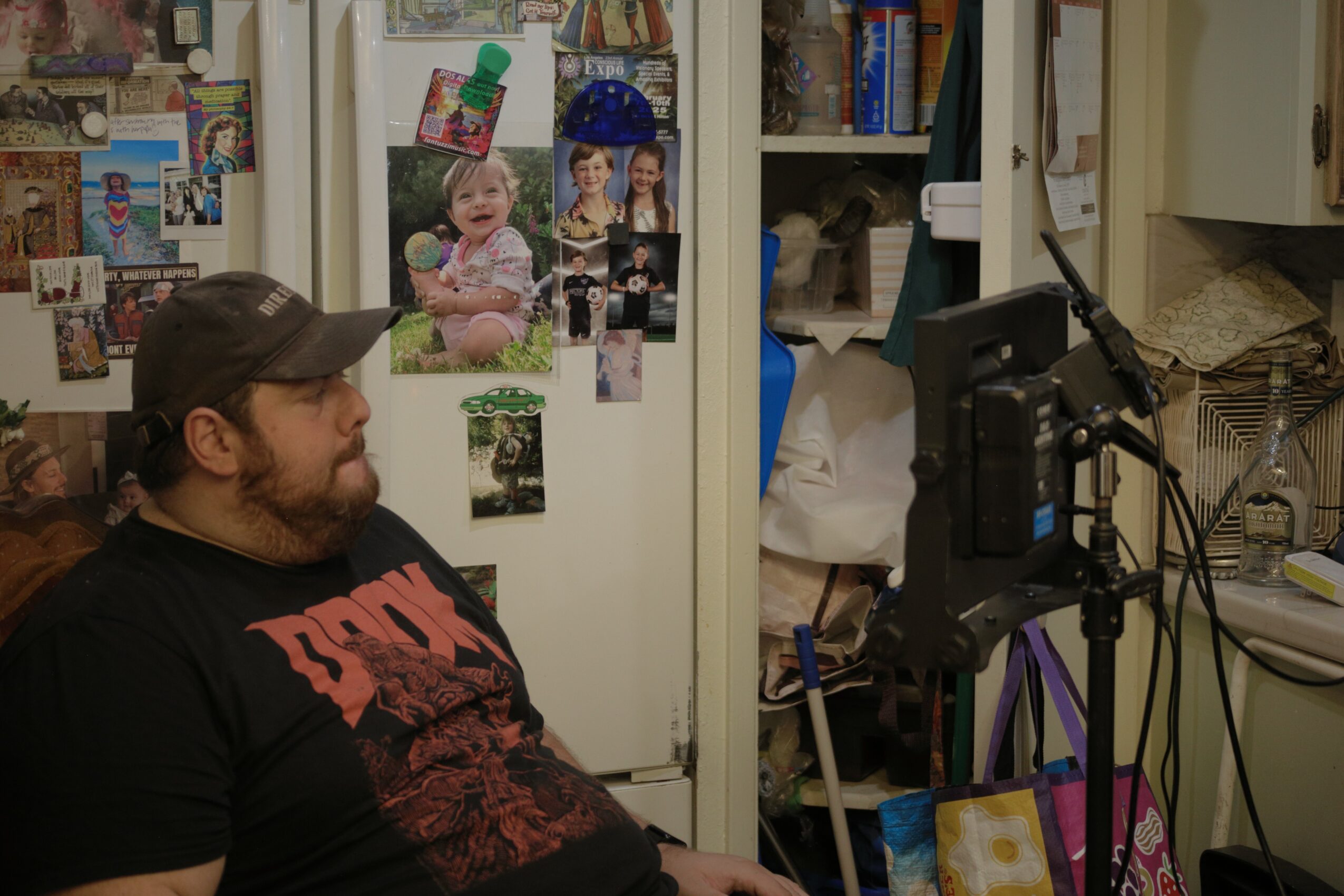
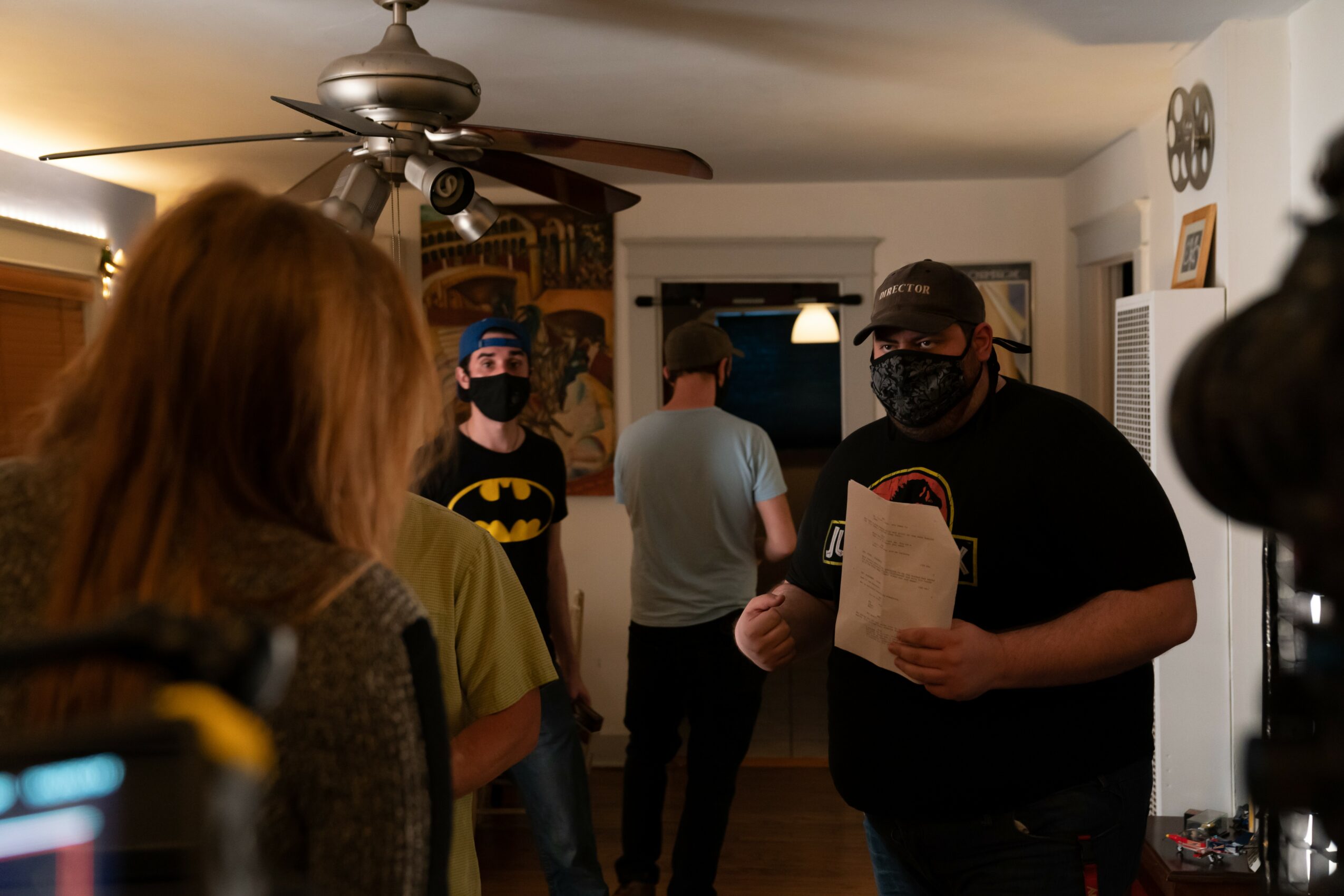
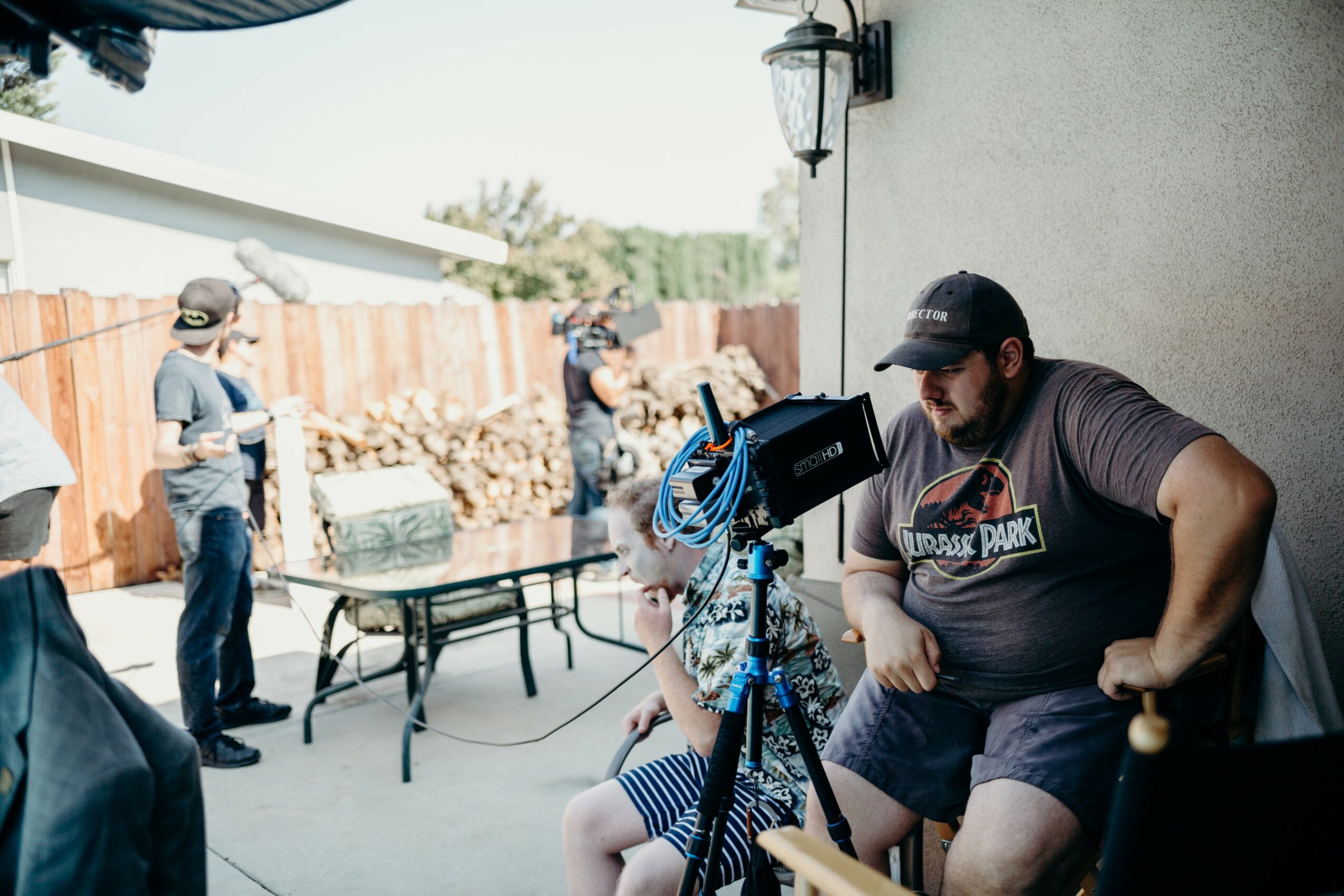
Image Credits
Ashly Covington, Kaela Comontofski, Danny Diaz, Frank Caito, Timothy Iaconis
Popular
-

Robin Olive on Building an Inclusive Performing Arts Movement and Expanding Opportunities for Every Student
-

Portraits of the Valley
-

LA’s Most Inspiring Stories
-

Que Johnson on Building Brands That Last: From Visibility to True Market Authority
-

Christina Wren Steps Into the Director’s Chair to Tell Stories That Feel Like Home
-

JordanL on ‘Breathe,’ Belief, and Building a Movement Beyond the Music


