



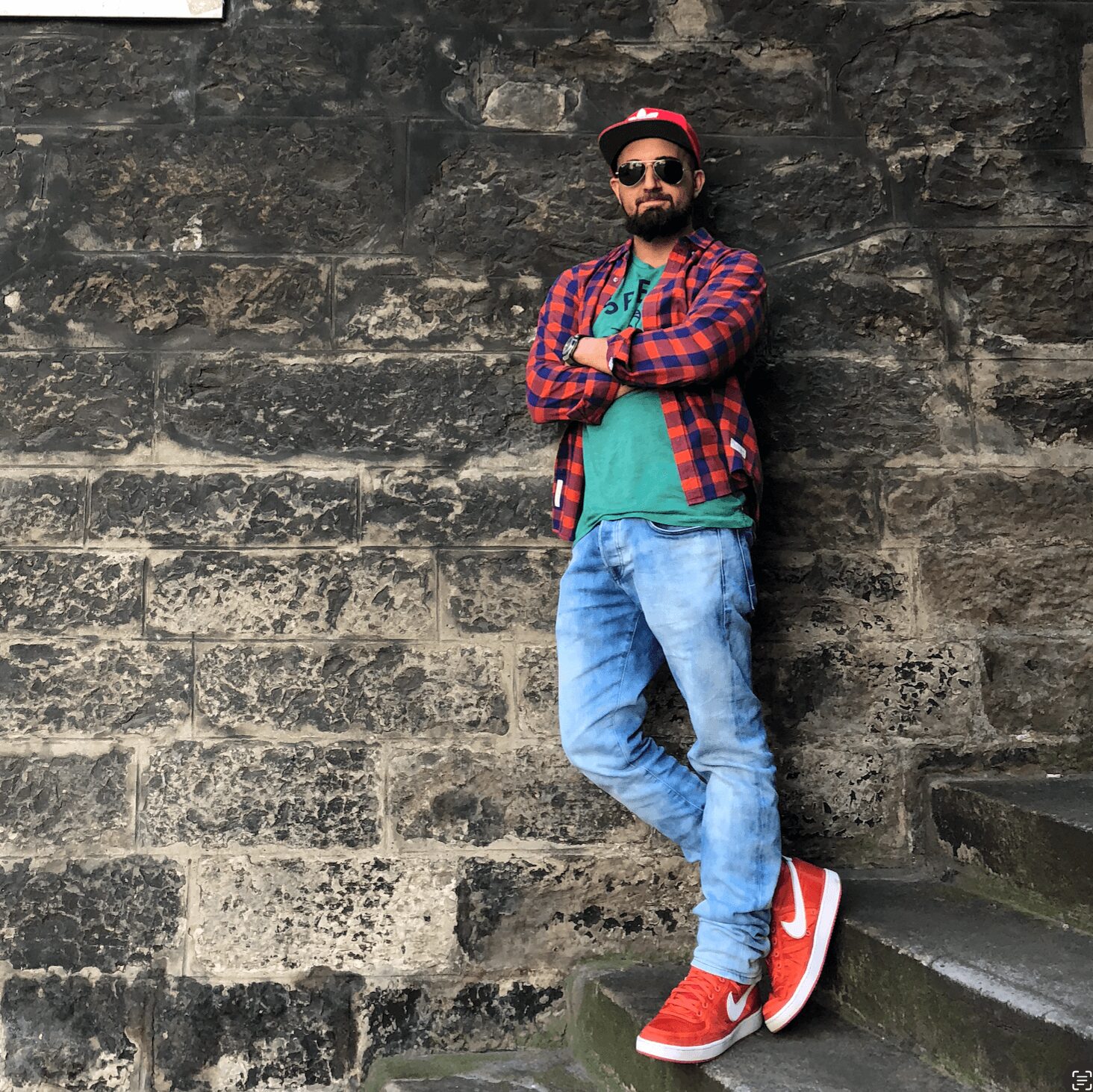
We recently had the chance to connect with Josh Separzadeh and have shared our conversation below.
Hi Josh, thank you so much for taking time out of your busy day to share your story, experiences and insights with our readers. Let’s jump right in with an interesting one: What’s more important to you—intelligence, energy, or integrity?
Integrity. Hands down.
Intelligence and energy are obviously important; you need both to survive in any creative industry. But I’ve seen brilliant people with endless drive lose trust, burn bridges, or stall out because they lacked integrity.
For me, integrity means doing what you said you’d do, even when nobody’s watching. It means treating people like humans, not just stepping stones to your next project. In my world; whether I’m working with a client at Shelter 84, building a wine platform at ApeVine; trust is everything.
Creative industries are full of shiny things and fast talk. Integrity is the thing that keeps me grounded
Can you briefly introduce yourself and share what makes you or your brand unique?
Hi, I’m Josh Separzadeh, a creative director, brand strategist, and founder of a few ventures that all revolve around storytelling and impact.
I run Shelter 84, a lean, cloud-based creative agency built for the modern era. We develop bold, emotionally intelligent branding and campaigns for clients ranging from film studios to medical startups. Think of us as the anti-agency: no red tape, just smart creative made fast by people who love what they do.
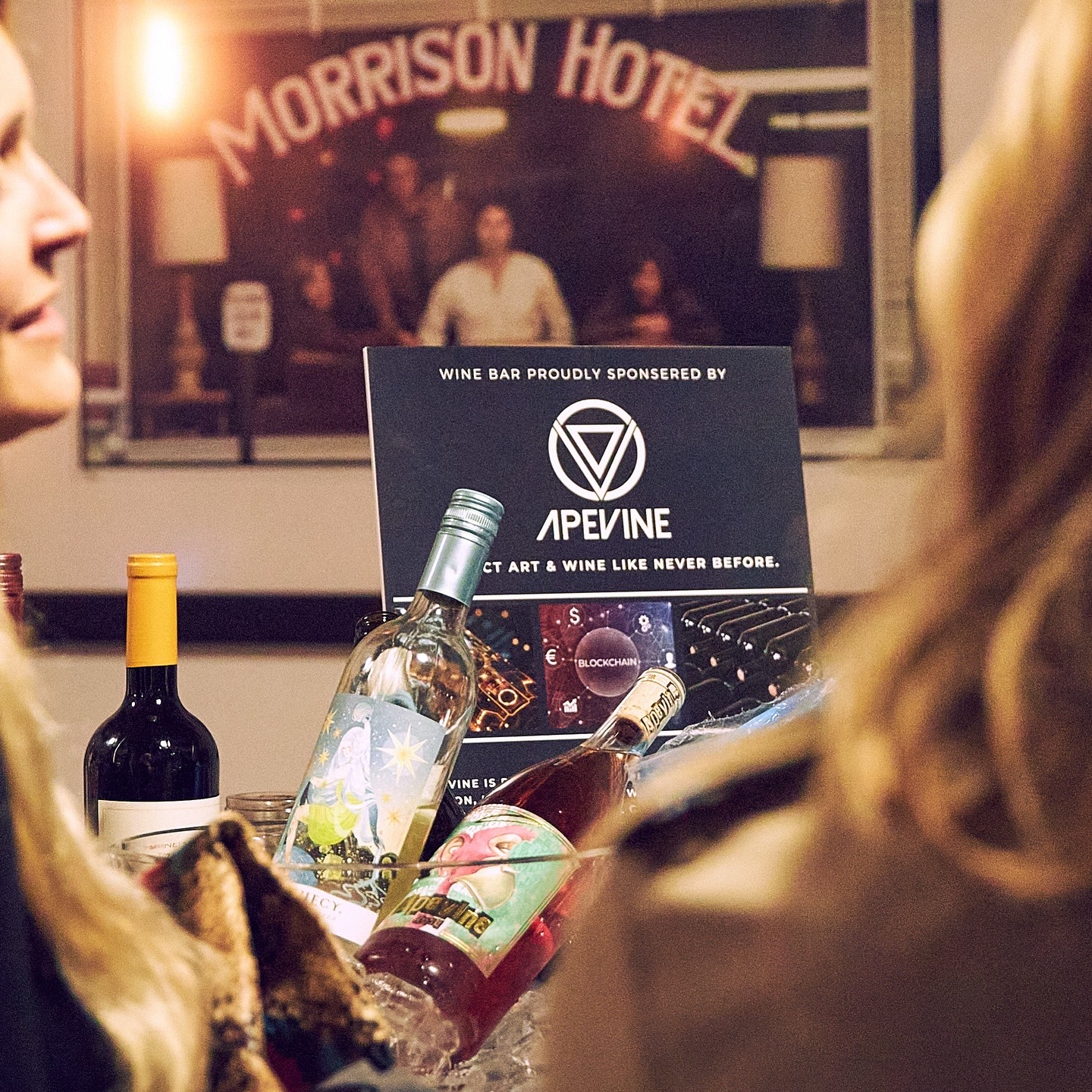
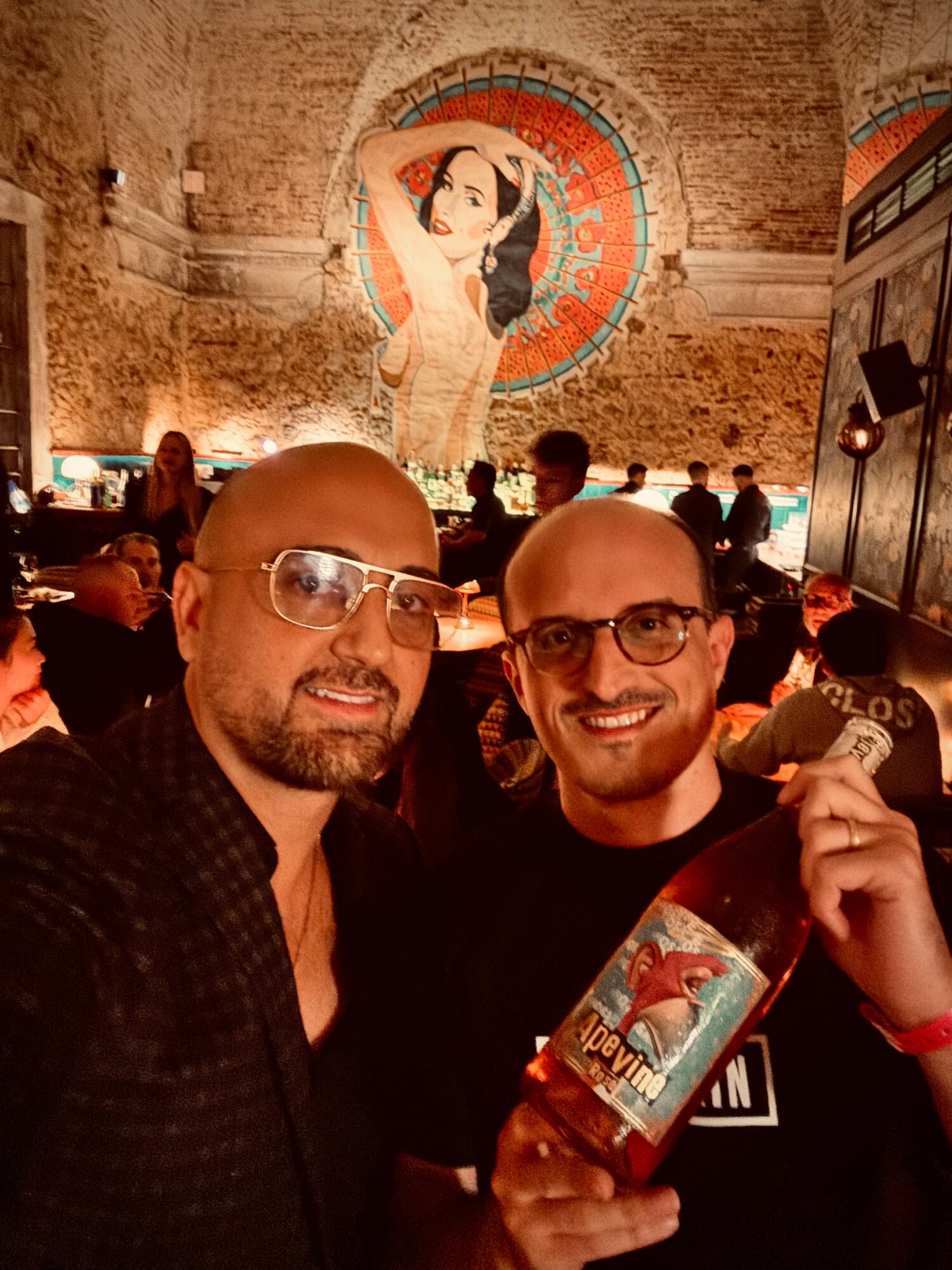
I also co-founded ApeVine, a Web3 wine collective that turns rare wines into digital collectibles. We’re building a bridge between the traditional world of fine wine and the future of digital ownership; blending art, community, and technology in a way that hasn’t really been done before.
Another project I’m passionate about is Clean Slate Homes, where we build and lease fully legal, turn-key sober living properties to help recovery operators house people safely and sustainably. It’s one of the most purpose-driven things I’m involved in; solving real estate gaps for those doing essential, life-changing work.
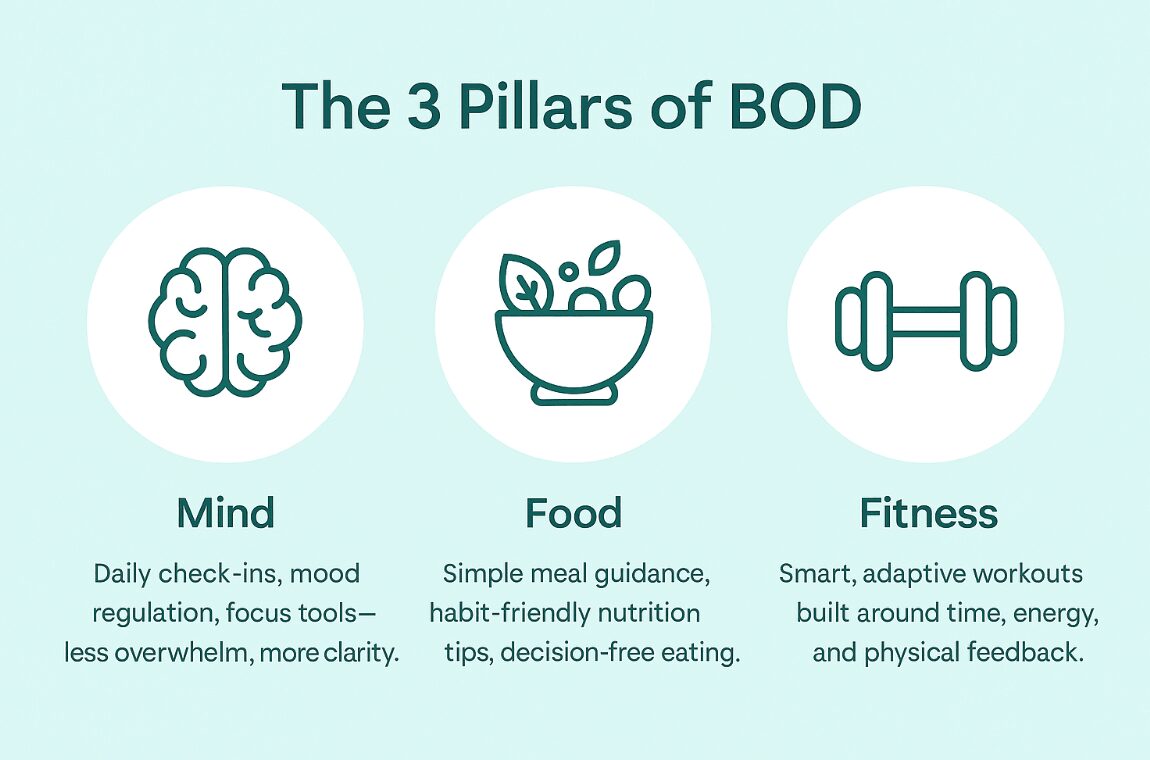
And most recently, I’ve been developing bōd, a smart wellness platform that helps people get in shape by removing decision fatigue. It’s a fusion of behavioral science, emotional intelligence, and sleek AI design; built to support people not just physically, but mentally.
Great, so let’s dive into your journey a bit more. What relationship most shaped how you see yourself?
The relationship that’s shaped how I see myself most is the one I have with my dad.
He’s lived multiple lives; an engineer by training, a designer in the fashion world, and later, the owner of a gas station. That evolution wasn’t about failure; it was about adaptation. He has this quiet instinct for where the puck is going, and the courage to follow it, even if it means starting over.
Watching him reinvent himself; not once, but multiple times; taught me that identity isn’t fixed. It’s something you shape, re-shape, and grow into over time. That mindset gave me the freedom to chase creative ideas without needing every chapter to be perfect. It’s why I’ve been able to move from photographer to creative director, from founder of a design studio to builder of startups in wellness, Web3, and real estate.
My dad never told me who to be; he just showed me, through his actions, how to evolve with grace, how to stay curious, and how to work hard without losing your soul. That’s still the blueprint I try to follow.
What did suffering teach you that success never could?
Suffering taught me that my identity had to be bigger than my job title.
For years, I was immersed in the entertainment industry. I had a steady creative job, a strong reputation, and I built my whole sense of self around being in the mix, in the room, in the campaign. I thought I had made it. But when that momentum started to slow down, when layoffs came and calls stopped coming in, I wasn’t just dealing with a career shift; I was watching my identity unravel.
Success had told me I was valuable because I was visible. Suffering taught me I’m valuable even when I’m not being seen.
It forced me to sit with the discomfort of stillness, to ask myself who I was when no one needed me for a shoot, a pitch, or a campaign. And slowly, I started building something deeper; not just projects, but purpose. That’s where things like Clean Slate, bōd, and even ApeVine were born. They weren’t just creative outlets; they were responses to pain. Proof that I could create something meaningful from scratch, without waiting for permission to matter.
I still love entertainment. But I no longer need it to validate me. Suffering taught me how to stand on my own two feet; not as a role I was cast in, but as a person I chose to become.
Alright, so if you are open to it, let’s explore some philosophical questions that touch on your values and worldview. What are the biggest lies your industry tells itself?
One of the biggest lies the creative industry tells itself (especially in entertainment and design) is that “the best work always wins.” That if your idea is strong enough, beautiful enough, or bold enough, it will naturally rise to the top.
But the truth is, the best work doesn’t always win. The loudest work does. The most connected work. The safest work. Or sometimes just the work with the right budget behind it. That doesn’t mean great ideas don’t break through; they do. But meritocracy isn’t the engine people pretend it is.
Another lie is that creatives should be grateful just to be “in the room.” That if you get to pitch, assist, or contribute, you’ve already made it. That mindset keeps a lot of brilliant people underpaid, overworked, and afraid to ask for what they’re worth.
And maybe the most dangerous lie? That you have to be constantly visible to stay relevant. I’ve watched people burn out trying to stay “in play.” But the truth is, creativity needs quiet. Reinvention needs space. Real value comes from what you build, not how loud you market yourself.
I’ve been on both sides; the one who got the call, and the one who didn’t. And I’ve learned that staying in this industry long-term requires something deeper than talent: it takes self-respect, adaptability, and the courage to create on your own terms.
Okay, we’ve made it essentially to the end. One last question before you go. What will you regret not doing?
I think I’d regret not building something that truly helps people.
That’s the thread behind all of my ideas; whether it’s a wellness app, a creative agency, a sober housing solution, or something entirely new. I’m not chasing legacy for ego’s sake. I’m chasing impact. I want to build things that change lives, even in small ways; something that makes people feel less alone, more capable, more connected.
I have this deep sense that the ideas I carry aren’t just mine. They’re meant to be shared. And I think my biggest regret would be letting fear, doubt, or comfort stop me from bringing them into the world.
That’s why I push so hard. That’s why I keep going, even when it would be easier to play it safe. Because if I can build something that outlives me; something that actually moves the needle for someone else; then all of this will have been worth it.
Contact Info:
- Website: https://joshsep.com
- Instagram: https://instagram.com/joshsep
- Linkedin: https://www.linkedin.com/in/joshsep/
Popular
-

Portraits of the Valley
-

LA’s Most Inspiring Stories
-

Rick Norris Learned That Building a Successful Business Means Building a Life You Actually Want to Live
-

How Olivia Rush Turned Survival Into a Mission to Help Others Keep Going
-

How Bibi Goldstein Is Helping Entrepreneurs Reclaim Their Time by Embracing the Power of Delegation
-

Victoria Hasson is Redefining Voice Coaching Through Community and Collaboration


