




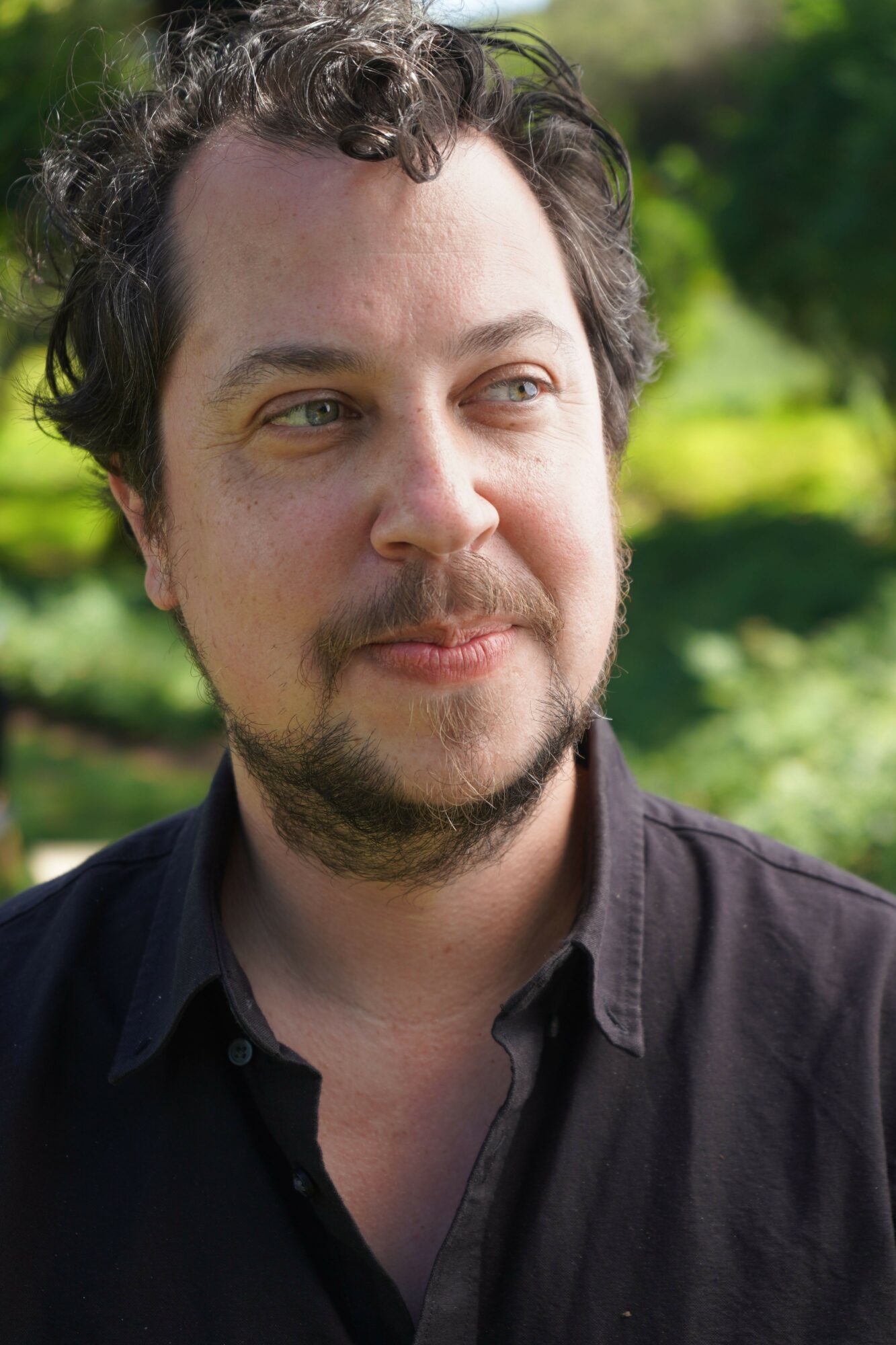
Today we’d like to introduce you to Mauricio Espinosa.
Hi Mauricio, it’s an honor to have you on the platform. Thanks for taking the time to share your story with us – to start maybe you can share some of your backstory with our readers?
I began my career at a young age under the wing of my father, Mario Espinosa. At the time, Mario was an architect practicing in Portland, Oregon. He was part of a large architecture firm named Ankrom Moisan Architects, and he had frequented taking me into the office to help on weekends and after hours. I was a computer wizz and had notable drawing skills. One day the boss Stewart came by, saw me drawing on the computer, and immediately hired me to work after school and on holiday breaks. I marveled at the thought and was fortunate to have an early introduction to the profession.
I then attended architecture school at the University of Oregon, gaining a Bachelor’s in Architecture, then to go on working for the famous German architect Behnisch Architekten of Stuttgart. I spent my days at Behnisch designing and managing projects, and I was exposed to the progressive and practical methods the Germans had established in making climate-conscious sustainable buildings. At the time, The States were in their very early stages of adopting sustainable design, and our work was influential in opening new methods of design regarding climate responsibility, health, and energy reduction.
After Behnisch I packed my bags for London and received a Masters from The Bartlett School at University College London. I was interested to further some of the work I had done at Behnisch into a more research-driven methodology, and I was able to explore and publish work related to time and climate-responsibility in a parallel way to my previous production work. Later in 2010, I evolved this thinking to start my practice in Brooklyn, NY. I was immersed with experiential design installations in the City, and soon began working on larger hospitality projects in China and Taiwan. This work led me back to my roots on the West Coast, to which I was able to transfer my practice to California and begin thinking about how I could translate my experience and research into a practicable method of making buildings on the West Coast. Today we work on projects of varying scales: from renowned restaurants like Andre’s Italian to off-grid planned communities, like the LoveMore Ranch in Joshua Tree. Each project lends a new opportunity to enrich the lives of people experiencing these places, while reinforcing our symbiotic relationship with nature and the world at large.
Can you talk to us a bit about the challenges and lessons you’ve learned along the way. Looking back would you say it’s been easy or smooth in retrospect?
As I think back on the journey I have experienced in my career, I revel in the corners of the world that I have been able to see first hand. Early on I had dreamed of seeing as many places as I possibly could. My early goal as a child was to live in Mexico City, where much of my family resides. This is perhaps one goal I was not able to achieve, but thinking back I was able to experience so many places I never thought I would: travels and working in Germany, the East Coast US, the UK, China, Taiwan, the Middle East, and so much more. It was challenging to be part of a new country for the first time, let alone to design a project that would remain relevant and special for the people that would experience it in the respective country. I had to quickly immerse myself in the culture and language, doing a sort of ‘crash-course’ within each new place and in part establishing something of importance and joy. I recall my first project in China, the Trina Solar Showroom in Changzhou. The task of undestanding the company, brand, and manufacturing processes that were to showcase the panels’ newest abilities was daunting to undertake from my studio half way around the world in Brooklyn. But in thinking about the basics: the machinery, the craft, the skill and people behind the product, we were able to showcase an innovative, ‘museum-like’ strategy with respects to engaging in a fastly developing technology.
Thanks for sharing that. So, maybe next you can tell us a bit more about your business?
We strive to dissolve the boundary between people and nature in architecture. Our work is guided by what we call **New Organic Architecture**—a practice that honors the perspectives and needs of plants, animals, and the planet. We design places that are not static objects but part of living systems in constant interplay. For example, a tree’s canopy can shade a living room in the summer, then open to let light warm the space in winter. A building can help redirect wind that might otherwise batter a landscape, while its roof channels rainwater to replenish the groundwater that sustains the trees themselves. By designing with these interdependencies in mind, we begin to see people, buildings, and the natural environment not as separate entities, but as one continuous whole.
This philosophy shapes both our professional work and the way we live. Healthy homes that work with nature naturally maintain better airflow than conventional construction. Through PassiveHaus principles, we design buildings that heat and cool efficiently, often saving 30% or more energy compared to standard methods. We extend this approach into hospitality projects as well. Take *The Kids Bakery* in Indio, California: in a desert climate where glass is often avoided, we used it strategically to open the building to mountain views and create a seamless dialogue between indoors and outdoors. By studying the sun’s path and shaping the building to shade itself when necessary, we transformed glass from a problem into a source of comfort—resulting in a transparent, light-filled space that works for both guests and staff, even in 115-degree summers.
Today, much of our practice is rooted on the U.S. West Coast and across the Pacific, where we continue to draw inspiration from the region’s extraordinary landscapes. This edge of the planet constantly reminds us of the balance—and beauty—that architecture can achieve when it works in harmony with the natural world.
Networking and finding a mentor can have such a positive impact on one’s life and career. Any advice?
For me, the foundation of building meaningful relationships is creating a sense of comfort with others. Empathy, compassion, and a genuine curiosity about what makes people tick are powerful tools for forming connections that reach beyond ourselves. One practice I often use is to imagine, in real time, that I am the one speaking the words I’m hearing—especially when I’m engaging with someone whose background or values may be very different from my own. This exercise forces me to slow down and listen closely, focusing on the content and intent of their words rather than my own assumptions. It’s a way of stepping into another person’s perspective, even briefly, and I’ve found it to be one of the most effective ways of quickly establishing understanding with someone I’ve just met.
This approach not only helps me connect on a deeper level when networking, but it also opens the door to discovering people who may later become trusted collaborators, integrated partners, or valued members of the communities I’m part of. For me, connection begins with empathy, and from there it has the potential to grow into something much larger and more meaningful.
Contact Info:
- Website: https://www.burgeoningstudio.com/
- Instagram: https://www.instagram.com/burgeoningarchitects/
- LinkedIn: https://www.linkedin.com/company/burgeoning
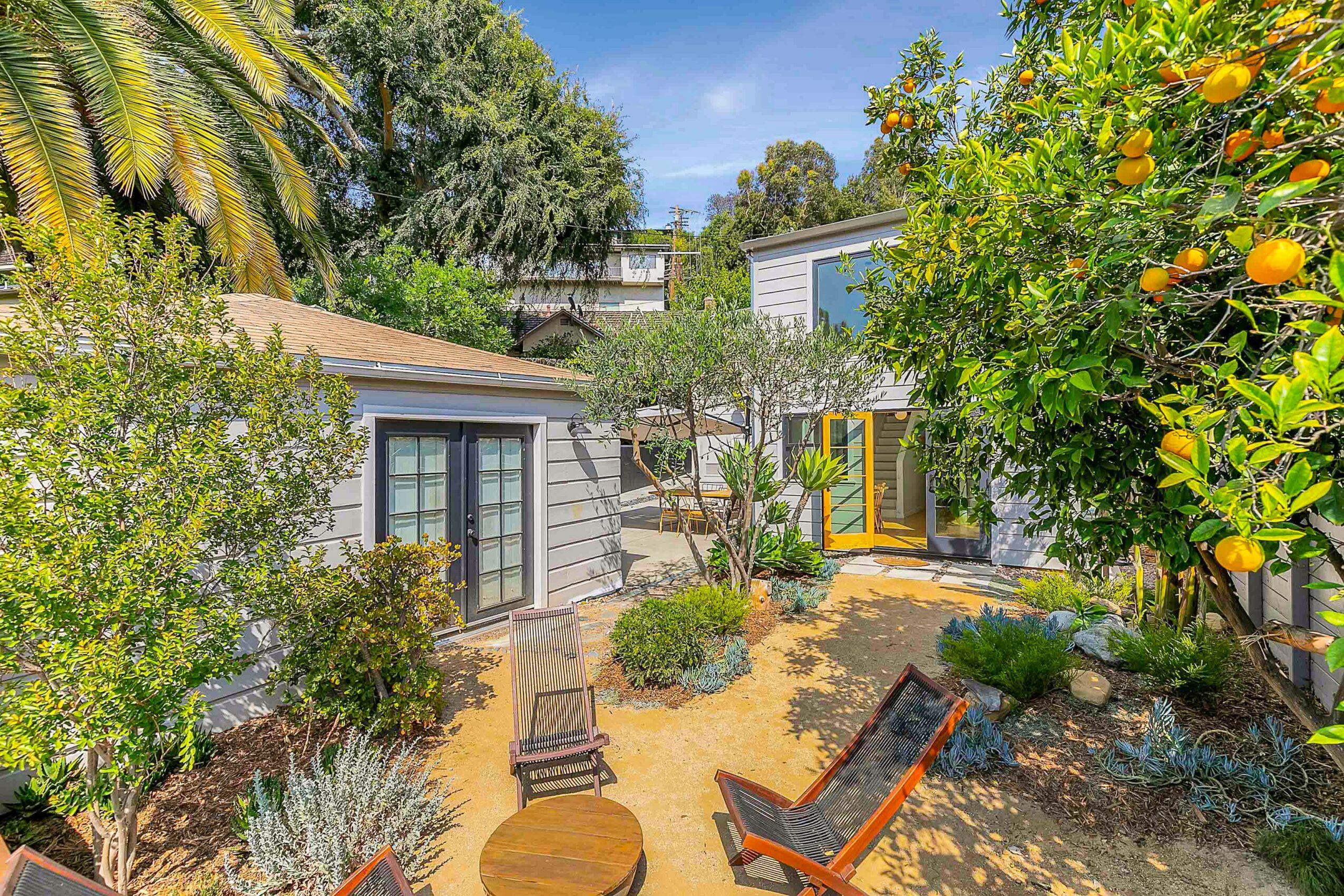
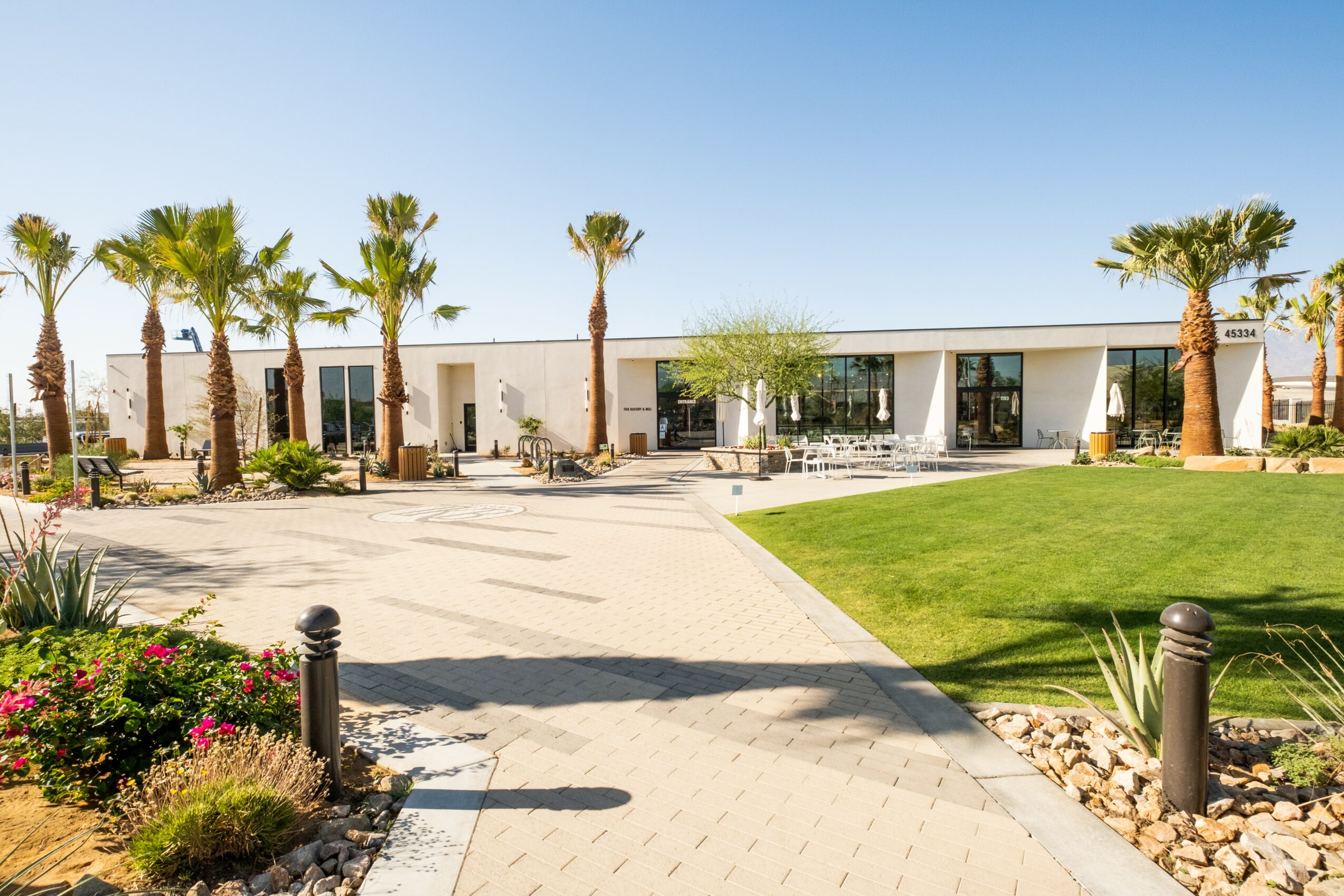
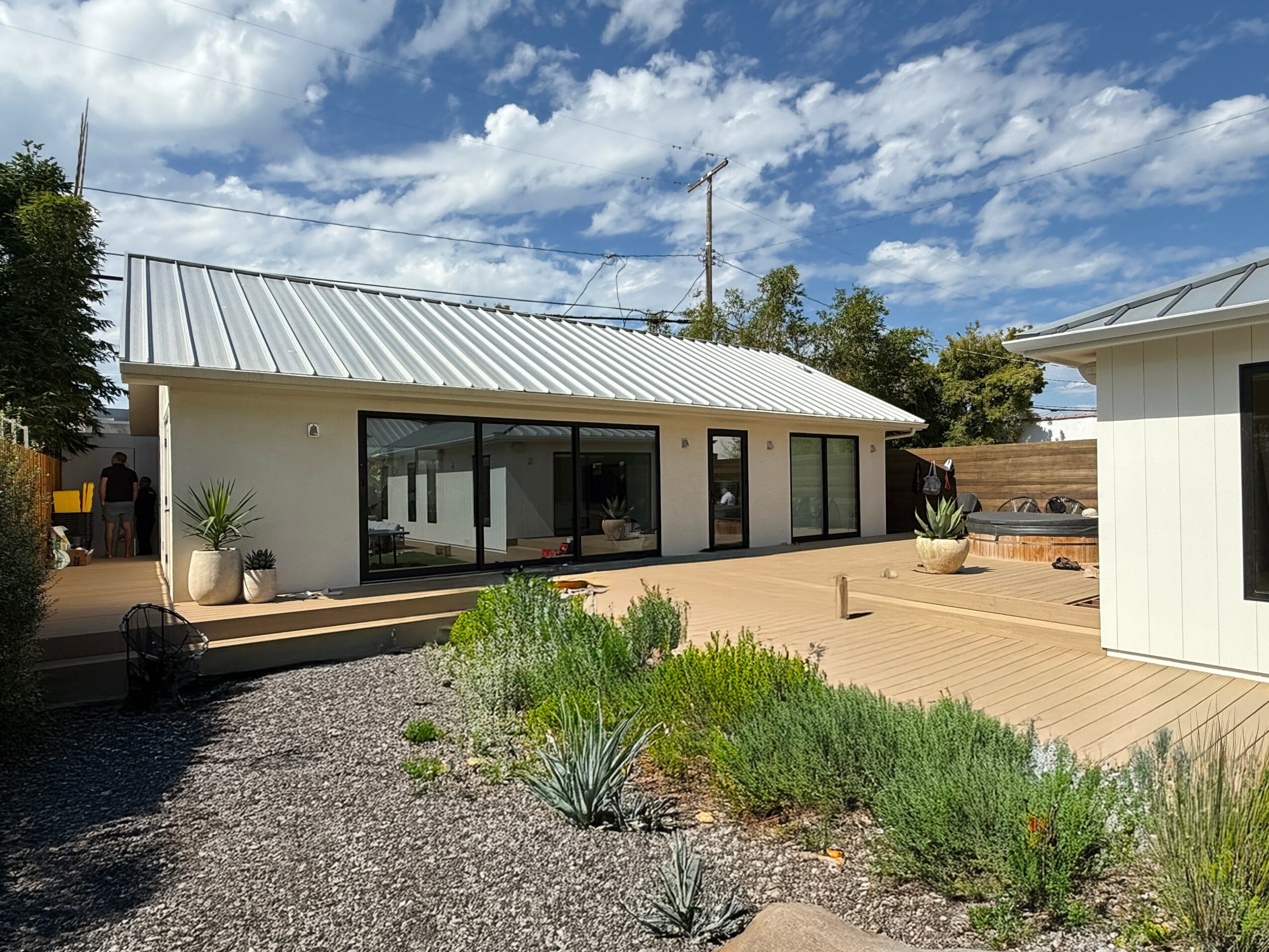
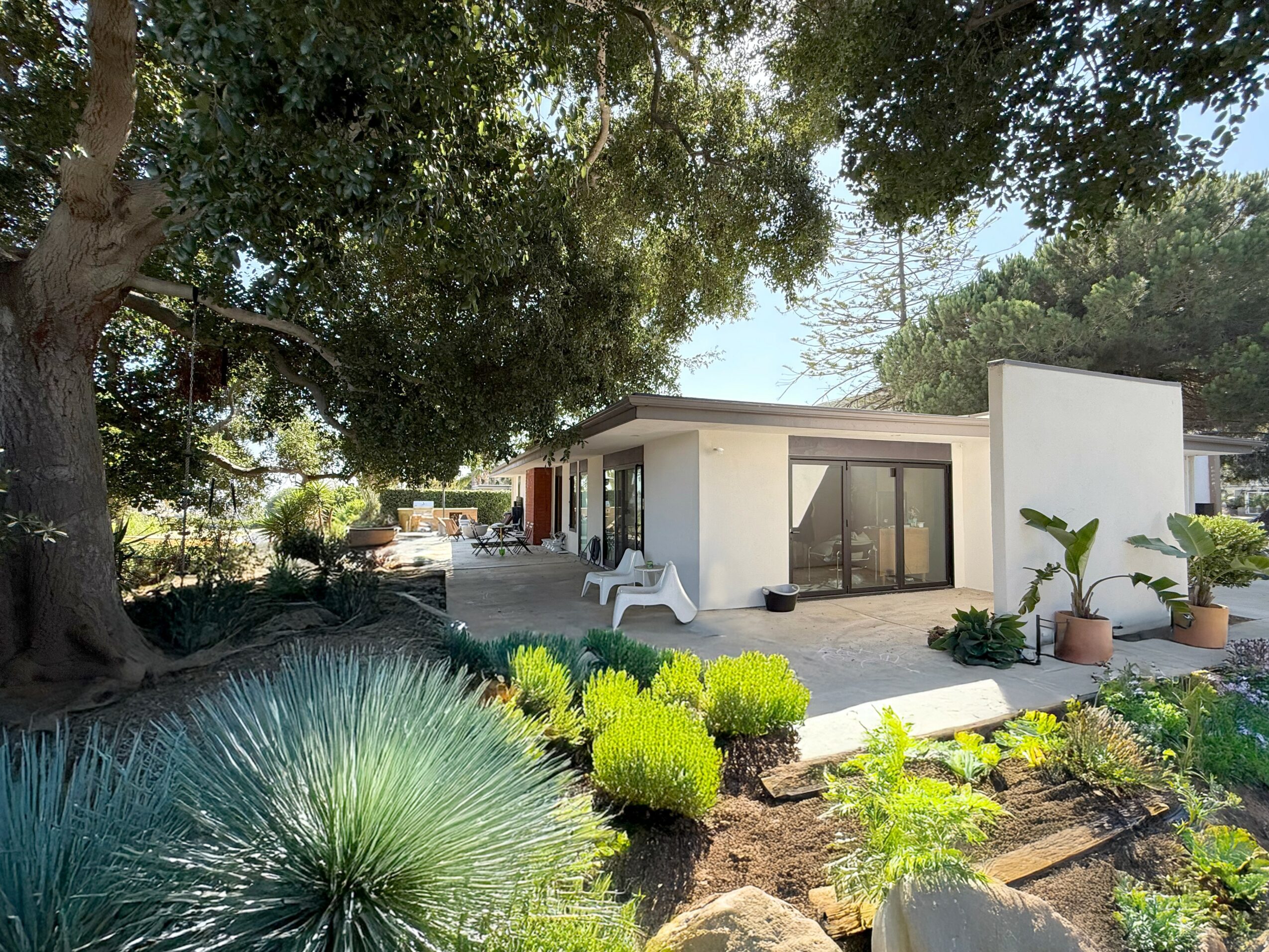
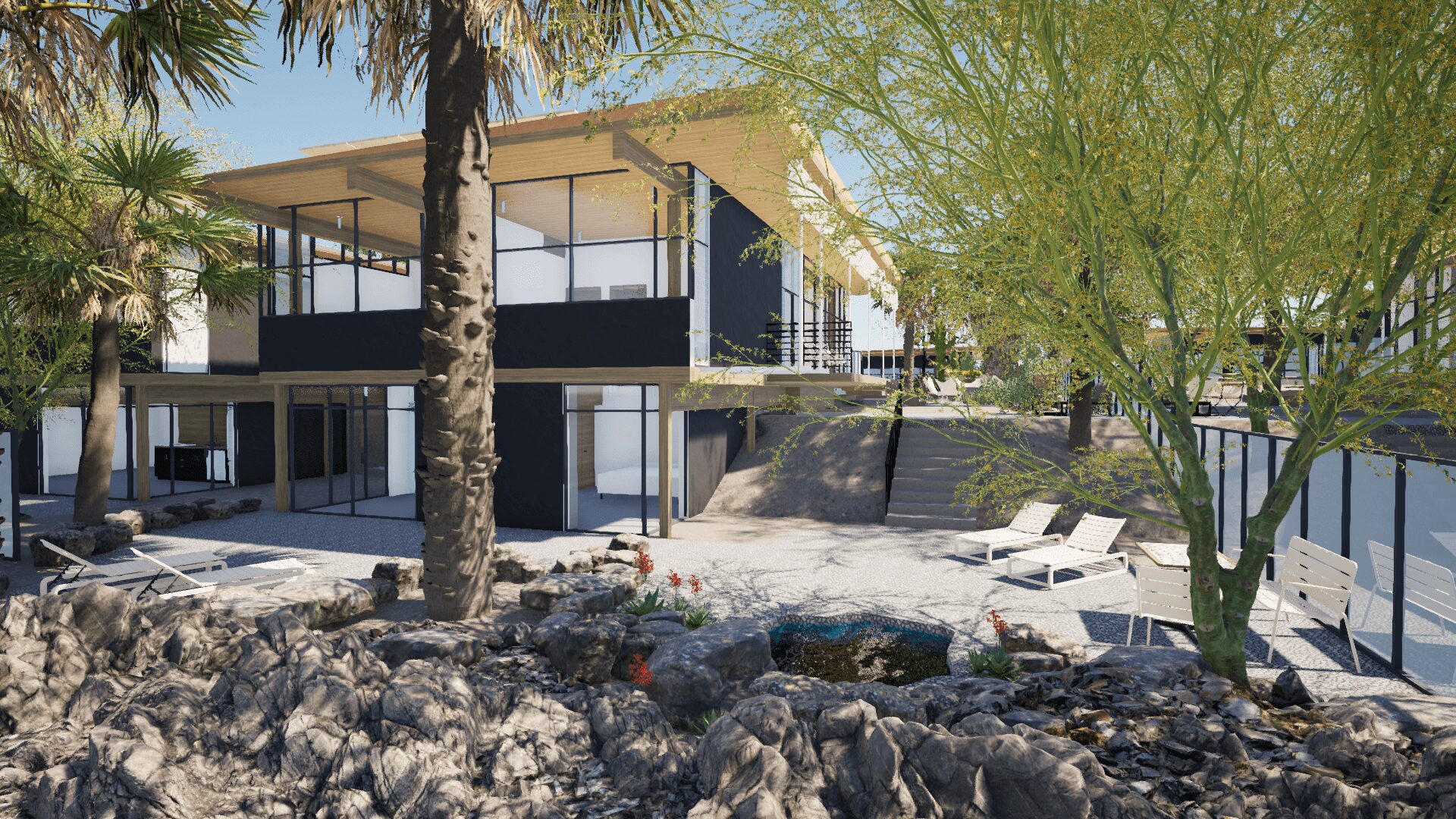
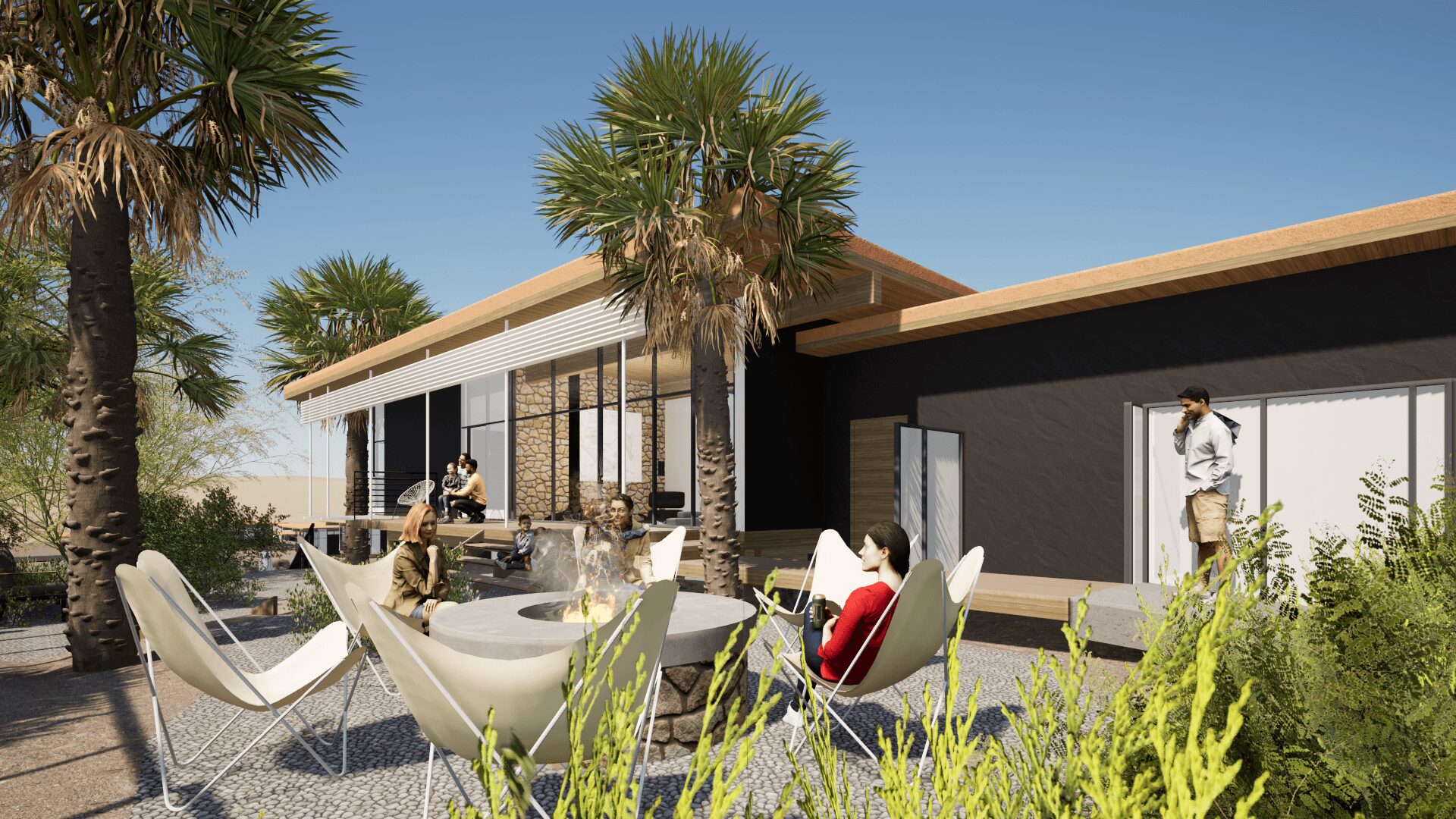
Image Credits
Hatnim Lee Photo
Popular
-

Portraits of the Valley
-

LA’s Most Inspiring Stories
-

Rick Norris Learned That Building a Successful Business Means Building a Life You Actually Want to Live
-
How Olivia Rush Turned Survival Into a Mission to Help Others Keep Going
-

How Bibi Goldstein Is Helping Entrepreneurs Reclaim Their Time by Embracing the Power of Delegation
-

Victoria Hasson is Redefining Voice Coaching Through Community and Collaboration


