




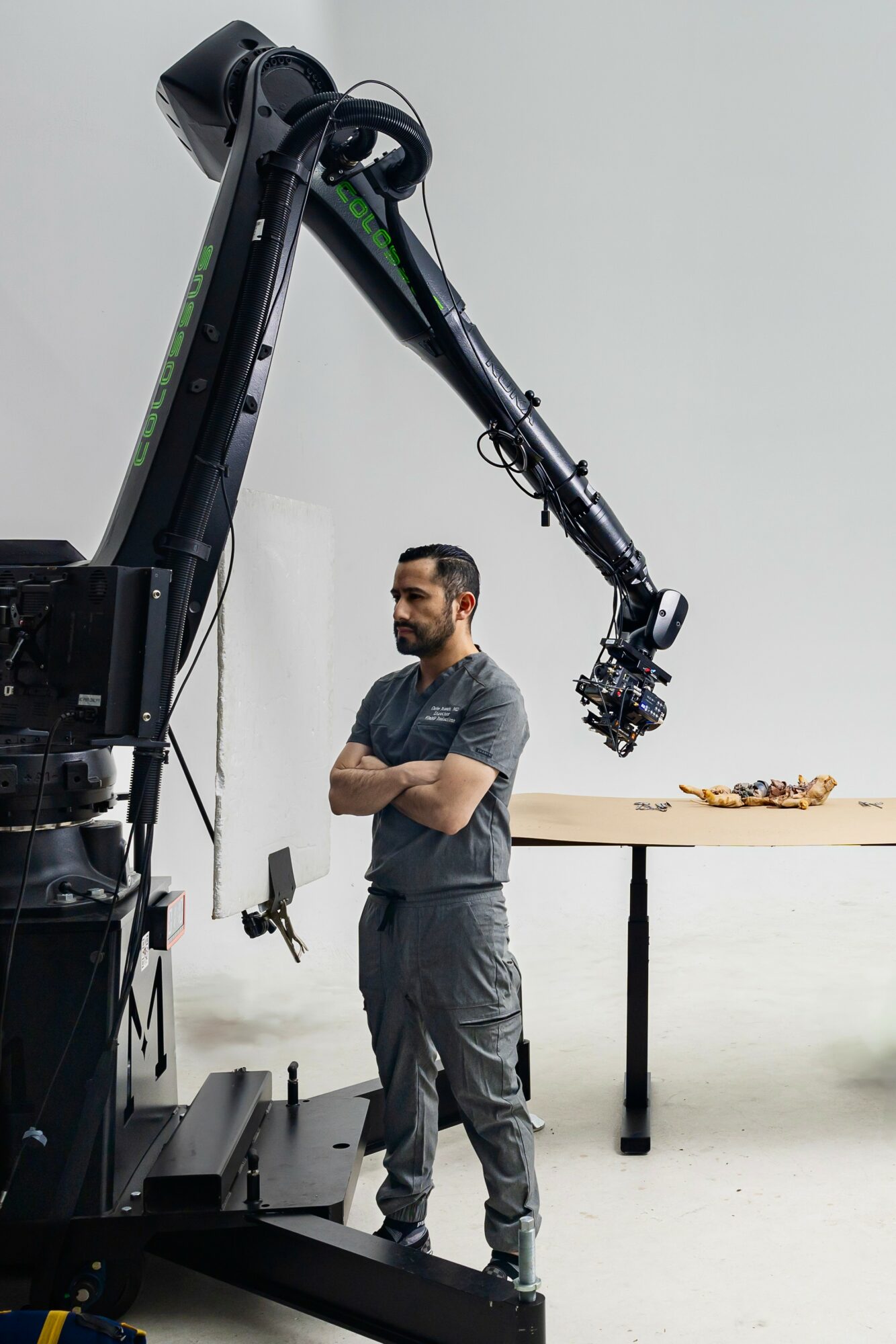
Today we’d like to introduce you to Dr. Carlos.
Hi Dr. Carlos, we’d love for you to start by introducing yourself.
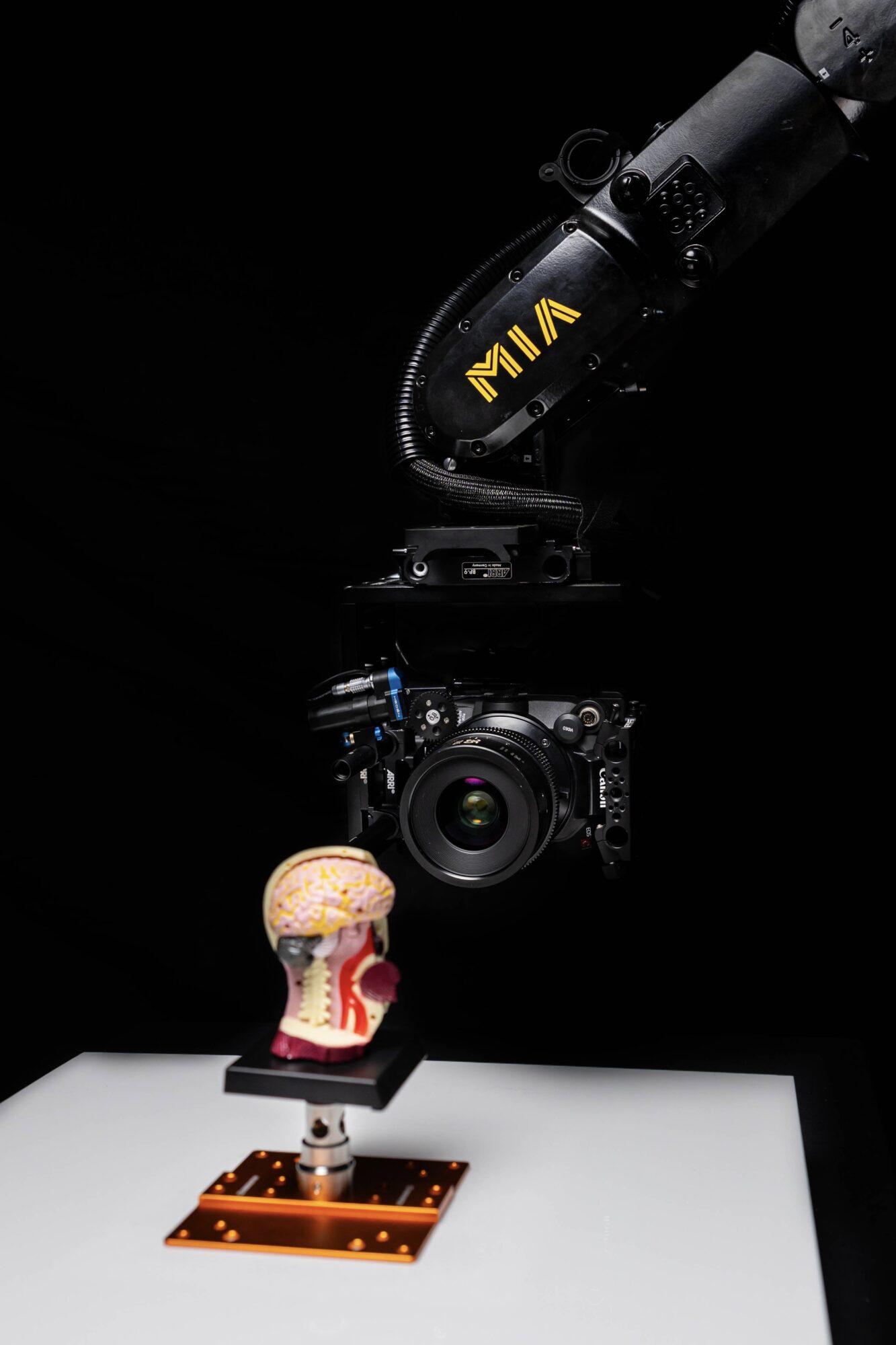
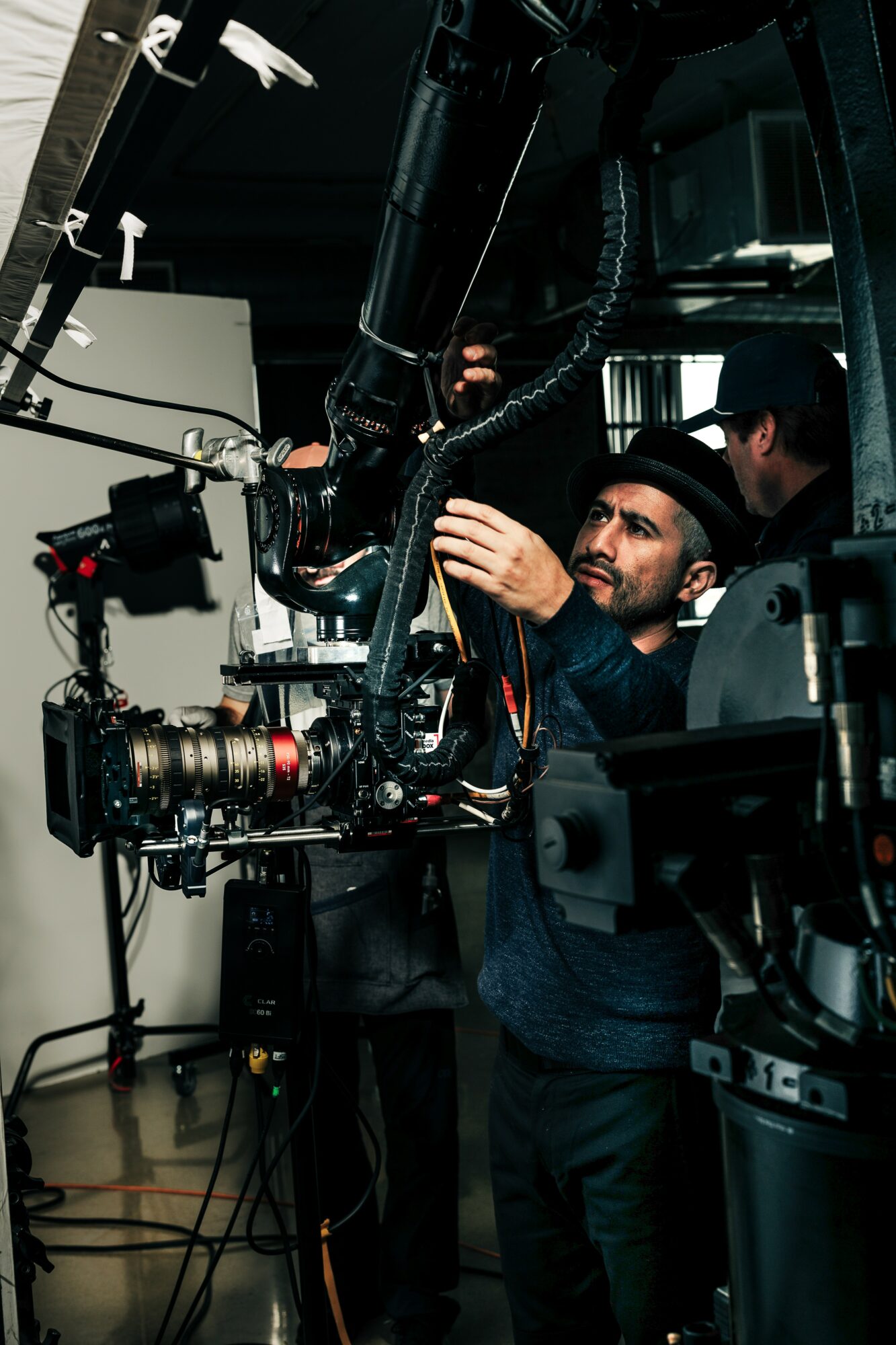
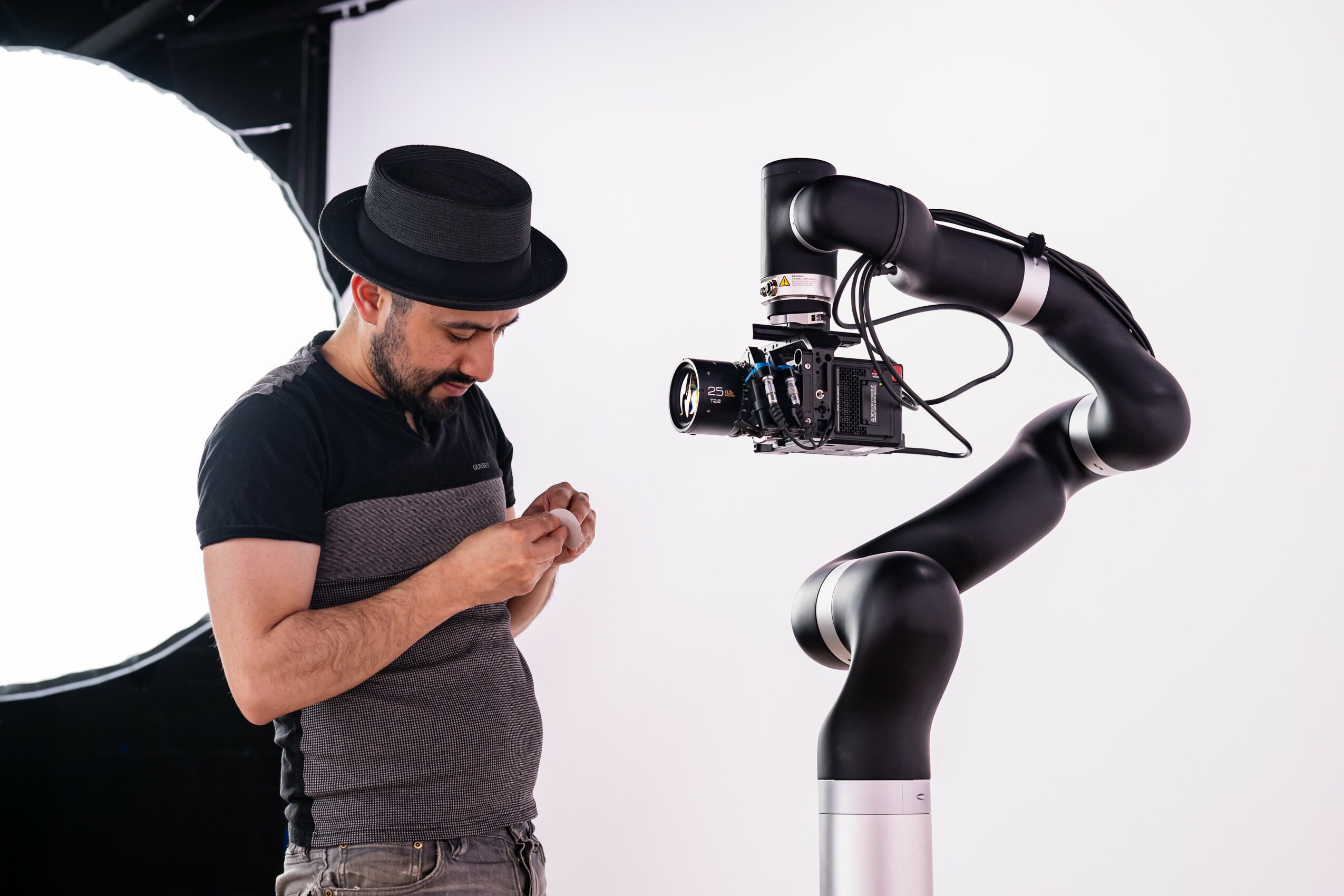
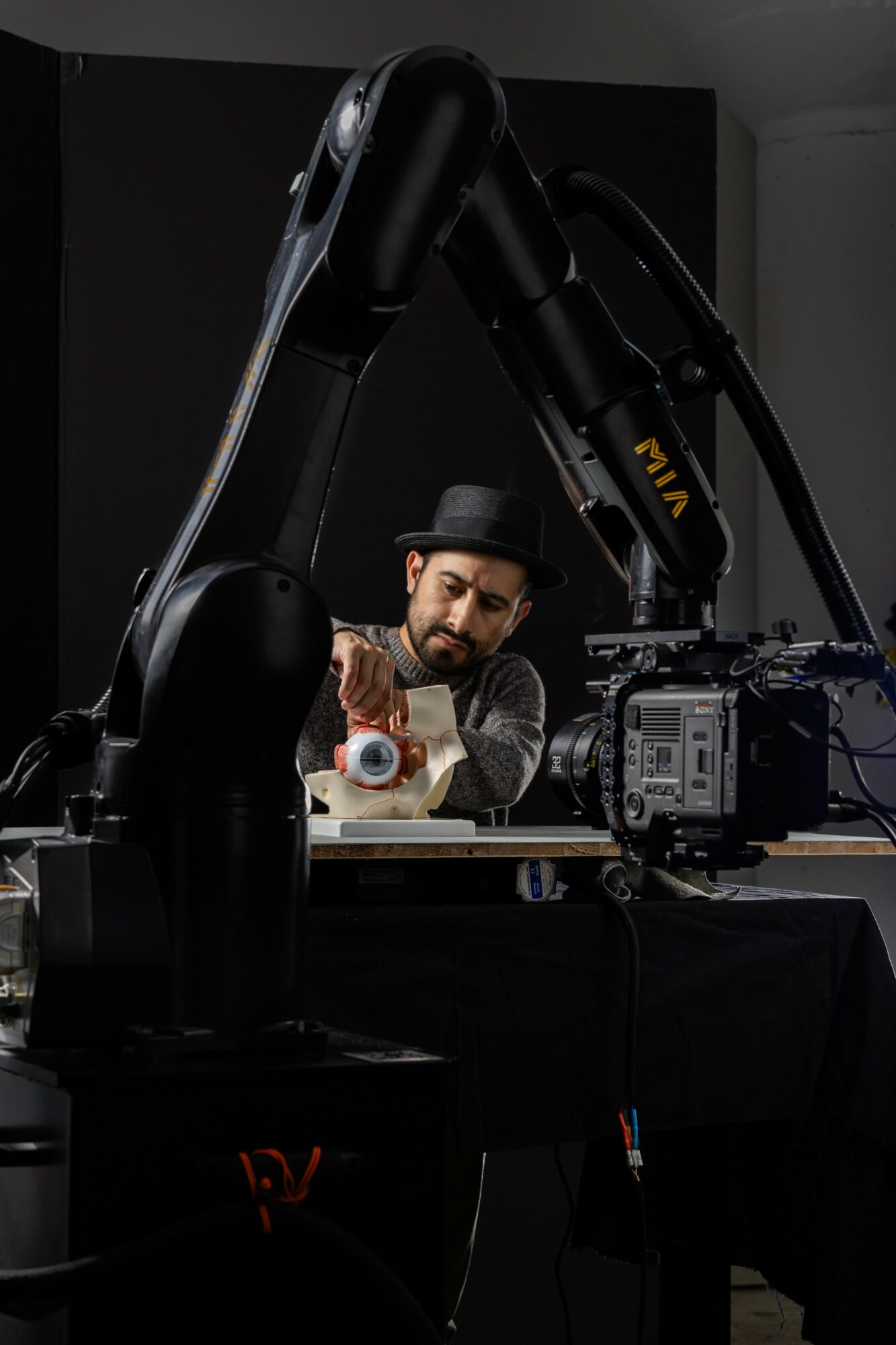
I’m a physician with a multidisciplinary background in science, medicine, and visual storytelling, and I use that intersection to rethink how we capture and communicate complex medical procedures. My work focuses on integrating advanced visual technology into medicine—particularly through the use of cinema robots. I’m especially interested in how these motion control systems, originally developed for high-end commercial filmmaking, can be adapted to capture surgery with greater precision, clarity, and narrative power.
My journey began like most in medicine—with a rigorous pre-med curriculum and years of laboratory research at UC San Diego. I was especially drawn to “translational medicine,” the process of turning scientific discoveries into real-world tools that improve patient care. That interest hinted early on that I was naturally drawn to interdisciplinary problem-solving—connecting science, medicine, and technology.
In medical school in New York, I planned to become a surgical oncologist with a research lab of my own, where I could develop cancer therapies and deliver them directly to my patients. But everything shifted in 2018, when I saw a video by tech reviewer Marques Brownlee titled “Dope Tech: Camera Robots!” I was captivated by the creative potential of cinema robots—robotic arms capable of executing fluid, precise, repeatable camera movements. From that point on, every time I scrubbed into surgery, I imagined how these tools could transform surgical documentation—not with static overhead angles, but with dynamic, cinematic motion that could track, reframe, and elevate the surgical narrative.
That early spark set me on a completely unexpected path—one that meant challenging the status quo of how surgical procedures are documented. While medicine and media have long interacted, the way we film surgery hasn’t changed much since the 1980s. Static overhead shots and handheld footage remain the norm. It was clear to me that someone needed to bring these visuals into the modern era—using the tools and techniques of contemporary filmmaking to match the sophistication of the procedures themselves. Turning that vision into something real would take time, experimentation, and no shortage of creative problem-solving.
Would you say it’s been a smooth road, and if not what are some of the biggest challenges you’ve faced along the way?
Definitely not smooth—but that’s part of what makes a journey meaningful. When I first envisioned using cinema robots in the OR, I found myself facing two very different—but equally demanding—sets of challenges.
On the clinical side, the technology simply didn’t exist in a form compatible with surgical environments. Robotic-assisted surgery was already well established, but my vision was entirely different—I wasn’t trying to automate surgery, I wanted to automate the camera. I imagined using robotic systems to film procedures with the same smooth, precise motion seen in high-end commercials. But in 2018, most cinema robots were still industrial machines: large, expensive, and too risky to operate safely around a surgical team. Still, like all technology, I knew they would eventually become smaller, safer, and more accessible. It was just a matter of time before the hardware matured enough to catch up to the idea.
In the meantime, I turned my focus to the second challenge: breaking into a field I had no formal background in. I had spent nearly a decade immersed in medicine and research—not commercial filmmaking or robotics—and had no network or clear path to follow.
I began studying filmmaking and photography fundamentals, and started experimenting with early motion control tools. I built makeshift rigs—some of which I tested in my school’s simulation center—and continued to refine a vision for how this technology could one day be adapted for surgical spaces. In parallel, I produced my first intraoperative images, learning to navigate the unique challenges of filming in high-contrast environments, maintaining proper framing in the ever-changing dynamics of the OR, and tailoring my approach to suit the technical demands of different procedures. And all of this was happening while I was still meeting the intense clinical and academic demands of my final year of medical school—a challenge that required balance, discipline, and a relentless amount of focus.
That dual challenge—technological readiness and personal reinvention—became the driving force behind the next phase of my journey.
Alright, so let’s switch gears a bit and talk business. What should we know?
Too often, medical and surgical video content lacks elements that truly support medical/surgical trainee learning—such as varied perspectives, purposeful dynamic framing, and precise focus on key anatomy or technique. Much of it remains relatively static, limited in scope, and fails to convey the spatial and procedural context residents need to fully grasp what’s happening in the field. This isn’t always due to neglect—it’s that creating truly effective surgical visuals requires both advanced filmmaking skills and a deep understanding of clinical practice.
That’s exactly the gap FilmMD Productions was built to fill. With a background in scientific research, medicine, and commercial filmmaking, I founded the company to bring cinematic technique and clinical fluency together—translating complex procedures into clear, compelling, and educationally valuable visual content.
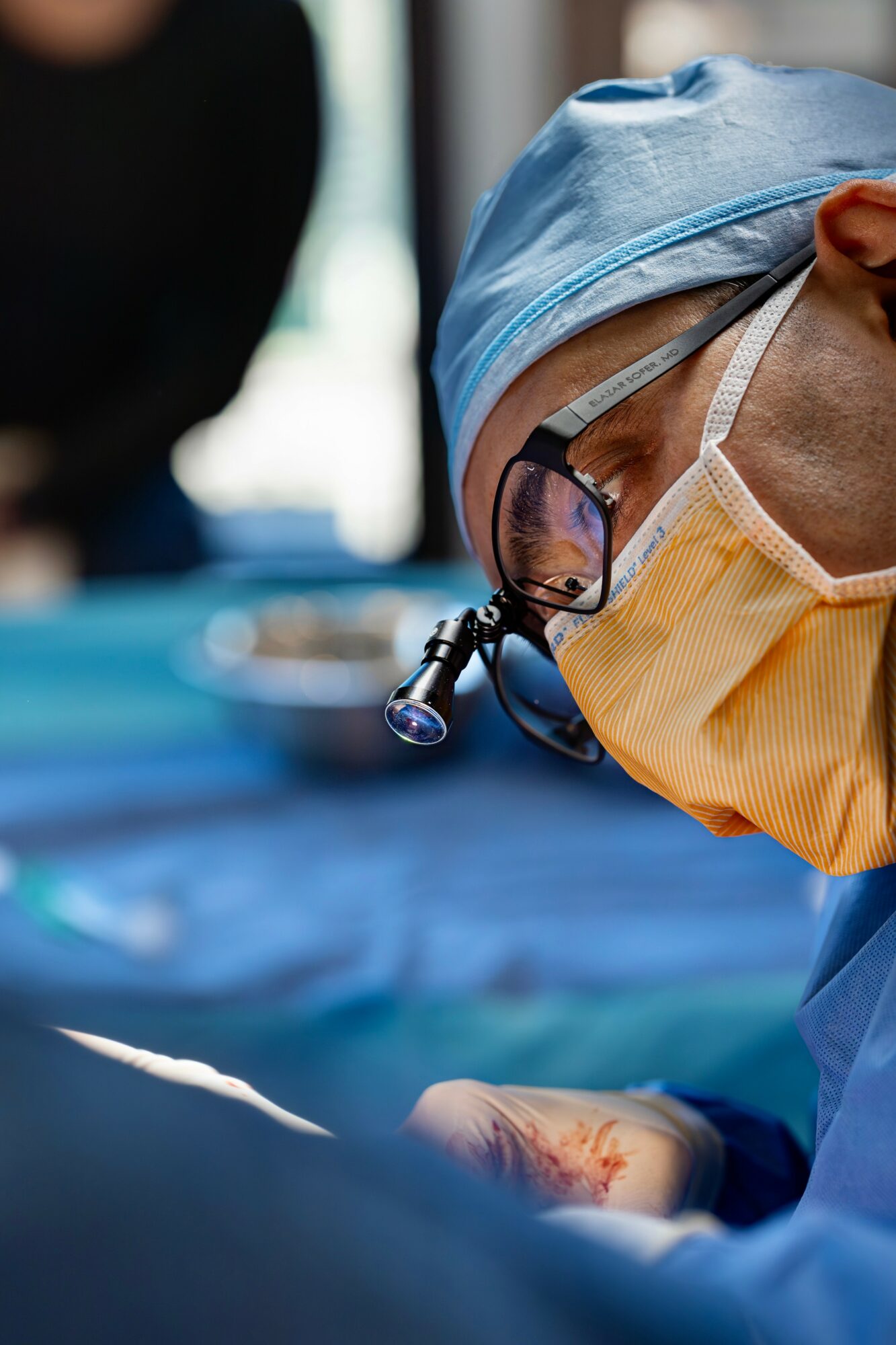
What sets FilmMD Productions apart is our exclusive focus on healthcare, surgery, and science. We’re not a generalist production company that occasionally takes on medical projects—we specialize in them. In a single week, we might film a cadaveric lecture, capture a cutting-edge neurosurgical procedure for publication, and shoot a product launch video for an orthopedic device—all with clinical accuracy. We understand the procedures we’re filming. We anticipate key moments and frame them with both clinical relevance and visual intent. While general crews may miss important nuances, we build our shoots around them.
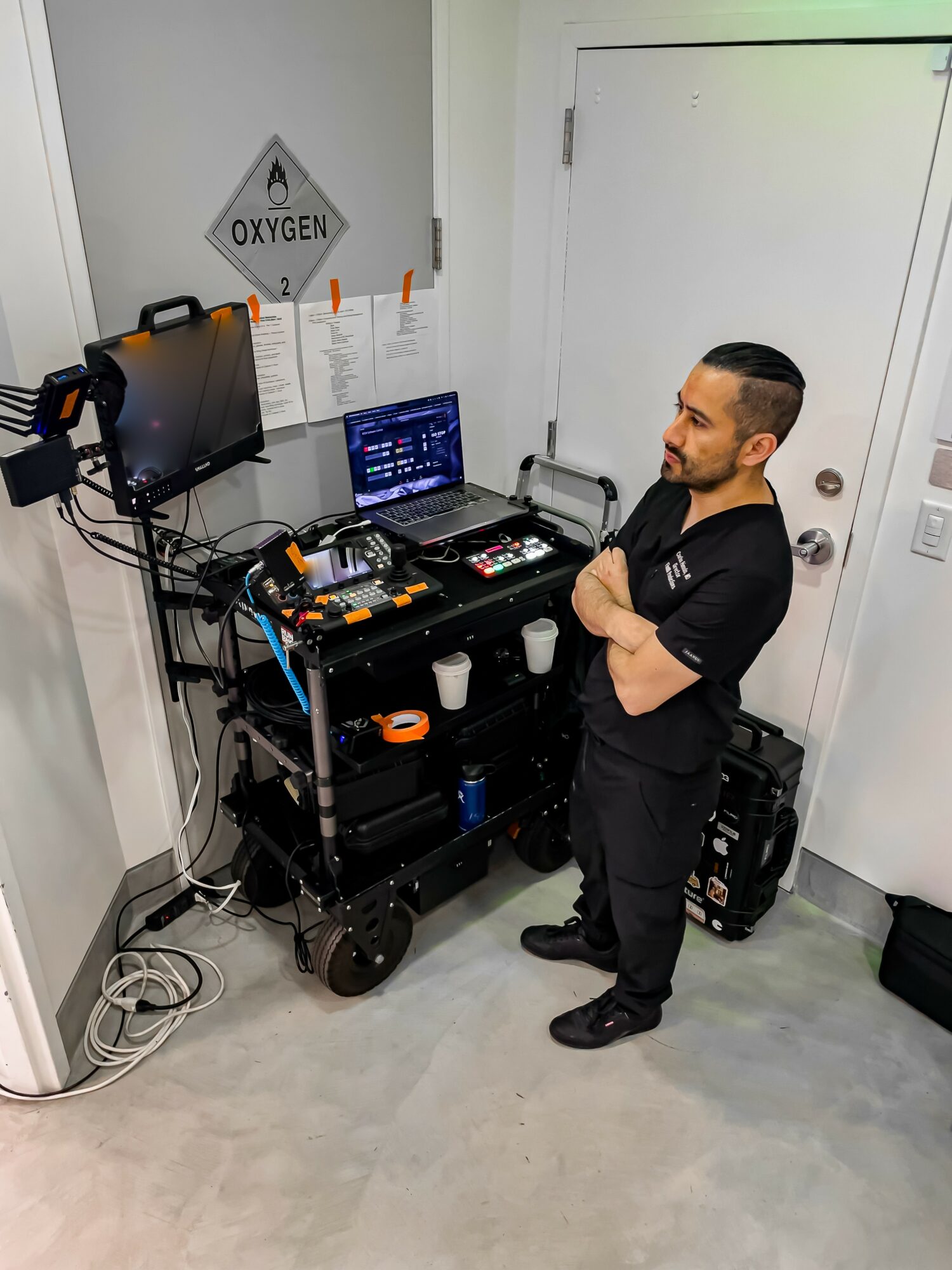
Our services include photography and cinematography—from intraoperative video and live events to motion control for clinical content, product and devices.
We work with hospitals, biotech firms, academic institutions, and even private practices. Whether in the OR or on set, we’re proud to be trusted with high-stakes content. FilmMD Productions offers something rare: a production partner fluent in both medicine and media—built to meet the unique demands of healthcare communication.
We’d be interested to hear your thoughts on luck and what role, if any, you feel it’s played for you?
Hmmm… there have definitely been some “right place, right time” moments—but I don’t think it’s just luck. To me, it’s more about strategic positioning and preparation so that when opportunity presents itself, you’re ready to step in.
Allow me to explain. Once I committed to the idea of using cinema robots in medicine, the first challenge was figuring out how to become a cinema robot operator. In 2018, these robots were (and still are, to a degree) rare, niche tools mostly reserved for high-end commercial productions—and I had no connections in that world. After all, I’d spent nearly a decade focused on becoming a physician. So I leaned on the same proactive mindset that helped me get into medical school.
I started by reaching out to local artists already working with robotic systems, hoping to learn the best path into the field. Early on, I discovered that most cinema robots were actually industrial robotic arms—repurposed through specialized software to execute precise, dynamic camera movements. That insight led me to study the major cinema robot platforms, and I gravitated toward MP Studio for its intuitive interface—something I knew would be ideal for the fast-paced, high-stakes environment of the OR. I reached out to the company and arranged a multi-day training at their Oregon headquarters—before I had even touched a robot. To some, investing in the course, flights, and hotel might have seemed like a gamble with no clear payoff. But I had a clear plan: if someone in my area acquired a cinema robot and needed help, I’d be ready.
Sure enough, someone did—and they needed an operator. I was brought on as a trainee and soon found myself on set, shooting my first commercial. If you only focus on the luck of someone buying a robot nearby, you miss all the preparation that made me the best person for that opportunity.
Some time later, I was on set with an established director when I noticed a brand-new cinema robot still wrapped in plastic. Confident in the skills I’d built by then, I asked if he had someone lined up to operate it. He didn’t. And I was standing right there—trained, experienced, and ready. That became my second client.
It was a serendipitous moment, yes—but it only turned into opportunity because of the groundwork I had laid beforehand. You get the idea.
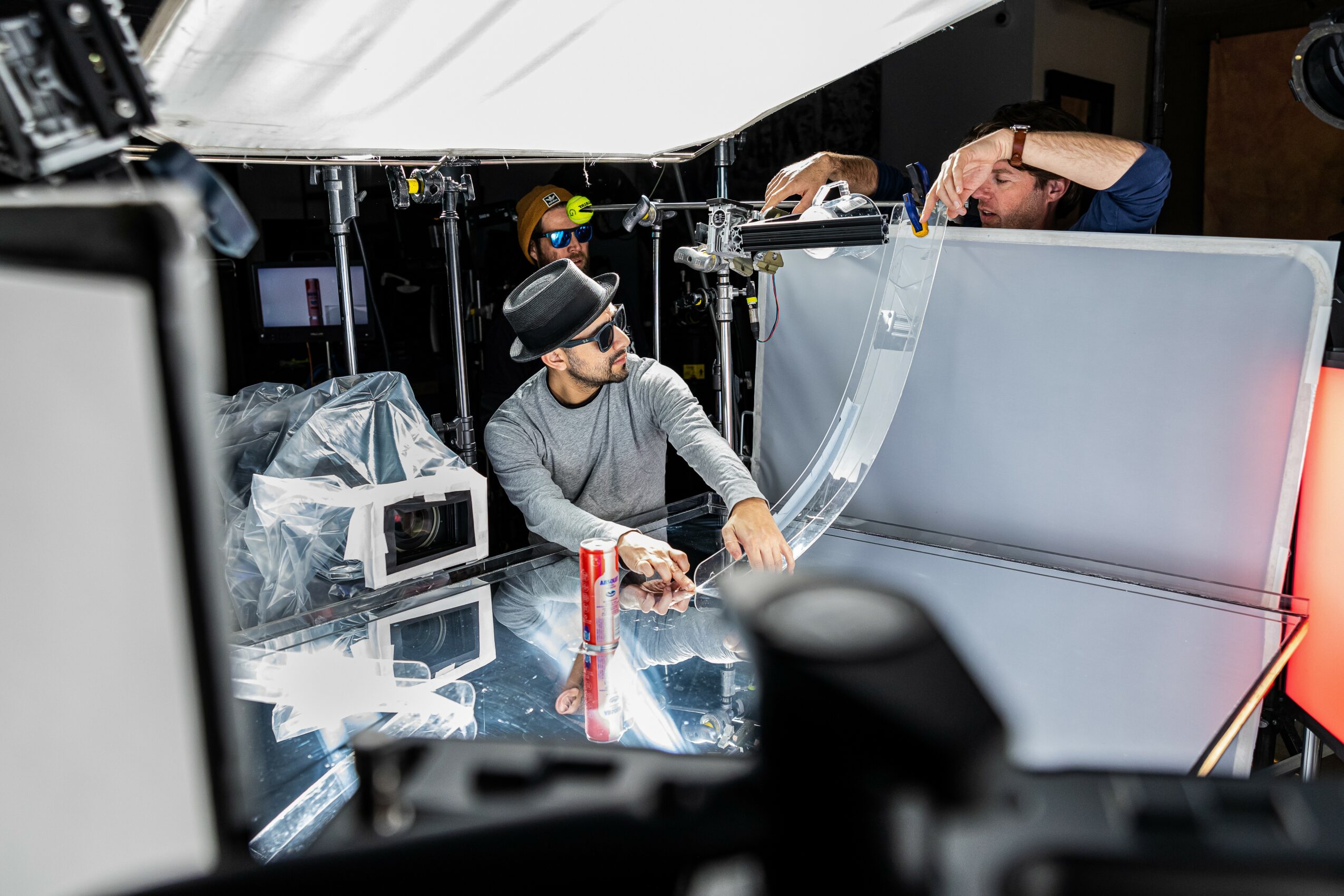
Fast-forward to today, and I’ve built a parallel career alongside my work in medicine as a commercial cinema robot engineer. Under the artistic pseudonym Carlito, MD, I’ve collaborated with top-tier directors across the U.S. on campaigns for global brands like United Airlines, Absolut Vodka, Panda Express, and Cerveza Pacifico.
Contact Info:
- Website: https://www.filmmdproductions.com
- Instagram: https://www.instagram.com/carlito.md
- LinkedIn: https://www.linkedin.com/in/carlitomd
- Youtube: http://www.youtube.com/@Carlito_MD
Popular
-

Portraits of the Valley
-

LA’s Most Inspiring Stories
-

Matthew Hill on Turning Holiday Rituals into Haunting, Habit-Forming Storytelling with Long Winter Nights
-

Linda Villines on Releasing Stored Struggle and Reclaiming Ease Through the Body
-
Candice Swanson on Honoring the Sacred Early Days of Motherhood Through Intentional Photography
-

Michael Johnson on Telling Untold Stories of Identity and Leadership Through SQUAD


