




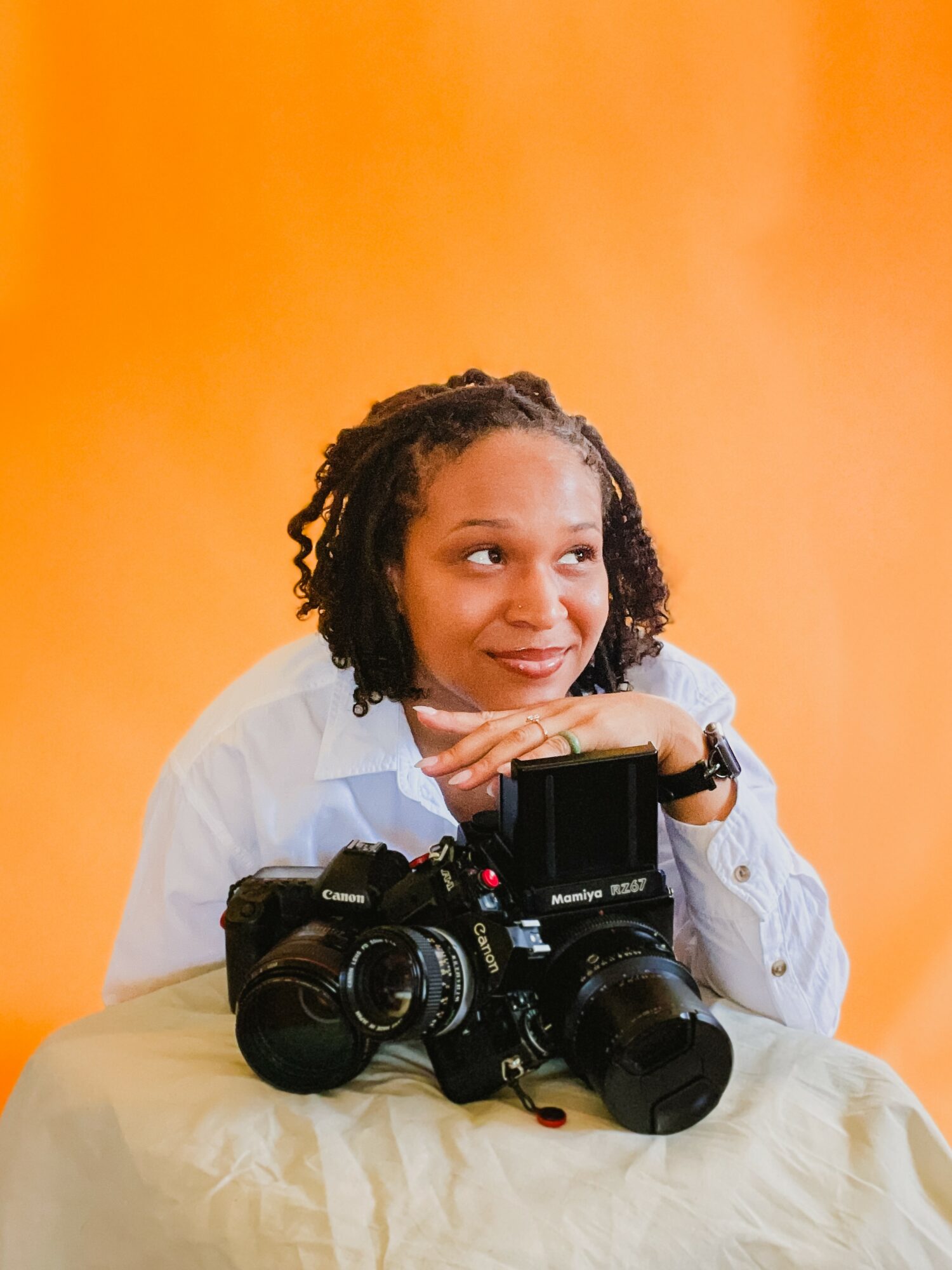
Today we’d like to introduce you to Angela Tayler.
Hi Angela, thanks for sharing your story with us. To start, maybe you can tell our readers some of your backstory.
Around age 12, I picked up my first 35mm camera and soon made my way into the darkroom. I’m a Los Angeles native and visual storyteller, specializing in photography and printmaking. My granny and my mom instilled in me a deep appreciation for storytelling, with words, artifacts, and photographs alike. Making art, especially photographs, has always been my safe space. My mom worked very hard to ensure that I had the resources and support to explore this aspect of my creativity, enrolling me in classes and keeping me busy! In high school, I had my first photo exhibitions and began volunteering in educational spaces.
From there, many mentors helped me to pursue national and international opportunities, as well. I had the pleasure of aligning with other young storytellers in Hong Kong, and participating with the Kennedy Center for Performing art and the Music Center’s Spotlight Awards Programs and the National YoungArts Foundation before going away for college. After two years at Boston University, I returned to Los Angeles to complete a BA in Photography & Printmaking at Loyola Marymount University, where I held my first solo exhibition, Looking for Zora. The Zora project exists as an ode to the women who helped me become who I am, and who continue to impact my life. Following this, I worked with various organizations, namely Otis College of Art and Design and Los Feliz Charter School for the Arts. In recent years, I completed a MA in Educational Leadership at Mills College, as well as my CA teaching credential for supporting students who have mild/moderate support needs.
Over the years, I’ve gained experience with college access and youth mentorship, educational programming, and teaching in the non-profit sector, charter school communities, and private school settings. Crazy thinking back – this was over a decade ago!!! I am currently teaching in special education, creating photos, alternative prints, poetry, memoirs, paintings – you name it – with my students each day. I am an artist and narrative inquirer who creates with youth – simply put!
We all face challenges, but looking back would you describe it as a relatively smooth road?
My mental health has been a challenge throughout many periods of my life. While there have been moments where I have had to step away from my creative practice to focus on my health, I am grateful for the stable support system that has consistently encouraged me to push forward. The love ethic that I come from plays a huge role in my work as a narrative inquirer, artist, and educator.
Thanks – so what else should our readers know about your work and what you’re currently focused on?
The tangible life of photography has always been central to my relationship with memory. My earliest encounters with photographs involve exploring the recollections of others, arranging their personal details. As a child, sitting at the foot of my granny’s bed, I was introduced to the importance of engaging in oral tradition. As she reminisced, we visited old stories and perused a rich history. In looking back at her life, my love for documenting and preservation emerged.
My affinity towards listening taught me the value of time. Through practice, I have learned to enter and embrace discourse. For me, the process of making a photograph constantly inspires discussions about personal histories, coexistence and cultural production. I photograph in a way that recognizes the desire and curiosity of a subject, while also honoring the stillness of a moment.
While my camera has always been a tool for exploration, it also plays a role in a dialogical process, a verbal and visual exchange. My lens is often on South Central Los Angeles, collective stories of origin and survival, and the individuals that inhabit this environment. For me, making art falls somewhere between a resting place and one that moves me. I am compelled to explore because of a lasting relationship with, and love for, the lens.
What matters most to you? Why?
Just as it is important to follow values presented by others or a particular institution, it is imperative that educators identify personal values that motivate the service we commit to providing. At the foundation of my personal philosophy of education is equity – I believe that all people deserve opportunities to learn. A part of the educator’s commitment is to consider the humanity of the people in the room, how experiences can impact our ways of being, and how deliberation can influence engagement. Being in service to others requires vulnerability. It asks that we pay close attention to how we show up, the connections we make, how we name ourselves and our actions, and how we apply theory and practice. Learners build understanding by making connections and applying prior knowledge, whether it be experiential or intellectual. The goal of my work in education is constantly shifting as I grow, but remains rooted in designing experiences in which learners can construct knowledge and build these connections.
My work in special education is about flexible learning and providing a space where young people can explore their differences freely, protected and with loving guidance. And a huge plus – I get to work with these young people who are exploring the impact of their creative sensibilities, their voice, and their identities.
As an artist and educator, I see making an image as a collaborative process, as an experience that opens us to different perspectives. An experience that connects us to one another. Honesty and transparency are imperative. With my creative work and what I do as an educator, I hope to inspire deep engagement with the past, while guiding this generation, especially our Black youth, toward self-knowledge.
Pricing:
- Spring Portrait Sessions are $125 until Tuesday, March 31! Use code: S2026!
Contact Info:
- Website: https://www.angelatayler.com
Email: hello@capturedbyat.com
Instagram: @gellooo & @thefstop.la
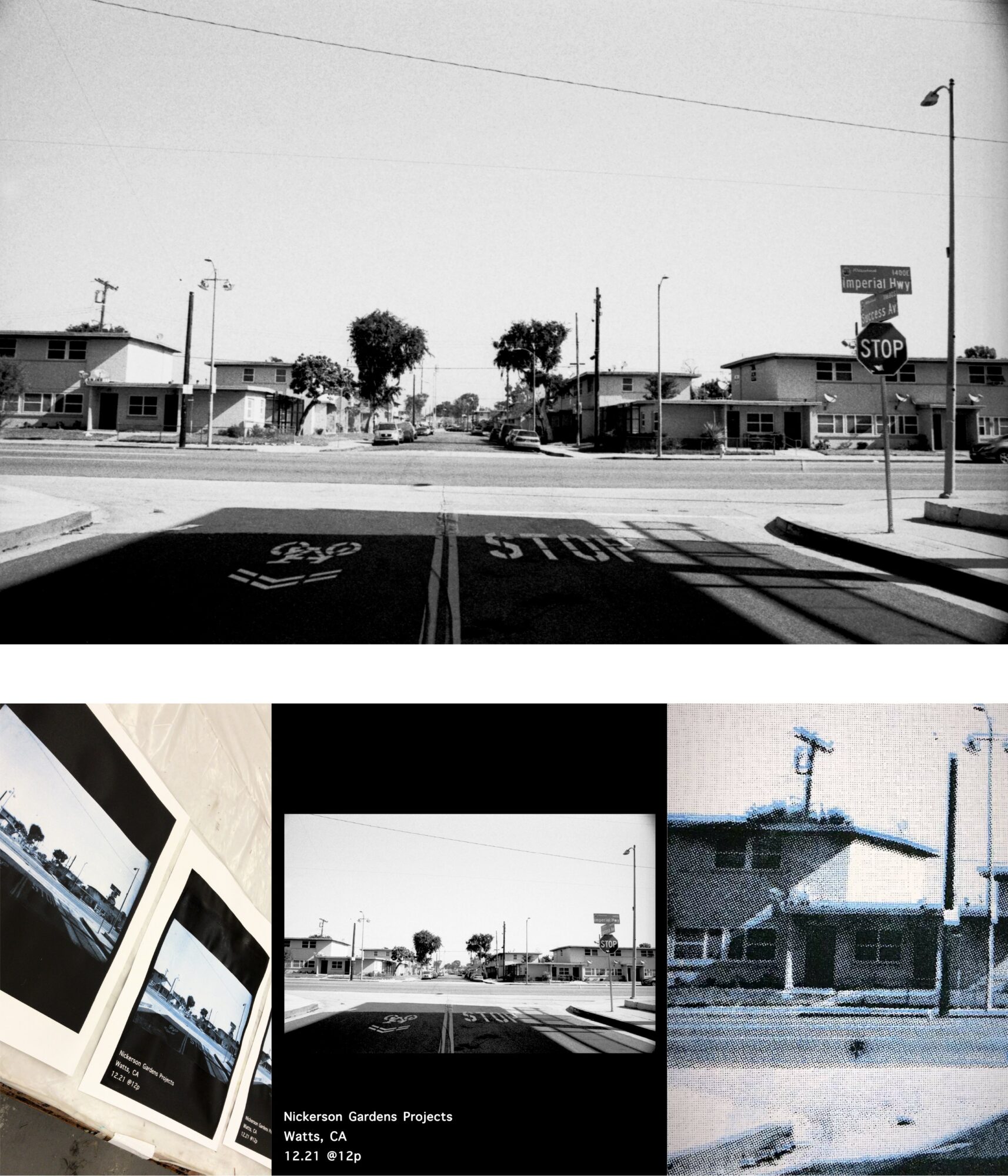
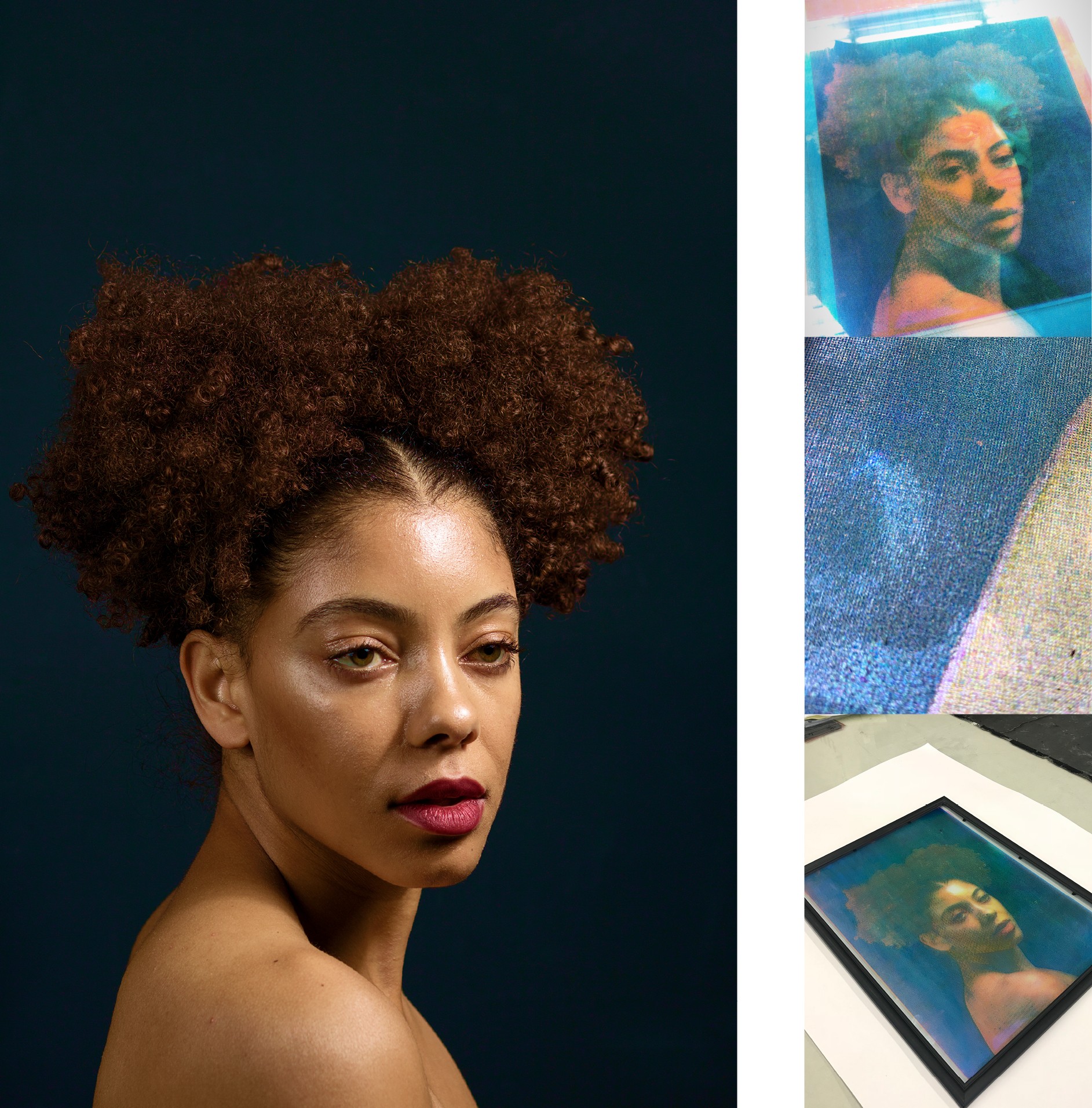
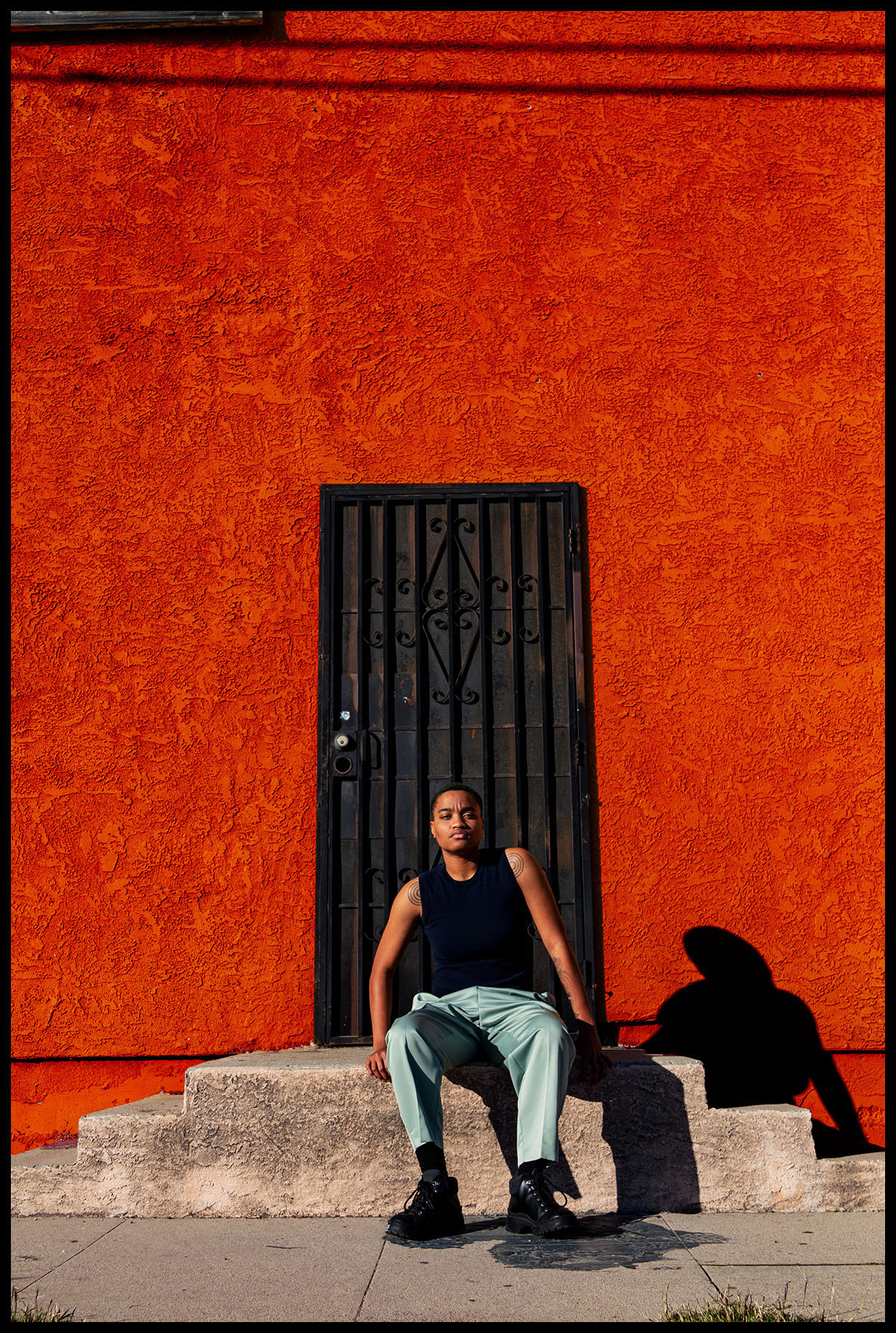
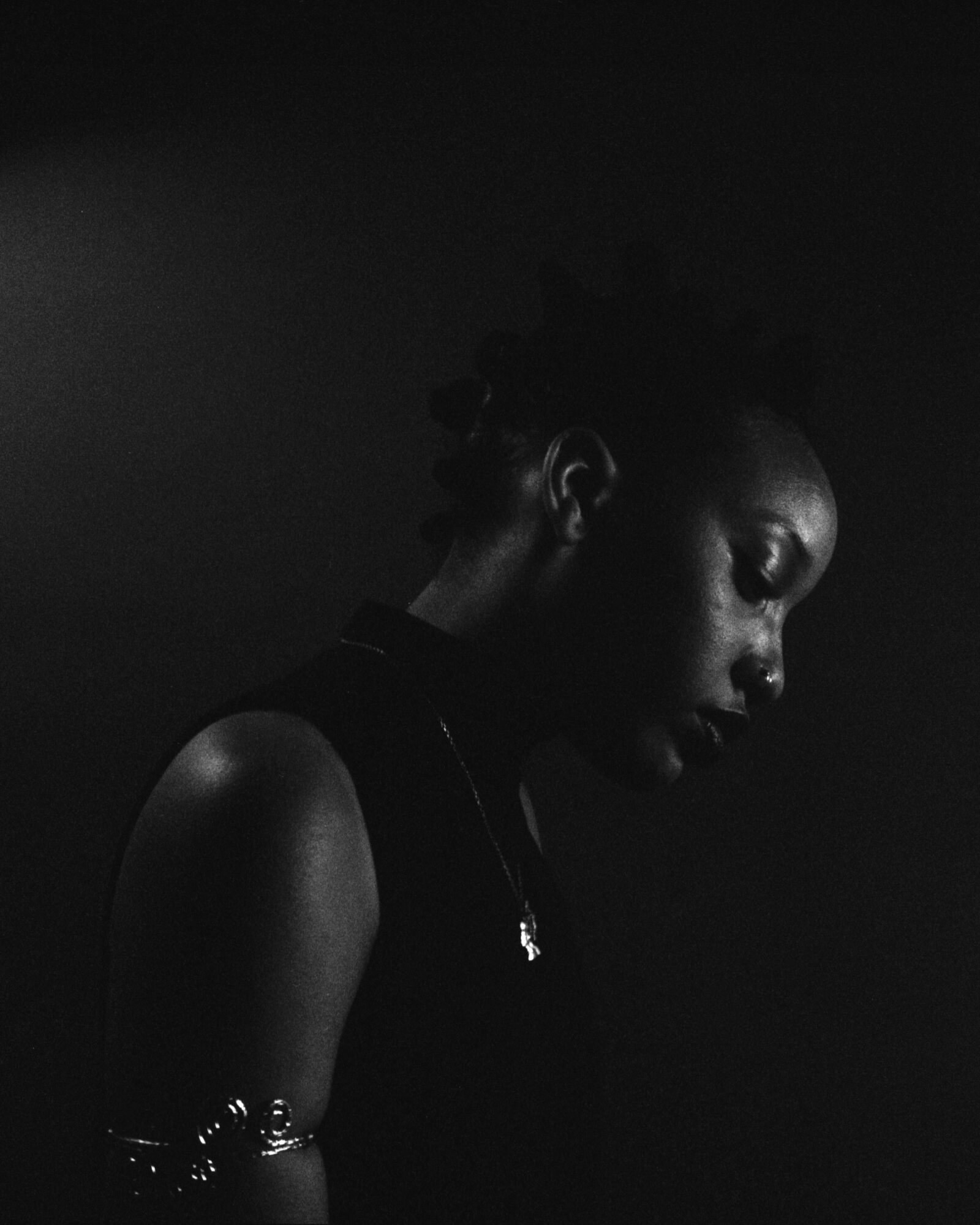
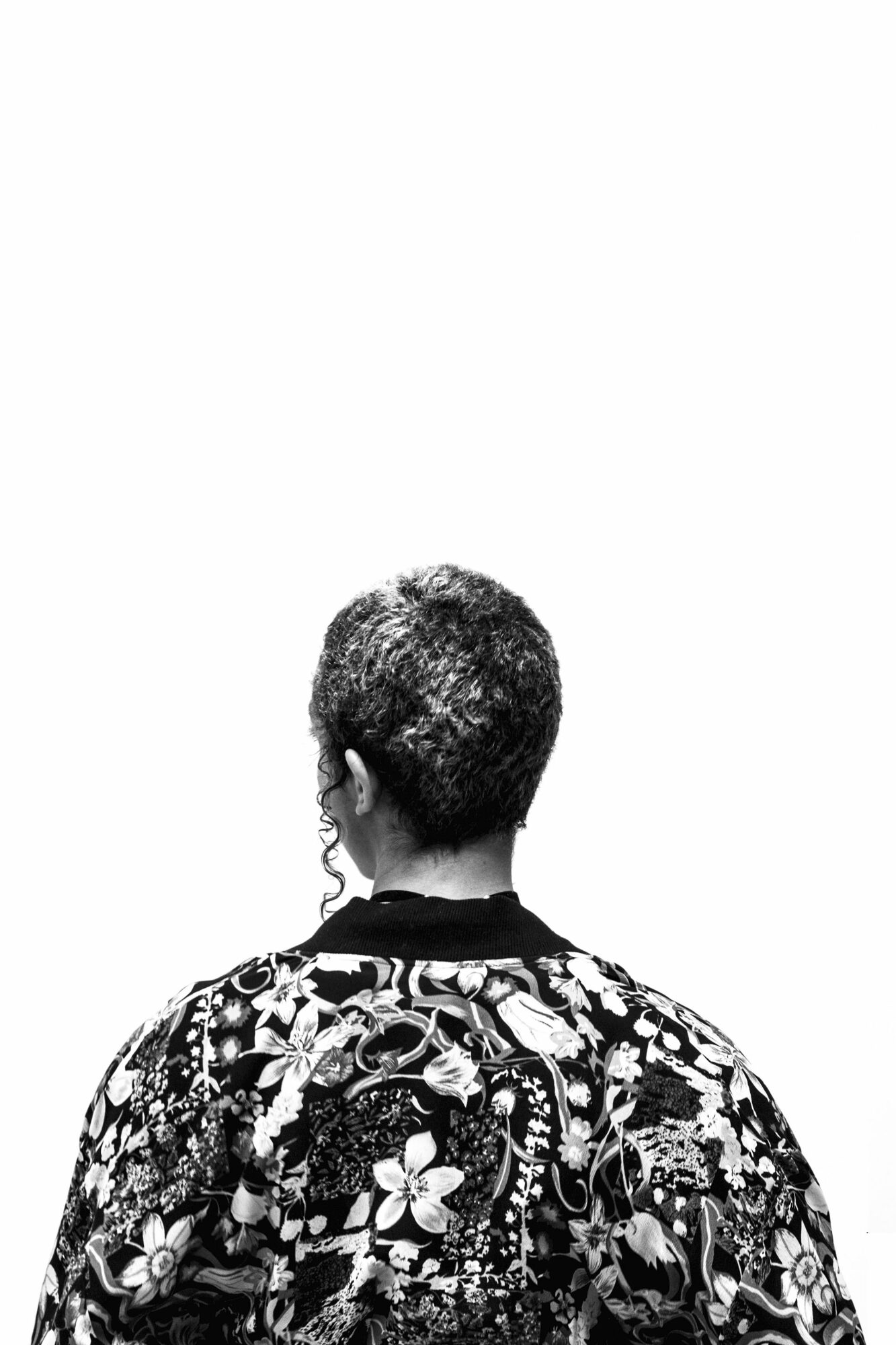
Image Credits
All images are my own!
Popular
-

Portraits of the Valley
-

LA’s Most Inspiring Stories
-

Rick Norris Learned That Building a Successful Business Means Building a Life You Actually Want to Live
-
How Olivia Rush Turned Survival Into a Mission to Help Others Keep Going
-

How Bibi Goldstein Is Helping Entrepreneurs Reclaim Their Time by Embracing the Power of Delegation
-

Victoria Hasson is Redefining Voice Coaching Through Community and Collaboration


