




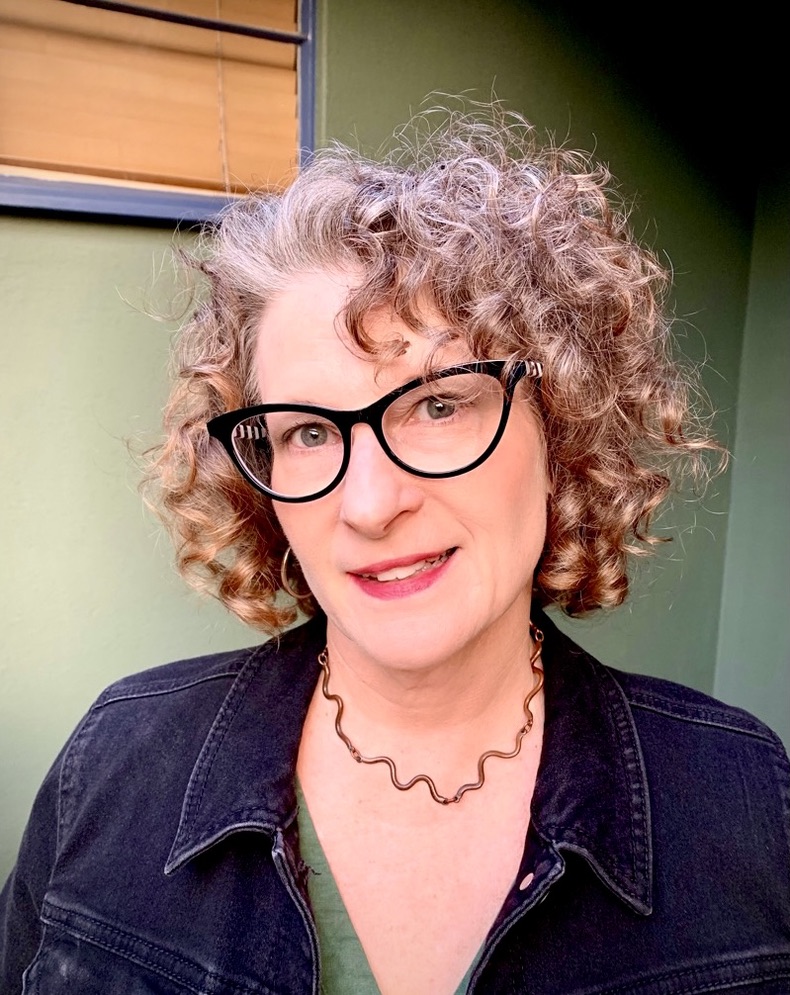
Today we’d like to introduce you to Stacey McCarroll.
Hi Stacey, so excited to have you on the platform. So before we get into questions about your work-life, maybe you can bring our readers up to speed on your story and how you got to where you are today?
I grew up in suburban Southern California, where I developed a talent for problem-solving and an early curiosity about the world around me. Initially drawn to theater and education, I eventually found my academic path in the arts, earning a B.A. in Art from California State University, Fullerton, where I studied both Art History and Photography.
After graduation, a professor referred me to an internship at a fine art photography gallery in Los Angeles. I often share this part of my story with students or colleagues I’ve mentored to underscore how valuable it is to follow the leads that come your way: you never know where they might take you. What began as a weekend internship soon grew into my first professional position as Assistant Director of the gallery. The opportunity launched a vibrant, multifaceted career in the visual arts, spanning roles as a gallery director, curator, editor, and professor specializing in the history of photography and visual culture.
I deepened my academic training with an M.A. from the University of California, Riverside, followed by a Ph.D. in the History of Art from Boston University. Over the years, my work consistently centered on visual storytelling, critical inquiry, and the contributions of women to the history of photography, weaving together scholarly research and curatorial practice.
What I enjoyed most in my earlier career was the collaborative nature of curating exhibitions, developing publications, and working closely with students as part of a curatorial and research team. As I became less inspired by the classroom teaching experience, I found myself seeking new ways to engage meaningfully with others and contribute to the world around me.
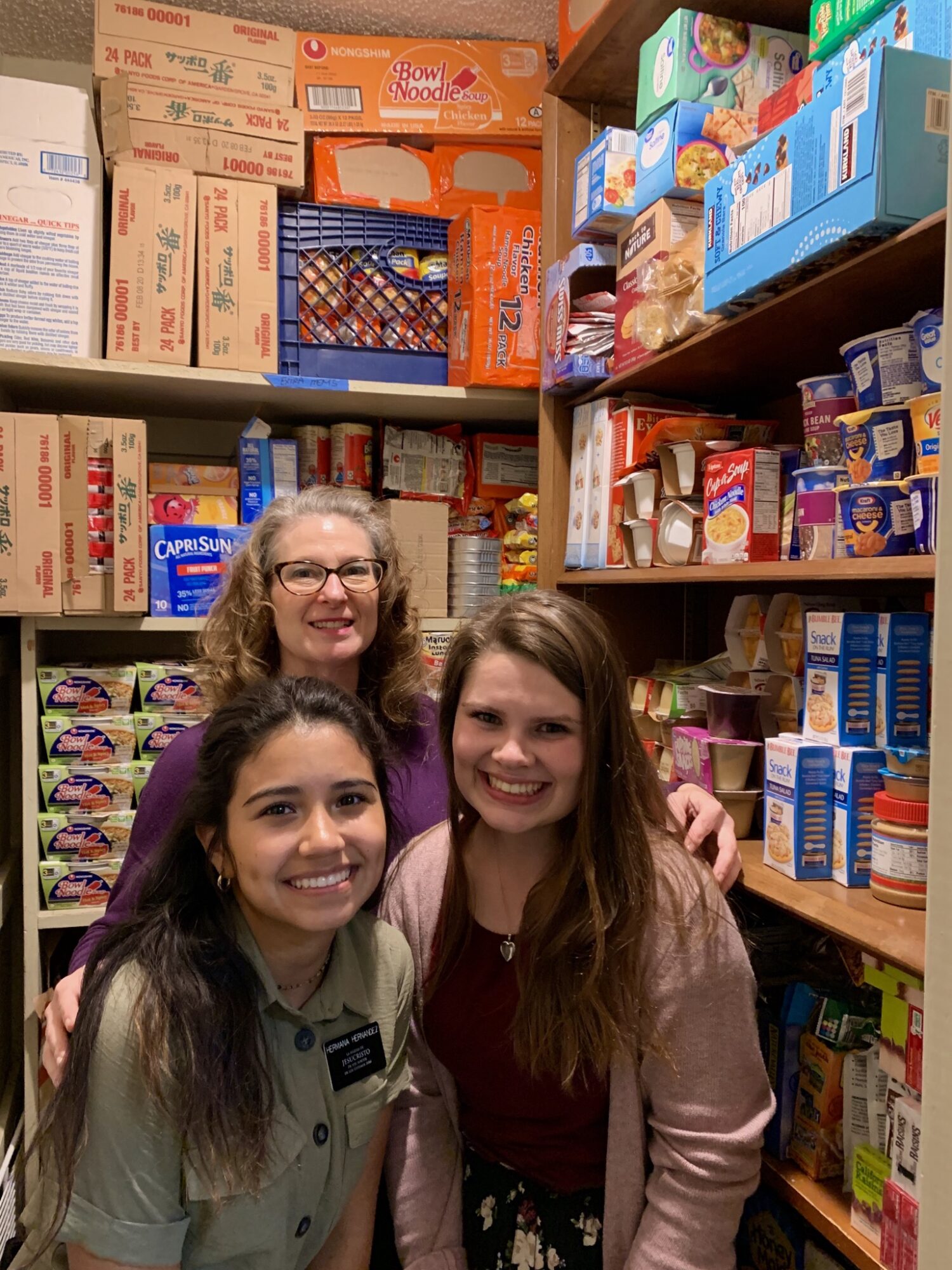
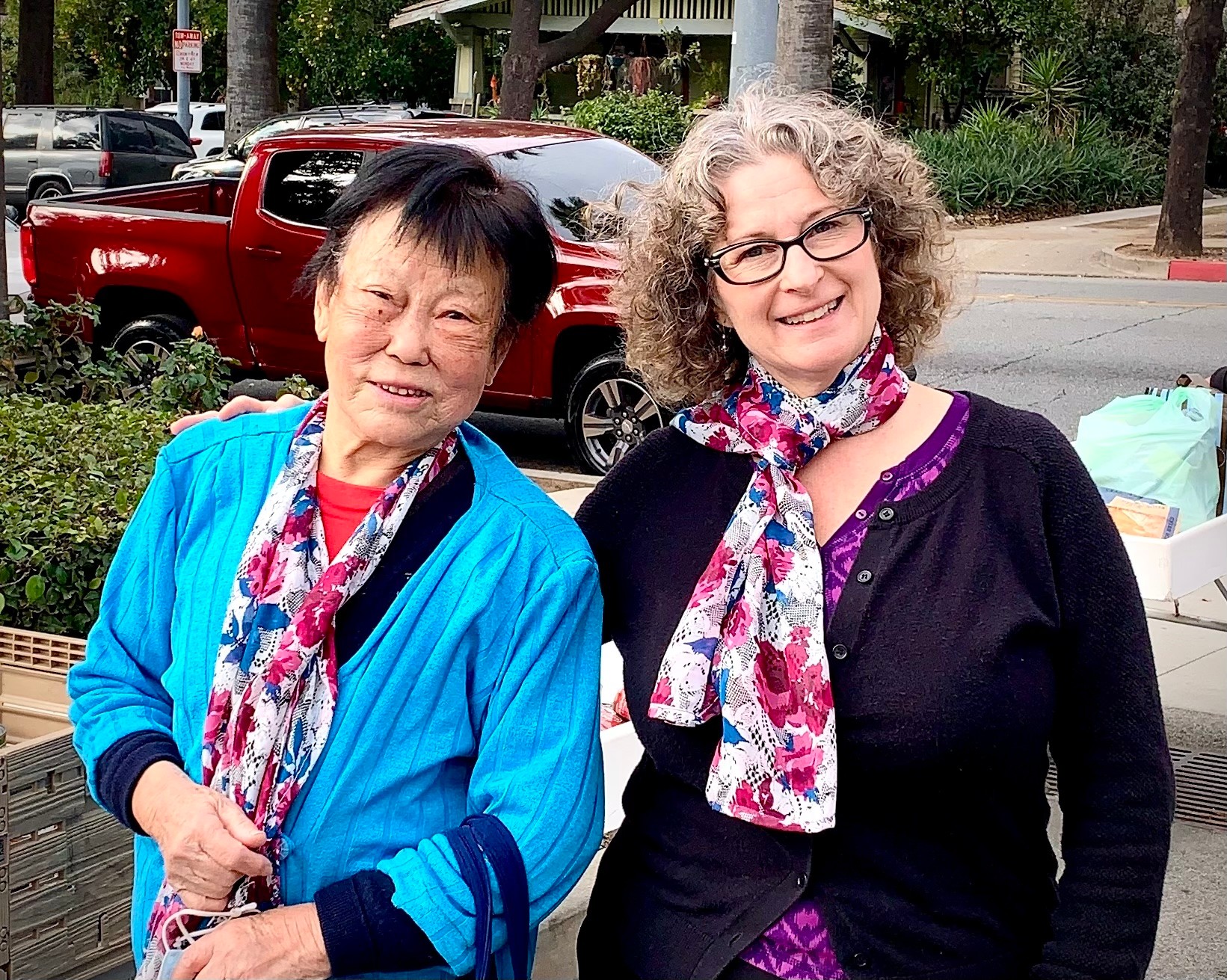
A pivotal shift occurred in the summer of 2018, when I started volunteering at the Friends In Deed Food Pantry in Pasadena. I was immediately drawn to the organization’s mission and its deep, long-standing roots in the local community. At the Food Pantry, I was immersed in a profound sense of connection—created not just through distributing food, but through the shared experience of giving and receiving.
Interestingly, some of these themes had already surfaced in my teaching. In a photography and social media course I developed, students explored food photography and shared their work on Instagram. The assignment was more than a technical exercise: it invited them to consider how sharing food can build community and serve as a gesture of care and solidarity. I witnessed these same principles in action every day at the Food Pantry.
The seemingly small decision to say “yes” to a volunteer opportunity opened the door to a new chapter of my professional life: one that challenged me, focused me, and ultimately aligned with my core values in ways I hadn’t anticipated. I soon stepped into the role of Food Pantry Manager, where I embraced the opportunity to apply my creative, administrative, and leadership skills in service of the community. I also broadened my worldview, deepening my communication and problem-solving abilities, my appreciation for hard work and good food, and an understanding of how each one of us can support others. Working to alleviate food insecurity and reduce food waste was inspiring, and it continues to inform my approach to service, leadership, and community engagement.
Can you talk to us a bit about the challenges and lessons you’ve learned along the way. Looking back would you say it’s been easy or smooth in retrospect?
The Food Pantry was an incredibly meaningful and transformative experience. Every day, I had the privilege of interacting with a diverse community that spanned the socio-economic and age spectrum: including clients, staff, volunteers, community members, and donors. It was also, unexpectedly, the best language lab I could ever hope for. I regularly practiced English, Spanish, French, and even a bit of Armenian, while our lively community of Asian seniors helped me pick up some Mandarin—xièxiè! This experience laid the foundation for my commitment to supporting vulnerable populations and advocating for social equity.
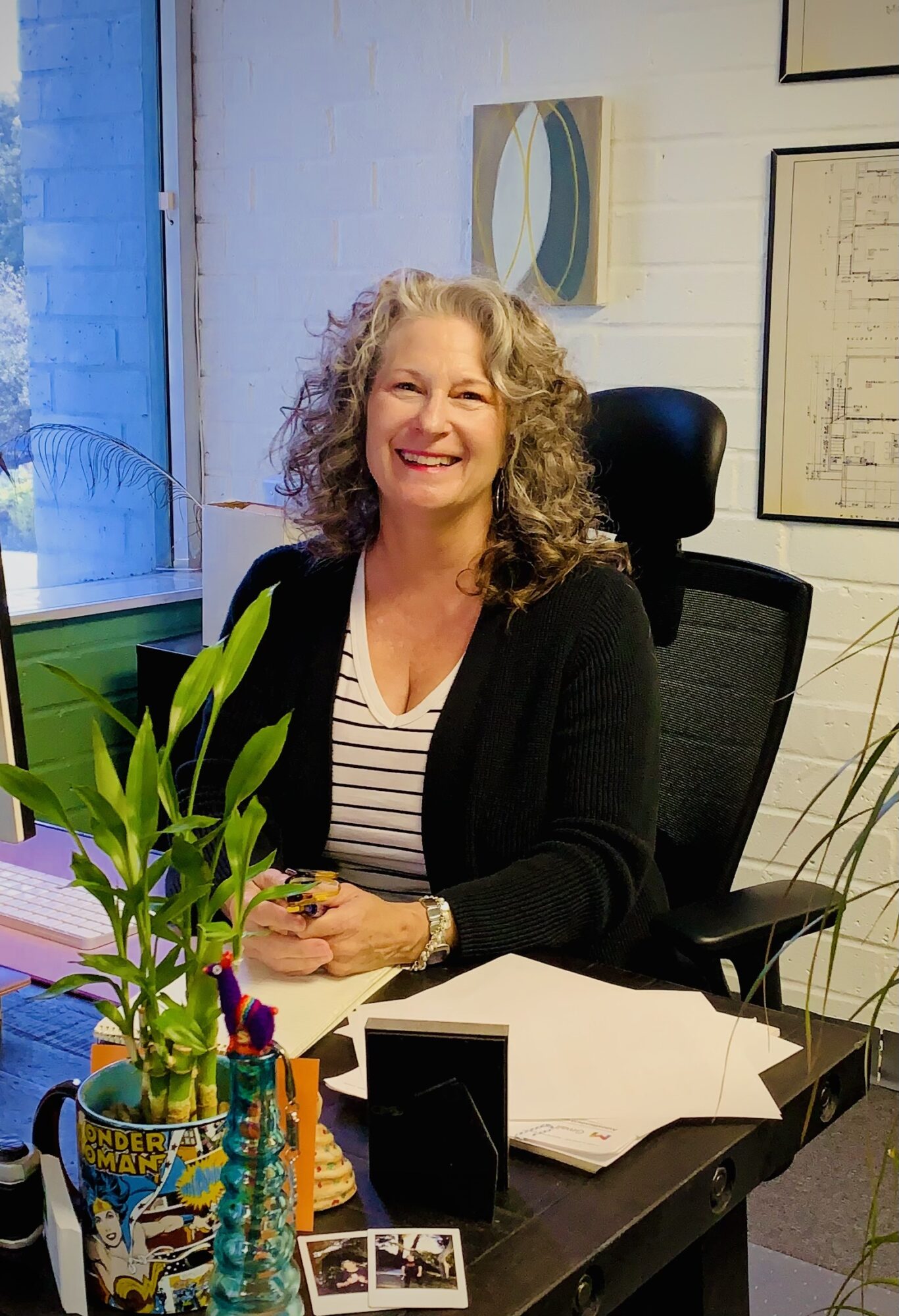
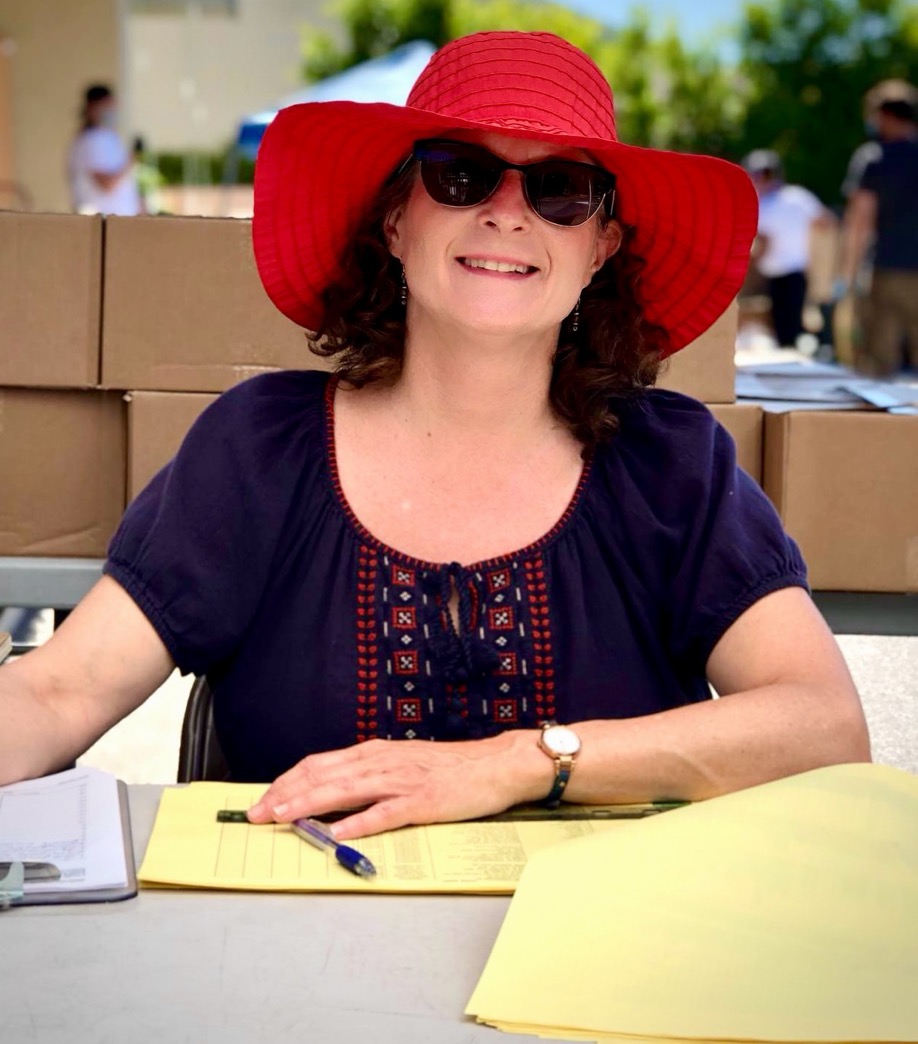
During the pandemic, as the need for food assistance grew, we adapted by moving most of our operations outdoors. Our larger parking lot became the new hub of connection, where we continued to greet and serve our clients face-to-face in a safe and welcoming environment. I truly enjoyed the activity and physical nature of the work. It kept me grounded and energized. After a while, I also found myself missing the rhythm of working indoors, at a desk, where I could return to another part of myself. Honestly, I was eager to wear something from my wardrobe that I wasn’t worried about spilling eggs on!
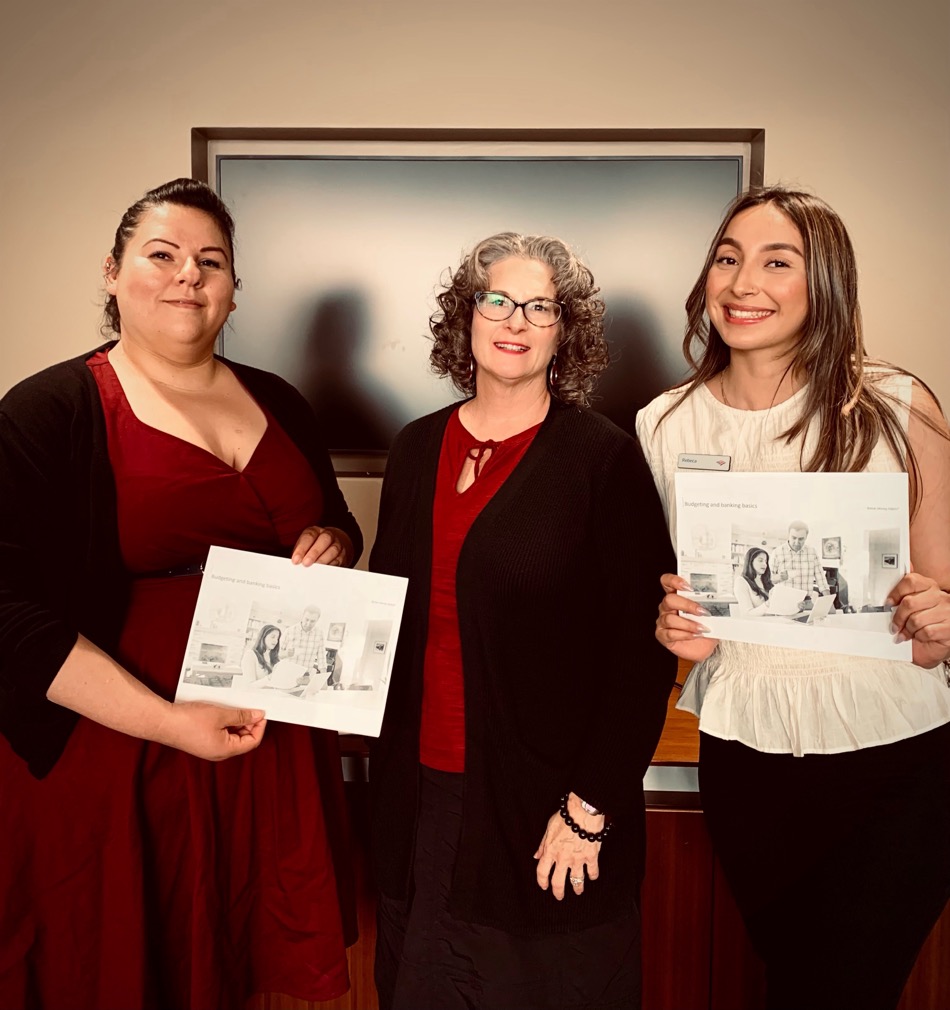
In the summer of 2022, our organization experienced significant growth and a series of administrative changes. When the opportunity emerged, I stepped into my current role as Director of the Eviction Prevention and Rental Assistance (EPRA) program. EPRA provides short-term rental assistance to individuals and families in the Pasadena area who are at immediate risk of eviction and homelessness. As I often tell friends and new acquaintances, “We pay people’s rent, so they don’t get evicted.” In this role, I support clients in maintaining safe and stable housing, continuing a commitment to problem-solving, upholding dignity, and fostering a strong sense of community.
Can you tell our readers more about what you do and what you think sets you apart from others?
I had no prior experience in housing services when I took on my current position as Director of EPRA, and I wasn’t entirely sure what I was getting into. But I’ve always been someone who welcomes a challenge and sees it as an opportunity to grow. This work has pushed me to question my assumptions, broaden my perspective, and deepen my capacity for empathy. Life is rarely simple, and each person who comes to us carries a unique story, often shaped by deep personal and financial hardship. I’m grateful to lead a team that meets these stories with compassion and dignity. As the longstanding Friends In Deed motto reminds us: “Doing together what we cannot do alone.”
This past year, our program has seen a growing need among seniors living on fixed incomes who are struggling to afford their rent. While the broader conversation around housing instability and homelessness often centers on families with children, recent data reveals a troubling trend: seniors (those over the age of 60) are among the fastest-growing at-risk groups. In fact, nearly 50% of the unhoused population is now over the age of 50. Recognizing this urgent need, I’ve made it a priority to expand the ways our program supports this often-overlooked demographic. We’re proud to share that we recently received a grant from the AARP Foundation that will allow us to provide targeted rental assistance and expand our services for vulnerable senior households.
In addition to developing our services and working directly with clients, I oversee the program’s operations, staffing, and fiscal management, ensuring that resources are allocated efficiently, ethically, and with the greatest possible impact. My approach blends hands-on problem solving with strategic leadership, addressing both the immediate needs and long-term stability of the households we serve. I am deeply motivated by the opportunity to build community, navigate complex challenges, and offer thoughtful, practical solutions rooted in respect and empathy. Whether managing programs, meeting one-on-one with clients, or collaborating with community partners, I strive to lead with integrity and work to improve the everyday lives of those we serve.
Alright so before we go can you talk to us a bit about how people can work with you, collaborate with you or support you?
Homelessness is, at its core, a housing issue. One of the most powerful actions you can take is to advocate for more affordable housing: both in your local community and across the country. At Friends In Deed, we offer five distinct programs that provide supportive services to neighbors experiencing homelessness and vulnerability. I invite you to learn more about the work we do. And if you feel inspired, consider reaching out to offer your support or to volunteer—whether with our organization or one in your own community—just as I once did. You never know how it might change your life, too.
Contact Info:
- Website: https://friendsindeedpas.org
- Instagram: https://www.instagram.com/friendsindeedpas/
- Facebook: https://www.facebook.com/FriendsInDeedPas
- Youtube: https://www.youtube.com/channel/UCV9CCE6xcVVonw42oU-Qurg
Popular
-

What is the story you hope people tell about you when you’re gone?
-
What do the first 90 minutes of your day look like?
-

Local Highlighter Series
-

What did suffering teach you that success never could?
-

Who were you before the world told you who you had to be?
-

What are you most proud of building — that nobody sees?


