



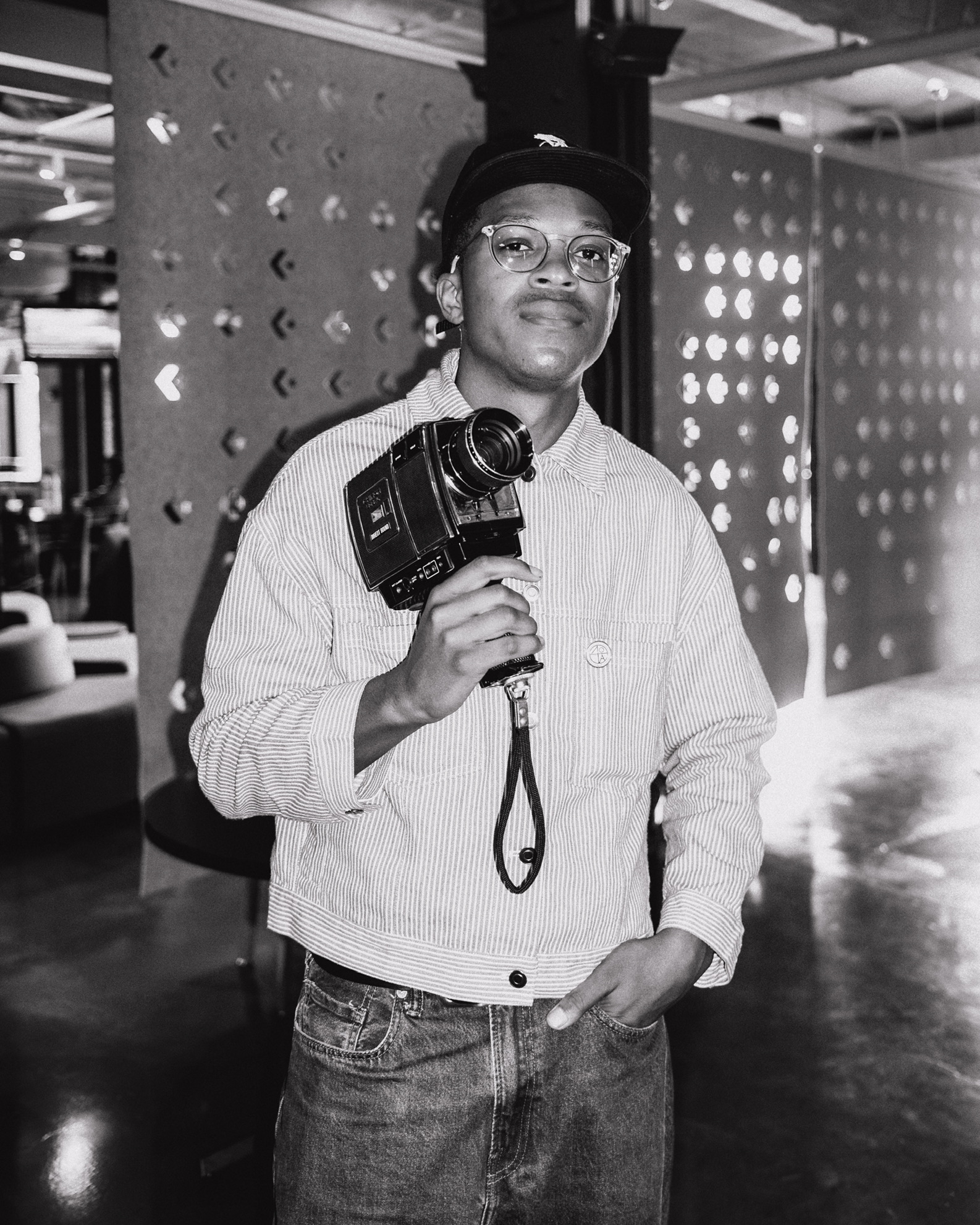
Today we’d like to introduce you to Jacob Sutton.
Hi Jacob, can you start by introducing yourself? We’d love to learn more about how you got to where you are today?
Visual storytelling has always felt like a second language to me. As a kid, I was obsessed with movies, TV shows, and books, not just watching or reading them, but really feeling them. They gave my imagination a place to run wild. One of my earliest memories of being intrigued by how a film was made was watching Peter Jackson’s King Kong. I was probably too young to fully grasp the plot, but I was completely fascinated by the world-building, the characters, and the epic scale. It was the first time I realized there were people behind the camera crafting these experiences.
But it wasn’t until I attended a performing arts middle and high school that I started taking film and photography seriously. I learned the fundamentals of screenwriting and got my first DSLR. From there, I started making short films, vlogging on YouTube, experimenting with camera angles, and just playing around – mostly teaching myself how to tell stories through images.
In college, I studied at Columbia College Chicago, where I developed my craft and found my voice as a filmmaker and photographer. It was a culture shock moving from California to Chicago, especially in the middle of the pandemic, but it pushed me to adapt, grow, and really take ownership of my creative identity. Since then, I’ve worked as a freelance production assistant on major commercial sets, shot concert footage and portraits for musicians, and developed personal projects that combine my love for music, visual art, and community. In 2025, I joined the Converse All-Stars program, which helped me connect with a ton of other creatives in the city and opened the door to new opportunities to create and grow my portfolio. It’s been dope to be part of a community that really values fresh voices and gives us space to experiment.
Can you talk to us a bit about the challenges and lessons you’ve learned along the way. Looking back would you say it’s been easy or smooth in retrospect?
Not at all. I think one of the biggest challenges I’ve faced, and still have to check myself on sometimes, is my mindset. This industry can be brutal. There’s so much competition, so much rejection, and so many moments of silence that can make you question if your work is enough or if you’re even on the right path.
After I graduated, I really struggled with that. It felt like I had all this momentum during school, being in a creative environment, working on sets, collaborating with peers, but once I stepped out into the “real world,” things slowed down. That transition hit me hard. I started doubting myself, comparing my journey to others’, and wondering if I was falling behind. It’s easy to get caught in the spiral of “what’s next?” or “am I doing enough?”
But over time (and therapy), I’ve learned to reframe my thinking. I stopped chasing perfection or external validation and started focusing more on showing up consistently, being kind to myself, and staying rooted in why I create in the first place. I leaned into my community, reminded myself that slow growth is still growth, and that some of the best opportunities take time. Once I fixed my mindset, good things certainly came my way.
Alright, so let’s switch gears a bit and talk business. What should we know about your work?
I’m a filmmaker and photographer. Most of what I do sits somewhere between storytelling, culture, and emotion. I like to bounce between narrative and documentary, depending on the project, but at the core I just try to make things that feel real and grounded. Lately, I’ve been leaning more into analog formats, shooting more on 35mm, 120, and even 8mm/16mm when I can. There’s just something about the texture and imperfections of film that feels more alive to me than digital. It slows me down in a good way and makes me more intentional as a director.
A lot of my work centers around Black identity, music, and movement, things I grew up surrounded by and still feel deeply connected to. I’m inspired by the past a lot, such as old photo archives, soul/funk, classic music documentaries, and just our history – but I try to give it all a current feel, something that speaks to now.
I recently had the opportunity to work on a project with Vince Staples for Converse Rubber Tracks, which was a major moment for me. Being able to document an artist whose work I grew up listening to and to do it in a way that felt authentic to both of our worlds was incredibly rewarding. It was a full-circle moment that reminded me why I love do this.
We all have a different way of looking at and defining success. How do you define success?
Man, for me, success is being able to inspire people through my work and take care of my family while doing it. That’s really it. Of course, I have creative goals and dream projects I want to bring to life, but at the end of the day, if something I made motivates someone to create or makes them feel seen and I’m in a position where I can support the people I love, then I’m good. That’s the kind of impact that lasts longer than any job title or big-budget gig.
Contact Info:
- Website: https://www.itsnova.com/jacobsutton
- Instagram: https://www.instagram.com/jacobsuttonfilms/
- Youtube: https://www.youtube.com/@jacobsuttonfilms
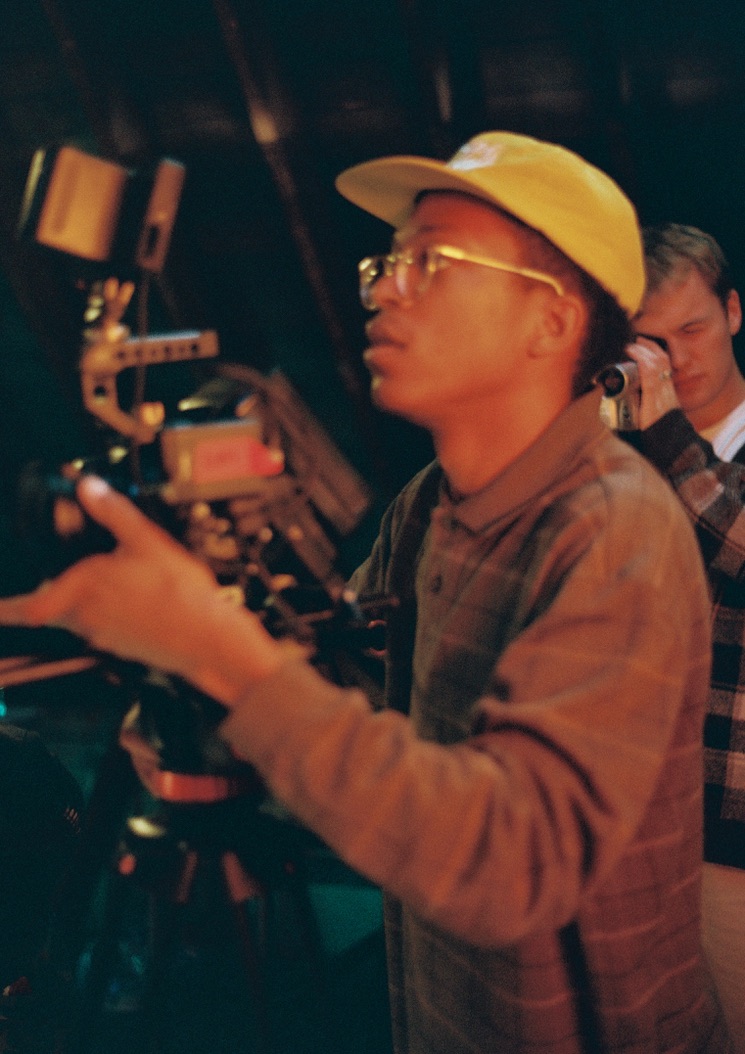
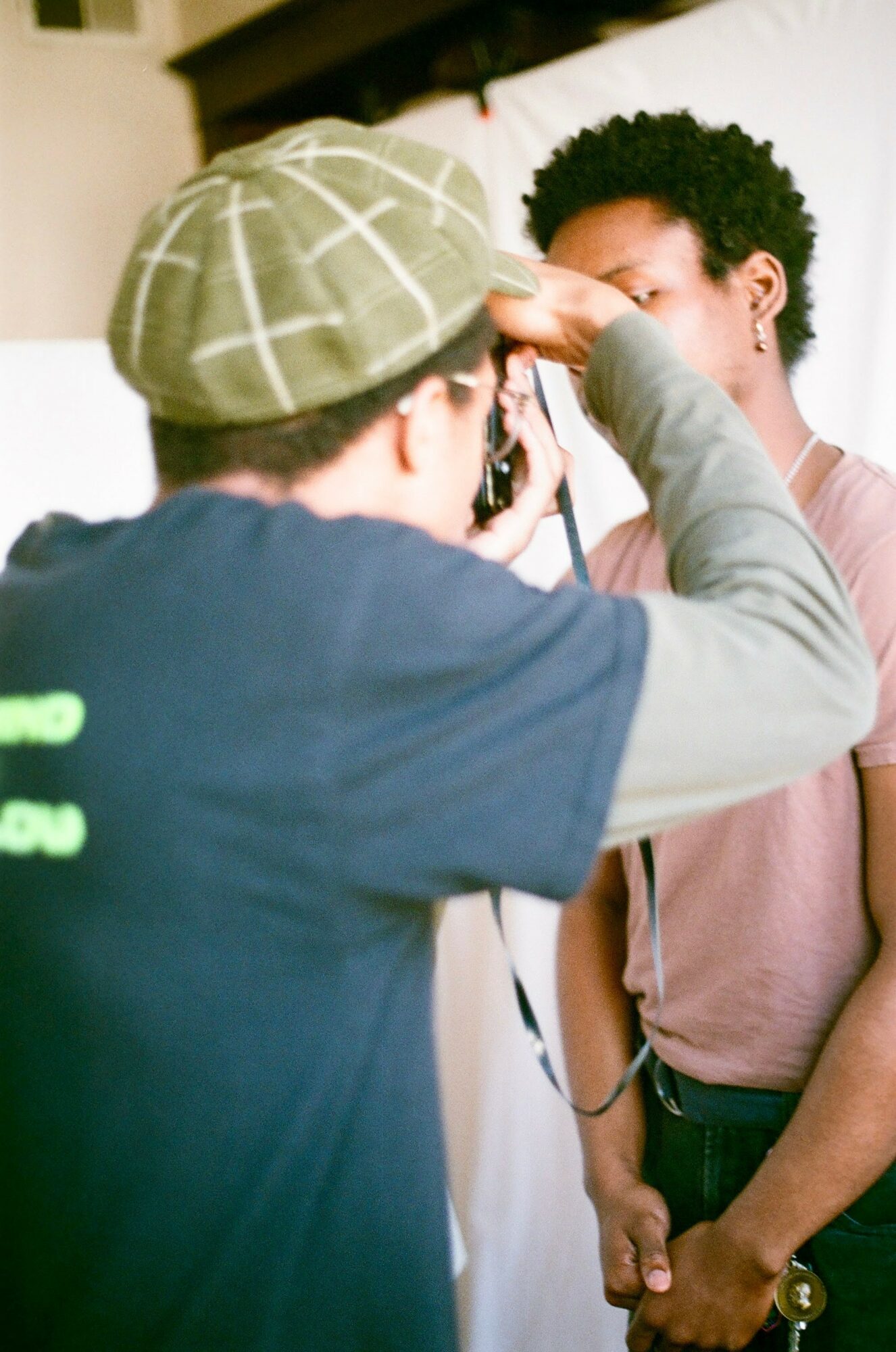


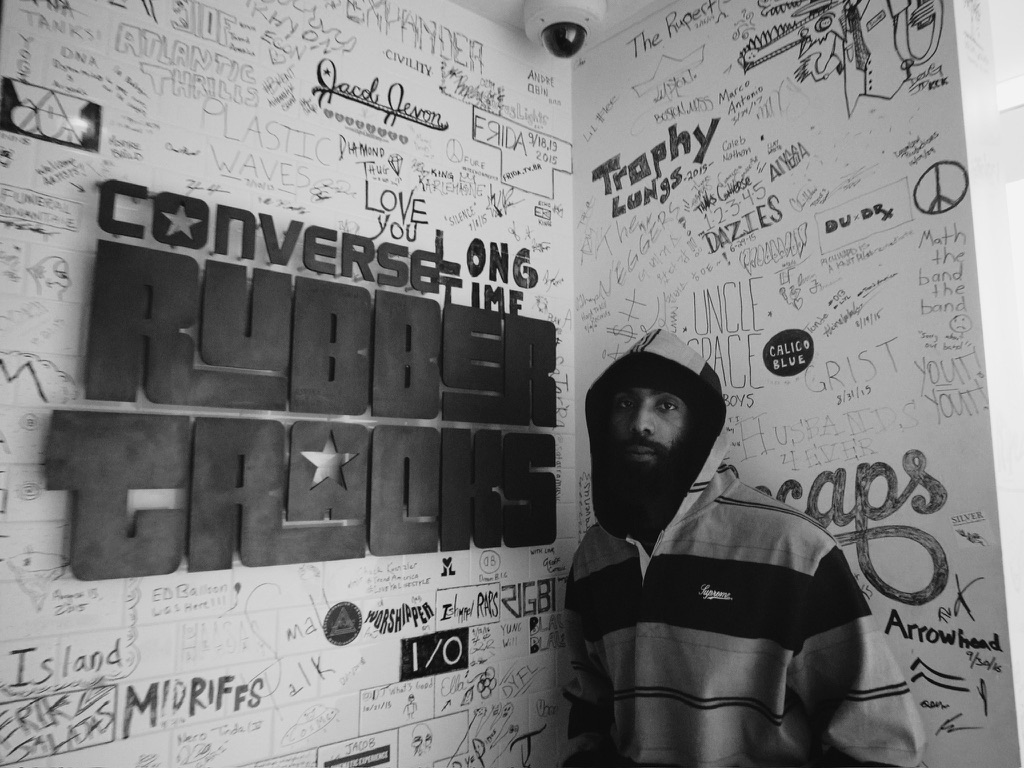
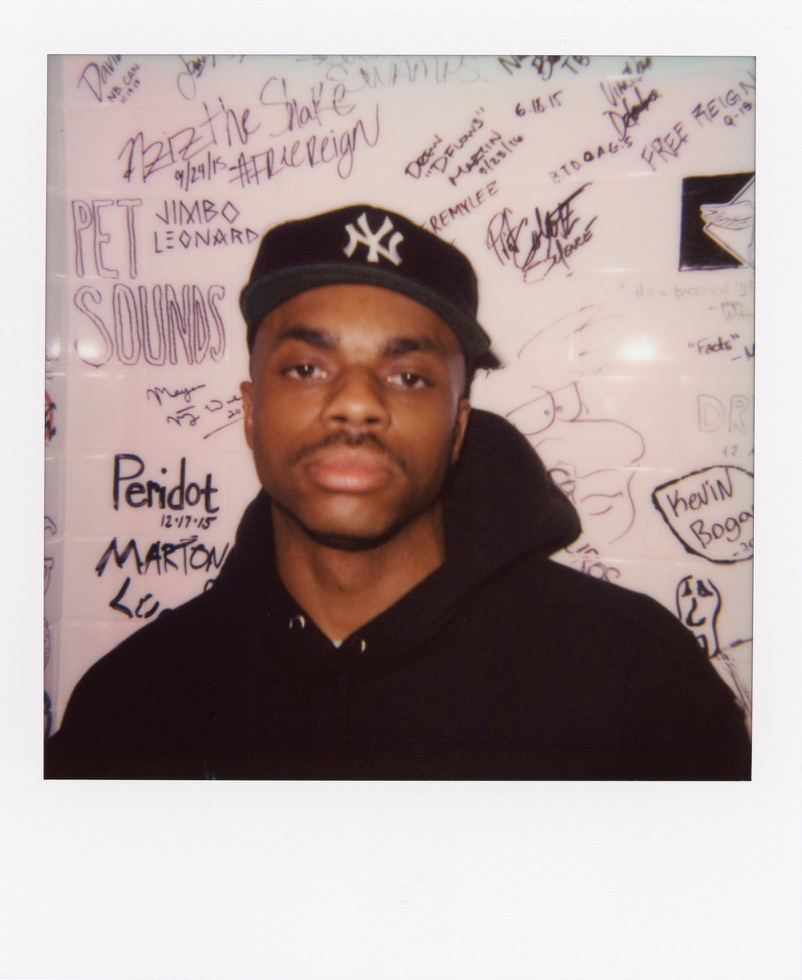


Image Credits
Adelaide Wilson
Popular
-

What is something outside of work that is bringing you joy lately?
-

Local Highlighter Series
-
What did suffering teach you that success never could?
-

What are you most proud of building — that nobody sees?
-

Who were you before the world told you who you had to be?
-

If you could say one kind thing to your younger self, what would it be?


