



Today we’d like to introduce you to Yuding Lin.
Hi Yuding, so excited to have you with us today. What can you tell us about your story?
My name is Yuding Lin, and I’m a photographer. I was born in Shanghai, and from a very young age—around three years old—I developed a deep interest in art. I remember seeing a train and then drawing it. As I grew older, I became particularly fond of looking at art and photography books. My uncle is a well-known painter whose works have been featured on the cover of American art magazines. His home was filled with art books, and I would spend entire days reading them. This played a decisive role in my decision to pursue photography as a career.
I worked as a photographer for an airline’s inflight magazine, which featured travel topics from around the world, allowing passengers to learn about global cultures and tourism. Because of this job, I’ve traveled to many countries and famous cities worldwide, capturing photographic stories focused on travel and cultural geography.
During my work, I paid close attention to studying the styles and techniques of world-class photographers. My favorite photographer is Steve McCurry, a photographer for National Geographic. His photography features vibrant colors, clever composition, and deep storytelling and emotion. His iconic image “Afghan Girl” received global acclaim.
I once held a solo black-and-white photography exhibition called Shanghai Details, featuring dozens of photos capturing the cultural charm of the city, and it received positive reviews.
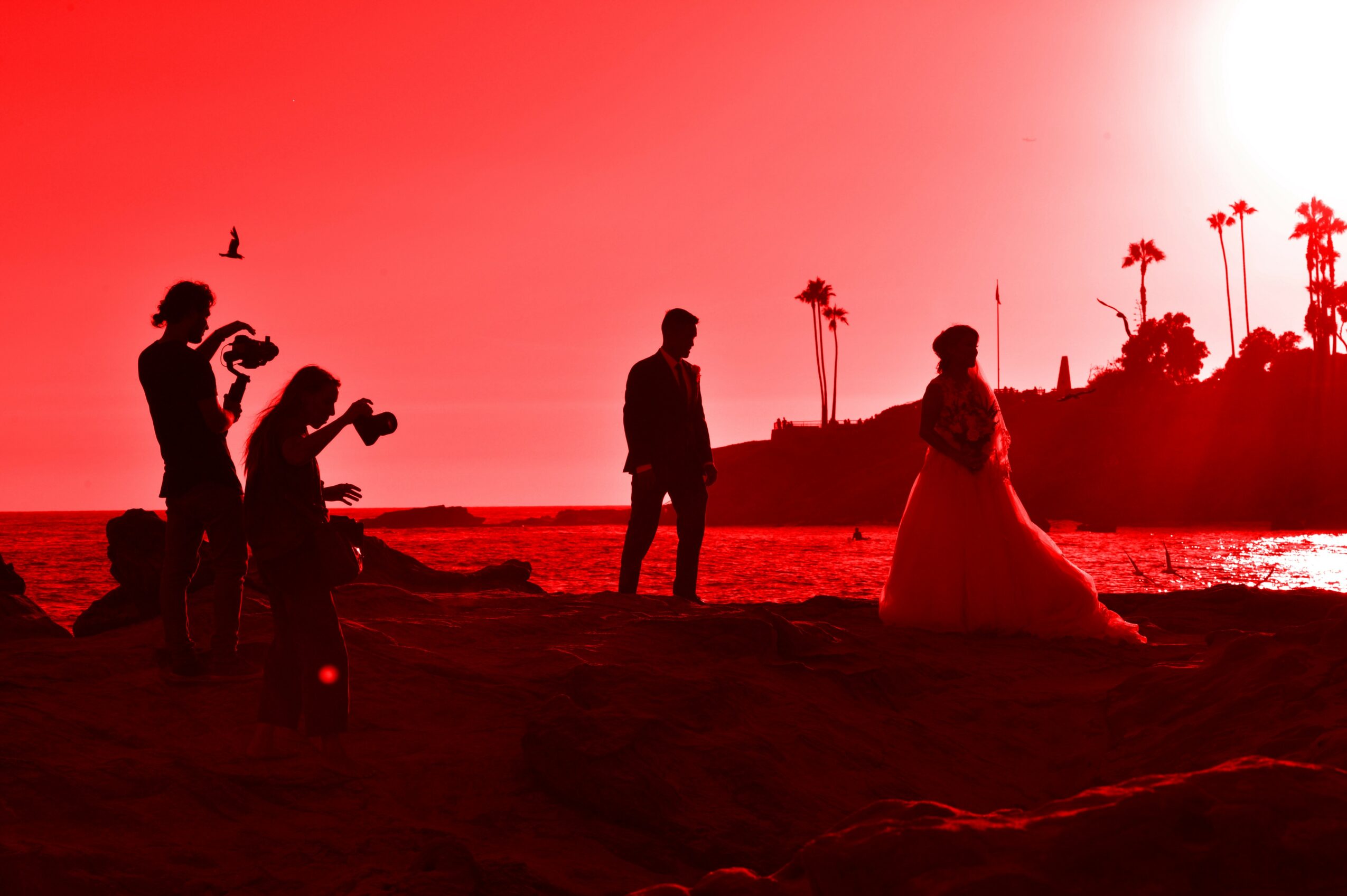
I have lived in Los Angeles for many years. As a photographer here, I also take on commercial photo shoots, PR event coverage, and portrait sessions. I’m particularly interested in the city’s iconic architecture—such as the Walt Disney Concert Hall, the Crystal Cathedral, Los Angeles Central Library, Getty Museum, UCLA, and the site of the 1984 Olympic Games. I’m also planning a photo series focused on L.A.’s beaches. Los Angeles is full of cultural elements, and I aim to make the most of these creative resources.
I’m sure it wasn’t obstacle-free, but would you say the journey has been fairly smooth so far?
Being a photographer is tough—it requires both mental and physical strength. Sometimes unexpected situations and difficulties arise during shoots. I remember one time I was working on a travel feature about Sydney, Australia for the inflight magazine. One of the assignments was to photograph the iconic Sydney Harbour Bridge. Among its tourism programs is a popular activity: climbing to the top of the bridge. Tourists from around the world take pride in reaching the top, where they receive a certificate of achievement. The view of the Sydney Opera House from there is indeed breathtaking.
I received special permission from the Official Tourism Australia to carry professional camera equipment to the top for photography. With the staff’s guidance, I climbed for an hour to reach the summit. Just as I was about to start shooting, my camera suddenly malfunctioned. It was completely unexpected. I had no choice but to switch to a backup compact camera, but the results were far less ideal. The job isn’t always smooth—it comes with real challenges.
One key takeaway from these setbacks is the importance of preparing contingency plans. Photographers often face extreme weather and tough conditions, such as cold, dampness, and heat, all of which can greatly impact our mood and efficiency. For example, I once shot an airshow in San Francisco from a boat. The weather worsened quickly, with fierce winds and a rocking boat making it very difficult to shoot. Despite braving the conditions, the final images didn’t turn out great.
There are also communication challenges in commercial photography. Sometimes clients don’t provide clear requirements beforehand, resulting in many change requests during the shoot, which increases workload and uncertainty. Once, I had a business for taking graduation portraits. Before the shoot, the client didn’t give any clear instructions, but during the session, the client kept interrupting to check the images and give direction—asking for specific angles and expressions. This disrupted my workflow and creative process. As a professional, I have my own working method, and ideally, clients should allow the photographer to shoot freely and then select the images they like afterward—instead of micromanaging the composition and timing.
Another challenge is clients demanding high-quality work with limited time and budget. This creates significant pressure. Some even have unrealistic expectations—like asking for flawless beauty shots in very poor lighting. I’ve also encountered requests to work for free, especially when the other party plans to profit from the images. That’s unacceptable for a professional photographer.
Alright, so let’s switch gears a bit and talk business. What should we know about your work?
My area of expertise is photography. I do both still and motion photography, though my main focus is still photography using a camera. I specialize in documentary-style and cultural geography photography, as well as PR event coverage and travel landscape photos.
I’m especially known for my black-and-white human-interest photography. I once held a solo exhibition called Shanghai Details, featuring dozens of black-and-white images that reflect the spirit of Shanghai from the late 20th to early 21st century. The show was well received.
What I’m most proud of is sticking with photography as my lifelong profession and creative pursuit for decades. What makes me stand out is my attention to the everyday details of life, using these moments to reflect broader social themes through my lens.
Let’s talk about our city – what do you love? What do you not love?
What I love most about the city is its diversity. Los Angeles embraces a wide range of cultures, which is something I deeply appreciate. In terms of food, you can enjoy cuisines from all over the world.
I especially love the city’s many museums, such as the Getty Center, the Academy Museum of Motion Pictures, the Museum of Contemporary Art, LACMA, and the Griffith Observatory. The Academy Museum is one I visit often—it’s a great place to learn about history and gain insights into the world of film.
What I like least is the traffic. Los Angeles traffic is notoriously congested and very inconvenient. I live near Irvine, and driving to LAX can take over an hour. A lot of time gets wasted on the road.
Contact Info:
- Website: https://starchampsphoto.com/
- Other: Email: starchampsphoto@gmail.com
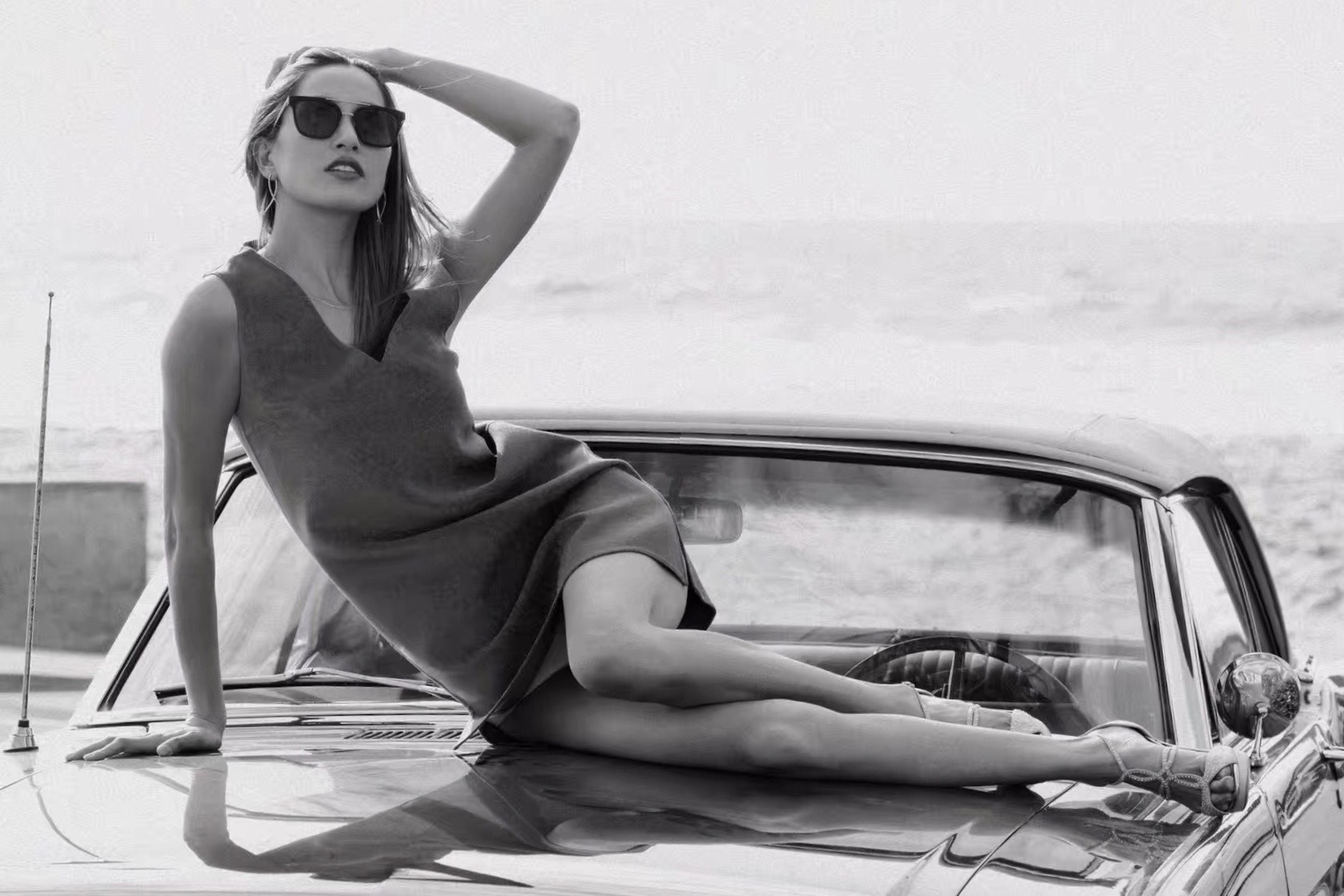
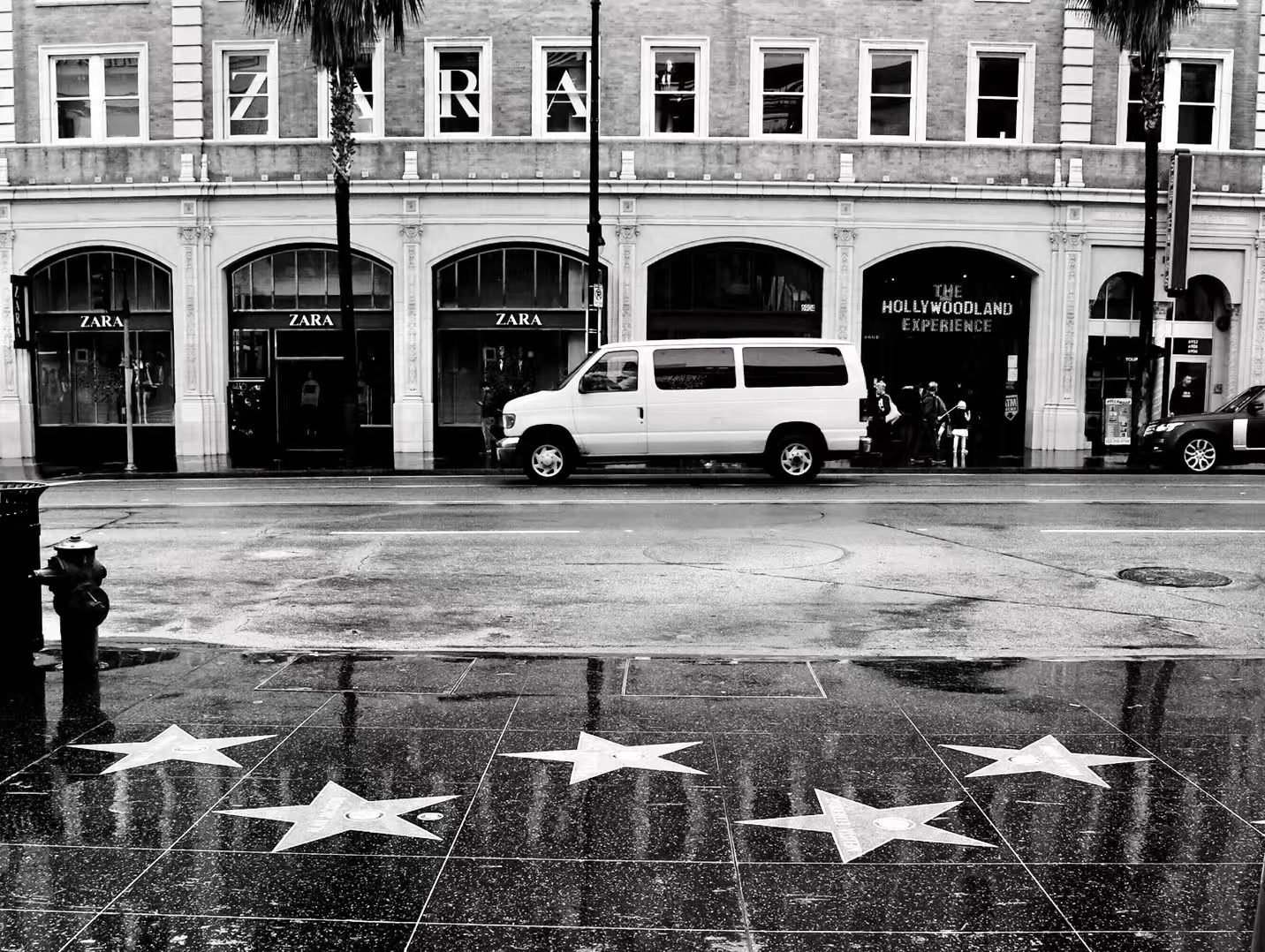
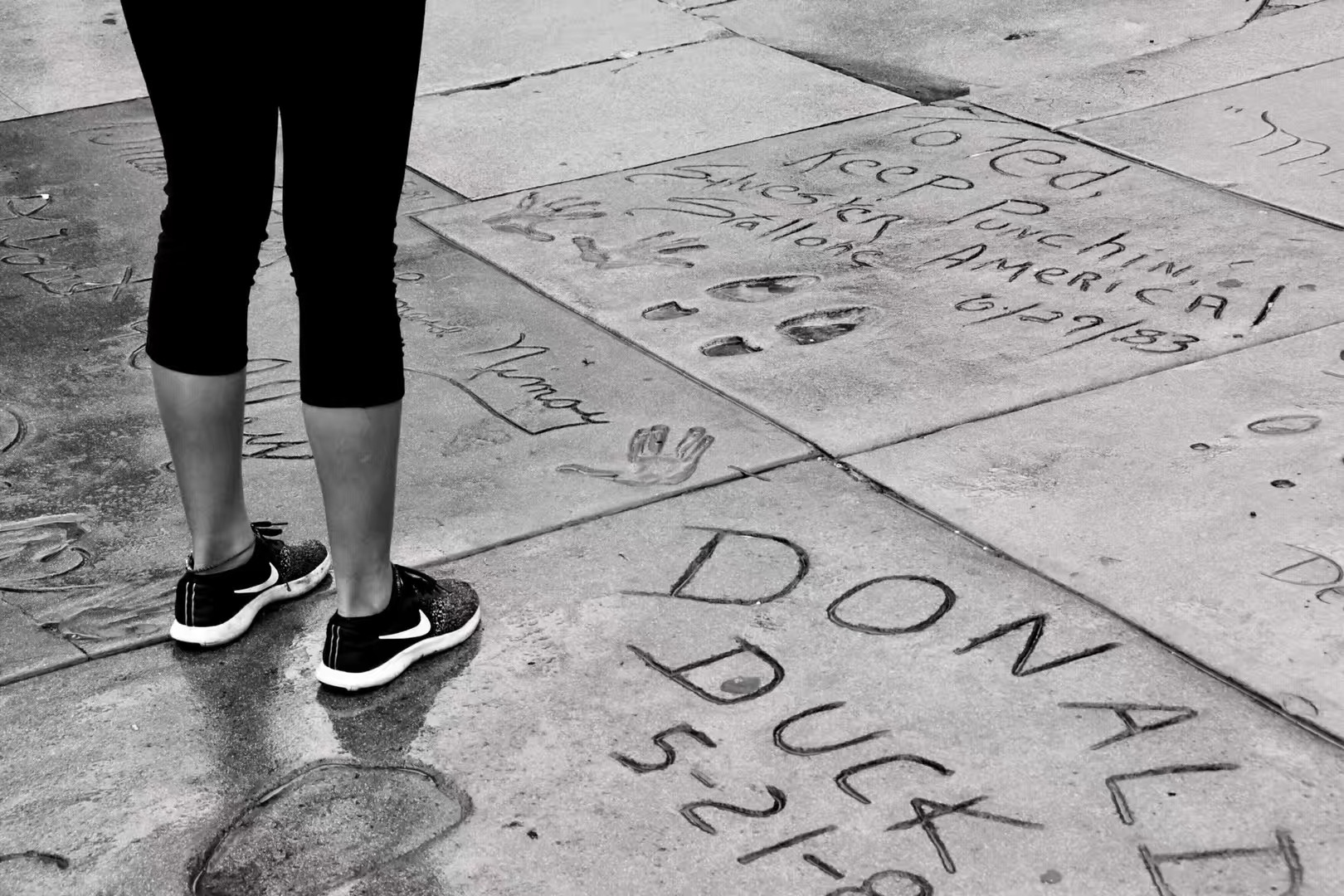
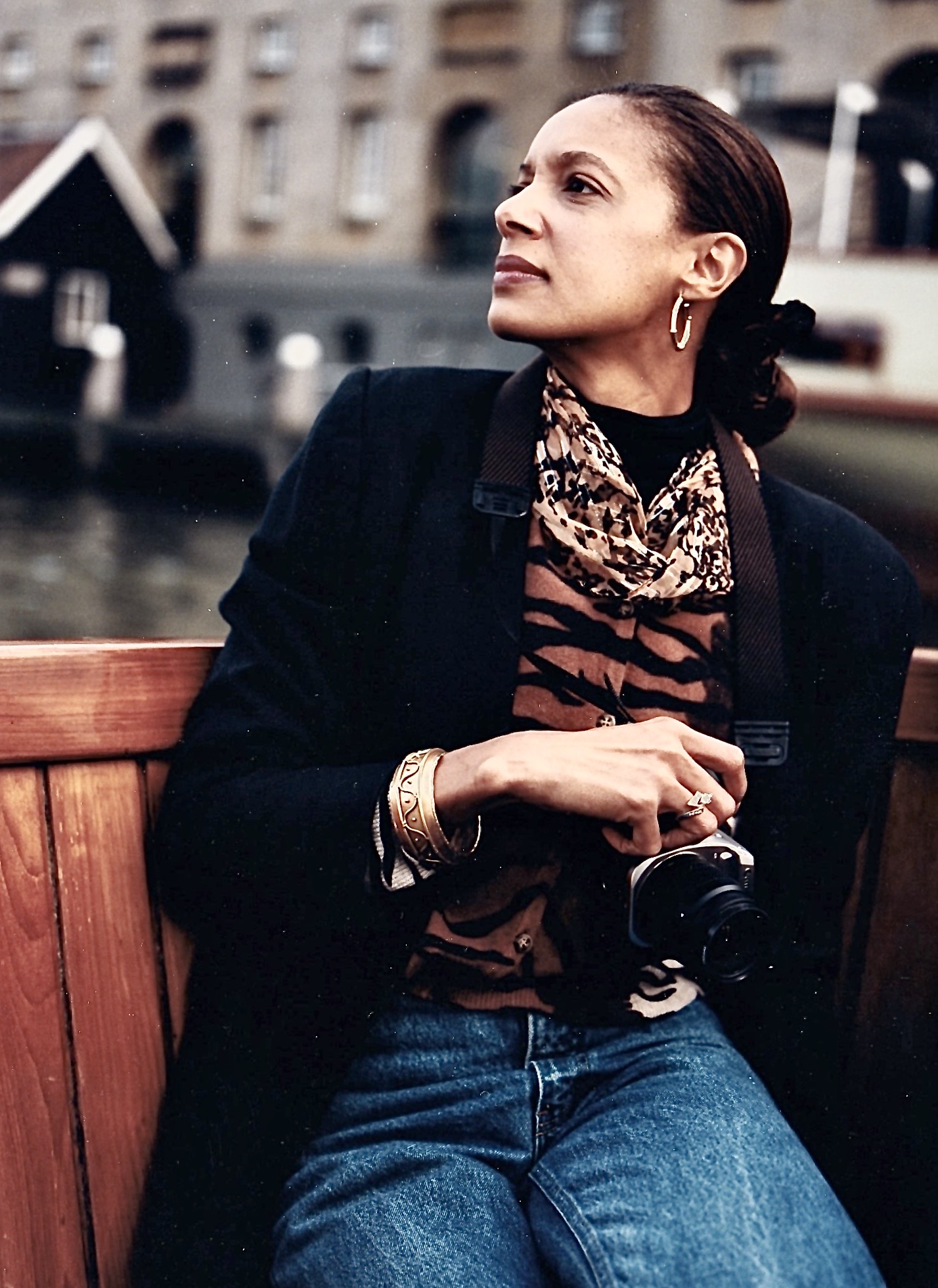
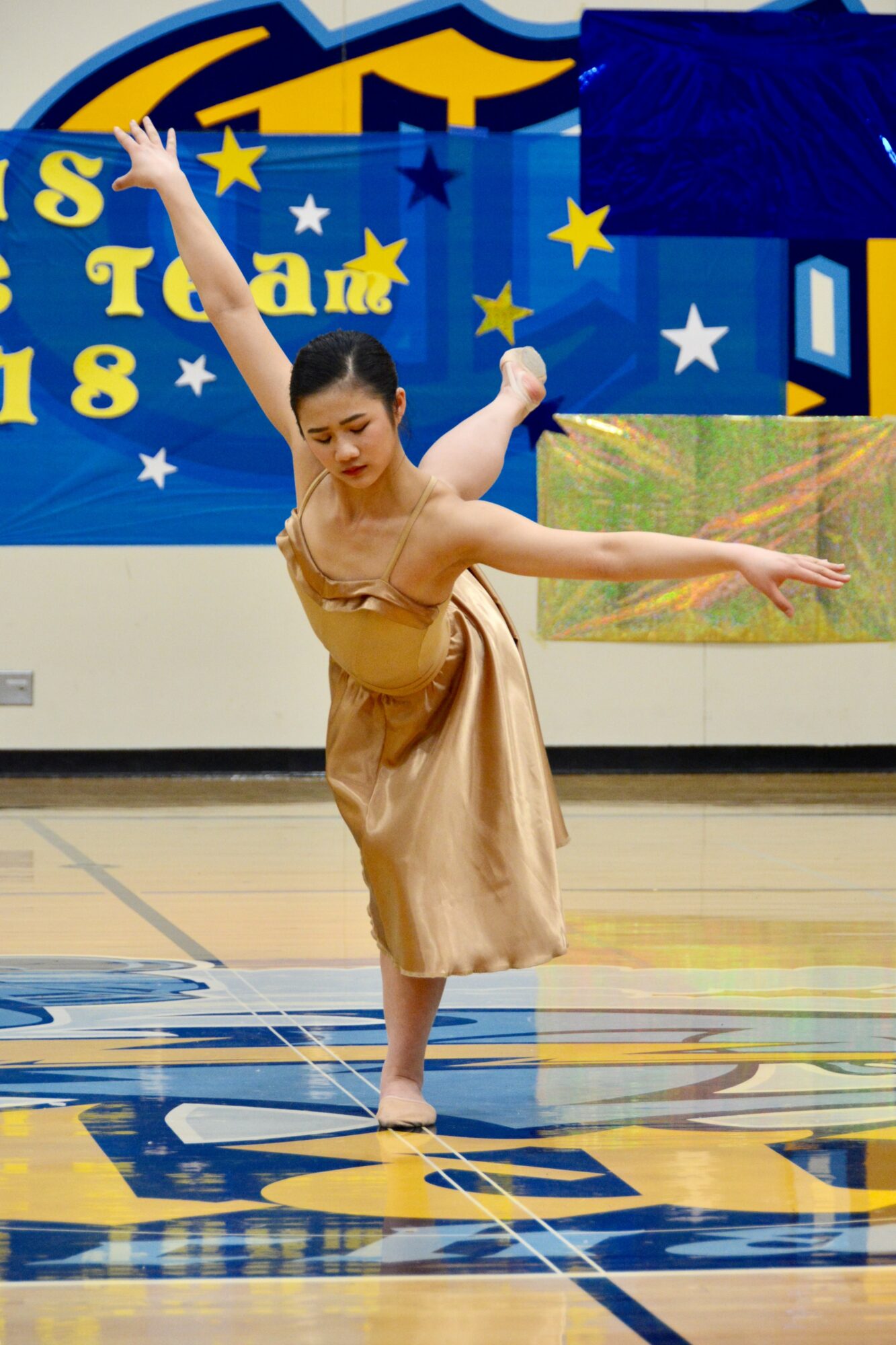
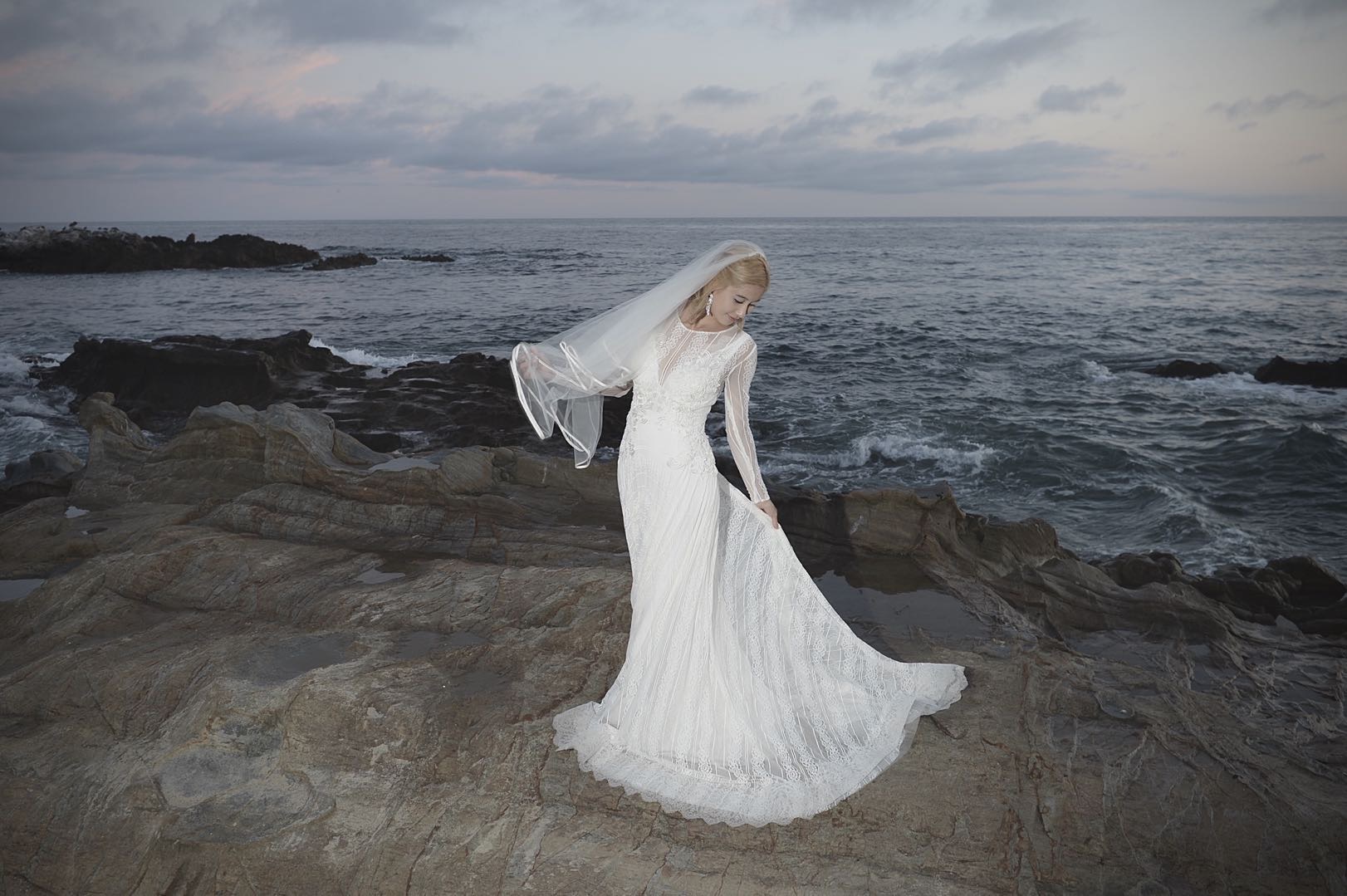
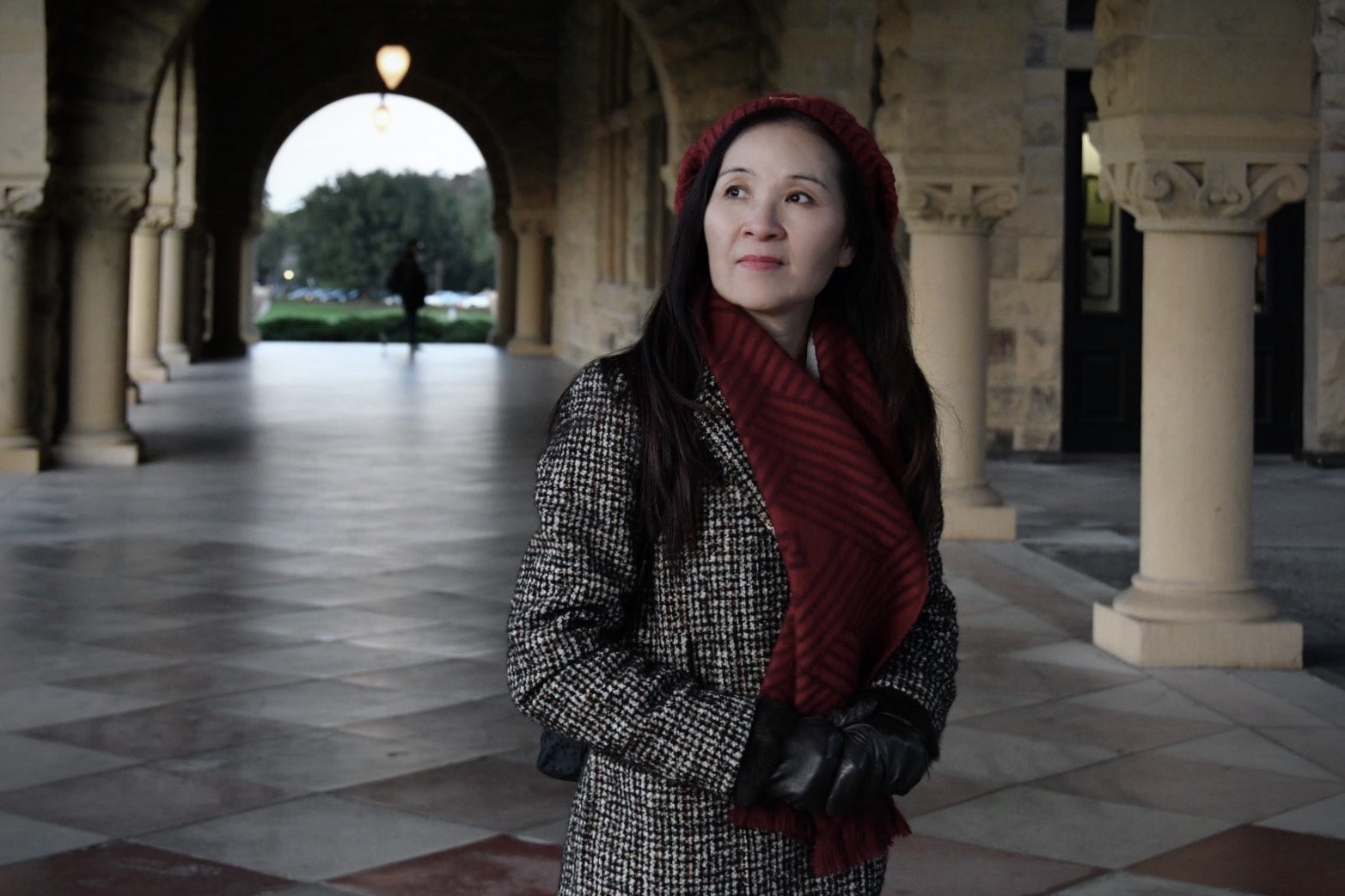
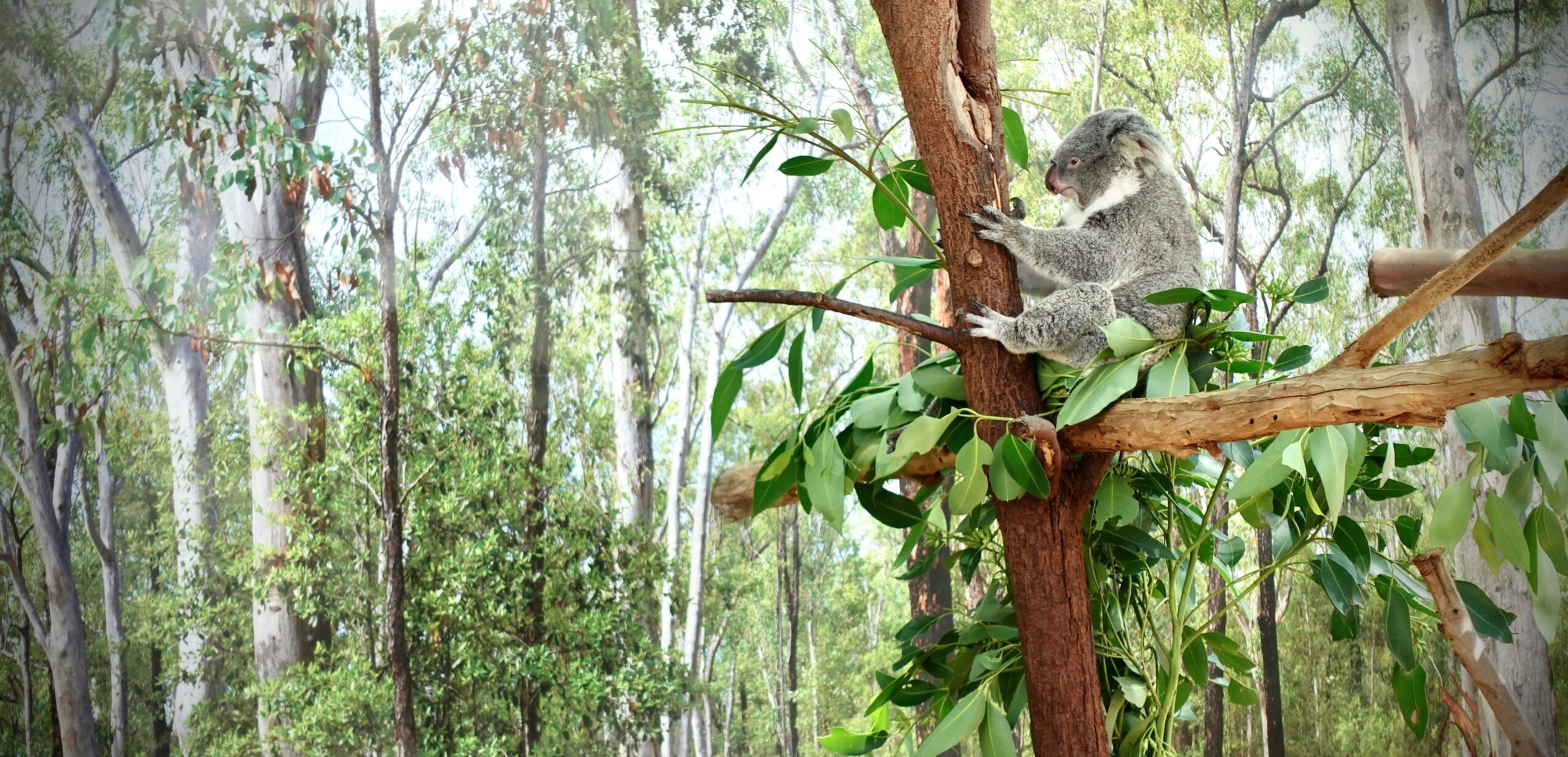
Image Credits
Image credits: Yuding Lin
Popular
-

What is something outside of work that is bringing you joy lately?
-

Local Highlighter Series
-
What did suffering teach you that success never could?
-

What are you most proud of building — that nobody sees?
-

Who were you before the world told you who you had to be?
-

If you could say one kind thing to your younger self, what would it be?


