





Today we’d like to introduce you to Kerly Vallejo.
Hi Kerly, we’d love for you to start by introducing yourself.
Ever since I was a little girl, I felt deeply connected to music. I grew up singing and memorizing the scores of my favorite movies, even though I had no idea what “film scoring” was back then. At 13, I discovered Taylor Swift, and I was mesmerized by how she turned her emotions into songs. When she released her album RED, it changed my life. That’s when I started to feel curious about creating music—not just singing it.
At 14, I began writing my own songs with my first guitar, using the few chords I had learned. I spent my entire teenage years pouring my feelings into lyrics and melodies, fully convinced that I would become a professional singer. That dream carried me into university, where I studied at Universidad San Francisco de Quito and chose voice as my main instrument.
In my second semester, I had to take an Ensemble class, which meant performing in a group of musicians with different styles. My first one was Brazilian music, and we performed at the end-of-semester concert. It was a beautiful experience, but while I was on stage, I realized something: maybe this wasn’t exactly where I wanted to be. I had always thought I was meant to sing, but suddenly I wasn’t so sure. I felt lost for a while, unsure of what to do next.
Then, in my third semester, one of my professors, Guillermo Cepeda, gave a masterclass on Film Scoring. I had never heard about it before, but I was instantly fascinated by the endless musical possibilities. I left that class and told him, “I finally know what I want to do.”
Back then, my university only offered two majors: performance and music production. So my professor started guiding me, and I began studying film scoring on my own. I realized that, since childhood, I had paid close attention to the music in movies—especially in Harry Potter and Corpse Bride. I knew every melody by heart. John Williams and Danny Elfman’s work had always been part of my life. I just hadn’t made the connection until I was 19.
And as if the universe was aligning things for me, during my fourth semester, my professor Manuel García returned from his master’s degree and introduced a new major: Composition for Visual Media. With his guidance and support, I was able to switch my focus without delaying my graduation. I graduated in 2021 with a degree in Musical Arts, specializing in Film Scoring.
Finding work in Ecuador was really tough at first. I only had my student projects, and most responses were rejections. Until one day, Gabriela Zambrano reached out and asked me to score her animated short film for her graduation thesis. That one opportunity gave me hope again—I just needed someone to take a chance on me.
With that project in my portfolio, I shifted my focus to remote work and started reaching out internationally. Slowly but surely, I built a stronger portfolio, collaborating on various small, independent projects. In the beginning, I was often frustrated, feeling like I wasn’t good enough, or that I was stuck. But with each project, I grew in confidence and began to appreciate even the smallest milestones. Every step, no matter how small, was bringing me closer to something bigger—even if I couldn’t see it yet.
In 2023, filmmaker Mikel Cravatta responded to one of my emails and hired me to compose the score for Watchful Eye. It was my first longer project—12 minutes of music in just two weeks. It was a huge challenge, but a rewarding one. I’ll always be grateful to the people who trust me with their stories. I do everything I can to make them feel like they’re in good hands.
In 2024, I started focusing not only on projects but also on building connections, realizing that I couldn’t grow my career alone. That same year, I met my manager—someone who believed in me and my work. I think my consistency comes from how my mom raised me. She always supported my dreams, but reminded me that they were my responsibility. I’ll never forget when she told me: “Whatever path you take, I’ll support it, but you have to make it work.” That’s stayed with me ever since.
My main motivation is love—love for what I do. When I first entered college wanting to be a singer, I often felt out of place. But when I discovered film scoring, I never felt that way again. I finally found where I belong.
Today, I’m expanding into other areas of composition, including music for catalogs and composing for other artists. But none of this would’ve been possible without everything I went through. At the end of 2024, I scored my first feature film, Hidden Lives by director Abraham López—a huge milestone for me. As much as I love what I do, there are days when it gets really hard. But giving up is never an option.
Alright, so let’s dig a little deeper into the story – has it been an easy path overall and if not, what were the challenges you’ve had to overcome?
It hasn’t been an easy journey—nor is it now. One of my biggest struggles has been the emotional side of it all. Getting up every day to send emails, introduce myself to new people, or compose for a project while carrying the fear of not doing a good job requires a lot of internal motivation. I constantly have to remind myself how much I love this world and how to face any emotional crisis that could hold me back.
Another challenge has been loneliness. Working in film scoring is already a solitary job, and even more so when doing it remotely. Even though I have a strong support system with my friends and family, I’m the one who faces this journey every day. Sometimes, even while I’m composing or in meetings from home, I can feel alone and scared.
There’s also the fear of not being able to make it. I’ve come across people who don’t see this as a “real job,” who try to discourage me by saying I’ll starve or waste my time—just because they don’t understand how vast and full of possibilities the music industry really is. That’s why I celebrate every achievement, big or small, without shame—because I know they are proof that I am making it, and that with time, my efforts will keep paying off.
But the biggest battle I fight daily is the recurring thought: What if it doesn’t work out? I still haven’t found a way to silence that question completely, but I’ve learned how to face it. I remind myself that I’m only 26—I still have so much time to grow my career. And despite the uncertainty, film scoring makes me happy. Music makes me happy. And I’d rather live with the uncertainty than feel the sadness of giving up.
Thanks for sharing that. So, maybe next you can tell us a bit more about your work?
I’m a film scoring music composer—and to me, creating music for film is one of the most beautiful forms of storytelling. My core belief is: “Music and audiovisuals have come together to give life to the feelings and thoughts of two dreamers.”
Since I began my journey in musical composition for media, I’ve been committed not only to expanding my theoretical and practical knowledge, but also to forming a meaningful connection with each project I take on. My goal is always to find the right musical identity that complements each moment, capturing emotions and bringing the director’s vision to life.
I’ve worked on a variety of genres including comedy, drama, animation, sci-fi, thriller, and action—but the one I’ve truly come to specialize in is horror. I’ve loved horror ever since I was a child. The first horror film I watched was Mirrors by Alexandre Aja when I was seven, and I was captivated. Since then, I’ve found myself naturally gravitating toward horror projects, which has allowed me to deepen my craft and develop a strong voice in the genre.
I also have a huge love for fantasy. Films like Labyrinth by Jim Henson, books like Harry Potter, and the work of composers like Danny Elfman and John Williams have been foundational in my life. They’ve not only inspired me to explore musical storytelling, but they’ve also taught me how to express my own emotions through music. While I haven’t had many professional projects in the fantasy genre yet, I continue to compose original instrumental music inspired by it, keeping that creative energy alive.
More recently, I’ve been exploring the world of video game composition. I see games as another powerful medium for emotional and immersive storytelling, and I’m excited to bring my musical sensibilities into that space as well.
Over time, I’ve refined not just my composition techniques, but also my listening and communication skills. I don’t just write music—I build a concept. I take time to understand it, develop it, and represent it in the most authentic way I can. What sets me apart is my emotional sensitivity and empathy. These qualities allow me to deeply understand the people I collaborate with. Even when someone doesn’t use musical terminology, I can grasp what they’re feeling and guide them through the creative process with care and respect.
For a long time, I thought my empathy and sensitivity were weaknesses—but composing taught me they’re actually my greatest strengths. They help me connect, interpret, and translate emotions into sound, giving voice to stories that move people.
One of the things I’m most proud of is that I’ve built my path from scratch, often working remotely from my home country while connecting with international filmmakers. Every project, big or small, has been a step forward—and every piece of music I create is a reminder that I’m doing what I love.
Are there any apps, books, podcasts, blogs or other resources you think our readers should check out?
One of my biggest musical influences is Taylor Swift. Her versatility and lyrical storytelling have taught me so much about the emotional power of music—even without words. She inspires me to craft narratives through sound alone, and reminds me that music has the ability to carry entire stories within it.
In the world of film and orchestral music, the works of Danny Elfman, John Williams, and Jung Jae-il are some of my most valuable references. Studying their scores helps me better understand orchestration, motif development, and the art of creating memorable musical identities that live within a story. Listening to their compositions is like taking a masterclass in musical storytelling.
Fantasy books are also an essential part of my creative life. Reading fantasy helps me strengthen my imagination and narrative thinking, which is crucial not just for my personal projects, but also when I need to develop original concepts for audiovisual compositions. Stories filled with magic, mystery, and adventure challenge me to build entire sonic worlds—and that’s something I love.
While I don’t rely heavily on apps or podcasts, I often turn to film score breakdowns on YouTube and behind-the-scenes documentaries where composers explain their creative process. These insights help me stay motivated, improve my technical skills, and remind me that even the most iconic composers started somewhere.
At the heart of it all, I seek out resources that allow me to grow both creatively and emotionally. Whether it’s music, books, or stories, I’m always searching for inspiration to help me become not only a better composer, but also a better storyteller.
Pricing:
- I usually charge between $250 and $350 per minute of fully mixed and mastered original music.
- Prices may vary depending on the complexity of the project, the number of revisions, and the production timeline.
- I offer custom quotes tailored to the needs, style, and scope of each audiovisual or interactive project.
- I’m always open to discussing collaborative terms for indie or student projects with limited budgets.
Contact Info:
- Website: https://kerlydomenica.wixsite.com/kerlyvallejo
- Instagram: https://www.instagram.com/kerlyacinemod/
- LinkedIn: https://www.linkedin.com/in/kerly-v/
- Youtube: https://www.youtube.com/@Kerlyacinemod
- Soundcloud: https://soundcloud.com/kerly-dome-vallejo
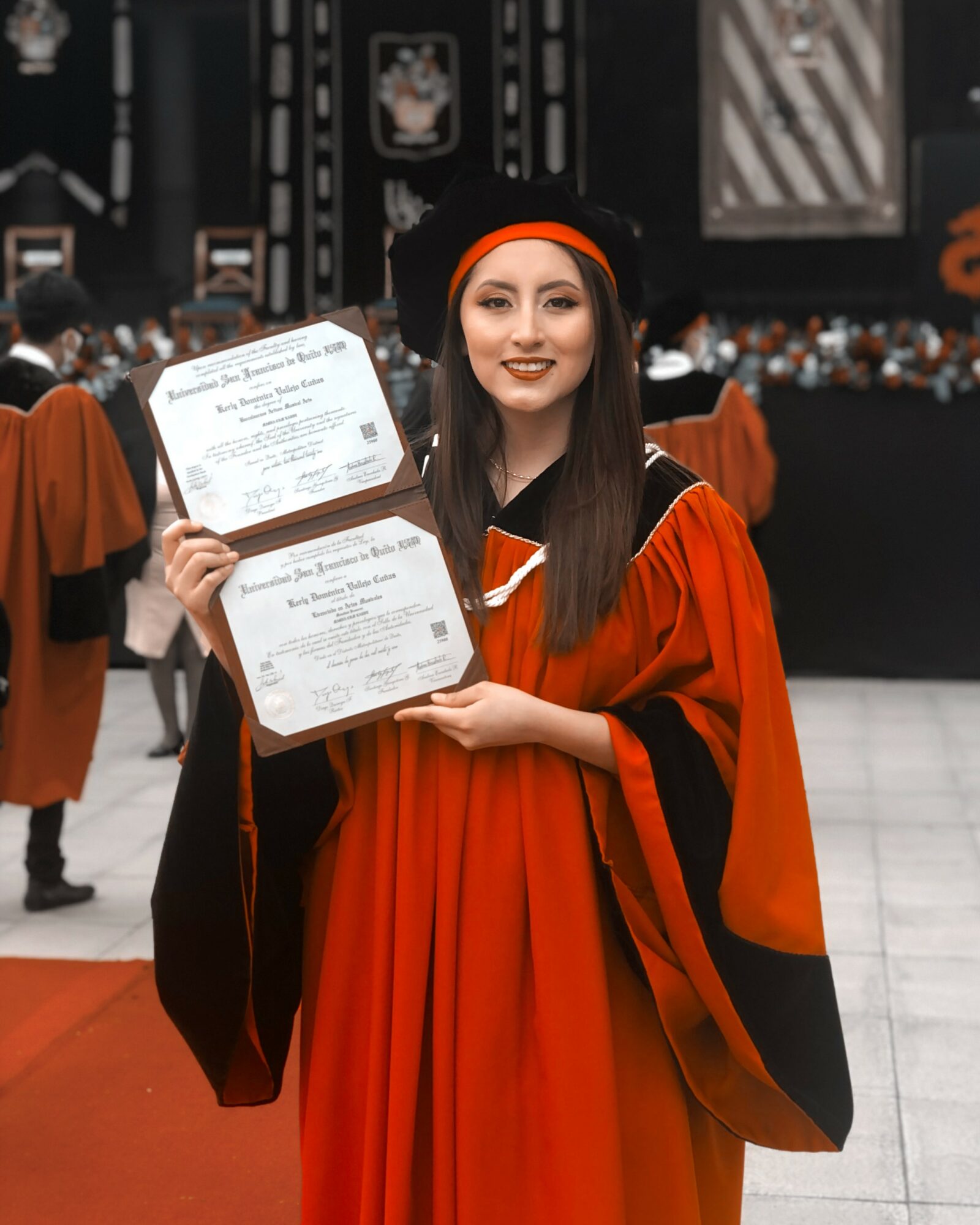
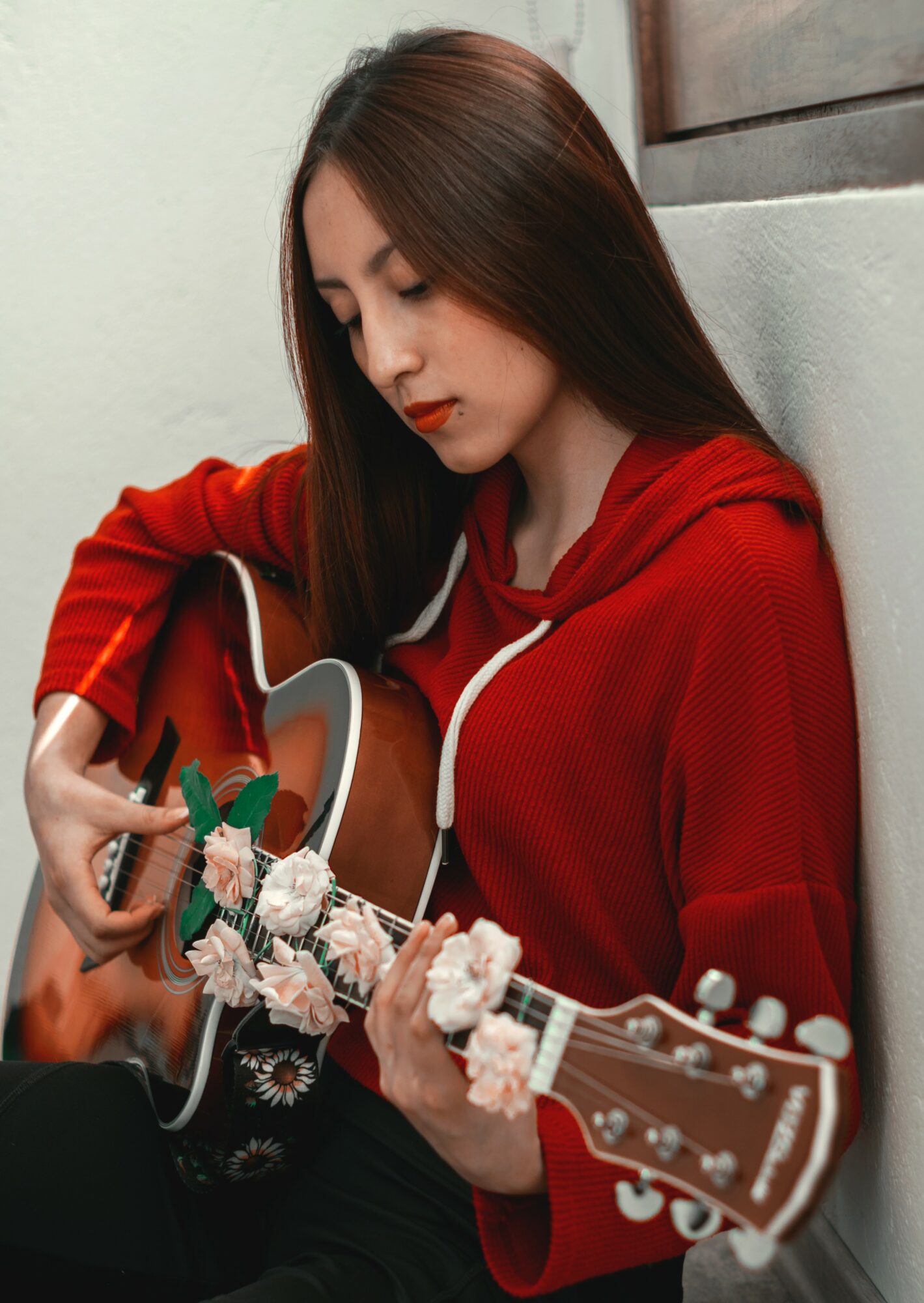
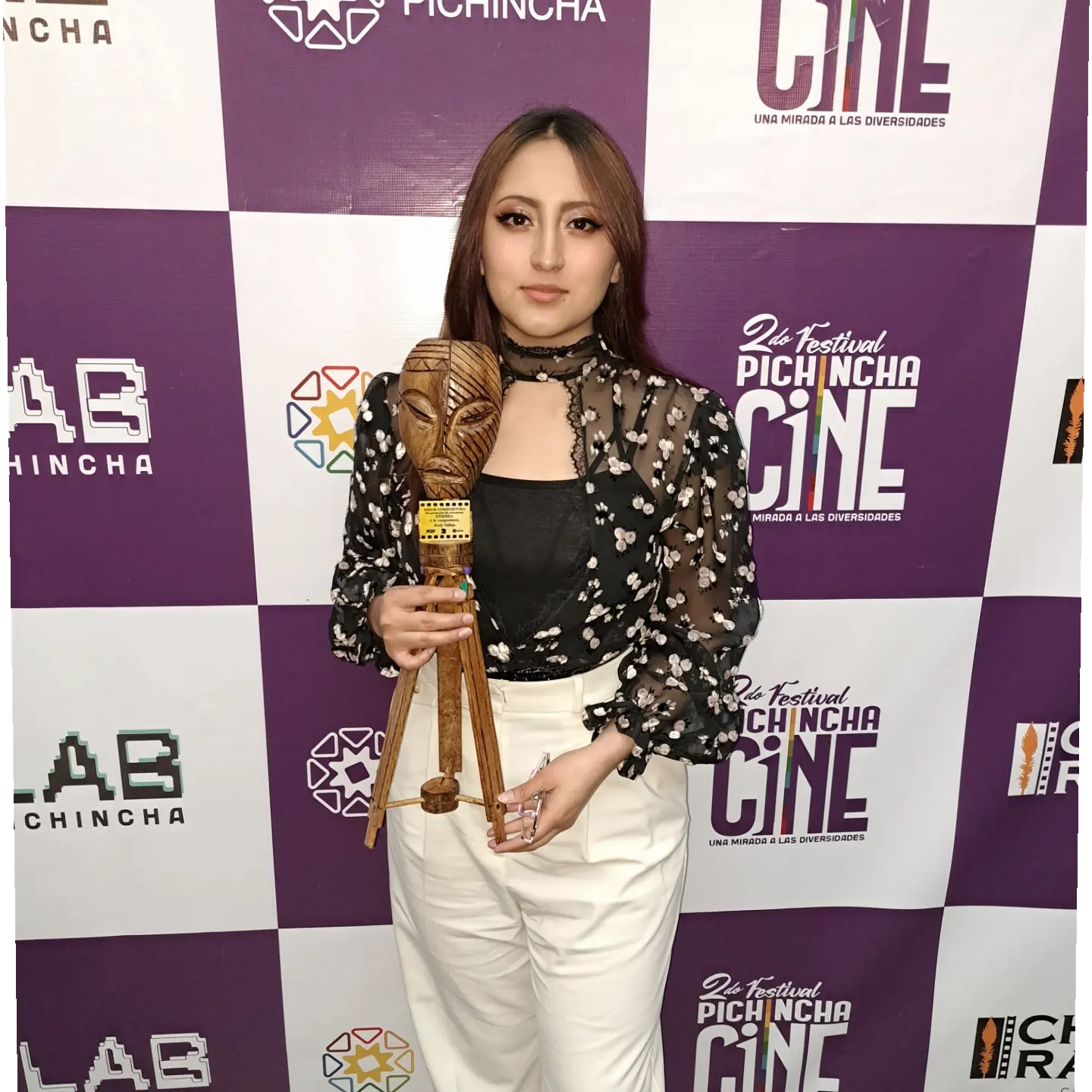
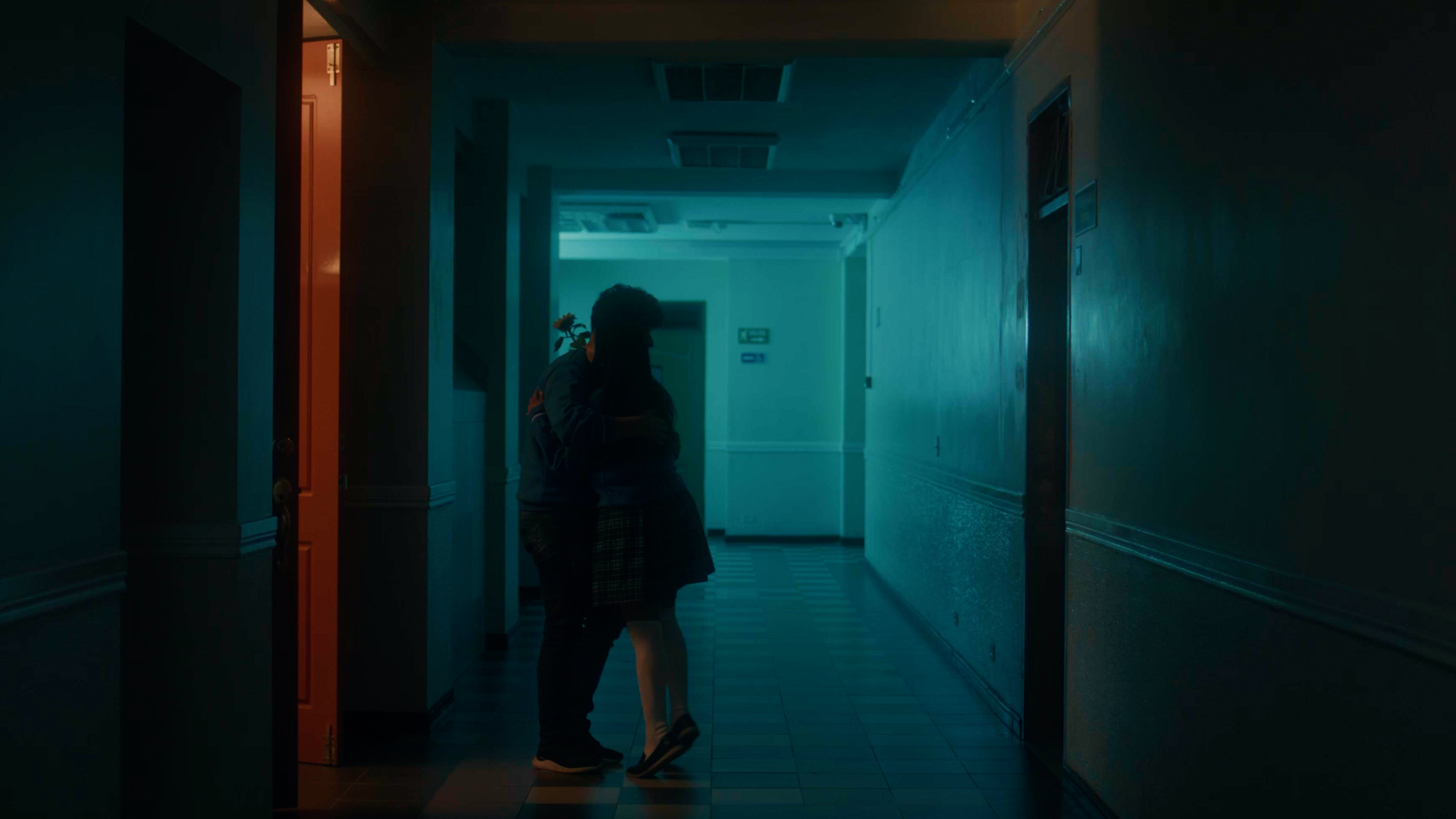
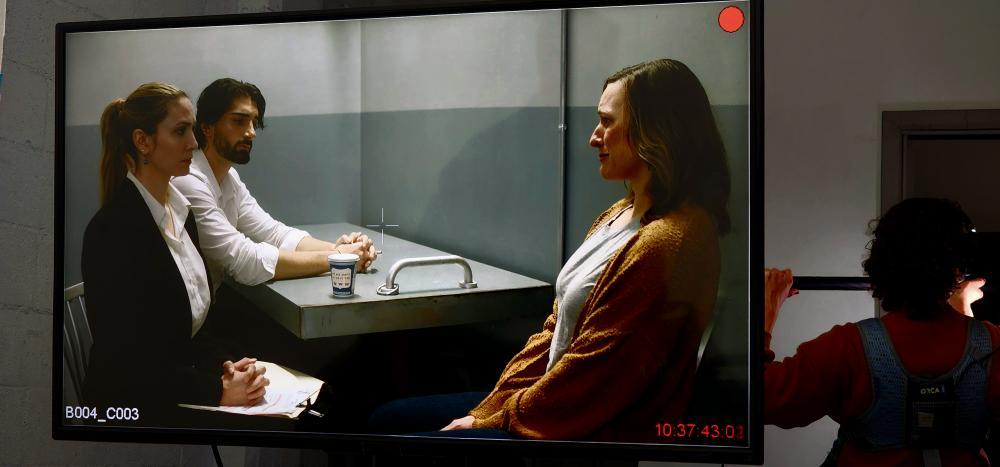
Image Credits
Photo with blue lighting and people hugging: Behind the scenes of short film “Habla con Diego” by Johnny Polo
Photo of the screen during recording: Behind the scenes of film “Hidden Lives” by Abraham Lopez
Popular
-

Robin Olive on Building an Inclusive Performing Arts Movement and Expanding Opportunities for Every Student
-

Portraits of the Valley
-

LA’s Most Inspiring Stories
-

Que Johnson on Building Brands That Last: From Visibility to True Market Authority
-

Christina Wren Steps Into the Director’s Chair to Tell Stories That Feel Like Home
-
JordanL on ‘Breathe,’ Belief, and Building a Movement Beyond the Music


