




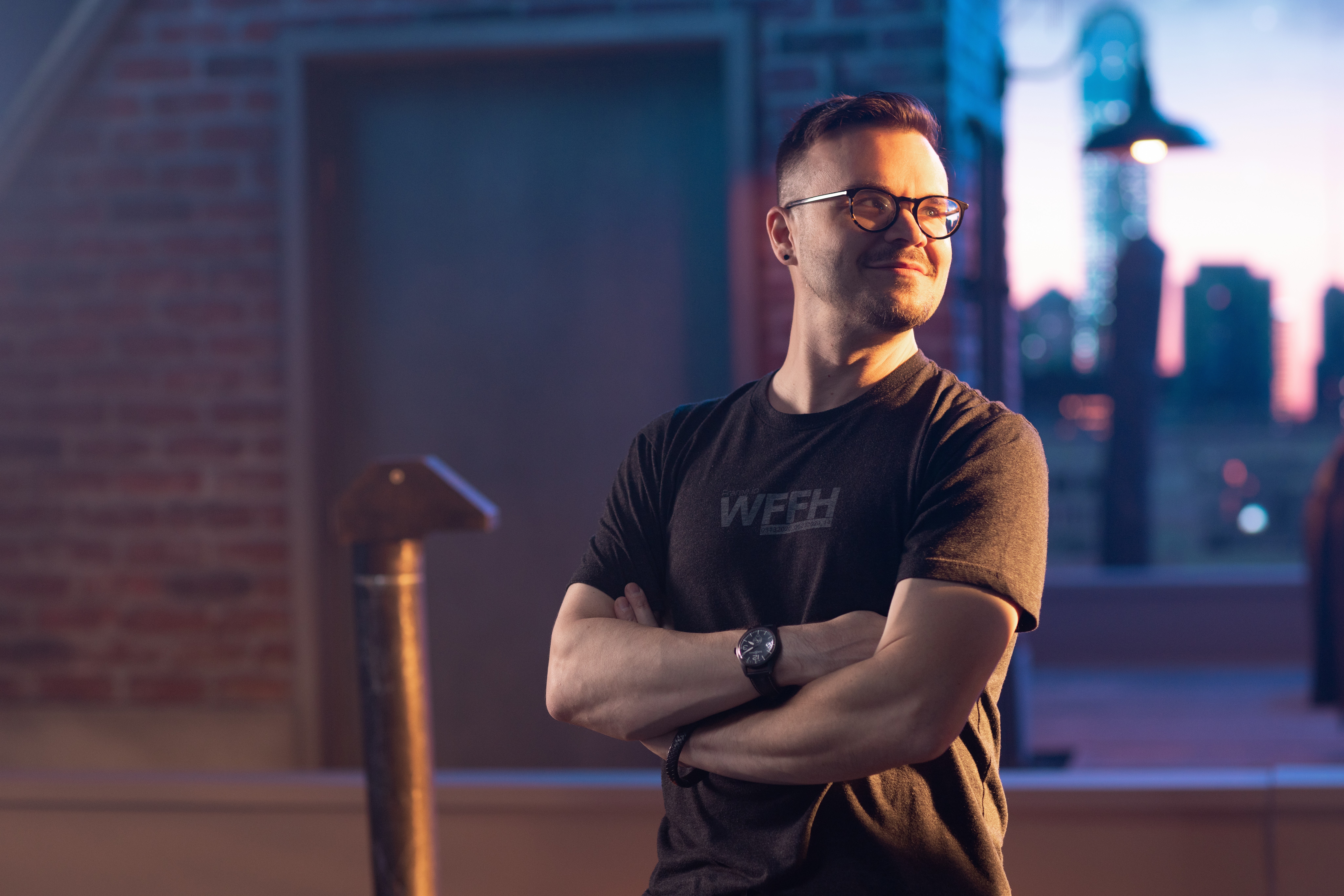
Today we’d like to introduce you to Michael Cioni
Hi Michael, so excited to have you with us today. What can you tell us about your story?
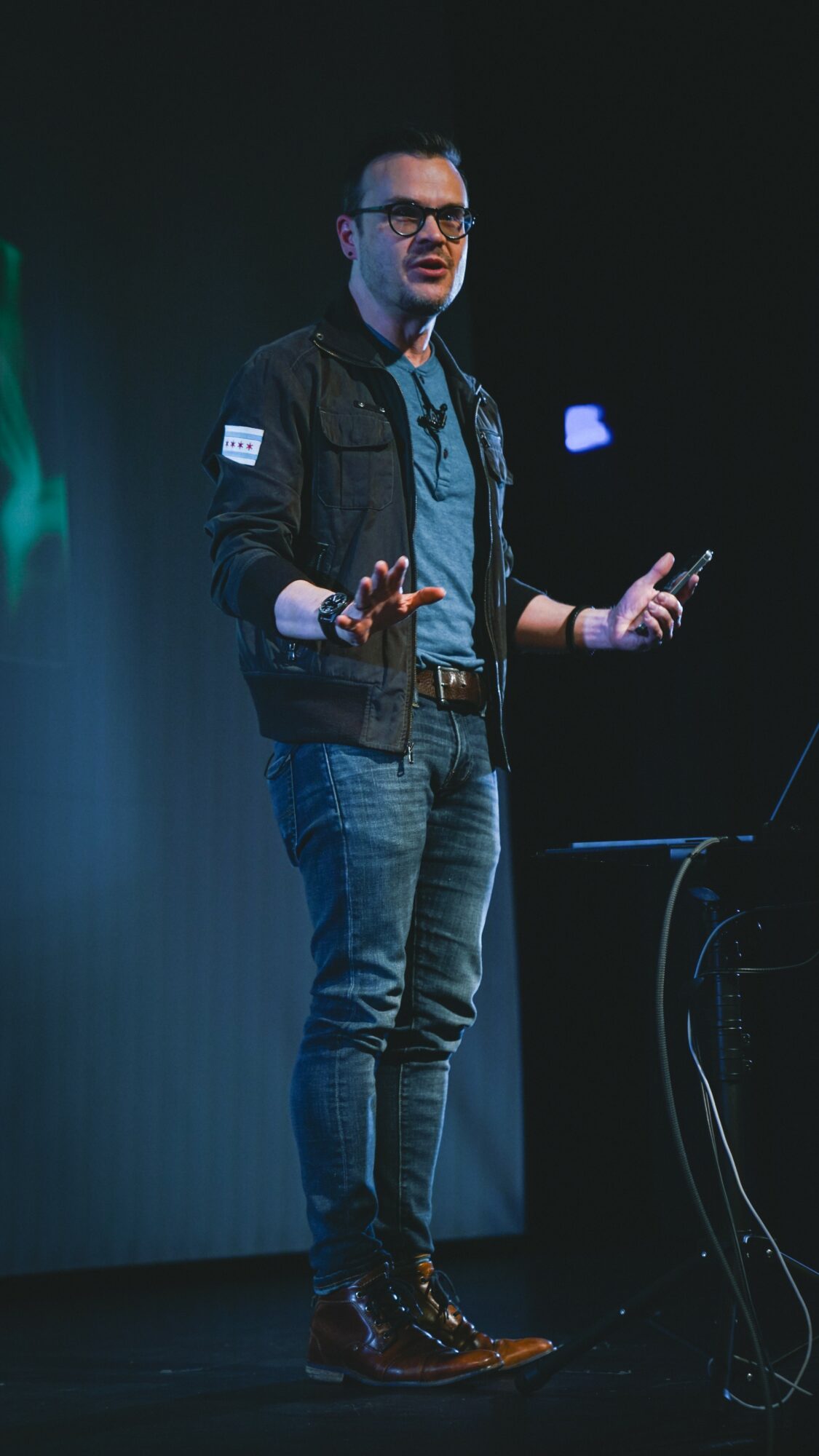
My father was a cartoonist and my mother was a pianist. Our home in Chicago’s west suburbs was always full of art, music, and creativity. I remember as a kid watching the TV program, “Movie Magic,” which was a behind-the-scenes look how Hollywood feature films were made. I remember asking myself, “Is this really a job?” I attended the film and media arts school at Southern Illinois University where something really profound happened without my knowing it: the birth of digital cinema. During my sophomore and junior years (1999-2000) a multi-pronged technological movement ignited with the product releases of the Apple G4, Apple Final Cut Pro 1.0, the SONY PD150 DVCam camera, and the FireWire cable digital interface. My college friends and I fully dove into this new world and as we combined these 4 powerful tools together, our work was recognized at the national level when we won back-to-back student Emmys for projects we created with this new technology.
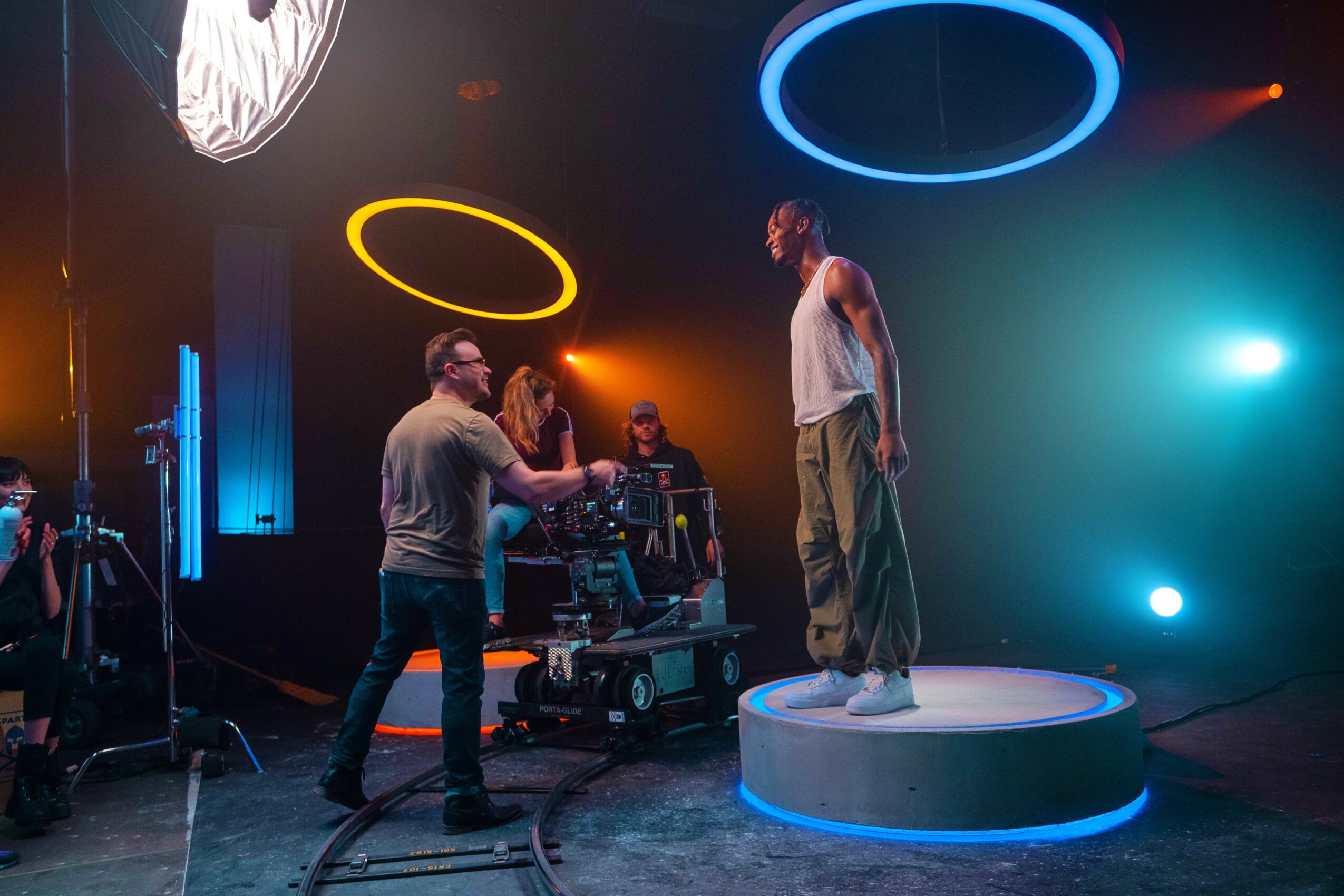
In 2001 we all moved to Los Angeles and began serving a small but growing community of digital cinema enthusiasts that were united with a desire to challenge all the conventional wisdom of filmmaking. The author Clayton Christensen speaks about disruptive innovations in his book “The Innovator’s Dilemma” in which rapidly evolving new technology can unseat incumbents by way of moving up the ladder from mid-market to professional. We didn’t know it at the time, but because we were became experts in an entirely new field, we found ourselves on a rocket that began serving the top creators in Hollywood as digital tools slowly but steadily crept into the mainstream. This allowed me to work with filmmakers like Cameron, Fincher, Soderbergh, and Zemeckis. Over the next 20 years, I continued to follow a contrarian approach to art and creativity and always bet it all on emerging trends that challenged the status quo.
Would you say it’s been a smooth road, and if not what are some of the biggest challenges you’ve faced along the way?
The challenge with this approach is that incumbent tools and talent make for strong headwinds as the establishment is traditionally programmed to resist change. As we uncovered technological shortcuts that gave us a competitive advantage, we found ourselves in conflict with an industry that historically defaults to resisting change. This is because entities (individuals and manufacturers) who spent decades establishing their success can be fearful of rapid or dramatic shifts in the market. Much of the establishment perceives the pain of change to be greater than the pain of staying the same. And when it comes to disruptive technologies brought on by a new wave of digital tools, the change was both rapid and dramatic, and the learning curve for many was intimidating. The phrase “never meet your heroes” had new meaning for me as I constantly found myself face-to-face with talent I looked up to that discouraged me from pursuing an avant gardé approach to cinema workflow. In the early 2000’s, digital enthusiasts were even met with reputable and decorated groups that touted “If you don’t shoot on film, you are not a filmmaker.” This was especially difficult emotionally because they were so knowledgeable that I actually believed them. Even after having success celebrating change, Ironically for me, the process of introducing change to the community doesn’t get any easier. I have helped usher in new technology for filmmakers 5 times since those days back at SIU and each time I’m met with tremendous resistance. Gold statues sitting on my shelf offer little reprieve from the fear and doubt of every new adventure I set my eyes on.
Can you tell our readers more about what you do and what you think sets you apart from others?
I’m a serial entrepreneur having started several businesses and been a 3-time CEO. But each of the businesses I’ve started are built on the foundation of an emerging technological shift in the filmmaking market. I often work with my brother, Peter as my CFO and co-founder. Together we love to read and research the market and attend industry events and tradeshows which help us identify emerging fads. Over time, some of these fads have the potential to grow and we begin investing in them so as to position ourselves as experts when fads become trendy. Eventually some of these trends make their way to becoming standards and the people who followed the journey from fad to trend to standard are in an ideal place to be highly visible when the mainstream begins to adopt the change. Some examples of this approach in my career included:
• investing in digital tools (Apple, Sony, GTech) instead of film (Kodak)
• investing in SANs (storage area networks) instead of film or video tape (Sony)
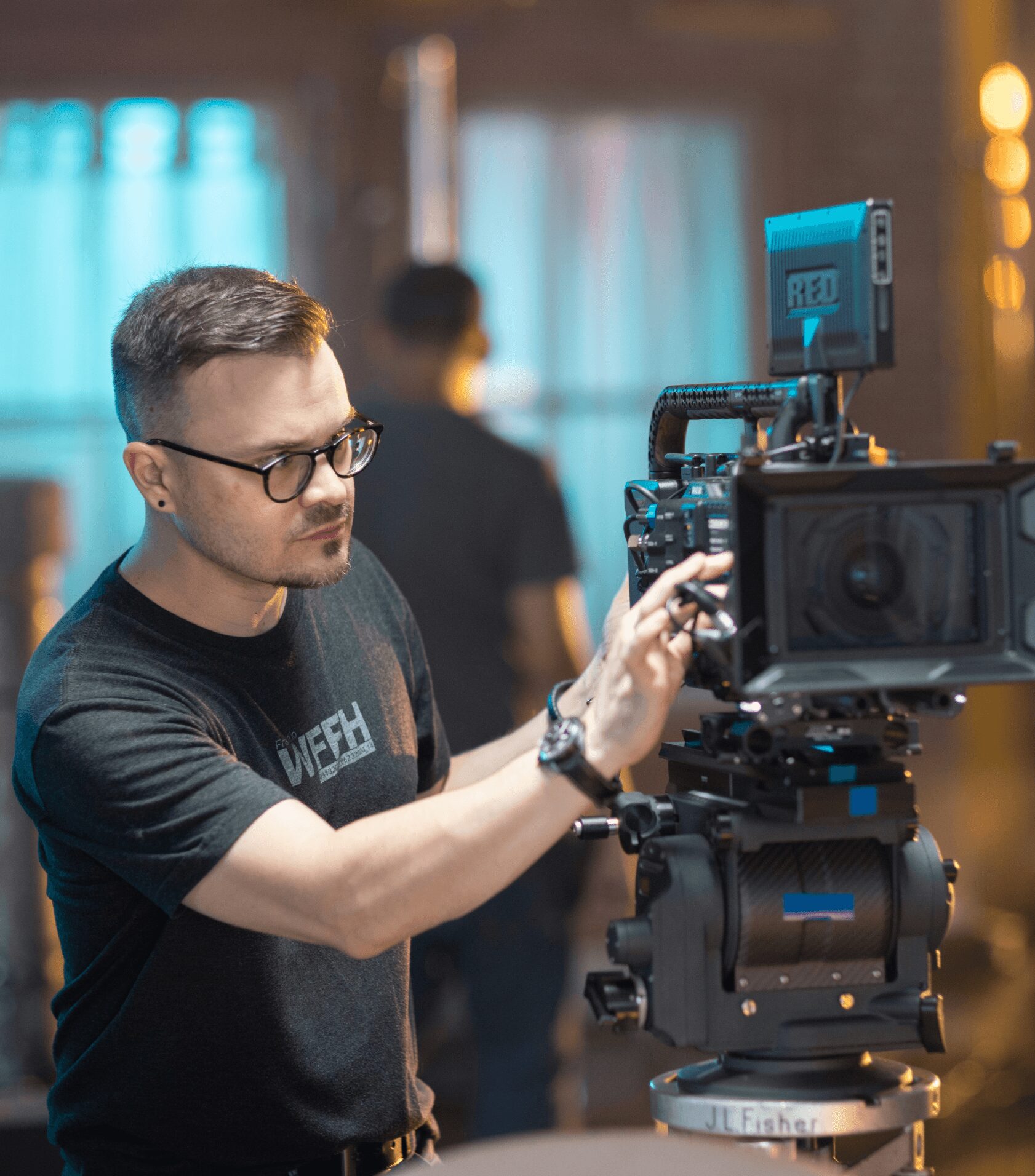
• investing in 4K (RED Digital Cinema camera company) instead of HD (digital broadcast standard)
• investing in mobile technologies (iPad) instead of optical (DVDs)
• investing in 8K large format cinematography (Panavision Millennium DXL) instead of 35mm
• investing in cloud acquisition (Frame.io Camera to Cloud) instead of hard drive acquisition
Each of these were technologies I helped pioneer which began as very small fads and eventually became industry standards in their own right. And even though I love the process of identifying opportunities and often risking my own money to help make it a standard, it isn’t my most valuable trait. The greatest skill I’ve learned throughout my career has been the ability to assemble teams. Because most ideas are not original, the skill becomes less about identifying an opportunity and more about how to activate on it. Team building is not only the most important role I play in building businesses, it’s also my favorite. I love the process of identifying talent and bringing them together to act on an unproven and risky mission. The role of a successful founder goes even further and must include:
• producing clear alignment across all the roles in the organization
• motivating everyone at the individual level so they become comfortable with being uncomfortable
• establishing and constantly reinforcing a clear and common goal
• creating a healthy dependency between traditionally separate departments
• constantly communicating the state of the business with total transparency
• establishing a culture in which team members value “tough love” and “love to be tough”
What do you like and dislike about the city?
Living in Chicago was a fantastic way to grow up. But I learned from my father later in life that he always wished he had moved to Los Angeles. It wasn’t until I dropped out of film school at Southern Illinois University that I knew my calling was in SoCal so I boarded a plane at Chicago O’Hare on one of the most memorable days in history; September 11th, 2001. I eventually made the trip a week or so later when flights resumed. I quickly began to acclimate to a region I was only familiar with based on television and the movies. As I drove through town looking for work, I began to recognize locations in which scenes from my favorite stories took place; the parking lot at Santa Monica and Highland where “The Dude” picks up Walter (carrying “the ringer”) in “The Big Lebowski.” Sunset Blvd where Johnny Depp bikes past the Tower Records in Tom Petty’s “The Great Wide Open.” Olive near Verdugo where the iconic “Safari Inn” appears in Apollo 13. Or the perfect sunset backlight of the infamous Nakatomi Plaza in Century City from “Die Hard.” What resonated with me living in Los Angeles wasn’t the red carpet venues, the celebrity clubs or even the Hollywood sign, it was the hidden gems of the city that artists cast in their films simply because they know them. I love how a camera and a cast can forever transform a location when a good story is told there. Dateline’s Keith Morrison once described LA as “40 suburbs in search of a city.” This unique (and accurate) description of LA is why I pay attention to areas around town – so big that every one of us can still be inspired to explore it like we just arrived. I’ve seen entire neighborhoods evolve and others decay. But after nearly 25 years of life here (and even with so many challenges we face) I love seeing the city change and I’m eternally optimistic LA will regain its strength.
Contact Info:
- Website: https://strada.tech
- Instagram: michaelcioni
- LinkedIn: https://www.linkedin.com/in/michaelcioni/
- Twitter: michael_cioni
Popular
-

Que Johnson on Building Brands That Last: From Visibility to True Market Authority
-

Christina Wren Steps Into the Director’s Chair to Tell Stories That Feel Like Home
-

Portraits of the Valley
-

LA’s Most Inspiring Stories
-
JordanL on ‘Breathe,’ Belief, and Building a Movement Beyond the Music
-

Megan Birney Rudert on How Access to Light Is Powering a More Sustainable and Equitable Future


