




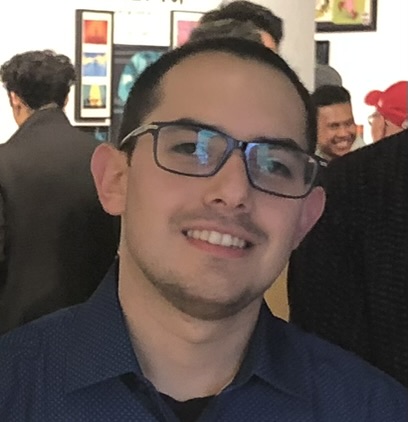
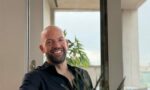
Today we’d like to introduce you to Eric Rivera
Eric, we appreciate you taking the time to share your story with us today. Where does your story begin?
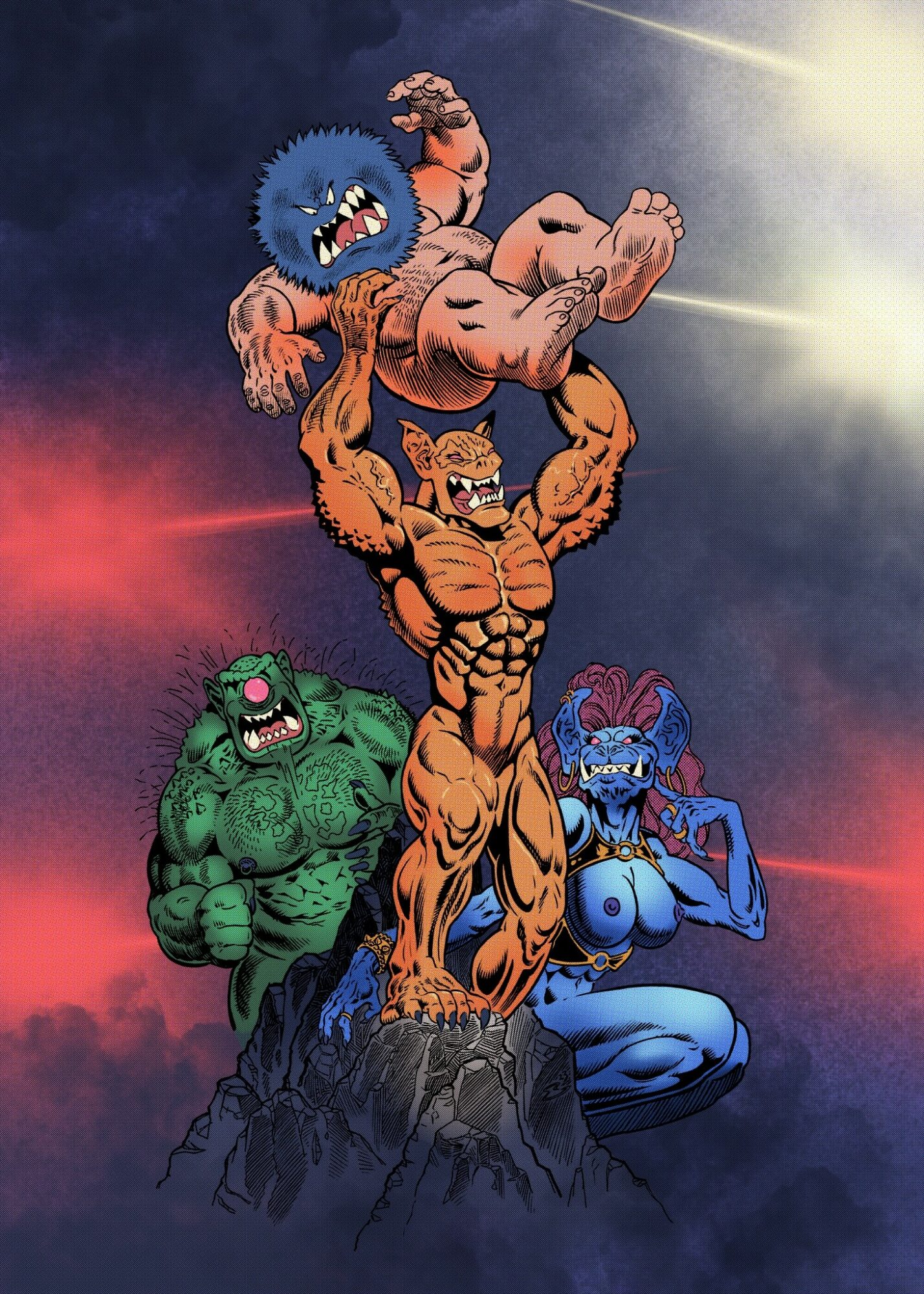
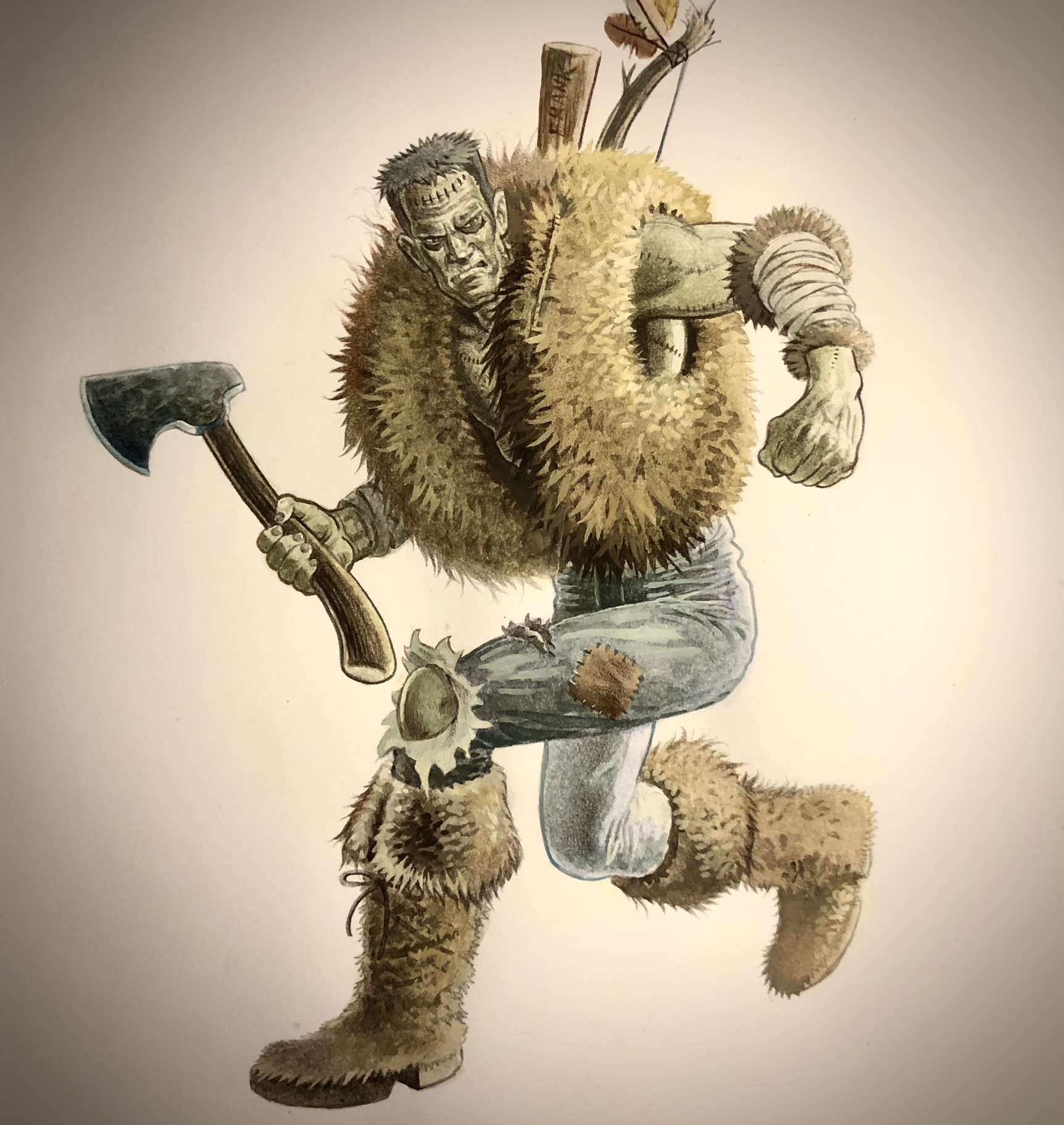
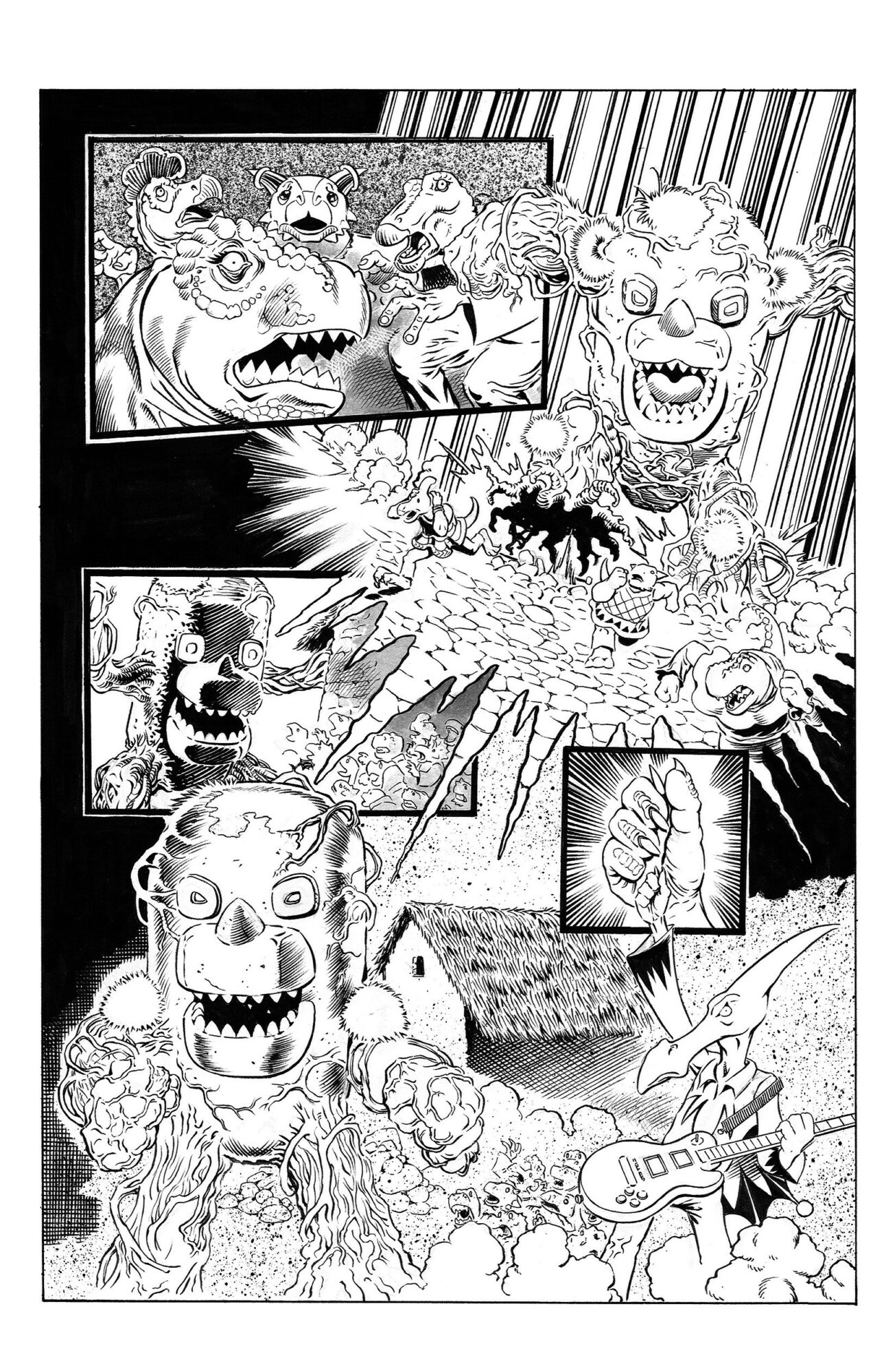
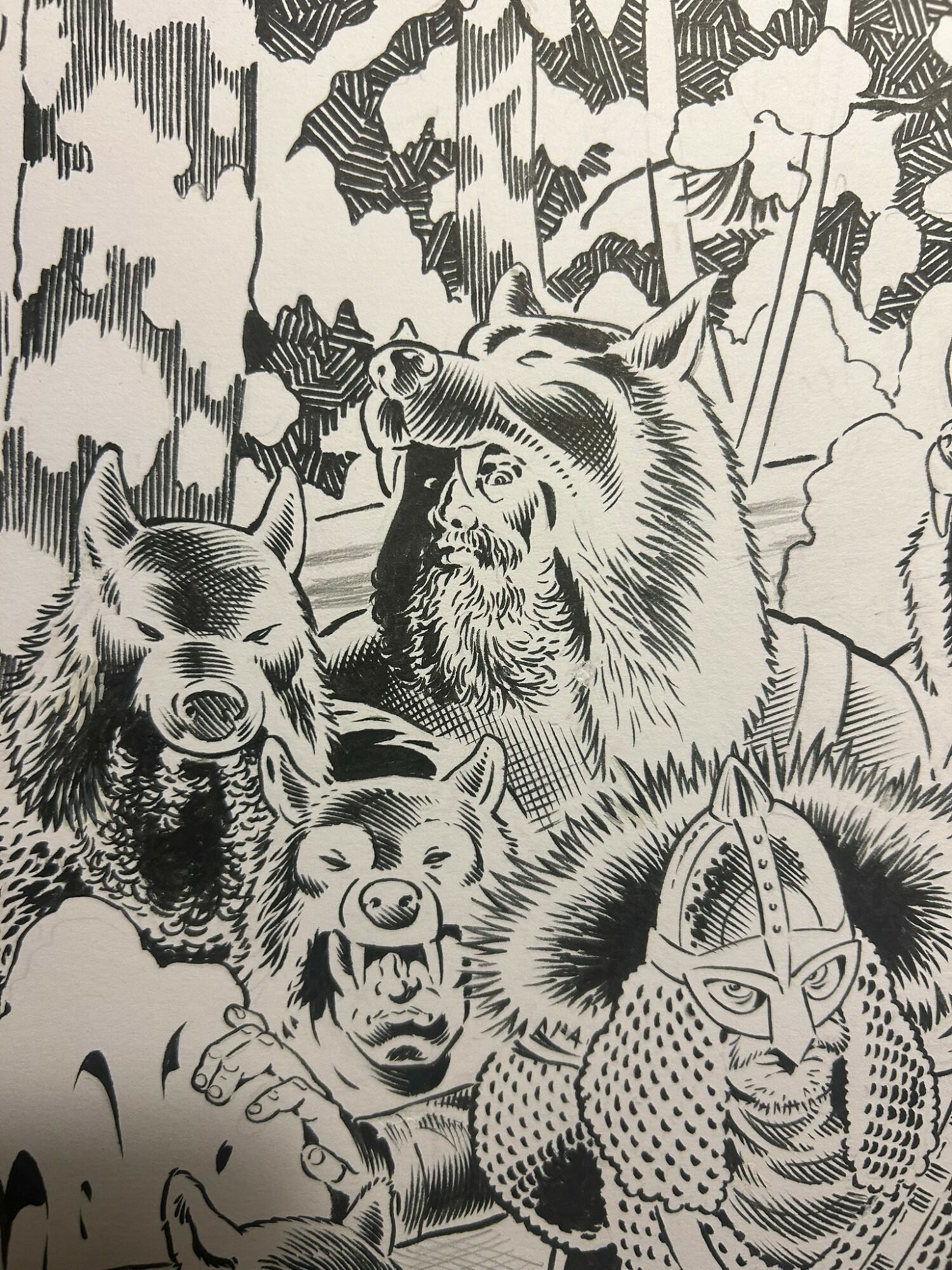
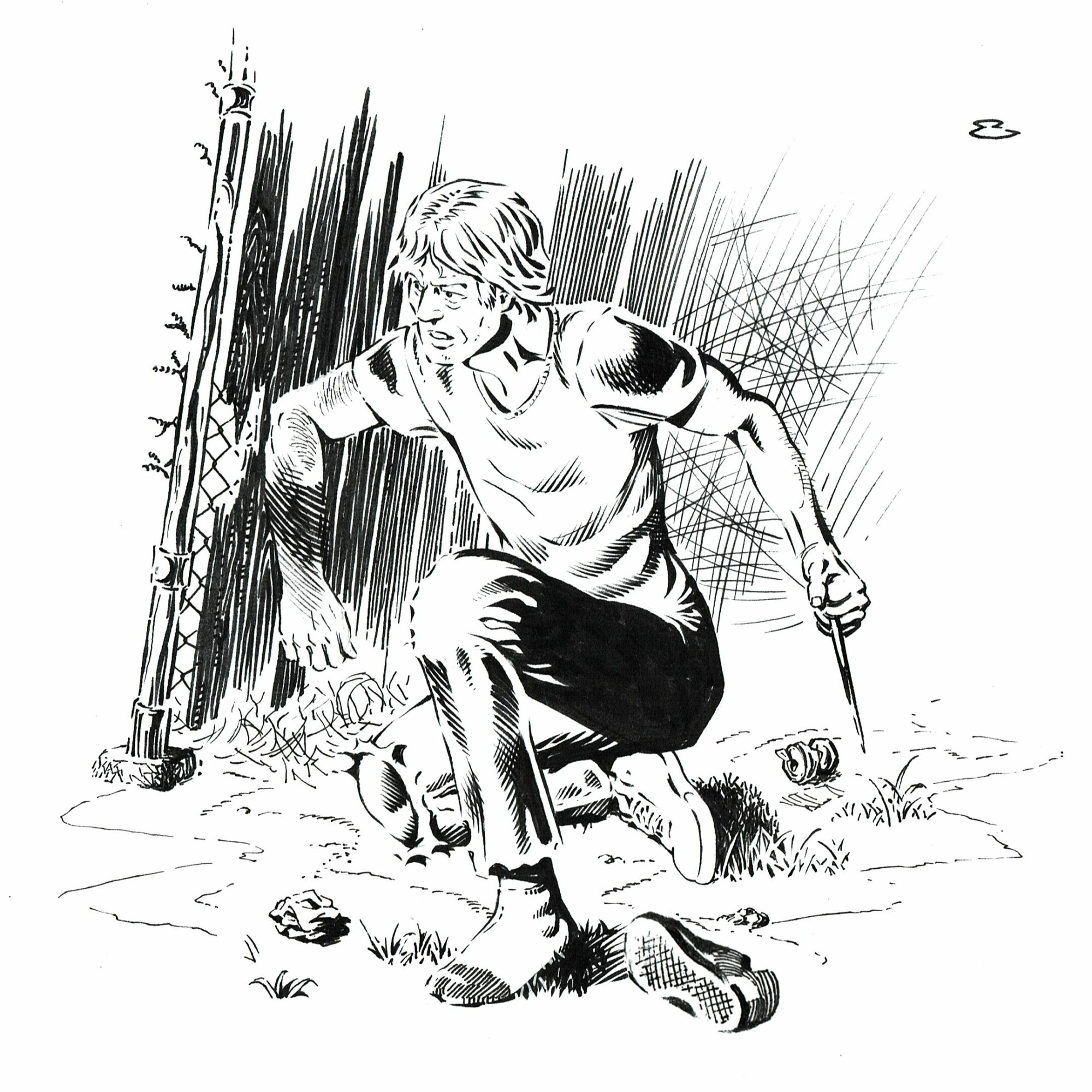
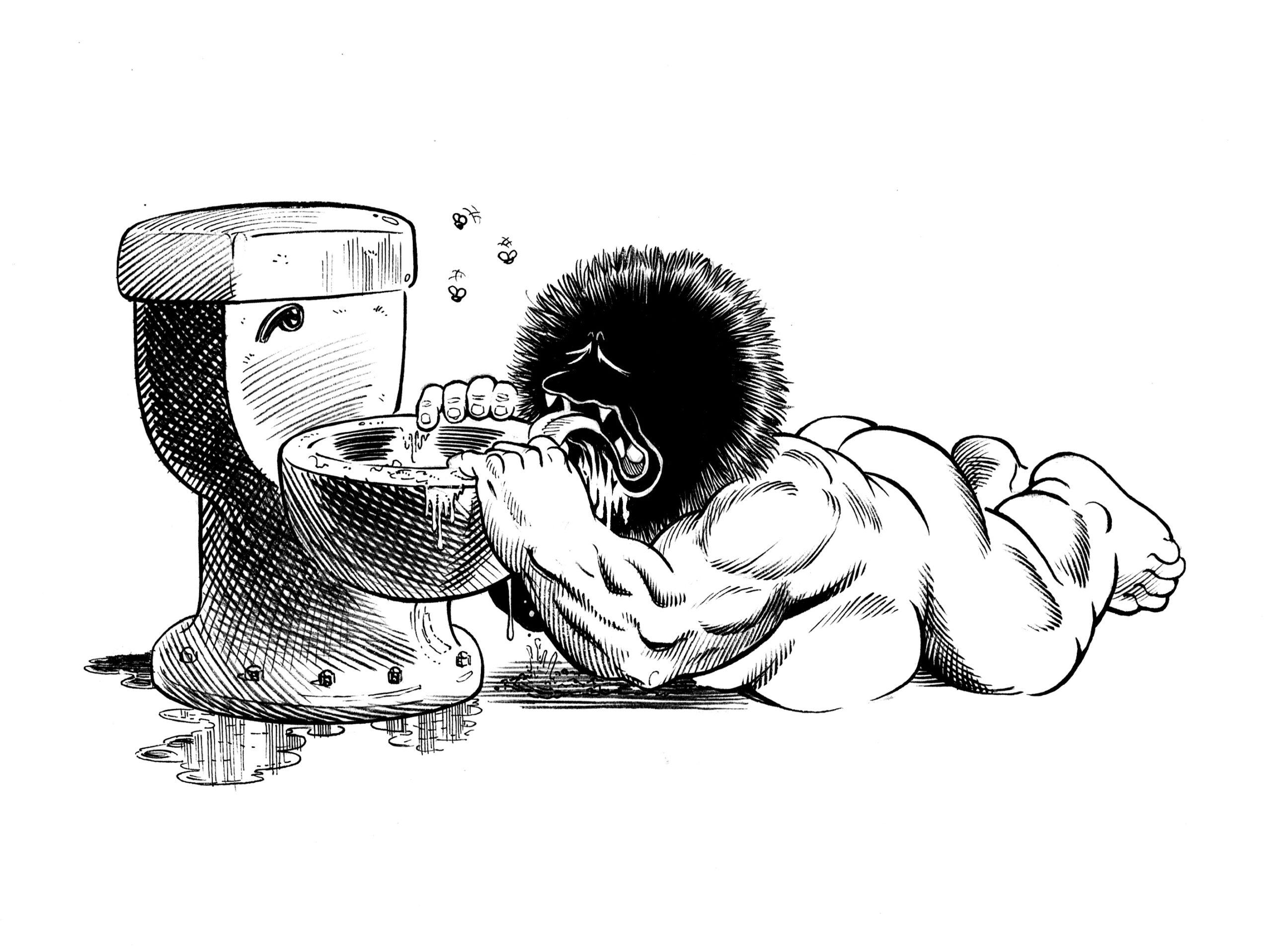
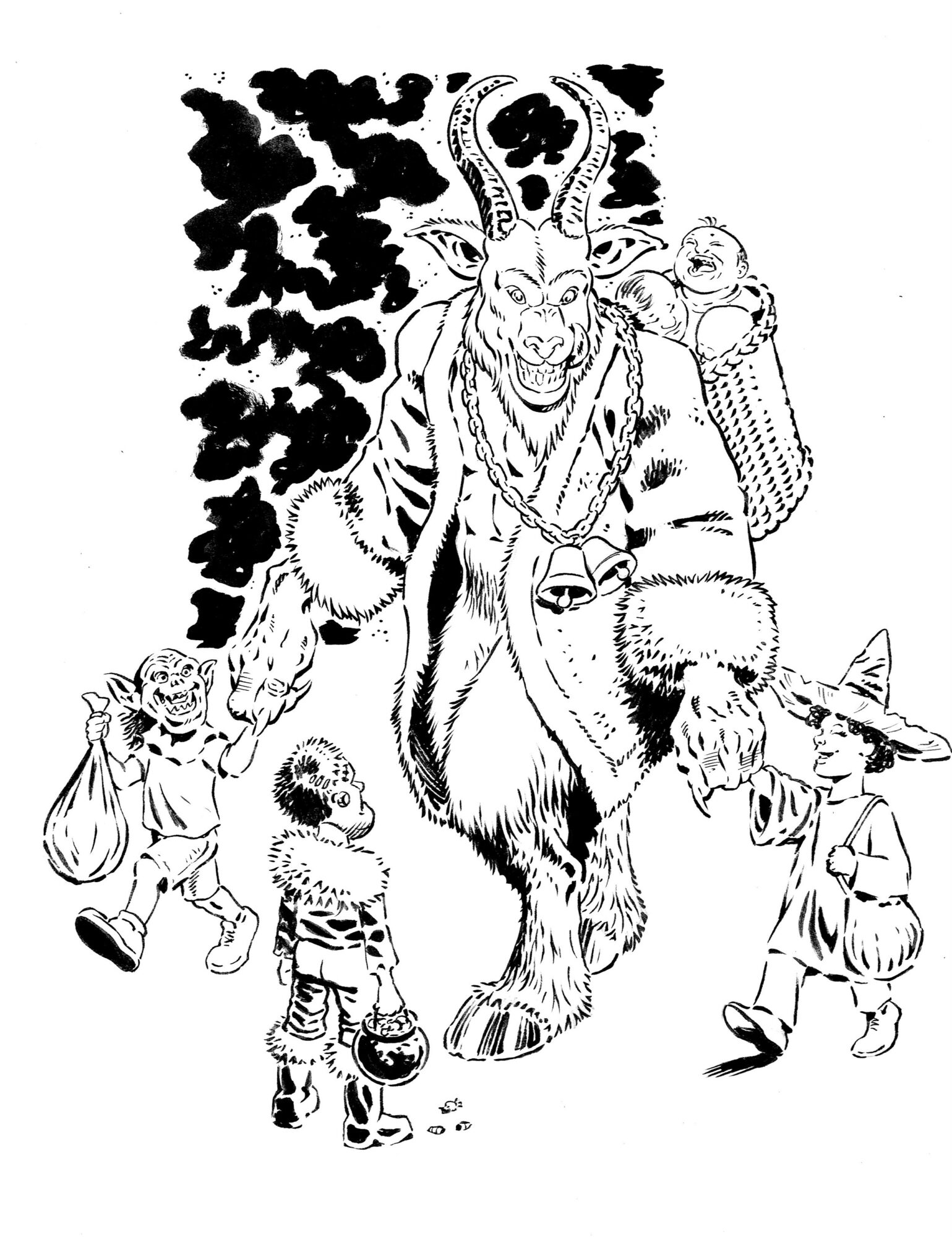
My name is Eric Rivera, and I am a freelance comic book artist based in Southern California. My work explores retro and old-school horror-fantasy themes of the likes of EC and Warren comic art. Currently, I live in a tiny Redondo Beach apartment drawing a 26-page comic book about a Viking.
An obsession with print media has been with me since I was kid. When learning how to write, I would first draw the letters instead of plotting complete sentences. Even then I understood beauty existed even in elements as simple as type font. There’s an authenticity to physical media that will never phase out. There’s something psychological to grasping a gloss cover, skimming the paper texture, dotted ink impressions and all its nooks and crannies. It is a document. It is something to be valued, treasured, and learned from. A concept I became aware of when I discovered comics. The fact those books were, above all else, a magazine(document) and a collection of art, that themselves were scarce; made them a perfect match for future investment in the craft.
My first encounters with other artists came while I was student at the (now defunct) charter Encore High School for the Arts. Their instructors played critical roles in building a foundation, though curiosity with sequential art and vintage comic books hadn’t arrived until way into my junior year when I began to learn the names behind my childhood nostalgia. It then was clear to me that the best sequential art came before my time, and from that moment forward; a late bloomer, I became determined to study under the pillars of this expansive medium. Most of what I know I gained through the people I’ve met along the way, some of whom I still respect and greatly look up to as peers and mentors.
Alright, so let’s dig a little deeper into the story – has it been an easy path overall and if not, what were the challenges you’ve had to overcome?
Not so much. Lots of bumps. There’s the learning curve of maximizing the best of what you can be, but post-education, an aspect often neglected in discussions about having art careers is the relatively small job pool versus the total number of artists. It is very competitive. For this reason, it benefits to open up to many avenues of employment. Get a day job to supplement your creative endeavors. The down time will be used to improve your skills, build a better portfolio, and attend job fairs/conventions relevant to your field. Sometimes your portfolio submissions may wait to hear back from a recruiter. In the meantime, you can do freelance or find work elsewhere. Uncertainty may be scary at times, but I found that as long as I kept putting in the extra leg work, those feelings were less dominating. Perseverance has been a big asset, and I continue to find better work because of it.
Can you tell our readers more about what you do and what you think sets you apart from others?
As a seasoned artist, I found that having a range of disciplines helps form a sort of identity. Yes, I can draw, but I can also paint, sculpt, design, and animate. I also adapted swapping between traditional and digital media back and forth. You never know when those skills will come handy, so it’s best keeping them all sharp where possible. I like comics because of its comprehensive nature. It combines all the disciplines to make a product that not only tells a story but has to know how to tell it. Every inch of artwork should serve a function in navigating your reader. It is tough to do and is part of the overall intrigue. Additionally, because the person must also balance that with good art. How I see myself in relation to other artists who make comics; I am a dime a dozen. I don’t fixate too much on that. What matters most is the voice of personal experience. How we engage with the world around us. The imagery is different because the person too is different.
Do you have any advice for those looking to network or find a mentor?
I have not mentioned this before, but networking is a matter of you physically going out of your way to be in a place where opportunities will find you. Never assume the latter. These could be events, job fairs, small store gatherings, an education. What’s worked well for me will not ring true to the next person, but I would treat it as going out and trying making friends. I found that people who share a love for the same hobby usually mutually want to spend time and help each other out and it’s no different in the profession either. Having mentored under more than a handful of professionals, I can say it is no different than it would be freelancing. Just go out and meet people is my best advice.
Contact Info:
- Website: https://erivera19992475.wixsite.com/ericrillustration
- Instagram: https://www.instagram.com/i_am_macabre/
- Facebook: https://www.facebook.com/crazyericart/

Popular
-

What is something outside of work that is bringing you joy lately?
-

Local Highlighter Series
-
What did suffering teach you that success never could?
-

What are you most proud of building — that nobody sees?
-

Who were you before the world told you who you had to be?
-

If you could say one kind thing to your younger self, what would it be?


